
What Is Lawn Rust Disease and How Do You Treat It?
Seeing an orange powder coating your grass or shoes can be alarming, but lawn rust is a common fungal problem that you can manage with the right approach.
We’ll walk through how to correctly identify lawn rust, understand what causes it, follow step-by-step treatment, and prevent it from returning.
I’ve dealt with rust outbreaks on my own lawn, including in that finicky area I call Patch, so I know how to tackle it effectively on a homeowner’s budget.
Key Takeaways: What You Need to Know Fast
Lawn rust is a common fungal problem, but it is not a death sentence for your grass.
You can spot it with three clear signs.
- Orange or reddish powder on your shoes after walking on the lawn.
- Yellow streaks or flecks on individual grass blades.
- A lawn that looks thin and weak overall.
Fixing lawn rust is less about finding a magic spray and more about fixing the underlying health of your turf.
Preventing it through good lawn care is always easier and cheaper than treating an outbreak later.
Do not worry. With a few focused steps, you can manage this and get your lawn back on track.
What Does Lawn Rust Look Like? Spotting the Telltale Signs
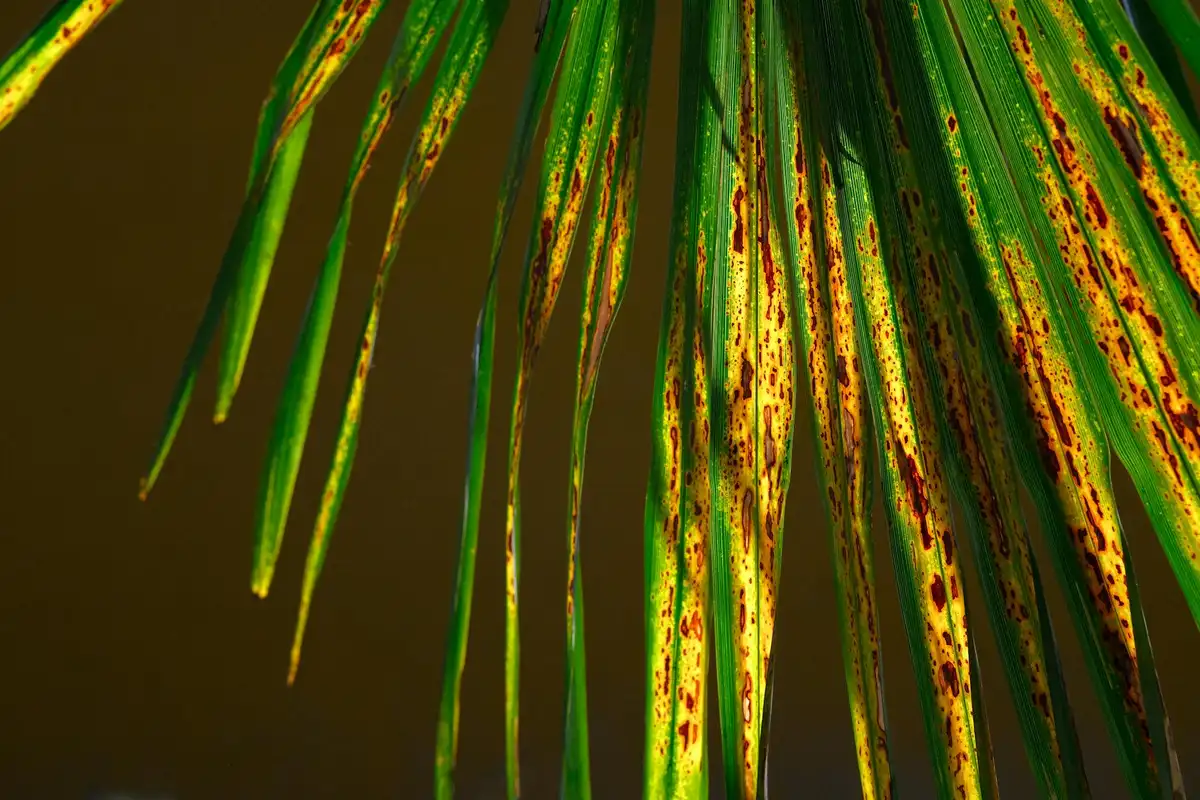
It starts quietly. You might notice faint yellow flecks or streaks on individual grass blades. It looks like someone took a tiny paintbrush to your lawn.
Those flecks quickly develop into raised, powdery spots. They break through the leaf surface and turn a distinctive orange, red, or cinnamon brown. These are the pustules, and they are full of spores.
This leads to the simplest test. Walk across your lawn in white shoes. If you see orange dust on them when you come inside, you have confirmed lawn rust. I have done this test myself more times than I can count.
The infected grass feels different, too. It becomes thin and weak. You can easily tear a blade with your fingers. The lawn loses its springy resilience. Where my healthy grass has a crisp snap under the mower, rust-weakened grass just folds over.
Compare it to a healthy patch. A thick lawn is a deep, consistent green. Achieving a thick green lawn takes steady care and the right practices. Small, consistent steps can make a big difference. A rust-stressed lawn looks patchy, faded, and thirsty even if it is not.
You will most often see rust in late summer and early fall, when the weather sets the perfect trap for your grass. Cool, dewy nights followed by warm, humid days create a paradise for the fungus. This is when your lawn is also often stressed from summer heat, making it an easy target.
The Lifecycle of a Lawn Rust Fungus
Think of lawn rust like a cold for your grass. It spreads through microscopic spores, which are like tiny seeds for the fungus.
The wind can carry these spores for miles. They also hitch a ride on your mower blades, your shoes, or even your pet’s feet. That is why an outbreak can seem to move across your lawn or pop up in a neighbor’s yard.
When a spore lands on a damp, stressed grass blade, it germinates and infects the plant. It feeds on the nutrients inside the leaf. After a few days, it produces those colored pustules you see, which then release thousands of new spores to continue the cycle.
Knowing this cycle is key to stopping it. You break the chain by reducing moisture on the grass blades (with better watering habits) and by growing grass so thick and healthy that the spores have nowhere to land and take hold. This is a smarter plan than just reacting with chemicals after the fact.
Why Does My Lawn Have Rust? Uncovering the Root Causes
Let’s get this straight from the start. The rust fungus didn’t just attack a healthy lawn out of the blue. It saw an opportunity. Rust attacks grass that’s already stressed and growing slowly. Think of the fungus like a bully picking on the weakest kid on the playground. Rust is a symptom of a bigger problem, not the sole cause of your lawn’s troubles.
You’re not just fighting orange powder. You’re fixing the conditions that invited it in. The main culprits are almost always the same.
- Low Nitrogen Levels: Grass uses nitrogen like fuel for fast, green growth. Without enough, it gets sluggish.
- Heavy Shade: Areas under trees or beside fences get less sun. Less sun means slower growth.
- Compacted Soil: Hard, dense soil chokes roots. They can’t get the air, water, and nutrients they need to grow strong.
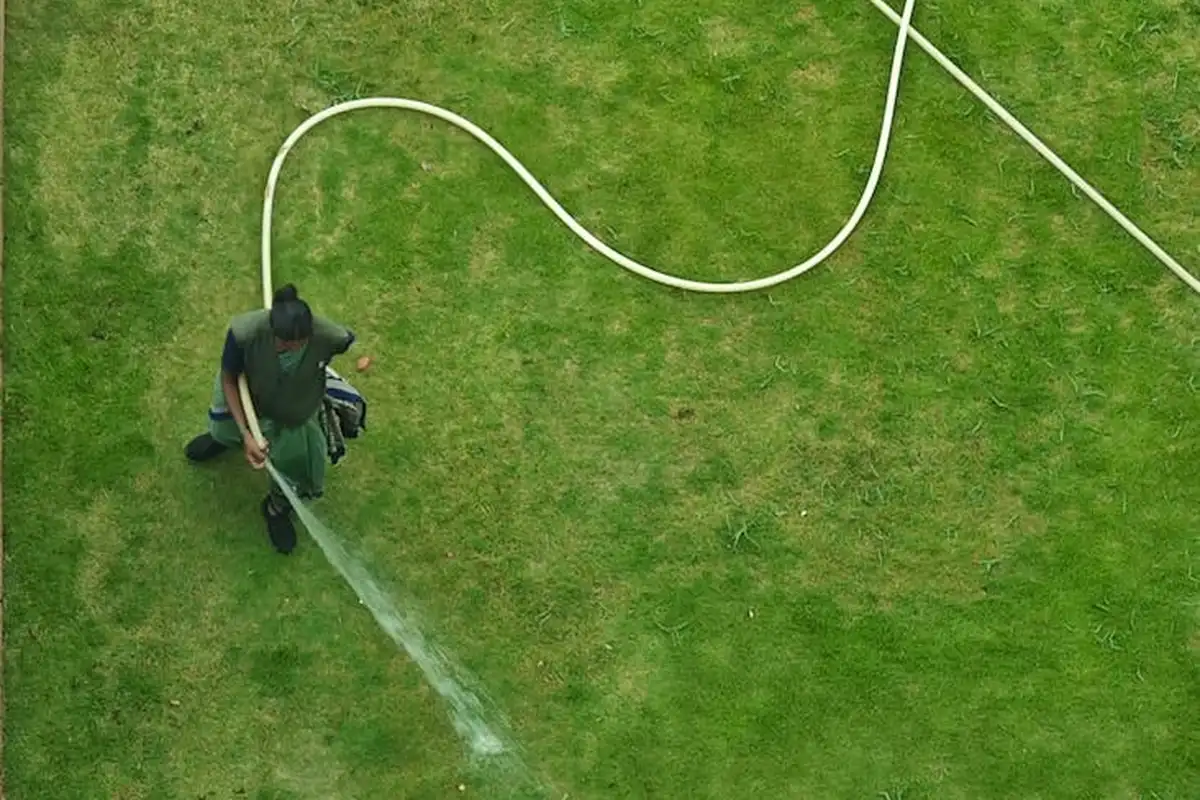
Now, let’s talk about a common misstep I see all the time. Overwatering your lawn does a double dose of damage. First, it leads to weak, shallow root systems because the grass never has to search for water. Second, it keeps the grass blades damp for long periods, creating the humid, soggy environment fungi absolutely love. It’s like leaving wet laundry in a heap, it’s going to get funky.
Your mowing habits play a huge role, too. Mowing too short scalps the grass, removing too much of its food-producing “leaf.” This shocks it and slows growth way down. Mowing infrequently is just as bad. When you finally cut off a third or more of the blade height, it’s another major stress event. Consistent, proper mowing is one of the simplest ways to keep grass vigorous and outpace problems.
Finally, some grass types are just more prone to rust than others. Perennial ryegrass and Kentucky bluegrass are common cool-season grasses that can be susceptible, especially if they’re not the newer, more disease-resistant varieties. Knowing your grass helps you know what to watch for.
Factors That Create the Perfect Rust Storm
Let’s break these causes down into simple “if this, then that” logic. This is how I diagnose issues in my own yard.
If your soil is low in nitrogen, then your grass can’t outgrow the infection. The rust fungus reproduces on the blade. A fast-growing lawn will simply mow off the infected tips before the fungus can spread its spores widely. A slow-growing lawn gives it all the time in the world to settle in and multiply.
If an area is heavily shaded, like my stubborn “Patch,” then growth grinds to a halt. Grass needs sun to make food. Less food means less energy for growth. That shady corner becomes a damp, slow-motion zone where rust can easily take hold. It’s a constant battle of patience and smart seed choices for those spots.
If your soil is compacted, then roots are suffocating. Picture trying to breathe through a wet blanket. That’s what compacted soil feels like to grass roots. They can’t function properly, so the plant above ground struggles. Aeration is the fix here, giving the soil room to breathe again.
If you’re under-watering or doing it wrong, then the grass is drought-stressed. This connects back to my setup, “Sunny.” The goal is deep, infrequent watering that encourages roots to grow down. Short, daily sprinkles from an improperly set system only wet the surface, leading to weak roots and a lawn that’s one hot day away from stress. A stressed lawn is a vulnerable lawn.
Your Action Plan: How to Get Rid of Lawn Rust Fungus
Think of this as a recovery plan for a tired lawn, not a magic one-time spray. You are fixing the conditions that invited the rust in. The steps are the same whether you’re in the US, UK, NZ, or elsewhere, but always double-check that any product you consider is approved for use in your country.
Step 1: Mow and Bag to Remove Spores
This is your first move. Mow the affected area and bag every single clipping. Do not mulch. Those clippings are covered in the orange powder, which is the fungus ready to spread. Bagging them removes a huge amount of the problem from your lawn. I fire up Max for this job, making sure his blades are sharp for a clean cut that stresses the grass less.
Bagging your clippings during an outbreak is a non-negotiable step to physically remove the fungus from your property.
Step 2: Feed with a Balanced, Slow-Release Fertilizer
Lawn rust is a sign of a slow-growing, hungry lawn. You need to give it a steady, gentle meal to kickstart healthy growth. Look for a balanced fertilizer (like a 10-10-10 or similar) that is slow-release. This provides nitrogen without causing a violent, weak surge of growth. Strong, vigorous grass will simply outgrow and outcompete the fungus.
Step 3: Water Deeply and Infrequently, and Only in the Morning
Change your watering habits immediately. Give your lawn a long, deep drink less often. This encourages roots to grow down deep into the soil searching for water, making your grass more resilient. Always water in the early morning so the sun can dry the grass blades quickly. Watering in the evening leaves the grass wet all night, creating a perfect, damp hotel for fungus.
Deep, infrequent morning watering strengthens roots from below and dries blades from above, fixing two rust-friendly problems at once.
Step 4: Core Aerate to Improve Air and Water Flow
If your soil is compacted, water and air can’t get to the roots. The grass stays weak and the thatch layer stays damp. Rent a core aerator or hire a service. It pulls out plugs of soil, creating channels for air, water, and nutrients. It’s like opening the windows in a stuffy room. I do this every fall, and the difference in how water soaks in is incredible.
Step 5: Consider a Fungicide Only as a Last Resort
If you’ve done all the steps above and the outbreak is severe, a fungicide can help knock it back. It’s a temporary fix, not a cure. You must still fix your lawn care practices, or the rust will return. We’ll look at specific fungicide options in the next section.
Can You Mow Grass That Has Lawn Rust?
Yes, you can and you should. In fact, mowing more frequently can help. But you must do it right.
- Mow more often, never removing more than one-third of the grass blade height at a time.
- Ensure your mower blade is razor-sharp. A dull blade tears the grass, creating more open wounds for the fungus.
- Always bag the clippings during an active outbreak. Never mow when the grass is wet from dew or rain, as this will spread the sticky spores everywhere.
Mowing is part of the treatment, but only with sharp blades, bagged clippings, and completely dry grass. Keeping grass clippings after mowing can benefit your lawn.
Will Lawn Rust Go Away on Its Own?
Sometimes, but you can’t count on it. A very mild case might fade when the weather turns cooler and drier in the fall. But if your lawn is stressed from poor soil, weak grass, or bad watering habits, the rust will likely come back stronger next year. It’s a symptom, not the disease itself.
Think of my problem area, Patch. Ignoring it just let the weak grass get weaker. The only way to ensure rust doesn’t become a yearly visitor is to get proactive with your lawn’s health. A thick, well-fed, properly watered lawn is its own best defense.
Common Mistakes Homeowners Make with Lawn Rust
I get it. You see that orange dust on your shoes and you want it gone yesterday. The rush to fix it can lead us all down the wrong path. Let’s break down the usual suspects so you can avoid the hassle I’ve dealt with before.
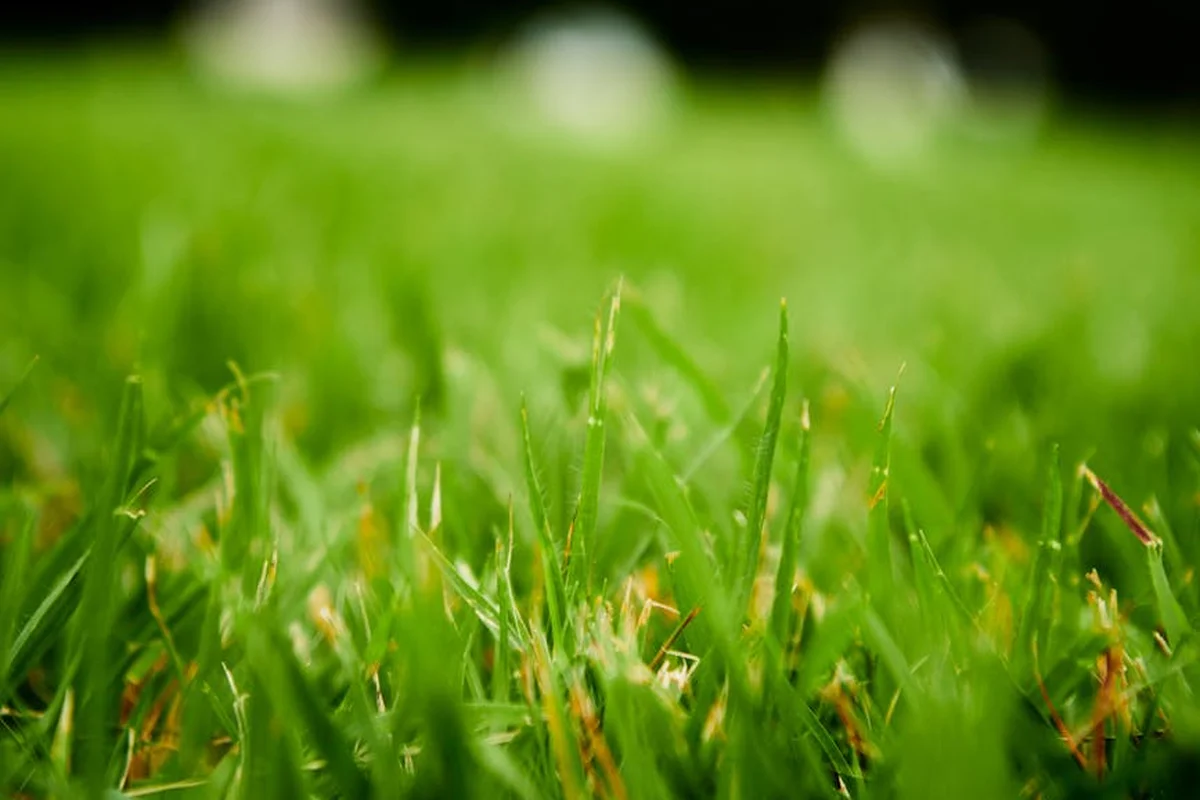
- Applying a heavy dose of high-nitrogen fertilizer. This is the biggest trap. You think you’re giving the grass a boost, but you’re just pouring gasoline on the fire. Rust thrives in grass that’s growing too fast with weak, thin cell walls. A fast-acting nitrogen blast creates exactly that. It can also burn already stressed grass, leaving you with yellow or brown patches on top of the orange ones.
- Spraying a fungicide and calling it a day. Fungicides are a tool, not a cure. If you only spray without fixing the conditions that invited the fungus, it will come right back. Think of fungicide as a temporary shield that buys you time to rebuild your lawn’s natural defenses through better care.
- Overwatering in a panic. More water does not equal more health. Rust loves moisture on grass blades, especially overnight. Overwatering keeps the lawn constantly damp, creates perfect conditions for fungus, and can drown roots, leading to even more brown, thin areas. It’s a double whammy you don’t need.
- Ignoring it, thinking it’s just summer dormancy or drought stress. That orange or yellowish hue is distinct. Drought stress usually shows as a uniform grayish-blue before browning, and the grass won’t leave a rust-colored powder on your hand. Ignoring rust means the fungus continues to sap energy from each grass plant, thinning your lawn and opening the door for weeds to move into Patch’s neighborhood.
- Using the wrong product or spraying at the wrong time. Not all fungicides work on rust. You need one labeled for it, like a product containing azoxystrobin or propiconazole. Timing matters, too. Applying a preventive fungicide when you already see spores is a waste. Curative products need to go on at the first sign, and you must follow the label’s intervals for any follow-up sprays.
Mistake: Fertilizing Rust Grass the Wrong Way
A common question I see is, “Can I even fertilize right now?” The answer is yes, but you must be smart about it. Throwing down the wrong stuff does more harm than good.
The safest first step is always a simple soil test. It tells you exactly what your soil is missing. Often, rust appears when the lawn is low on potassium, the nutrient that helps grass build strong cell walls and resist stress. A balanced, slow-release fertilizer can help, but only if you know the correct ratio to use.
Instead of a high-nitrogen blend, look for a fertilizer where the second number (potassium) is equal to or higher than the first (nitrogen), like a 10-0-10 or a 6-0-12. Go with a slow-release formula. It feeds the grass gently, encouraging steady, strong growth without the wild, susceptible surge that rust fungi love to exploit.
When and How to Use Fungicides for Lawn Rust
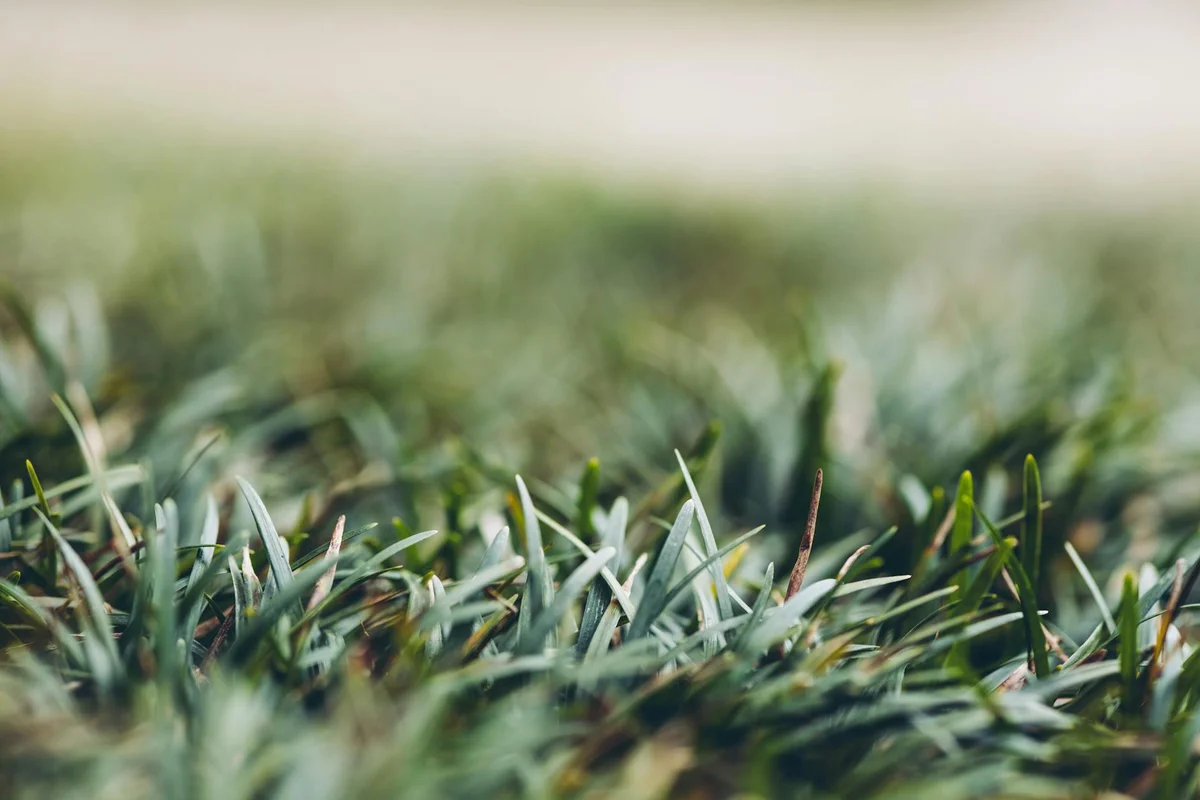
Think of a fungicide like a backup singer, not the lead vocalist. It supports the main act-your improved lawn care. If you’ve corrected your mowing, watering, and fertilizing for 3-4 weeks and that orange dust is still spreading like gossip, then it’s time to consider this tool. Be mindful of lawn care myths about weeds and pests that can derail your progress. A quick look at these topics helps you separate folklore from fact before you reach for another spray.
For most of us, getting the basics right makes the spray bottle unnecessary. I’ve only bought fungicide once, for a stubborn case in a chronically wet corner of my yard (I’m looking at you, Patch).
Understanding Your Two Main Options
Fungicides come in two main types, and knowing the difference helps you pick the right one.
Systemic fungicides are absorbed by the grass plant, working from the inside to protect new growth and stop the fungus from spreading internally. They’re like a vaccine for your lawn, unlike contact fungicides that only treat the surface.
Contact fungicides sit on the surface of the grass blade, creating a protective barrier that stops spores from germinating. Think of it as a raincoat for each blade. They don’t fix what’s already infected, but they protect healthy grass. For a broader, sustainable approach, see our Integrated Pest Management lawns guide. It links surface protections like fungicides with cultural practices and monitoring for an overall healthy lawn.
Practical Application: Doing It Right
If you decide to apply a fungicide, doing it correctly is everything. A sloppy job is a wasted one.
- Mix Thoroughly: Whether it’s a concentrate or a ready-to-spray, shake or stir it like you mean it. You want every drop to have the same strength.
- Watch the Weather: Apply during calm, cool weather, ideally in the early morning. Wind will drift your product away, and hot sun can cause it to evaporate or stress the grass.
- The Label is Law: This isn’t a suggestion. The label tells you the exact rate, how much water to use as a carrier, and how long to wait before people or pets can go back on the lawn. Follow it to the letter.
For the vast majority of home lawns, fixing the underlying problems with sunlight, air, and food will make rust disappear without ever needing a chemical treatment.
How Fast Does Lawn Rust Treatment Work?
Patience is a virtue, especially in lawn care. Rust doesn’t show up overnight, and it won’t leave that fast either.
If you’ve corrected your practices, you might see the orange powder lessen within a week or two as the grass grows stronger. The real fix, though, comes from new, healthy blades replacing the old, infected ones. That takes a full mowing cycle or two.
A systemic fungicide can halt the spread of the disease within a few days, but it does not “cure” the orange blades you already see. Those blades will remain discolored until you mow them off and new growth takes their place.
Your lawn’s recovery speed is tied directly to how well it’s growing. That’s why proper nitrogen fertilization during treatment is so key. It fuels the new growth that will ultimately crowd out the problem. Trust me, watching thick, green grass push out the old, rusty stuff from the back of my mower, Max, is the only satisfaction you need.
How to Prevent Lawn Rust from Coming Back
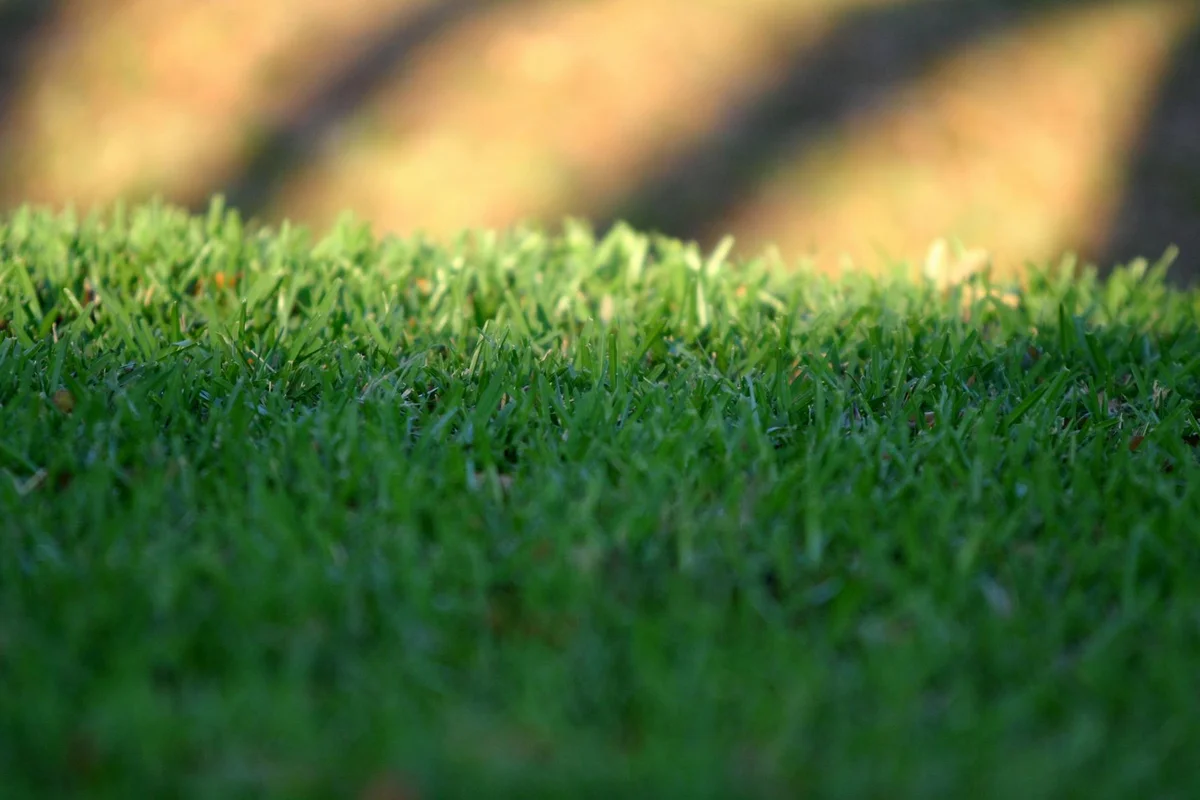
Once you’ve cleaned up an outbreak, the real work begins. You want to make your lawn a place where rust fungus just can’t get comfortable. I think of it like this: a thick, healthy lawn is your best defense. It’s simple, but it works.
Think of each grass plant as a neighbor. When they’re packed in tight, there’s no room for weeds or disease to move in. The goal is to create a dense turf that sunlight and air can barely penetrate, leaving no invitation for rust spores to settle.
Feed It Right, But Not Too Much
Fertilizer is like food for your lawn, and balance is everything. Too much, especially quick-release nitrogen, can cause weak, fast growth that’s more susceptible to disease. Understanding NPK nitrogen lawn fertilizer helps you tailor applications to keep roots strong and turf resilient. The right NPK mix supports steady growth and better resistance to pests and disease.
Start with a soil test every few years; it’s the only way to know what your lawn is actually hungry for. It tells you exactly what nutrients are missing. From there, follow a consistent schedule with a slow-release fertilizer. I feed mine in early fall and again in late spring, which builds strength without the risky surge of growth you get in summer.
Mow Like a Pro, Not a Racecar Driver
This is where I see a lot of folks go wrong. They set the mower deck low, thinking it will save them a mowing day next week. That’s a mistake.
Never cut off more than one-third of the grass blade height at once. For my cool-season lawn, I keep Max set high, around 3.5 to 4 inches in the warmer months. Taller grass blades promote deeper roots, shade the soil to conserve water, and directly block sunlight from reaching low-growing fungus like rust. Mow regularly so you’re only ever taking off the tip.
Fill the Gaps with Stronger Grass
Thin, bare soil is an open door. Overseeding is how you shut that door. The key is to use modern grass varieties that are bred for disease resistance.
Check the seed label or bag; look for terms like “improved disease resistance” or specific mentions of rust. I overseed every fall, focusing on areas like Patch, my problem corner. The new, tough grass plants crowd out the old, susceptible ones, making your whole lawn more resilient.
Let the Soil Breathe
Compacted soil is tired soil. When the ground is hard, water runs off, roots stay shallow, and the whole system gets stressed. Stressed grass gets sick.
Core aeration once a year, preferably in the fall, fixes this. It pulls out tiny plugs of soil, creating holes for air, water, and nutrients to reach the roots. If you have a thick layer of spongy thatch (more than half an inch), dethatch in the early fall. These two steps reduce the damp, matted environment that lawn rust and other fungi love.
Does Topdressing Help Lawn Rust?
You might see people spreading a thin layer of compost or soil over their lawn. This is called topdressing. It’s a great practice, but you need to know what it does.
Topdressing with good quality compost slowly improves your soil structure and adds beneficial microbes. Over time, this builds a healthier foundation for your grass to grow in. Think of topdressing as taking vitamins for long-term lawn health, not as a medicine for a current illness like an active rust outbreak. It’s a prevention tactic, not a cure. If you’re fighting rust right now, focus on the steps above first. Once the lawn is clean and growing well, a fall topdressing can be a fantastic way to keep it that way.
Recommended Products for Lawn Rust Control
Getting rid of rust is part chemical fix, but mostly about giving your lawn what it needs to defend itself. Think of these products as tools in your belt, not magic spells.
The Foundation: Food and Soil Health
Your first line of defense isn’t a spray. It’s the stuff that makes your grass strong from the roots up.
Balanced, slow-release nitrogen fertilizer is your number one weapon against a weak, rust-prone lawn. That slow feed gives grass steady energy to grow out of the infection. A quick shot of fast-release nitrogen can sometimes make the problem worse.
I keep a simple soil testing kit on my shelf. That orange powder often points to poor soil nutrition or compaction. Knowing your pH and nutrient levels lets you fix the real problem, not just the symptom.
For compacted areas, a core aerator is worth its weight in gold. It’s not a product you buy every year, but renting one every fall or spring changes everything. It lets air, water, and those slow-release nutrients get down to the roots where they’re needed.
When You Need a Direct Attack: Fungicides
If the rust is severe or spreading fast, a fungicide can help hit the pause button. Always look for a systemic fungicide labeled specifically for rust control on your type of grass. Systemics are absorbed by the plant to protect it from the inside.
Two common and effective active ingredients are azoxystrobin and propiconazole. You’ll see these listed on the front or side panel of many brand-name fungicides. They work.
Read the entire label for environmental impact and safety. Look for products with shorter re-entry intervals (the time until you or pets can go back on the lawn) and those that are less toxic to bees and other pollinators. Apply these in the early morning or late evening when pollinators are less active.
Your Everyday Prevention Tools
Don’t overlook the simple gear that stops rust before it starts.
- Sharp Mower Blades: A clean cut from a sharp blade heals fast. A ragged tear from a dull blade is an open door for disease. I give Max’s blades a good sharpening a few times a season.
- A reliable broadcast or drop spreader is crucial for applying fertilizer evenly. An uneven feed creates weak spots, and weak spots get rust.
- Your irrigation system, like my setup ‘Sunny,’ is a tool. Deep, infrequent watering is the goal. A simple timer can automate this to avoid the frequent, light sprinkles that leave grass blades damp and happy for fungus.
A Note on Regional Product Availability
You might search for “lawn rust treatment Bunnings” or something similar for your local store. The brand names on the shelf in Australia, the UK, or Canada will differ from those in the US.
Ignore the brand and focus on the product category and the active ingredient listed on the label. Walk into your local garden center and look for a “systemic fungicide for lawn rust” that contains something like azoxystrobin. Confirm it’s safe for your grass type, whether it’s Kentucky bluegrass, rye, or buffalo grass.
The treatment steps don’t change. Strengthen the lawn with proper care, use a fungicide as a targeted aid if needed, and always opt for the safest product for your family and the environment. For readers seeking organic options, our organic lawn care guide covers natural, soil-friendly practices. The principles remain universal, even if the bottle looks different.
Your Lawn Rust Questions, Answered
1. What’s the absolute first thing I should do when I see lawn rust?
Grab your mower-with a sharp blade-and bag those clippings. This physically removes a huge load of the powdery spores from your lawn, stopping the spread dead in its tracks.
2. I’m in the UK. When is the best time to treat lawn rust?
Act as soon as you spot it, typically from late summer into autumn. Your focus should be on autumn lawn care: aeration, overseeding with a resistant rye mix, and a balanced feed to build strength before winter.
3. What should I look for in a lawn rust treatment at Bunnings?
Ignore the brand name and look at the label. Seek a systemic fungicide with an active ingredient like azoxystrobin, labelled for turf rust. Remember, this is a backup tool, not a substitute for fixing your soil and lawn health.
4. My lawn in NZ gets rust every autumn. What am I missing?
You’re likely missing a pre-autumn soil boost. Before the damp cool sets in, aerate to relieve compaction and apply a potassium-rich, slow-release fertiliser to strengthen grass cell walls against fungal infection.
5. After treatment, how long until my lawn looks thick and green again?
Patience is key. You’ll see the orange powder fade as new growth emerges, often within 2-3 mows. Achieving that thick, “greedy” turf density takes a full season of consistent feeding, proper mowing, and smart watering.
Keeping Your Lawn Rust-Free and Thriving
The best fix for lawn rust is preventing it in the first place. Feed your lawn the nitrogen it craves with a proper fall fertilizer schedule and mow consistently to keep it from getting stressed and weak.
A great lawn is a reflection of steady, attentive care, not a frantic reaction to problems. Taking a moment each week to observe your grass, opting for pet-safe solutions, and learning from seasons past builds a lawn that’s both lush and responsibly maintained. With a simple focus on achieving a healthy, beautiful lawn, you can guide every season toward lasting vitality. Small, steady steps make that goal achievable.
References & External Links
- Lawn Rust | Cardinal Lawns
- How to Treat Rust Diseases in the Lawn | Scotts
- How to Treat Rust Diseases in the Lawn | ScottsMiracle-Gro US
- How to Get Rid of Lawn Rust: Treatment & Prevention | Lawn Doctor
- Rust / Turfgrass / Agriculture: Pest Management Guidelines / UC Statewide IPM Program (UC IPM)
- Gray Snow Mold Pink Snow Mold Leaf Spot/Melting Out Red Thread Dollar Spot
- Turf Grass Rust | Yard and Garden
Written by Ria Carrington. Ria is an avid lawn care enthusiast and advisor. No lawn is unsalvagable when Ria is at work. She has helped countless homeowners breath new life into their dying lawns. She has a B.Sc in Agriculture and brings practical advice combined with knowledge of plant science and her decade worth of hands on experience.