
What Are the Different Lawn Fertilizer Types and Their Environmental Impact?
Standing in the garden aisle, you might wonder if feeding your grass will hurt your local creek or the bees in your flowers. Let’s clear that up right now.
This guide walks you through the main fertilizer types like synthetic and organic, how they actually work on your soil, and the real effects they have on water, soil life, and backyard wildlife.
I’ve learned this through five seasons of feeding my own lawn, balancing thick green results with what’s safe for Patch and the pollinators.
At a Glance: Your Lawn Fertilizer Cheat Sheet
Here are the big ideas you can take to the store right now.
- Slow-release fertilizer feeds your lawn steadily for weeks, reducing the risk of burning the grass and polluting local water.
- Quick-release fertilizer gives you a fast green-up but can easily wash away or burn your lawn if not applied perfectly.
- Organic fertilizers feed the living soil first, which then feeds your grass, building long-term health.
- The three numbers on the bag (N-P-K) are like a nutrition label for your grass, telling you exactly what you’re feeding it.
- More potassium (the third number) in fall fertilizer helps your lawn resist winter stress and bounce back faster in spring.
First, the Basics: What’s in the Bag and What Does Fertilizer Do?
Think of your lawn as a hungry athlete. The soil provides some food, but for thick, vigorous growth that can handle the kids playing or a summer drought, it needs a more consistent diet. That’s what fertilizer provides.
Every bag has three big numbers on it, like 24-0-6. This is the N-P-K ratio, the grass food label. It tells you the percentage by weight of the three primary nutrients inside.
Nitrogen (N) is for the green, leafy top growth you see and mow every weekend. It’s the main driver behind that deep green color and the thick carpet feel under your feet.
Phosphorus (P) is for building a strong, deep root system underground. Healthy roots anchor the grass, help it find water during dry spells, and store energy for the future.
Potassium (K) is for overall plant health and stress resistance. It helps your lawn fight off disease, handle temperature extremes, and recover from wear and tear.
So, does fertilizer help plants grow? Absolutely, and in specific ways. You’ll see the nitrogen at work in the vibrant green blades. You’ll see the phosphorus and potassium at work when your lawn stays green during a heatwave while the neighbor’s turns brown. Many fertilizers also include micronutrients like iron or calcium. These are the vitamins and minerals for your soil, supporting all the tiny microbes that keep it healthy.
The N-P-K Ratio: Decoding the Lawn Food Label
Let’s take a common bag: 24-0-6. This means it’s 24% nitrogen, 0% phosphorus, and 6% potassium. The rest is filler or carrier material that helps you spread it evenly.
In practical terms, a 24-0-6 fertilizer gives your lawn a powerful shot of nitrogen for top growth and a good boost of potassium for health, but it skips the phosphorus. Many established lawns don’t need extra phosphorus, and some areas restrict its use to protect waterways, so a “zero in the middle” ratio is very common.
Choosing the right ratio is about timing. A spring feed might have more nitrogen (like 20-0-5) to push green growth. My go-to for fall is always a fertilizer with a higher third number, like 20-0-10. That extra potassium is like giving the grass a suit of armor before winter.
You might wonder if the fertilizer in a bag of potting soil or topsoil is enough. It’s not. Those small amounts are meant to feed small plants or seeds in a confined space. Your established lawn, which is constantly growing and being cut, needs a dedicated, complete meal from a proper lawn fertilizer.
The Big Split: Synthetic vs. Organic Lawn Fertilizers
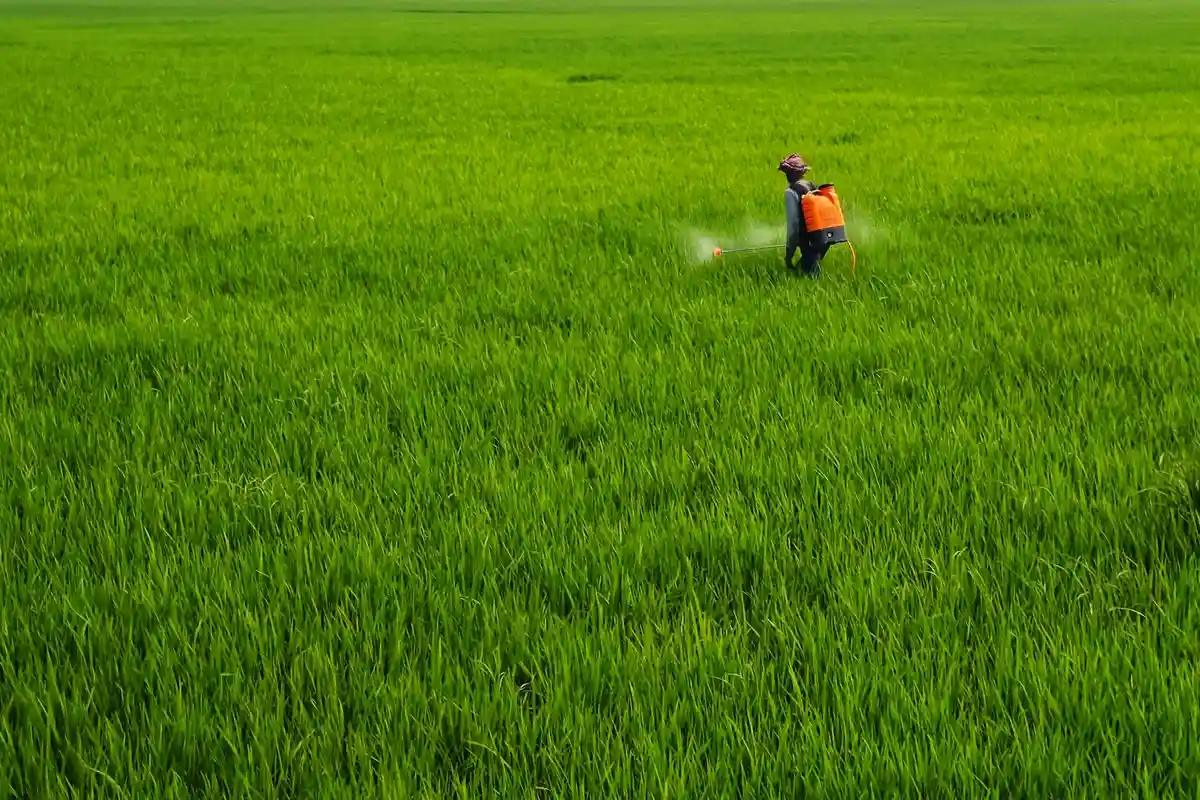
When you walk down the fertilizer aisle, you face a basic choice. It’s like choosing between a quick snack and a home-cooked meal for your lawn. Both will feed it, but they do the job in very different ways—just like the difference between fertilizer and compost.
Understanding this split is the first step to feeding your lawn responsibly, without harming the soil, local waterways, or the critters that visit your yard. I keep both types in my shed, because each one has a specific job. One isn’t inherently “bad” and the other “good.” It’s about using the right tool at the right time.
How Synthetic (Conventional) Fertilizers Work
Think of synthetic fertilizer as a straight shot of vitamins for your grass. The nutrients-mainly nitrogen, phosphorus, and potassium (the N-P-K numbers on the bag)-are in a pure, water-soluble form. Your grass roots can drink them up almost immediately.
I’ve used them for a quick green-up before a backyard event. The results are predictable and fast, often within a week. Per application, they’re usually the more budget-friendly option sitting on the shelf.
The speed and concentration come with real trade-offs you need to manage carefully. If you apply too much or during hot, dry weather, you can “burn” the grass, leaving yellow or brown streaks. It’s a mistake I made early on, and it took Patch a few weeks to recover.
These fertilizers can also encourage fast, soft growth that contributes to thatch if you’re not mowing regularly. The biggest environmental concern is runoff. If you over-apply or it rains heavily right after, those soluble nutrients can wash off your lawn into storm drains and eventually streams or ponds, feeding algae instead of your grass.
How Organic and Natural Fertilizers Work
Organic fertilizers feed the dinner party happening under your feet. They are made from natural materials like processed manure, feathers, bones, or plants. Instead of feeding the grass directly, they feed the billions of bacteria, fungi, and earthworms in your soil.
Those soil microbes break down the organic matter, releasing nutrients in a slow, steady trickle that the grass roots can absorb. It’s a gentler, longer-term process.
Common types you’ll find include:
- Milorganite: A classic, heat-dried biosolid.
- Feather meal or Bone meal: Excellent slow-release nitrogen or phosphorus sources.
- Alfalfa meal: A personal favorite for a little extra kick.
- Seaweed extracts: Great for trace minerals and soil health.
The major upside is soil building; over time, organic matter improves your soil’s structure, helping it hold water like a sponge and making nutrients more available. The burn risk is extremely low, making them very forgiving. They also align with pet-safe and pollinator-friendly goals, as they don’t rely on synthetic chemicals.
The downsides are real for a homeowner. You won’t see a dramatic color change in 5 days. It can take two to three weeks. They are often more expensive per bag, though you may apply them less frequently. And yes, some, like milorganite, have an initial odor for a day or two that reminds you of their natural origin.
Many trusted lawn care companies now offer blended organic fertilizers formulated specifically for home lawns, taking the guesswork out of nutrient ratios. Our organic lawn care guide can help you choose the right one.
Release Rates: The Speed of Your Lawn’s Meal
Whether you choose synthetic or organic, how fast the nutrients become available is a huge deal. Think of it like this: some meals give you a quick sugar rush, while others provide steady energy for hours.
This release rate is the single most important factor in preventing fertilizer from washing into our waterways and affecting local ecosystems. Getting it right means feeding your grass, not the storm drain.
Quick-Release Fertilizers: The Instant Coffee Approach
These are your water-soluble salts, like ammonium sulfate or urea. They hit your lawn like a strong cup of instant coffee. You’ll see a rapid surge of green growth, often within 3-5 days. It’s satisfying, no doubt.
The problem is that surge. If you over-apply, or if a heavy rain hits right after you put it down, the grass can’t drink it all up fast enough. The excess dissolves and moves with water. It can wash off the surface into streets and drains, or leach straight down through the soil past the roots.
This runoff fuels algae blooms in ponds and streams, which sucks oxygen out of the water and harms fish and other wildlife. It’s the main environmental downside of quick-release products.
I keep a bag on hand for one specific job: an early-season “wake-up” feed. When soil temperatures are still stubbornly cool in late winter or early spring, microbial activity is low. Slow-release fertilizers need those microbes to work. A light, precise application of quick-release can give the grass a needed boost until the soil truly warms up.
Slow- and Controlled-Release Fertilizers: The Crockpot Method
This is the crockpot method. It feeds your lawn a little bit, day after day, for 6, 8, or even 12 weeks. The result is steady, sustained growth. You avoid the wild growth spurts that mean mowing twice a week.
From an environmental standpoint, this is the safer choice. Because the nutrients are metered out slowly, the grass has a constant, manageable supply to use. There’s very little left over to be washed away by a surprise downpour.
If your lawn slopes toward a street, driveway, or water feature, a slow-release fertilizer is non-negotiable for protecting your local environment. It’s also the kinder choice for your soil’s long-term health. For slopes, understanding how slow-release fertilizers differ from quick-release options can guide your feeding plan.
The technology happens in two ways. For synthetics, it’s often a polymer coating around a nutrient granule. Water slowly seeps through the tiny pores in the coating. For organic fertilizers, like my favorite milorganite, the nutrients are bound in complex proteins and compounds. Soil microbes have to break them down first, which happens naturally over time. Both methods get you to the same reliable, responsible place.
Liquid vs. Granular: Picking Your Delivery Tool
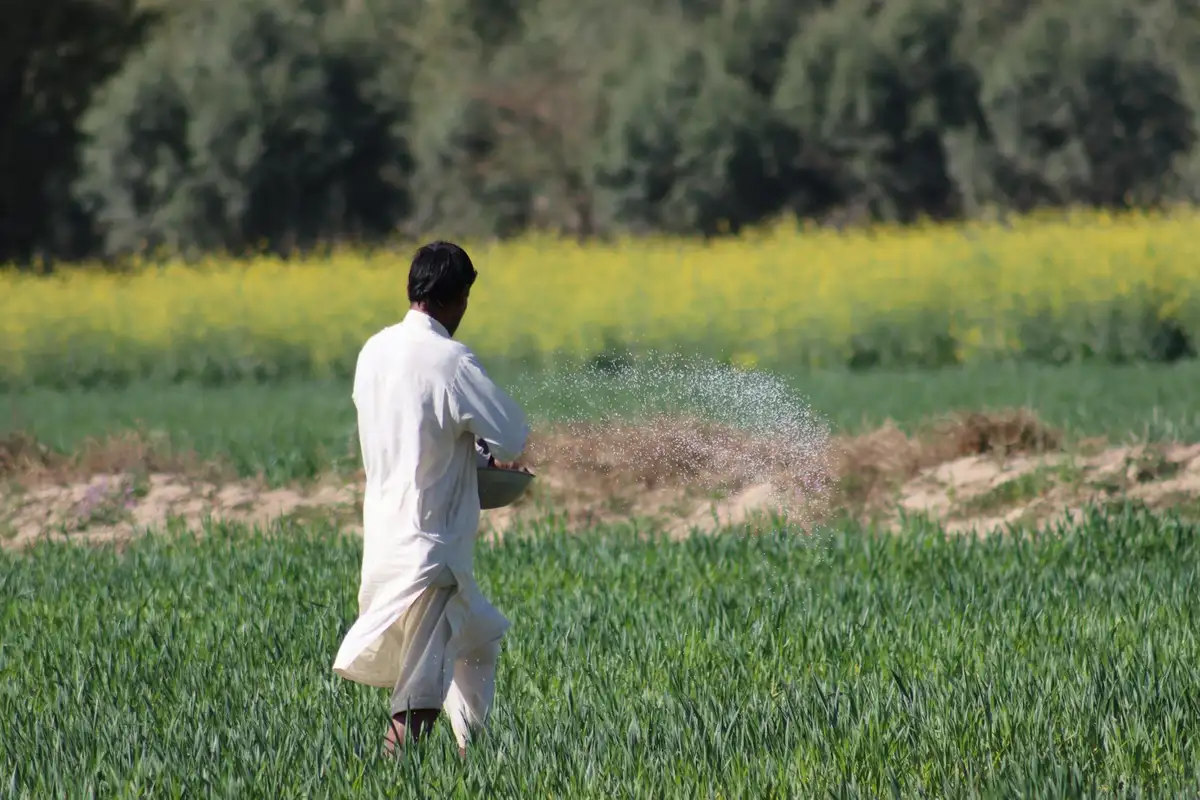
When you’re standing in the garden aisle, the choice between liquid and granular lawn fertilizer often comes down to your lawn’s personality and your own style. I see them like tools in my shed. Granular is like my zero-turn, Max-built for covering ground methodically. Liquid is more like my hose-end sprayer, a tool for a specific, quick job. It all depends on your lawn’s fertilizer needs and how you plan to apply it.
The basic difference is this: granular feeds the soil slowly, while liquid can feed the grass plant directly and fast. Think of it like a slow-cooked meal versus a vitamin shot. Both work, but they serve different needs. For lawns needing quicker greening, liquid fertilizer lawns work more rapidly, delivering nutrients directly where they’re needed. Understanding how liquid fertilizers are absorbed can help tailor your lawn care plan.
| Granular | Liquid | |
|---|---|---|
| Best For | Large, full-lawn feedings | Quick fixes & targeted spots |
| Gear Needed | Spreader | Hose-end or tank sprayer |
| Result Speed | Slower, steady release | Faster green-up |
| Seasonal Cost | Often lower | Can add up with more apps |
Granular Fertilizers: The Workhorse
This is the classic bag of little pellets. You’ll need a spreader to apply it, walking in a steady pattern across your lawn. On a calm morning, the sound of granules hitting the grass is a satisfying scratch. The smell is earthy, like a potting shed.
The big advantage of granular fertilizer is its even, long-lasting feed that works with your soil’s natural rhythm. It’s a set-it-and-forget-it approach for busy homeowners.
- Pros: Easy to apply evenly over big areas. Feeds for 6-10 weeks, so you apply less often. Generally more affordable per application for a full lawn.
- Cons: You must own and calibrate a spreader. Wind can blow it onto sidewalks (ask me how I know). It needs a good, immediate watering to wash it off the grass blades and into the soil where it works.
Choosing From the Types of Lawn Fertilizer Spreaders
You have two main options for applying granular fertilizer, and the right pick makes all the difference.
- Broadcast (or Rotary) Spreader: This is the one with the spinning plate. It throws fertilizer in a wide fan pattern. Use this for big, open lawns where you can stay a good 5-10 feet away from gardens and driveways. It’s fast, like mowing with Max.
- Drop Spreader: This box drops fertilizer straight down in a precise band. This is your tool for precision work near flower beds, sidewalks, or in tight spaces like Patch, my shady corner. It prevents waste and protects your other plants.
Here’s my simple driveway test for calibration: Set your spreader on a low setting and push it over a strip of clean driveway or tarp. See how much comes out. Adjust until the spread matches the bag’s recommendation. It takes two minutes and saves you from streaks or burned spots.
Liquid Fertilizers: The Precision Shot
Liquid fertilizer mixes with water. You apply it with a hose-end sprayer that looks like a big bottle, or a backpack tank sprayer for more control. The application feels different-more like watering with a purpose.
Liquid’s superpower is foliar feeding, where the grass absorbs nutrients directly through its leaves for a rapid response. I keep some on hand for a quick green-up before a backyard party or to nurse a stressed area back to health.
- Pros: Works very quickly (you might see a color change in days). Perfect for spot-treating weak areas without feeding the whole lawn. No heavy spreader to push around.
- Cons: Effects fade faster, so you need to apply it more often-sometimes every 2-4 weeks. Getting perfectly even coverage on a large lawn with a sprayer is tough. Over a full season, the cost of multiple bottles can exceed a few bags of granular.
A common question is, “How much liquid fertilizer do you put on grass?” The answer is always on the label. Your only job is to follow the product’s dilution rates and coverage area exactly; this keeps your lawn safe and prevents runoff. Never eyeball it. If the bottle says it covers 1,000 square feet when mixed, that’s the rule. Using more isn’t better, it’s a hazard.
The Environmental Impact: What Happens After You Apply
Choosing a fertilizer isn’t just about green grass next week. It’s about what happens in your soil, your local creek, and your backyard over the long season. The direct consequence of your choice plays out right under your feet.
Many folks ask, are lawn chemicals dangerous in my own yard, and how can fertilizer use create problems I don’t see right away? The answer starts with understanding where the nutrients go.
Nutrient Runoff: When Food Washes Away
Think of your soil like a coffee filter. If you pour water through fresh grounds, you get coffee. But if you dump a whole pot of water through it at once, most just rushes through, carrying good stuff with it. Your lawn works the same way, especially when you consider the differences between clay and sandy soils.
Apply too much fertilizer, or use a quick-release type right before a storm, and the grass can’t use it all. That excess nitrogen and phosphorus gets washed away with rainwater or overwatering from systems like my Sunny.
This runoff doesn’t just vanish. It flows into storm drains and local waterways. There, these nutrients act like a massive, all-you-can-eat buffet for algae.
This fuels thick, harmful algae blooms that suck oxygen out of the water, creating “dead zones” where fish and other wildlife can’t survive. It’s a big problem that starts in our own yards.
The fix is simple and smart. Use slow-release fertilizers. They feed your grass gradually, just like a timed-release medicine. Apply the right amount, based on a soil test, when the grass is actively growing. And always leave your grass clippings on the lawn. They break down and recycle nitrogen right back into the soil, reducing what you need to add.
Soil Health and The Living Web
Beneath every green blade is a whole world. Healthy soil isn’t just dirt. It’s a bustling community of earthworms tunneling, beneficial fungi weaving white threads through the dark, and billions of bacteria breaking down organic matter.
This living web is what gives your lawn resilience. It creates tiny air pockets, fights off disease, and helps roots grow deep.
Here’s the catch. An over-reliance on quick-release synthetic fertilizers can wreck this neighborhood. It’s like feeding your lawn only candy. You get a sudden, bright green rush, but the soil life doesn’t get the steady, complex food it needs. Over time, the soil can become compacted and lifeless, like the hardpan in my problem area, Patch.
When the soil web collapses, your lawn becomes dependent, needing more and more fertilizer and water just to look okay. It loses its natural strength.
Organic fertilizers and amendments work differently. They feed the soil community first. Products like compost, manure, or corn gluten meal add organic matter. This is a feast for worms and microbes. As they digest it, they release nutrients to your grass in a gentle, steady way and build soil that holds water like a sponge.
You end up with a thicker lawn that chokes out weeds and bounces back from stress. You’re building a foundation, not just applying a coat of paint.
Safety for Your Family, Pets, and Pollinators
Let’s address the big worry head-on. Many people ask me, do fertilizers cause cancer? Based on reputable studies, there is no direct link between modern lawn fertilizers, used exactly as directed on the label, and causing cancer.
The greater risk to health isn’t typically from touching the granules. It’s from the environmental contamination we just talked about-the nutrient runoff polluting water sources.
That said, safety in your own yard is non-negotiable. Always read and follow the product label. It’s your rulebook. For granular fertilizers, water them in thoroughly immediately after applying. This washes the nutrients off the grass blades and into the soil where they belong.
For liquid applications, let them dry completely before letting anyone or any pet back on the lawn.
In high-traffic pet areas, I lean towards natural, slow-release options for an extra layer of peace of mind. My dog’s favorite spot gets a gentler treatment.
And for our vital pollinators, please be mindful. Avoid using “weed-and-feed” products on lawns with clover, dandelions, or other flowering plants bees visit. The herbicide in these combo products doesn’t discriminate. Instead, use a targeted spot treatment for weeds. It takes a few more minutes with a spray bottle, but it keeps the bees safe while handling your weed problems. Your lawn can be green and kind.
Putting It All Together: How to Choose Your Fertilizer
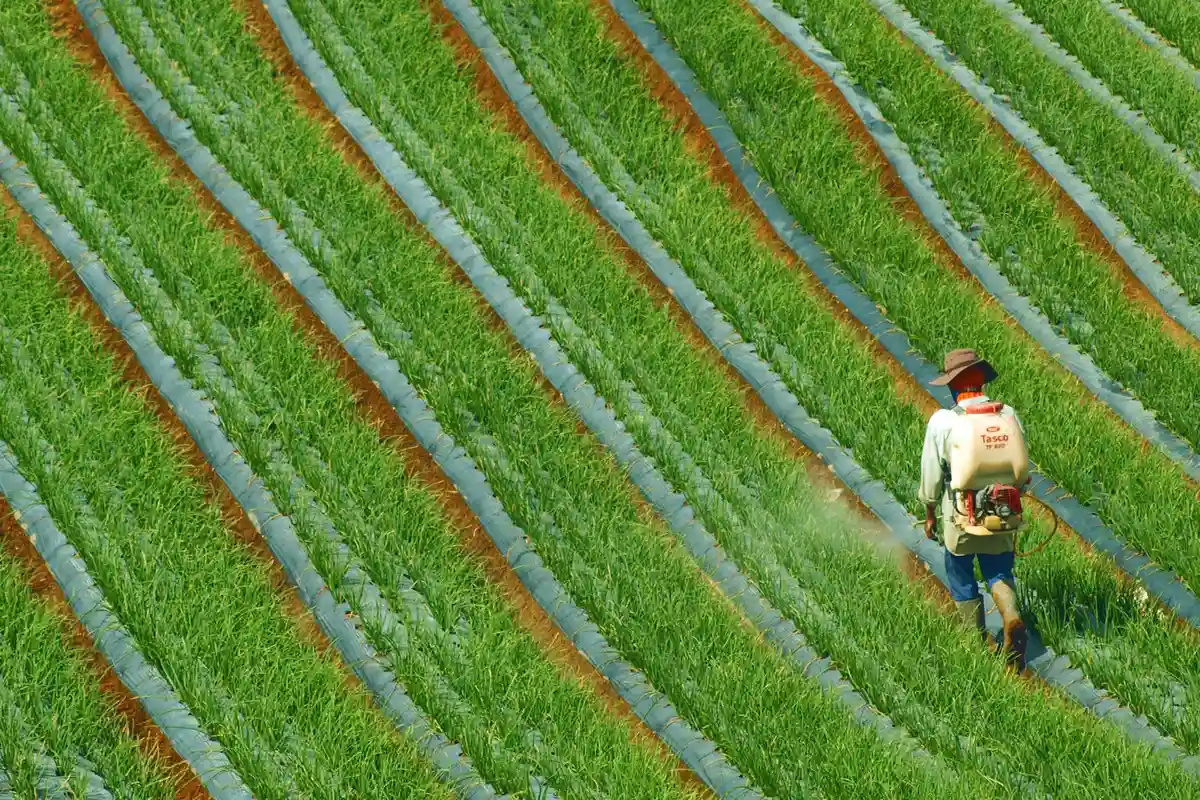
Let’s be honest. All this talk about nitrogen sources and iron supplements can make your head spin. You just want to know what to buy. I get it. I’ve stood in that aisle too. The good news is, picking a fertilizer gets a lot easier when you follow a simple plan.
Some companies, like Sunday Lawn Care, have built a whole business around making this simple for you. They use a quiz about your lawn and then send you custom, often more natural, blends on a schedule. It’s a good example of a pre-planned, tailored approach. But whether you buy a box or a subscription, the logic behind the choice is the same.
Step 1: Know Your “Why”
Before you look at a single bag, ask yourself one question: what is this lawn for?
Is it a showpiece? Your personal golf-course green that you’re willing to baby with frequent feedings, more water, and a higher risk of burnout to get that deep, perfect color? This path often leans on quicker-release synthetics for that intense, fast green-up.
Or is it a resilient, family-friendly yard? A place for kids and dogs to play, that can handle some foot traffic and bounce back from a dry spell? This is my goal. If this is you, your best friend is a slow-release fertilizer that builds soil health over time, creating a lawn that’s thick, strong, and less needy. Your “Patch” corners will thank you.
Step 2: Match the Product to Your Practice
Once you know your goal, use this table to match a fertilizer type to your life. Think of it like choosing between a sprint, a brisk walk, and a long, steady hike for your lawn.
| Factor | Synthetic Quick-Release | Synthetic Slow-Release | Organic |
|---|---|---|---|
| Cost | Usually cheapest per bag. | Mid-range. You pay for the technology. | Often most expensive per bag. |
| Speed of Greening | Fast. You see results in days. | Steady. Results appear in 1-3 weeks and last. | Slowest. Feeds the soil first, grass second. |
| Burn Risk | High if over-applied or applied to wet grass. | Very Low. Nutrients meter out slowly. | Extremely Low. Very forgiving. |
| Runoff/Pollution Risk | High. Soluble nitrogen can wash away with heavy rain. | Low. Controlled release protects waterways. | Very Low. Nutrients are bound to organic matter. |
| Soil Health Benefit | None. It’s like an energy drink for grass only. | Low to None. Feeds the plant, not the soil life. | High. Feeds microbes and improves soil structure. |
| Pet & Pollinator Safety | Wait until fully absorbed/watered in. | Safer once granules are watered in. | Safest option. Often derived from food sources. |
My take? For most of us who want a great lawn without constant worry, a slow-release fertilizer is the sweet spot. Whether you choose a polymer-coated synthetic or go the organic route, a slow-release formula is the best balance of visible results and environmental responsibility. It’s the workhorse that keeps my lawn fed without making “Sunny” work overtime.
Step 3: Read the Label and Apply Smartly
You’ve picked your type. Now, grab a bag and turn it over. This is the most important part. The label is your instruction manual. Here’s what to look for every single time:
- The N-P-K Ratio: Those three numbers (like 24-0-6). For general maintenance, a ratio higher in Nitrogen (the first number) is standard. Remember, you might not need much Phosphorus (the middle number) unless a soil test says so.
- Release Technology: It should say “slow-release,” “controlled-release,” “polymer-coated,” or “water insoluble nitrogen (WIN).” If it doesn’t, assume it’s quick-release.
- The Recommended Application Rate: Usually in pounds per 1,000 square feet. This is not a suggestion.
- Safety Precautions: Notes on watering it in, keeping pets off, and storage.
Which brings me to my final, non-negotiable rule. Following the label’s application rate is the single most important thing you can do for your lawn’s health and the safety of your local environment. More is not better. It’s how you burn grass, waste money, and risk washing nutrients into the storm drain. Use a broadcast spreader, set it right, and trust the process. Your lawn will get what it needs, and nothing more.
Your Lawn Fertilizer FAQ: No-Nonsense Answers from Greedy Grass
Which type of lawn fertilizer is best for a busy homeowner?
Go with a slow-release granular fertilizer. It feeds your lawn steadily for weeks, so you apply it less often and dramatically cut the risk of burning your grass or polluting waterways.
Should I use a broadcast or drop spreader for my lawn?
Use a broadcast spreader for big, open lawns to get the job done fast. Switch to a drop spreader when fertilizing near gardens, sidewalks, or in tight corners to prevent waste and protect your other plants. It’s also essential to follow best practices for fertilizing your yard to ensure healthy growth.
Is lawn fertilizer safe for my dog?
Once properly watered in, most fertilizers are safe. For ultimate peace of mind in high-traffic pet areas, choose a natural, slow-release organic option and always follow the label’s instructions for letting the lawn dry. Ensure the fertilizer is safe for pets.
How soon will I see results after applying fertilizer?
With a quick-release synthetic, you might see greening in 3-5 days. A slow-release fertilizer, whether synthetic or organic, works more steadily, with noticeable results typically appearing in 1-3 weeks.
What do people mean by “types” of lawn fertilizer-isn’t it all the same stuff?
Not at all. The main “types” refer to the source (synthetic vs. organic) and the speed (quick vs. slow-release). Picking the right combination is the key to feeding your grass effectively while being kind to your soil and the environment.
Wrapping Up Your Fertilizer Plan
Pick a fertilizer that fits both your soil’s hunger and your commitment to a greener yard. Starting with an organic or slow-release option builds a resilient lawn over time and sharply cuts down on chemical runoff into our waterways.
Your lawn care choices ripple out to the bees, birds, and soil life in your neighborhood. Treat each season as a chance to learn, always favoring practices that keep your pets safe and your local pollinators buzzing.
Citations and Authoritative Sources
- The Facts About Lawn Chemicals What Can You Do?
- How Fertilizers Harm Earth More Than Help Your Lawn | Scientific American
- Learn how different lawn care impacts the environment | BoG
- Fertilizers and their Environmental Impact – Harpeth Conservancy
- r/gardening on Reddit: Keeping your lawn green has a dark side. The fertilizer negatively affects local waterways.
- Sustainability Guide for Lawn Care: Top Organic Fertilizers – Green Business Benchmark°
Written by Ria Carrington. Ria is an avid lawn care enthusiast and advisor. No lawn is unsalvagable when Ria is at work. She has helped countless homeowners breath new life into their dying lawns. She has a B.Sc in Agriculture and brings practical advice combined with knowledge of plant science and her decade worth of hands on experience.