
What’s the Real Difference Between Fertilizer, Plant Food, and Compost?
Standing in the garden center, all those bags and bottles can make your head spin. You’re not alone in wondering what each one actually does for your lawn.
Let’s clear up the confusion for good. We will cover what each term means, how they’re different, and when to use them.
I’ve spent years testing what works (and what wastes money) on my own lawn with Max the mower and Sunny the irrigation.
At a Glance: Key Takeaways for Your Lawn
Let’s clear up the confusion right away. Think of it like this for your grass.
- Fertilizer is like a vitamin pill. It gives your lawn a concentrated, direct shot of specific nutrients it might be missing.
- “Plant Food” is just a nickname. It’s marketing talk. Your lawn makes its own real food from sunlight. What you buy in a bag labeled “lawn food” is almost always fertilizer.
- Compost is a multi-course meal for your soil. It’s decomposed organic stuff that improves the ground itself, which then feeds your grass from the roots up.
| What it is | What it does | Best used for |
|---|---|---|
| Fertilizer | Adds specific nutrients (N-P-K) directly to the soil for grass roots to take up. | Correcting a deficiency, giving a growth boost, or maintaining color during the growing season. |
| Plant/Lawn Food | Same as fertilizer. It’s a common product label, not a different category. | Any time you’d use a standard fertilizer. Always check the N-P-K numbers on the bag. |
| Compost | Feeds soil life and improves soil structure (aeration, water retention). | Top-dressing thin areas, amending poor soil before seeding, or building long-term soil health yearly. |
The core takeaway is simple: your lawn makes its own food through photosynthesis, and your job is to supply the raw materials and a healthy home for it to thrive. You provide the vitamins (fertilizer) and fix up the house (compost), and the grass does the rest of the work.
The Big Three Defined: What You’re Actually Putting Down
What is Fertilizer?
Fertilizer is a concentrated source of primary nutrients. You’ll see them listed as three numbers on the bag, like 24-0-10. That’s the N-P-K ratio: Nitrogen for green, leafy growth, Phosphorus for strong roots, and Potassium for overall plant health and stress tolerance. These numbers—N-P-K ratios—are what you’ll compare across products. Understanding them lets you tailor feeding to your plants’ needs.
I think of it exactly like a vitamin supplement for my lawn. If my grass looks pale and growth is slow, it might need a nitrogen “vitamin.” If I just overseeded, a starter fertilizer with phosphorus helps those new roots get established. You get the idea.
Fertilizers come from two main sources: synthetic (man-made) and organic (derived from plant, animal, or mineral sources). For a homeowner focused on a safe yard, I lean toward slow-release organic options. They feed the grass more gently over time, are less likely to burn the lawn, and are safer for kids, pets, and the pollinators visiting your clover. They work with the soil, not just force-feed the plant.
What is Plant (or Lawn) Food?
This is the big misconception. Plants, including your grass, create their own food through photosynthesis. They use sunlight, water, and carbon dioxide to make sugars. They don’t “eat” the stuff we sprinkle on them.
So, is lawn food the same as fertilizer? Yes, it is. When you see a product called “Turf Builder” or “Lawn Food,” check the label. It will have an N-P-K ratio. It’s fertilizer.
The term “plant food” exists because it’s an easier concept to sell than “soil amendment” or “nutrient supplement.” It makes the connection for people: you put this down, your lawn gets greener. And that’s true. But knowing it’s really fertilizer helps you make smarter choices, because you start looking at those N-P-K numbers and release rates instead of just the friendly name on the bag.
What is Compost?
Compost is different. If fertilizer is a vitamin, compost is the entire healthy diet and a home renovation combined. We call it “black gold” for a reason. It’s the rich, crumbly, earthy-smelling result of decomposed leaves, grass clippings, vegetable scraps, and other organic matter.
It doesn’t feed your grass directly like fertilizer does. Instead, it feeds the entire soil ecosystem. Compost is a feast for the microbes, fungi, and earthworms that build healthy soil. As these organisms break it down further, they release nutrients in a form grass roots can easily absorb. More importantly, compost improves soil structure. It helps sandy soil hold water like a sponge and helps dense clay soil drain better.
You can buy great compost in bags or by the truckload from a garden center. I also keep a simple pile in the corner of my yard for leaves and untreated grass clippings. It’s not enough for my whole lawn, but it’s perfect for top-dressing that stubborn Patch by the oak tree each fall, giving that soil a much-needed upgrade.
Side-by-Side: Your Decision Guide
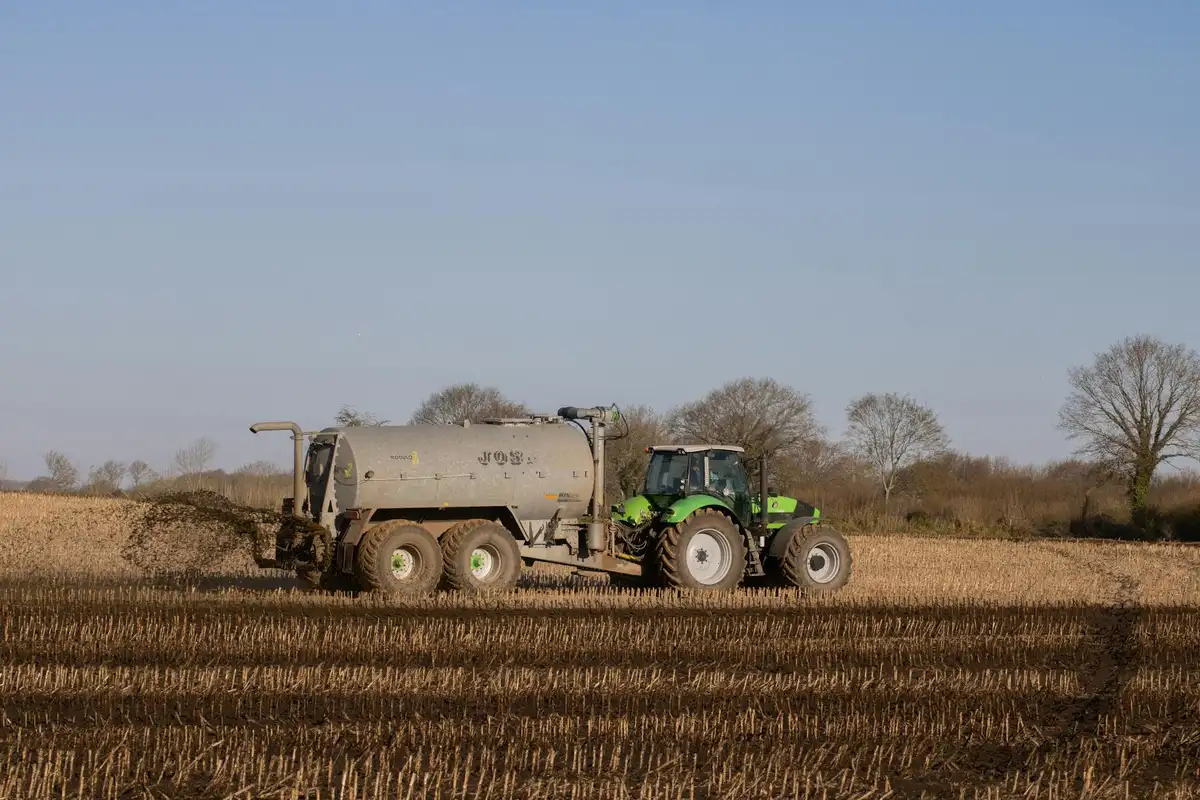
It’s time to talk shop. When you’re staring at shelves at the garden center, you need a clear cheat sheet. Here’s a straightforward comparison for your lawn.
The Core Difference
Think of your lawn as a high-performance athlete. Fertilizer is the Gatorade-a direct, fast-acting nutrient shot. Compost is the years of balanced meals, strength training, and physical therapy that build the athlete’s foundational health. Fertilizer feeds the plant, but compost feeds the entire soil ecosystem that supports the plant, including its soil composition and structure.
| Lawn Fertilizer | Compost | |
| Primary Job | Delivers fast NPK to grass roots for quick greening and growth. | Improves soil structure, adds slow-release nutrients, and supports microbes. |
| Speed of Results | Days to weeks. You’ll see a color change fast. | Months to years. It’s a slow, steady builder. |
| Cost & Effort | Lower upfront cost and effort. A bag covers a large area, and my spreader hooks to Max in minutes. | Higher initial effort and cost for volume. A “thin topdressing” for my yard needs a cubic yard delivered and muscle to spread. |
| Best Used When | Your lawn looks hungry (pale, slow growth) and soil tests show a deficiency. | Your soil is tired, compacted, or lifeless. It’s perfect for annual spring or fall renovation. |
Making the Choice for Your Yard
For most homeowners, it’s not an either/or decision. It’s about balance.
Choose fertilizer when you need a targeted, predictable result. If your grass is yellowing in summer or needs a boost after winter, a balanced fertilizer is your tool. It’s precise and tailored to your lawn’s specific needs.
Choose compost when you’re solving a soil problem or building for the future. If water pools on your lawn, if the soil is hard as a brick, or if you just want a more resilient yard, start adding compost. My shady “Patch” area perked up after two seasons of compost topdressing, not from extra fertilizer.
The smart play? Use both. Feed the soil with compost annually, and then use smaller, targeted amounts of fertilizer to address the grass’s needs as they come up. That’s how you build a lawn that can handle a dry spell or a kid’s game of tag.
Common Lawn Care Mistakes and How to Avoid Them
I’ve made my share of errors. Let’s skip the hard lessons and fix these common mix-ups before they happen on your lawn.
Mistake: Using “Weed and Feed” as Your Only “Food”
This is a classic shortcut that can backfire. These products combine fertilizer with broadleaf weed killer. The problem is the timing. Weeds are best controlled when they’re young and actively growing, often in late spring. Your lawn’s big feeding times are usually early spring and fall. By tying your feeding schedule to your weed control, you often feed at the wrong time or apply herbicide when it’s not needed. This can stress grass and ignore the soil. It treats the symptom (weeds) while neglecting the cause (unhealthy soil where weeds thrive). Lawn care myths mislead homeowners into quick fixes. A smarter, soil-first approach yields lasting results.
The fix is simple: separate the tasks. Feed your lawn based on its needs and the season. Control weeds only when you see them, with a dedicated sprayer for targeted treatment. Your soil and your grass will thank you. Unlike weed and feed treatments that do both at once, this approach is more effective.
Mistake: Treating Compost Like Fertilizer
You spread a beautiful layer of black gold, wait two weeks, and wonder why the lawn isn’t emerald green. Compost isn’t a fast-acting product. If fertilizer is a shot of espresso, compost is setting up a retirement fund-it’s all about long-term gains. Its magic happens underground, improving drainage, helping soil hold nutrients, and fostering life. The greening effect comes later, as your grass becomes better at using the nutrients already in the soil.
Manage your expectations. Apply compost as a topdressing in spring or fall. Let the rain and irrigation wash it down to the soil level. The payoff is a thicker, more drought-tolerant lawn next year, and an even better one the year after.
Mistake: Over-applying Synthetic Fertilizer
More is not better. It’s dangerous. I learned this early on with a burnt stripe near my driveway. Synthetic fertilizers are salts. Too much literally pulls water out of the grass plant, causing “burn” – yellow or brown streaks and patches.
Other signs you’ve gone too far include a sudden, spongy surge of growth (which means more mowing and weaker grass) and a risk of nutrient runoff into waterways during rain, which harms the environment.
The absolute rule to avoid this is to read the bag label and use a calibrated spreader. Every bag has three numbers (like 24-0-10 for NPK). It also has a critical setting number for your spreader. Follow it. Never eyeball it. Set your spreader on a low setting, make two passes at half the rate in criss-crossing patterns for even coverage. This precision prevents damage and waste.
When and How to Use Each One on Your Lawn
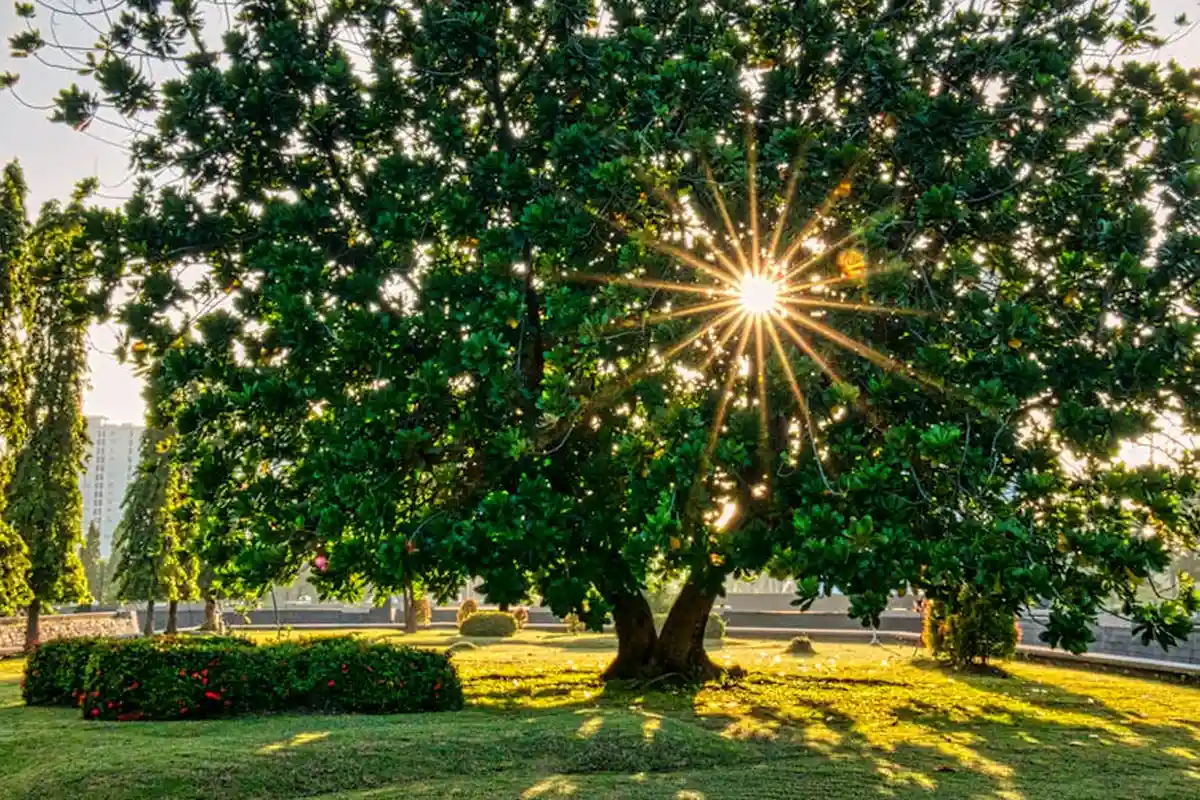
Your Fertilizer Game Plan
Think of fertilizer as a targeted energy drink for your grass. You give it when the grass is actively growing and can use the boost. Timing is everything, and it depends on your grass type.
For cool-season grasses like Kentucky bluegrass or fescue, feed in the early fall and again in the late spring. For warm-season grasses like Bermuda or Zoysia, feed in late spring and through the summer. Forget the calendar; watch the soil temperature. I aim for my cool-season feedings when soil temps are consistently between 50-70°F. A simple soil thermometer takes the guesswork out. In different climates, the ideal windows shift for cool-season and warm-season grasses. Knowing your local climate helps tailor feeding to the right grass type.
Application is simple but precise. Burning your lawn with too much fertilizer is a real, crunchy-brown mistake.
- Calibrate your spreader. This means setting it to the rate listed on your fertilizer bag and testing it on your driveway first. See how much comes out.
- Apply on a dry, calm day. You want the granules to sit on the grass blades, not stick to wet leaves or blow into your flower beds.
- Water it in lightly after application. This washes the nutrients down to the soil where the roots can find them.
I remember one Memorial Day weekend, the soil was just right. I fired up Max, not to mow, but to tow my spreader cart. That late-spring feeding, timed perfectly, gave the lawn the punch it needed to stay thick and crowd out weeds all summer.
Your Compost Game Plan
Compost is not a quick fix. It’s a long-term investment in your soil’s health. The best times to apply are early fall or early spring. The mild weather and moisture help it integrate.
You apply compost by top-dressing. This just means spreading a very thin layer, no more than a quarter-inch thick, over your existing lawn. You can use a shovel and a rake. It’s a workout, but it pays off. This thin layer of compost slowly feeds the soil, improves texture, and won’t smother your grass.
This is the secret weapon for problem spots. Take “Patch,” my shady, compacted corner. The grass was always thin, and water would just pool on top. A spring top-dressing of compost changed everything. It didn’t feed the grass directly like fertilizer. Instead, it loosened that hard soil, letting water drain through like a sponge instead of a plate. It also brought in a whole universe of microbes and worms that keep soil healthy naturally.
Compost is also my go-to when I overseed in the fall. A dusting over the fresh seed helps keep it moist and protected, giving those new baby grass plants a much better start.
Mixing It Up: Can You Use Them Together?
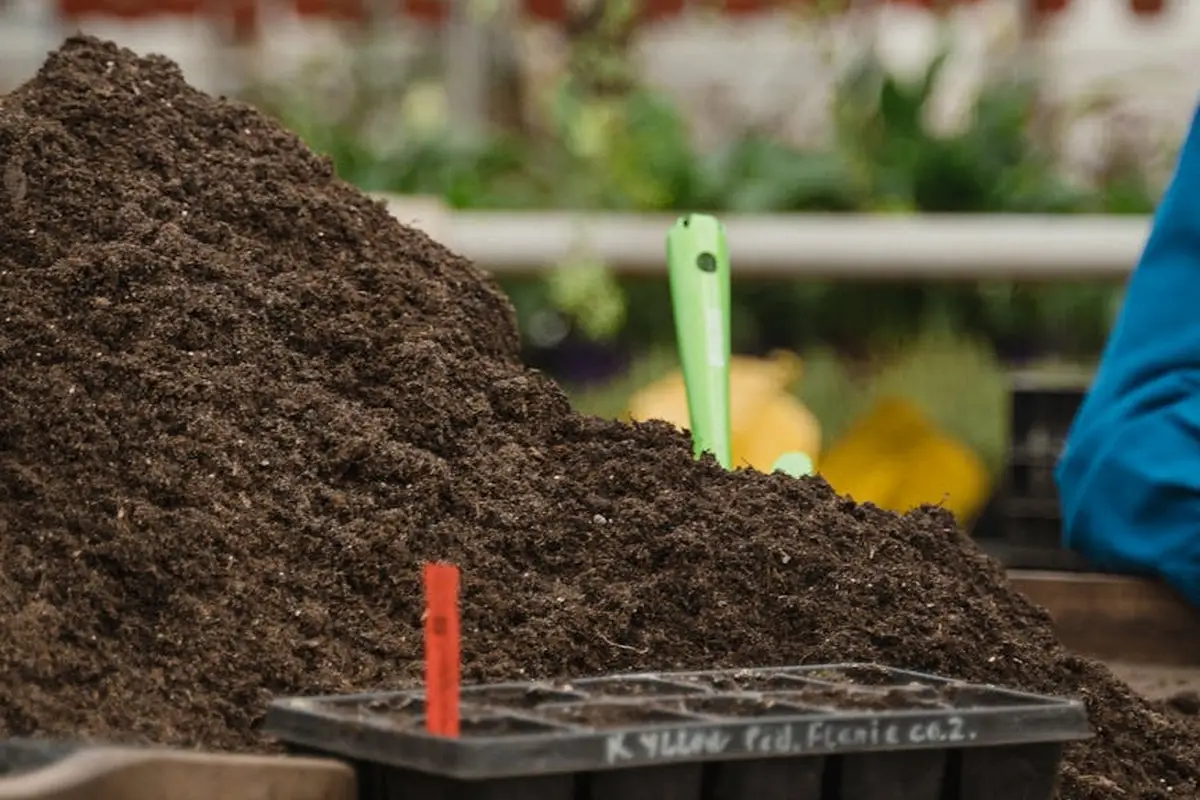
Is Compost a Fertilizer? Can They Team Up?
This is a common mix-up. Here’s the straight answer: compost is a soil amendment, not a pure fertilizer. It contains small amounts of nutrients, but they release slowly, over years. A bag of fertilizer is a concentrated nutrient shot designed for a specific, immediate purpose.
Not only can they team up, they’re better together. Think of it this way: using compost regularly builds a resilient, healthy soil that needs less from you. Healthy soil with good compost holds nutrients and water better, meaning your lawn gets more from every fertilizer application you do make. You start working with your lawn’s natural system instead of just propping it up constantly.
Here’s a specific plan I use. In early fall, I top-dress my lawn with compost. This improves the soil and gives it a gentle, slow feed over winter. Then, the following late spring, I apply a light, organic fertilizer. The soil from the compost is now more alive and ready to use that fertilizer efficiently. It’s a one-two punch that builds strength season after season.
Special Cases: Pots, Veggies, and Flower Beds
Lawns and potted plants live in completely different worlds. Your lawn’s soil is a vast, interconnected ecosystem. A plant in a pot is isolated, with a tiny amount of soil that gets depleted fast.
This is where those liquid “plant foods” you see for indoor plants become relevant. Since potted plants rely on you for everything, a regular, diluted liquid feed can be a good way to provide nutrients quickly. For vegetable gardens, mixing compost into the soil before planting is non-negotiable for building fertility, and then specific vegetable fertilizers can be used during the growing season for heavy feeders like tomatoes.
For your lawn, you’re managing a whole landscape. You build the soil with compost and supplement with fertilizer as needed. For a pot on your patio, you are the soil, the rain, and the entire nutrient cycle. That’s why the products and approaches are different. Following best practices for fertilizing your yard helps you achieve even growth and minimize environmental impact. Key steps include soil testing, proper timing, and applying the right amount.
Choosing Your Path: Alternative Lawn Approaches
Let’s get real. You’re not just picking a bag of stuff to spread. You’re choosing a philosophy for your lawn. Each route has its own feel, its own rhythm, and its own trade-offs. I’ve tinkered with them all on my own property, from the stubborn Patch to the wide-open spaces Max loves to zip across.
The Organic-Heavy Route: Playing the Long Game
This path is about building from the ground up. You focus on compost, organic fertilizers like milorganite or alfalfa meal, and fostering a thriving soil food web. Think of it as cooking a slow, hearty stew instead of microwaving a meal.
I love this method for my lawn’s shady, kid-friendly zones. The pros are compelling:
- It’s inherently safer for pets, kids, and the bees buzzing around your flowers.
- It builds long-term soil resilience, improving drainage and water retention year after year.
- You feed the tiny life in your soil, which in turn feeds your grass naturally.
But you have to be honest about the cons.
- Results are slower. You won’t see that cartoonish green-up in 48 hours.
- It often requires more physical effort. Spreading yards of compost with a wheelbarrow and rake is a workout.
- Nutrient levels are less precise, which can be tricky if a soil test shows a major deficiency.
This route asks for patience, but it rewards you with a lawn that gets stronger on its own with less chemical intervention.
The Traditional Synthetic Route: Precision and Speed
This is the fast track. Synthetic, or “chemical,” fertilizers deliver nutrients in forms grass plants can use almost immediately. They are the tool for a quick correction or a rapid green-up before a backyard party.
When my front lawn looked pale and hungry last spring, a balanced synthetic gave it a jump-start. The advantages are clear:
- Fast, visible results. Your grass will green up noticeably within days.
- Precise nutrient control. You can match a 24-0-10 blend exactly to what your soil test says you need.
- It’s often less bulky and easier to apply with a spreader.
The downsides demand respect.
- Risk of fertilizer burn is real, especially if you overlap passes with the spreader or apply to wet grass.
- Overuse can harm soil biology, making your lawn dependent on constant synthetic inputs.
- It requires careful timing and watering-in to be effective and safe.
Synthetics are powerful tools, but like a high-powered mower, they require a careful hand to avoid doing damage.
The Smart Hybrid: A Middle Ground You Can Actually Manage
After years of experimenting, this is the approach that sticks for most of my lawn. It’s the practical homeowner’s choice. You use the strengths of both worlds without the extremes.
Here’s how it works in practice. I use a synthetic fertilizer in the early spring for that initial green-up when the grass is starving. Then, for the rest of the season, I switch to organic-based feeds to build the soil slowly and safely. My drip irrigation system, Sunny, helps water everything in gently without waste.
Your hybrid plan might look like this:
- Start with a soil test. Always. This tells you what you actually need.
- Use a synthetic product to quickly correct a major deficiency identified by the test.
- Make your primary seasonal feedings with an organic or slow-release fertilizer.
- Top-dress thin areas with a thin layer of compost instead of applying more fertilizer.
This method gives you timely results while steadily improving your soil’s health. It’s safer for your family and the environment than a purely synthetic program, but more immediately effective than a strictly organic one.
This balanced approach lets you correct problems quickly while still building a resilient lawn that can better handle stress, drought, and that one shady patch that never seems to cooperate.
Your Quick-Reference FAQ: No Jargon, Just Greener Grass
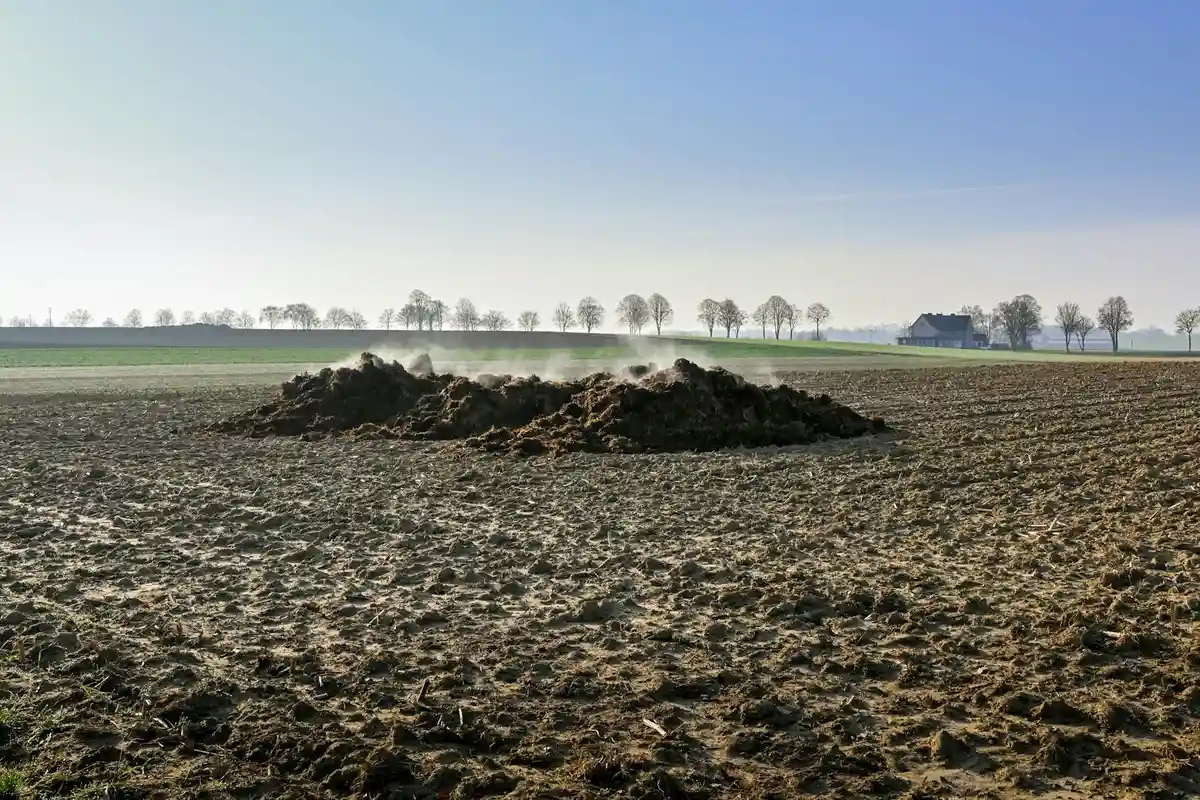
1. Is “plant food” actually different from fertilizer, or is it just marketing?
It’s almost always just a friendly marketing name for fertilizer. Your grass makes its real food from sunlight, so check the bag’s N-P-K numbers to know what you’re really buying.
2. I see huge debates on Reddit about fertilizer vs. plant food. What’s the deal?
Those debates often boil down to terminology versus reality. Folks get caught up on the label, but seasoned gardeners look past the name to the nutrient analysis and release rates for their specific soil.
3>What are the real pros and cons of using a synthetic fertilizer versus an organic one?
Synthetics give a fast, precise green-up but can burn your lawn if misapplied. Organics feed slowly and build soil health safely, but require more patience for visible results. For lawn health, many gardeners blend organic soil-building with targeted synthetic feeds. That balance helps maintain steady color while supporting long-term soil vitality.
4>For my vegetable garden, should I focus more on compost or fertilizer?
Always start with compost to build rich, living soil as your foundation. Then, use a targeted vegetable fertilizer during the growing season to support heavy feeders like tomatoes and peppers.
5>My indoor plant says to use “plant food.” Is that different from my lawn fertilizer?
Yes, because potted plants are totally dependent on you. Use a diluted liquid feed for indoor plants; your lawn’s granular fertilizer is too strong and can’t be properly managed in a small pot.
Your Lawn’s Nutrition Plan in a Nutshell
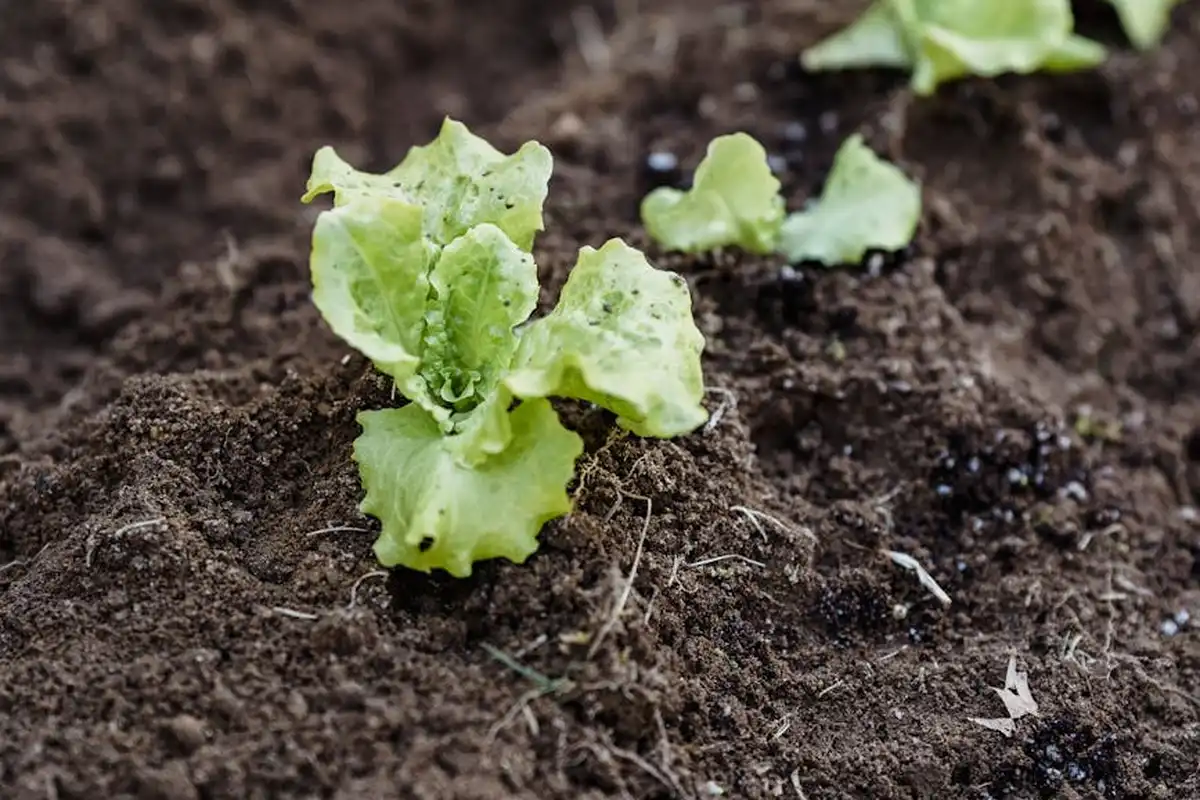
Stick with compost as your soil’s foundation and use fertilizer as a precise tool for growth. Think of compost like a slow, home-cooked meal for your lawn, and fertilizer like a vitamin shot when the grass looks a little pale.
I always opt for pet-safe and pollinator-friendly options, because a truly lush lawn thrives alongside everything living in it. Keep observing your yard each season, just like I do with Patch, and let those little lessons guide you to a greener, thicker carpet of grass.
Deep Dive: Further Reading
- Liquid vs. Granular Fertilizer: Which One Is Better for Your Plants?
- r/gardening on Reddit: Fertilizer vs. Plant Food
- Plant Food vs Plant Fertilizer: Unearthing the Differences | ScottsMiracle-Gro US
- Fertilizer vs. Plant Food: What’s the Difference? – Gardening Channel
- Fertilizer vs Plant Food: A Guide to a Thriving Lawn
Written by Ria Carrington. Ria is an avid lawn care enthusiast and advisor. No lawn is unsalvagable when Ria is at work. She has helped countless homeowners breath new life into their dying lawns. She has a B.Sc in Agriculture and brings practical advice combined with knowledge of plant science and her decade worth of hands on experience.