
How Long Does Lawn Fertilizer Last? (And Does It Actually Expire?)
That half-full bag in your garage has you wondering if it’s still worth using, or if it’s just wasted money and space.
We’ll walk through how long different fertilizer types last, the clear signs it’s gone bad, and my budget-friendly storage tips to make it last.
I’ve figured this out through years of weekend feedings, getting my lawn thick without tossing good product.
What Happens When Fertilizer Sits in the Bag? (Shelf Life)
A bag of fertilizer doesn’t have a “best by” date like a carton of milk. It doesn’t suddenly go rancid at midnight on a Tuesday. Think of it more like a bag of flour. Keep it sealed and dry, and it’s fine for years. Let moisture in, and you’ve got a problem.
The main enemies sitting in your garage or shed are moisture, extreme heat, and sunlight. Moisture is the big one. It causes granules to absorb water and stick together into hard, useless clumps. Prolonged heat can also break down the coatings on slow-release pellets. Sunlight’s UV rays can degrade some ingredients over a very long time.
Synthetic, mineral-based granules are generally more stable. They’re little rocks of nutrients. Organic fertilizers, like meals made from fish or alfalfa, are a different story. They are biological material. If they get damp, they can start to decompose or even attract pests looking for a snack.
So, does fertilizer go bad if wet? Yes, absolutely. Water turns it into a brick. Can Scotts fertilizer go bad? Any brand can. A sealed bag of Scotts synthetic fertilizer stored properly is incredibly stable. A torn bag left in a damp corner is not.
The Big Difference: Synthetic vs. Organic Shelf Life
Let’s break this down because it answers a lot of questions.
Synthetic fertilizers are made from mineral salts, like ammonium nitrate or potassium chloride. In a perfectly sealed, dry bag, these compounds don’t break down. I have used a half-bag of synthetic fertilizer that sat for three years, and it worked just fine. The nutrients are still there, waiting to dissolve in water.
Organic fertilizers are born from living things – bone, feather, or fish meal, compost, etc. They rely on soil microbes to break them down and release the nutrients. This biological nature gives them a more limited shelf life. In a bag, if conditions are right (or wrong), they can start to break down prematurely.
Does fish fertilizer go bad? It’s the most notorious. Your nose will tell you. A fish emulsion that’s gone bad shifts from a strong oceanic smell to a putrid, rotten one. You might see mold. At that point, toss it. The nutrients have likely volatilized or broken down, and it’s not doing your lawn any favors.
5 Signs Your Bagged Fertilizer Has Gone Bad
Before you spread anything, give the bag a quick check. Here’s what to look and feel for.
- Rock-Hard Clumps: This is the most common sign. You can’t spread a solid brick. If the clumps break apart easily with a gloved hand or a tool, the fertilizer is probably still usable. If they’re concrete-hard, the product is compromised. Moisture has activated and then locked up the nutrients.
- Unusual Odor: Synthetic fertilizer should have a mild, chemical smell. A strong ammonia stench means it’s off-gassing nitrogen-its power is escaping. Organic fertilizers that smell rancid or unbearably foul have likely spoiled.
- Visible Mold or Fungus: You might see white, green, or black fuzzy growth. This is a clear sign of moisture and decomposition, especially in organic products. Do not use this on your lawn.
- Discoloration: Has the uniform color changed? Are there strange dark spots or streaks? This indicates chemical changes or moisture damage. It’s a red flag.
- A Greasy or Damp Feel: The granules should be dry and free-flowing. If they feel oily or damp to the touch, the bag’s internal environment is wrong. This can lead to clogging your spreader and uneven application.
For solid clumps you can break up, use it. For mold, terrible smells, or greasy sludge, it’s time for the trash. Trust your senses-they’re the best tool you have to spot expired fertilizer.
What Determines Fertilizer Lifespan in Your Soil?
This is the real question. Once you’ve spread it, how long does it actually feed your grass? The answer isn’t a single number. It’s all about “nutrient release”-how quickly the food becomes available to the grass roots.
This release is controlled by two things: the fertilizer’s formula and your lawn’s unique environment. Let’s start with the formula.
Release Speed: Fast-Release vs. Slow-Release Formulas
Imagine your lawn is hungry. A fast-release fertilizer is like giving it a big slice of cake. A quick sugar rush of growth, often in a vivid green surge within days. A slow-release fertilizer is like serving a hearty, balanced meal. Steady energy over a long period. By comparing slow-release and quick-release fertilizers, you can tailor feeding to your lawn’s needs.
Fast-release synthetic fertilizers are water-soluble. They dissolve almost immediately with rain or irrigation, flooding the soil with nutrients. The grass gets a rapid, intense feed, but it doesn’t last. You typically see results for 2 to 4 weeks before the lawn gets hungry again. The risk here is burning the grass if you apply too much, and the nutrients can wash away more easily. This contrasts with the slow, steady feed of organic options.
Slow-release fertilizers are coated or formulated to dissolve gradually. They might use a polymer coating or rely on microbial activity to break down. This provides a consistent, gentle feeding. You get a longer, more even green-up that can last anywhere from 6 to 12 weeks. In terms of work time results, you’ll notice gradual color and growth improvements over the weeks rather than all at once. That makes scheduling easier and saves on extra applications. This is the type I prefer for my own lawn-it’s easier on the grass and the schedule.
How Your Lawn’s “Personality” Changes the Timeline
Even with a perfect slow-release product, your yard’s conditions decide the real timeline. Here are the four big factors.
Soil Type: The Sponge vs. The Sieve
Your soil is the pantry where you store the food. Is it a tight pantry or a leaky one?
Clay soil acts like a dense sponge. It holds onto water and nutrients tightly. Fertilizer tends to stay put and release slowly over time, which can extend its effective life.
Sandy soil is like a sieve. Water (and dissolved nutrients) drains straight through. The fertilizer may get used up or washed away (leached) much faster, shortening its lifespan. If you have sandy soil, slow-release formulas are your best friend.
Water and Rain: The Delivery and Drainage System
Water activates fertilizer. A good, deep watering after you apply helps move nutrients into the soil and signals your grass to start feeding. But this system has a downside.
Heavy, driving rainstorms can wash unprotected, fast-release nutrients right past the root zone. This is called leaching. It wastes your fertilizer and can pollute groundwater. Slow-release granules are far more resilient to a heavy downpour.
Heat and Microbes: The Soil’s Engine
Soil isn’t just dirt. It’s a living ecosystem. When the soil is warm, the microbes and earthworms are more active.
These tiny organisms are the engine that breaks down organic fertilizers and even the coatings on some synthetic ones. In the heat of summer, they work fast, which can shorten the feeding window. In cool fall soil, everything slows down, and fertilizer can last longer.
Grass Type and Health: A Hungry Lawn Eats More
A thick, lush, actively growing lawn is a hungry lawn. It’s like a teenager-it consumes everything in sight.
A healthy stand of grass will use up available nutrients quickly to support all that growth. A thin, dormant, or stressed lawn simply can’t take up as much. The fertilizer might still be in the soil, but if the grass isn’t growing, it’s not being consumed. This is why we time our feeding to the grass’s natural growth cycles.
How to Store Lawn Fertilizer the Right Way
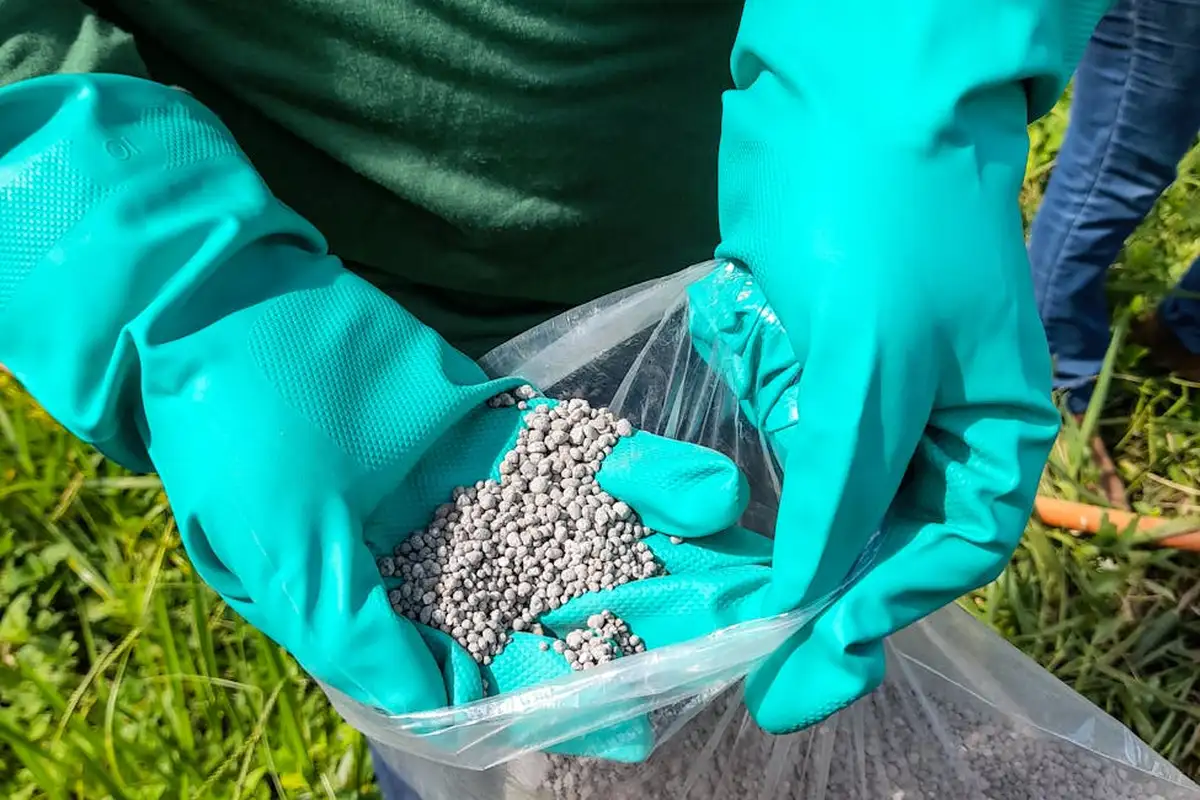
A bag of good fertilizer is an investment in your lawn. A little care in storing it makes that investment last for seasons to come. Think of it like storing flour for baking. You wouldn’t leave the bag open on a humid countertop. Your fertilizer deserves the same respect.
Follow these steps and your leftover product will be ready to perform when you are.
- Finish your application and immediately deal with the leftovers.
- Roll the bag closed tightly, squeezing out excess air, and use strong clips or tape to seal it.
- For even better protection, transfer the granules to a sealed container (more on that below).
- Label the bag or container with the product name and the date you opened it.
- Place it in its ideal storage home.
Finding the Perfect Spot: Cool, Dry, and Dark
Your fertilizer wants to hibernate. You need to find a place that mimics a dormant state: consistently cool, bone-dry, and out of direct light. A damp basement or a hot, sun-baked shed will ruin it fast.
The best spots are a high shelf in your garage (never the concrete floor), a dedicated plastic bin in a laundry or utility room, or a sealed cabinet in a garden shed. I keep mine on a shelf next to Sunny, my drip irrigation supplies, where it’s organized and dry.
Keep fertilizer bags away from your mower and trimmer. Max is reliable, but his corner of the garage can get humid, and fuel fumes aren’t good for any chemical product, even a plant food. Give your fertilizer its own quiet space.
Seal It Up: Beyond the Original Bag
Those woven plastic bags fertilizer comes in are great for transport, but they are not airtight. Over months, humidity will sneak in. This is when you get those rock-hard clumps that jam your spreader.
The single best thing you can do is transfer leftover dry fertilizer into a sealed, airtight plastic container. A 5-gallon bucket with a gasket lid is perfect. I use clear ones so I can see the level at a glance.
This does three big things. It locks moisture out completely. It prevents any accidental spills or tears. Most importantly, it creates a solid barrier that curious pets or kids cannot easily get into. Always, always write the product name and NPK numbers on the container with a permanent marker.
Common Fertilizer Storage Mistakes and How to Avoid Them
We’ve all made a lawn care mistake or two. I’ve learned from every one. Here are the big ones that turn good fertilizer bad, and how to sidestep them completely. We’ll separate fact from fiction as we debunk common lawn fertilization myths. You’ll learn what actually works rather than what sounds good.
Leaving the Bag Opened or on a Damp Floor
This is the most common error. You finish feeding the backyard, get distracted, and leave the crumpled bag on the garage floor. That floor often feels cool and may even look dry, but concrete pulls moisture from the air. Your fertilizer bag acts like a sponge, pulling that dampness right into the granules.
The fix is simple and non-negotiable: seal the bag completely and get it up on a shelf or pallet immediately after use. Even a piece of scrap wood under the bag creates a critical moisture barrier. If you already have clumps, you can sometimes break them up by rolling a sealed bag on the floor, but prevention is much easier.
Storing Liquid Fertilizer in a Freezing Garage
Liquid fertilizers are a different beast. People often ask, can liquid fertilizer go bad? Absolutely, and freezing is a fast way to do it. Those bottles or jugs are mostly water. When they freeze, the expansion can crack the container, creating a huge mess. Even if it doesn’t burst, the freezing and thawing can cause the ingredients to separate permanently, making the product ineffective.
Your liquid fertilizers and weed control products must spend the winter in a climate-controlled space. A shelf in a basement, heated garage, or even a closet inside your house is ideal. Treat them more like house paints than garden tools.
Buying a Giant Bulk Bag “To Save Money”
I get the appeal. The price per pound looks great on that 50-pound bag. But for a standard residential lawn, that’s often a 3-year supply. Unless you have a huge property or are splitting it with a neighbor, buying only what you need for the current season is almost always the smarter financial move.
You avoid the multi-year storage battle entirely. Your fertilizer is fresh and guaranteed to work at its peak. You also free up storage space. Calculate your lawn’s square footage and buy accordingly. A fresh, properly stored 20-pound bag that you use up is a better value than a clumped, half-used 50-pound bag you have to throw out.
What If You Use Fertilizer That’s Gone Bad?
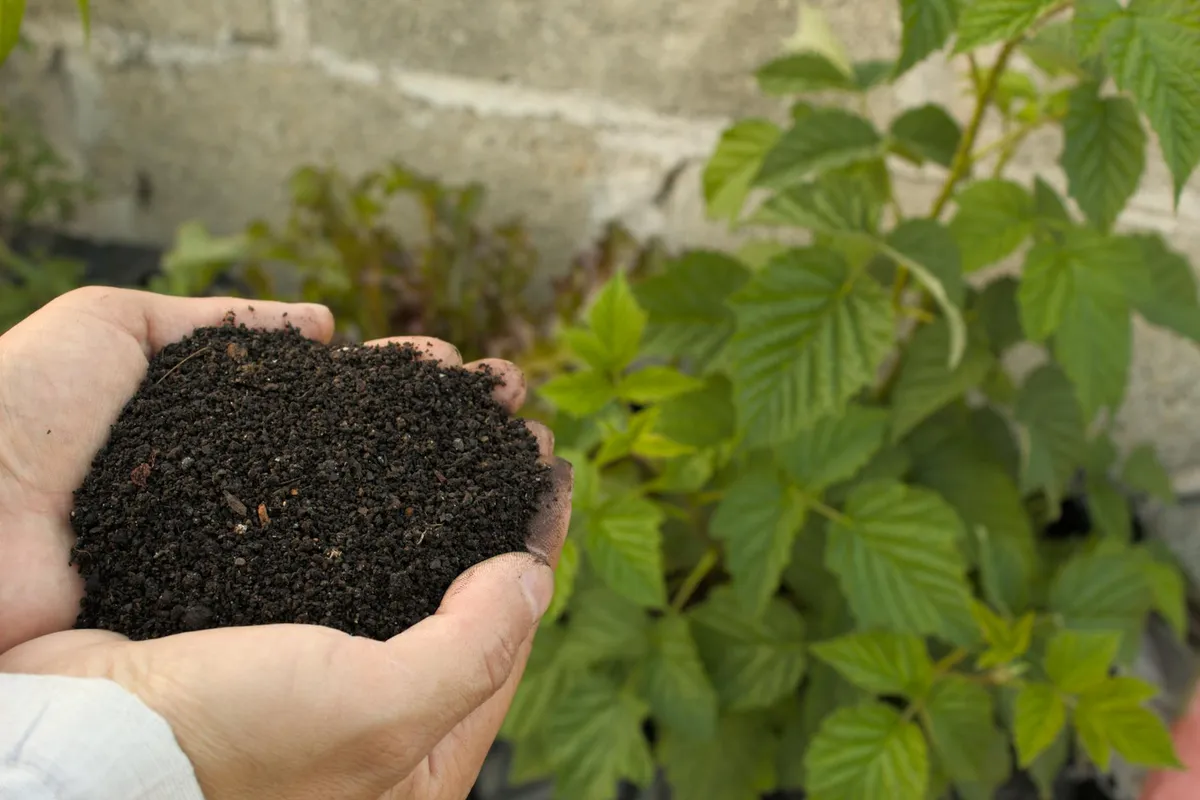
So you found a bag from two seasons ago tucked behind the shovel. I’ve been there. Your first thought is probably a mix of hope and dread. Let’s clear the air. In most cases, using old fertilizer won’t cause a lawn disaster, but it often leads to a disappointing waste of your Saturday morning. The key is knowing the difference between fertilizer that’s just tired and fertilizer that’s turned nasty.
When It’s Probably Just a Waste of Time (and Money)
Picture this. You spread the granules, water them in, and wait. A week passes, then two. Your lawn stays the same tired green. That’s the most common result.
Fertilizer loses its potency over time, especially if it wasn’t sealed tight. The nutrients break down or clump together. They simply can’t feed the grass roots effectively. You might get a weak response, or none at all. It’s a bummer, but it’s not an emergency. The lawn just misses out on a meal, so you’ll need to apply a fresh batch to see that deep, satisfying green.
When It Could Cause Trouble
Now, there are times to stop and toss the bag. Trust your senses. If you open a bag of organic, plant based fertilizer and get a strong, sour smell or see fuzzy mold, don’t use it. You could introduce unwanted fungi to your soil.
The same goes for any fertilizer that’s been soaked, contaminated with other chemicals, or stored in a rusty container. This can harm the beneficial life in your soil, from earthworms to microbes. For the safety of your lawn’s ecosystem, play it safe and fertilize it properly.
When in doubt, dispose of questionable fertilizer at a local household hazardous waste facility. It’s the responsible choice for your lawn and the environment.
A Quick Guide to Common Fertilizer Types and Their Lives
Not all fertilizers age the same. Think of them like different foods in your pantry. Some are canned beans that last years, others are like fresh bread. Here’s a straightforward look at what you’re likely using.
Synthetic Granular (like common 10-10-10 or weed & feed)
This is the classic bag of pellets. If you keep it sealed and bone dry, it can last for many, many years. The nutrients are stable. The real issue is moisture. If it gets damp, it turns into rock hard clumps that won’t spread evenly.
So, does 10-10-10 fertilizer go bad? Properly stored, it effectively doesn’t expire, but once it absorbs moisture and clumps, it’s useless for your lawn.
Once applied, its “life” in your soil varies:
- Fast Release: Feeds grass quickly, lasts 2 to 4 weeks.
- Coated Slow Release: Feeds grass gradually over 6 to 12 weeks.
Liquid Synthetic Fertilizer
This is the quick shot of espresso for your lawn. An unopened bottle has a good shelf life of 3 to 5 years. Once you open it and mix it, use it soon. The mixed solution doesn’t store well.
Its effect in the soil is immediate but brief, typically lasting just 1 to 2 weeks before the grass is ready for another feeding.
Organic Granular (like plant or animal meals)
This is the slow cooked meal. Made from natural materials like soybean meal or feather meal, it has a shorter shelf life of 1 to 3 years. Watch for bugs or mold. I store mine in a sealed plastic bin.
It works by slowly breaking down with help from soil microbes. This process feeds your lawn steadily over a longer period, usually 4 to 8 weeks, and builds healthier soil.
Water-Soluble Powdered Fertilizer
Think of this as a concentrated drink mix for plants. In its dry powder form, it lasts almost indefinitely if you keep it perfectly dry. A single clump from humidity can ruin the whole container.
When you mix it with water, it acts just like liquid fertilizer. The nutrients are available to grass roots almost immediately, providing a very fast green up that fades within a week or two.
Your Quick Lawn Fertilizer FAQ: No Jargon, Just Answers

1. Can using “expired” fertilizer actually harm my lawn?
It’s unlikely to cause a toxic disaster, but spoiled organic fertilizer with mold can introduce unwanted fungi. The real harm is wasted time and money on a product that simply won’t feed your greedy grass.
2. I have a half-used bag. What’s the single best thing I can do right now to save it?
Get it off the damp garage floor immediately and seal it airtight. Transfer those granules to a 5-gallon bucket with a locking lid to lock out moisture for good.
3. How can I do a quick “good or bad” check before I spread it?
Trust your senses. If the granules are dry and free-flowing, you’re likely good to go. If you see hard clumps, smell strong ammonia, or spot mold, it’s time to replace the bag.
4. I forgot my liquid fertilizer in the garage over winter and it froze. Is it trash?
Yes, toss it. Freezing can permanently separate the ingredients or crack the container, making it ineffective and a potential mess. Always store liquids where they won’t freeze.
5. Is there any use for old, clumpy fertilizer, or should I just throw it away?
If it’s just lightly clumped but breaks apart easily, you can still use it. If it’s a solid, concrete-hard brick or has mold, your only responsible move is disposal at a hazardous waste facility.
Final Thoughts on Fertilizer Lifespan
Your fertilizer stays reliable when you treat it right from the start. Seal it up in a cool, dry place, and plan to use it within a year for the thick, vigorous lawn you want. To keep your lawn lush, follow best practices for fertilizing your yard.
I always pick options that keep my pets safe and my pollinators buzzing happily. Every season is a chance to learn something new that makes your lawn a healthier part of your home.
References & External Links
- Does Fertilizer Go Bad?
- r/lawncare on Reddit: Do bags of fertilizer go bad?
- Does Fertilizer Go Bad? The Reality of Fertilizer Shelf Life – Meadowlark Journal
- Does Fertilizer Go Bad? Understanding Fertilizer Shelf Life and Storage
- Does Lawn Fertilizer Go Bad? Lets Find Out!
- Does Lawn Fertilizer Go Bad? Uncover the Shelf Life of Your Garden’s Best Friend
- Granular Fertilizer Storage Life | NutriPod® Fertilizer
Written by Ria Carrington. Ria is an avid lawn care enthusiast and advisor. No lawn is unsalvagable when Ria is at work. She has helped countless homeowners breath new life into their dying lawns. She has a B.Sc in Agriculture and brings practical advice combined with knowledge of plant science and her decade worth of hands on experience.