
Does Your Mowing Routine Help or Hurt Your Lawn? The Truth About Cutting Height and Blade Sharpness
You see those brown, frayed tips after a mow and wonder if you’re doing more harm than good. Let me reassure you, with a few smart changes, every cut can actually help your grass recover and grow thicker.
This article walks you through the why and how, covering the direct link between mowing height and root health, why a sharp blade is non-negotiable for a clean cut, and how these two factors work together to save you water, time, and money.
I know this works because I’ve put it into practice every season with Max, my zero-turn mower, to build a lawn that bounces back fast.
At a Glance: The Two Mowing Rules That Change Everything
You can spend money on every bag of fertilizer and jug of product, but if your mowing is off, you’re fighting an uphill battle. I learned this the hard way with my mower, Max. The good news is, getting it right is simple.
- The One-Third Rule: Never cut more than one-third of the grass blade’s height in a single mow. This is the golden rule. If your grass is 3 inches tall, you mow when it hits 4.5 inches and cut it back down to 3. Violate this, and you shock the plant, stunting its roots.
- Mow by Grass Height, Not by the Calendar. Your lawn doesn’t care if it’s Saturday. Mow when it needs it, based on the One-Third Rule. In peak growth, that might be every 5 days. In a slow week, it might be 10.
- A Dull Blade Doesn’t Cut, It Rips. You’ll see it: the tips of your grass will look white, frayed, and shredded, like torn paper. A sharp blade leaves a clean, crisp edge that heals fast.
- Shorter is NOT Better for Lawn Health. Scalping your lawn weakens it, inviting weeds, disease, and sunburn. A taller blade (for your grass type) shades the soil, keeps roots cool and deep, and crowds out weed seeds.
Stick to these, and you’ve already won half the battle for a thick, resilient yard.
How Grass Actually Heals After You Cut It
Think of a single grass blade like a green straw. It’s pulling up water and nutrients. The very tip of that blade is a sealed end, a natural closure.
When you make a clean cut with a sharp blade, you’re creating a new, clean “sealed end.” The plant recognizes this cut quickly, starts to heal over the tiny wound, and gets back to the business of growing. You can sometimes smell this process a few hours later-that fresh, damp, loamy scent is a sign of healthy healing.
Now, imagine using a dull blade. Instead of a clean cut, you’re applying a crushing, tearing force. You’re not slicing the blade; you’re mangling it, leaving a ragged, open wound. That frayed tip can’t seal properly. Water evaporates out of this open wound, stressing the plant, and disease spores can waltz right in.
This is “plant stress” from bad mowing. Every ragged cut is a tiny crisis for the grass plant. It has to divert energy from growing strong roots and new blades to just repairing this damage. Do this weekly, and you have a lawn in a constant state of recovery, never truly thriving.
But get it right? A sharp cut is a minor event. The grass seals, heals in hours, and stays vigorous. Over time, this consistent, low-stress practice builds a lawn that’s deeply rooted, drought-tolerant, and naturally dense enough to fight off the weeds in Patch’s corner on its own. It’s the foundation everything else is built on.
The Most Common Mowing Mistakes That Hurt Your Lawn
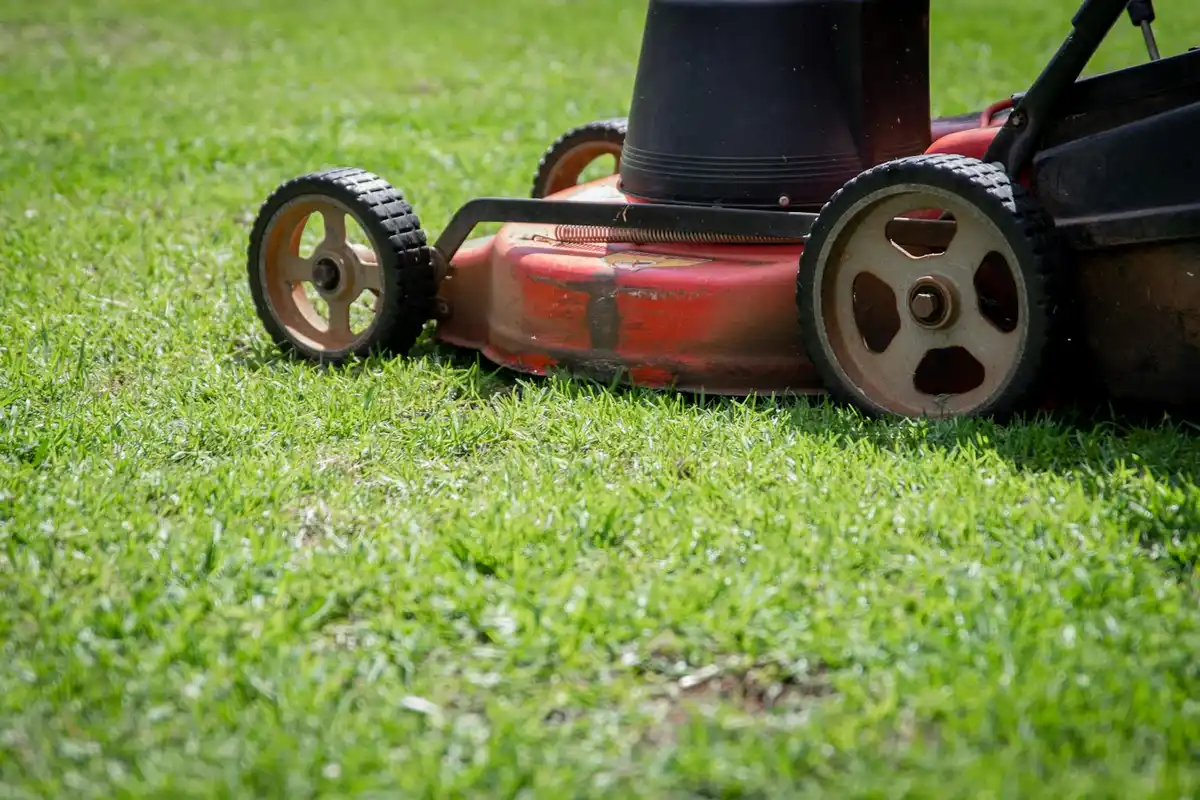
We all want that crisp, clean look right after a mow. But sometimes, the things we do for a fast, tidy finish actually work against our lawn’s health. I’ve made these mistakes myself, especially when I was rushing to beat a rainstorm or trying to get that perfect striped look. Let’s break down the big ones so you can avoid them.
Scalping is the worst offender, and it usually happens when we try to cut too much off at once or set the mower deck too low. Grass blades are like solar panels for the roots. When you cut them too short, you starve the plant. It forces the grass to use its energy reserves just to survive, weakening the whole system. This exposes bare soil, which is a welcome mat for weed seeds. My problem area, Patch, taught me this. A few rushed, low cuts turned that shady spot into a moss and weed party almost overnight.
Mowing wet grass seems like a good idea if the sun is finally out after days of rain. Don’t do it. Wet blades clump together and get torn instead of cleanly sliced. You end up with a ragged cut, huge clumps that smother the grass underneath, and a perfect, damp environment for fungal diseases to move in. The uneven cut also means some spots get scalped while others are missed entirely. It’s a messy, counterproductive job that Max the mower and I both hate. Even when you’ve read all the advice, it’s tempting to just get out there and do it.
Using a dull mower blade is a silent lawn killer. A sharp blade makes a clean cut. A dull blade frays and shreds the grass tip. Those shredded tips turn brown and frayed within hours, making your whole lawn look scorched and unhealthy. It’s not sunburn, it’s a bad haircut. The torn grass is also more vulnerable to disease. You’ll hear the difference too. A sharp blade goes *swish*. A dull one goes *whap* and sounds like it’s struggling. To restore that clean, healthy cut, you’ll want to sharpen or replace the lawn mower blade. And a quick blade check and maintenance routine will keep your mower performing at its best.
Bagging every single clipping robs your soil. Those grass clippings are not waste. They are free, slow-release fertilizer. Leaving them on the lawn (a practice called grasscycling) returns nitrogen and other nutrients directly back to the soil as they decompose. After mowing, the clippings stay on the lawn to feed the soil as they break down. This simple grasscycling practice keeps nutrients in the cycle and supports a healthier turf. It also helps reduce thatch by encouraging microbial activity. I only bag if the grass got way too long between mows and the clumps are thick. Otherwise, let those clippings feed your lawn.
A Simple Grass Cutting Height Chart for Your Lawn
| Grass Type | Ideal Cutting Height Range (inches) |
|---|---|
| Bermuda Grass | 1 – 2 |
| Zoysia Grass | 1.5 – 2.5 |
| Tall Fescue | 3 – 4 |
| Kentucky Bluegrass | 2.5 – 3.5 |
| Perennial Ryegrass | 2 – 3 |
| St. Augustine | 2.5 – 4 |
A crucial rule is to never remove more than one-third of the grass blade in a single mow. If your lawn is 4 inches tall and your ideal height is 3 inches, mow it down to 3 inches now, wait a few days for it to grow, then mow again. This prevents shock. Also, these heights assume a sharp blade. A dull blade will damage grass even at these “correct” settings.
Finding Your Grass Type and Ideal Range
Not sure what grass you have? Look closely. Bermuda and Zoysia have thin, fine blades and spread by runners along the ground. Tall Fescue and Kentucky Bluegrass have wider blades and grow in clumps or tufts. You can also check with a local garden center or your county’s extension service, they know what’s common in your area.
For the healthiest lawn, mow at the top end of your grass’s recommended range, not the bottom. Taller grass develops deeper, more resilient roots. It shades the soil, keeping it cooler and retaining moisture better during summer heat. This natural shade also makes it much harder for weed seeds to germinate. A taller lawn is a stronger lawn.
How to Adjust Grass Cutting Height by Season
Your mower’s height setting isn’t a “set it and forget it” deal. It needs to change with the seasons. In the peak summer heat, raise your deck to the highest setting in your grass’s range. This provides maximum heat and drought stress protection. When cooler fall weather arrives, you can gradually lower the height to the middle of the range for your final cuts.
This fall reduction should be gradual over a few mows, never a drastic scalp. The goal of the last cut before winter is slightly shorter grass to prevent matting and snow mold, but you still want enough blade left to photosynthesize during mild spells. For my cool-season grass in regions like Northeast Ohio, Michigan, or Pennsylvania, that last cut in late fall is usually about a half-inch shorter than my summer height.
The same principles apply whether you’re in the UK with perennial ryegrass or Australia with Buffalo grass. Grass biology doesn’t change. Taller in stress (summer heat, winter cold prep), and a managed height during prime growing seasons (spring and fall). Listen to your lawn, and let its needs guide your mower’s settings — especially when it comes to choosing the right mowing height for your grass type.
How to Tell If Your Mower Blade is Dull (And How to Fix It)
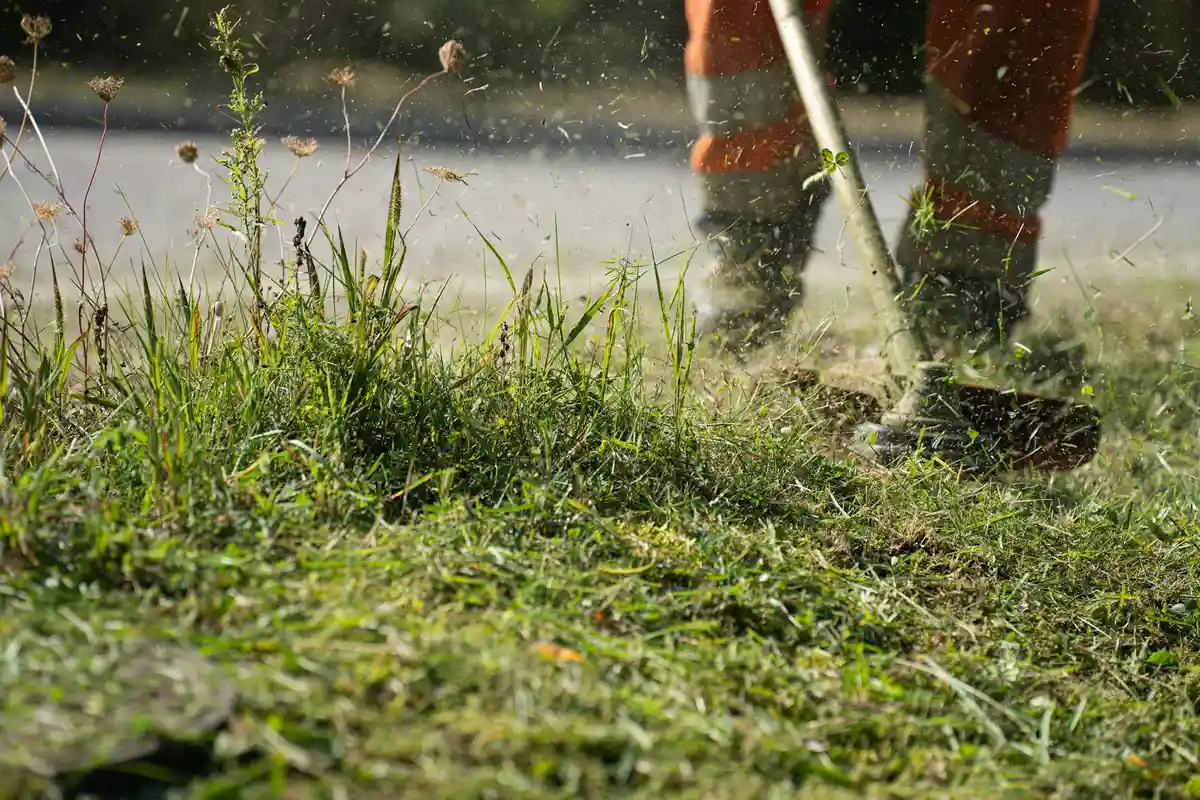
I learned about dull blades the hard way. One Saturday, Max, my zero-turn, started vibrating like a washing machine full of bricks. The grass looked terrible, like it had been chewed instead of cut. A sharp mower blade is the difference between a clean cut that heals fast and a ragged tear that stresses your grass. Here’s how to spot the problem before your lawn shows it.
Look for these undeniable signs every time you mow:
- Brown Tips: The day after mowing, the grass tops turn white or brown. This is the grass blade dying back from a ragged tear.
- Uneven Cut: Some blades stand tall while others are short. The lawn looks patchy and unkempt.
- Grass Laid Over: A sharp blade slices cleanly, leaving grass standing up. A dull one bends and bruises the stems, so they flop over.
- Excessive Vibration: If “Max” starts shaking or making a new, louder noise, the blade is likely nicked or out of balance.
You can confirm your suspicion with a simple, safe check. First, always disconnect the spark plug wire. This prevents the mower from accidentally starting. Then, wearing work gloves, carefully rotate the blade by hand. Look at the cutting edge; a sharp blade will have a clean, beveled edge, while a dull one will look rounded or have visible nicks and dents. Run your thumb lightly across the edge (be careful!)-if it feels smooth, not slightly grabby, it’s time to sharpen. If you’re unsure about sharpening yourself, consider lawn mower blades professional sharpening for a precise edge. A pro can also help restore balance and the correct bevel to manufacturer specifications.
A Safe, Step-by-Step Guide to Sharpening
Sharpening a blade is a straightforward weekend job. I do mine at the start of each season and halfway through. You need a few basic tools:
- A wrench to fit your mower’s blade bolt
- A metal file or a bench grinder for faster work
- Safety glasses
- Sturdy work gloves
- A block of wood to wedge the blade
Follow these steps to get a factory-sharp edge.
- Disconnect the spark plug. Safety is non-negotiable.
- Tip the mower on its side (carburetor side up for gas mowers) and wedge the blade with the wood block so it can’t spin.
- Use your wrench to remove the bolt and carefully take the blade off.
- Check the blade’s balance. Balance it on a nail or a dedicated balancer. If one side dips, file a little metal off the heavier end until it sits level. An unbalanced blade causes vibration.
- Sharpen at the existing angle. Use your file or grinder to follow the original bevel. Match the strokes on each wing to keep the balance. You just want a clean edge, not to reshape the blade.
- Reinstall the blade tightly. Make sure it’s oriented correctly (cutting edge towards the grass) and torque the bolt down securely.
For most homeowners, sharpening every 20 to 25 hours of mowing keeps the cut crisp. I mark my calendar after big mowing weekends. If you hit a rock or root, check the blade immediately.
The Right Tools for the Job: Mower Upkeep Made Easy
Keeping your mower in top shape doesn’t require a garage full of gear. A small kit of reliable tools saves you time and money. Here’s what I keep on hand:
- A Basic Blade Sharpening Kit: This often includes a file, a balancer, and a wrench. It’s a cost-effective way to handle the job without special tools.
- A Sturdy Tape Measure: Don’t guess your cutting height. Measure from a flat surface to the blade edge to set your deck accurately for the season.
- An Extra Sharp Blade: Having a spare, pre-sharpened blade lets you swap it in minutes when you find a dull one. No downtime during prime mowing weather.
- Degreaser and a Stiff Brush: A clean deck cuts better. After a few mows, grass clippings and gunk build up under there. A quick spray and scrub help maintain proper airflow and a clean cut.
This simple toolkit turns a chore into a quick, satisfying task that directly improves your lawn’s health. The type of mower you have changes the details a bit. Rotary mowers, like most riding and walk-behind models, need sharpening a few times a season. Reel mowers, which scissor-cut the grass, require more frequent sharpening for their best performance, but they give an exceptionally clean cut that’s gentler on the grass. For most of us with rotary mowers, a sharp blade and the right height are the keys to a thick, healing lawn. If you’re weighing reel mower vs rotary mower, a quick comparison can help you decide which suits your lawn best. Knowing the differences in cut and maintenance will inform your sharpening and height choices.
Your Action Plan for a Healthier, Healing Lawn
Here’s the good part. The science we just covered turns into simple habits. Think of this as your lawn’s weekly wellness routine. I built mine from scratch over a few seasons, and it now runs like clockwork. This is the ritual that keeps Patch in check and the rest of the yard thick.
The Weekly Lawn Check-In
Every Saturday morning with my first coffee, I do a quick walk. This takes five minutes and saves hours of headache later.
- Check the Height: I use my fingers like a ruler. For my cool-season grass, I aim for blades to be about as tall as my index finger is wide (roughly 3 to 4 inches). If it’s noticeably taller, I plan to mow that day or the next.
- The Pre-Mow Blade Ritual: Before I even start Max, I give a blade a quick glance and a careful feel. I look for nicks or a rounded, dull edge. A sharp blade should feel like a smooth, clean edge, not a rounded-over butter knife. If it’s dull, I reschedule the mow for after a sharpening.
- Listen to the Cut: When you do mow, listen. A sharp blade makes a crisp, clean *snap* sound. A dull one makes a soft, tearing *whissssh*. Your ears will tell you what your eyes might miss.
Your Simple Seasonal Checklist
Grass needs change with the weather. I adjust my routine just like I swap out garden hoses for Sunny in the fall.
| Season | Cutting Height | Key Action |
|---|---|---|
| Spring | Start lower (~2.5″), then raise to summer height. | First mow is a cleanup. Sharpen blades, then raise deck gradually as growth surges. This encourages thick tillering. |
| Summer | Highest Setting (3.5″-4″). | Tall grass shades soil, conserves water for Sunny, and starves weed seeds of light. Never remove more than 1/3 of the blade. |
| Fall | Gradually lower back down. | Final mows can be slightly shorter to prevent matting under winter leaves and snow. This is also prime overseeding time. |
| Winter | No cutting. | Professional sharpening for all blades. It’s a gift to your future self for next spring. |
The Non-Negotiable Sharpening Schedule
This is where most plans fall apart. A vague “sharpen when needed” leads to a shredded lawn. Be specific with yourself.
- For a typical suburban lot (under 1/2 acre), sharpen your primary blade every 20-25 hours of mowing.
- If you hit a rock, curb, or buried limb, stop and sharpen immediately. That one impact can ruin the blade’s balance and edge.
- I keep a spare, sharp blade on a hook in the garage. When the one on Max feels dull, I swap them in ten minutes. The dull one goes to the shop the next time I’m running errands.
This isn’t about perfection. It’s about consistent, smart care. These small, regular acts build a lawn so dense and resilient it crowds out weeds naturally. You create a turf that bounces back from drought, resists disease, and gives pollinators like bees a safe place to land on clover blossoms. Your lawn becomes a partner, not a problem. Start with the weekly walk this Saturday. Your grass will thank you with every clean, healing cut.
Your Greedy Grass Mowing Questions, Answered
Why does my grass cutting height need to change with the seasons?
Think of it as your lawn’s wardrobe: taller in summer for sun protection and deeper roots, slightly shorter in fall to prevent winter matting. This simple shift is your number-one tool for building a resilient, greedy lawn that thrives year-round.
I live in Northeast Ohio/Michigan/Pennsylvania. What’s the one seasonal adjustment I can’t skip?
Your final fall cut is critical. Gradually lower your cool-season grass to about 2.5-3 inches over your last few mows to deter snow mold, but never scalp it. This protects the crown while discouraging matted grass come spring.
Why is Bermuda grass cut so much shorter than other types?
Bermuda is a sun-loving, spreading grass that thrives at 1-2 inches because it grows laterally, not just upward. Cutting it this low encourages dense, carpet-like growth and prevents it from getting leggy and thin.
Can I use the same grass cutting height chart in the UK or Australia?
The principle is universal, but the grass types change. Swap our chart for your common local grasses, like [perennial ryegrass](https://greedygrass.com/ryegrass-choice-lawn) in the UK or Buffalo grass in Australia, and always follow the One-Third Rule. Greedy grass grows by the same rules everywhere.
What’s the biggest mistake homeowners make with fall cutting height?
They cut too short, too fast. A drastic scalp before winter shocks the plant and exposes the soil. Instead, lower your deck gradually over several mows for a resilient lawn that enters dormancy healthy and ready to bounce back.
Wrapping Up Your Mowing Routine
Make sharp blades and a higher cut your non-negotiable rule every time you mow. This one-two punch is the simplest way to reduce stress and let your grass heal itself into a thick, resilient carpet.
Taking care of your lawn means thinking about the soil, water, and tiny lives that share your yard. I keep learning and adjusting my methods to be kinder to the environment, which always pays off with a healthier green space.
Citations and Authoritative Sources
- Is Your Lawn Mower Blade Too Sharp? Understanding the Fine Line – MyGardenPlans
- technique – What is the recommended height of the blade on a table saw while operating? – Woodworking Stack Exchange
- Sharpness vs Cutting Ability – Knife Steel Nerds
- Tablesaw Height – FineWoodworking
- Sharpness (cutting) – Wikipedia
- r/lawncare on Reddit: How sharp should the blades be?
Written by Ria Carrington. Ria is an avid lawn care enthusiast and advisor. No lawn is unsalvagable when Ria is at work. She has helped countless homeowners breath new life into their dying lawns. She has a B.Sc in Agriculture and brings practical advice combined with knowledge of plant science and her decade worth of hands on experience.