
Do You Really Need to Dethatch Your Lawn Every Year?
You’ve probably heard that dethatching is a non-negotiable spring chore, but ripping up your lawn on autopilot can waste your weekend and your money. I’m here to tell you the honest truth about thatch and when you should actually break out the rake or the machine.
In this article, we’ll walk through what thatch actually is, the simple test to see if yours is a problem, the real risks of annual dethatching, and the gentler alternatives I use instead.
I’ve learned this through five years of trial and error with my own lawn, listening to the sound of Max’s blades and nursing Patch back to health.
At a Glance: The Quick Dethatch Decision Guide
You don’t need a calendar reminder for this. Most of the time, your lawn will tell you. Here are the four things I check before I even think about firing up the dethatcher.
1. Thatch Thickness (The Pencil Test)
This is your main clue. Take a garden trowel and cut a small, deep plug out of a few different spots in your lawn, like a real problem area and a healthy-looking section.
Look at the side profile. You’ll see soil, roots, and a brownish, spongy layer in between-that’s the thatch. If that spongy layer is thicker than a standard pencil eraser (about half an inch), it’s time to consider action. Anything less is usually just doing its job as a protective mat.
2. Your Grass Type
Some grasses are thatch factories. Bermudagrass and Kentucky bluegrass have vigorous, spreading growth habits (rhizomes and stolons) that naturally build up more thatch. Zoysia can be prone to it, too.
Tall fescue and perennial ryegrass lawns, on the other hand, are bunch-type grasses and typically create much less thatch. Knowing your grass helps you predict the battle.
3. Soil & Season
Timing is everything. The best time to dethatch is during your grass’s peak growing season, when it can recover quickly. For cool-season grasses, that’s early fall. For warm-season grasses, it’s late spring to early summer.
Never do it during a stress period like a summer heatwave or right before winter dormancy. Your soil should also be slightly moist, not soggy or bone-dry, when you run the machine.
4. The “Feel” of Your Lawn
Sometimes, you just know. Does the ground feel bouncy and spongy underfoot? Does water seem to puddle on the surface instead of soaking in? When you mow, do you see a lot of brown, dead material getting pulled up with the green blades? These are all signs thatch is becoming a barrier.
For most residential lawns, doing this every year is an unnecessary chore that stresses the grass and tears up the soil. I see it all the time-people dethatching on autopilot because they think they should. Focus on the factors above, not the date.
What is Thatch? (And Why It’s Not Always the Enemy)
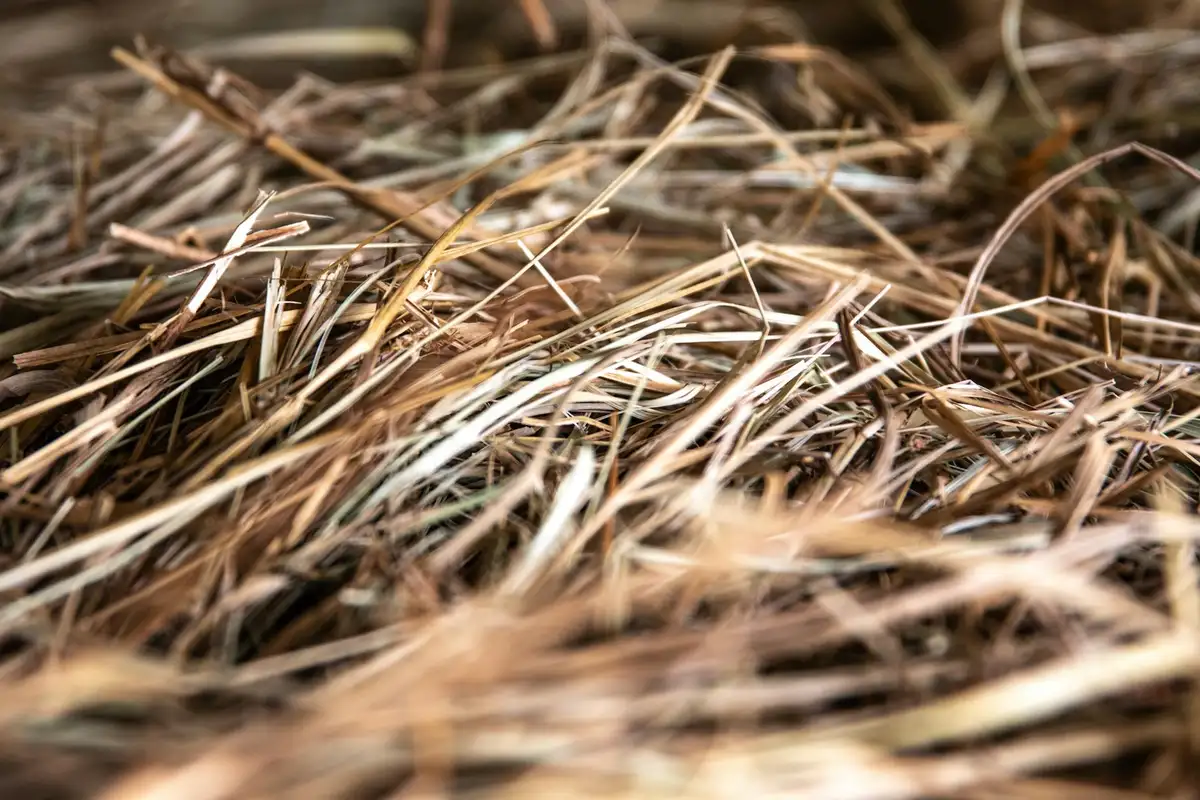
Thatch isn’t your grass clippings. Those decompose too fast. Real thatch is a tightly interwoven mat of old roots, stems, and runners (rhizomes and stolons) that settles between the green grass and the soil surface.
Think of a thin, healthy thatch layer-less than that half-inch-like a cozy blanket for your lawn’s root system. A moderate thatch layer insulates soil from extreme temperature swings, helps retain moisture, and even protects crowns from damage during light foot traffic. It’s a natural part of a living lawn.
The problem starts when the blanket becomes a thick, suffocating quilt. This happens when the lawn produces organic matter faster than it can break it down. The main culprits are:
- Over-fertilizing: Too much nitrogen, especially quick-release synthetic nitrogen, makes grass grow too fast, overwhelming the system.
- Over-watering: Constantly soggy soil creates an environment where the microbes and earthworms that break down thatch can’t thrive.
- Compacted, “dead” soil: Hard soil with little life in it slows decomposition to a crawl. This is why I’m always aerating that stubborn Patch in my yard.
- Fungicide overuse: These products can kill the very fungi that help decompose organic matter.
A truly healthy lawn has a bustling ecosystem working for you. Earthworms are nature’s tillers, constantly pulling organic material down into the soil. Billions of beneficial bacteria and fungi feast on the old roots and stems, recycling them into nutrients that enrich lawn soil composition.
Your best long-term strategy against thatch isn’t a machine, it’s fostering that life in your soil. Using organic fertilizers, watering deeply but less often, and core aerating to relieve compaction encourages the natural crew to handle the cleanup. They work for free, and they don’t leave your lawn looking like a battlefield.
The Big Question: Should You Dethatch Every Year?

The short answer is no. Most lawns do not need annual dethatching. Doing it every year “just because” is one of the most common mistakes I see.
Think of dethatching like a medical procedure. You wouldn’t get surgery just for the fun of it. You only do it when there are clear symptoms. Ripping through your lawn with tines or blades every spring stresses healthy grass, tears up good roots, and exposes bare soil. That exposed soil is a welcome mat for weeds, undoing all your careful work. I learned this the hard way years ago, being too aggressive and spending the next month battling invaders in the thin spots I created.
So, is dethatching necessary for a lawn? Only when a specific problem exists. The “when” is when your thatch layer is too thick. The “why” is to remove that barrier so water, air, and fertilizer can get to the soil where your grass roots live. If you’re considering dethatching, you’ll want to know the best methods for dethatching. We’ll cover those in the next steps.
How to Check Your Thatch Level in 60 Seconds
You don’t need special tools. Grab a sturdy knife or a shovel.
- Find a representative spot in your lawn. Not the best or worst area.
- Cut a small, deep plug, about 3 inches across and 4 inches deep. Lift it out.
- Look at the side of the soil plug. You’ll see green grass blades on top, dark soil on the bottom, and a matted, fibrous layer in between. That’s the thatch.
- Feel it. It will be damp and spongy. Now, measure it.
Half an inch of thatch feels like a dense sponge mat and is actually beneficial for insulation and cushion. An inch or more feels like a thick, damp carpet that you can peel back with your fingers. That’s trouble.
Do this check in a few places. Check a sunny spot and a shady, stubborn area like my “Patch.” Thatch can build up unevenly, so a full picture prevents you from working on an area that doesn’t need it.
Clear Signs Your Lawn Actually Needs Dethatching
Your lawn will tell you when it’s time. Look for these symptoms.
- Your lawn feels spongy or bouncy when you walk on it, like walking on a cheap motel mattress.
- Water pools on the surface or runs off instead of soaking in after irrigation or rain.
- The grass looks thin, weak, or pale even though you’re watering and feeding it properly.
All these signs point to the same core issue. A thick thatch layer acts like a thatched roof on a cottage, but upside down. It blocks everything good from getting down to the roots. Seeing these signs means it’s time for the corrective “surgery,” not because your neighbor is doing it or the calendar says spring.
The Right Way to Dethatch: Tools, Timing, and Steps
When your lawn shows the signs, it’s time for a focused, corrective task. This isn’t a spring ritual. It’s a targeted fix.
Tools You’ll Need: From Rakes to Rentals
Choosing the right tool saves your back and your lawn.
- Manual Thatching Rakes: These are heavy-duty rakes with sharp, curved blades. They’re perfect for small lawns or spot-treating problem areas. The workout is real, but the control is excellent.
- Powered Dethatchers (aka “Power Rakes”): These are walk-behind machines you can rent. They use spinning flails or tines to pull up thatch. This is the go-to for most average-sized suburban lawns. The rental cost is worth the time and effort saved.
- Vertical Mowers (Verticutters): These are more intense, using actual blades to slice into the thatch and soil. They’re for severe thatch problems and are best left to pros or very experienced homeowners.
Let’s be clear. Your regular mower, even a trusty workhorse like my zero-turn Max, is not built for this job. His job is cutting grass blades cleanly, not tearing up the mat below.
The Best Time of Year to Dethatch Your Grass
Timing is everything for recovery. You must dethatch when your grass is actively growing and can heal fast.
For cool-season grasses like Kentucky Bluegrass, Fescue, and Ryegrass, aim for early fall. The soil is warm, the air is cooling, and grass is growing vigorously. Late spring is a second-choice option. Understanding the differences between cool-season and warm-season grasses can also help you determine the best timing for your area.
For warm-season grasses like Bermuda, Zoysia, and St. Augustine, late spring to early summer is your window. The grass is waking up and ready to spread. Proper timing is crucial for seed germination and lawn establishment.
Dethatching in the wrong season, like during summer heat stress or right before winter dormancy, is a disaster. The lawn can’t recover, and you’ll have a yard of brown, struggling grass. It’s one of the many common lawn problems that can be avoided with proper care.
A Simple, Step-by-Step Dethatching Process
- Mow Low: Cut your lawn about 25% shorter than your usual height. This helps the dethatcher tines reach the thatch layer more effectively.
- Moisten the Thatch: Water your lawn lightly the day before. You want the thatch damp and pliable, not rock-hard or sopping wet. Think of it like softening dried pasta before cooking it.
- Make Your Passes: Go over your lawn with the dethatcher. Then, make a second pass at a 90-degree angle to the first. This cross-hatch pattern ensures you pull up thatch from all directions.
- The Cleanup: This is the big one. You will have a staggering amount of loose, brown, fibrous debris. Rake it all up and remove it from the lawn. Leaving it there will smother the grass you just exposed.
- Help It Heal: Water the lawn deeply to help soothe the roots and wash soil into any open spaces. A light application of a balanced, pet-safe fertilizer can give the grass the energy it needs to fill back in.
Common Dethatching Mistakes and How to Avoid Them
- Mistake: Dethatching a stressed lawn. Avoid this by only proceeding when the grass is in its peak growing season and is otherwise healthy. Never dethatch a dry, dormant, or disease-weakened lawn.
- Mistake: Setting the blades too deep. How to avoid it? Adjust your tool so the tines or blades just barely scratch the surface of the soil. You’re removing thatch, not digging a trench. Scalping the soil damages roots and crowns.
- Mistake: Not cleaning up the debris. How to avoid it? Treat the cleanup as the most critical step. That pile of thatch is a barrier. Leaving it is like performing surgery and leaving the gauze inside.
- Mistake: Bad timing with weather. How to avoid it? Check the forecast. Never dethatch right before a predicted heatwave, drought, or hard freeze. Give your lawn mild, favorable weather to recover.
Dethatching and Overseeding: Should You Do Both?
I hear these questions every fall: is dethatching necessary for overseeding? The answer isn’t a simple yes or no. It depends on one thing you can check right now: your thatch.
Dethatching pulls up that matted layer of old roots and stems. This action absolutely creates perfect seed-to-soil contact, which is the single biggest factor for getting new grass seed to sprout. Think of it like tilling a tiny garden bed right in your lawn. The seed doesn’t bounce off or sit on top; it nestles right down where it can get moisture and nutrients.
But here’s the real truth. If your thatch is less than half an inch thick, you can usually skip the aggressive dethatching. A thin, spongy layer can actually help retain moisture for new seed. In that case, your better move is to aerate. Those little soil plugs pulled out by the aerator create perfect holes for seed to fall into, and they also help break down existing thatch naturally.
So, how do you decide? Grab a screwdriver and poke it into your soil. If it punches through a thick, carpet-like layer before hitting dirt, you’ve got a thatch problem.
- Thick thatch (over 1/2 inch)? Dethatch first, then overseed.
- Thin thatch? Aerate, then overseed.
I follow this simple rule every season, and it saves me from wasting seed and time on poor germination. For my shady “Patch,” I never dethatch, because the thatch is thin. I just aerate and seed. But for a thicker area, the dethatcher comes out first. It’s about matching the tool to the problem.
Smart Lawn Care That Prevents Thatch Buildup
The goal isn’t to become an expert at fixing thatch. The goal is to build a lawn so healthy that you rarely need to think about it. Annual dethatching should not be on your calendar.
Make core aeration your new annual ritual instead. Renting a core aerator once a year in the fall is gentler on your grass than dethatching. It fixes soil compaction, which is a root cause of many problems, and those soil cores left on the surface are packed with microbes. As they break down, they inoculate your thatch layer with the very organisms that eat it. It’s a two-for-one benefit. With proper safety precautions, core aeration is safe, a low-risk maintenance task for you and your lawn. Its relief of soil compaction helps prevent turf damage from heavy use, too.
You also need to feed the right life in your soil. Synthetic fertilizers feed the grass plant directly, and fast. Organic fertilizers and top-dressing with compost feed the soil’s microbial workforce. These tiny bacteria and fungi are nature’s thatch decomposers. I like to think of a spoonful of compost as hiring a cleanup crew for my lawn.
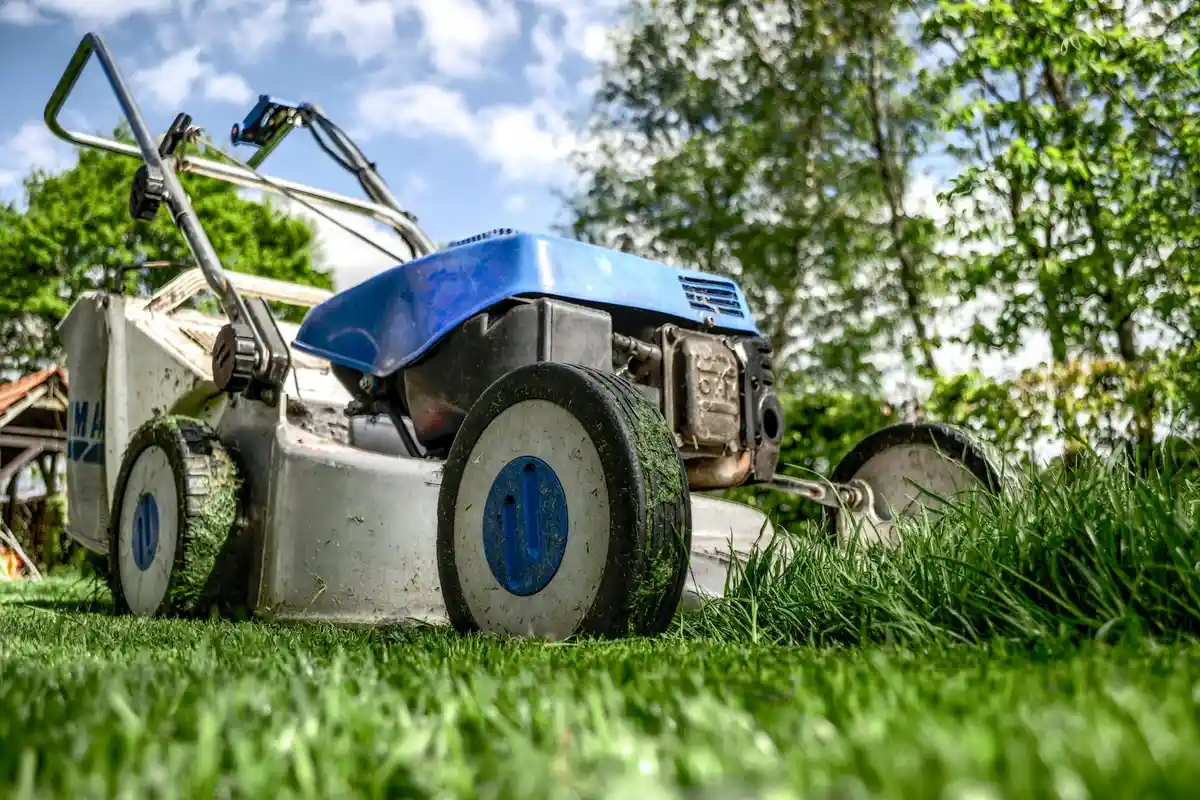
Your mowing and watering habits are the final, critical pieces. Dull mower blades tear grass, leaving ragged ends that decompose slowly and add to thatch. Sharp blades, like on my mower Max, make a clean cut that heals fast. Sharpening and balancing mower blades ensures a neat cut. Mowing at the proper height for your grass type (never cutting more than one-third off the top) encourages deep roots and shades the soil, slowing thatch formation.
Watering is where “Sunny,” my drip system, shines. Deep, infrequent watering trains grass roots to grow down deep into the soil, creating a stronger plant. Frequent, shallow sprinklings keep roots lazy and up in the thatch layer. A deep drink once or twice a week is almost always better than a daily sprinkle.
When you combine annual aeration, soil-focused feeding, and smart cutting and watering, you build a lawn that manages its own thatch. You stop reacting to problems and start cultivating resilience. That’s when lawn care stops feeling like a chore and starts feeling like stewardship.
Your Dethatching Questions, Answered

Is dethatching your lawn every year necessary?
Absolutely not. Think of dethatching as surgery for your lawn-you only do it when there’s a clear problem, not as an annual check-up. If your thatch is less than half an inch thick, you’re often better off skipping it to avoid stressing the grass and inviting weeds.
I see a lot of debate on Reddit about dethatching. Who’s right?
The folks saying “test, don’t guess” are right. Online forums are full of conflicting advice because every lawn is different. Ignore the calendar and the debates, and just do the simple pencil test on your own grass to get your answer.
Do I *have to* dethatch before I overseed my lawn?
Only if your thatch is too thick. For good seed-to-soil contact, you need to remove any barrier thicker than a pencil eraser. If your thatch is thin, save the effort and just aerate before overseeding for fantastic results.
Which types of grass really require dethatching?
Grasses that spread by runners, like Bermudagrass and Kentucky bluegrass, are thatch champions and often need occasional dethatching. Bunch-type grasses, like tall fescue, rarely need it because they simply don’t build up much thatch.
My thatch is thin, but my lawn still feels spongy. What should I do?
Skip the dethatcher and rent a core aerator instead. That spongy feeling is often caused by soil compaction, and aeration fixes that while helping nature’s little helpers break down the thatch you already have.
Smart Dethatching for a Lush Lawn
Skip the yearly dethatching routine and only act when your lawn shows a real need. Check the thatch layer with a simple finger test in spring or fall, and break out the tools only if it feels thicker than a pencil. If you find thatch, you can remove and manage it effectively. Thatch removal helps keep roots healthy and your lawn resilient.
My time with Patch has taught me that a healthy lawn grows from consistent, gentle care, not drastic yearly interventions. Keep learning about your specific grass and soil, and always lean towards methods that protect the pollinators and pets who share your yard.
Further Reading & Sources
- Why, When and How to Dethatch Your Lawn
- Learn Why and How to Dethatch a Lawn
- Aeration vs. Dethatching: The Differences, Explained | TruGreen
- How Often to Dethatch a Lawn
- Benefits of Dethatching & Aerating Your Lawn | Milorganite
Written by Ria Carrington. Ria is an avid lawn care enthusiast and advisor. No lawn is unsalvagable when Ria is at work. She has helped countless homeowners breath new life into their dying lawns. She has a B.Sc in Agriculture and brings practical advice combined with knowledge of plant science and her decade worth of hands on experience.