
What Is the Best Fertilizer for Hydrangeas? A Practical Homeowner’s Answer.
Are your hydrangeas not blooming as full or bright as you hoped? The right feed can fix that, and you don’t need a fancy degree or a fat wallet to get it right.
This article walks you through how hydrangeas actually eat, the straight talk on fertilizer types like slow-release granules and liquid feeds, the perfect timing for application, and my cost-conscious picks for getting results.
I’ve fed my own hydrangeas through countless seasons, learning through trial and error what makes them thrive without wasting my time or money.
At a Glance: Key Takeaways
Fertilizer for hydrangeas can seem confusing, but let’s break it down to the basics. From my own garden beds, here’s what actually works. Plus, I’ll share how often to fertilize hydrangeas so you can set the feeding schedule. This frequency guidance helps keep the blooms coming.
- Hydrangeas need fertilizer for strong stems and those big, showy blooms we all want.
- Soil pH is the secret switch that controls flower color for blue and pink varieties.
- A balanced, all-purpose fertilizer or one made for acid-loving plants is usually your best bet.
- Timing matters just as much as the product; feed them when they’re actively growing.
Why Your Hydrangeas Actually Need Fertilizer
Do hydrangeas need fertilizer? They can survive without it, sure. But to truly thrive and put on a show, they need food. Think of your lawn. Grass can grow in poor soil, but it stays thin and prone to weeds. A well-fed lawn with healthy soil life is thick, green, and resilient. Your hydrangeas are the same.
A hungry hydrangea is easy to spot. The leaves might be smaller than they should be, with a pale or yellowish tint. You’ll get fewer flowers, and the ones that do appear might be small or droop on weak stems. The whole plant just looks tired, like it’s struggling.
Fertilizer fixes that. It provides the nutrients for lush leaf growth, strong roots, and the energy to produce those massive flower heads. A well-fed plant is simply healthier and better equipped to handle summer heat, bounce back from a rough winter, and resist common diseases. It’s the same principle as a thick lawn crowding out crabgrass-vigor is the best defense.
This is a bit different from feeding your turf. You don’t feed hydrangeas every month. The focus is less on constant green growth and more on supporting specific, magnificent blooms and overall shrub structure. You’re building a strong foundation, not just mowing down weekly clippings.
Fertilizer Numbers Decoded: What N-P-K Means for You
You grab a bag of fertilizer and see three numbers, like 10-10-10. Think of them as a simple plant food label. It shows the percentage of three key nutrients: Nitrogen (N), Phosphorus (P), and Potassium (K). A bag labeled 10-10-10 contains 10% of each.
So, is 10 10 10 fertilizer good for hydrangeas? It can be, but it’s rarely the best choice. It’s a balanced, general-purpose food. Your hydrangea doesn’t always need equal parts of everything. Using it too much can push leafy growth at the expense of your famous blooms.
For most established hydrangeas, a fertilizer with a higher middle number (phosphorus) is the better path to great flowers. A ratio like 10-30-20 directly answers the question of what fertilizer hydrangeas need for spectacular shows. You feed the blooms.
If you’re planting a hydrangea near azaleas or rhododendrons, you might wonder if they need the same food. They’re similar. Both love acidic soil, but their feeding needs differ slightly. What fertilizer for azaleas? They often thrive with a more balanced, acid-forming fertilizer like one made for evergreens, while hydrangeas benefit more from that phosphorus boost for blooms. Don’t assume one product fits both perfectly.
Those N-P-K numbers are the main event, but the bag might list “secondary nutrients” like calcium or magnesium. These are like vitamins for us. They support strong cell walls and overall plant processes. A good, complete fertilizer often includes them, especially if it meets fertilizer requirements for healthy plants.
When is a balanced 10-10-10 useful? It’s a decent choice for a single, early-spring feeding on newer plantings to encourage all-around growth. For the “best hydrangea fertilizer 10 10 10” scenario, think of it as a starter food, not the main course for a mature plant you want to cover in flowers.
Nitrogen: The Green Growth Engine
Nitrogen is the engine for green, leafy growth. It’s what makes your lawn thick and your hydrangea bush lush. But with hydrangeas, you need a gentle touch.
Too much nitrogen and your plant gets the wrong idea. It will spend all its energy making leaves and stems, and you’ll get few, if any, flowers. It’s like feeding an athlete nothing but pasta before a race, all carbs and no strategy.
A sign your hydrangea might be low on nitrogen is yellowing leaves, starting with the older ones at the bottom of the plant. The green fades, leaving the leaf looking tired and pale.
Phosphorus: For Strong Roots and Big Blooms
If you want the best hydrangea fertilizer for blooms, you look for the one with a higher middle number. Phosphorus is the key. It promotes strong root development and, most importantly for us, incredible flower production.
It’s the difference between a hydrangea that’s just alive and one that becomes the star of your garden bed. This nutrient also plays a fascinating role with soil pH, which directly affects bloom color, a secret we’ll get to next.
Potassium: The Plant’s Immune System
Potassium is the toughness booster. It doesn’t directly make things green or flowery. Instead, it helps the plant’s overall systems work well. Think of it as the plant’s immune system and resilience trainer.
It helps your hydrangea handle stress, like summer drought, winter cold snaps, and fights off diseases more effectively. A plant with good potassium levels is just hardier from the roots up.
The Soil pH Secret: Getting Blue, Pink, or Purple Blooms
Here’s the magic trick for bigleaf hydrangeas. The color of their blooms isn’t just about the fertilizer. It’s a chemistry show in your soil. The soil’s acidity or alkalinity, called pH, changes how the plant absorbs aluminum.
Acidic soil (low pH, below 6.0) allows aluminum uptake, turning flowers blue. Alkaline soil (high pH, above 7.0) locks aluminum away, resulting in pink blooms. In between, you often get lovely purples and lavenders.
You need to know your starting point. Grab a simple soil test kit from any garden center. The probe or strip tests are easy. Just follow the directions, usually involving soil and water. It takes the guesswork out.
This is where fertilizer choice gets strategic. If you want pink flowers, you need to raise the pH and keep it there. To get the best hydrangea fertilizer for pink flowers, look for a product labeled for “sweet” soils or one that contains lime. For blue flowers, you need to lower the pH. The best hydrangea fertilizer acid lovers need will be labeled for acid-loving plants or may contain sulfur.
You can adjust pH with garden amendments. To push flowers blue, mix elemental sulfur into the soil. To push them pink, use garden lime. These changes are slow, taking months, so patience is key.
For a gentle, organic approach, some gardeners use coffee grounds (slightly acidic) near the base for a blue nudge. Eggshells, crushed finely, can add calcium and slowly raise pH over a very long time. While eggshells are a great source of calcium, calling them the “best hydrangea fertilizer from eggshells” is a stretch, they’re a very slow-acting soil amendment, not a complete plant food.
A quick but vital note: not all hydrangeas play this game. Oakleaf, panicle, and smooth hydrangeas have set colors. This color-change secret mostly works with the common bigleaf hydrangeas, the ones with the large, round mophead flowers.
Your Fertilizer Toolkit: Types, Timing, and Trade-Offs
Think of fertilizer like your lawn mower blade. A dull blade rips grass, a sharp one cuts clean. The right fertilizer feeds your hydrangeas properly, the wrong one can burn roots or leave them hungry. Here’s your tool lineup.
Granular, Liquid, or Slow-Release?
Granular fertilizer is the workhorse. You broadcast it like grass seed with a hand spreader. It’s often the most cost-effective for covering larger areas. For DIY lawn care at home, this method scales from small patches to larger lawns. A quick soil test can help tailor the nutrient mix before you apply. The main perk of granular fertilizer is its ease of use and steady, weeks-long feeding cycle after you water it in.
Liquid fertilizer acts fast. You mix it in a watering can and pour it on, like giving your plants a strong cup of coffee. You’ll see results quicker, but it doesn’t last. You’ll need to re-apply every few weeks during the growing season. Make sure to use a proper liquid fertilizer dilution tool to get the concentration right.
Slow-release fertilizers, often in granular form, are the “set it and forget it” option. They feed the plant little by little over months. I think of them like my drip irrigation system, Sunny-quiet, efficient, and preventing a big mess from over-application. Quick-release fertilizers offer a fast nutrient burst when a rapid correction is needed, but they require precise timing and dosing. Both slow-release and quick-release fertilizers have their places in a balanced feeding plan.
Timing is Everything: Spring is King
That search for the “best hydrangea fertilizer spring” timing is spot on. Early spring, as the first green leaves push through, is your single most important feed. This fuels the entire season’s growth and flower bud development.
A light, balanced feeding in early summer can support continued health, especially for re-blooming varieties. Now, here’s the critical part: stop feeding by mid-summer. Fertilizing in late summer or fall is a bad idea. Feeding too late pushes tender new growth that will get zapped by the first frost, wasting the plant’s energy and potentially causing winter damage.
The Organic Route: Bone Meal and Beyond
Organic options like bone meal (a great source of phosphorus for blooms) and compost work differently. They’re not a quick fix. They feed the soil life, which in turn feeds your plant. It’s a slower process, but it builds healthier soil over time-just like leaving grass clippings on the lawn returns nutrients.
If you’re patient and want to improve your soil’s texture and life, organic is a fantastic, pet-friendly path. Compost is my go-to soil builder everywhere, even in my stubborn Patch area.
Choosing Your Path: Blooms, Color, or Easy Living
Your goal decides your tool. Want low maintenance? A balanced, granular slow-release applied once in spring is your friend. Craving maximum blooms? Look for a fertilizer with a higher middle number (phosphorus). Aiming for blue flowers? You’ll need an acid-forming fertilizer to help the plant access aluminum in the soil. For pinks, you need neutral to alkaline soil, so a balanced or high-phosphorus feed works.
How to Fertilize Hydrangeas: The Right Way, Step-by-Step
This isn’t complicated. You can do this in an hour on a Saturday morning. Here’s how.
Step 1: Test Your Soil First
Don’t skip this. Applying fertilizer without knowing your soil’s pH and nutrient levels is like trying to mow an overgrown lawn with Max… without checking if there’s gas in the tank. A simple home test kit tells you what your soil actually needs. This one step saves you money and guesswork.
Step 2: Pick Your Fertilizer
Now, use your test results. Low pH and you want blue blooms? Grab an acid-forming liquid feed or granular. Neutral pH and you want big blooms? A balanced or bloom-booster granular works. Let the soil test and your color goal make the choice for you.
Step 3: Measure Precisely
More is not better. It’s how you burn roots. Follow the bag’s instructions. For granular, this often means a specific number of cups per square foot of root zone. A good rule of thumb for a mature shrub is a generous handful or two spread evenly around the plant. Always err on the side of less fertilizer; you can add a little more later if needed, but you can’t take it back.
Step 4: Apply it Safely
For granular types, sprinkle the fertilizer on the soil starting a few inches out from the main stem and go out to just beyond the “drip line” (where rain falls from the outer leaves). Keep it off the leaves and stems. For liquid, mix as directed and pour it evenly onto the soil in the same area.
Step 5: Water it In Deeply
This is non-negotiable. Water the area slowly and deeply right after applying. This washes granules off any leaves, moves the nutrients down to the roots, and prevents fertilizer burn. Think of it like watering in new grass seed-you want a good, deep soak to activate the product and help it settle.
Your tools? A basic hand-held broadcast spreader for granular, or a simple watering can for liquid. That’s it. No fancy gear required. Now go give those hydrangeas the meal they’ve been waiting for.
Common Hydrangea Fertilizing Mistakes (And How to Avoid Them)
It’s easy to want to give your hydrangeas a little extra love. I get it. Sometimes that love looks like another scoop of fertilizer. That’s where we can trip up. Here are a few common missteps I’ve made or seen, and how to steer clear of them.
1. Over-Fertilizing (The “More is Better” Myth)
This is the big one. Pouring on too much fertilizer, especially a quick-release synthetic, is like feeding your plant a triple espresso. You’ll see a sudden burst of weak, spindly growth and leaves that look scorched around the edges. The roots can actually get burned. This can happen no matter how expert your fertilizer mix is.
The fix is simple: always follow the label rates, and when in doubt, use less than recommended. A gentle, slow-release fertilizer is much safer than a heavy dose of a fast-acting one.
2. Fertilizing at the Wrong Time
Timing is everything. Feeding too late in the season pushes tender new growth that gets zapped by the first frost. Feeding in the heat of summer can stress the plant. My rule of thumb came from watching my own plants struggle one year.
The best times to feed are early spring as leaves emerge and again right after the first big bloom flush fades, usually around early summer. Stop any feeding about two months before your first expected fall frost.
3. Ignoring Your Soil’s pH
This is the secret lever for flower color on bigleaf and mountain hydrangeas. Fertilizer can’t work its magic if the soil pH is working against it. For blue flowers, you need acidic soil. For pink, you need more alkaline soil.
Get a simple soil test kit. It’s the only way to know what you’re working with. Applying the right fertilizer for your color goal without checking pH is like trying to tune a radio that’s not plugged in.
4. Not Watering It In Properly
I learned this lesson the hard way with Sunny, my drip system. You spread dry fertilizer and then… nothing. Without a good, deep watering, those nutrients just sit on the surface. They can irritate the plant and won’t get to the roots where they’re needed.
Always water your fertilizer in thoroughly right after you apply it. This washes the granules off the leaves and stems and starts moving food down into the root zone.
5. Using the Wrong Fertilizer for Your Goal
Grab any bag from the shelf and you might get results, but not the ones you want. Using a high-nitrogen lawn fertilizer will give you lots of leaves and few blooms. Chasing a specific flower color with the wrong product leads to frustration. For instance, if someone is searching for the “best hydrangea fertilizer red,” they might be seeing reddish leaves or poor blooms from stress or nutrient imbalance, not a true red variety.
Match the fertilizer to what you actually want: big blooms, color change, or general health. Which brings us to the next point.
Choosing the Best Fertilizer for Your Situation
So what should you use? Forget a single “best” answer. The best fertilizer is the one that fixes your soil and meets your goal. Think of it this way: you wouldn’t put the same fuel in Max the mower that you put in your car. Here’s how to match the product to the job.
For Big, Healthy Blooms and General Health
You want a reliable, all-purpose food. Look for a balanced, slow-release granular fertilizer. A ratio like 10-10-10 or 12-4-8 is perfect.
A balanced, slow-release fertilizer applied in spring and early summer is your hydrangea’s steady, reliable meal. It promotes strong stems, good leaf color, and great blooms without the drama of a nutrient rush.
For Blue Flowers
You need to lower your soil pH and add aluminum, which the plant needs to make blue pigments. You can’t just add aluminum to alkaline soil, it won’t be available to the plant.
Use a fertilizer labeled for acid-loving plants (like azalea/camellia food) that contains sulfur to acidify the soil and may include aluminum sulfate. Consistent, gentle acidification is the key, not a one-time miracle.
For Pink Flowers
This is about raising the soil pH to lock away aluminum, allowing the natural pink pigment to show. You need to make the soil more alkaline.
Use a fertilizer with added lime or one that is high in phosphorus (the middle number, like 15-30-15), which can help discourage aluminum uptake. Garden lime worked into the soil around the plant is the most direct method over time.
For the Organic Gardener
You can build fantastic soil without synthetic bags. This method feeds the soil, which in turn feeds the plant. It’s slower but creates long-term health.
A top dressing of well-aged compost or composted manure each spring provides a wonderful, gentle feed. For an extra bloom boost, mix in some bone meal (for phosphorus) or cottonseed meal (which also gently acidifies).
Let your soil test and your vision for those blooms guide you. Start with what your soil lacks, and feed with a purpose.
Quick-Answer FAQ: Feeding Your Hydrangeas
I see “best hydrangea fertilizer” recommendations on Reddit all the time. Should I trust them?
Treat Reddit advice like a neighbor’s tip over the fence-helpful but not gospel. Always cross-check with a soil test and your plant’s actual response before going all-in.
Can I use bone meal as my main hydrangea fertilizer?
Bone meal is a fantastic phosphorus boost for blooms, but it’s not a complete meal. Pair it with a balanced organic feed or compost to cover all your hydrangea’s nutritional needs.
My hydrangeas are supposed to be red, but they’re not. Is there a special fertilizer?
True red hydrangeas are rare and more about variety than fertilizer. Focus on overall health with balanced feeding; intense color often comes from cool fall temps, not a magic feed.
Is a spring fertilizer application really *that* important?
Absolutely. That early spring feed is like the first mow of the season-it sets the stage for everything. It fuels the leaf and flower bud development that powers the whole show.
If I want pink flowers, do I still need an “acid” fertilizer?
No-acid fertilizers push flowers blue. For pink blooms, you want neutral to slightly alkaline soil. Use a balanced or high-phosphorus feed and add garden lime if your soil test shows it’s needed.
Wrapping Up Your Hydrangea Feeding Plan
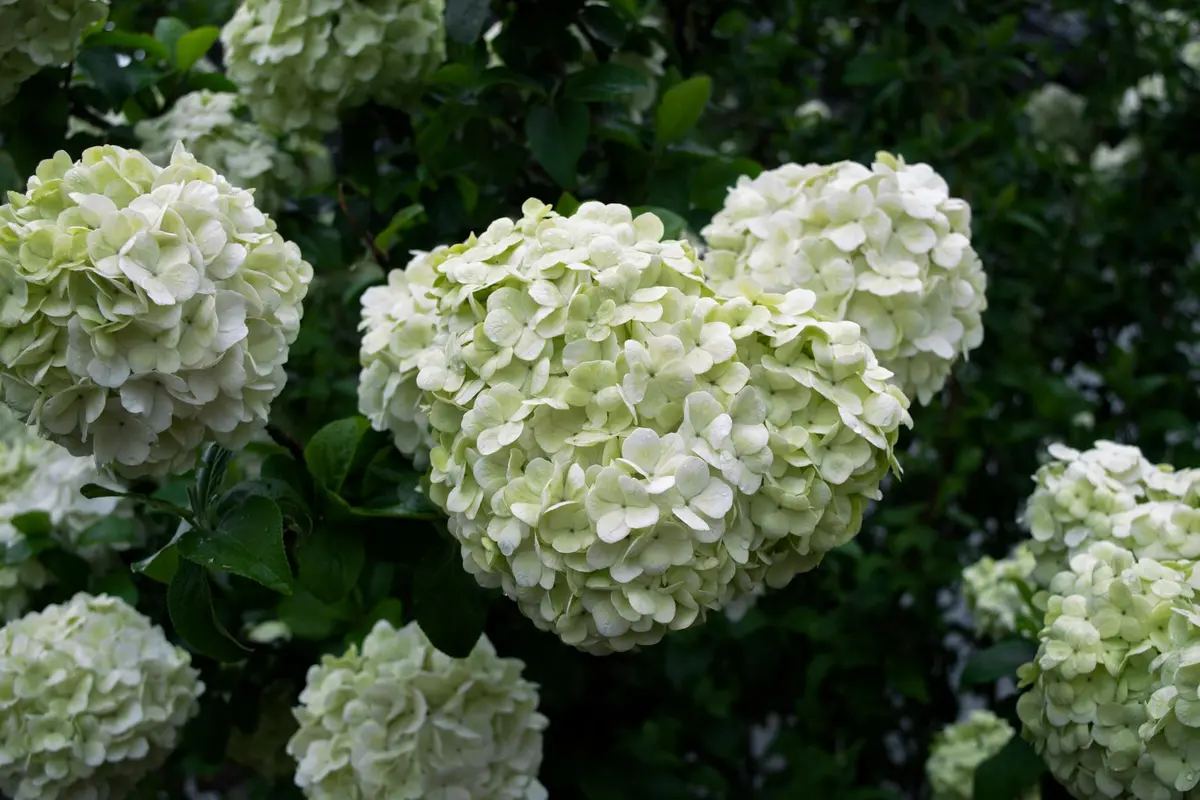
The best thing you can do is pick a quality, balanced, slow-release fertilizer and apply it at the right times in spring and summer. Get that routine down, and your bushes will have the steady fuel they need to put on a fantastic show.
Always remember that being a good gardener means respecting the whole yard ecosystem. I stick with pet-safe products and use my drip system, Sunny, to water deeply without waste, which keeps everything from the hydrangeas to the bees happy.
Further Reading & Sources
- Fertilizing Hydrangeas | Plant Addicts
- Hydrangea Fertilizing Questions, Answered
- Fertilizer for Hydrangeas | Gardening Forums
- General care for hydrangeas | OSU Extension Service
- How to Fertilize Hydrangeas | Endless Summer
- How to Grow Oakleaf Hydrangeas
- Here’s a guide on the best way to fertilize Hydrangea for …
Written by Ria Carrington. Ria is an avid lawn care enthusiast and advisor. No lawn is unsalvagable when Ria is at work. She has helped countless homeowners breath new life into their dying lawns. She has a B.Sc in Agriculture and brings practical advice combined with knowledge of plant science and her decade worth of hands on experience.