
Mulching Blades vs. Standard Blades: Which One Should You Buy?
Staring at mower blade options can make your head spin. I’ve been there, wondering if the upgrade is worth it or just a gimmick.
In this article, we’ll walk through the real-world differences between these blades. We’ll cover how they cut your grass, the key benefits and drawbacks for your lawn, and my straightforward advice on choosing the right one.
I’ve tested both types over countless hours on my mower, Max, figuring out what actually works for a thick, healthy lawn.
At a Glance: Key Factors to Decide
Think of this as your quick-start guide. You’re standing in the aisle at the hardware store, or you’re about to order a blade online. This table cuts through the noise to show you what each blade is built to do.
| Feature | Mulching Blade | Standard (High-Lift) Blade |
| Core Purpose | To finely chop grass clippings and blow them back down into the turf. | To lift grass for a clean cut and eject clippings out the side chute. |
| Clippings Handling | Recycles them as natural fertilizer. You mow, bag nothing, and walk away. | Designed for bagging or side-discharging. You collect or scatter the long clippings. |
| Best For Mower Type | Dedicated mulching mowers (sealed deck) or mowers with a mulching kit/plug. | Any mower set up for side-discharge. This is the classic, default setup. |
If your main goal is to feed your lawn and reduce work, the mulching blade is your friend. If you prefer a pristine, striped look with no visible clippings, or if you’re dealing with tall, wet grass, the standard blade is your tool.
The right blade for you depends on your grass type, how often you can mow, and your lawn care style. I use a mulching blade on Max about 90% of the time because I mow often and want those free nutrients. But I keep a sharp standard blade handy for the first and last cuts of the season when the grass is too thick for mulching.
Spot the Difference: How Mulching and Standard Blades Work
Let’s get under the deck. The magic isn’t just in the sharp edge, it’s in the shape and the wind it creates.
A mulching blade is easy to spot. It’s usually longer, with a more pronounced curve and extra cutting surfaces along the ends. Think of it like a blender blade. Its job is to keep the grass clippings spinning under the deck, chopping them into tiny pieces with each pass.
A standard blade, often called a “high-lift” blade, looks different. It’s straighter and has prominent wings or tips bent upward at the ends. This design acts more like a powerful fan. It creates a strong upward airflow that stands the grass up for a clean cut, then uses that airflow to lift and eject the clippings out the side chute.
Under the mower deck, it’s a battle of air currents. A mulching blade creates a contained vortex, a mini-tornado that chops relentlessly. A standard blade creates a one-way gust that sends everything flying out the side.
That’s why you can’t just slap a mulching blade on any mower. A mower built for mulching has a sealed deck to keep that chopping vortex contained. Trying to mulch with an open side chute just makes a mess. Trust me, I’ve learned that lesson in my own yard.
Visual Cues: What to Look For on Your Mower
Not sure what’s on your mower right now? It’s a two-second check. First, safely tip your mower and look at the blade. You’ll often see the words “MULCHING” or “HIGH-LIFT” stamped right into the metal.
No stamp? Look at the shape. A blade with lots of curve and extra cutting edges at the tips is a mulcher. A blade with a straighter body and distinct, bent-up wings is a standard blade.
Next, look at your mower deck. A dedicated mulching setup will have the side discharge chute completely blocked off with a plug or cover. If you see an open hole or a chute where clippings fly out, you’re set up for a standard blade. Also note the blade rotation direction, as it affects how clippings are chopped and distributed. If you’re considering a mulching setup, confirm your blade’s rotation matches what the mower is designed for.
Your mower’s deck tells the real story. A sealed deck is built for the chopping vortex of mulching. An open chute is built for the powerful, directional gust of a standard blade.
The Case for Mulching Blades: Benefits and Ideal Scenarios
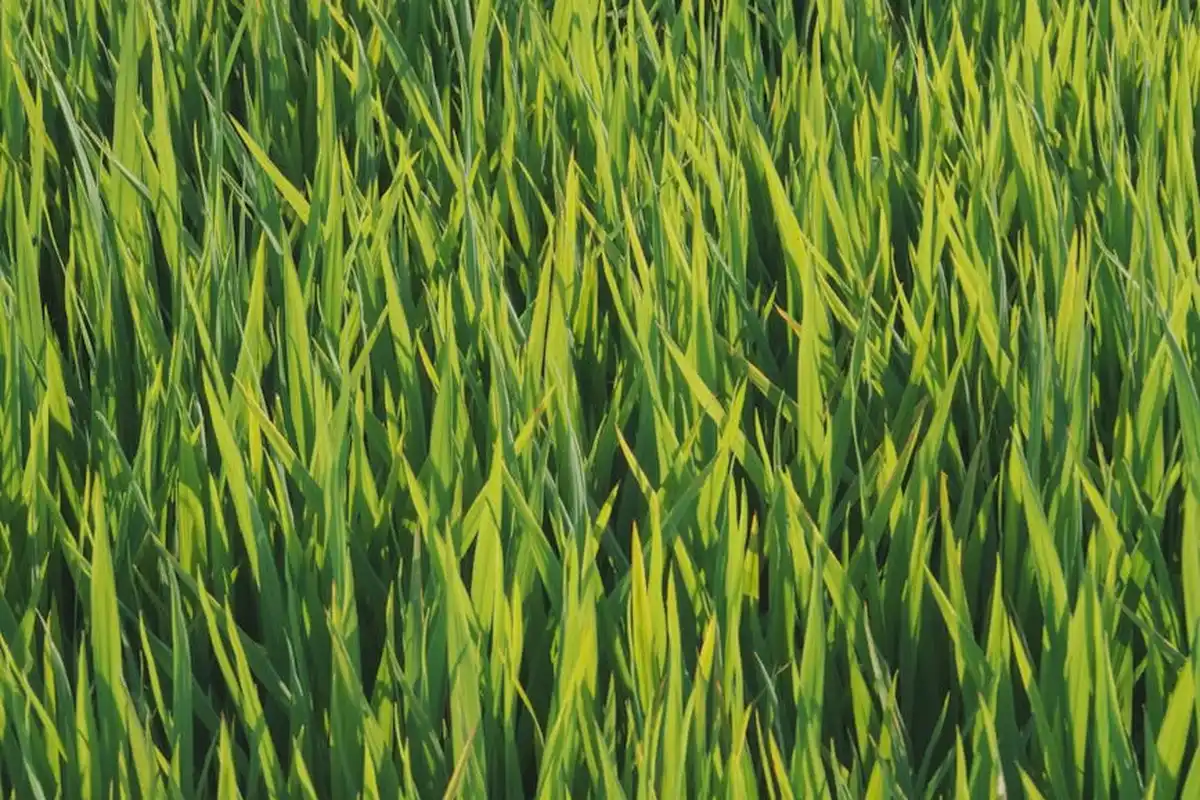
I swapped to a mulching blade on Max a few seasons back, and it changed my weekend routine. The goal is simple: cut the grass so finely that the clippings vanish back into the turf. When done right, you see a clean cut, not a trail of clippings. Mulching returns nutrients to the soil for a healthier lawn. It also reduces waste and helps the grass retain moisture.
The benefits are real and add up fast.
- Returns nutrients to the soil. Grass clippings are about 4% nitrogen. Leaving them behind is like giving your lawn a tiny, free meal every time you mow.
- Reduces fertilizer need. Because you’re recycling those nutrients, you can often use less bagged fertilizer throughout the year.
- Saves time from bagging. No more stopping to empty the bagger. You just mow, and you’re done.
- Conserves water. The fine layer of clippings acts like a light mulch, shading the soil and helping it hold moisture a bit longer.
This is a profoundly pet-safe and pollinator-friendly practice because it cuts down on chemical fertilizer use and eliminates yard waste needing disposal. You’re working with your lawn’s natural cycle. This also supports lawn fertilizer that is safe for pets, reducing exposure for curious paws and noses. It’s a natural fit for pet owners who want a healthy yard without compromising their animals.
Mulching blades work best in specific scenarios. They excel when you mow frequently, never removing more than the top third of the grass blade. They’re my go-to during dry spells to help the soil retain every bit of moisture. For any homeowner aiming for a lower-input, more natural lawn, this is your first move. If you notice uneven or ragged cuts, consider lawn mower blades professional sharpening to keep performance at its best.
I had a thin spot near my patio that just wouldn’t thicken up. Instead of reaching for a fertilizer spreader, I just made sure to mow that area regularly with the mulching blade all season. By fall, the area had filled in noticeably. The consistent, gentle nutrient return was all it needed.
Potential Drawbacks and When to Avoid Them
Mulching blades are not magic. They have clear limitations you need to respect.
The main issue is clogging. If your grass is too wet or you let it get too long, the mower deck can clog with damp clumps. Instead of fine confetti, you get wet wads of grass that smother the lawn underneath. They can also struggle in very thick, lush lawns, simply because there’s too much material to process at once.
You must have a mower deck designed for mulching, often with a special plug to close the discharge chute, or the system won’t work properly. The clippings won’t be recut and will just get dumped in a pile.
I advise against relying on a mulching blade during the spring growth surge if your schedule is unpredictable. If you miss a mow and the grass gets ahead of you, you’ll need to switch tactics. It’s also not the right tool for dealing with a heavy fall leaf drop. For that, you need to collect.
The Case for Standard Blades: Benefits and When to Stick With Them
Never underestimate the simple, sharp standard blade. Sometimes called a “high-lift” blade, it’s the default for a reason. It’s your reliable, do-almost-anything option.
Its key benefit is powerful, direct discharge. It lifts the grass and throws the clippings out the side or into a bag with authority. This makes it superior for bagging or side-discharging. It provides a cleaner cut in overgrown or wet conditions because it’s not trying to recut the clippings inside the deck. It just gets them out.
A standard blade is more versatile for the homeowner who doesn’t mow on a strict schedule, as it can handle taller grass without bogging down. It’s the tool for regaining control.
Reach for a standard blade in a few clear situations. The first mow of spring, when everything is long and wintery, is a job for it. If you have to mow damp grass after a morning dew, the standard blade will handle it better. If you’re dealing with excessive thatch and want to collect clippings to prevent more buildup, or if you actively want clippings for your compost pile, this is your blade.
Potential Drawbacks and Limitations
The trade-off for that clean discharge is extra work and nutrient removal. You have to handle the clippings, either by bagging them or raking up what the side discharge leaves behind.
Every bag of clippings you remove is a bag of nutrients you now have to replace with fertilizer. Over time, this can be less efficient for overall lawn health and soil biology. You’re taking away the lawn’s own food, which affects lawn soil composition and its purpose.
In drought-prone areas where every bit of soil moisture is precious, consistently removing the clippings’ natural mulch effect can mean more frequent watering. For those in water-restricted regions, this is a real cost to consider.
Hands-On Questions: Compatibility, Sharpening, and Cut Quality
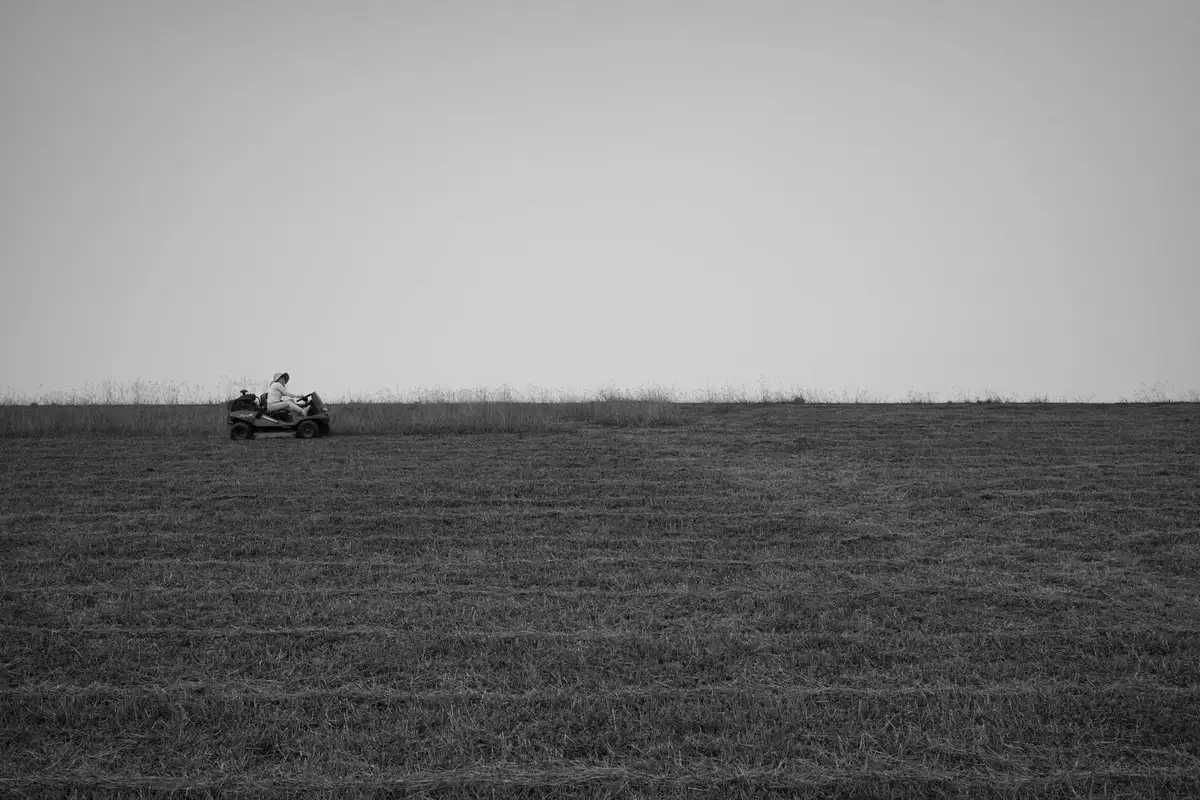
Can mulching blades be used on any mower? The short answer is often, but not always. Many push mowers and riding mowers like my Max can be converted, but it’s not just a simple blade swap. You typically need a “mulching kit” or deck plug to seal the discharge chute. This is critical because a mulching system needs a sealed chamber to keep clippings swirling under the deck for that extra chop. Some mower decks just aren’t designed for that altered airflow and can clog or leave a messy cut. Always check your mower’s manual first.
Do mulching blades require more frequent sharpening? Both blade types need sharpening when your grass starts looking torn instead of cleanly cut. I find my mulching blade might need attention a bit sooner, maybe every 20-25 hours of use, because it’s making contact with and chopping up clippings constantly. A standard blade slicing and ejecting grass has a slightly easier job. The rule is the same for both: a sharp blade is a healthy blade.
How does the cut quality differ? The results are visible. A sharp mulching blade, used on dry grass that isn’t too tall, gives a very fine, almost invisible cut. When done right, you shouldn’t see any clippings left behind. It looks like you just gave the lawn a haircut. A standard blade leaves a clean shear too, but you’ll see the evidence. Those clippings are either neatly bagged or discharged in a row off to the side. There’s a crisp snap to a good cut with either blade.
For the cleanest cut with either blade, sharpen them at least once a season. A dull blade tears grass, making it look brown and stressed.
Tools You’ll Need for a Blade Swap
Gathering your tools first makes the job smooth. You don’t need much:
- A wrench (usually 1/2″ or 15/16″ for the blade bolt)
- A sturdy block of wood to wedge the blade and stop it from spinning
- Heavy gloves to protect your hands
- Safety glasses because debris can fall
Before you reach for any tool, always disconnect the spark plug wire. This is the non-negotiable safety step that prevents the mower from accidentally starting while your hands are under the deck.
Your Decision Guide: Choosing and Installing the Right Blade
Choosing the right blade comes down to your lawn’s personality and your own habits. Ask yourself these questions:
- Do I mow weekly, or does the grass sometimes get long between cuts?
- Is my grass often damp when I have time to mow?
- Do I want to bag clippings for a super-clean look, or feed the lawn by leaving them?
Here’s a simple guide. If you mow regularly on a schedule and want to return nutrients to the soil, choose a mulching blade. If your lawn often gets tall, wet, or you prefer to bag clippings to prevent matting, lean towards a standard blade. You can also keep both. Use a standard blade in the fast-growing spring and a mulching blade in the drier summer.
Installing a new blade is straightforward.
- Tip the mower on its side (carburetor side up for gas mowers) or securely block it up.
- Wedge the block of wood against the blade to hold it steady.
- Use your wrench to loosen the center bolt (remember, it’s often reverse-threaded-turn clockwise to loosen).
- Note the orientation of the old blade. The cutting edge and wings point up toward the mower deck.
- Install the new blade exactly the same way, with the cutting edge facing the grass.
- Tighten the bolt securely.
Don’t be afraid to experiment. Try a mulching blade on your front lawn for a month and see how it responds, just like I learned patience with that tricky corner I call Patch. The best choice is the one that works for your specific grass and routine.
Your Mulching Blade Questions, Answered
I’m sold on mulching, but my lawn gets tall between mows. What should I do?
Stick with your standard blade for that overgrown cut. Use it to get the lawn back to a manageable height, then switch to the mulching blade for your regular, frequent maintenance mows to start feeding the grass.
I tried a mulching blade and left clumps everywhere. What went wrong?
You likely mowed grass that was too tall or too damp. Mulching blades need dry grass and the “one-third rule”-never cut off more than a third of the blade height at once-to make those clippings vanish. Mastering lawn mowing grass cutting techniques, including height control and mowing patterns, keeps clippings manageable. This ties directly into how you mulch and maintain a tidy lawn.
If I bag my clippings for compost, does my blade choice matter?
Absolutely. Use a standard high-lift blade. It’s designed to create the strong airflow that efficiently lifts clippings into the bag, saving you time and ensuring a full, clean collection.
How do I know if my mulching blade is actually working well?
Look behind you 20 minutes after mowing. If you can’t see any visible clippings on the turf, the blade is doing its job perfectly and feeding your greedy grass.
Can I just use a mulching blade all year to keep it simple?
You can, but for the greenest results, keep a standard blade handy. Swap it on for the first and last mows of the season when grass is thickest, and use the mulching blade for the regular cuts in between.
Choosing the Right Blade for Your Home Turf
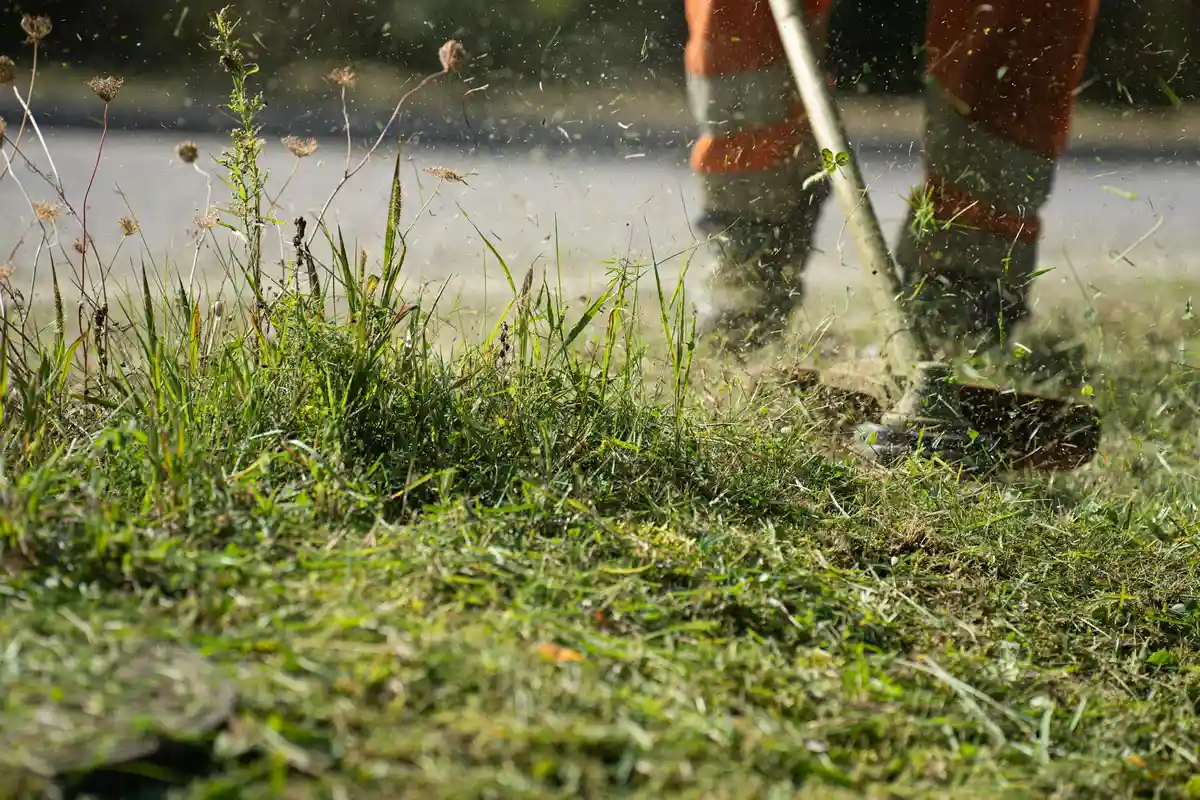
Here’s the simple truth from my weekends on the mower: pick the blade that solves your lawn’s biggest headache right now. For a thicker, self-sustaining lawn that feeds itself, a sharp mulching blade on your mower is the easy win. A quick sharpen-and-balance tune-up on the blade keeps cuts clean and vibration low. That small maintenance step naturally pairs with choosing a sharp blade to match your lawn’s needs.
Every time you mow, you’re tending a small ecosystem. I choose methods that are kind to the soil and safe for my dog, knowing that a little curiosity each season leads to a much greener, more resilient yard.
Expert Resources and Citations
- Standard Blades vs Mulching Blades – USA Mower Blades
- Mulching Blades vs Standard Blades: Understanding Yarbo’s Dual-Blade System
- The Difference Between Mulching Blades and High-Lift Blades | Cub Cadet US
Written by Ria Carrington. Ria is an avid lawn care enthusiast and advisor. No lawn is unsalvagable when Ria is at work. She has helped countless homeowners breath new life into their dying lawns. She has a B.Sc in Agriculture and brings practical advice combined with knowledge of plant science and her decade worth of hands on experience.