
Grass Seed or Sod: Which Saves Your Budget and Your Back?
Deciding between grass seed and sod often boils down to how much cash you want to spend now versus how much patience you have for later.
This guide gives you the plain facts, comparing the true dollar cost, the hands-on labor required, the critical timing for installation, and the exact number of weeks until you have a thick, green lawn.
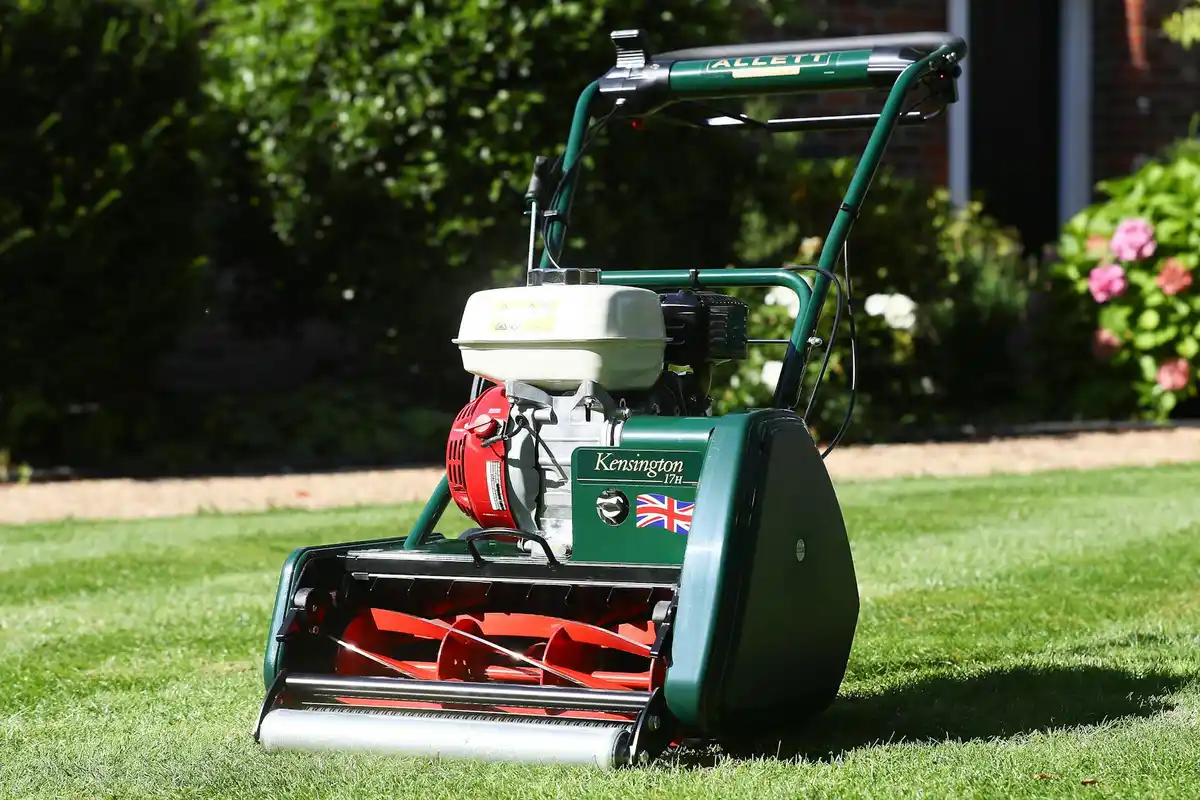
I know this from my own yard, having seeded bare dirt and laid sod over patchy areas, all while managing the budget for my tools like Max and Sunny.
At a Glance: Key Factors in the Seed vs. Sod Debate
You want a new lawn. The big choice comes down to two paths. Think of it like this.
- Seed is cheaper upfront. You pay for potential.
- Sod is much faster. You pay for instant gratification.
- Seed needs more babysitting. You trade money for time and attention.
This is the core trade-off. Your local weather is the boss, though. What works for a Bermuda grass lawn in Georgia might be a mess for a cool-season lawn in the Seattle area.
| Factor | Seed | Sod |
| Cost per sq. ft. | $0.10 – $0.30 | $0.35 – $0.85 |
| Project to “Lawn” Time | 1-2 months | 1 day (plus rooting time) |
| Skill Level Needed | Moderate to High | Low to Moderate |
That table answers the basic “seed vs sod pros and cons” question: seed wins on budget, sod wins on speed and simplicity. But the real answer depends on your soil, your shade, and how long you’re willing to wait.
Seed or Sod? Understanding What You’re Actually Buying
Let’s be clear about what you’re getting. Grass seed is a packet of pure potential. Sod is a living, pre-grown carpet of grass, soil, and roots.
It’s the difference between baking a cake from scratch and buying one from the bakery. The from-scratch cake (seed) costs less, but you have to measure, mix, bake, and hope it rises. The bakery cake (sod) costs more, but you just bring it home and serve it.
Not every grass type comes in both forms. This is a huge deal.
- Common as Seed: Tall Fescue, Perennial Ryegrass, Kentucky Bluegrass (often in mixes).
- Common as Sod: Kentucky Bluegrass, Bermudagrass, Zoysiagrass, St. Augustine.
This clears up the “seed vs sod vs grass” confusion both are just methods to plant the same living grass plants, but your choice of grass might limit your method. You can’t typically seed a St. Augustine lawn, for instance.
My drip system, Sunny, taught me efficiency. Your local garden center has that same deep knowledge for your area. Greedy Grass Pro Tip: Your local garden center’s advice is gold they know what works in your area’s soil and weather better than any generic guide.
What Does Your Lawn’s Site Demand?
Before you buy anything, go outside. Look at your yard like a detective. Your site conditions will choose for you if you listen.
Check the sun. Is it baked all day or shaded by trees? Seed is fantastic for tailoring mixes to specific spots, like my shady friend Patch, where I use a fine fescue blend. Sod often comes in sun-loving varieties.
Feel your soil. Grab a handful. Does it hold together like a wet sponge? That’s heavy clay. Does it fall apart like a sieve? That’s sandy. Clay can drown seed and be slow for sod roots to penetrate. Sandy soil drains too fast for consistent seed watering.
Look at the slope. Is your yard on a hill? Sod is your best friend here, as its mat holds soil in place and prevents erosion that would wash seed right away. It’s like laying down instant erosion control.
For our friends in places like the Seattle area, this thinking is key. Constant moisture can cause seeded areas to wash out or foster fungus. A shade-tolerant sod might solve that damp, shady headache better than a gamble with seed.
The Cost Showdown: Budgeting for Seed vs. Sod
Let’s talk numbers. The biggest difference between seed and sod hits your wallet first. To get a real idea, you need to know your battlefield. Grab a tape measure.
For a rectangle, multiply length by width. For odd shapes, break it into rectangles, calculate each, and add them up. My shady spot, Patch, is a 10×10 foot square. That’s 100 square feet. Know this number before you buy anything.
Now, for material costs. Quality grass seed typically costs $0.04 to $0.10 per square foot. Sod usually runs from $0.40 to $0.70 per square foot. Sod costs about 10 to 15 times more upfront just for the green material itself.
But the receipt at the garden center is only part of the story. Hidden costs sneak up on you.
Seed’s Hidden Bag of Supplies
- Soil amendments like compost or topsoil to improve your seedbed.
- Starter fertilizer to feed those baby grass plants.
- A straw or erosion blanket to protect seeds from washing away, especially on slopes.
Sod’s Unadvertised Fees
- Delivery fees, which can be hefty for a full pallet.
- Rental equipment, like a sod cutter to remove old grass or a roller to ensure good soil contact.
- Extra topsoil or sand for leveling the ground before the sod goes down.
Installation is the other major swing. Doing it yourself saves a huge amount of labor cost. Hiring a pro can easily double or triple your total project price. This is the big debate you’ll see in every seed vs sod Reddit thread. Your sweat equity is the most significant variable in the final cost of either method.
When Costs Can Creep Up
Even with careful planning, your bill can grow. Complex soil prep, like dealing with rocky ground or heavy clay, takes more time and material. Your water bill will spike during the critical establishment phase, especially for sod which needs constant moisture.
You might also need to budget for a pet-safe weed preventer or a fungicide if conditions get damp and dicey.
Timing matters, too. Buying sod in the late fall might get you a discount, but if it doesn’t root before winter, you’ve wasted money. Seeding when it’s too hot or too cold often means buying more seed for a second try. Doing the job at the right time for your grass type is the best cost-saving measure of all. If you’re aiming for spring, the best time to plant grass seed is early spring when soil temps rise and moisture is reliable. This timing helps ensure better germination and longer-lasting establishment.
The Timeline Tug-of-War: Patience vs. Instant Gratification
This is the real heart of the choice. How long are you willing to wait for a lawn?
Sod gives you a full, green lawn in a single day. It’s instant gratification. Seed tests your patience, taking 2 to 4 weeks just to see the first sprouts, depending on the type (germination time varies for different grass seeds).
Let’s walk through the seed timeline. After planting, you enter the anxious wait. You water lightly every day, hoping to see a faint green haze. When sprouts appear, the lawn looks thin and fuzzy. Then comes the slow fill-in period. It can take a full season, or even two, for a seeded lawn to thicken up and look dense. You will see patches. You will be tempted to walk on it. Don’t.
Sod has a different kind of timeline. You get the green immediately, but it’s not rooted. For the first two weeks, you are married to your hose. Watering is non-negotiable, often multiple times a day, to keep the sod and soil beneath it soaked. If it dries out, the seams will pull apart and the edges will turn brown.
After about two weeks, you can gently tug on a corner. If it resists, roots are forming. You can usually take your first mow in 3 to 4 weeks, but keep it light. That first month with sod isn’t less work than seed, it’s just a different kind of intense work.
With both methods, weather is the boss. A late spring cold snap can stall seed germination. A sudden heat wave the week after sod is laid can cook it if you’re not watering relentlessly. I’ve seeded a section only to have a heavy spring rain wash half of it into Patch. You have to roll with it. No calendar is absolute when you’re working with living grass and Mother Nature.
Sweat Equity: Comparing the Effort for Seed and Sod
Let’s talk about what you’ll actually be doing. Think of seeding as a multi-week marathon. Sodding is more like a demanding weekend project that turns into a strict three-week babysitting job.
Seeding asks for patience and consistent, gentle effort spread over a month or more. You are growing a lawn from scratch, which simply cannot be rushed. Proper soil preparation lays the groundwork for seed-to-soil contact and even germination. This step boosts overall lawn-seeding success.
The Seeding Marathon
Here’s your hands-on to-do list. I’ve done this in my own backyard, and missing a step shows.
- Test your soil. It’s like a blood test for your yard, telling you what it needs.
- Prepare the soil. This means raking out debris and loosening the top inch so seed can nestle in.
- Spread the seed evenly. A broadcast spreader works best for large areas.
- Water daily, sometimes twice. You need a gentle spray that dampens the soil without washing the seeds away. Think of a soft morning mist, not a firehose.
- Protect the area. I use straw mats on slopes and gentle reminders to keep kids and pets off. Birds might visit, too.
The Sodding Sprint
Sod is heavy. The first time I laid a pallet, I felt it in my back for days. The clock starts ticking the moment it’s delivered.
- Remove the old grass completely. A sod cutter rents or this is brutal shovel work.
- Lay the rolls quickly. Sod is perishable. You must get it down and watered before the edges turn yellow and dry.
- Stagger the seams like bricks. This prevents long lines from opening up later.
- Roll it. A lawn roller filled with water ensures the roots make solid contact with the soil beneath.
- Water relentlessly on day one. Every square inch must be soaked through.
Skill wise, seeding is more forgiving; if a patch is thin, you just overseed it later. Sodding requires precision to avoid visible seams and costly dead spots.
Ongoing Care: The First Critical Months
Your work isn’t done after planting. The first few months set the stage for years to come.
For a seeded lawn, think of it as a newborn. It needs constant, light attention. Water lightly every day to keep the topsoil moist. Your first mow comes when the grass blades are about one-third taller than your desired height. That first pass with Max the mower should be gentle, with sharp blades—especially when you mow your newly seeded lawn for the first time.
A sodded lawn needs a different kind of care, shifting from constant coddling to encouraging deep roots. After the initial soak, you water deeply but less frequently to train roots to seek water down below. The first mow happens once you can’t easily lift a corner of the sod-it’s rooted.
Do you need to know how to fertilize? A little. I recommend a starter fertilizer for both methods. For seed, apply it right after seeding. For sod, wait until after its first mow. This gives the new grass the nutrients it craves without burning it. It’s especially important to fertilize newly installed sod properly.
Weed pressure is a big difference. A freshly seeded bed of bare soil is a magnet for weed seeds blowing in. You’ll likely see some. Sod, if installed well on clean soil, gives weeds less room to start, giving you a head start on a clean lawn.
Your Lawn, Your Choice: How to Pick Between Seed and Sod
So how do you decide? Follow this simple logic based on what you value most.
- Is your budget tight? Choose Seed.
- Do you need a lawn next week? Choose Sod.
- Is your lawn area huge? Choose Seed.
- Do you dislike long-term projects? Choose Sod.
- Are you fixing a small, specific area? Choose Sod.
- Do you need to blend with existing grass? Choose Seed.
Clear scenarios make it easier. Choose sod for instant results, fixing an eroding slope, or creating a crisp border around a new patio. I used sod for just that, and the instant green was worth the heavy lifting.
Choose seed for large lawns, saving money, or if you get satisfaction from nurturing growth. I’ve used seed to fill in bare spots in Patch’s area, and watching it slowly thicken taught me patience, especially when using budget lawn establishment seeding strategies.
Your region matters too. In Georgia’s heat, Bermuda grass sod establishes almost overnight. In the Pacific Northwest, a shade-tolerant seed blend is often the smarter choice for dappled lawns.
Both methods can give you a beautiful lawn. The winner is the one that matches your calendar, your budget, and your tolerance for getting your hands dirty. I’ve used both, learned from each, and my lawn is better for it.
Greedy Grass FAQ: Seed vs. Sod, Straight Talk

1. With a dog, is seed or sod the smarter choice?
For an active dog, sod is your champion-it can handle some paw traffic in as little as 3-4 weeks after rooting. Seed requires a strict “no-dog zone” for over two months, which is often a deal-breaker for pet owners.
2. Can I mix seed and sod to save money?
Absolutely, and it’s a savvy move. Use sod for high-visibility areas or slopes, and seed the larger, less-traveled sections. This hybrid approach balances instant curb appeal with long-term budget sense.
3. Which requires less daily maintenance after planting?
Once established, neither has a clear advantage; a greedy lawn always needs care. However, sod’s intense watering schedule is shorter, while seed demands a longer period of vigilant, gentle watering to prevent wash-out.
4. For Seattle’s shade and damp, which is more reliable?
In persistent damp shade, a shade-tolerant sod like certain fine fescue blends offers a reliable, erosion-proof start. Seed can struggle with wash-out and fungus in those consistently wet, low-light conditions.
5. When is the absolute best time to lay sod in Georgia for Bermuda grass?
For Georgia’s heat-loving Bermuda, lay sod in late spring through early summer. This gives it the blazing heat it craves to root aggressively before facing any cooler weather, making it bulletproof.
Picking Your Path to a Greener Lawn
The best choice isn’t about which method is superior overall, but which one fits your specific yard and your life right now. Your budget, your patience, and the size of the area you’re fixing should guide your decision between seed and sod.
Whichever route you take, commit to caring for your new grass with pet-safe fertilizers and by considering pollinator-friendly clover mixes for tougher spots. Your lawn is a living part of your local environment, and its care is an ongoing, rewarding lesson in what works best for your home.
Expert Resources and Citations
- Sod vs seeding for renovation | Lawn Care Forum
- r/lawncare on Reddit: Trying to decide on seed vs sod – need some cost advice (Seattle WA)
- Sod vs Seed – Pros, Cons, Comparisons and Costs | Fixr.com
- Sod vs. Seed: What’s the Best Way to Get a Lush Lawn? – Bob Vila
- Sod vs. Seed: The Best Choice for a Beautiful Lawn – Eartheasy
Written by Ria Carrington. Ria is an avid lawn care enthusiast and advisor. No lawn is unsalvagable when Ria is at work. She has helped countless homeowners breath new life into their dying lawns. She has a B.Sc in Agriculture and brings practical advice combined with knowledge of plant science and her decade worth of hands on experience.