
How Do You Fix Heavy Clay Soil and Feed It for a Greener Lawn?
If your lawn pools water after a storm or feels like digging into hard pottery, that heavy clay is choking your grass.
This guide walks you through a practical, budget-friendly plan. We will cover understanding why clay acts the way it does, choosing the best amendments for drainage and root growth, timing your fertilizer for maximum benefit, and the step-by-step method to blend it all in.
I know this from personal trial and error, having turned my own stubborn, clay-packed yard into thick, resilient grass over several seasons.
What Does Heavy Clay Soil Do to Your Lawn?
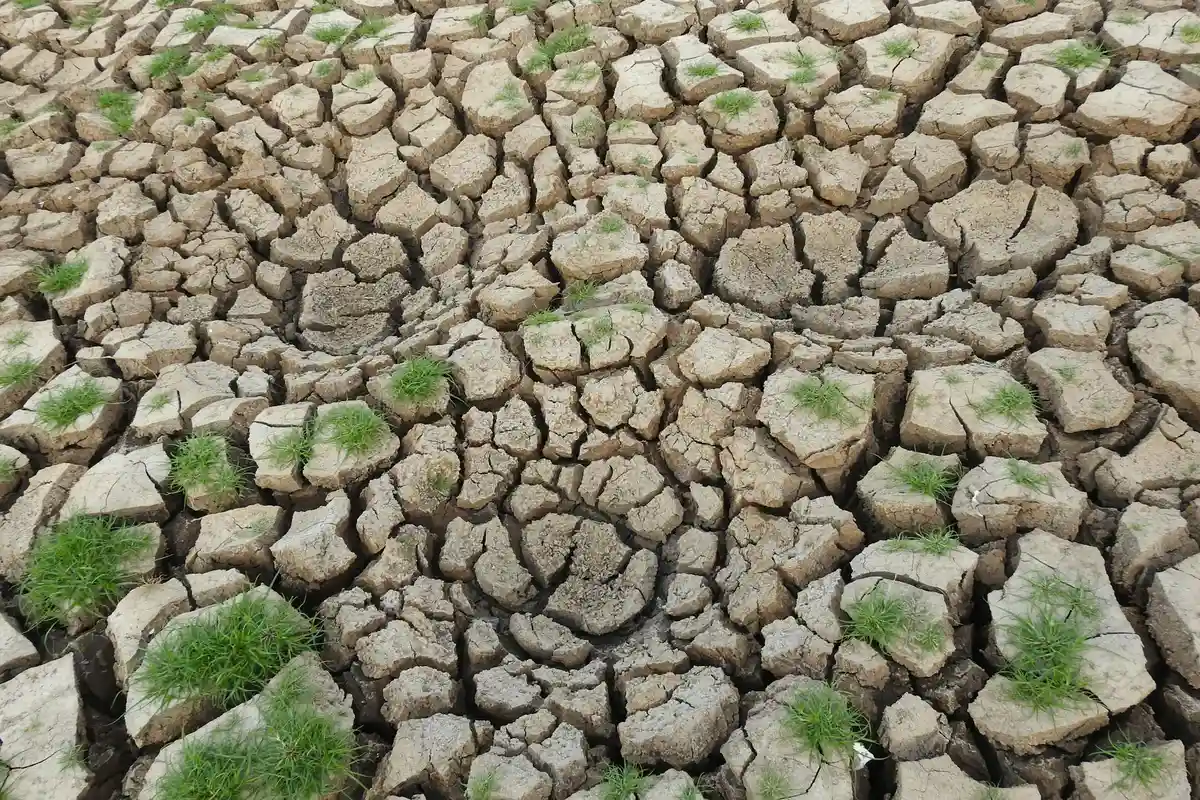
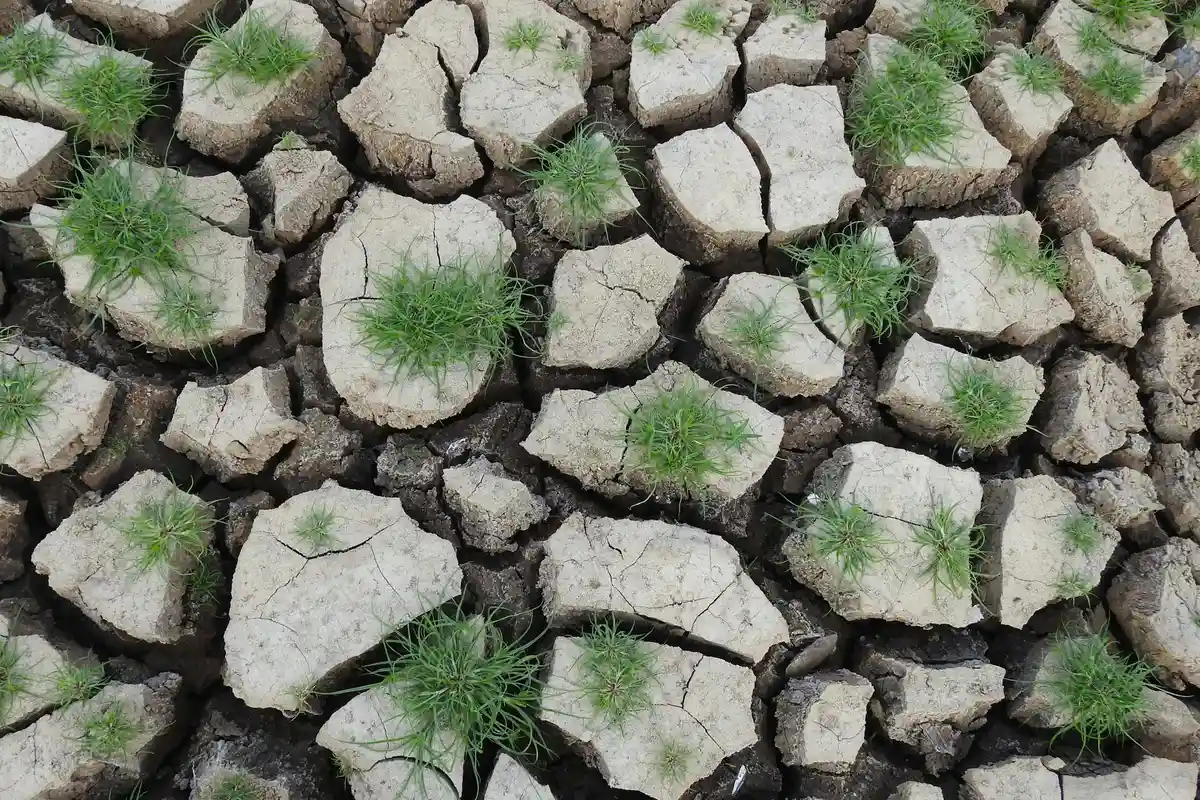
Think of heavy clay soil like a sponge. A new, dry sponge is tough and won’t absorb a thing. Soak it, and it holds onto every drop of water, becoming heavy and soggy. That’s your clay. When it’s wet, it acts like that soaked sponge, holding water for days and creating puddles that drown grass roots. When it’s dry, it hardens into something more like a brick, cracking under the sun and becoming almost impossible for roots or water to penetrate.
You’ll see this play out in your yard. After a rain, water sits on the surface in glossy puddles long after your neighbor’s sandy soil has drained. In a summer dry spell, the ground develops deep cracks, and your grass turns thirsty and brown no matter how much you water. The grass that does grow often has shallow, weak roots because it can’t push through the dense layers below.
This happens because of the tiny, plate-like particles that make up clay soil. They pack together incredibly tightly. While local geology sets the stage, what you care about is the result: a lawn that’s constantly stressed.
This density creates a huge problem for fertilizing: it locks nutrients away like a vault. You can spread the best fertilizer money can buy, but in heavy clay, the nutrients get stuck to the soil particles instead of dissolving into the water where grass roots can drink them up. It’s like setting a feast on the other side of a locked door; your grass knows it’s there but can’t get to it.
Step 1: Test Your Soil – Don’t Guess, Know
Before you buy a single bag of amendment or fertilizer, you need to know exactly what you’re working with. Guessing is how you waste a whole Saturday and a lot of money.
Start with a simple jar test. It’s not a full diagnosis, but it gives you a visual confirmation. Grab a clear quart jar, fill it one-third with soil from a few spots in your lawn, and two-thirds with water. Add a teaspoon of dish soap, screw the lid on tight, and shake it for five minutes. Let it settle for 24 hours.
You’ll see distinct layers. The bottom layer is sand, the middle is silt, and the very top, fine layer is clay. If that top layer makes up more than about 40% of the total settled soil, you’ve officially got heavy clay. I did this test on my problem area, Patch, and wasn’t surprised to see a thick, murky layer of clay staring back at me.
But the real game-changer is a professional lab test. The jar test shows texture, but a lab report tells you the soil’s pH and exact nutrient levels. This is the small investment that saves you big later. For about the cost of a couple bags of fertilizer, you get a prescription for your lawn instead of just throwing random supplements at it.
When you get the results, don’t get lost in the numbers. Look for the pH first. A pH below 6.0 means your soil is too acidic (or “sour”) and likely needs lime. A pH above 7.5 is too alkaline (“sweet”) and might need sulfur. The report will also tell you exactly which nutrients, like nitrogen or potassium, are deficient. This tells you precisely what type of fertilizer to buy, so you’re not paying for nutrients you don’t need.
Your local university extension office is the best place to get this test. If you’re in Illinois or Texas, or really any state, they provide affordable tests with advice tailored to our specific grasses and climate. It’s the single smartest first step you can take. Once you have the results, you can interpret them to guide your lawn care plan, identifying exactly what nutrients your soil needs and when to apply amendments.
How to Fix Clay Soil Drainage and Texture
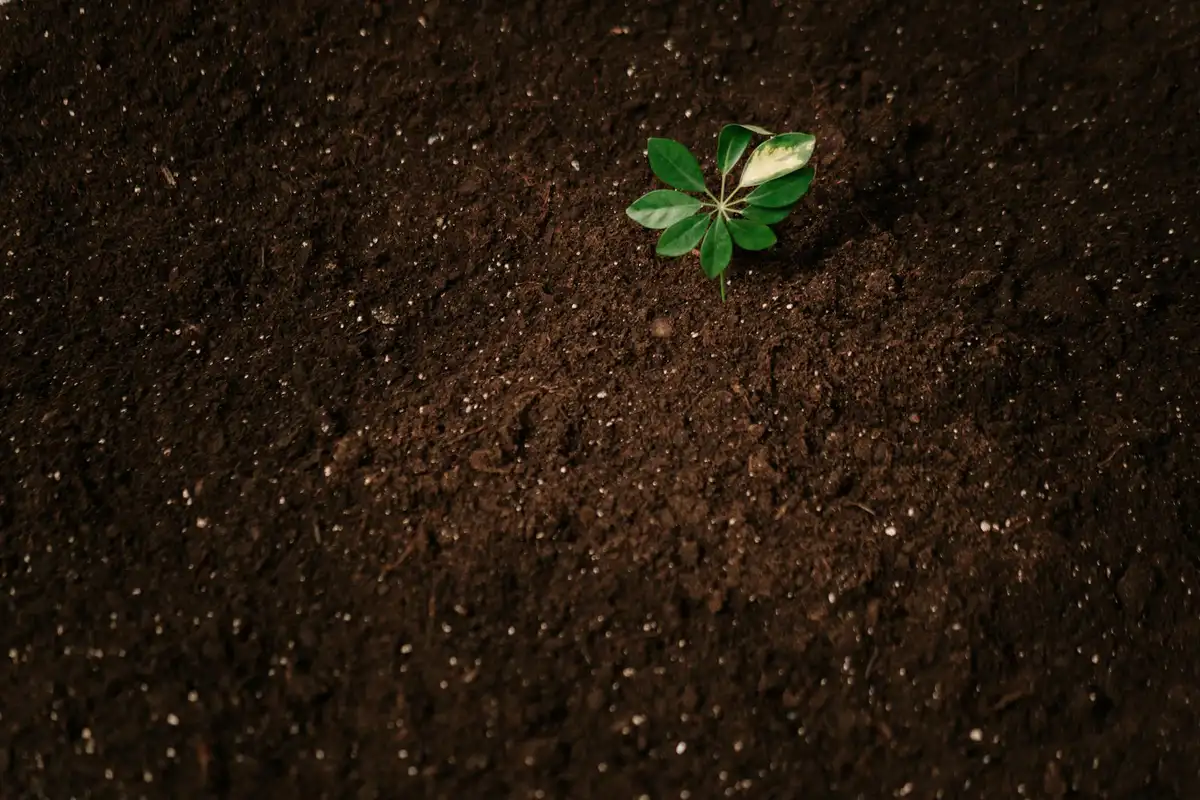
Dealing with clay feels like wrestling with wet pottery. It’s dense, sticky, and water just sits on top. The goal is to get air and water moving down to the roots. Think of it like turning a brick into a sponge.
Core Aeration is Your First Move
Your first real step is core aeration. Don’t just poke holes with a spike aerator. You need a machine that pulls out actual plugs of soil, about the size of your finger. I rent one every other fall. You’ll hear a satisfying *thunk-thunk-thunk* as it works.
Pulling out those clay plugs creates real channels for air, water, and future amendments to reach the root zone. Using a lawn aeration plug density tool can help you estimate plug spacing per square foot. The best times are early fall or spring when the grass is growing strong. Those little plugs left on the lawn will break down in a week or two. It’s a messy job, but Max the mower doesn’t mind running over them a few days later.
The Go-To Amendment: Compost
Once you’ve aerated, it’s time for the magic fix: compost. Organic matter is the number one solution for clay. It loosens the tight particles, helps with drainage, and feeds the soil life. Good compost has a damp, loamy, earthy smell-it smells like health.
After aerating, spread a thin, 1/4-inch layer of screened compost over the entire lawn. Use a broadcast spreader or just a shovel and rake. The goal is to fill the aeration holes and coat the surface. Rain and watering will wash it down into those new channels, where it starts working immediately.
Gypsum: The Specialist for Sodic Clay
You’ll see gypsum (calcium sulfate) sold as a clay-buster. Here’s the straight talk: it only works on a specific problem called sodic clay, where high sodium levels make particles stick together. A soil test will tell you if you have this.
For most typical heavy clay, gypsum is often a waste of money and won’t improve your soil structure. Save your cash for more compost. If your soil test shows a sodium issue, then gypsum applied according to the bag rate can be a helpful specialist tool.
The Sand Debate: A Potential Disaster
Many folks ask, “Can’t I just mix in sand?” The short answer is no, not on an existing lawn. Adding a little sand to heavy clay is a recipe for something closer to concrete or brick. The tiny clay particles fill all the spaces between the sand grains, locking it up tighter than before. That’s why understanding lawn soil composition and its purpose matters. It helps you choose the right amendments for healthy roots and proper drainage.
The only way to use sand correctly requires massive amounts-like a 50/50 mix by volume-and complete, thorough tilling, which you can’t do on a lawn. This method is really only practical for building a raised bed for succulents or improving a small garden area. For your grass, stick with compost.
Peat Moss and Topsoil
Peat moss is great at holding moisture, which can be useful in very sandy soil or for acid-loving plants in garden beds. For clay lawns, it’s less ideal. It’s expensive, can be tricky to wet uniformly, and there are environmental concerns about harvesting it.
Bagged topsoil has its place too, but mainly for leveling low spots. Topsoil is not a true amendment by itself; it’s often just screened dirt that may or may not be any better than what you already have. Use it to fill holes, but rely on compost to actually change your soil’s texture.
Required Materials for the Job
You don’t need a garage full of tools. Here’s the basic kit:
- Tools: A core aerator (rent from a garden center), a broadcast spreader, a wheelbarrow, and a sturdy garden rake.
- Amendments & Supplies: Bagged or bulk compost (get the good stuff), gypsum (only if your soil test calls for it), and some grass seed to overseed any bare patches you uncover.
Fertilizing Clay Soil: How to Feed a Locked Pantry
Fertilizing clay is different. Clay particles have a negative charge that grabs onto fertilizer nutrients like a magnet. This is good because it prevents washing away, but bad because it can lock nutrients away from grass roots if you don’t apply them right. Imagine trying to feed your grass through a locked pantry door.
Slow-release fertilizers are your best friend for clay soil. They break down nutrients over weeks, feeding the grass steadily. It’s like the dependable, timed drip from Sunny the irrigation system, not a flash flood that runs off or gets locked up. Look for products that list a portion of their nitrogen as “slow-release” or “water-insoluble” on the bag. For a balanced approach, an NPK nitrogen lawn fertilizer can provide the right mix of nitrogen, phosphorus, and potassium to support steady, healthy growth.
Timing matters as much as the product type. Here’s a simple, effective schedule:
- Late Spring (After the last frost): A light feeding to support green-up and early growth.
- Early Fall (When nights cool down): Your main event. This feeding strengthens roots for winter and builds reserves for next spring.
The fall application is the most important one. That’s when grass roots are actively growing and can store up energy.
Always apply fertilizer after you’ve aerated and top-dressed with compost. This gives the granules a direct path down into the soil and closer to the root zone, instead of just sitting on a hard, sealed surface.
Finally, a note on safety. I always water in my fertilizer lightly right after applying. This washes granules off the grass blades and into the soil, which is safer for pets and pollinators. Let the lawn dry completely before letting pets or kids back out to play. Fertilizing your lawn safely and effectively is essential to maintain a healthy yard.
Common Clay Soil Mistakes and How to Avoid Them

Working with clay can feel like a fight. I’ve lost a few battles myself. The goal is to work smarter, not harder, and that starts by sidestepping these common pitfalls.
Tilling When Wet
This is the biggest mistake you can make. If your soil is damp, wait. Tilling wet clay is like kneading Play-Doh. It destroys the tiny pockets of air and space that roots and water need. Your tools will get coated in a slick, heavy paste that feels like it weighs a ton.
To avoid this, squeeze a handful of soil. If it forms a slick ball that doesn’t crumble, it’s too wet. Let it dry for a few more days. You want it moist enough to dig, but dry enough to break apart easily in your hand.
Using Quick-Release Fertilizer
This is a fast way to waste money and harm the environment. Clay particles hold onto nutrients tightly, but they absorb them slowly. A quick-release fertilizer dumps all its nitrogen at once. Most of it will wash straight through that tight soil during a rain, ending up in the gutter instead of your grass roots.
Always choose a slow-release or organic fertilizer for clay soil. It feeds your lawn gradually, giving the clay time to hold the nutrients right where your grass can use them. Understanding your lawn’s fertilizer needs and when to apply helps maximize these benefits. This reduces runoff and feeds your lawn for months, not days.
Overwatering
Clay holds water like a sponge. It takes a long time to dry out. Watering on a set schedule, instead of based on need, leads to swampy, suffocated roots and invites disease. I learned this the hard way before I installed my drip system, Sunny.
The best tool for this is the screwdriver test. Before you water, push a long screwdriver into the soil. If it goes in easily to about 6 inches, your soil has enough moisture. If it’s tough to push, it’s time to water deeply and infrequently. This encourages deep roots and prevents a soggy mess.
Giving Up Too Soon
You won’t fix clay in one season. It’s a multi-year project of adding organic matter and being patient. I have a corner of my yard I call “Patch” that taught me this. For two years, it was just hardpan and moss. Each fall, I’d aerate and top-dress it with compost. Last spring, it finally greened up with thick grass.
Think of amending clay as building a legacy, not a quick fix. Small, consistent efforts each season will transform your soil’s texture and your lawn’s health. If you’re dealing with compacted lawn soil, improving and amending it is a practical next step. You’ll see deeper roots and better drainage as you work. Patch is now one of my favorite spots, a reminder that persistence pays.
When This Clay Soil Guide Isn’t Enough
Sometimes, a soil issue is more than a homeowner should handle alone. It’s smart to know your limits. Calling a pro can save you time, money, and a huge headache.
Severe, Yard-Wide Water Pooling
If after a typical rain, you have large ponds of water that sit for more than 24 hours, you likely have a grading or subsurface drainage issue. This isn’t about soil texture anymore. Standing water that covers big areas often means the land itself needs to be reshaped (regraded) or that you need a network of subsurface pipes (like a French drain) installed to move water away. This is heavy equipment work best left to a drainage contractor.
Extreme Compaction from Construction
If your yard was recently a parking spot for bulldozers and trucks, the soil might be compacted into something like concrete far below the surface. Standard aeration won’t touch it. This level of compaction might require deep tilling with a powerful machine or even complete sod and topsoil removal to start fresh. A professional landscaper can assess this and has the tools for the job.
There’s no shame in getting help. I’ve called in experts for jobs outside my comfort zone. A good pro can solve a major problem in a day that might take you years of frustration to barely improve. Know when to handle it yourself, and when to hand it off.
Greedy Grass FAQ: Your Clay Soil Questions, Answered
I heard mixing sand into clay fixes it. Why do you say not to do that on my lawn?
Mixing a little sand into existing clay lawn soil is a classic mistake-it can create a concrete-like layer. For a lawn, always use compost after aeration; save the sand-and-clay mix for building brand new garden beds. For an aerated, level lawn on clay soil, start with a thorough core aeration to break up the compacted layer. That foundation helps drainage and makes amendments like compost work more evenly.
Does the process to amend clay soil change if I live in Illinois or Texas?
The core process doesn’t change, but your timing does. In Illinois, aim for early fall amendments; in Texas, late fall or early spring is better to avoid the extreme summer heat while the grass is still active.
I see quick fixes on Reddit all the time. What’s the one piece of advice I should actually trust?
Trust the advice to test your soil first and then add organic matter. The most common success story you’ll read is from someone who patiently added compost year after year, not someone looking for a magic one-time fix.
Is peat moss a good substitute for compost to amend my clay lawn?
For clay lawns, compost is superior. Peat moss is better for acidifying garden beds; it can be difficult to wet uniformly and doesn’t improve soil structure or feed microbes as effectively as good compost for your grass.
Can I use this lawn method to amend clay soil for a succulent or cactus garden?
No, that requires a completely different approach. For succulents and cacti, you must create a new, fast-draining mix in a raised bed or container using plenty of coarse sand or grit-you’re building a new environment, not fixing the old one.
Stick With It for a Lush Lawn
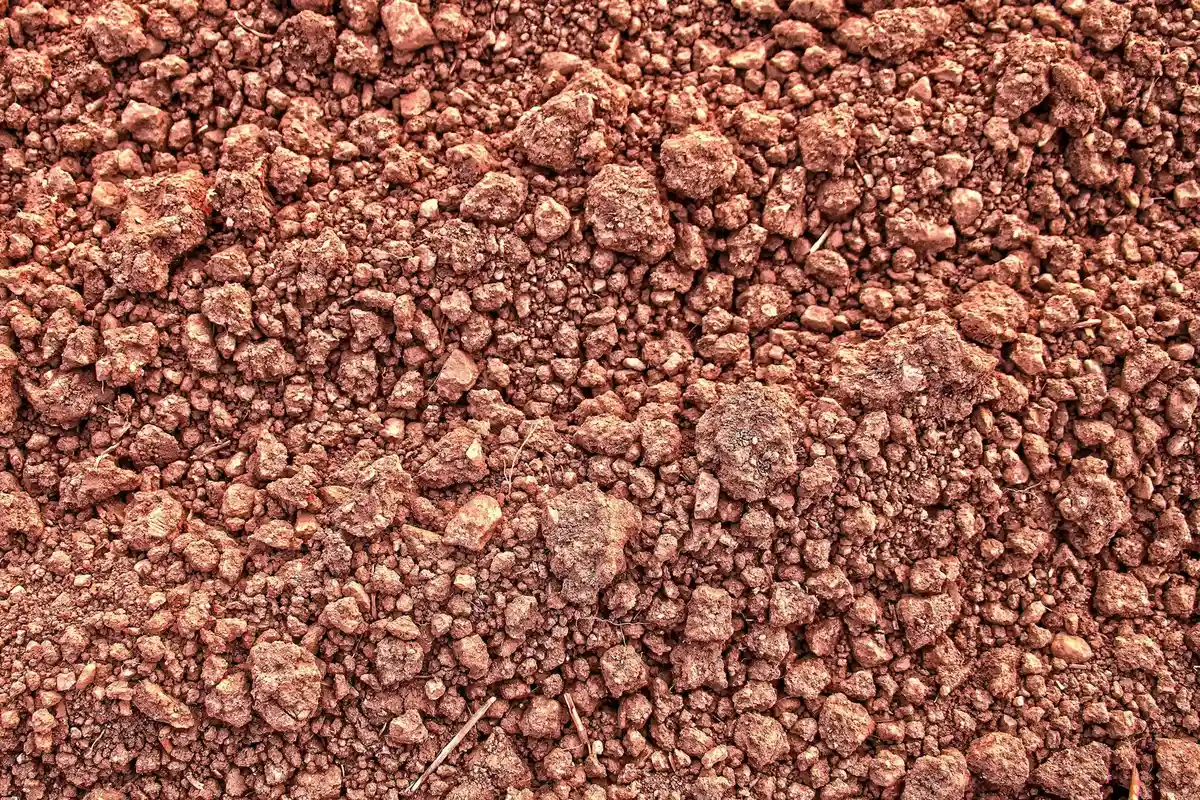
If you remember one thing, let it be this: add compost to your clay soil every fall and spring. That regular infusion of organic matter is what gradually turns hardpan into a fertile, sponge like home for your grass roots.
Always opt for pet safe products and pollinator friendly practices as you nurture your soil. A pet safe lawn fertilization guide can help you choose safe products and proper timing. Your lawn is a living system, and paying attention to its changes each year is how you become a better steward of your own green space.
Further Reading & Sources
- How to Improve Heavy Clay Soil
- What is the most economical way to amend and improve hard clay soil for a garden or lawn? – Quora
- How to Improve and Amend Clay Soil
- Growing a Beautiful Lawn on a Clay Soil – FertiLawn
- How can I improve heavy clay soil? | Jonathan Green
- How can I amend clay soil with soil, without digging? – Gardening & Landscaping Stack Exchange
Written by Ria Carrington. Ria is an avid lawn care enthusiast and advisor. No lawn is unsalvagable when Ria is at work. She has helped countless homeowners breath new life into their dying lawns. She has a B.Sc in Agriculture and brings practical advice combined with knowledge of plant science and her decade worth of hands on experience.