
Grass Seed Myths: Does It Expire and Will More Grow Faster?
That forgotten bag of seed in your shed has you doubting if it’s still good. And when you see a bare spot, it’s easy to think piling on more seed is a quick fix.
We’ll get straight to the point by covering how seed truly ages, why over-seeding can backfire, and the smart way to get thicker grass.
I’ve tested seed from years-old bags on Patch and dialed in seeding rates with Max, so I know what gives you value and what doesn’t.
At a Glance: Key Factors for Seed Success
If you’re staring at a bag in your garage or just want the facts fast, here’s your quick reference guide.
- Grass seed has a lifespan. It doesn’t spoil like milk, but its ability to sprout fades every year.
- More seed is not better. Overcrowding creates weak, thin grass that can’t compete.
- Your success depends far more on proper soil contact and consistent moisture than on sheer volume of seed.
Myth #1: Grass Seed Lasts Forever
Let’s settle this right now. Yes, grass seed expires. I’ve learned this the hard way, saving a “good” half-bag for a project that never came. When I finally used it, the results were pathetic.
The seeds themselves don’t rot, but their internal energy, their spark to grow, slowly drains away. This is called the germination rate. A fresh bag might promise 90% of its seeds will sprout. After a few years in a hot garage, that number can drop to 50% or lower. You’re essentially planting half a bag of tiny, inert pebbles.
Most quality seed, stored in a cool, dry place, stays viable for 1 to 3 years. Think of a cool basement, not a shed that bakes in the summer sun. Seed coated for moisture retention (like some tall fescues) often has a slightly shorter shelf life.
How to Read Your Seed Bag Like a Pro
Don’t just look at the pretty picture. Flip that bag over and find the fine print. This label tells you everything.
First, find the Lot Number. This is the seed’s fingerprint. If there’s an issue, the company can trace it back.
Next, look for the Germination Rate and the Test Date. This is the golden ticket. You want a high percentage (85% or above is excellent) and a recent test date. State law often requires the test to be within the last 10-12 months for sale. A bag with an 85% rate tested last month is far better than one with a 90% rate tested two years ago.
You might also see a “sell-by” date. Respect it. That discounted bag at the end of the season is cheap for a reason. Its clock is already ticking fast.
The Simple Home Test for Old Seed
Found a mystery bag in the back corner? Don’t guess. Use the paper towel test. It’s easy and tells you the truth.
- Grab ten seeds from the bag.
- Place them on a damp paper towel and fold it over.
- Put the damp towel in a resealable plastic bag, but don’t seal it all the way. Leave a little air.
- Put the bag in a warm, dark drawer. Check it every day, keeping the towel moist.
In 5 to 10 days, you’ll have your answer. Count how many tiny white roots you see. If 7 out of 10 sprout (70%), your seed is still good to go. If you see 4 or fewer, it’s time to buy fresh. Toss those duds in your compost. This test saved me from wasting a weekend seeding Patch with old, dead rye grass.
Myth #2: More Seed Means a Faster, Thicker Lawn
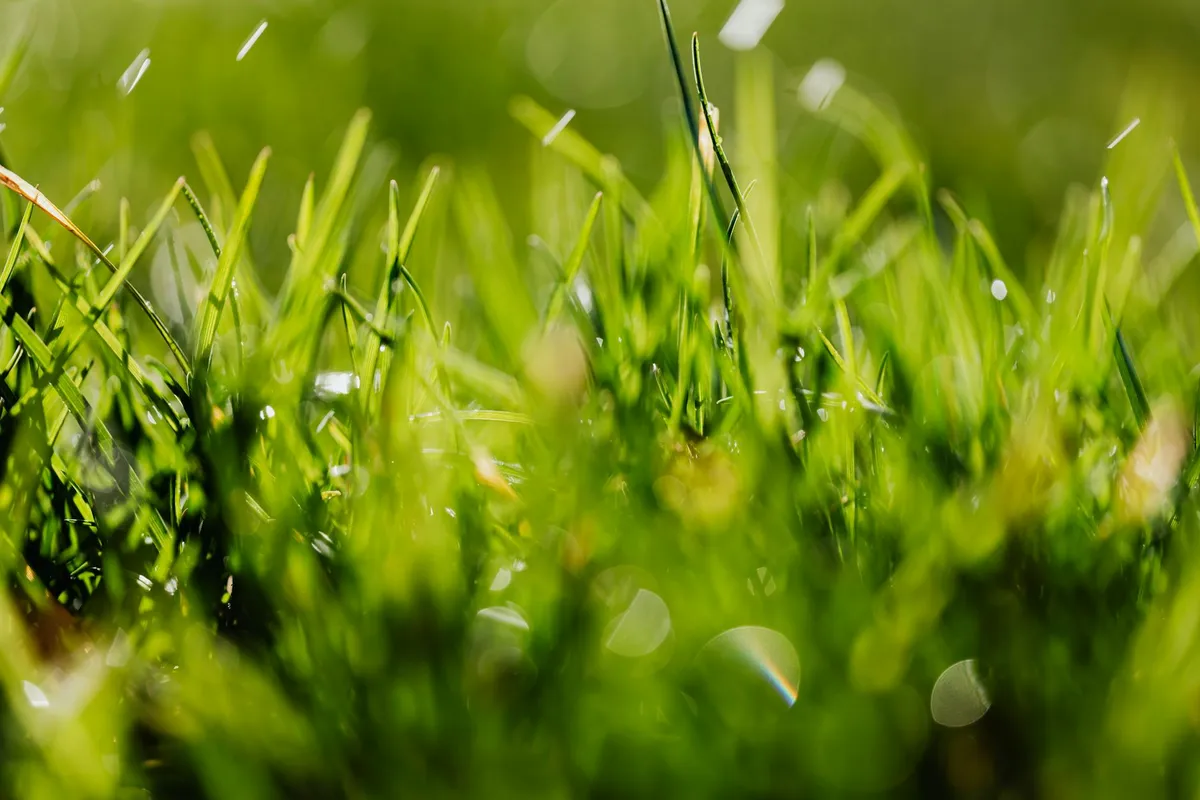
I get it. You have a thin patch, so you dump the whole bag. A bare spot looks sad, so you cover it like you’re sprinkling parmesan on pasta. It feels logical. More seeds should equal more grass, faster. This is the most common and expensive mistake I see in spring and fall.
Think of grass seedlings like puppies in a cardboard box. Two or three have room to play, grow, and get strong. Now cram ten in there. They’ll fight over every scrap, stumble over each other, and none will thrive. Your lawn works the same way.
Too many seeds packed together fight a fierce, silent war for sunlight, water, and soil nutrients, and everyone loses, leaving you with a crowd of weak, spindly blades that easily succumb to drought and disease. You don’t get a lawn faster. You get a feeble, yellowing mess that needs rescuing all over again.
How Much Grass Seed Do You Really Need?
The secret is using the right amount. Grass type is everything here. Some seeds are tiny, others are larger, so they spread differently. Understanding grass seed spreading characteristics is key to successful lawn establishment. This knowledge helps you pick the right species and seeding approach for even coverage. Here’s a simple guide for a new lawn or a full renovation:
| Grass Type | Seeding Rate (per 1,000 sq ft) |
| Kentucky Bluegrass | 1.5 to 2.5 pounds |
| Tall Fescue | 6 to 8 pounds |
| Perennial Ryegrass | 5 to 7 pounds |
| Fine Fescue | 4 to 5 pounds |
For overseeding an existing thin lawn, you can often cut those rates in half. The first step is knowing your battlefield. Grab a tape measure and assess the area for effective overseeding.
To find your lawn’s square footage, multiply the length by the width. For odd shapes, break it into rectangles, calculate each, and add them together. It’s okay to round up a little. If your patch is 10 feet by 10 feet, that’s 100 square feet. Now you know you need just a fraction of a bag.
For even coverage that avoids clumps and bare spots, always use a broadcast spreader, never throw seed by hand. Set it to the rate on your seed bag, do a test pass on your driveway, and then walk in steady, straight lines. My zero-turn, Max, stays in the shed for this job. Slow and steady wins the race.
Greedy Grass Pro Tip: The Secret is in the Storage
You bought the right amount and have half a bag left. Don’t just roll the top closed and toss it on a garage shelf. That’s a ticket to poor germination next season.
Keep your leftover seed cool, dark, and dry-a sealed plastic bin or bucket in a basement corner preserves its viability far better than any hot or humid garage shelf. I use a 5-gallon bucket with a gamma seal lid. It keeps moisture and mice out, and my seed stays ready for action, whether I’m fixing a spot dug up by squirrels or finally tackling that shady corner I call Patch.
Planting Old Seed? Here’s Your Game Plan
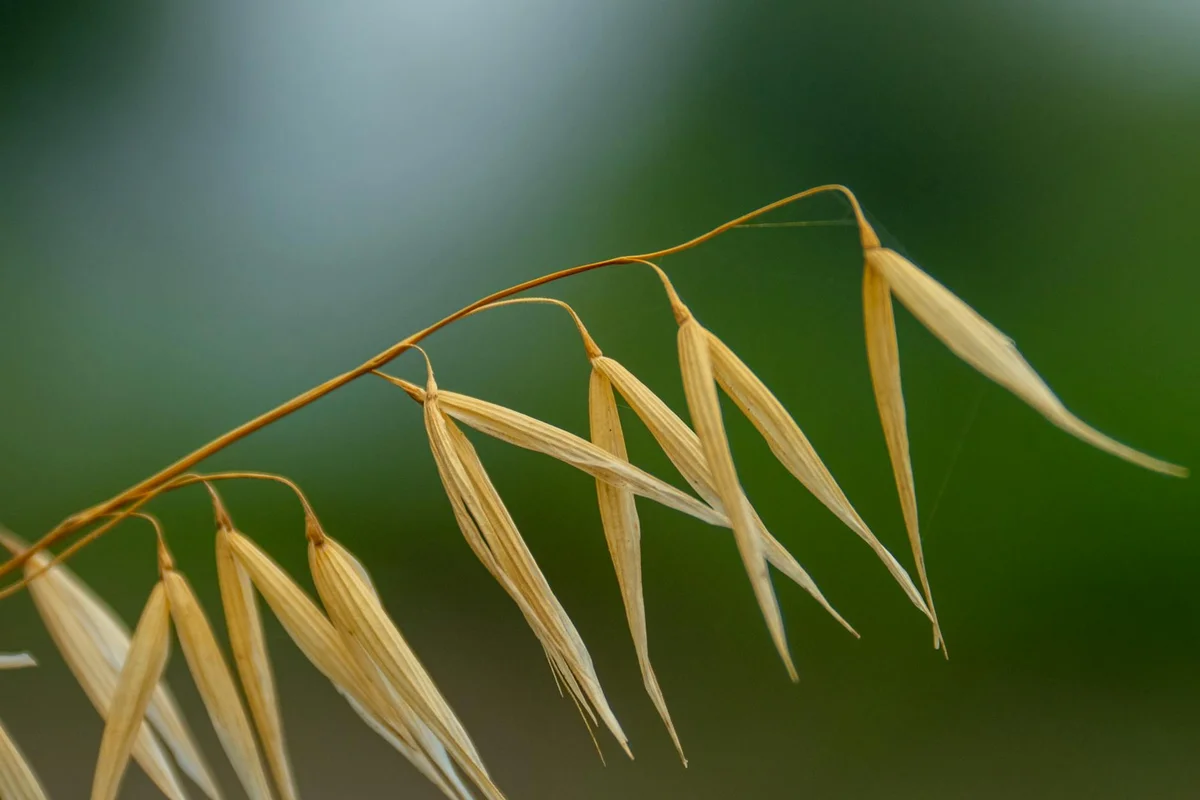
So you’ve got a dusty bag in the garage. You’ve tested it, and it’s not dead, but it’s not exactly bursting with life either. I get it. I’ve stood in my own shed, looking at a half-used bag from last fall, thinking “I paid for this.” Let’s talk about using it smartly.
Your first move is to bump up your seeding rate, but just a little. Think of it like a bag of chips where half are crushed. You need to pour out a bit more to get a decent handful. Increase the rate by about 25-50% over the bag’s recommendation. This compensates for the seeds that won’t sprout.
Do not double or triple it. That’s the fast track to trouble. Too many seeds in one spot compete fiercely for light, water, and food. You’ll end up with a crowd of weak, spindly seedlings that are prone to disease and will probably die off.
With marginal seed, your prep work becomes non-negotiable. You can’t afford to waste a single viable seed. Every one needs a perfect little bed to call home.
That means perfect seed-to-soil contact (we’ll get to that next). It means keeping the top inch of soil consistently damp, like a wrung-out sponge, for those critical first two weeks. And it absolutely means using a starter fertilizer.
A starter fertilizer is high in phosphorus, the nutrient that specifically promotes strong root development. It gives that struggling seedling the best possible start. Think of it as a welcome kit for your grass. Skip it, and you’re asking a lot from old seed. If you’re unsure how to choose lawn starter fertilizers, this quick guide can help. A thoughtful pick supports root development and a thriving lawn from day one.
Common Seeding Mistakes (And How to Dodge Them)
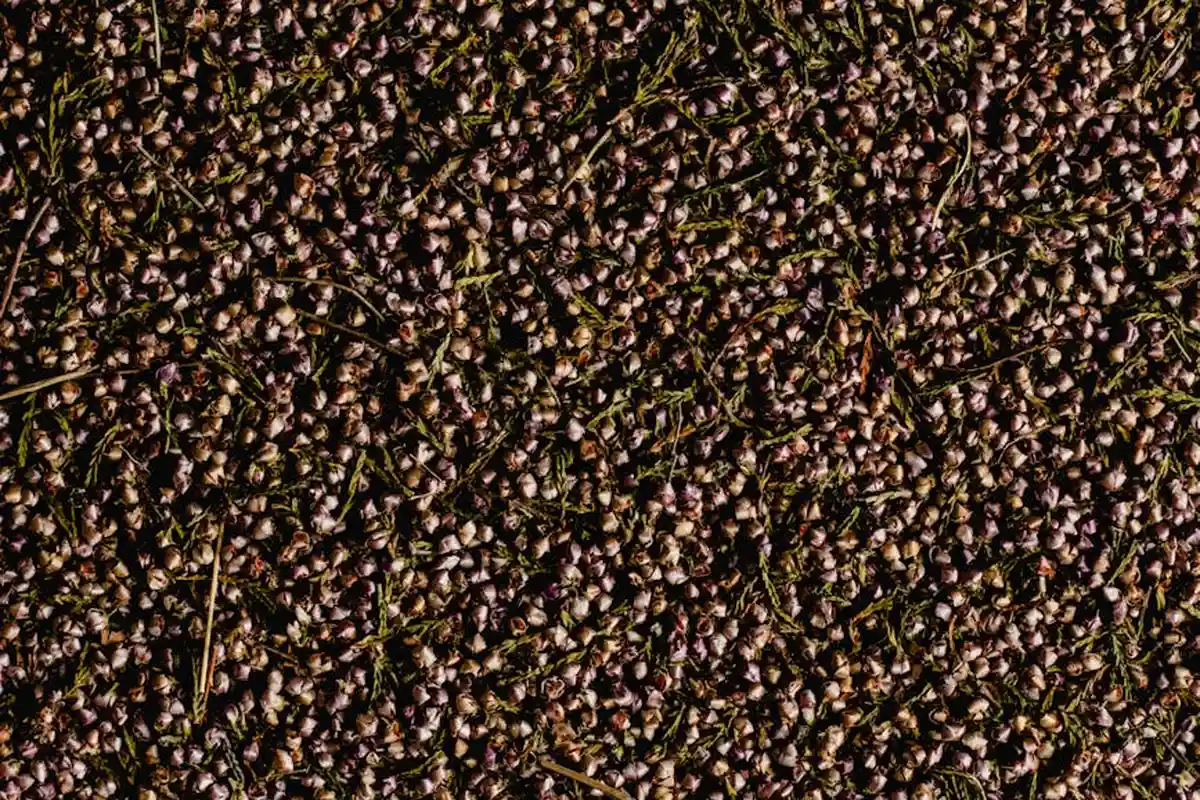
These are the big two I see every season. They’re directly tied to those “more seed, faster grass” myths and are the main reason good seed fails.
Just Throwing Seed on the Ground
This is the number one error. Grass seed is not magic fairy dust you sprinkle over problems. For a seed to germinate, it needs to be cozy against soil.
Seed-to-soil contact is the single most important factor for germination success. A seed lying on top of thatch or bare dirt might get wet, but it can’t put its roots down. It just sits there, a easy snack for birds, until it dries out and dies.
Good seedbed preparation has a specific feel. After you’ve raked away debris and loosened the top quarter-inch of soil, it should feel crumbly, like fresh coffee grounds. You should see bare soil, not a mat of old grass.
Getting seed into that bed is simple. After broadcasting your seed:
- Go back over the area with a leaf rake. Gently drag the tines to mix seed into the very top layer of soil.
- If you have a small area, a lawn roller (half-filled with water for weight) is fantastic. It presses the seed down just right.
- My favorite method for Patch, my problem area, is top-dressing with a thin, 1/4-inch layer of compost or topsoil. It covers the seed, protects it, and feeds it. It’s like tucking it in with a nutrient-rich blanket.
Ignoring Water & Weather
You planted your seed. Now what? You water. Consistently. This isn’t a suggestion, it’s the rule.
For the first 2-3 weeks, your only job is to keep the top inch of soil constantly moist. This usually means light watering 2-3 times a day, especially if it’s sunny or windy. The goal is damp, not a swamp. If you see puddles or washouts, you’re using too much force.
A common question pops up every spring: “Will grass seed grow if it rains after planting?” Yes, absolutely. A gentle, soaking rain is nature’s perfect irrigation system. But a summer downpour is a different beast. Planting grass seed before or during rain can be risky.
Think of my setup, Sunny the drip irrigation. It delivers a gentle, consistent sprinkle right where it’s needed. Now, imagine a thunderstorm. That’s a firehose. It can wash away your carefully planted seed, create puddles, and erode your seedbed in minutes.
If heavy rain is in the forecast right after you seed, consider laying a thin, biodegradable erosion control blanket. It’s an extra step, but it can save your entire project.
Caring for Your New Grass: From Sprout to Mow
Seeing those first green sprouts is a great feeling. All that prep and seeding paid off. But this is the stage where patience really gets tested, and a few careful steps make the difference between a thin lawn and a thick one.
The First Mow: Respect the Rule
Your new grass will seem ready to cut long before it actually is. I’ve been tempted to fire up Max early, just to make things look tidy. Resist that urge.
The golden rule is to wait until the grass is about one-third taller than your target mowing height. For example, if you want a 3-inch tall lawn, wait until the new grass is about 4 inches tall before the first cut.
This does two critical things. It allows the seedling to develop a stronger root system to anchor itself. It also ensures you’re only cutting the leaf tip, not stressing the young plant.
Always use a sharp mower blade for this first cut; a dull blade will tear the tender grass, leaving ragged, brown tips that are open to disease. If the blade is dull, sharpen or replace it before mowing. A clean, well-maintained blade helps ensure a healthy cut. Mow when the lawn is completely dry to avoid pulling seedlings out of the soil.
Protecting Those Fragile Seedlings
New grass is incredibly fragile. The roots are shallow, and the stems are thin. Think of it like a newborn puppy-it needs protection.
Foot traffic is the biggest threat. Every step compacts the soft soil and can break the delicate plants. I rope off my newly seeded areas with some garden stakes and twine. It’s a simple visual reminder for the family and the dog to steer clear.
If you must walk on it, do so minimally and try to step on different spots each time. The goal is to give the grass time to knit together into a dense mat that can handle wear, which takes a full season, not a few weeks. This is the lesson my problem area, Patch, taught me: rushing leads to bare spots.
A Gentle Follow-Up Meal
About a month after you see good germination, your new grass will benefit from a light feeding. The seed’s initial energy is used up, and the young plants are working hard to establish roots.
This isn’t the time for a heavy, high-nitrogen fertilizer. You want a balanced, gentle product. I look for a natural, organic-based fertilizer that’s safe for pets and pollinators once it’s watered in. That’s essential when you’ve got pets roaming the lawn.
A soil test is always the best guide, but if you’re going without one, a light application of a starter fertilizer (one with a good amount of phosphorus for root growth) is a safe bet.
Apply it according to the bag’s instructions for new lawns, and water it in well with Sunny, your irrigation system, to move the nutrients into the soil and avoid burning the grass. This boost helps the young turf mature and prepares it for the seasons ahead.
Your Grass Seed Questions, Answered
1. If the bag is unopened, does the seed last longer?
An unopened bag helps, but it’s not a time capsule. If it’s been stored in a hot garage or damp shed for years, the seed inside is still losing its vigor.
2. Can I just use more old seed to make up for a low germination rate?
You can bump the rate by about 25%, but piling it on is a disaster. Overcrowded seedlings will fight each other for resources and die, wasting your effort and the seed.
3. Does freezing grass seed make it last forever?
No, freezing does not pause the clock indefinitely. Constant freeze-thaw cycles in a shed can actually introduce damaging moisture, which is worse than cool, dry storage.
4. For a small bare spot, can I just heavily seed that one area?
Heavily seeding a patch creates a weak, dense clump that can’t integrate with the rest of your lawn. Use the recommended rate and focus on perfect soil contact instead.
5. Will using more seed help grass grow in a problematic shady area?
No, shade is a light issue, not a seed quantity issue. Over-seeding there just creates a thicker crowd of weak, starved plants. Choose a shade-tolerant grass variety and prep the soil well.
Getting the Most from Every Bag of Seed
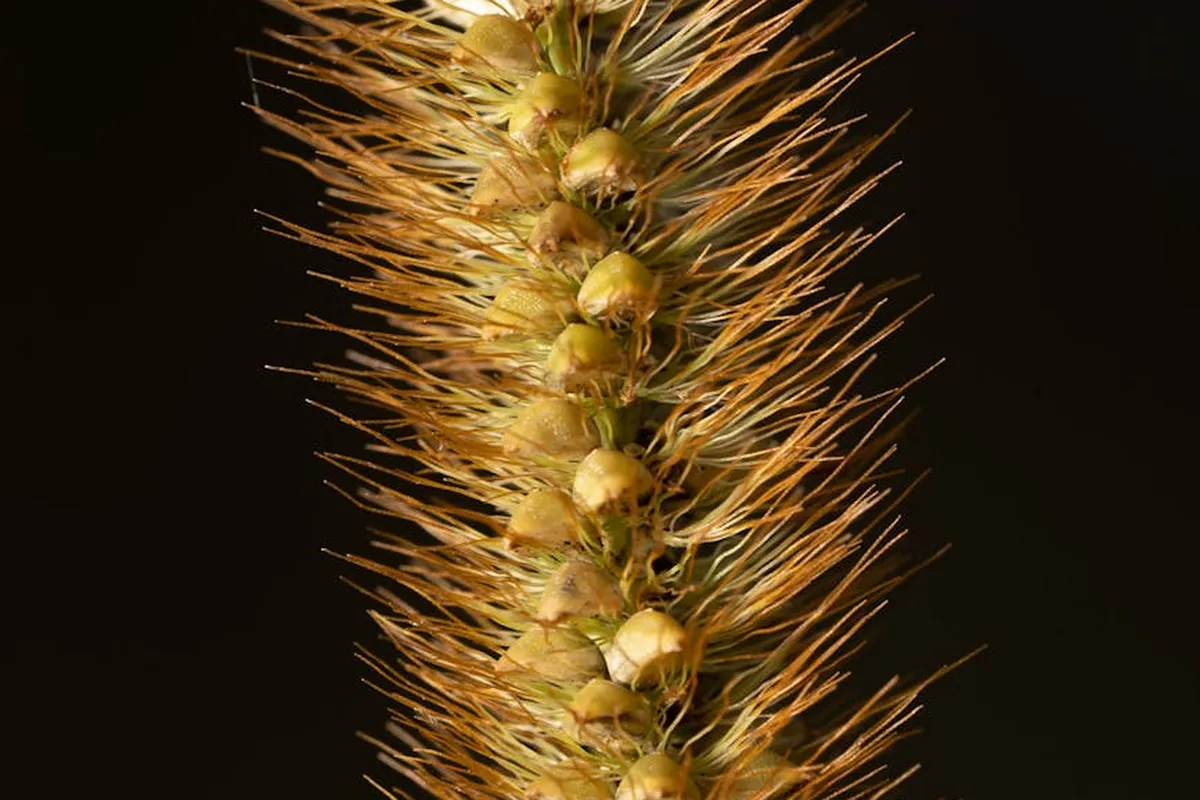
Forget the dates and focus on the seeds. Store your grass seed in a cool, dry place, and do a simple germination test if you’re unsure. A few extra seeds won’t rush success, but good soil contact and consistent moisture will.
Your lawn is a living part of your home’s ecosystem. I’ve learned more from watching how Patch responds to changes than any label. Choosing the right seed and caring for it responsibly makes your yard a healthier place for everyone, from pets to pollinators.
Relevant Resources for Further Exploration
- r/lawncare on Reddit: Does grass seed expire?
- Does Grass Seed Go Bad? How Long It Lasts & How to Store It
- Does grass seed expire? | Lawn Care Forum
- How to Tell If Grass Seed Is Still Good
- How long does grass seed last in an opened bag in my garage for 6 months? | Lawn Care Forum
- How Long Does Grass Seed Last? A Guide to Seed Longevity – Andersons Lawn
- r/lawncare on Reddit: Do grass seeds expire?
Written by Ria Carrington. Ria is an avid lawn care enthusiast and advisor. No lawn is unsalvagable when Ria is at work. She has helped countless homeowners breath new life into their dying lawns. She has a B.Sc in Agriculture and brings practical advice combined with knowledge of plant science and her decade worth of hands on experience.