
Will Grass Seed Survive a Frost? A Money-Smart Homeowner’s Guide
You’ve just spread fresh seed, and now the forecast calls for frost. That sinking feeling is familiar to every lawn owner who hates wasting time and cash.
We’ll walk through the straightforward science and my field-tested advice, focusing on how frost actually impacts seed, the best and worst times to plant in cool weather, and the simple, protective steps that make a real difference.
I’ve managed this exact tension between eager planting and unpredictable cold for years on my own lawn, learning through trial and error what truly works.
At a Glance: The Quick Answer for Your Lawn
Don’t panic if you see frost in the forecast. The truth about frost and grass seed is simple, but it all depends on one thing: whether that seed is still asleep or starting to wake up.
A dry, dormant seed in the bag or on the soil is incredibly tough and can easily survive a frost, but a seed that has absorbed water and begun to sprout is very fragile and can be killed by freezing temperatures. This is the single most important thing to remember.
Can frost kill grass seed? Not if it’s still dry. Does freezing kill grass seed? It absolutely can if that seed is in the middle of germination. Timing and the type of grass you’re planting are everything. I’ve seen frost nip at my Patch area more than once, and knowing this difference saved me from wasting seed and a weekend’s work.
The Seed’s-Eye View: What Frost Actually Does
To understand why, think of a dry bean versus a bean you’ve soaked overnight. That dry bean from the bag is hard and protected. Toss it in the freezer, and nothing really happens. But that plump, soaked bean is full of water. Freeze it, and the water inside expands, rupturing the bean’s structure. It’s ruined.
Grass seed works the same way.
Stage 1: The Tough, Dormant Seed
Before it gets water, a grass seed coat is like a tiny, sealed vault. Cold air doesn’t bother it. I’ve kept bags of seed in my unheated shed over winter with no issues, even when temperatures dropped for an extended period. Frost might sit on top of it, but the seed inside doesn’t know it’s there.
Stage 2: The Fragile, Germinating Seed & Seedling
Once you water it and it starts to germinate, everything changes. The seed swells, the root (radicle) emerges, and then the first grass blade (coleoptile) pushes toward the sun. These new cells are full of water and very tender.
When frost hits, it forms ice crystals inside these water-filled cells, which act like tiny knives, slicing through the cell walls and killing the young plant. This answers what happens if grass seed gets frost-it’s not the frost on the surface but the ice forming inside that does the damage. A light frost might only burn the tips, but a hard freeze usually means starting over.
The Hidden Problem: Soil Heaving
There’s another way a hard freeze can wreck your seeding job, even if the seed itself is still dormant. When the soil moisture freezes, it expands. As it thaws, it contracts. This freeze-thaw cycle can physically push or “heave” seeds right up to the surface where they won’t germinate properly or become easy bird food. It’s one of the sneaky ways frost can hurt grass seed.
So, does frost hurt grass seed? The direct answer is yes, but only if you’ve already started the germination clock with water. Your dry, unscattered seed is safe. Your newly sprouted lawn is at risk. This is why planting too late in fall or too early in spring is the most common mistake I see.
Your Pre-Frost Checklist: Testing and Timing

Before you open a single bag of seed, do these two quick checks. They save you money and frustration.
Grab a basic meat thermometer. Push it about two inches into the soil in the morning, wait about 30 seconds, and read it. I keep mine by the back door for this exact reason. You’re looking for a specific range.
- Cool-season grasses (like Kentucky Bluegrass, Fescue) germinate best when soil is between 50°F and 65°F.
- Warm-season grasses (like Zoysia, Bermuda) need warmer soil, ideally between 65°F and 70°F.
Soil temperature, not the air temperature, tells you if it’s time to plant. You can find soil temp maps online, but a quick check in your own yard is the most reliable method.
Found an old, half-used bag in the garage? Don’t guess if it’s still good. Do the paper towel test.
- Take a paper towel, dampen it (not soaking).
- Sprinkle 10-20 seeds on it, fold it over, and slide it into a plastic bag.
- Place it somewhere warm, like on top of the fridge.
- Check it in 5-7 days. Count how many seeds sprout.
If less than half sprout, that seed has lost its vigor. Toss it and get fresh. This test keeps you from wasting a weekend sowing dead seed.
Now, “frost seeding” sounds like a mistake, but it’s a real tactic for cool-season grasses in late winter. As the ground freezes at night and thaws during the day, it opens tiny cracks. You broadcast seed onto frozen or partly frozen ground, and the thawing action pulls the seed into that good soil contact. It’s a gamble, but it can work well for filling in thin spots. This is a deliberate, late-winter move for tough areas, not your main seeding strategy. Warm-season grasses should never be frost seeded.
For your main fall seeding project, timing is everything for survival. You want those new grass plants to be strong teenagers before winter dormancy hits. The golden rule is to get seed down so it has at least 45 days of good growing weather before your area’s average first hard frost. This gives seedlings time to develop roots that can handle the cold. Seed that sprouts too late will be like a tiny, fragile seedling when the freeze comes, and it likely won’t make it. Knowing the difference between dormant seeding and fall seeding can help you plan better.
Quick Snapshot: Grass Types and Their Cold Limits
This table is your cheat sheet. It compares how different grasses handle the cold and when to plant them.
| Grass Type | Cold Hardiness | Best Time to Seed | Notes for Tricky Spots |
|---|---|---|---|
| Kentucky Bluegrass | Excellent. It thrives in cold winters. | Early Fall (Late Summer in far north) | Slow to germinate (14-30 days). For slopes, always use an erosion control blanket to hold seed and soil. |
| Tall Fescue | Very Good. A durable, deep-rooted grass. | Early Fall | Germinates faster (7-14 days). Its bunching growth is great for wear and tear but can leave gaps if seeded too thin. |
| Perennial Ryegrass | Good. Handles cold but may thin in extreme winters. | Early Fall or Early Spring | Fastest germinator (5-10 days). Often mixed with others for quick cover. Not the best for deep shade. |
| Zoysia | Fair to Good. Dormant and brown in winter frost. | Late Spring / Early Summer | Very slow to establish from seed. Often sodded or plugged. Needs warm soil, so never seed in fall. |
| St. Augustine | Poor. Damaged by frost, killed by hard freeze. | Late Spring / Early Summer | Rarely seeded commercially; almost always installed as sod, plugs, or strips. Focus on soil warmth. |
Choosing a grass is about matching its tolerance to your winter and its speed to your timeline. For quick repair in fall, a mix with ryegrass helps. For long-term resilience in cold, lean on bluegrass and fescue. It’s also essential to match the grass type to your climate and soil conditions for the best results.
Special Cases: Shade, Slopes, and Repair
Shady spots like my friend “Patch” are frost magnets. The soil stays colder longer in spring and gets hit harder in fall. For these areas, use a shade-tolerant mix (often fine fescues) and seed a little earlier in the fall. Give shaded grass extra time to establish before the canopy fills in and light drops. The extra week can make all the difference.
Seeding a steep bank before winter is risky. Rain and snowmelt will wash your seed right down the hill. The fix is simple: use an erosion control mat. After seeding, roll out a biodegradable jute or straw mat over the area and peg it down. It holds the seed and soil in place, keeps moisture consistent, and adds a bit of frost protection. The grass grows right through it as it decomposes.
What if you seeded and then got a surprise frost warning? Don’t panic. A light, brief frost on bare soil won’t harm ungerminated seed. If the seedlings have just sprouted, you can protect them. A very light covering of straw (so you can still see soil underneath) or a thin layer of peat moss can insulate them from a single cold night. Your main job is to keep the seedbed moist; the seed itself is tougher than the young plant. Most of the time, the seed will just wait for warmer days to continue growing.
The “Frost Seeding” Method: A Step-by-Step Guide
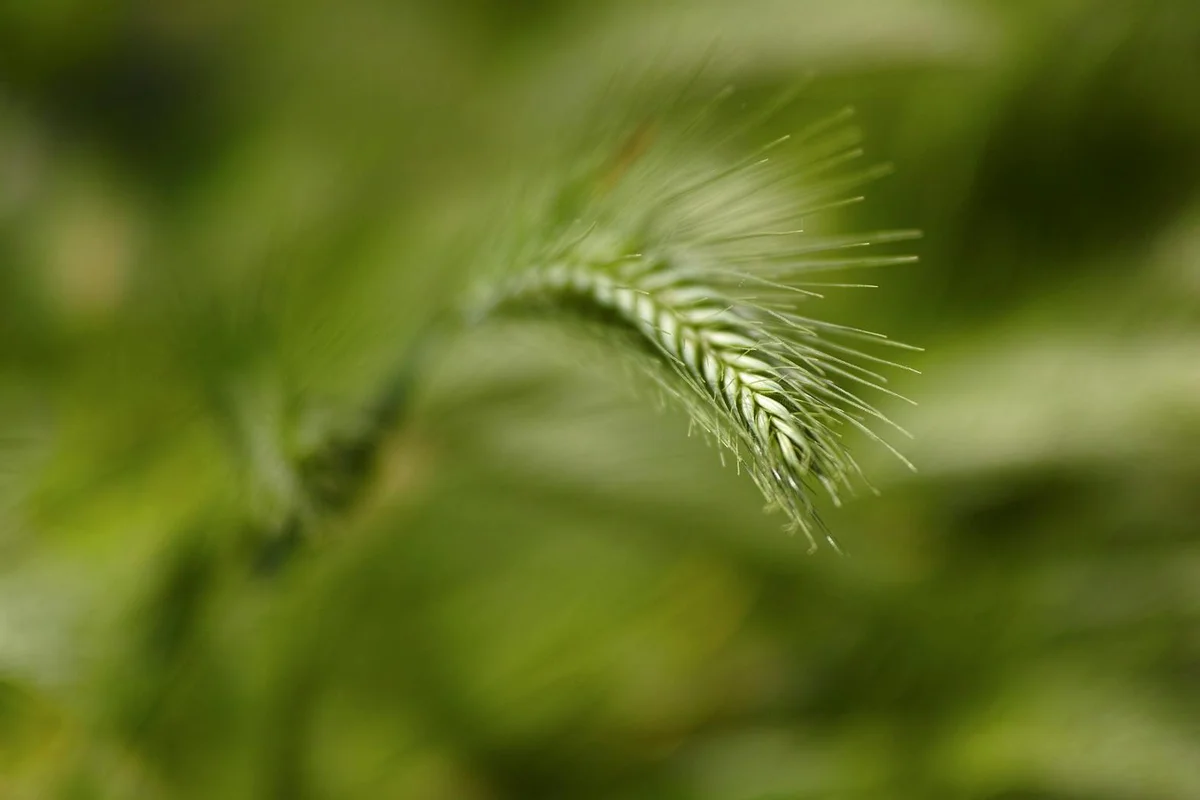
Can you frost seed grass seed? You can, but it’s a specific trick, not just throwing seed out in a snowstorm. It’s a method that uses nature’s own rhythm to help you fill in thin spots. I’ve used it to help out Patch, my stubborn shady corner, with good results.
Frost seeding works when you sow seed on the ground right as it begins its spring thaw. The daily cycle of freezing at night and thawing during the day creates tiny cracks in the soil. This action gently pulls the seed down to where it can make good contact and eventually sprout.
You need the right conditions for this to work. The ground should be mostly frozen but starting to soften during the day, usually in late winter. It works best with certain grass types. Kentucky Bluegrass is a champ at it because of its light, fluffy seed. Fine Fescues also do well. I would not try this with larger, heavier seeds like most Ryegrass.
If your lawn fits the bill, here’s how to do it.
- Mow the existing lawn very short. I take Max out for one last, low cut in late winter. You want to scalp the area so the seed can actually reach the soil and not just sit on top of a thatchy mat.
- Sow seed directly onto the frozen or thawing ground. Use a broadcast spreader for even coverage. Don’t bury it. Just let it sit right on the surface. A little goes a long way here, about half your normal seeding rate.
- Let the natural freeze-thaw cycles work. This is the easy part. Walk away. Let the warming days and cold nights do the job of working that seed into the soil for you. No raking needed.
- Manage your expectations on timing. The seed will just sit there, dormant, until the soil warms up for good. Germination happens on spring’s schedule, not yours. Be patient. You’re giving it a head start, not instant results.
Seasonal Effects: Your Action Plan from Fall to Spring
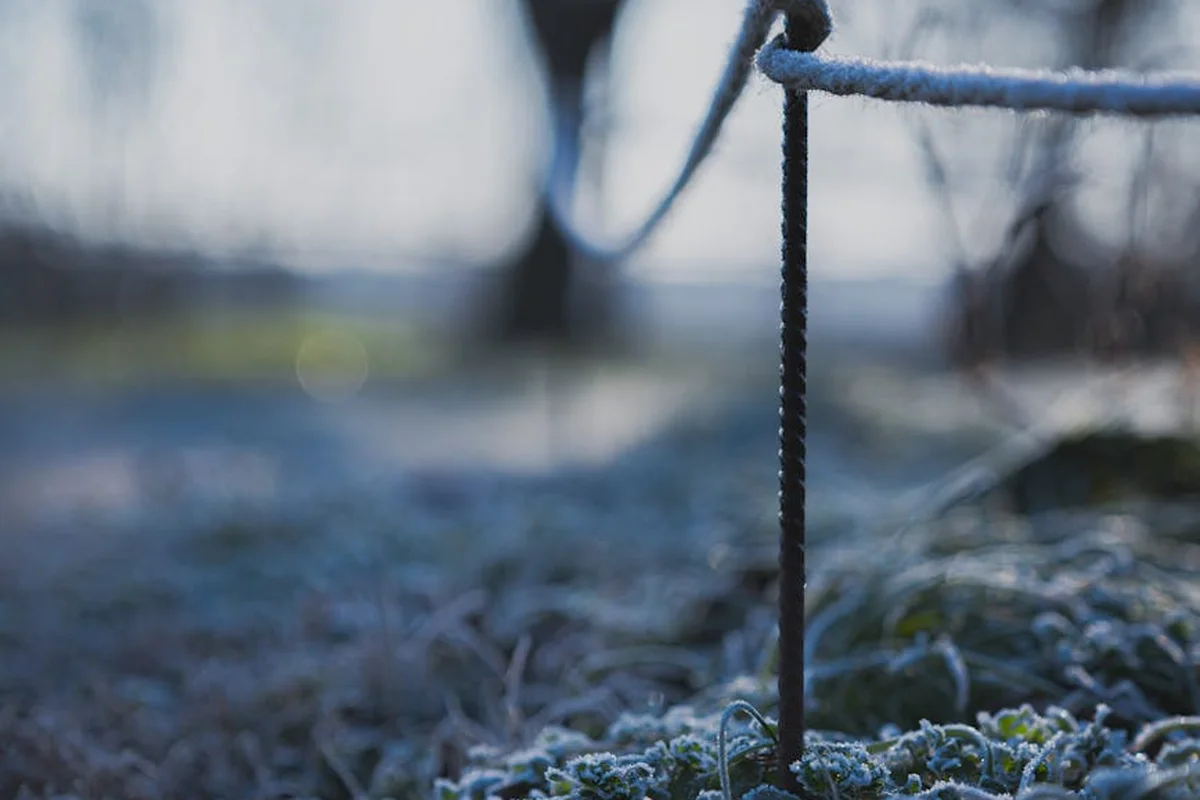
Your success with grass seed is a year-round story. What you do in fall sets the stage for winter survival and spring green-up. Choosing the right grass seed for your lawn is a crucial first step.
Fall is your golden window, the absolute best time to seed a cool-season lawn. Target 6 to 8 weeks before your area’s average first frost. This gives seedlings time to establish roots strong enough to sleep through winter. Proper soil prep is the foundation of seeding success—loose, well-drained soil with balanced nutrients gives seeds the best chance to germinate and root quickly. My routine is solid: I dethatch, aerate, top-dress with compost, sow seed, and keep Sunny (my drip system) on a gentle schedule to keep the soil moist. The goal is thick, young grass going into the cold.
Winter is the dormant period, a time for you to do almost nothing. The seeded areas are sleeping. The single most important rule is to avoid walking or driving on frozen, seeded ground. You will crush the crowns of the young plants and compact the soil. Let it rest.
Late winter to early spring is your “frost seeding” window and assessment time. Once the snow melts for good, take a slow walk. Look for the thin spots you seeded in fall. This is when you decide if a frost seeding pass is needed to fill in any gaps. The ground is perfect for that freeze-thaw action I described.
Early spring is your next best chance if you missed fall. Wait for consistent soil temperatures of 50-55°F, which often happens when air temps are in the 60s. The risk here is a late, hard frost after germination. If you seed in early spring, be ready to protect those tender new shoots.
If Frost is Forecast: Emergency Protection
A surprise late frost can make any homeowner panic. Don’t worry, you can shield your new grass.
Use a practical, breathable cover. I keep a roll of frost cloth or floating row cover in my shed. Drape it loosely over the seedlings. A very thin layer of clean straw also works. Never use plastic tarps or sheets. They trap too much moisture and can cook your grass when the sun hits them, or cause disease.
Water the area lightly the afternoon before the expected frost. Moist soil holds heat better than dry soil. It’s a simple trick that can moderate the temperature right at ground level, giving your grass seedlings a few precious degrees of protection.
The morning after a frost, handle with care. If you used a fabric cover, you can remove it once the temperature is safely above freezing. If frost settled directly on the blades, leave them alone. The grass will often thaw out and stand back up on its own. Walking on frozen grass blades will snap them. Give it some sun and time before you assess any damage.
Your Frost & Grass Seed Questions, Answered
I got a frost warning after I seeded. What’s my emergency move?
If your seed is still dry and hasn’t sprouted, relax-it’s safe. If tiny seedlings have emerged, quickly cover them with a breathable frost cloth or a very light sprinkle of straw to insulate them overnight.
Can I just use a grass seed for my St. Augustine lawn?
Practically speaking, no. St. Augustine is almost always established from sod, plugs, or strips because its seed is rarely commercially available and is very finicky. Focus on improving your soil and installing sod over your existing lawn in late spring for a reliable, greedy lawn.
What’s the absolute best grass seed for a steep, slippery bank?
You want a fast-germinating, tough bunchgrass like Perennial Ryegrass for quick cover, mixed with a deep-rooted grass like Tall Fescue for long-term holding power. Always pair this seed with an erosion control mat-it’s non-negotiable for keeping everything in place. If you’re looking to buy grass seed types, this mix is a solid starting point.
How do I use grass seed for erosion control on a hillside?
Choose a seed blend specifically labeled for erosion control, which will include aggressive, fibrous-rooted grasses. This approach is ideal for establishing a lawn on a steep slope where erosion is a concern. It pairs targeted seeding with erosion control measures to help your slope take root successfully. Then, immediately blanket it with a biodegradable jute or coconut fiber mat; the mat holds the seed and soil while the roots anchor your slope.
Does the “grass seed frost” advice change for the UK’s climate?
The core science is the same, but your timing shifts. With generally milder, wetter winters, you can often seed cool-season grasses later into autumn, but you must be vigilant about soil drainage to prevent seed rot instead of just frost damage.
Your Lawn’s Cold Weather Game Plan

If you remember one thing, let it be this: Timing your seeding with soil temperature, not the calendar, is what gives your grass the best shot against frost. I keep an eye on the forecast and my trusty soil probe, because getting this right means less reseeding later.
Good lawn care is about more than just green grass, it’s about being a good steward of your little patch of earth. Choose pet safe and pollinator friendly options, and stay curious, because your lawn’s health and the world around it depend on it.
Related Guides and Information
- Will Frost Kill Grass Seed or New Seedlings? | Jonathan Green
- Can Grass Seed Survive Freezing? | Jonathan Green
- Will Frost Kill Grass Seed And How To Help New Turf Survive
Written by Ria Carrington. Ria is an avid lawn care enthusiast and advisor. No lawn is unsalvagable when Ria is at work. She has helped countless homeowners breath new life into their dying lawns. She has a B.Sc in Agriculture and brings practical advice combined with knowledge of plant science and her decade worth of hands on experience.