
Straw or Hay for Grass Seed: Which Protects Your Lawn Better?
You just planted new grass seed and now you’re worried about birds snacking or a storm washing it all away. Choosing the right cover keeps your seeds safe and helps them sprout.
We will cover the real differences between straw and hay, which one blocks weeds better, how to spread it without smothering seeds, and why cost matters for your budget.
I’ve tested both straw and hay on my own lawn with Max the mower watching over, so I can tell you what saves money and gets results.
At a Glance: Key Factors
Let’s cut to the chase. The main job of any seed cover is simple. It holds moisture at the soil level and shields tiny seeds from washing away in a downpour or getting eaten by birds. It’s not fertilizer. It’s a protective layer that gives your investment a fighting chance for germination.
So, straw or hay? Here’s the quick verdict from my weekends wrestling with both. Straw is your reliable, seasoned pro. Hay is the tempting, cheaper shortcut that often brings a bunch of uninvited weed seeds to the party.
Your decision really comes down to a few practical points. Think them through before you load up your truck.
- Weed Seed Risk: This is the big one. Straw is the leftover stalk after grain harvest (like wheat or barley). Most of the seed heads are gone. Hay is cut grass and legumes (like alfalfa) dried for animal feed, and it’s packed with seeds. Using hay is like planting a free packet of mystery weeds alongside your expensive grass seed.
- Cost and Availability: Hay is often cheaper and easier to find at local farm stores. That low price tag is what makes it tempting. Straw might cost a bit more or require a trip to a garden center. I view that extra dollar as my weed-prevention insurance.
- Clean-Up Willingness: Both will need to be raked up once the grass is about 3 inches tall. But with hay, you might also be raking up-and then pulling-dozens of new weed seedlings a few weeks later. Are you okay with that extra battle? I’ve learned the hard way with Patch that I’d rather avoid it.
Do You Really Need to Cover Grass Seed?
Do you have to put straw over grass seed? No, it’s not a strict lawn care law. But should you? Almost always, yes. Let me explain why I rarely skip it.
Think of a bare seed on the soil as a baby seedling without a blanket. It’s totally exposed to sunlight and other elements. A hot afternoon sun can dry it out in hours. One heavy rain can wash your entire seeding effort into the driveway or gutter. And birds? They see a freshly seeded lawn as an all-you-can-eat buffet. A light layer of straw breaks all that up.
There are times when covering is non-negotiable. If you’re seeding a slope, you need that straw to act like a net, holding seed and soil in place against erosion. If you live in a dry climate or are seeding in the warmer parts of fall or spring, that moisture retention is critical. You’ll be watering constantly without it.
Covering is more optional for small, flat repair patches. If it’s a spot the size of a dinner plate on level ground, you can often get away with just keeping it damp. But even then, I usually toss a small handful of straw over it. It takes two seconds and saves me from worrying about it. My philosophy is simple: give the seed every possible advantage. A thin, fluffy layer of straw does exactly that.
Straw vs. Hay: A Lawn Owner’s Reality Check
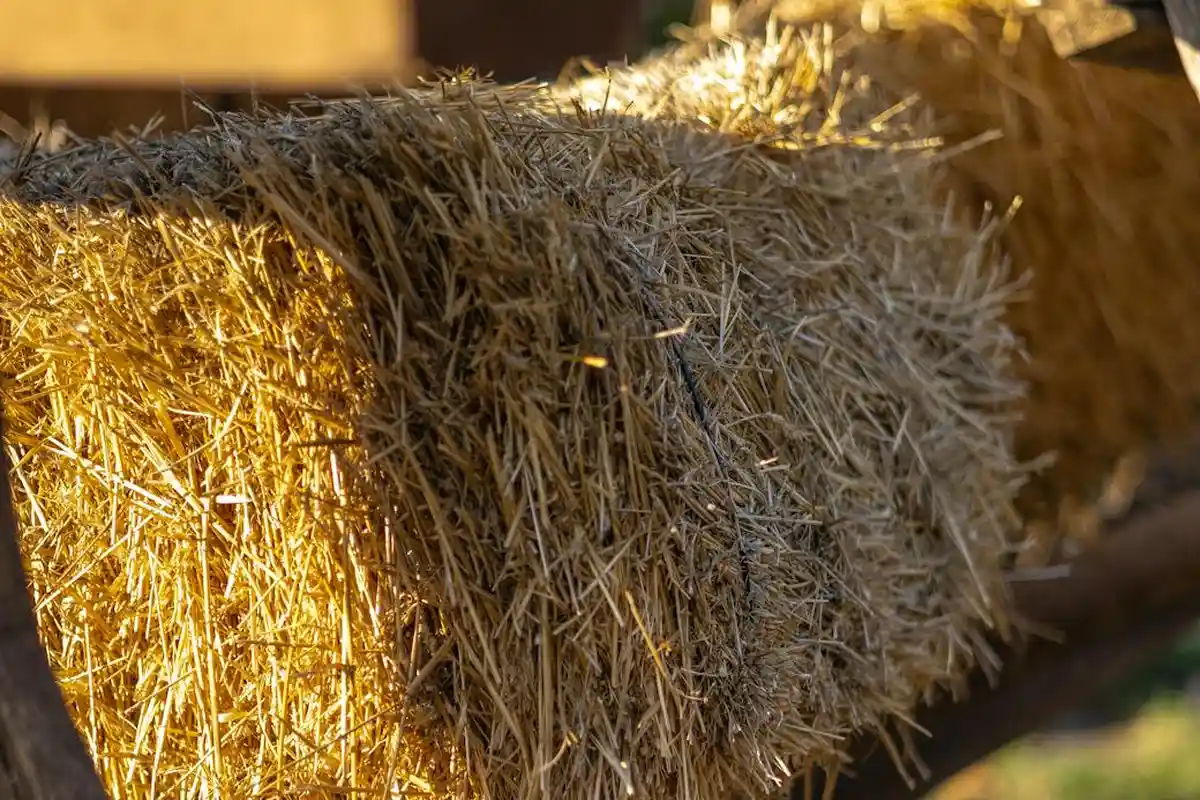
This is where a weekend warrior can get tripped up. At a glance, they look similar, but for your lawn, the difference is huge. I learned this the hard way years ago.
Think of it this way. Straw is the leftover stem from harvested grain, like wheat or barley. It’s just the hollow tube. Hay is the entire dried plant, cut specifically as feed for animals. It includes the seed heads, leaves, and stems.
That last point changes everything. Let’s lay it out.
| Factor | Straw | Hay |
| Weed Seed Content | Low. It’s just stems, so a clean bale should have very few, if any, seeds. | Very High. It is literally dried grass and weeds cut for feed. It’s packed with seeds waiting to sprout. |
| Moisture Retention | Good. The hollow stems create a light blanket that holds moisture near the soil and slows evaporation. | Good, sometimes better. The leafy material can mat down and hold water, but it can also block air. |
| Smell & Feel | Has a dry, earthy scent. It’s golden and stiff, and doesn’t break down quickly. | Smells sweet or like dried pasture. It’s softer, greener, and decomposes faster into a thick mat. |
Can you use hay to cover grass seed? Technically yes, but you are trading instant coverage for a future weed invasion. I see the appeal. Hay is often cheaper and easier to find. That mat of material looks protective. But you are essentially planting a second crop of weeds right on top of your expensive grass seed. You’ll spend all summer pulling invaders, especially when trying to weed areas in the shade. It’s not worth the headache.
That’s why products like EZ Straw exist. A quality “lawn straw” product is processed to remove weed seeds, giving you the benefits of straw without the hidden cost. So, to answer a common question: no, EZ Straw should not have grass or weed seeds in it. If it does, that’s a major flaw in the product.
How to Use Straw for Grass Seed: A Step-by-Step Guide
Once you have the right material, using it is simple. The goal is a protective cover, not a burial.
- Prepare and seed your soil as you normally would. Get good seed-to-soil contact.
- Take a handful of straw and gently separate it. You want a fluffy, loose layer.
- Spread it evenly over the seeded area. You should still see about 50% of the soil through the straw. A layer about 1/4 to 1/2 inch thick after fluffing is perfect. If you can’t see dirt, you’ve used too much.
- Water gently. Use a sprinkler or hose nozzle with a soft spray setting. The straw will settle. Watering through it helps anchor it slightly and prevents the seed from washing away.
You’ll see green shoots in 7-21 days, depending on your grass type. The new blades will push right through the straw. When it’s time for the first mow, just mow right over the straw. It will break down and become part of the thatch layer. You don’t need to rake it up. In thick spots, a light raking after mowing can help disperse it.
Finding It: Straw at Big Box Stores and Local Farms
When you search “straw for seeding near me,” you’ll find two main sources: the garden center at a big box store or a local farm or feed store.
Bagged straw from Home Depot or Lowe’s is convenient. It’s clean, dry, and often certified weed-free. You pay for that convenience, and a bag doesn’t go as far as you think for a large area.
A bale from a local farm is the classic choice. It’s far more economical for big jobs. The trade-off is you need to inspect it yourself. Don’t just buy the first bale you see. Open it up a bit. Look for:
- Color: It should be golden, not green or gray (which signals mold or it being too new).
- Seeds: Shake a piece over your hand. You shouldn’t see lots of little grains or seeds falling out.
- Smell: It should smell dry and clean, not musty or rotten.
Ask the seller if it’s “seed-free” straw. They’ll know what you mean. A feed store is often a great middle ground, offering smaller, cleaner bales at a reasonable price. For my last project with Patch, a single $8 bale from a local garden center was all I needed.
Common Mistakes and How to Avoid Them
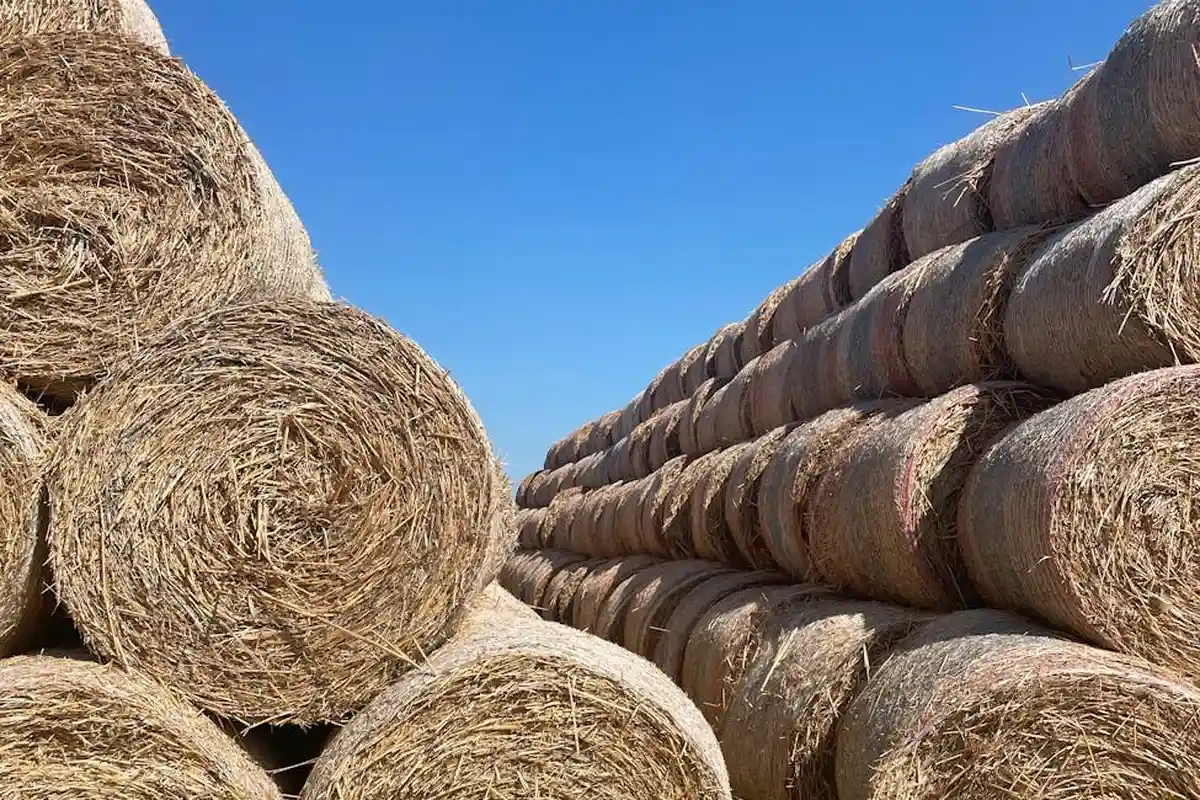
Even with good intentions, it’s easy to mess up with straw. I’ve seen it happen, and I’ve done it myself. Let’s walk through the big blunders so you can steer clear.
Using Too Much Straw
This is the number one error. A thick, fluffy layer might look protective, but it blocks the light and air your new grass desperately needs. Think of a blanket over your head. A heavy layer of straw acts like a thatch roof, smothering the seed and creating a perfect, dark environment for mold instead of grass. The goal is a see-through layer, not a burial.
Using Old, Moldy, or Weedy Bales
Not all straw is good straw. Always inspect the bale before you buy it or use it. If it smells musty or you see grayish mold, leave it. More importantly, look for visible seeds or grain heads. Old or poor-quality straw often contains weed seeds, which means you’re literally planting your weed problem for next season while trying to grow grass. You want clean, seed-free straw, often sold as “weed-free” or “feed-grade.”
Applying Straw Before Seeding or Fertilizer
Order matters. The straw is the final step, the protective cap. If you lay it down first, your grass seed and starter fertilizer will just sit on top of the straw, where they can dry out or get eaten by birds. They need direct contact with the soil. Always apply your seed and fertilizer first, work them gently into the soil, then cover with your thin layer of straw.
Stopping Watering Because the Straw Looks Damp
Straw is great at holding moisture at the soil level, but the top layer can deceive you. It might look dark and feel damp while the soil underneath is bone dry. Never judge moisture by the straw; you must check the soil itself by gently brushing the straw aside and feeling the dirt. Your new seedlings need constant moisture at the root zone to germinate and survive.
Forgetting About the Straw at First Mow
When your new grass is finally tall enough for its first haircut, that straw is still there. If you just mow over it, you’ll create a tangled mess. It can clump, smother patches of grass, and even clog your mower deck. I learned this the hard way with Max. Before the first mow, use a leaf rake (gently!) to fluff and remove the bulk of the leftover straw so your mower only has to deal with grass.
What to Use Instead of Straw or Hay
Straw isn’t your only option. For pet-safe, pollinator-friendly lawns, or if you just can’t find good straw, these alternatives work beautifully.
Thin Layer of Screened Compost or Peat Moss
My favorite alternative is a very thin sprinkle (about a 1/4 inch) of screened compost or peat moss. It’s like putting a premium, moisture-holding blanket over your seed. This method adds beneficial organic matter directly to your soil, helps retain water, and won’t introduce weeds. It’s completely safe for pets and beneficial insects once settled. Just be sure it’s a light dusting you can see through. For broader lawn care, choose pet-safe lawn fertilizers to keep pets safe. Always follow label directions so the area dries before pets return.
Seed Mats or Erosion Blankets for Slopes
If you’re seeding a steep hill where washout is the real enemy, a biodegradable erosion blanket or seed mat is your best friend. These products are designed specifically to hold seed and soil in place on severe slopes while still letting light and water through. They decompose over time. It’s a specialized tool for a specific, tough job.
Problematic Options: Sawdust & Shredded Wood Mulch
I’d avoid these. Sawdust packs down into a dense, crusty layer that seedlings can’t penetrate. As it decomposes, it can tie up nitrogen in the soil that your baby grass needs. Shredded wood mulch is often too coarse and can create the same smothering problem as too much straw. Both materials are better suited for garden beds, not for nurturing delicate new grass seedlings.
The “No-Cover” Method
You can absolutely skip covering material altogether. This method demands perfect watering discipline. You must keep the top 1/2 inch of soil constantly moist, which might mean watering 3-4 times a day for very short periods. The “no-cover” approach eliminates any risk of introducing weeds or mold, but it leaves your seed fully exposed to birds and requires a rigid, almost military-grade watering schedule. If birds are a concern in your area, you’ll want to explore practical ways to stop birds from eating grass seed. It’s high-reward but high-maintenance.
Greedy Grass Pro Tip: The Light Hand
Whether you choose straw, compost, or another cover, this is the golden rule. My shady corner, Patch, taught me this lesson years ago. I dumped straw on thick, thinking more was better. A week later, I had a slimy, moldy mess and had to rake it all off and start over.
The single most important piece of advice is to apply a light, even layer you can see the soil through. Imagine you’re lightly salting your dinner, not burying it in gravy. You should still see about 50% of the dirt beneath the cover. The goal is to aid germination by conserving moisture and giving a little shade, not to create a total burial for your seed.
Your Straw and Grass Seed Questions, Answered
1. Where can I find straw for seeding grass near me?
Check local garden centers, farm supply stores, or search online marketplaces for “straw bales.” For smaller jobs, bagged “lawn straw” at Home Depot or Lowe’s is a clean, convenient, and weed-free choice.
2. Is bagged straw from Home Depot or Lowe’s as good as a farm bale?
Yes, for most lawns. Bagged straw is processed to be weed-free and is perfectly clean-ideal for seeding. A farm bale is more economical for huge areas, but you must inspect it for mold and weed seeds yourself.
3. Do I have to rake up the straw after the grass grows?
Nope. Once your grass is about 3 inches tall, you can mow right over it. The chopped-up straw will break down naturally and add organic matter to your soil.
4. Will using straw mean I can water my new seed less?
Straw helps lock in moisture, so you’ll lose less water to evaporation. But don’t be fooled-you must still check the soil itself daily and water as needed to keep it consistently damp for germination.
5. What’s my best option if I can’t find straw at all?
Use a very thin (1/4 inch) layer of screened compost or peat moss instead. It protects the seed, holds moisture beautifully, and feeds your soil without any weed risk.
Your Path to a Lush, New Lawn
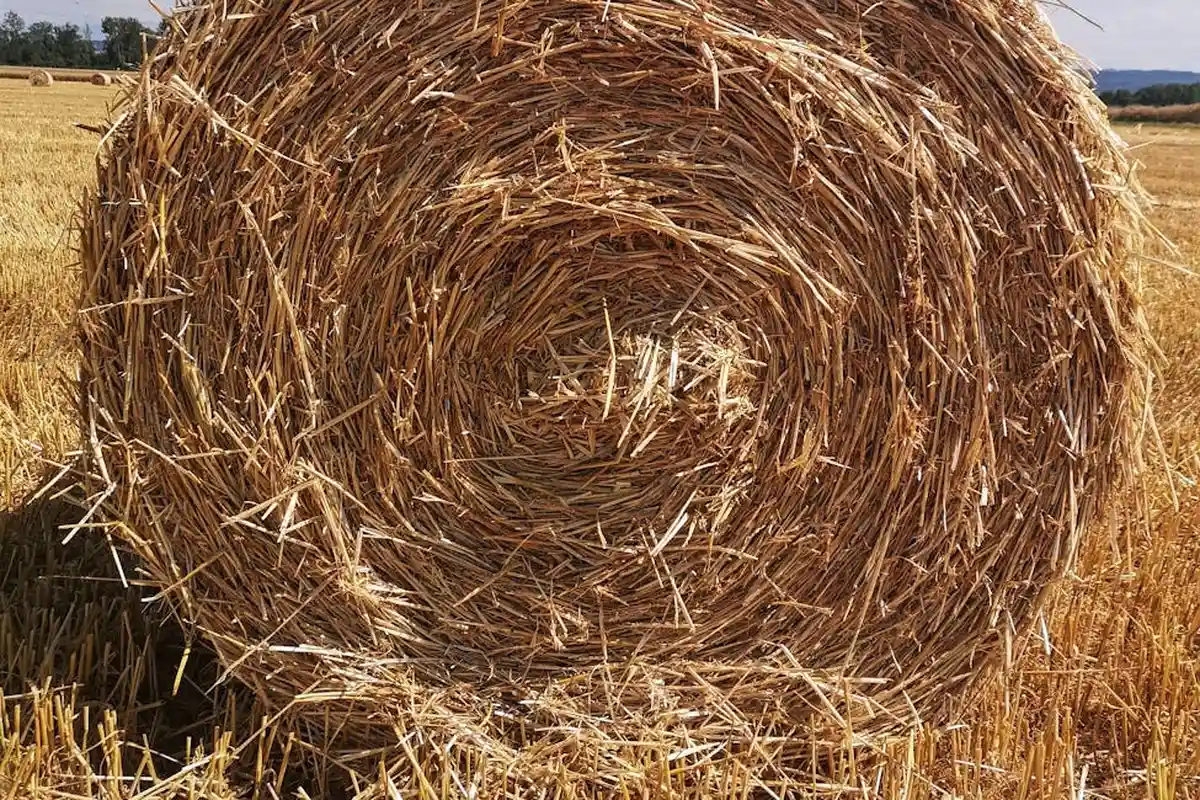
For a successful seeding project, always choose straw over hay to keep unwanted weeds out of your new grass. Spread it thinly so you can still see patches of soil, which lets water penetrate and gives seeds the light they need to sprout thick and strong. For best results, use a proper seed-spreading method to achieve even coverage. A handheld spreader or light raking after sowing can help distribute seed more evenly and boost germination.
Every decision in your yard, from the mulch you use to how you water, should support a safe space for pets and pollinators. I keep learning each season, whether from a quiet morning adjusting Sunny or a stubborn lesson in Patch’s corner, and I hope you find that same steady joy in your own lawn care journey. Whenever you’re ready, a pet-safe lawn fertilization guide can help translate these choices into safe, effective lawn care. It offers practical steps to protect paws and pollinators while keeping your grass thriving.
Related Guides and Information
- Straw vs. Hay: Everything You Need to Know About Hay and Straw
- Straw over grass seed – TractorByNet
- Questions on Hay or Straw Cover on New Grass Seed | Houzz Forum
Written by Ria Carrington. Ria is an avid lawn care enthusiast and advisor. No lawn is unsalvagable when Ria is at work. She has helped countless homeowners breath new life into their dying lawns. She has a B.Sc in Agriculture and brings practical advice combined with knowledge of plant science and her decade worth of hands on experience.