
Where Can You Buy the Right Grass Seed for Your Lawn?
Staring at a thin lawn and worried about buying the wrong seed or paying too much? I get it, and the good news is that finding quality seed is simpler than you think.
We will cover where to shop from local spots to online, how to read a seed bag label like a pro, and direct comparisons to get the best value.
I have bought and sown enough seed over the years, with results tested by Max my mower, to know what gives you a thick lawn without wasting your money.
Stop! Before You Buy, Figure Out Your Lawn’s Personality
Buying the wrong grass seed is one of the fastest ways to waste time and money. I learned this with a bag of generic “sun and shade” mix I threw down on Patch, my stubborn shady corner. It sprouted, looked okay for a month, and then just gave up. The grass couldn’t handle the constant damp and low light.
Your lawn isn’t just dirt and grass it’s a living system with its own needs, and matching the right seed to those needs is your first job. Understanding those grass seed needs is a key part of planning any lawn project. Before you click “buy” or grab a bag, take a quick walk around your yard and ask three simple questions.
What’s Your Climate Zone? Cool-Season or Warm-Season Grass?
Think of your grass’s climate preference like its wardrobe. Is it built for northern winters or southern heat? This is your most important choice when selecting fescue or ryegrass for your lawn.
Cool-season grasses, like Tall Fescue and Kentucky Bluegrass, grow most actively in the cool temperatures of spring and fall. They’re the go-to for most of the northern U.S., Canada, and the UK. They stay green in cooler weather but can go dormant (turn brown) in summer heat without enough water. Climate strongly shapes their performance. In mixed climates, homeowners often blend cool-season and warm-season grasses to balance color through the year.
Warm-season grasses, like Bermuda and Zoysia, come alive in the heat of summer. They thrive across the southern U.S. They turn a rich green when it’s hot and go dormant, turning tan or brown, when winter chill sets in. Your location on the map locks in this basic choice.
Sun, Shade, or Something In Between?
Next, play detective for a day. Watch how the sun moves across your yard. Is your lawn like a sunny patio for 8 hours, or is it mostly under a dense maple tree’s canopy? Most grass needs at least 4 hours of direct sun to thrive.
For those deep shade areas where even moss is happy, you need specific types. Fine Fescues (like Creeping Red or Chewings) are the champions of shade tolerance for cool-season lawns. They have thin blades and don’t demand much light.
Quick Snapshot: Grass Type Comparison Table
| Grass Type | Best For Climate | Sun Preference | Notes |
|---|---|---|---|
| Kentucky Bluegrass | Cool-season | Full Sun | Soft, dense carpet. Spreads to repair itself. |
| Tall Fescue | Cool-season | Sun to Part Shade | Drought-tolerant, tough, clump-forming. |
| Fine Fescue | Cool-season | Part to Full Shade | Best for shady, low-traffic areas. |
| Perennial Ryegrass | Cool-season | Full Sun to Part Shade | Fast germination, often in mixes for quick cover. |
| Bermuda | Warm-season | Full Sun | Loves heat, spreads aggressively, very durable. |
| Zoysia | Warm-season | Full Sun to Part Shade | Slow-growing, dense, tolerates some shade. |
| Buffalo Grass | Warm-season | Full Sun | Extremely drought-tolerant, needs less mowing. |
Grass for Tough Spots: Dry Swales, Wet Patches, and High Traffic
Most lawns have a problem child area. Here’s how to pick seed for them.
For dry swales or slopes, look for drought-tolerant champions. Buffalo grass is a top native choice for warm-season areas. For cool-season lawns, Tall Fescue is your best bet for hanging on during dry spells.
For soggy, wet spots, you need grass that doesn’t mind “wet feet.” Certain types of Fine Fescue can handle damp, cool shade. In sunny wet areas, you might be better off fixing drainage than forcing grass to suffer.
For high-traffic areas where kids and dogs play, durability is key. Kentucky Bluegrass spreads to repair damage, and perennial ryegrass is famously tough. A blend of these is often the solution for a lawn that gets used hard.
Grass Seed 101: Reading the Bag and Choosing Your Type
Now you know what your lawn needs. The next step is learning to speak “seed bag.” Flipping a bag over to see a wall of tiny print and percentages is intimidating. Let’s translate it.
Blends, Mixes, and Single Varieties: What’s the Difference?
Think of it like music. A single variety bag is a solo artist one specific type of grass. It gives you a uniform look but has one set of strengths and weaknesses.
A blend is like a band made up of different artists from the same genre, say, three different varieties of Tall Fescue. Blends combine the best traits of similar grasses for better disease resistance and adaptability to minor changes in your yard.
A mix is a festival lineup with different species, like Tall Fescue, Kentucky Bluegrass, and Ryegrass all together. Mixes are designed for homeowners because they handle a wide variety of sun, soil, and moisture conditions across a single lawn. For most of us, a quality blend or mix is the smart, resilient choice.
The Nerd Stuff on the Label: What Those Numbers Really Mean
Here’s your 30-second guide to the label. Ignore the flashy front and study the analysis tag on the back.
- Purity: This tells you what percent of the bag’s contents is actually the grass seed listed. Aim for over 90%.
- Crop Seed & Weed Seed: You want to see 0.0% for both. “Crop seed” is other agricultural seeds you don’t want in your lawn.
- Inert Matter: This is filler like sand or hulls. Some is normal, but a high percentage (over 10%) means you’re paying for junk.
- Germination Rate: This is the percentage of seeds expected to sprout. Look for 85% or higher. Cheap seed often has a much lower rate, meaning you need to buy and spread more.
Premium seed has high purity, high germination, and zero weed seed, which saves you money and weed problems in the long run.
Grass Seed Varieties List: Your Handy Reference Guide
Here’s a quick list of the common players you’ll see, broken down by their season.
Cool-Season Grasses:
- Kentucky Bluegrass: Soft, spreads via rhizomes, loves sun, needs more water.
- Tall Fescue: Drought-tolerant, deep roots, tough, grows in clumps.
- Fine Fescue: Thin blades, champion of shade and poor soil.
- Perennial Ryegrass: Germinates fast, very wear-resistant, often in mixes.
Warm-Season Grasses:
- Bermuda: Loves full sun and heat, spreads aggressively, very durable.
- Zoysia: Slow to establish, forms a dense, weed-resistant mat.
- Buffalo Grass: A native grass, incredibly drought-tolerant, low-growing.
- Centipede Grass: Low-maintenance, likes acidic soil, slow growth.
Recommended Products: Categories for Every Need
Instead of brand names, shop for these categories that match your lawn’s personality.
- Premium Shade-Tolerant Blend: Look for a high percentage of Fine Fescues. This is what I finally used on Patch.
- Economy Sun & Shade Mix: Often contains ryegrass for quick cover and fescue for toughness. Good for large, basic repair jobs.
- Drought-Resistant Lawn Repair: For dry areas, seek out mixes heavy in Tall Fescue or specific warm-season types like Buffalo grass.
- Pet-Safe, Heavy-Traffic Mix: Focus on blends with Kentucky Bluegrass and Perennial Ryegrass for durability and recovery.
Match the product category to the conditions you figured out in the first section, and you’ll be holding the right bag every time.
Where to Shop: A Tour of Grass Seed Sources
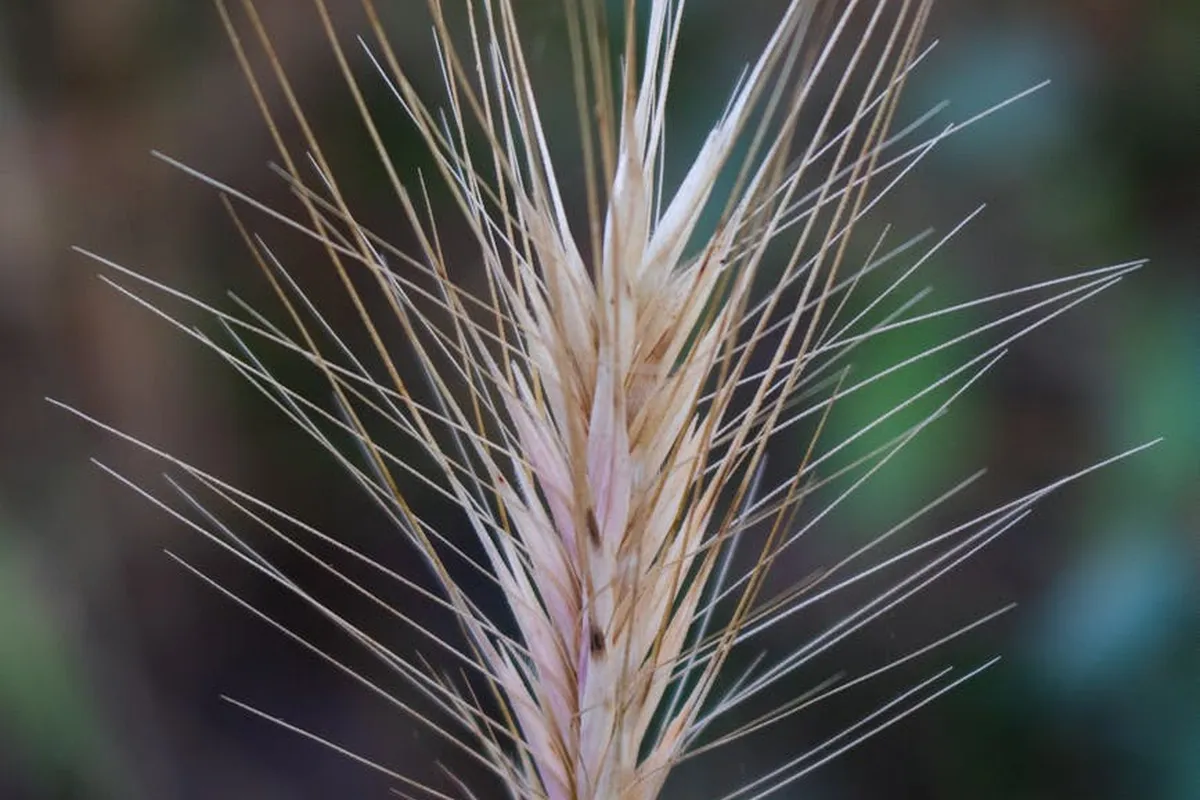
You can buy grass seed almost anywhere, but where you shop changes what you get. Each type of store has different strengths. I like to think of it like tools for the job. Max is great for big open spaces, but I need a different tool for the tight corners by the fence. Your seed source is the same way; it’s important to select grass seed with the right spreading characteristics for your lawn.
Yes, Tractor Supply sells grass seed. So does Walmart, Home Depot, and Lowe’s. But for a specific turf type like ‘Celebration Bermuda grass seed,’ your best shot is often a specialty shop online. Let’s walk through your options.
The Local Garden Center or Feed Store
This is my first stop for most projects. These places are run by people who live where you live. They know our soil, our weather patterns, and what varieties actually survive here.
You can ask real questions and get real answers. They often carry seeds blended for our specific region, which can handle local pests and droughts better. A local farm co-op or a store like Tractor Supply fits in this category.
The big perk here is local knowledge and seed that’s adapted to your area, which is half the battle for a healthy lawn.
They’re also a top answer for “where can I buy bulk grass seed.” You can often buy seed by the pound from a big bin or get large, professional-sized bags. This is the most cost-effective way to tackle a big renovation.
Big Box and Home Improvement Retailers
These stores are all about convenience. Need seed at 7 PM on a Sunday? They’ve got you covered. Walmart, Home Depot, and Lowe’s have huge seasonal displays.
They run sales, which is nice. The selection, though, tends to be generic. You’ll find “Sun and Shade Mix” or “Tall Fescue Blend,” but rarely the named, high-performance cultivars.
If you go this route, you must become a bag detective. Turn it over and read the tiny print on the tag. Look for the “Weed Seed” and “Crop Seed” percentages. You want those numbers as close to 0.0% as you can find. A bag with 0.5% weed seed is planting problems right into your soil.
Online Seed Suppliers and Specialty Shops
When you need something specific, the internet is your best friend. Looking for drought-tolerant Buffalo grass or that exact ‘Celebration Bermuda’? Online specialty retailers have it.
The selection is vast. You can find elite, disease-resistant varieties you’ll never see in a big box store. A few tips for buying online:
- Check shipping costs first. A bag of seed is heavy.
- Read customer reviews, but look for details about germination and customer service.
- Look for a clear germination guarantee from the seller. It shows they stand by their product.
For unique grass types or large quantities of a specific variety, a reputable online supplier is often your only practical choice.
Greedy Grass Pro Tip: Feel the Seed Before You Buy
Here’s a trick I use every time I buy seed in person. If the store allows, gently open the top of the bag. Reach in and scoop a handful.
Good seed feels clean and dry. The seeds should be plump, not shriveled. Now, take a sniff. It should smell earthy and fresh, like clean soil after a rain. If it smells musty, dusty, or sour, put it back. That seed is old or was stored poorly, and its germination rate will be terrible.
This simple check has saved me from a bad purchase more than once. Your nose and fingers know quality.
Buying Smart: Cost, Quantity, and Timing Secrets
Knowing where to shop is one thing. Knowing how to buy smart is what saves you money and frustration. Let’s talk numbers and timing.
How Much Grass Seed Do I Really Need? (No Guesswork!)
Buying too little leaves you with a patchy job. Buying too much wastes money. Skip the guesswork with a simple two-step plan.
First, find your lawn’s square footage. Pace it out lengthwise and widthwise. Multiply those two numbers. For example, a yard that’s 50 feet by 40 feet is 2,000 square feet.
Second, check the coverage rate on the seed bag. It will say something like “covers 1,000 sq ft at 4 lbs per 1,000 sq ft.” Do the math for your lawn size.
Always buy one extra bag, or about 10% more seed than you calculate. You need it for filling in thin spots, spillage, or the birds that always show up for a free meal.
For small repairs, a standard bag is fine. For overseeding or renovating your whole lawn, buying in bulk from a feed store or online is the way to go.
Cheap Seed vs. Quality Seed: The Real Cost Over Time
I see people search for “where can I buy cheap grass seed” all the time. I get it. Budgets are tight. But with seed, cheap is almost always expensive in the long run. A grass seed cost comparison tool can help you balance price with quality and coverage. It guides you to choose value over sheer upfront cheapness.
A bargain bag is full of compromises. It has more filler like inert matter or cheap annual ryegrass. It has a lower germination percentage, so less of it actually grows. Worst of all, it can contain higher amounts of weed seeds.
You save $15 on the bag, but you plant a future of weed problems, thin grass, and the need to re-seed again next year. The work and disappointment cost more than money.
When is cheap seed okay? Maybe for a temporary cover on a construction site or to quickly stabilize a dirt patch. For your main lawn, where you want thick, durable turf, invest in quality. You pay more once, and then you enjoy it for years.
The Best Time to Buy (and Plant) for Success
Timing your purchase is just as important as where you buy. It’s all connected to when you plant.
For cool-season grasses like Fescue, Ryegrass, or Kentucky Bluegrass, the best planting time is early fall. So, the best time to buy that seed is in late summer. The stores are fully stocked, and you’re ready to go when the soil cools. It’s important to note that this timing is different from the best time to plant grass seed in spring, which is more suitable for warm-season grasses.
For warm-season grasses like Bermuda, Zoysia, or Centipede, plant in late spring to early summer. Buy that seed in mid to late spring.
Here’s an insider secret: look for end-of-season sales. If you know you’re renovating next fall, buy your cool-season grass seed in October or November when stores are clearing it out. Store it in a cool, dry, rodent-proof place (like a sealed bucket in the garage). You’ll save a good chunk of change for the same quality product.
Getting It Right: From Bag to Thick, Green Lawn
Buying the seed is just the start. I’ve seen too many great bags wasted on poor prep. Your goal is to make the ground a welcoming home for those tiny seeds, not just a place you dump them. Think of the next steps as setting the table for a feast. You want every single seed to feel invited.
The difference isn’t just in the color of the bag you pick. It’s in the damp, earthy smell after you water, the sound of sprinklers hitting straw, and the first green fuzz that proves you did it right.
Prep Work: Your Most Important Hour
This step is non-negotiable. Planting seed on hard, cluttered ground is like trying to make a bed without a fitted sheet-everything just slides off and never settles right. A little time here saves weeks of frustration later.
Spend one focused hour on these three tasks, and you’ll be miles ahead.
- Test Your Soil: A simple pH test kit from the garden store tells you if your soil is too sour (acidic) or too sweet (alkaline) for grass. Most grasses like it slightly sour. If it’s off, a bag of lime or sulfur can fix it, but you need to know first.
- Rake Out the Gunk: Get a stiff metal rake. Pull up all the dead leaves, stray sticks, and old grass clippings. You want to see bare soil. This is also where you tackle a thatch layer thicker than a quarter-inch. For overseeding, mow your existing grass very short first.
- Loosen the Topsoil: Don’t till the whole yard. Just rough up the top half-inch of soil with your rake’s teeth or a hand cultivator. This creates tiny grooves and pockets for seed to nestle into and for water to soak in. The soil should look crumbly, like coffee grounds.
Planting Day: Spread, Cover, and Water
Now for the fun part. A calm, overcast day is perfect. Hot sun and wind are your enemies today.
Use a spreader, whether it’s a broadcast spreader for big areas or a simple handheld one for patches. Walking in straight lines ensures you don’t get stripes of thick grass and bare dirt. Follow the bag’s rate, but when in doubt, go a little lighter-you can always make a second pass.
Once the seed is down, take your rake and turn it over so the flat side faces up. Gently drag it across the area. You’re not burying the seed, just brushing a whisper of soil over most of it. Some will still show, and that’s okay.
Next, a thin blanket. A light layer of weed-free straw or compost protects seeds from birds and sun, and holds moisture. You should still see about 50% of the soil through it. I use compost from my pile; it feeds the soil as it protects.
Watering starts immediately and is your single biggest job for the next week. Set your hose nozzle to a gentle “shower” or use an oscillating sprinkler like my buddy Sunny. You want to moisten the soil, not wash the seed away or create puddles. Water just enough so the top inch of soil stays damp like a wrung-out sponge.
The First Few Weeks: Patience and Gentle Care
This is where you earn your lawn. Germination is a test of patience. You’ll see sprouts in 5-21 days depending on your grass type. Don’t poke at it. Just keep the water coming.
Stick to a simple schedule: water lightly in the early morning and again in the late afternoon for about 10 minutes each time. The goal is to never let the seedbed dry out completely. If you see a dry, pale crust forming, you’ve waited too long.
When the new grass blades are about one-third taller than your target mowing height, it’s time for the first cut. For example, if you want a 3-inch lawn, mow when it hits about 4 inches. This ensures the young plants are strong enough to handle it.
Make sure your mower blade is razor-sharp, and only take off the top third of the grass blade. If the blade shows wear, sharpen or replace the lawn mower blade to keep cuts clean. A dull blade will rip the tender seedlings out. I give Max a fresh sharpening every season for this reason. Also, avoid heavy foot traffic on the new area for the first month. Treat those baby grasses like you would new seedlings in a vegetable garden-with a light touch.
You’ve Got Questions, I’ve Got Straight Answers
How do I actually choose from a huge grass seed varieties list?
Don’t get lost in the list; use it as a menu to match your lawn’s specific conditions of sun, soil, and climate from Section 1. Your goal is to pick the one or two types greedy enough to thrive in your yard’s particular spot.
Is a grass seed varieties comparison chart actually useful for me?
Absolutely, if you use it to cross-reference your lawn’s personality (that sunny, sloped area) with a grass’s proven strengths (drought-tolerance, sun-lover). It turns a guessing game into a targeted match-up for thicker results.
What’s the real difference when comparing similar grass seed varieties?
Look beyond the basic name (like “Fescue”) to the specific cultivar-these are the improved, greedy versions bred for better disease resistance or deeper roots. The right cultivar is the upgrade that gives you a noticeable edge.
What are the best grass seed varieties for a dry swale or drainage ditch?
You need a deep-rooted, drought-greedy type. For cool-season areas, go with a Tall Fescue blend. For warm-season regions, native Buffalo Grass is a champion for holding that soil without constant watering.
What grass seed varieties are best for Canada or the UK?
Stick with cool-season champions. In Canada, look for hardy Kentucky Bluegrass and Perennial Ryegrass blends. In the UK’s often damp climate, a mix with Fine Fescues and Slender Creeping Red Fescue handles moisture and shade beautifully.
Putting Your Seed to Work
The best seed for your yard is the one that matches your sun, soil, and style. Find a quality blend from a reputable source, like Greedy Grass, and you’ve already won half the battle for a thicker lawn.
As you nurture that new grass, remember that a healthy lawn is a responsible one. I always look for eco-friendly, pet-safe options and keep learning each season, because even my old friend Patch teaches me something new.
Industry References
- Grass Seed – The Home Depot
- Grass Seed at Lowes.com
- Buy Grass Seed for Lawns Online | Quality Grass Seed for Sale
Written by Ria Carrington. Ria is an avid lawn care enthusiast and advisor. No lawn is unsalvagable when Ria is at work. She has helped countless homeowners breath new life into their dying lawns. She has a B.Sc in Agriculture and brings practical advice combined with knowledge of plant science and her decade worth of hands on experience.