
What Fertilizer Should You Buy for Your Specific Trees?
Staring at rows of fertilizer bags can make you wonder if you’re about to waste money or, worse, harm your trees. Let’s clear up the confusion with some straight talk.
We will cover how to decode those three-number fertilizer labels, pick the right type for common species like maples and pines, and the smartest times and methods to feed them.
I’ve fed everything from young saplings to mature oaks in my yard, learning which fertilizers give real results without emptying my wallet.
At a Glance: Key Factors for Choosing Tree Fertilizer
Picking fertilizer isn’t a one-size-fits-all job. It’s like matching food to a pet’s specific diet. What works for a fruit tree might be overkill for a grand old oak in your backyard. I think about it every time I feed the big maple near Patch, my problem corner. You have to consider the individual—especially when selecting fertilizers for trees and ornamental shrubs.
Four factors guide my choice every single time.
- Tree Species: Is it a hungry fruit producer like an apple, or a slower-growing shade tree like a red maple? Fruit trees often need more phosphorus for blooms and fruit.
- Soil Test Results: This is your cheat sheet. You can’t know what’s missing unless you test. It saves you money and prevents guesswork.
- The N-P-K Numbers: Those three numbers on the bag tell you the nutrient story. We’ll break that down next.
- Time of Year: Early spring is generally best for a feeding, as the tree wakes up. Fall feeding can help roots, but you must time it so new growth hardens off before frost.
A balanced fertilizer, like a common 10-10-10, acts like a daily multivitamin. A specialized formula with a high middle number (phosphorus) is more like a targeted supplement for a specific need, like boosting flowers.
Focus on building healthy soil with good organic matter, and you’ll find your trees need less bottled help from you over time.
My drip system, Sunny, keeps moisture consistent, which helps nutrients move. But it all starts with knowing what you’re working with.
Tree Fertilizer 101: What’s in the Bag?
When you’re standing in the garden aisle, you’re really choosing between two philosophies: organic and synthetic. One feeds the soil, the other feeds the plant directly. I use both, depending on the job.
First, let’s decode those N-P-K numbers. They’re always listed in the same order.
- Nitrogen (N): This is for green, leafy growth. Think of it as the engine for the canopy.
- Phosphorus (P): This supports strong roots, flowers, and fruit. It’s the foundation builder.
- Potassium (K): This is for overall health, like a tree’s immune system. It helps with disease resistance and handling stress from heat or cold.
You’ll see fertilizers in a few common forms. Slow-release granules are my go-to for most trees. You apply them once, and they feed gradually with rain or watering. It’s a set-it-and-forget-it approach. Fast-release liquids are like a quick fix for a visible deficiency, but they require more care. Slow-release vs. quick-release fertilizers both have their place in gardening, depending on your needs.
The form you choose-spikes, granules, liquids, or plain compost-changes how you interact with your tree and how often you need to do it.
Organic Fertilizers: The Slow Food Movement for Trees
This is where I start for building long-term health. Organic options feed the microbes in the soil, which in turn feed your tree. It’s a slower, gentler process. Types you’ll often see include:
- Compost (my top recommendation for overall soil health)
- Aged manure (cow or chicken, but it must be aged!)
- Bone meal (high in phosphorus for roots and blooms)
- Fish emulsion
The pros are significant. Organic matter improves your soil texture, making it hold water and nutrients better, just like a damp sponge. They are inherently pet-safe and pollinator-friendly once applied. The con is patience. You won’t see a dramatic green-up in a week.
Is fish fertilizer good for fruit trees? Absolutely yes. Fish emulsion provides a mild, balanced nitrogen boost and trace minerals that fruit trees love, especially in the early growing season.
It’s a gentle food that won’t shock the system. Just be ready for the smell for a day or two. I use it on my young trees and always see a happy response in the leaves.
Synthetic Fertilizers: The Precision Approach
When you need a specific nutrient, fast, synthetics are the tool. These are manufactured compounds, like water-soluble powders you mix in a can or controlled-release coated granules.
The advantage is precision. If your soil test says you’re drastically low in potassium, you can buy a bag with a high third number (like 0-0-22) and deliver exactly that. You get a quick, measurable result.
The risk is in the handling. It’s very easy to over-apply. Applying synthetic fertilizer on wet grass or too close to the trunk can “burn” the roots, leaving yellow or brown streaks in the grass and stressing the tree.
Always follow the label rates religiously, and when in doubt, use less than recommended. Water it in deeply immediately after application.
I keep a synthetic, high-nitrogen fertilizer on hand for my lawn, but for my trees, I lean organic unless a test tells me otherwise. It’s about working with the soil you have, not just forcing growth upon it.
Matching Fertilizer to Your Tree Type: From Apples to Maples
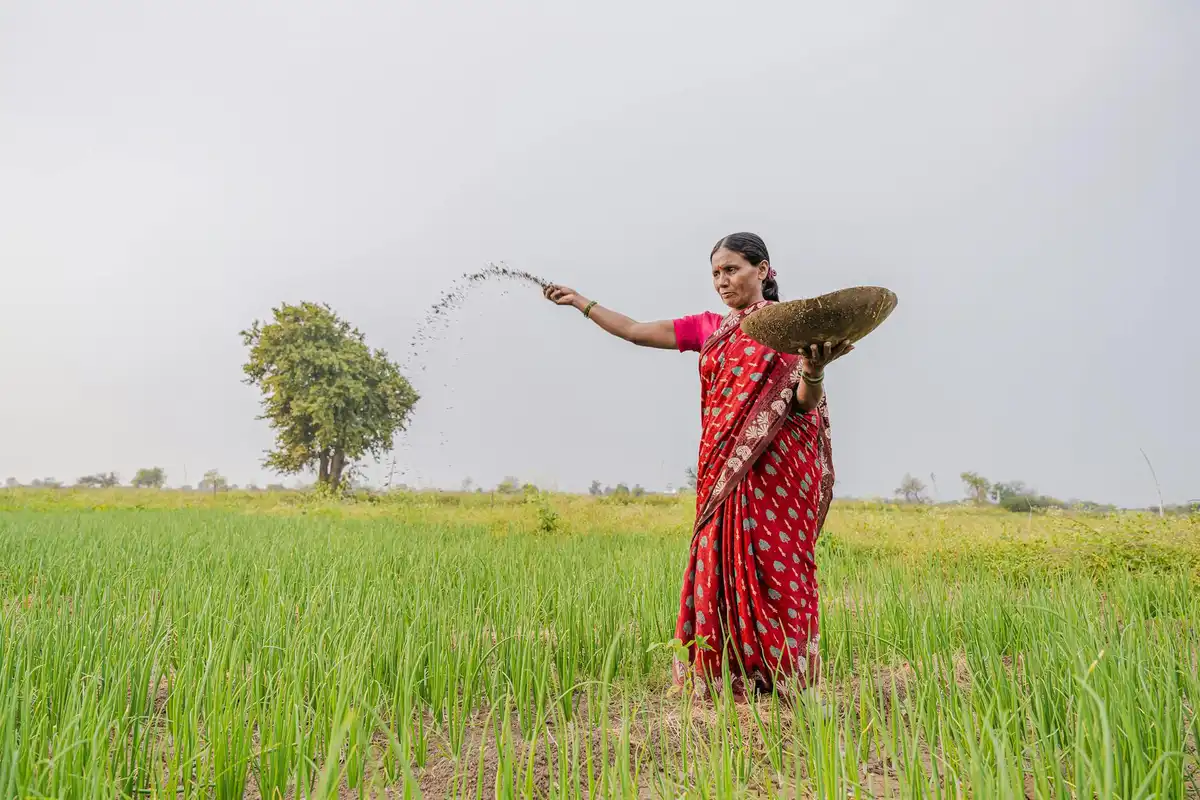
You don’t just serve the same meal to a toddler and a teenager. Your trees are the same way. Each type has a specific hunger, and matching the right feed solves problems before they start, like sparse blooms or weak growth. Let’s organize this by the common trees you likely have in your yard.
Feeding Fruit Trees for a Better Harvest
Fruit trees work hard. They need energy for leaves, spectacular spring blooms, and then for swelling those blooms into fruit. This means their diet leans heavier on phosphorus (for roots and flowers) and potassium (for overall plant health and fruit quality) than a standard lawn fertilizer.
So, what fertilizer for apple trees? A specialty fruit tree fertilizer with a ratio like 5-10-10 is a great choice. It gives that extra boost for flowering and fruiting without pushing too much leafy growth from high nitrogen. Is 10-10-10 fertilizer good for fruit trees? It can work as a general maintenance feed for young, non-bearing trees, but for trees you expect fruit from, a blend tailored for fruit is better. Understanding fertilizer requirements for healthy plants helps guide future care. These guidelines support steady growth and fruitful yields.
How much fertilizer for fruit trees? Keep it simple. For a young tree, one cup of a balanced fertilizer in its second year is plenty. For a mature tree with a trunk about 6 inches across, you might use 3 to 5 pounds of a granular feed spread under the canopy. I always err on the side of less. You can add more later, but you can’t take it back.
Can you use citrus fertilizer on avocado trees? Absolutely. Both are acid-loving trees that crave similar micronutrients like iron and zinc. A citrus and avocado mix is formulated for them. If you use it, just follow the label rates carefully.
Ornamental and Flowering Trees
Your cherry, dogwood, or redbud is all about the show. You want vibrant blooms and healthy foliage. For these, look for a fertilizer where the middle number (phosphorus) is higher. A formula like 10-30-10 tells the tree to focus energy on flower production.
I use a slow-release, bloom-boosting fertilizer in early spring, just as the buds begin to swell. The goal is to feed the flower buds that formed last year, setting the stage for this spring’s performance. Avoid high-nitrogen lawn fertilizers commonly used in spring for lawns. They’ll give you lots of leaves at the expense of those beautiful blooms.
Evergreens and Conifers (Pines, Spruces, etc.)
These trees are the steady, low-maintenance friends in your yard. They don’t need a heavy meal. In fact, too much fertilizer, especially quick-release nitrogen, can cause weak, spindly growth that’s prone to damage.
They thrive on consistent, mild feeding. A slow-release, balanced fertilizer (like a 10-10-10) applied once in early spring is often sufficient. Timing matters for trees, shrubs, and evergreens—fertilize in early spring to fuel fresh growth. Keep a light, even application and avoid late-season feeding. For evergreens, what you put on the soil surface is as important as what you put in it; a ring of organic mulch like pine bark breaks down slowly, naturally acidifies the soil, and feeds the roots gently.
If your needles look pale or yellow, an acid-loving plant food or a treatment with chelated iron can help, especially if your soil is more alkaline.
Shade Trees (Maples, Oaks, etc.)
Your big maples and oaks are engines of growth, building massive root systems and broad canopies. A balanced fertilizer (like 16-4-8) or one slightly heavier in nitrogen can support this steady growth in young trees.
Here’s the key point most homeowners miss. An established, mature shade tree often needs little to no supplemental fertilizer from you. Its root system is vast, pulling nutrients from a huge area. My old oak in the back gets nothing but the mulched grass clippings from Max’s passes. If you do feed a mature tree, it’s usually to correct a specific deficiency, not for routine growth.
For a young shade tree you’re trying to establish, a light application of a slow-release fertilizer in the spring can help it get settled. Focus on the root zone under the drip line, not right against the trunk.
Reading the Leaves: Signs Your Tree Needs a Nutrient Boost
Think of your trees like family. You know when someone looks a bit pale or tired. Your trees send signals too. You just need to know how to read them. It’s not about being a scientist. It’s about being a good observer.
I learned this with Patch, my stubborn shady corner. The plants there always looked a little off. Paying attention to the leaves taught me more than any bag of fertilizer ever could.
Your first step is always simple observation before any action.
Yellowing Leaves (Often Nitrogen Deficiency)
Nitrogen is the engine of green growth. When it runs low, the tree starts to ration it. It pulls nitrogen from the oldest leaves to support new ones. So, you’ll see the yellowing start on the older, lower leaves first. They turn a pale, washed-out yellow.
It’s a common cry for help, but don’t just grab a high-nitrogen fertilizer. I’ve made that mistake. It’s like giving aspirin for a headache that’s actually a sign of dehydration.
A simple, inexpensive soil test is the best way to confirm a nitrogen shortage before you feed.
Poor Growth or Sparse Leaves
Is your tree just not filling out? Are the branches looking a bit bare compared to last year? This is a broader symptom. It could be a lack of several nutrients, not enough water, or even compacted soil around the roots.
This is where guessing can waste your time and money. Sparse growth tells you something is wrong, but it doesn’t pinpoint the culprit.
Poor growth makes the strongest case for getting a professional soil test to understand exactly what’s missing from your soil’s recipe.
Leaf Discoloration (Iron, Magnesium, Potassium)
This is where your detective work gets specific. The pattern of color change tells you a lot.
Interveinal Chlorosis (Iron or Magnesium): This is a fancy term for a simple clue. The leaf turns yellow, but the veins stay dark green. It looks like a green road map on a yellow background. In our acidic soils here, this often points to an iron deficiency. The tree can’t absorb the iron that’s already there.
Leaf Scorch or Curling Edges (Potassium): Potassium helps with overall plant health and water use. Without enough, leaves can look burnt around the edges or start to curl. They might get a purplish tint underneath. It’s the tree’s version of being stressed and dehydrated.
Seeing these distinct patterns is your signal to stop and test your soil pH and nutrient levels. Applying the wrong fix can lock nutrients up tighter.
How to Fertilize: New Plantings vs. Established Giants
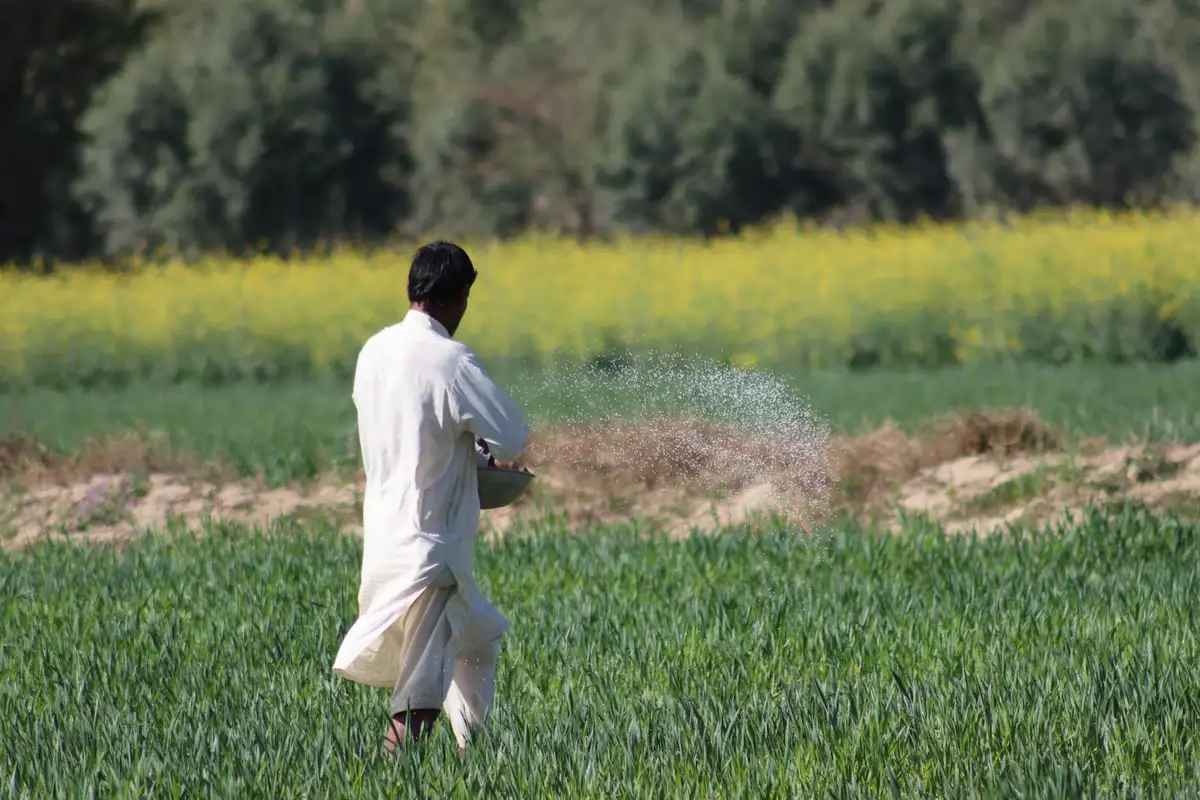
Picking the right fertilizer is half the job. The other half is knowing how to serve it. You wouldn’t pour a full bag of food in front of a sapling any more than you’d give a toddler a steak dinner. The method you use to feed a tree is just as important as the nutrients you provide.
The Right Start for a New Tree
When you plant a new tree, you might feel the urge to give it a big meal to help it grow. Resist that feeling. Those young, tender roots are sensitive. Shoveling a strong fertilizer directly into the planting hole is like pouring salt on a wound; it can burn the roots and set the whole tree back.
My rule is simple: at planting time, skip the bagged fertilizer. Instead, mix a generous amount of finished compost into the native soil you’re using to backfill the hole. This improves soil structure gently and provides a slow, steady trickle of nutrients. If you want a little extra boost, a very mild, water-soluble starter solution can be used, but compost is often all you need.
The first year is all about the roots, not the branches. Here’s a feeding schedule I’ve followed with success:
- At Planting: Compost only.
- Early Summer (6-8 weeks after planting): If growth seems slow, apply a light dose of a balanced, slow-release fertilizer in a wide ring around the tree, well outside the root ball. Water it in gently.
- Late Fall: Do not fertilize. The goal is to let the tree harden off for winter, not push new, frost-sensitive growth.
Think of that first year as helping the tree build a strong, wide foundation underground. The show above ground will follow.
Caring for Established Trees
Your mature oak or maple is a different beast. Its feeding zone isn’t at the trunk. The most active roots that take up water and nutrients are out near the “drip line.” Imagine the outer edge of the tree’s branches as an umbrella. The “drip line” is where rain would drip off the edge. That’s your target.
Applying fertilizer at the drip line feeds the tree where it can actually use the nutrients, instead of wasting them on the soil near the trunk. I scatter the granules in a wide band starting a few feet from the trunk and extending a foot or two past the drip line.
The practical steps are straightforward:
- Calculate how much fertilizer you need (see below).
- On a calm day, scatter the granules evenly over the target area.
- Water them in deeply. This is where I put “Sunny,” my drip system, to work. A long, slow soak helps move the nutrients down to the root zone without running off.
For a simple “how much” calculation, you can use the trunk’s diameter. Measure the trunk at about chest height. For every inch of diameter, use 1 to 2 pounds of a balanced, slow-release granular fertilizer. A tree with a 10-inch trunk would get 10 to 20 pounds, spread over that large drip line area. It’s not an exact science, but it’s a reliable, homeowner-friendly place to start.
Seasonal Smarts: When to Feed Your Trees for Best Results
Think of fertilizing your trees like planning meals for a busy week. You don’t eat a huge steak right before a nap, and you don’t skip breakfast before a long day of work. Timing the nutrients correctly gives your trees the energy they need, exactly when they need it.
The right fertilizer at the wrong time is a waste of your money and can even stress the tree.
Early Spring: The Wake-Up Call
This is breakfast for your trees. As the soil warms up, the roots wake up hungry, ready to fuel a burst of new leaves and branches. I aim for when the forsythia bushes start blooming in my yard, a classic old-timer’s sign.
Apply a balanced, slow-release fertilizer. This gives a steady supply of nutrients as the tree enters its main growth spurt. It’s not about a quick sugar rush. It’s like a hearty, slow-cooked oatmeal that keeps you going all morning.
I treat my young maple with a gentle organic blend in early spring, and by June, its canopy is so thick it casts a shadow over Patch, my weedy corner.
Late Spring/Early Summer: Fruit and Flower Support
For trees that give you apples, peaches, or spectacular blooms, a light snack can be helpful. If you choose to feed, do it right after the petals fall and the tiny fruit begins to form. This supports the tree during this energy-intensive period.
Use half the rate you would in early spring. This isn’t a full meal, it’s a supportive boost.
Here is the critical part: stop fertilizing by mid-summer.
Fertilizing in late summer is like giving a kid espresso before bedtime; it pushes out tender new growth that won’t harden off before the first frost. That soft tissue turns black and dies, opening the door for disease. It’s the same reason I stop feeding my lawn nitrogen in late summer.
Fall: The Root-Reinforcing Meal
While the top of the tree is slowing down, the roots are having a secret party underground. Soil stays warm longer than air, so roots are actively growing and storing energy for spring.
An early fall fertilizer, applied when the nighttime air gets crisp but well before the ground freezes, helps this process. Look for a blend with a higher last number (the potassium, or ‘K’ on the bag).
Potassium is like a vitamin for plant cells, improving their strength and hardiness. It helps roots toughen up and makes the entire tree more resilient to winter cold, drought, and disease.
This fall feeding is as fundamental to tree health as fall overseeding is for a thick lawn. It’s an investment in the foundation, not the flashy show. I do this while I’m also prepping my grass for winter, making one efficient chore out of two.
Soil Testing: The First Step Before You Fertilize
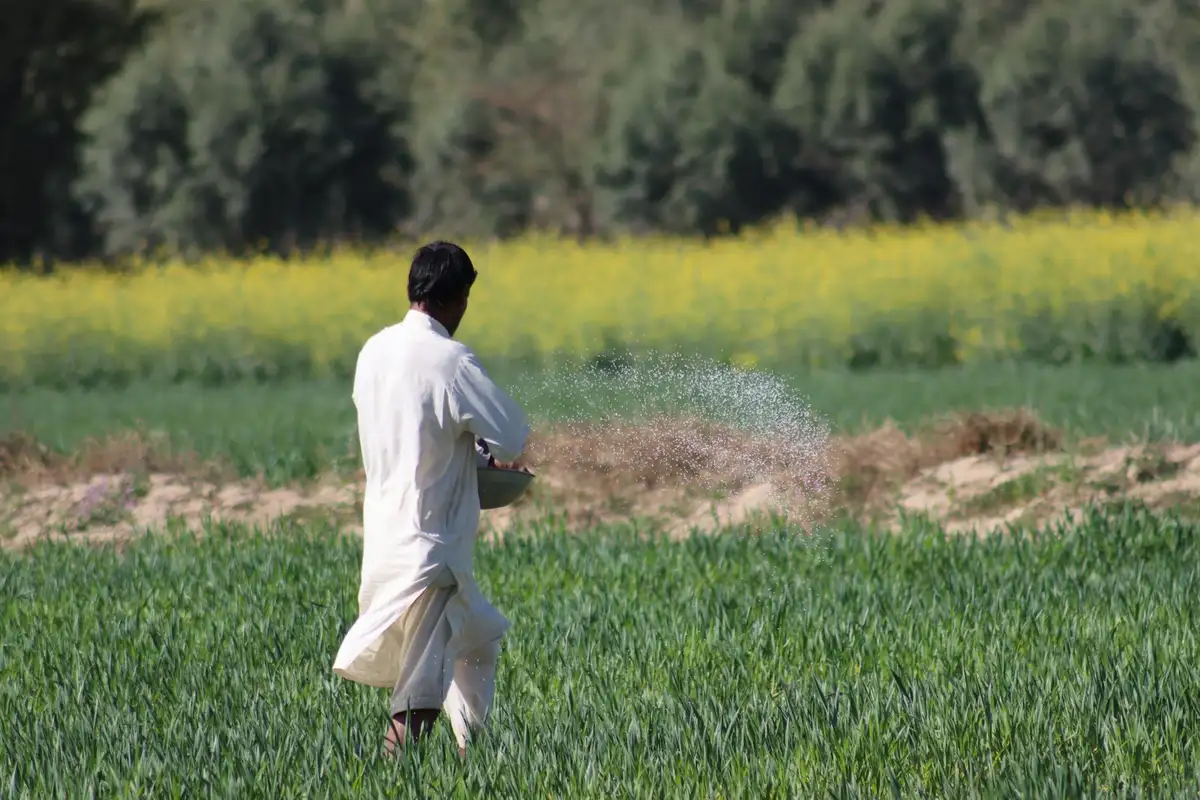
Never, and I mean never, buy a bag of tree fertilizer without checking your soil first. You wouldn’t just pour oil into your car without checking the dipstick, right? Guessing at fertilizer is a fantastic way to waste a lot of money and potentially harm your tree by throwing its soil chemistry even further out of balance. That shady spot where Patch lives taught me this the hard way; I kept adding nitrogen, but the real problem was acidic, compacted soil that couldn’t use any of it.
How to Get a Simple Soil Test Done
This is easier than changing a mower blade. You have two great options.
- Your Local Cooperative Extension Office: This is my top recommendation. For a small fee, they give you a professional analysis. You just collect soil samples from under your tree’s drip line, mail them in, and get a detailed report back.
- A Reliable DIY Home Test Kit: These are available at garden centers. They’re less precise than a lab test, but they give you a solid ballpark reading, which is miles better than nothing.
That report or kit reading tells you three critical things: your soil’s pH (whether it’s sour or sweet), and the levels of the big three nutrients-Nitrogen (N) for green growth, Phosphorus (P) for strong roots, and Potassium (K) for overall health.
Amending Soil Based on Results
Now you get to play doctor. Your test results are the prescription.
- pH is Too Low (Acidic Soil): Add garden lime. It gently raises the pH so your tree can actually access the nutrients in the soil.
- pH is Too High (Alkaline Soil): Add elemental sulfur or aluminum sulfate. This slowly lowers the pH back into a better range.
- Poor Overall Soil Health: Add compost. This is the magic fix for many problems. It improves drainage in clay, helps moisture retention in sand, and slowly feeds a whole world of beneficial microbes.
Focusing on these soil amendments first often reduces or completely eliminates your need for synthetic, bagged fertilizer. Healthy soil feeds the tree. It’s slower, but it’s the way Sunny, my drip system, works-steady, consistent, and deeply effective. Building good soil is the most important fertilizer you can ever give.
Choosing Your Path: Organic, Synthetic, and Recommended Product Types
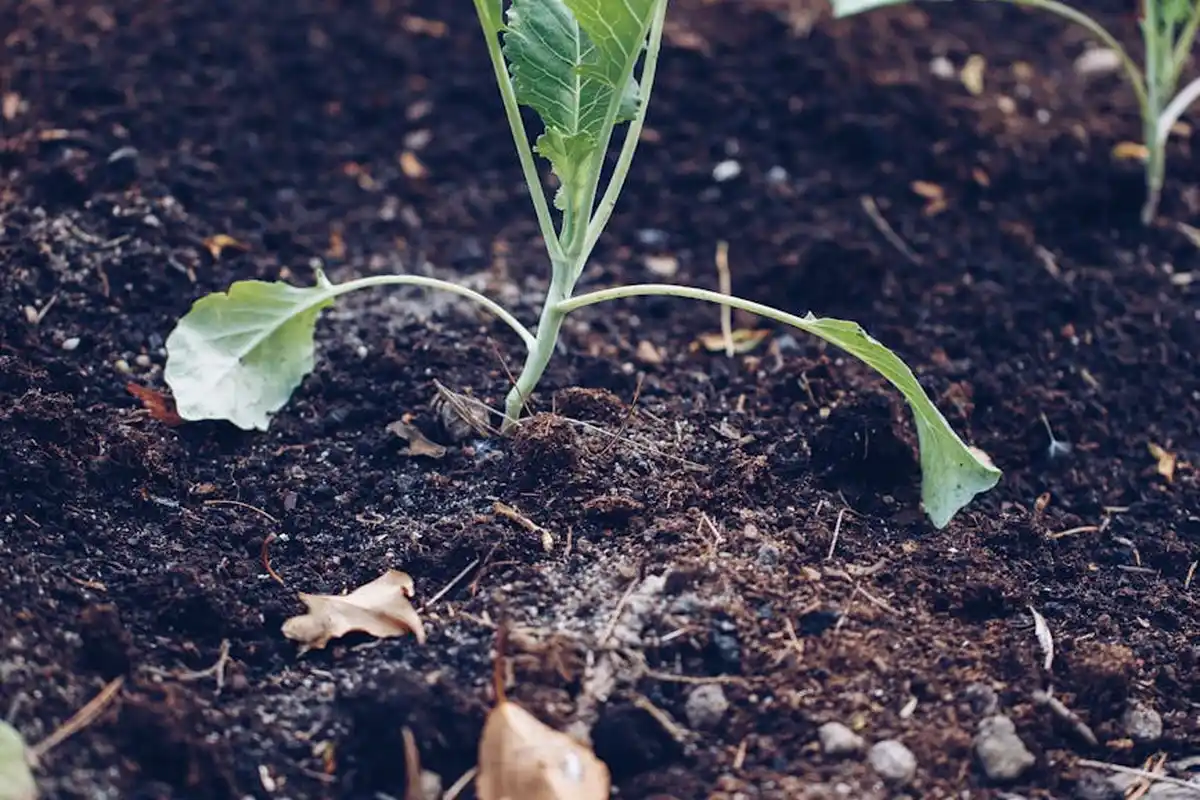
You have two main roads to travel for feeding your trees. Both lead to growth, but the journey is different. Your choice really comes down to your goal. Are you racing to fix a specific problem, or are you slowly, steadily building something incredible for the long haul? The best approach fits your time, your patience, and your overall vision for your yard.
The right choice for you is the one that matches your lifestyle and keeps your yard safe for kids, pets, and pollinators.
The Organic-Only Route
This is the slow food movement for your trees. You’re feeding the soil, and the soil feeds the tree. Think of it like making your own rich compost instead of buying a vitamin pill. It’s a system, not a one-time event.
The system works in layers. Every spring, I give the root zones of my trees a good top-dressing with about an inch of finished compost. This isn’t just food. It improves soil structure, helping it hold water like a sponge and letting roots breathe. Through the growing season, I’ll use organic meal fertilizers, like bone meal or alfalfa meal, scratched gently into the soil surface. These break down slowly, releasing nutrients when the tree needs them. Finally, a fresh layer of wood chip mulch goes on top to lock in moisture and keep weeds down.
This path is more hands-on and requires patience, but over years it creates a living, healthy soil that supports your trees and everything around them with zero risk of chemical burn or runoff.
The Synthetic Fertilizer Plan
Synthetic fertilizers are precise and fast. If a soil test shows your tree is critically low in potassium, a synthetic potash boost can correct that in weeks, not months. They come with clear numbers on the bag, so you know exactly what you’re applying. This is the tool you grab for a specific, urgent job.
With that power comes responsibility. You must follow the label rates exactly. More is not better. Over-applying can burn tender roots, force weak, sappy growth that attracts pests, and contribute to nutrient runoff into waterways. It’s like giving your tree a double shot of espresso instead of a steady cup of tea.
Many folks see bags labeled 15-15-15 or 16-16-16 and ask if they’re good for fruit trees. Those numbers mean the fertilizer has equal parts nitrogen, phosphorus, and potassium. A balanced fertilizer like that is only “good” if a soil test confirms you need equal amounts of all three nutrients. Throwing it on “just in case” is wasteful and can throw your soil chemistry out of balance. For most established trees, the need isn’t perfectly equal.
Recommended Product Categories to Look For
Don’t feel you have to pick just one type of product. I have different tools for different jobs on my mower, Max, and the same logic applies here. Here are the categories to keep in your shed:
- Slow-Release Granular Fertilizers: These are the workhorses, whether organic or synthetic. The granules break down over weeks, providing a steady feed. They’re perfect for your main spring or fall feeding.
- Water-Soluble Blends: These powder or liquid feeds mix with water. They act fast to green up a stressed tree or correct a deficiency spotted mid-season. Use them as a targeted supplement, not your main meal.
- Organic Fruit Tree Spikes: These are pre-measured stakes you drive into the ground. They’re incredibly simple and minimize any risk of over-application, making them a great low-effort, organic option for beginners.
- Biostimulants (like Kelp Extract): Think of these as a health tonic, not a fertilizer. They contain natural compounds and hormones that help reduce plant stress and improve root growth. I add a little kelp extract to my watering can a few times a season for an extra boost.
Having a slow-release granular for scheduled feedings and a water-soluble option for quick fixes covers 95% of what your trees will ask for.
Greedy Grass FAQ: Your Tree Fertilizer Questions, Answered
Can I just use my leftover lawn fertilizer on my trees?
I wouldn’t. Lawn fertilizers are often high-nitrogen, which pushes leafy growth at the expense of strong roots and flowers for your trees. It’s like feeding a marathon runner nothing but candy-quick energy, but a poor foundation for long-term health. Unlike specialized fertilizers designed for environmental balance.
Is it okay if I just never fertilize my trees?
For established, mature shade trees, often yes-they’re great scavengers. But for young, flowering, or fruiting trees, skipping fertilizer is like skipping meals; they’ll survive, but they won’t thrive or put on their best show for you.
What’s the one biggest mistake homeowners make when fertilizing trees?
Applying fertilizer right against the trunk. That’s a no-feed zone. You want to spread it under the drip line where the thirsty roots actually are, otherwise you’re just wasting your money and potentially harming the tree.
I missed the spring feeding window. Is it too late to fertilize?
If it’s mid-summer, yes-hold off to avoid forcing tender new growth before frost. Your next best move is a fall root-strengthening feed with a higher potassium (K) number to help them bunker down for winter.
How do I keep fertilizing safe for my kids and pets?
Go organic with options like compost or bone meal, which are safe once applied. If using synthetic, always water it in deeply immediately after to wash granules off the grass surface and reduce any risk.
Final Thoughts on Feeding Your Trees
The best place to start is with a simple soil test. Matching your fertilizer choice to what your specific tree actually needs is the single most important step you can take for its health. This avoids waste and gives you the biggest return for your effort.
Remember, responsible care means having patience and respecting the bigger ecosystem in your yard. Learning from your trees and staying curious about their needs is what turns a good homeowner into a great one.
Citations and Authoritative Sources
- What is The Best Fertilizer for Trees? A Comprehensive Guide – A Plus Tree
- A Gardener’s Guide to Fertilizing Trees and Shrubs | NC State Extension Publications
- Fertilizing shade and ornamental trees | OSU Extension Service
- r/arborists on Reddit: Best way to fertilize garden trees?
- Best Tree Fertilizers | TreeStuff
- Best Fertilizer for Trees – Fannin Tree Farm
Written by Ria Carrington. Ria is an avid lawn care enthusiast and advisor. No lawn is unsalvagable when Ria is at work. She has helped countless homeowners breath new life into their dying lawns. She has a B.Sc in Agriculture and brings practical advice combined with knowledge of plant science and her decade worth of hands on experience.