
How Often Should You Fertilize Your Lawn and Garden Plants?
Are you tired of guessing when to fertilize, wasting money on products that don’t work? You’re not alone, and getting it right is simpler than you think.
In this article, we will cover the key seasonal schedules for lawns versus gardens, how to spot signs your plants are hungry, and my tested strategies for lush results without overspending.
I’ve dialed in this routine over countless seasons with my own lawn, learning what truly works from the seat of my mower.
At a Glance: Your Fertilizer Frequency Cheat Sheet
Think of this as your quick-start guide. It’s the baseline schedule I follow before I consider all the variables in my own yard.
| What You’re Feeding | Typical Feeding Times Per Year | Key Growth Windows |
|---|---|---|
| Cool-Season Grass (Fescue, Kentucky Bluegrass, Ryegrass) | 2-4 times | Early fall (most important), late spring, sometimes early spring & late fall. |
| Warm-Season Grass (Bermuda, Zoysia, St. Augustine) | 3-5 times | Late spring through summer, as it’s actively growing in the heat. |
| Vegetable Gardens & Annual Flowers | Every 4-6 weeks | Throughout their growing season, starting a few weeks after planting. |
| Established Shrubs, Trees & Perennials | 1-2 times | Early spring as growth starts, sometimes again in early summer. |
The single most important rule is to feed your lawn and plants when they are awake and hungry, not when they are sleeping. Fertilizing during dormancy is a waste of product and can harm the environment. This chart is your solid starting point. Your actual schedule will depend on the factors we’re about to go through.
What Decides How Often You Fertilize? The Big Four Factors
If you want to move beyond a basic schedule, you need to look at these four things. They explain why your neighbor’s perfect lawn plan might fail in your yard.
Think of your soil as a savings account and fertilizer as your deposits. A soil test is your account statement. It shows your balances (nutrient levels) and tells you exactly what you’re missing so you don’t make useless deposits. Without a test, you’re guessing.
- Grass Type: This is the biggest divider. Cool-season and warm-season grasses have completely opposite active growing seasons. Getting this wrong means feeding grass when it can’t use the food.
- Soil Health: Poor, compacted soil can’t hold nutrients. They just wash right through, like water through a sieve. Healthy, living soil with good organic matter holds nutrients and feeds your grass steadily. That soil test tells you everything.
- Local Climate: Your specific weather dictates the exact timing. Is your spring early and wet? Is your summer long and brutal? I watch the soil temperature, not the calendar, to make my first move.
- Your Lawn’s “Maintenance Level”: Be honest with yourself. A low-input lawn might get fed twice a year for basic health. A high-performance lawn that gets frequent mowing, deep watering, and aeration might need more frequent, lighter feedings to support that intense growth.
This is why my problem area, Patch, gets a different plan. It’s shady, the soil is different, and the grass grows slower. It needs less fertilizer, less often, or it just feeds the moss.
Cool-Season vs. Warm-Season Grass: A Tale of Two Calendars
This is the core of the whole frequency question. These grasses don’t just prefer different seasons, they live for them. For a ryegrass choice lawn, picking the right variety matters. The right ryegrass adapts to seasonal changes and keeps the turf vibrant year-round.
Cool-season grasses like fescue and Kentucky bluegrass thrive in the cool shoulders of the year. They wake up in spring, slow down or go dormant in the summer heat, then hit their prime growing season in the fall. You feed them to support that spring green-up and, most critically, to fuel the strong root growth of fall. As winter approaches, prepare the lawn for cold weather with light cleanup and a final winterization step. This helps protect roots and supports a quicker spring green-up.
Your visual timeline: Spring (feed) -> Summer (rest/ease up) -> Fall (major feed) -> Winter (dormant).
Warm-season grasses like Bermuda and Zoysia come alive in the heat. They’re brown and dormant in winter and early spring, then explode with growth when soil temperatures climb. Their entire feeding window is during the warm months.
Your visual timeline: Winter (dormant) -> Spring (wake-up feed) -> Summer (regular feeding) -> Fall (taper off).
So, how many times a year should you fertilize your lawn? For a typical cool-season lawn, aim for 2 to 4 applications. For a typical warm-season lawn, plan for 3 to 5. That fall feeding for cool-season grass is non-negotiable for a thick lawn. That summer feeding for warm-season grass is what keeps it dense and green.
How Often Should You Feed Your Lawn? A Straightforward Schedule
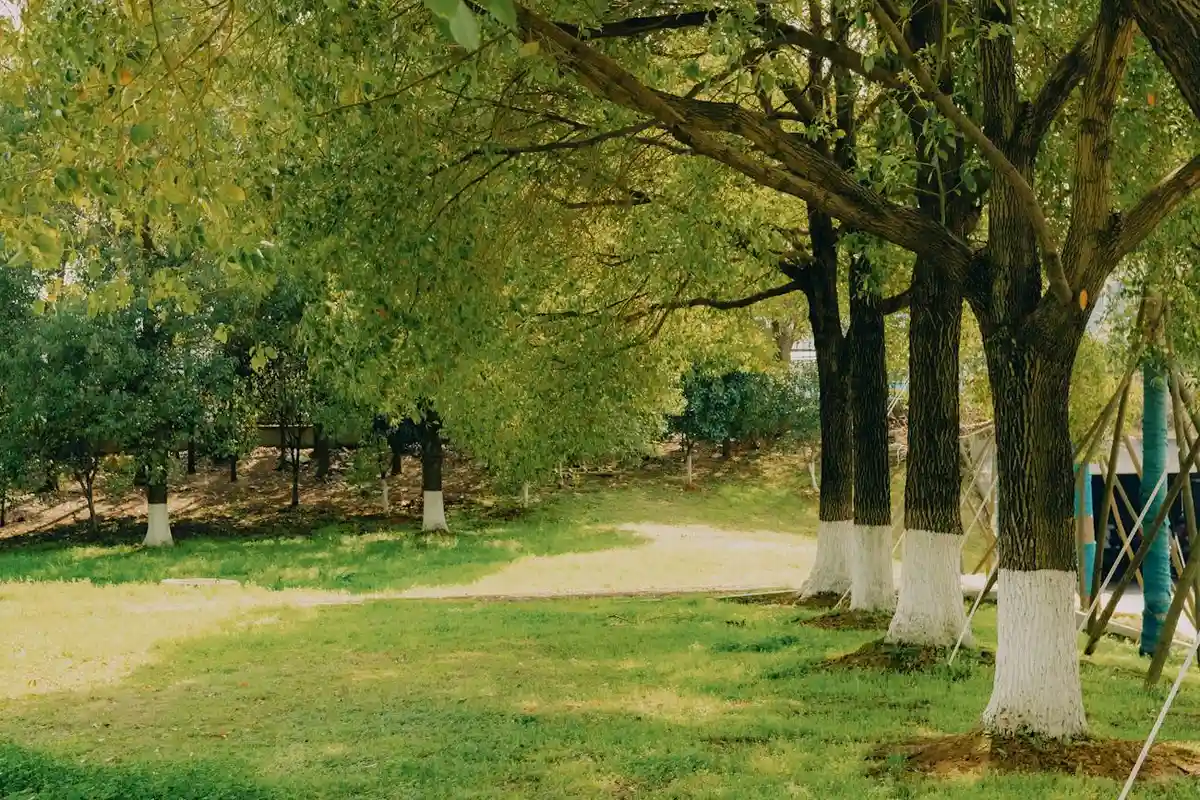
Fertilizer timing is everything. Feed your grass when it’s hungry and growing, not when it’s sleeping or stressed. Think of it like feeding a teenager versus feeding a hibernating bear.
Cool-season grasses (like Kentucky Bluegrass, Fescue, Ryegrass) grow fastest in the cool of spring and fall. Warm-season grasses (like Bermuda, Zoysia, St. Augustine) hit their stride in the summer heat. That’s your feeding window. Your local climate largely determines which grasses will thrive. Understanding climate helps you choose between cool-season and warm-season options for your lawn.
The Cool-Season Grass Plan (3 Feedings)
For most homeowners, three well-timed feedings keep a cool-season lawn thick and resilient.
- Spring Feeding (Late April to Early May): This is a wake-up call. Use a balanced, slow-release fertilizer to encourage steady green-up and root recovery from winter. Avoid high-nitrogen “weed and feed” types here unless you have a documented weed issue. You want growth, not a growth spurt that invites disease.
- Late Spring/Early Summer (Early June): This feeding builds strength for the coming heat. Focus on root health with a product that has a good potassium (the last number in N-P-K) value. A strong root system is your lawn’s best defense against summer drought and stress.
- Fall Feeding (Early September, and sometimes Late Fall): This is the most important feeding of the year. The fall air is cool, the soil is warm, and grass is focused on root and shoot growth. This feeding directly repairs summer damage and builds the energy reserves your lawn needs to survive winter and green up strong next spring. A late-fall “winterizer” application (around Thanksgiving) of a slow-release, high-potassium fertilizer can provide further protection.
The Warm-Season Grass Plan (3-4 Feedings)
These grasses live for summer, so your schedule revolves around their active growing season.
- Spring Green-Up (When soil temps hit 65°F): Don’t rush this. Wait until your grass is consistently growing and has been mowed a couple of times. A light feeding with a balanced fertilizer helps it out of dormancy without shocking the system.
- Early Summer (Late May/Early June): As growth kicks into high gear, apply your main feeding. A quality slow-release fertilizer will fuel the dense, green carpet you’re after.
- Mid-Summer (July): A lighter maintenance feeding supports growth through the peak heat. If you’re using a long-lasting slow-release product from feeding #2, you might skip this one.
- Early Fall (September): A final, lighter application helps the lawn store energy for dormancy. Do this at least 6-8 weeks before the first expected frost. Never fertilize a warm-season lawn as it’s going into dormancy.
The Slow-Release Secret and the “Every 4 Weeks” Question
The magic word is “slow-release.” These fertilizers coat nutrients so they feed the grass over 8-12 weeks. Using a quality slow-release fertilizer is the single best way to simplify your schedule and provide steady, safe nutrition. It prevents burning and leaching, and it feeds the soil biology that keeps your lawn healthy.
So, can you fertilize every 4 weeks? It depends on the product. With granular slow-release, that’s overkill and a waste of money. You’d be dumping more food on top of existing food. But with a very light, liquid organic feed (like a fish and kelp emulsion), a monthly application during the peak growing season can be like giving your lawn a vitamin boost. It’s not a full meal, just a supplement. For 95% of homeowners following the numbered plans above, fertilizing every 4 weeks is unnecessary.
Your Seasonal Lawn Care Checklist: When to Apply What
Here’s your action plan, season by season. This is the rhythm I follow in my own yard.
Spring
- Test your soil. This isn’t optional. A $20 test tells you exactly what your lawn needs, so you’re not guessing or wasting product.
- Apply a pre-emergent weed preventer when soil temperatures reach 55°F for 3-4 consecutive days (forsythia bushes blooming is a good visual cue).
- Apply your first fertilizer (e.g., a 20-0-5 slow-release blend) after the grass is actively growing.
- Give Max his first major service: sharpen the blades, check the oil. Start mowing at the highest setting to encourage strong roots.
- Wake up Sunny the irrigation. Check for leaks, adjust heads, and set the timer for deep, infrequent watering as needed.
Summer
- For cool-season lawns: Ease up. No fertilizer during peak heat unless it’s a specific stress formula. The goal is survival. Water deeply early in the morning.
- For warm-season lawns: This is go-time. Apply your mid-season feed (e.g., a 15-0-15).
- Mow high. Never cut more than 1/3 of the grass blade. This provides shade for the soil and conserves water.
- Let Sunny do his job, but only if rain doesn’t. About 1 to 1.5 inches of water per week, all at once, is better than daily sprinkles.
Fall
- Test your soil again. Fall is the best time to correct pH or nutrient imbalances.
- Overseed thin areas. The warm soil and cool air are perfect for seed germination.
- Apply your most important fertilizer feeding (e.g., a 24-0-10 fall blend).
- Keep mowing as the grass grows. Gradually lower Max’s deck height for the final cut of the season.
- Apply a late-fall “winterizer” fertilizer (high in potassium, like 0-0-50) after the last mow but before the ground freezes.
Winter
- Give your equipment a break. Fully winterize Max and Sunny to prevent freeze damage.
- Stay off a frozen lawn to avoid damaging the crowns of the grass plants.
- Plan. Order seeds or supplies for spring. This is when I finally deal with that lesson in patience, Patch, by researching shade-tolerant grass mixes.
How Often Should You Fertilize Garden Plants (Flowers, Veggies, Shrubs)?
Let’s step off the lawn for a minute. Garden beds and containers are different. Your lawn is one big carpet of the same plant. Your garden is a collection of individuals, each with its own appetite. I treat my flower beds and veggie patches like I treat Sunny, my drip system: targeted care, right where it counts.
The simplest way to think about it is this: feed annuals regularly, perennials seasonally, and established shrubs sparingly. Annuals, like most veggies and petunias, are trying to cram their whole life into one season. They’re hungry. Perennials are in it for the long haul, building strength for next year. Most shrubs are slow and steady, needing just a gentle nudge.
Annuals: The Heavy Eaters
These plants live fast. To keep them blooming or producing, they need consistent fuel.
- Flowering Annuals (Petunias, Marigolds, Geraniums): Every 4 to 6 weeks during the growing season. I give my containers a light feeding right after I deadhead the old flowers.
- Vegetables (Tomatoes, Peppers, Cucumbers): They’re the teenagers of the garden. Feed them a balanced meal every 2 to 3 weeks once they start setting fruit or flowers. Go lighter on leafy greens like lettuce or spinach; too much fertilizer can make them bolt and taste bitter.
A quick feeding session in early evening, when the sun is low, gives the plants all night to soak it up without stress.
Perennials & Roses: Seasonal Strength Builders
These plants come back year after year. Your goal is to support their cycles, not force frantic growth.
- Feed once in early spring as new growth emerges. This supports strong stems and good blooms.
- A second, lighter feeding after their main bloom cycle can help them recover and store energy. For many, that’s mid to late summer.
- Stop feeding about 6 to 8 weeks before your first expected frost. You want them to start winding down, not pushing tender new growth that will get zapped.
Shrubs & Trees: The Low-Key Crew
Think of a mature azalea or hydrangea. Once established, they pull most of what they need from the soil. Over-fertilizing shrubs is a common mistake. It can lead to weak, leggy growth that’s prone to disease and bugs.
For most established shrubs, one feeding in early spring is plenty. If they look pale or growth is stunted, a soil test is smarter than just throwing more food at them. Newly planted shrubs benefit from a starter fertilizer at planting time, then can often be left alone.
Choosing a Garden-Friendly Food
This is where being kind to pets and pollinators directly connects to your garden’s health. I avoid synthetic, weed-and-feed type products in my beds entirely.
Compost is my first choice. A half-inch layer scratched into the soil in spring feeds the soil, which feeds the plants. It’s slow, steady, and safe for everyone. For a quicker boost, I look for organic blends labeled for vegetables or flowers. These are usually derived from things like feather meal, kelp, or bone meal.
These organic options feed the soil life, which creates a resilient ecosystem right in your garden bed. They won’t burn plant roots if you accidentally apply a bit too much, and there’s no worry about chemicals leaching where you don’t want them. My dog can sniff around the tomato plants, and the bees on my lavender are none the wiser. That’s a win for the whole backyard.
The Right Way to Apply Fertilizer: Before You Mow or After?
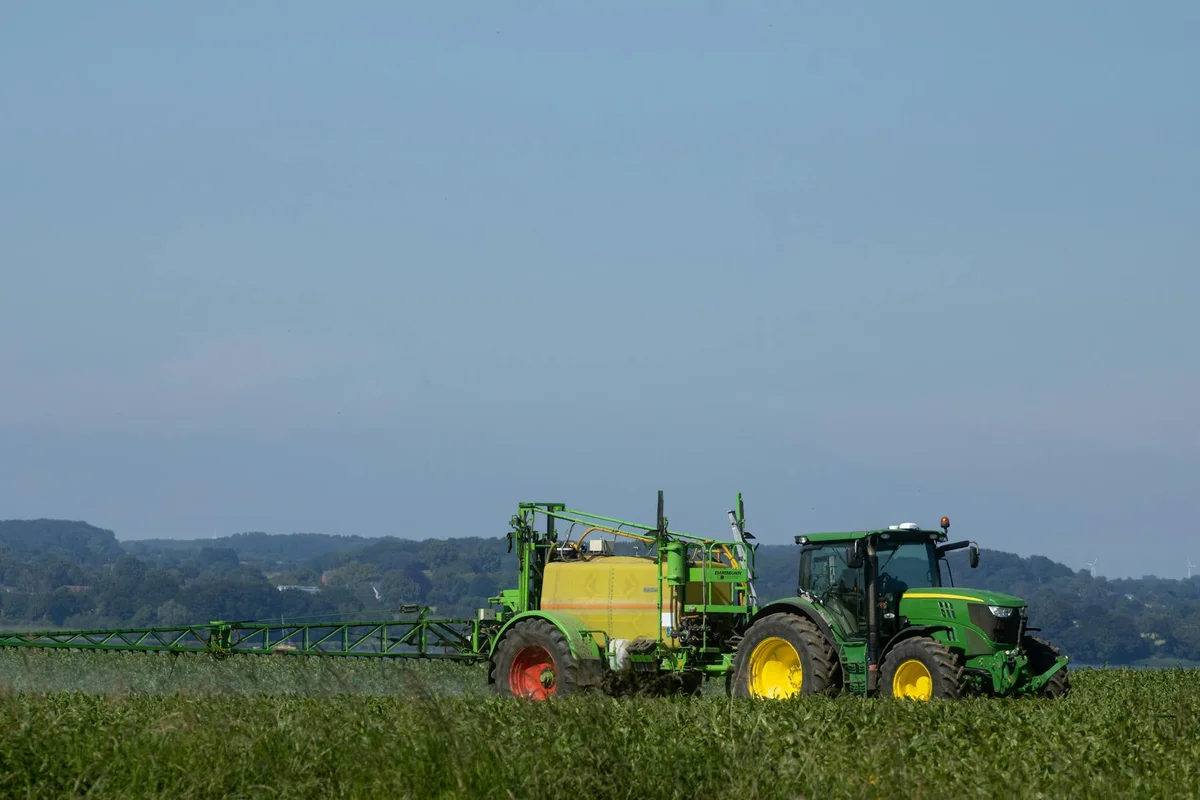
This is one of the most common questions I hear. The answer is simple: mow first, then fertilize. Think about it. You want the granules or liquid to land on the soil, not get trapped in a jungle of tall grass blades. Mowing first clears the path.
My routine with Max, the trusty zero-turn, is a perfect example. I give the lawn a good cut, letting the clippings fly. A clean, even surface lets me see exactly where I’m going. Fertilizer applied to a freshly mown lawn has a direct route to the soil, where the roots can actually use it.
A Simple Guide for Granular Fertilizer
Granular fertilizer is what most of us use. It’s straightforward, but a few key steps make all the difference.
- Calibrate your spreader. This is non-negotiable. An uncalibrated spreader is how you burn stripes into your lawn. The bag has instructions. Follow them.
- Fill the hopper on a driveway or tarp, never on the grass. Spills happen.
- Start walking. Apply in straight, overlapping lines. I go north-south, then east-west for the most even coverage. It feels like extra work, but it prevents those pale green streaks.
- Water it in. This is where Sunny, my drip system, gets a break. I use a sprinkler for this job. You need a good, gentle soaking to wash the granules off the grass blades and into the soil.
A Simple Guide for Liquid Fertilizer
Liquid feeds act faster but need more care during application.
- Mix precisely. Always follow the label’s dilution rates. More is not better.
- Use a sprayer with a fan nozzle for an even mist. A watering can works for small garden beds.
- Apply on a calm, cloudy day. Wind will blow your expensive feed onto the driveway. Hot sun can cause the liquid to evaporate or burn the leaves.
- Water lightly after, unless the label says not to. This helps move the nutrients into the root zone.
Watering it in is the step you cannot skip, whether you use granules or liquid. For granules, it prevents them from sitting on the grass and burning it. For both, it starts moving the nutrients to the roots. I give my lawn about a half-inch of water right after feeding. The goal is damp soil, not a swamp.
A few safety notes from my weekend warrior scars. Always sweep any granules off sidewalks and driveways back onto the lawn. They will wash into storm drains and then into our waterways, which is bad for everything downstream. I keep a cheap push broom by the garage door just for this. And if you have pets, check the bag for a statement on when it’s safe for them to re-enter the area. Usually, it’s once the fertilizer is watered in and the grass is dry.
How Much is Too Much? Spotting and Solving Over-Fertilization
More fertilizer does not mean more green. It means trouble. Your lawn can only use so much. The rest either washes away or literally burns the grass.
The signs are clear if you know what to look for. Within a day or two, you might see the grass tips turn yellow or brown, like they were scorched. Look at the soil surface. Do you see a white, crusty residue? That’s excess salt from the fertilizer. Sometimes, the lawn grows way too fast, becoming a thick, spongy mat that’s perfect for fungus and disease.
Over-fertilizing doesn’t just hurt your lawn; it harms the local environment when excess nutrients runoff into creeks and ponds. This can cause algae blooms that choke out other life. It’s why using that calibrated spreader matters so much.
If you think you’ve overdone it, don’t panic. Your first aid is water, and a lot of it. You need to deeply water the area to help dilute and flush the excess salts through the soil profile. Water for an extended period, let it soak, and do it again the next day. This won’t reverse leaf burn, but it can save the crowns and roots so new growth can come in. For a really bad case in a garden bed, you might gently rake away any visible crust of fertilizer from the soil surface before you start watering.
Choosing Your Path: Organic, Synthetic, or Low-Input Lawn
Let’s talk about the stuff you feed your lawn. You have options, and the best one depends entirely on what kind of lawn parent you want to be. It’s like choosing between a slow-cooked meal for your soil or a quick energy shot for your grass.
The Slow Food Movement: Organic Fertilizers
Organic fertilizers are made from natural materials, things like compost, manure, or bone meal. Think of them as a hearty stew for your soil’s microbiome. I’ve built up my own backyard soil over years with this approach.
The main benefit of organic fertilizer is that it feeds the soil first, which in turn feeds your grass, creating a resilient lawn that needs less babysitting over time. It’s a long-term relationship.
Pros of Going Organic
- Builds Soil Health: Adds organic matter, improving soil structure so it holds water like a sponge and allows roots to breathe.
- Safer for Pets & Pollinators: Once watered in, most organic options pose little to no risk. You won’t see warning flags on the bag.
- Slow, Steady Release: Nutrients break down with warmth and moisture, feeding the grass gradually. This means less risk of burning your lawn if you make a small timing mistake.
- Environmentally Gentler: Very low risk of nutrient runoff into waterways when applied correctly.
The Trade-Offs
- Slower Results: You won’t see a dramatic “green-up” in 48 hours. Patience is required.
- Less Nutrient Precision: The N-P-K numbers (Nitrogen, Phosphorus, Potassium) are typically lower and less exact than synthetic blends.
- Can Be Bulky: You often need to apply more product by volume to deliver the same nutrient levels.
The Precision Tool: Synthetic Fertilizers
Synthetic fertilizers are manufactured to deliver specific, readily available nutrients to your grass plants. They’re the quick fix, the fast food. I use them strategically, like giving my lawn a targeted boost before a stressful summer. But I also believe in balancing them with organic fertilizers for long-term lawn health.
Synthetic fertilizers give you precise control over nutrient delivery, producing fast, visible growth, but they require more careful timing and application to avoid harming your lawn or the environment.
Pros of Synthetic
- Fast, Predictable Results: You get a quick green-up and growth response, which is satisfying and can help a thin lawn recover.
- Exact Formulations: You can buy a bag with the perfect N-P-K ratio for your specific grass type and season.
- Ease of Application: Granules are often uniform and easy to spread evenly with a broadcast spreader.
The Trade-Offs
- Requires More Care: Over-application or applying to wet grass can easily “burn” or damage your lawn. Always follow the label.
- Can Harm Soil Life: They feed the plant directly, not the soil ecosystem. Over-reliance can lead to “addicted” grass and poorer soil over many years.
- Runoff Risk: If applied before a heavy rain or over-watered, excess nutrients can wash away, which isn’t good for local waterways.
- Pet & Kid Safety: You typically need to keep everyone off the lawn until the product is fully watered in and dry.
| Aspect | Organic Fertilizer | Synthetic Fertilizer |
|---|---|---|
| Primary Action | Feeds the soil ecosystem | Feeds the grass plant directly |
| Results Speed | Slow, steady (weeks) | Fast, dramatic (days) |
| Soil Health | Improves long-term structure | Little to no improvement |
| Application Risk | Low risk of burn | Higher risk of burn if misapplied |
| Environmental Impact | Very low runoff risk | Higher runoff risk if misapplied |
The Low-Input Escape Hatch: Clover & Mixed Lawns
Now, let me introduce you to a third option, one I wish I’d known about sooner for areas like my problem spot, Patch. What if you could fertilize less often, or maybe not at all some years?
Incorporating microclover or other low-growing legumes into your lawn is a game-changer for reducing fertilizer dependency because these plants create their own nitrogen from the air and share it with the grass.
It’s like having tiny, free fertilizer factories working 24/7 in your soil. A mixed clover-grass lawn stays greener during drought, feels soft underfoot, and is a magnet for bees (which is a good thing for your garden).
- Drastically Cuts Fertilizer Needs: You might only need to feed every other year, or just use a light organic touch-up.
- More Drought Resilient: Clover has deep roots and stays green longer than grass when it’s hot and dry.
- Crowds Out Weeds: A dense mat of grass and clover leaves little room for weeds like crabgrass to get started.
- Pet-Safe & Pollinator-Friendly: It’s all natural, provides food for bees, and stands up well to pet traffic.
Matching the Method to Your Goal
So, which path is right? Ask yourself these questions while standing on your lawn this weekend.
If your goal is absolute safety for kids and pets and you’re playing the long game to build rich, healthy soil, lean organic. It’s the patient gardener’s choice.
If you need fast results on a new lawn or a severe deficiency, and you’re confident in your ability to follow label instructions to the letter, synthetic is a powerful tool. Use it wisely.
If you want to mow less, water less, and feed less, seriously consider the low-input clover mix. It’s the most hands-off, eco-friendly way to a green, living carpet.
There’s no single right answer. My own lawn uses a hybrid strategy. Sunny zones get a synthetic feed in late spring for strength, while the shadier areas and Patch get organic treatments and are slowly being converted to a clover mix. Your lawn care should fit your life, not the other way around.
Reading Your Lawn’s Signals: It Will Tell You What It Needs
I used to be a slave to the calendar. Every six weeks, like clockwork, I’d be out there with the spreader, whether the lawn looked thirsty for it or not. It felt efficient. But I was feeding a schedule, not my grass. The real trick is to listen. Your lawn talks to you every time you walk across it.
Shift your focus from dates on a page to the color, texture, and growth right in front of you. This isn’t about being lazy, it’s about being smart. A lawn that’s already deep green and growing steadily might not need another meal for another month. A patch that’s looking pale and thin is waving a flag for attention.
What Your Lawn’s Color is Trying to Say
Grass doesn’t turn weird colors for fun. A change in hue is its first, clearest distress signal. Here’s a quick guide to the most common cries for help.
| What You See | Likely Missing Nutrient | Simple Action to Take |
| A general pale green or yellowing across the whole lawn, especially on older blades. | Nitrogen (N) | This is the most common call. Time for a balanced fertilizer. A slow-release formula gives a steady feed. |
| Yellow streaks between dark green veins on individual grass blades. | Iron (Fe) | This is often a soil pH issue locking up iron. A soil test confirms it. An iron supplement can green it up fast without a growth spurt. |
| A reddish or purple tint, particularly on new growth or in cool weather. | Phosphorus (P) | Common in new lawns or compacted, cold soils. A starter fertilizer or product with a higher middle number (like 10-20-10) can help. |
| Yellow, scorched-looking edges on older leaves, sometimes with weak roots. | Potassium (K) | Helps with stress tolerance. Important before summer heat or winter cold. Look for a fertilizer where the last number is high. |
Your Lawn is Giving Feedback, Not Failing
That stubborn patch of yellow by the driveway? That’s not your lawn failing. It’s teaching you. Maybe the soil is compacted from always parking the bike there. Maybe the runoff from the roof is washing nutrients away. I learned more from my problem area, Patch, than from any perfect stretch of grass.
Treat every odd color or thin spot as a clue, not a catastrophe. It means you get to play detective. Is it just in the shade? Only where the dog runs? That specific information is more valuable than any generic four-step program. Your lawn is adapting to its unique world, and it’s asking for your help to do it.
The Only Schedule That Matters is Yours
The best fertilizing plan is the one made for your dirt, your grass type, and your life. Sandy soil drinks up nutrients and needs food more often, like a fast metabolism. My heavy clay holds onto fertilizer longer, so I can wait. For clay soil, amend with organic matter before fertilizing. Then follow a season-by-season plan to fertilize your clay lawn. Do you love the ritual of weekend lawn care, or do you need a simple, twice-a-year plan you can set and forget?
Your schedule lives at the intersection of what your lawn shows you and what you can reliably provide. Consistency with a product that matches your soil’s needs will always beat a perfect calendar you can’t keep. A lawn care calendar with monthly tasks can help translate that discipline into regular actions. Start by observing, respond to what you see, and build your own rhythm from there. That’s how you grow a lawn that’s truly yours.
Your Quick-Hit Lawn Feeding FAQs
1. Can I just follow the same schedule as my neighbor?
Nope, and that’s a fast track to wasting money. Your soil type, grass variety, and even sun exposure are unique-feed based on what *your* lawn tells you, not what works on their plot.
2. What if a weird spring or a dry summer messes up my timing?
Good lawn care follows the weather, not the calendar. If the season’s early or late, adjust your first feeding to when the grass is actively growing, not on a preset date. This is especially important to consider when planning a weed and feed lawn treatment.
3. I’m switching my lawn type (e.g., from cool-season to Bermuda). How do I start?
Match the fertilizer to the grass’s natural clock from day one. Your new warm-season lawn needs its first meal in late spring as it wakes up, not in the fall like the old one did.
4. Is there ever a time to fertilize less than the “typical” schedule?
Absolutely. If your lawn is already thick, green, and growing strong, an extra feeding is just showing off. Often, a soil test will reveal you can skip a meal and still have a greedy, healthy lawn.
5. Can I mix synthetic and organic fertilizers in the same year?
You bet-it’s a powerful one-two punch. Use a synthetic for a precise, quick green-up in spring, then follow up with an organic feeding in the fall to build your soil’s long-term health.
Wrapping Up Your Fertilizing Game Plan
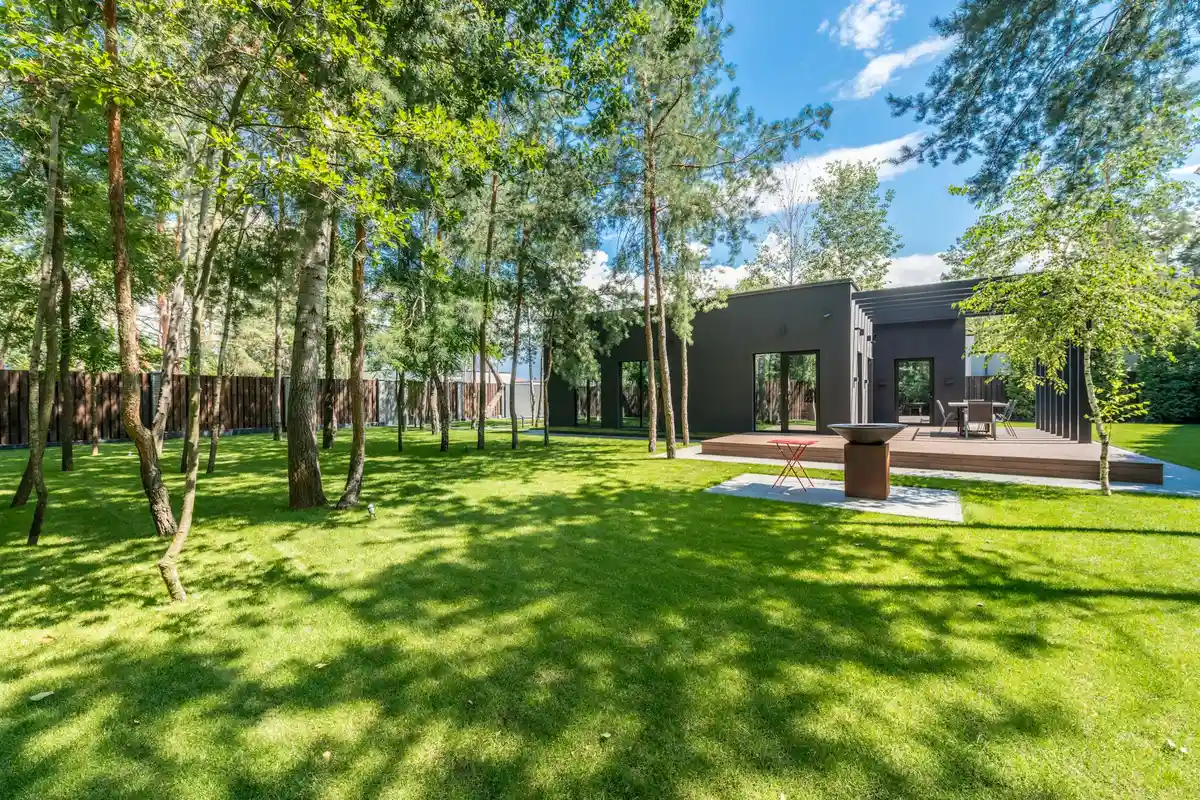
From my time with Max the mower, I know that fertilizing works best when you sync it with your grass’s active growth, not just the date on the calendar. A seasonal lawn fertilizer treatment schedule helps keep that alignment on track by outlining when to feed for each season. Start with a soil test to skip the guesswork, then apply fertilizer in the cool seasons for strong roots and a thick turf.
A truly healthy lawn cares for the whole yard, so I always choose pet-safe, pollinator-friendly options that keep Sunny’s water clean and bees buzzing around Patch. Keep watching how your grass responds, tweak your approach each year, and enjoy building a greener space that benefits everyone.
Citations and Authoritative Sources
- How Many Times Per Year Should You Fertilize Your Lawn? Expert Guide
- How Often Should You Fertilize Your Lawn?
- Best Time to Fertilize Your Lawn via @ConsumerReports
Written by Ria Carrington. Ria is an avid lawn care enthusiast and advisor. No lawn is unsalvagable when Ria is at work. She has helped countless homeowners breath new life into their dying lawns. She has a B.Sc in Agriculture and brings practical advice combined with knowledge of plant science and her decade worth of hands on experience.