
Where’s the Best Place to Buy and Sell Toro Lawn Mowers and Parts?
Staring at a broken Toro mower or dreaming of an upgrade? Finding the right spot to buy or sell doesn’t have to waste your weekend or your wallet.
I’ll show you the smart routes, covering where to buy new and used Toro mowers, how to source genuine parts, and the best ways to sell your old machine for cash.
I’ve bought, sold, and fixed Toro mowers for years on my own lawn, learning which deals are golden and which just leave you with a lighter wallet.
First Things First: Decide What You Actually Need
Before you spend a dime, take a hard look at your current mower. I’ve done this with Max more times than I can count. Is it just a single part rattling loose, or is the whole machine showing its age? Your goal here makes all the difference.
Ask yourself: Is this for a quick repair or a full mower upgrade? Needing one specific belt or blade is a different hunt than shopping for a new zero turn.
Let’s break down your main shopping avenues. I think of them in three categories: authorized dealers, big box stores, and online marketplaces. Each has a different feel and purpose.
- Authorized dealers are your service experts. They live and breathe Toro, offering genuine parts and deep knowledge for repairs and new purchases.
- Big box stores are your convenience hubs. Places like Lowe’s and Home Depot have mowers on the floor you can touch, but the advice can be hit or miss.
- Online marketplaces are your vast, digital garage sales. Sites like eBay or Facebook Marketplace are great for deals on used mowers or obscure parts, but you must be your own inspector.
Do not forget your local hardware store, like Ace. Many are authorized Toro sellers and have service departments. It’s a fantastic middle ground that often gets overlooked.
You might wonder if other brands, like Snapper, are still worth comparing. For parts, you must match the brand. When buying new, it’s fine to look, but if Toro has won you over, focus your search there.
The Best Places to Buy a Brand New Toro Mower
If your old mower’s song is more groan than growl, it’s time for new. Here is where I would send you, based on my own trips hunting for Max’s successor.
Buying from an authorized local dealer is the premium path. The pros are clear: they assemble the mower, tune it, and show you how it works. You build a relationship for future service. The con is cost. They are rarely the cheapest option. For a major purchase you will use for years, that hands on service and expertise is worth every extra penny. To balance that value with your needs, you can learn how to choose the perfect lawn mower budget. This helps you pick a model that fits both your yard and your wallet.
Major retailers like Home Depot and Lowe’s are where most people start looking. The experience is straightforward. You see a selection, often at competitive prices, and their return policies are generally good if something is immediately wrong. The trade off is that the mowers might be base models from reliable lawn mower brands, and you will likely be on your own for setup and initial maintenance.
You will not find lawn mowers at big electronics stores like Best Buy. Their focus is indoors, so save that trip for other gear. If you’re shopping for a mower, understanding the best time to buy lawn mowers can pay off with better deals. I’ll guide you through the timing in the next steps.
You can order directly from the Toro website. It is convenient, but remember you will need to handle assembly and initial servicing yourself, which is not for everyone.
For those larger zero turn or riding mower purchases, financing options are commonly available through both dealers and big box stores. This can make a quality machine more accessible. Just be sure you understand the terms before you sign.
Where to Hunt for a Used or Vintage Toro
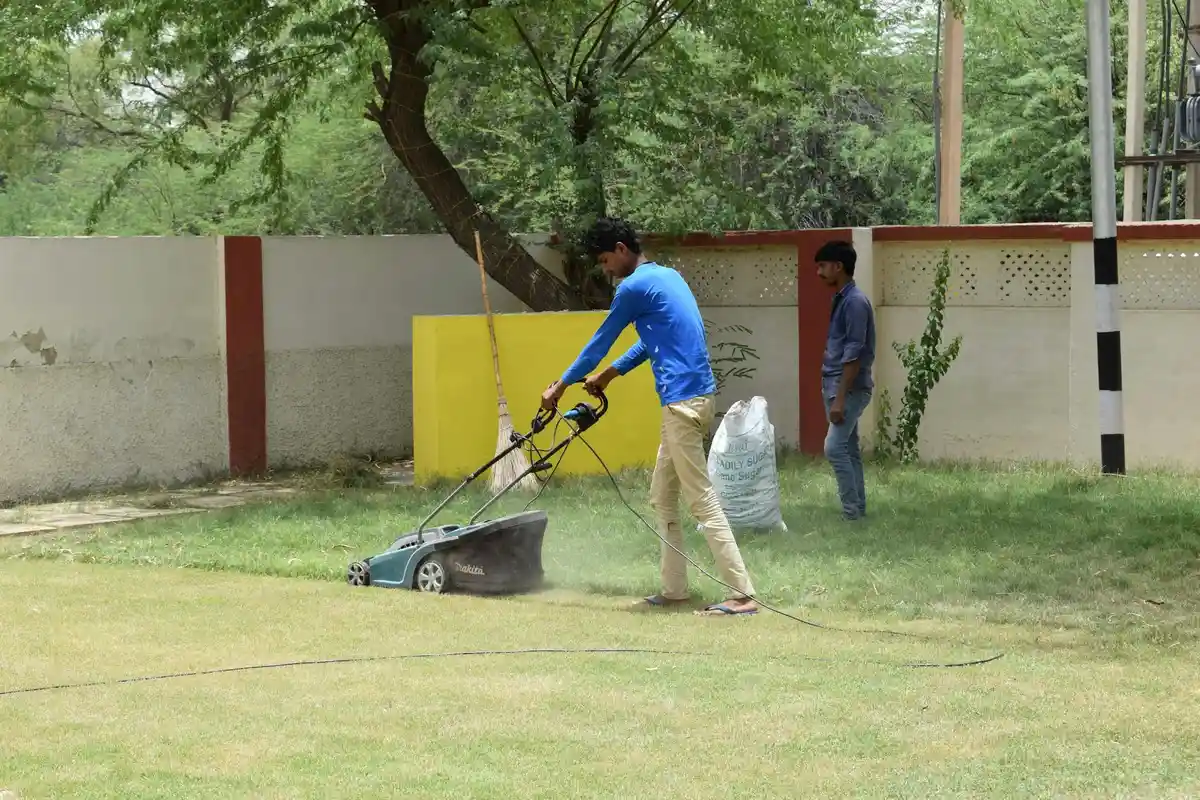
Looking for a used Toro is a smart move. You get great equipment without the new-mower price. The best place to start is right in your own town. Local, in-person deals let you see, hear, and touch the machine before you hand over any cash. It’s a solid choice if you want to start using a Toro lawn mower.
Local Listings: Facebook Marketplace & Craigslist
This is where I found my zero-turn, Max. Scrolling Facebook Marketplace or Craigslist feels like a Saturday morning treasure hunt. You find gems next to overpriced duds. The key is knowing how to look.
Always insist on seeing the mower run before you buy. A cold engine can hide a world of problems. Tell the seller you want to start it from cold. Listen for a quick, smooth start. Watch for blue or white smoke from the exhaust that doesn’t clear up-a sign of engine wear.
Here is a quick checklist for when you go to look:
- Check the oil. Is it dark but not sludgy? Milky oil means water in the crankcase, a big problem.
- Inspect the deck. Look for rust holes or major cracks. A little surface rust is normal.
- Check the spindles. Grab each blade and try to wiggle it up and down. Any play means worn bearings.
- Ask about maintenance. A seller who can’t tell you the last time they changed the oil or sharpened the blades probably didn’t do it.
The World of Vintage Toro Mowers
Some of us aren’t just buying a mower. We’re buying a piece of history. Vintage Toros, like the old steel-deck Super Recyclers or the classic riding models, have a cult following. They were built like tanks. These rugged builds trace the evolution of lawn mower invention. From reel mowers to today’s electric and robotic models, the story keeps evolving.
Remember the lawn mower scene in the 80s movie “Can’t Buy Me Love”? Patrick Dempsey’s character famously uses a vintage riding mower to start his business. That kind of nostalgic, built-to-last vibe is exactly what draws people in. These machines have character.
Finding parts for these older models is its own adventure. You won’t find them at the big-box store. Your best bets are dedicated online forums, small engine salvage yards, and specialty websites that cater to vintage lawn equipment enthusiasts. It’s a community, and joining it is half the fun.
Local Dealerships: Certified Pre-Owned
If the uncertainty of a private sale makes you nervous, visit an authorized Toro dealership. Many sell certified pre-owned equipment. This is the middle ground between new and used.
A dealership has mechanics who inspect and service the trade-ins they get. They often replace worn belts, blades, and filters. They might even offer a short warranty. You pay more than a private sale, but you get peace of mind. It’s like buying a used car from a brand-name dealer versus a “for sale” sign in a driveway.
National Online Auctions and Sites
For rare models or specific parts, your local search might come up short. That’s when you look nationally. Sites like eBay and AuctionTime can be fantastic resources.
The major trade-off with buying online is that you cannot inspect the item in person. You are relying entirely on photos and the seller’s description. My rule is to only buy this way if the seller has tons of clear pictures from every angle and a stellar feedback rating. Ask specific questions about any flaws. Assume shipping costs will be high for a whole mower-this method is often better for hard-to-find parts or that one specific vintage deck you’ve been hunting for years.
Finding the Right Replacement Parts: A Step-by-Step Guide
I’ve been there. You hear a new rattle from Max, or a belt snaps right before the weekend mow. Your first instinct is to jump online and search for “Toro mower belt.” Stop right there. That’s how you end up with the wrong part and a wasted Saturday.
Your model and serial number are the only two pieces of information that guarantee you get the right part the first time. It’s like knowing your shoe size before you buy boots. Every part diagram and catalog is organized by these numbers.
Where to Find Your Model and Serial Number
Don’t worry, it’s not hidden. On most Toro walk-behind mowers, look on the rear of the mower deck, near the discharge chute. For riders and zero-turns, check under the seat, on the frame near the back wheels, or inside the rear bumper. The sticker or metal plate will list both numbers clearly. Write them down and take a photo with your phone. You’ll need them for every step that follows.
Local Dealer vs. Online Warehouse: The Real Trade-Off
Now you have a choice: where to buy.
Walking into your local Toro dealer’s service counter is my top recommendation for most homeowners. You can talk to a person who has seen a hundred mowers just like yours—whether they are Honda or Toro models. You show them your photo, they pull up the exact diagram, and they hand you the right bag or box. They can also spot if you’re describing the symptom of a different problem. The price might be a bit higher, but you’re paying for expertise and speed.
Generic online parts warehouses, like Repair Clinic or PartSelect, are fantastic for their massive inventories and lower prices. The key to using them successfully is to enter your exact model number into their search tool, which will pull up the official parts diagram for your specific machine. You click on the part you need. It’s great for planning ahead, but you’re on your own for diagnosis, and you have to wait for shipping.
Parts You’ll Actually Need to Replace
Some parts wear out faster than others. These are the usual suspects:
- Blades: Dull or bent blades tear grass, leaving a ragged, brown tip. I check mine every 25 hours of mowing.
- Belts: The drive belt moves the wheels, the deck belt spins the blades. They fray and snap from normal wear and tension.
- Batteries: For electric-start mowers and riders. They typically last 3-5 years before losing their charge.
- Wheels & Tires: Plastic wheels crack, and tires go flat. Especially on the side where you always roll it out of the shed.
OEM Toro Parts vs. Aftermarket: The Quality Question
OEM stands for “Original Equipment Manufacturer.” It means the part was made by Toro or their approved partner for your specific mower. An aftermarket part is made by a different company to *fit* your mower.
Think of it like this: an OEM blade is the exact shape, weight, and steel quality Toro engineers designed for your deck’s airflow and cutting performance. A cheap aftermarket blade might be close, but even a slight difference can affect your cut and strain your engine.
For critical parts that affect safety, cut quality, or engine performance-like blades, belts, and electrical components-I always choose OEM when I can. For simple, non-critical parts like a plastic wheel hub or a basic bolt, a well-reviewed aftermarket part can save money without issue.
How to Sell Your Used Toro Mower Successfully
Maybe you’re upgrading to a new rider, or that trusty walk behind has finally earned its retirement. Selling a used mower isn’t hard, but doing it right puts more money in your pocket and gets it gone faster.
Get Your Mower Ready for Its Close-Up
First impressions are everything. A buyer looking at a clean, well kept machine sees a mower that was cared for, not just used up.
Start with a deep clean. Hose off all the loose grass and mud. For the caked on stuff under the deck, I use a putty knife after a soak. Let it dry completely in the sun. Wipe down the handles and engine cover. A simple green mower looks five years newer.
A sharp blade is a silent salesperson that proves you maintained the tool. Pull it off, give it a proper sharpen or replace it if it’s nicked. That care naturally leads into a quick guide on sharpening or replacing the blade. A new, balanced blade costs $20 and tells the buyer the mower is ready to work immediately.
Gather any records you have. Receipts for that last tune up, the manual, even the original purchase receipt. Stack these with a fresh spark plug and air filter if you have them. It shows transparency and builds trust before you even meet.
Where to List It: Reach vs. Hassle
You have two main paths: the wide reach of online sales or the simpler handoff to a local shop.
Online marketplaces like Facebook Marketplace and Craigslist get your listing in front of the most eyes. You control the price and the process. But you also control the inbox full of “Is this available?” messages and the scheduling of test drives. Be ready for negotiation and a few no shows.
Selling to a local mower repair shop or dealer is the low hassle option. They’ll give you a fair wholesale price on the spot, no waiting. You won’t get top dollar, but you also won’t spend your weekend waiting for someone who never arrives. It’s a great fit for older, solid mowers that just need a quick refurb. If you’d rather keep it running, a local lawn mower repair service can often fix minor issues quickly. That option can extend the life of your mower without selling.
Setting a Realistic Price
Pricing is part art, part science. Don’t just guess. Search for your exact Toro model and year on the platforms you’re using. Look at what they actually sold for, not just what people are asking.
Age and hours matter, but condition is king. A 10 year old mower with a detailed service history is often worth more than a neglected 5 year old one. Highlight recent repairs like a new carburetor or battery.
Be honest with yourself. If the tire is cracked or it needs a pull to start on a cold morning, price it accordingly and mention it in the ad. An upfront “project” listing sells faster than a surprised buyer.
Safety First When Meeting Strangers
When you do meet a buyer, keep it safe and simple. Always meet in a public place during daylight. Many police stations have designated “safe exchange” parking spots, which are perfect for this.
Bring a friend or family member with you. Have the buyer inspect and start the mower themselves. I let them run it for a minute so they hear it purr. Cash is king for these transactions.
Finally, be clear in your ad that the sale is final. Once the mower leaves your truck bed, the responsibility shifts to the new owner. This keeps things clean and simple for everyone.
Answers to Common Toro Shopping Questions
Buying a mower or a part isn’t like grabbing a gallon of milk. It’s a bigger investment, and you want to get it right. I’ve made a few trips myself, sometimes with Max in the truck bed for parts I couldn’t install myself. Here’s the straight talk on the questions I see pop up all the time.
Can you return a lawn mower to Lowe’s?
Yes, you usually can, but the clock is ticking. Lowe’s standard return policy for outdoor power equipment is 30 days from the purchase date. The key is having your original receipt and returning the mower in its original condition, with all parts and packaging.
My advice? Don’t strip off the cardboard and styrofoam right away. Assemble the mower and use it in your yard for a week or two. If something feels off or doesn’t work as promised, you’ll know fast. Trying to return a mower covered in grass clippings, without the box, and six weeks later is a recipe for a headache. Keep everything clean and organized until you’re sure it’s a keeper.
Does Ace Hardware repair lawn mowers?
This is a trickier one because Ace Hardware stores are locally owned franchises. Some have full-service repair shops, and some don’t. The best way to find out is to call your local Ace directly and ask if they service the specific Toro model you have.
I’ve found that the Ace stores with larger garden centers are more likely to offer repairs. If yours doesn’t, they can almost always point you to a trusted local small-engine repair shop. Those local shops are often gems-they’re the ones who’ve seen every problem and can usually get you fixed up faster than a big-box service center.
What “authorized” really means for dealers and warranty
This term gets thrown around, and it matters most for your warranty. An “authorized Toro dealer” or retailer is a company that has a direct agreement with Toro. Purchasing from an authorized source is the only way to guarantee your factory warranty is valid and will be honored without a hassle.
Big stores like Home Depot or Lowe’s are authorized retailers. That online marketplace seller with the too-good-to-be-true price might not be. If your warranty claim involves a part or labor, you’ll typically need to go through an authorized service center. Buying from an authorized dealer simplifies everything if something goes wrong in that first year or two.
The lost art of the owner’s manual (and where to find it free)
I get it. The manual goes in a drawer, and that drawer becomes a black hole. But that little book is your mower’s biography and medical chart. Your Toro owner’s manual contains the exact maintenance schedule, part numbers, and safety instructions specific to your machine, which is information you simply won’t find in a generic blog post.
Before you spend an hour searching forums, find the model number on your mower (usually on a sticker near the rear or under the seat). Then, just search online for “Toro [Your Model Number] owner’s manual PDF.” Toro has an excellent online library where you can download them for free. I keep a digital folder for Max’s manuals-it’s saved me more than once when tracking down a belt size or a torque spec.
Tools and Info You Should Have Before You Buy
Trust me, having the right information before you start looking will save you a massive headache. I learned this the hard way years ago, searching for a belt for my old Toro and realizing I had no clue which one I needed. It wasted an entire Saturday.
Your Mower’s Model and Serial Number
This is non-negotiable, especially for buying parts. Think of it like your mower’s social security number. You absolutely need both.
The model number tells you the specific product family (like “20332” for a particular Recycler model). The serial number is its unique identifier, and it often contains a code that tells you the year it was made.
You can usually find these numbers on a sticker or metal plate under the seat, near the back of the mower deck, or on the frame near the engine. Sometimes they’re under the fuel tank. Get a rag, wipe off the grass clippings and dirt, and take a clear picture with your phone.
Your Basic Tool Kit
Beyond the numbers, grab these few things. They make the process smoother.
- A Tape Measure: If you’re buying a used mower or a replacement deck, you need to know the cutting width. Measure from the outside of one discharge chute to the other. This is also handy for checking if a mower will fit in your shed.
- Your Phone: For taking those crucial photos of model tags, but also for documenting the condition of a mower you’re selling. Good, honest photos sell items faster.
- A Notepad: Old school, but perfect for jotting down prices, seller info, or part numbers you find while browsing. It keeps you organized.
Decoding Toro Model Numbers
Toro’s system isn’t too cryptic once you know what to look for. This helps you understand what you’re buying or what you have.
Let’s say the model number is 20332. The first three digits often indicate the series or primary design. The last two might be a specific configuration or engine option. It’s not a universal code for every mower, but it groups them.
The real secret is often in the serial number. For many Toro mowers, the first character after any letters can indicate the year. For example, a serial number starting with “32…” might mean it was built in 2023. The second digit is the year within a 10-year cycle. Toro has charts for this, but knowing to look at the serial number is half the battle.
A quick online search for “Toro [Your Model Number] serial number decoder” will usually point you to an official guide or forum thread that breaks down your specific mower’s birth date. Knowing the age helps you gauge value and know what wear to expect.
Keeping Your Toro Running for Years
Finding the right part is one skill, but keeping your mower in top shape is another. Think of it this way: a mower that gets regular, simple care is not only more reliable, it’s also worth more money when you decide to sell it or trade it in. Nobody wants someone else’s neglected project.
I treat my zero-turn, Max, like a member of the family. A little preventative care has kept him running strong for five seasons now. It’s not complicated work, just consistent attention.
Build a Small “Just-in-Case” Kit
Don’t wait for the air filter to choke or the spark plug to foul right before you need to mow. I keep a small plastic bin on my garage shelf with a few common wear items. When you need one, you replace it and then buy another to put back in the kit. It saves a last-minute trip to the store.
Here’s what I always have on hand:
- A replacement air filter (the exact model for your mower). A clean filter is like giving your engine a deep breath of fresh air.
- A new spark plug. A five-dollar part can be the difference between a one-pull start and a frustrating morning.
- A sharp, balanced replacement blade. A dull blade tears grass, leaving it brown and stressed. Keep a fresh one ready to swap in.
Having these parts ready means a 15-minute fix instead of a lost weekend of mowing.
The Secret is in the Seasonal Send-Off
How you store your mower at the end of the season is the single biggest factor in its long-term health and value. Old gas left in the tank and carburetor will turn to a sticky varnish that clogs everything. I learned this the hard way years ago.
My end-of-season ritual takes about 30 minutes:
- Run the mower until the gas tank is completely empty, or use a siphon.
- Start the engine again and let it run until it stalls from fuel starvation. This clears the carburetor.
- Change the oil while it’s still warm (dirty oil holds acids that can corrode the engine from the inside).
- Give it a good scrape-down to remove caked-on grass, which holds moisture and causes rust.
A mower prepped for storage starts easily next spring and tells a buyer it was cared for, not just used up.
Empowerment is in the Wrench
Learning to find the right belt or wheel assembly online is the first step toward real independence. Once you realize you can get the part, watching a tutorial and installing it yourself isn’t far behind. You start to see your mower as a collection of systems you can manage, not a mysterious black box.
I fixed my first drive issue on Max with a ten-dollar part and a YouTube video. That confidence spills over. Now, when Sunny the drip system has a leak or Patch the weedy area needs a new approach, I don’t panic. I look for the part and the method. It’s a powerful feeling for any homeowner.
Your Greedy Grass Toro Buying & Selling FAQ
1. Is a Toro warranty worth the hassle of buying from a dealer?
Absolutely. That warranty is your peace-of-mind policy for a hungry mower. Buying from an authorized dealer guarantees it’s valid, saving you future headaches and cash.
2. Can I use generic parts from any brand on my Toro?
For simple bolts or hubs, sometimes. For anything critical like blades or belts, always choose Toro OEM parts. Your greedy grass deserves the perfect cut and balance the engineers designed.
3. What’s the one thing I should do before meeting a seller?
Check recent “sold” listings for your exact model to set a rock-solid price. Walking in with knowledge keeps you from overpaying and puts more green in your pocket for other lawn toys.
4. I found a vintage Toro-where on earth do I find parts for it?
Welcome to the club. Skip the big boxes and dive into online forums and small-engine salvage yards. The hunt is part of the fun, and the community will help you keep that classic running.
5. Is it better to sell my old mower online or just trade it in?
Online gets you top dollar if you have patience for the hustle. Trading it to a local shop is instant, hassle-free cash. Choose your priority: maximum return or a clean, fast garage.
Making the Most of Your Toro
The best move is to check an official Toro dealer first. You get the right part, solid advice, and help keeps a local business going. For extra peace of mind, consult the lawn mower parts compatibility guide to verify model-specific fit. It helps ensure the part you choose is compatible with your Toro model.
Taking care of your machine is a big part of taking care of your lawn responsibly. A well-maintained mower runs cleaner, lasts longer, and helps you avoid waste, which is a quiet win for your little patch of the planet.
Sources and Additional Information
- Where to Buy | Toro
- Sale Items | Toro
- New and used Toro Lawn Mowers for sale | Facebook Marketplace | Facebook
- Latest Toro Promotions | Residential Mowing & Yard Care Equipment | Toro
Written by Ria Carrington. Ria is an avid lawn care enthusiast and advisor. No lawn is unsalvagable when Ria is at work. She has helped countless homeowners breath new life into their dying lawns. She has a B.Sc in Agriculture and brings practical advice combined with knowledge of plant science and her decade worth of hands on experience.