
Which Lawn Mower Brands Are Most Reliable for Homeowners?
Nothing ruins a weekend faster than a lawn mower that won’t start. You need a machine you can trust, season after season, without breaking the bank.
We will cover the brands that consistently deliver, the key features that prevent headaches, and smart buying tips to avoid overpaying.
I’ve put these machines through their paces on my own grass, so you get advice from real use, not just a spec sheet.
At a Glance: Key Factors in Mower Reliability
You can find endless debates online about brand X versus brand Y. Forget the noise for a second. Real reliability comes down to a few concrete things you can see, hear, and feel.
- The Engine: This is the mower’s heart. Its design and brand determine if it starts on the first pull year after year.
- Deck Construction: The deck takes the most abuse. Thick, well-made steel or aluminum resists dents and stays true for a clean cut.
- Ease of Maintenance: Can you easily reach the oil dipstick and air filter? Simple access means you’ll actually do the upkeep.
- Sturdy Controls & Adjustments: Flimsy levers for height or drive control break and strip. Solid metal parts last.
A reliable mower is a partnership between a smart purchase and your consistent care. My zero-turn, Max, is five seasons in without a major hiccup. That’s not just luck. It’s because I bought a model built with good bones and I stick to the maintenance schedule. When people ask “are Toro lawn mowers good,” they’re really asking if Toro models check these boxes consistently. Learning how to start and use a Toro lawn mower properly is key to keeping it running smoothly.
What Does “Reliable” Really Mean for Your Mower?
For us at home, reliability isn’t a brochure term. It’s simple. A reliable mower starts when you need it to, cuts cleanly without leaving stragglers, and doesn’t demand constant weekend repairs.
Think of it like a good car. You expect the engine to run, the tires to hold air, and the doors to open smoothly. A mower is the same. It’s a sum of its parts working together durably. The build quality screams at you if you know the signs. Lift the deck on a well-built machine. You’ll feel its weight and maybe catch that damp, metallic smell of thick painted steel. It feels solid, not tinny.
This directly answers the common question, “how long does a lawn mower last?” With typical homeowner use (about an hour a week), a mower built with these quality components should easily last 8-10 years. Treat it poorly, and you might get half that. The most reliable lawn mower brands are the ones that use better engines, thicker decks, and thoughtful design across their entire lineup, season after season.
The Engine: The Heart of the Operation
This is where brands earn their stripes. Most homeowner mowers use a four-stroke gasoline engine, but the internal design matters.
Look for an Overhead Valve (OHV) engine. It’s more efficient, runs cooler, and lasts longer than an older side-valve (also called flathead) design. Cooler running means less wear over hundreds of hours. This is a big reason behind queries like “are Honda lawn mowers good.” Honda has built a legendary reputation on their quiet, smooth, and incredibly durable OHV engines. Other brands use excellent engines from companies like Briggs & Stratton or Kawasaki.
Here’s a pro tip: trust your ears. A good engine has a smooth, steady roar under load. A tired or cheap one will sound thin, sputter, or cough black smoke. That sound tells you everything about its future.
The Cutting Deck: Where the Magic Happens
The deck is your mower’s workbench. It houses the blade and dictates your cut’s quality. Decks are typically made from stamped steel or, on some higher-end models, aluminum.
Steel is common and strong. The key is gauge thickness. A thicker 10- or 12-gauge steel deck will shrug off a hidden rock or sidewalk curb. A thin 14-gauge deck will dent, which can disrupt airflow and lead to an uneven cut. Aluminum decks resist rust and are lighter, but they can be more expensive.
Design matters, too. A well-engineered deck creates strong airflow, which stands the grass up before the blade slices it. You hear that perfect, crisp snap of grass blades. That sound is the hallmark of a deck that’s shaped right and spinning a sharp blade at the correct speed.
The Daily Grind: User-Friendly Features That Last
Reliability is also about the grind. You interact with levers, wheels, and chutes every single time you mow.
Examine the height adjustment mechanism. Is it a single lever that moves all wheels at once, or do you have to adjust each wheel individually? A one-touch lever is not just convenient. It’s a sign of better engineering and ensures your cut stays even. Look at the bagging attachment or mulching plug. Does it clip in securely with a solid latch, or does it flop around?
Features that are easy to use correctly are less likely to be forced, bent, or broken by a frustrated owner. This might be the most overlooked part of reliability. A mower that’s a hassle to operate often gets blamed for being “unreliable,” when the real issue is poor, frustrating design.
Matching Mower Type to Your Yard: A Reliability Primer

Think about reliability as choosing the right tool for the job. I learned this the hard way. A mower that’s too small for your yard will be overworked and wear out fast. One that’s too big can be clumsy and expensive for no good reason. It’s like choosing shoes for a hike. You wouldn’t wear flip-flops up a mountain, and you wouldn’t wear heavy boots on a paved path. Picking the right lawn mower is just as important.
Before you even look at a brand name, grab two things. First, a tape measure to figure out your yard’s square footage. Second, make notes on your yard’s personality. Does it have steep slopes, lots of trees, or flower beds? This info is your secret weapon.
For a yard around 5,000 sq ft, you’re typically in self-propelled mower territory. A push mower might leave you exhausted, and a rider is often overkill.
Push Mowers: Simplicity for Small, Flat Lawns
A basic push mower is reliable when its job is simple. For a flat, square lawn under 3,000 sq ft, its lightweight design is a strength. There are fewer parts to break. No engine to drive the wheels, no complex transmission. You provide the power. Manual reel push lawn mowers are effective for exactly this kind of lawn—quiet, low-maintenance, and delivering precise cuts with human effort. They fit the same straightforward approach and can be a natural next step to explore.
The reliability here comes from straightforward design and keeping the blade sharp. These mowers are built to be light and easy to store. When people ask, “are Murray lawn mowers any good,” I think of this category. For a small, flat patch, an entry-level model from brands like Murray can be a perfectly reliable, cost-effective choice for many years if you maintain it.
Self-Propelled Mowers: The Workhorse for Slopes and Medium Yards
When your yard gets bigger or has hills, you need the engine to do the pushing. This is where drive systems matter for durability. Front-wheel drive pulls you along and is great for flat yards. Rear-wheel drive pushes you, giving better traction and control on hills.
For slopes, a rear-wheel drive self-propelled mower is almost always the more durable and reliable choice. The drive system takes more stress, so look for one that feels solid. Self-propelled mowers work by using a drive mechanism that powers the wheels, taking the push off your hands. This is especially helpful on slopes and uneven ground. Brands like Toro and Honda have excellent reputations here. When folks wonder “are Craftsman lawn mowers good,” the answer in this category is often yes. They offer solid value and reliable performance for the typical homeowner with a medium-sized yard.
Riding Mowers and Lawn Tractors: For the Big Spaces
When your lawn stretches past an acre, walking is no longer practical. Here, reliability hinges on two big things: the transmission and the frame. Transmissions are either gear-driven or hydrostatic. Hydrostatic is smoother, easier to use (no shifting), and generally has fewer wearable parts in the long run.
The frame’s construction is everything. A reliable riding mower feels planted and solid when you drive it, not wobbly or tinny. You should feel the weight and stability. This robust construction is what you pay for in higher-end models, and it directly translates to a longer life, especially if your land is uneven.
Zero-Turn Mowers: Speed and Precision
This is where Max, my zero-turn, lives. A reliable zero-turn has a feel. The pivots are smooth, not jerky. The controls respond precisely to your touch. They are built for speed and agility on large, open properties.
That speed and precision come from a more complex set of hydraulic pumps and motors, which means maintenance is key to long-term reliability. They often command a higher price, but for a 2+ acre lot, the time they save is incredible. Just know that this category requires more attentive care than a simple lawn tractor.
Evaluating Brands: Sorting Hype from Honest Performance
Brands can be confusing. One friend swears by his, another had nothing but trouble. Online forums and “most reliable lawn mowers consumer reports” lists are useful, but you have to read them practically. Look for patterns. If 100 people say a deck rusted out fast, that’s a data point. If one person had a bad battery, that might be a fluke.
I like to group brands by what they’re historically good at, sort of like comparing vehicles. Some are the luxury sedans (smooth, premium, costly to fix). Others are the dependable trucks (not fancy, but they get the job done for years).
The Established Performers
These brands have built their names over decades. You pay more, but you’re paying for proven engineering and often better materials. Honda is famous for engines that just won’t quit, making them a top answer when people ask “are Honda lawn mowers good.” Toro is another standout, with a reputation for innovative, durable designs across their entire lineup. Scag and Ariens (“are Ariens lawn mowers good”) are often the commercial-grade choices that trickle down to serious homeowners. Their reliability is exceptional, but the price reflects it.
The Value Contenders
This is the crowded middle. Brands like Craftsman, Troy-Bilt, and Cub Cadet offer a balance. They use good designs from parent companies and aim to hit a sweet spot on price. For the average homeowner mowing a half-acre, a mower from this group can be perfectly reliable for a decade or more with proper care. The compromise might be in slightly thinner metal on the deck or a less premium engine. When evaluating “are Troy-Bilt lawn mowers good” or “are Powersmart lawn mowers good,” consider your usage. For regular weekend mowing, they’re strong contenders. For daily use, you might step up to an Established Performer. Budgeting early helps you narrow options without overspending. We’ll show how to choose the perfect lawn mower budget to fit your needs.
The Electric Curveball
Electric mowers, both corded and battery, flip the script on reliability. The electric motor itself is incredibly simple with almost no routine maintenance-no oil, no spark plugs, no carburetor headaches. The reliability question for battery mowers shifts entirely to the battery lifecycle and power. Will the battery hold a charge for your entire yard in year five? Brands like Ego have built a strong reputation here. For tool battery ecosystems, people ask “are DeWalt lawn mowers any good” or “are Ryobi lawn mowers good.” If you’re already invested in that brand’s batteries, it can be a very reliable and convenient system. Just match the battery voltage and amp-hour rating to your yard size.
Keeping It Running: Maintenance That Builds Reliability

The most reliable mower in the world is just a paperweight if you don’t take care of it. Think of it as a partnership. You do your part, and the machine does its job for years. I learned this the hard way with my first mower, before Max. A little neglect led to a big repair bill. The right maintenance builds reliability into any mower you own.
This is your seasonal rhythm. It becomes a quick weekend ritual.
The Non-Negotiable Annual Tune-Up
Every spring, before the first real cut, give your mower its yearly physical. This one afternoon of work prevents 90% of major headaches. The smell of fresh oil and the clean deck are signs you’re ready.
- Sharpen the Blade. A sharp blade makes a clean cut. A dull one tears grass, turning the tips brown and inviting disease. I hone mine twice a season. The sound it makes when you flick it with your fingernail is a sharp *ping*, not a dull thud.
- Change the Oil and Filter. This is the lifeblood of the engine. Old, sludgy oil causes wear you can’t see until it’s too late. Do it every spring, or as your manual says.
- Clean the Undercarriage. Hose off the caked-on grass clippings (after disconnecting the spark plug wire). A clean deck improves airflow and cut quality, and prevents rust.
- Check the Air Filter. Tap out a dirty paper filter or wash a foam one. A clogged filter makes the engine work harder and burn more fuel.
- Replace the Spark Plug. It’s a five-dollar part that gives you a reliable start. Change it annually.
- Inspect Belts and Cables. On self-propelled or riding mowers, look for cracks or fraying. Catching a worn belt early is a simple fix. Waiting for it to snap often isn’t.
- Stabilize Your Fuel or Drain the Tank. For the final mow of fall, either add fuel stabilizer to a full tank (that clean, almost citrusy smell) or run the carburetor dry. Old gas is the number one reason mowers won’t start in spring.
This annual ritual is what transforms a simple machine into a trusted tool that starts on the first pull, year after year.
Troubleshooting Common Issues Before They Become Big
Even with great care, small issues pop up. Diagnosing them quickly keeps you in control and out of the repair shop.
If the mower won’t start, work through this list. Is the spark plug wire connected? Is there fresh gas in the tank? Is the air filter clean? Is the blade disengaged or the safety lever properly set? Nine times out of ten, it’s one of these.
If it starts but runs rough or dies, old gas in the carburetor is the usual suspect. A fuel system cleaner can sometimes help, but a professional cleaning might be needed.
If the cut looks ragged or the mower vibrates too much, your blade is almost certainly dull, bent, or out of balance. Sharpening fixes it.
For anything involving opening the carburetor, internal engine noises, or major electrical issues, call a pro. A good local shop is worth its weight in gold. Ask neighbors for recommendations or look for a shop that services commercial equipment, they often know residential models inside and out. A reliable repair service has fair prices, explains the problem clearly, and has a decent turnaround time.
Smart Shopping: Your Checklist for a Reliable Buy
Now, let’s say you’re in the market. Buying a mower isn’t about finding a magic “most reliable” badge. It’s about matching a well-built machine to your specific yard and your commitment to maintaining it. This is your hands-on guide.
Where to Shop and Why It Matters
You can buy a mower at a big-box store or a dedicated dealership. The machine inside the box might be identical, but the experience isn’t. A big-box mower is often assembled by someone who might not check torque specs or fluid levels. A dealership typically assembles, tests, and services what they sell. That initial professional setup can add years to your mower’s life. For a simple push mower, either can work. For a riding mower or zero-turn, I strongly recommend a dealer.
The Hands-On Test Drive (Even for Push Mowers)
Don’t just look at it. Interact with it. Push the mower around the sales floor. Feel how the handles vibrate. Are the controls for height adjustment stiff or smooth? Engage the self-propel drive, if it has one. Does it jerk or move steadily? On a riding mower, sit down. Can you easily reach all levers? Is the seat comfortable? Look for easy access to the oil dipstick and air filter box. If you need tools to perform basic checks, that’s a design flaw.
A mower designed for easy maintenance is a mower that will actually get maintained.
The Paperwork: Warranty and Parts Peace of Mind
Read the warranty carefully. “Limited lifetime” on a deck usually means it’s prorated and may only cover rust-through, not dents or bending. The engine warranty is key, often 2-5 years. More importantly, ask about parts. Are common parts (belts, blades, filters) for this brand available locally or only online? If your mower breaks in peak season, waiting a week for a shipped part is frustrating. Brands with strong dealer networks usually have better parts availability.
Recommended Mower Categories for Common Needs
Think about your yard and your style. Here’s how to translate needs into features.
- The Simple & Sizable Push Mower: For a flat, quarter-acre lot or less. Look for a sturdy steel deck, a reputable engine brand (like Briggs & Stratton or Honda), and a personal commitment to that annual tune-up. This is maximum value reliability.
- The Low-Maintenance Suburban Solution: For a half-acre with slopes. A self-propelled mower with a robust commercial-grade engine (like a Kawasaki) and a welded steel deck reduces fatigue and withstands years of use. The extra investment pays off in durability.
- The Estate Yard Champion: For an acre or more. You’re in zero-turn or heavy-duty riding tractor territory. Reliability here means a service-friendly design with easy-to-replace components, a powerful engine, and a local dealer with a service bay. Hydraulic components are generally more reliable long-term than mechanical ones.
Greedy Grass FAQ: Your Mower Reliability Questions, Answered

1. Which mower brands are truly the most reliable for the money?
For the best blend of cost and durability, stick with value contenders like Craftsman or Troy-Bilt for standard yards. You’re paying for solid, proven designs without the premium price tag, letting you invest more in your soil instead.
2. Should I trust Consumer Reports or Reddit for “most reliable” picks?
Use both, but practically. Consumer Reports gives lab-tested data, while Reddit offers real-world, long-term owner experiences. Cross-reference the consistent praises you see-that’s where the honest truth lives.
3. I need a reliable mower for about 5,000 sq ft. What’s my best bet?
Your workhorse is a self-propelled mower with rear-wheel drive, especially from brands like Toro or Honda. The rear-wheel drive provides the traction and durability for efficient, season-long cutting without straining the machine.
4. How do I find reliable lawn mower repair near me?
Skip the big-box service desk. Ask neighbors for recommendations or search for a local shop that services commercial equipment-their technicians know residential models inside and out and value repeat customers.
5. When does it make sense to call a reliable lawnmower service instead of DIY?
Call a pro for anything inside the carburetor, for major engine noises, or complex electrical issues. Your time is valuable; a trusted technician can fix it right the first time and get you back to growing greedy grass faster.
Final Thoughts on Finding a Mower You Trust
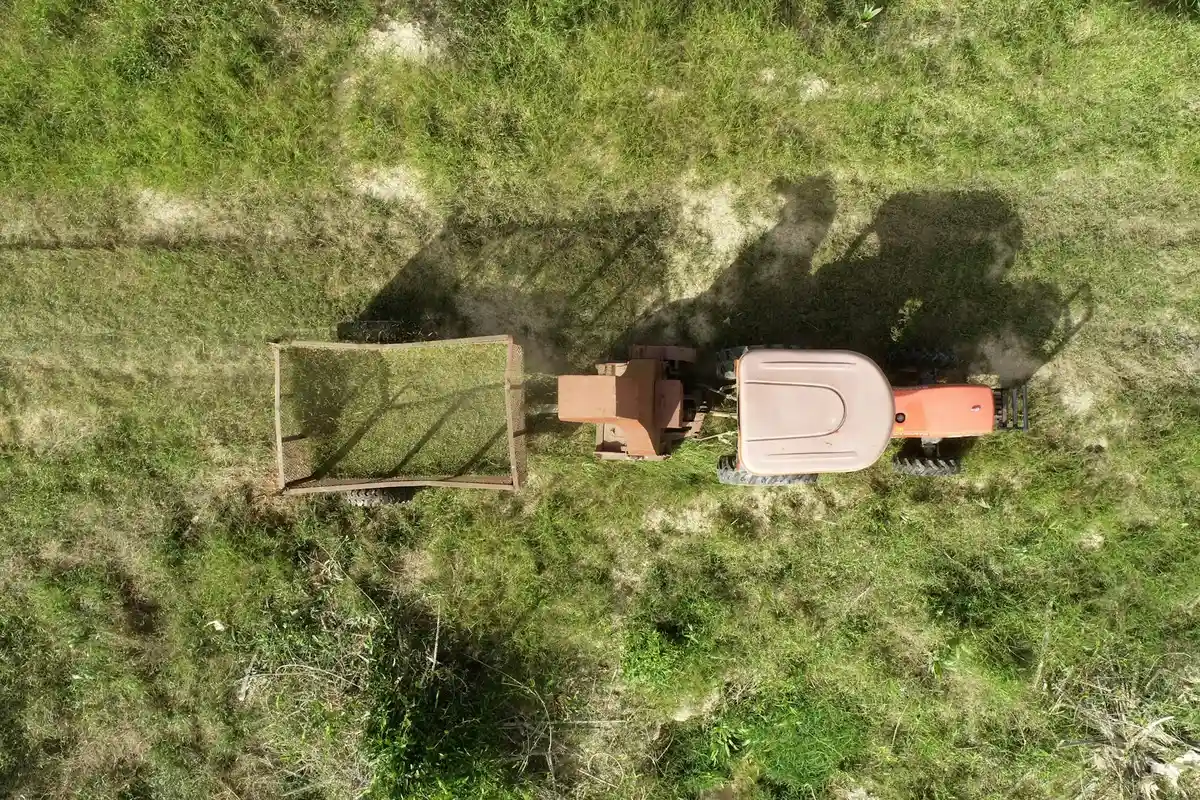
The most reliable mower isn’t just the one with the best nameplate. It’s the model from a trustworthy brand that fits your specific yard and gets the simple, consistent care it deserves. A great mower is a partner, not a magic wand.
Treat that partner well with sharp blades and clean oil, and it will help you care for your lawn responsibly for years. Every season is a chance to learn a little more about working with your space, whether that’s leaving clippings to feed the soil or setting your mower a notch higher to benefit the bees and butterflies.
Research and Related Sources
- r/Home on Reddit: What is the best brand (most dependable/reliable/long lasting etc) of self propelled push lawn mowers in the 500-600 dollar range? Looking for something that will last and be dependable for as long as humanly possible.
- We Tested 31 Lawn Mowers, and These 10 Made Our Lawns Look Their Best
- The Best Lawn Mowers of 2026 | Lab Tested & Ranked
- Our Lawn Mower Recommendations Make Yard Care Easy, Quiet, and Convenient
- Best Lawn Mower Brands Ranked in America’s Most Trusted Study – Lifestory Research
- We Tested Over Two Dozen Popular Lawn Mowers and Found the 9 Best Models For Any Yard
- The best lawn mowers of 2026, tested and reviewed
Written by Ria Carrington. Ria is an avid lawn care enthusiast and advisor. No lawn is unsalvagable when Ria is at work. She has helped countless homeowners breath new life into their dying lawns. She has a B.Sc in Agriculture and brings practical advice combined with knowledge of plant science and her decade worth of hands on experience.