
How Often Should You Mow Your Lawn?
That question pops into your head every weekend, right before you glance at your grass and wonder if you’re helping it or just cutting time. The good news is that a simple, golden rule makes the answer clear.
We will cover the one-third rule of mowing, how your mowing schedule changes with the seasons and your grass type, and the expensive mistakes you can avoid.
I’ve learned this through years of weekend experiments with my own mower, Max, figuring out what makes grass thick and what just wastes a Saturday.
At a Glance: The Key Factors That Decide Your Schedule
You don’t mow your lawn on a rigid calendar. I learned that the hard way one dry July when I followed my “every Saturday” rule and left the grass looking pale and stressed. The right schedule is a responsive dance with your yard. These four factors are your lead partners.
- Grass Type: This is the biggest factor. Each type has a preferred height it thrives at. Cutting it too short invites weeds and sun damage.
- The One-Third Rule: This is the golden rule of mowing, and we’ll dive deep on it next. It dictates your timing more than any date on the calendar.
- Current Season: Grass grows fast in spring, slows in summer heat, and has a fall surge before winter dormancy. Your frequency must change with it.
- Weather & Rainfall: A rainy, warm week is a growth spurt. A hot, dry stretch is a slowdown. Your mower, like my Max, should rest more during droughts.
- Your Lawn’s Health Goal: Are you after a lush, thick carpet or a low-maintenance green space? A lower cut needs more frequent attention, while a taller lawn can go longer between mows.
Quick Snapshot: Common Grass Types
Here’s a starting point for some popular grasses. Think of these numbers as the “sweet spot” you’re aiming for.
| Grass Type | Ideal Mowing Height | General Seasonal Frequency |
|---|---|---|
| Bermuda | 1 – 2 inches | Every 5-7 days (peak growth) |
| Fescue (Tall) | 3 – 4 inches | Every 7-10 days (spring/fall) |
| Kentucky Bluegrass | 2.5 – 3.5 inches | Every 5-7 days (peak growth) |
| Zoysia | 1.5 – 2.5 inches | Every 7-10 days |
| St. Augustine | 3.5 – 4 inches | Every 7-10 days |
Remember, this table is a guide, not a command. Your specific lawn, sun exposure, and soil will tell you the real story. The shady spot I call “Patch” needs less frequent cuts than the sunny center of my yard, even though it’s all the same grass.
The One-Third Rule: Your Most Important Mowing Guideline
If you forget everything else, remember this. Never cut off more than one-third of the grass blade’s height in a single session.
Think of it like getting a trim versus a buzz cut. A trim keeps you looking neat. A scalping is shocking, stressful, and leaves you vulnerable. Your lawn feels the same way.
Following this rule does several great things for you. It drastically reduces mowing stress on the grass plant, so it recovers fast and stays green. It encourages the plant to grow thicker at the base, which crowds out weeds naturally. It also means the clippings are tiny and decompose quickly, which feeds the soil and reduces thatch buildup.
Let’s make it real with math. Say you’re growing Tall Fescue and want to keep it at a healthy 3 inches tall. Using the one-third rule, you’d set your mower deck to 3 inches and mow when the grass gets to about 4.5 inches tall. You’re cutting off 1.5 inches, which is exactly one-third of 4.5. Simple.
Breaking this rule is the fastest way to a weak, thin lawn that begs for water and weeds. I’ve done it, rushing before a storm, and spent weeks nursing the brown patches back. It’s not worth it. Let the grass guide you, not your weekend to-do list.
How Your Grass Type Changes the Mowing Game

Think of it like this. Some people are morning people, bursting with energy at sunrise. Others come alive in the evening. Your grass is the same way. It all comes down to whether you have cool-season or warm-season grass. Their ideal growing temperatures are opposite, which flips your mowing calendar completely.
Cool-season grasses thrive in the cool, damp weather of spring and fall, while warm-season grasses hit their stride in the blazing heat of summer. Understanding the right mowing height for each grass type keeps lawns healthy and easier to maintain. We’ll look at how mowing height differs for cool-season versus warm-season grasses. Getting this wrong means mowing a lawn that isn’t really growing, or fighting to keep up with a jungle. Let’s break it down.
Cool-Season Grass Frequency (Fescue, Kentucky Bluegrass)
This is what I have, and my mower Max gets his best workouts in April, May, September, and October. When the air is crisp and the soil is moist, these grasses are on a mission to grow.
During these peak growth periods, you might need to mow every 4 to 5 days to keep up. I often find myself on a weekly schedule, but I’m always ready to jump on a few days earlier if a rainy week spurs a growth spurt.
When summer heat hits, everything slows down. Your grass is stressed, just trying to survive. Pushing it with frequent mowing does more harm than good. In July and August, you can often stretch to mowing every 10 to 14 days, only cutting when it’s truly needed. This is a great time to sharpen your mower blades and give your lawn a break.
For homeowners in cooler climates like Ontario or across Canada, this spring/fall rush and summer slowdown is your entire rhythm. Your active mowing season is condensed, so being ready for those busy periods is key. The “one-third rule” (never cutting off more than one-third of the grass blade at once) is your best friend here, especially if a vacation causes you to miss a mow during peak season.
Warm-Season Grass Frequency (Bermuda, Zoysia)
If cool-season grass is a spring/fall marathon runner, warm-season grass is a summer sprinter. When the thermometer climbs, these grasses take off. For a thick, carpet-like lawn, you need to keep up. Understanding the differences between cool-season and warm-season grasses can help you choose the right type for your climate.
In the heart of summer, mowing every 3 to 5 days is common for aggressive growers like Bermuda. Zoysia is a bit more relaxed, but you’ll still be on a weekly or twice-weekly schedule during peak heat. This frequent trimming encourages them to spread laterally, thickening your lawn and crowding out weeds.
Come late fall and winter, these grasses go fully dormant and turn brown. Once dormant, you can put the mower away entirely until you see the first signs of green-up in spring. The only possible winter mow is a single cleanup cut to tidy up leaves or debris, set to the highest setting.
This brings us to a common question from places like Brisbane, where true cold dormancy is rare. In consistently warm climates, “year-round care” means your grass may simply have a slower winter growth period instead of full dormancy. You’ll transition from frequent summer mowing to a reduced schedule, perhaps every 10-14 days in your mildest “winter,” always letting the grass’s growth pace be your guide.
Remember, these are blueprints. Your specific yard will add its own notes. That shady spot under the oak tree (I’m looking at you, Patch) will grow slower. A lawn your kids use as a soccer pitch can handle and may even benefit from more frequent trims. Let the grass’s growth speed, not the calendar, tell you when it’s time to mow. Look at it, walk it, and learn its rhythm. That’s the real secret.
Your Seasonal Mowing Calendar: A Step-by-Step Guide
Think of this as your go-to checklist. The timing isn’t about rigid dates on a calendar, but about watching your lawn and the weather. Follow this rhythm and you’ll work with your grass, not against it.
Spring Mowing: The Growth Surge
When you feel that first real warmth in the air and the soil isn’t soggy underfoot, it’s time. For me, that’s when I give Max his first tune-up of the year. Growth explodes, so your frequency might jump to every 5 to 7 days.
Start with your mower deck at its highest setting for the first cut to avoid shocking the grass.
Over the next two or three mows, lower the cutting height in small steps until you reach your ideal summer height. This gradual approach prevents scalping and lets the grass adjust.
This is when I check on Patch, my stubborn shady corner. Grass there grows slower, so it might need mowing less often than the sunny parts of the lawn. Don’t force it. Mowing slow-grow areas less frequently prevents you from cutting off too much at once and weakening the plants.
Summer Mowing: Beating the Heat
This is all about defense. Your grass is conserving energy and fighting heat stress. The single most important rule here is the One-Third Rule: never cut off more than one-third of the grass blade height in a single mow.
Set your mower to a higher setting. Taller grass shades the soil, keeping roots cooler and helping to block weed seeds from getting sunlight.
For a stressed lawn or certain grasses like fine fescues, a lawn mowing frequency every 3 weeks in summer can be perfectly fine if you’re maintaining a higher height. It’s better to mow less often at the right height than to scalp it weekly.
Time your cuts for early morning or late evening. Mowing in the blazing afternoon sun adds extra stress. I like the calm of an early evening run with Max, and it’s much nicer for the bees and other pollinators that might be visiting your clover or flowers.
Fall Mowing: Preparing for Rest
As the days shorten and nights cool, your lawn’s growth slows. Your mowing frequency will naturally taper off. Where you were mowing weekly, you might stretch to every 10 days, then every two weeks.
Keep following the One-Third Rule. The goal is to keep the grass at a consistent, healthy height until it stops growing.
The final cut of the season should be slightly shorter than your summer height, about 25% lower, to prevent long grass from matting down under winter snow or leaves. This helps avoid fungal diseases like snow mold. Don’t scalp it, just give it a neat trim before winter sleep.
Winter Mowing: The General Rule
For most of us with cool-season grasses, this is a hard stop. Put Max away with a clean deck and stabilized fuel. Your lawn is dormant.
The exception is if you live in a very mild winter climate and see noticeable growth. If you must mow, do it on a dry, mild day and only take off the minimal amount needed. For the vast majority, winter is for planning next year’s projects, not for mowing.
Getting the Height Right: Why It’s Crucial for Health
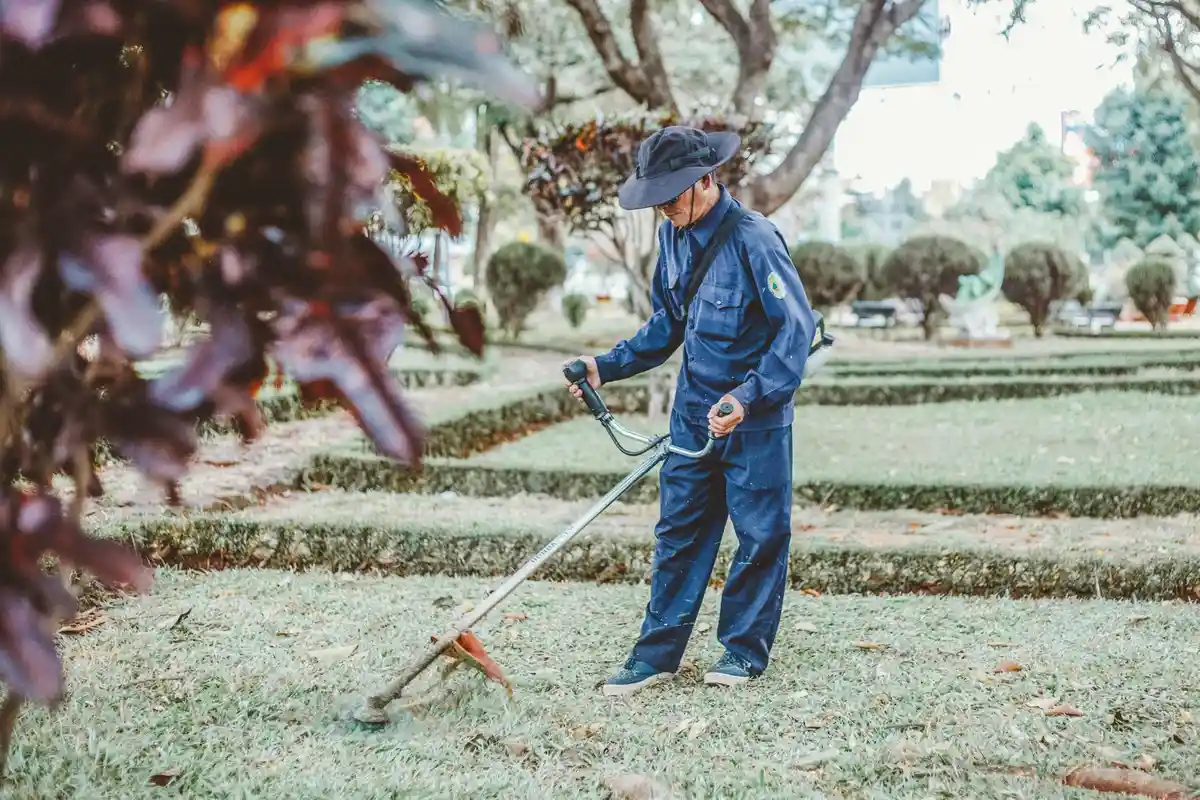
Think of your grass height like a thermostat for your lawn’s health. You’re not just trimming for looks. You are setting the conditions for everything that happens in the soil underneath.
Taller grass blades do three big jobs. They shade the soil to keep it cooler and slow water evaporation. That shade also blocks sunlight from reaching weed seeds trying to sprout. Most importantly, a taller blade means the grass plant invests in a deeper, more resilient root system.
Getting your mower deck set to the right height is the single most effective thing you can do for a thicker, weed-resistant lawn.
Your Grass Type’s Sweet Spot
Just like plants in a garden, different grasses thrive at different heights. Here is a simple guide for common residential lawn grasses.
- Tall Fescue & Kentucky Bluegrass: Keep it between 3 to 4 inches. I run my main yard at 3.5 inches for a lush carpet that crowds out almost everything.
- Perennial Ryegrass: Aim for 2.5 to 3.5 inches. It’s a bit more forgiving but still loves some height.
- Fine Fescues: These do well from 2.5 to 4 inches. My area under the big oak tree, “Patch,” is fine fescue, and I keep it at the higher end for extra drought tolerance.
- Bermuda & Zoysia (Warm Season): These can be cut much shorter, from 1 to 2.5 inches. For a home lawn, staying above 1.5 inches is a safer bet for health.
A Simple Calibration Trick
Your mower’s height lever is a suggestion, not a guarantee. I learned this the hard way when Max’s new tires changed his cutting height. That’s why it’s worth knowing how to adjust your lawn mower cutting height. A quick adjustment can keep the grass even and the clippings manageable.
After your next mow, grab a ruler and measure the grass blade from the soil to the tip in a few spots. If it’s half an inch taller or shorter than you wanted, adjust your mower deck and test again. This two-minute check saves weeks of recovery time.
Avoiding the Scalp
Scalping is cutting the grass so short you see brown stems and soil. It’s the quickest way to invite trouble. That stress signal tells the grass to stop growing roots and focus on a ragged leaf. It opens the soil to baking sun and gives every weed seed a front-row seat.
You might scalp by setting the deck too low, or by mowing an uneven lawn. If your yard has dips and bumps, like most do, raising your overall cut height is your best defense. Learning proper lawn mowing techniques can prevent scalping. Smart grass cutting techniques—such as gradual height changes and keeping blades sharp—support a healthy lawn. It is always better to mow a little higher than to risk cutting into the crown of the plant. A slightly shaggy lawn is a healthy lawn. A scalped one is an emergency.
How Watering Affects Your Mowing Routine

Think of watering and mowing as a team. One fuels the other. If you get your watering right, your mowing schedule falls into a smooth, predictable rhythm. Get it wrong, and you’ll be chasing growth spurts or dealing with a stressed, patchy lawn.
The Watering-Growth Connection
I like to compare consistent, deep watering to a steady, healthy diet for your grass. When my setup, Sunny, delivers a good long drink that soaks down to the roots, the grass gets all the nutrients it needs for strong, even growth. This means it grows at a pace I can predict.
People often ask, “how long and how often should you water your lawn?” The answer directly shapes your mowing. Deep, infrequent watering sessions encourage roots to grow deep and grass to grow steadily, which means you can mow on a more reliable weekly schedule. Daily light sprinkles are the opposite. They keep roots shallow and trigger uneven, frantic growth that might have you reaching for the mower every few days just to keep up.
Adjusting Mowing After Watering or Rain
Here’s a non-negotiable rule from my years on the mower: never, ever mow a soggy lawn. Mowing wet grass leads to torn blades, clumpy piles of clippings, and compacted soil. Always wait until the grass is completely dry to the touch. If you ever must mow damp turf, know there are real risks and essential mowing wet grass precautions. I’ll outline those precautions in the next steps.
After a good drink from Sunny or a solid rain, expect a growth spurt. The grass has the water and energy it needs to shoot up. This means you should check your lawn height a day or two sooner than usual after watering, as it might be ready for a trim before your regular mowing day. I’ve learned to watch for that deep green color and the slight spring-back underfoot-it’s the lawn telling me it’s fueled up and growing.
Solving Common Mowing Problems and Saving Time
Even with the best schedule, life happens. You go on vacation, it rains for a week straight, or you just get busy. Here is how to handle the most common mowing headaches without stress.
What If I Let the Grass Get Too Long?
We have all been there. You come back from a trip and your lawn looks more like a prairie. The worst thing you can do is fire up Max and scalp it down to your usual height in one pass. That shocks the grass, turning it yellow and opening the door for weeds in Patch’s neighborhood.
Use this simple reset process to recover your lawn without harming it.
- Raise the Deck: Crank your mower’s cutting height to its highest setting.
- The First Cut: Mow the lawn, removing only the top one-third of the grass blade. Yes, it will still look tall. That is okay.
- Wait: Give the grass two or three days to recover from the trim.
- The Second Cut: Lower the mower back to your ideal, regular height and mow again. Now you are back on track.
It is an extra step, but your lawn will stay thick and green instead of stressed and thin.
To Bag or Not to Bag Clippings?
Unless the clippings are excessively long or wet, leave them on the lawn. This practice, called grasscycling, is like giving your grass a free, light lunch every time you mow. Those clippings are mostly water and break down quickly, returning nitrogen and other nutrients right back to the soil.
Leaving short clippings on the lawn is the easiest way to feed your grass for free and reduce yard waste. I let Sunny’s schedule do most of the watering, so my clippings are usually dry and vanish in a day.
There are two times I will bag. First, if the grass is so long that clippings form dense mats that smother the grass beneath. Second, if I absolutely must mow when the grass is wet, as wet clumps can lead to disease.
Mower Maintenance for a Cleaner Cut
A dull mower blade does not cut grass, it tears it. Those ragged tips turn brown, make your lawn look dull, and are more susceptible to disease. A sharp blade makes a clean cut that heals fast.
I sharpen Max’s blades at least once a season, usually in late spring and again in early fall. A sharp mower blade is non-negotiable for a healthy, green lawn that can defend itself. You can hear the difference a sharp blade makes, a crisp snap instead of a ragged pull.
Also, change your mowing pattern each time. Mowing in the same direction every week trains the grass to lean and can create ruts from the mower’s wheels. Go north-south one week, then east-west the next. It encourages the grass to grow straight up and promotes even growth.
Quick Answers to Common Questions
When is the best time of day to mow?
Late morning is my sweet spot. The dew has dried so clippings don’t clump, but the intense midday heat hasn’t arrived yet to stress the freshly cut grass.
How do I deal with clumps of clippings?
If you see clumps, mow over them again to break them up. If they are large and wet, it is best to rake them up to prevent smothering. This usually means the grass was too long or damp when you cut it, so adjust your timing next time.
Your Lawn Mowing Questions, Answered

What’s the single most important rule for mowing frequency?
It’s not the calendar-it’s the One-Third Rule. Never cut off more than one-third of the grass blade’s height in a single session; this is what keeps your grass thick, green, and greedy for more space.
I’m in a cooler climate like Ontario. What’s my yearly mowing rhythm?
You’ll have two busy seasons: spring and fall, mowing as often as every 5-7 days during growth surges. In summer, slow way down to every 10-14 days to avoid stressing the heat-weary grass.
Is mowing every 3 weeks in the summer okay?
For a healthy lawn kept at a higher cut height, absolutely. It’s far better to mow less often at the proper height than to scalp it weekly just to stick to a schedule.
My lawn got away from me while I was on vacation. What now?
Don’t scalp it! Raise your mower to its highest setting for the first pass, then lower it to your ideal height for a second cut a few days later. This resets the lawn without shocking it.
How does mowing frequency change in a warm climate like Brisbane?
You’ll mow most frequently in the warm, wet summer months, often weekly. In your mild “winter,” growth slows, allowing you to stretch the time between cuts, letting the grass’s pace guide you year-round.
Wrapping Up Your Mowing Routine
The best thing you can do is mow by grass height, not the calendar. Sticking to the one-third rule and mowing consistently is the single most effective habit for a thick, healthy lawn. It reduces stress on the grass and builds a foundation that naturally fights off weeds and disease.
Remember, a great lawn is part of a healthy home ecosystem. Leave those nutrient-rich clippings on the lawn to feed the soil, and always be aware of pollinators and other wildlife before you start up Max for the week. Every lawn decision affects resources and wildlife. These choices shape the environmental footprint of your yard. Your lawn care journey is always evolving, just like that stubborn Patch in my yard teaches me every season.
Citations and Authoritative Sources
- r/lawncare on Reddit: How often do you mow your lawn?
- Here’s How Often You Should Mow Your Lawn
- How often should I mow my grass? – Eco Green
- Here’s How Often You Really Should Be Mowing Your Lawn
- How Often Should You Mow Your Lawn to Keep It Healthy? – Yarbo
- How Often Should You Mow Your Lawn? A Simple Guide Based on Grass Type, Season, and Mower
- Lawn mowing frequency and its effects on biogenic and anthropogenic carbon dioxide emissions – ScienceDirect
Written by Ria Carrington. Ria is an avid lawn care enthusiast and advisor. No lawn is unsalvagable when Ria is at work. She has helped countless homeowners breath new life into their dying lawns. She has a B.Sc in Agriculture and brings practical advice combined with knowledge of plant science and her decade worth of hands on experience.