
Robot Lawn Mowers: Smart Buy or Weekend Robber?
You’re eyeing that quiet, automated mower but wonder if it’s a genuine time-saver or just an expensive toy for your grass.
We’ll walk through the real pros and cons, upfront costs versus long-term value, how they handle different lawns, and if they’re truly set-and-forget.
I’ve run everything from my old reliable Max to newer robotic models, so I’ll share what actually works for a home lawn.
At a Glance: Key Factors to Weigh
Let’s cut to the chase. You’re busy. Deciding if a robot mower fits your life comes down to a few key things. Think of this as your quick “is this for me?” checklist.
Here are the three biggest wins and the three biggest headaches.
| Pros | Cons |
|---|---|
|
1. Hands-Off Convenience This is the main event. You set a schedule, and it mows. It’s like having a sprinkler system for cutting grass. I get my weekends back. |
1. High Upfront Cost The sticker shock is real. A good model costs more than a premium push mower, and way more than a used rider like Max. |
|
2. Grass Health Benefits It cuts tiny amounts every day or two. This mulches clippings finely, which feed the soil. That frequent, light trim reduces stress on the grass and encourages thick, even growth. |
2. Limitations on Complex Yards Steep slopes, multiple tight zones, or lots of obstacles can be a problem. It’s not a jungle explorer. My “Patch” area, with its dense tree roots, would confuse most models. |
|
3. Quiet Operation The hum is so quiet you can barely hear it from inside. You can mow at 7 AM without annoying the neighbors (or yourself). It’s peaceful, like Sunny the irrigation system at work. |
3. The Need for Setup You must install a boundary wire around your lawn’s edges and any no-go zones. It’s a one-time job, but it takes an afternoon and some patience. This isn’t a “plug and play” tool. For more information on preparing your lawn edges, check out our guide on lawn edging techniques. |
What Exactly Is a Robot Lawn Mower?
Let’s get simple. A robot lawn mower is a self-driving, rechargeable mower that works alone on a schedule you set.
It docks itself to charge, then heads out to cut your grass, usually in a random pattern. Think of a very smart, quiet, outdoor Roomba.
My experience? It’s the opposite of mowing with Max, my zero-turn. With Max, I’m in command. I feel the engine rumble, decide every turn, and see my crisp stripes appear. A robot mower is about surrendering that control for consistent, effortless maintenance.
Its main goal is to keep a lawn perpetually trimmed, not to tackle overgrown grass. You can’t let the lawn get tall and then send the robot out to fix it. It’s designed for regular upkeep. If your yard is a well-behaved rectangle of grass, it’s a perfect partner. If it’s a wild, obstacle-filled adventure course, you’ll still need Max for the heavy lifting.
How Do Robot Lawn Mowers Actually Work?

Picture an invisible fence for a dog, but for your grass. That’s the core of it. You start by installing a thin boundary wire around the edges of your lawn. You can peg it down or bury it in a shallow trench. This wire tells the mower, “This far, and no further.” It creates a digital fence for your yard.
Once that’s set, the little robot takes over. It lives on a charging station in your yard. Its daily life is simple. It charges up, then heads out to mow in a random, zig-zag pattern. This random path is smart. It prevents ruts and ensures every blade gets cut eventually. When its battery gets low, it finds its way back to the dock for a recharge, then heads out again until the job is done.
The best part is what it leaves behind: almost nothing. These mowers are mulching masters. Their blades make dozens of tiny cuts per second, chopping the grass into clippings so small they vanish into the turf. This feeds the soil like a slow-release fertilizer, which is a win for your grass and the earthworms.
They navigate your yard’s furniture with bump sensors. When they gently tap a tree, toy, or garden gnome, they stop, turn, and go another way. Most handle moderate slopes just fine. I’ve seen them tackle hills that would make me nervous on my riding mower, Max. But very steep or bumpy terrain can still be a challenge. You need to check the specific model’s limits.
The Big Shiny Pros: Why People Love Them
Let’s talk about the biggest draw. Your Saturday morning changes. No more scheduling your weekend around the weather and the grass height. You set the schedule, and the mower handles it, often while you’re at work or making breakfast. I love my time on Max, but I won’t lie, getting those hours back for family or projects is a powerful feeling.
This constant, light trimming is like giving your lawn a daily haircut instead of a monthly shearing. It causes far less stress on each grass plant. The grass grows thicker and crowds out weeds naturally. Because the clippings are so tiny, they decompose quickly and don’t contribute to thatch buildup. Your lawn’s health can genuinely improve.
The noise difference is shocking. Swap the loud, weekend-disturbing roar of a gas mower for a quiet, electrical hum. You can have a normal conversation while it works. It’s a game-changer for early mornings, late evenings, or just enjoying your porch in peace.
They run on electricity, so there are no direct emissions, no gas cans, and no oil changes. This is a clear win for the air in your yard. The mulching I mentioned earlier is a pollinator-friendly practice too. It keeps clippings out of storm drains and feeds your soil biology, creating a healthier ecosystem right under your feet.
Finally, the look. A robot mower keeps your grass at a consistent height all the time. No more cycles of growing tall and then getting cut short. Your lawn maintains a perpetually neat, carpet-like appearance that manual mowing can rarely match. It’s the definition of a “set it and forget it” lawn, and the visual payoff is constant. Different grass types have specific mowing heights for grass types that a robot mower can follow. Matching the height to your grass type keeps the carpet-like effect consistent.
The Real-World Cons and Limitations
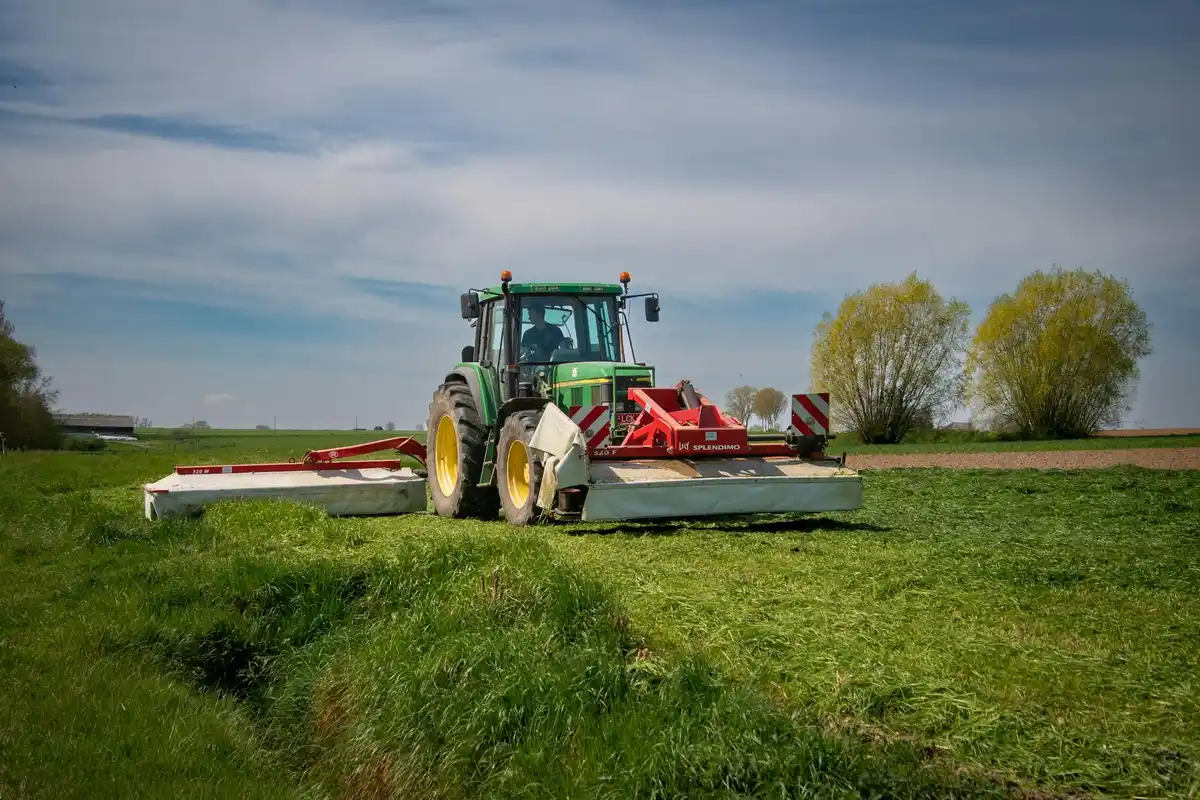
I need to be real with you. While I love the tech, a robot mower isn’t a magic fix for every yard. Before you dream of kicking back with a lemonade, consider these snags.
The Sticker Shock is Real
Opening that first price list can feel like a splash of cold water. A quality robot mower starts around the price of a nice zero-turn and can climb high fast. This isn’t a $200 gadget. You’re looking at a serious, long-term investment in your lawn’s maintenance, not just a new toy. We’ll talk numbers in the cost section, but your wallet needs to be ready.
They’re Not Great in Complex Yards
Think about your lawn’s layout. If it’s a simple, open rectangle, perfect. But many of our yards aren’t. My Patch area, with its tight corners and tree roots, would confuse one for hours.
- Narrow Passages: Gates less than about 3 feet wide can be a real problem. The mower might not fit, or it might get trapped trying to turn around.
- Steep Slopes: Most models have a grade limit, often around 25-35%. A hill that makes you lean into your push mower is probably too much for a robot.
- Multiple Zones: If your front and back yards are totally separate, you’ll likely need two units or a complex wire setup with automatic gates, which adds cost and hassle.
You Still Have to Do the Edges
This is the biggest “aha, but…” moment for new owners. The robot keeps the main field trimmed, but it can’t get right against your flower beds, fences, or house foundation. You will still need to walk the perimeter with a string trimmer or an edger every week or two. It’s far less work, but it’s not zero work.
Setup Takes a Weekend
Forget unboxing and hitting “go.” The initial setup is a project. You must lay a thin boundary wire around your entire property and any no-go zones (like a pond or sandbox). This wire tells the mower where its world ends. You can stake it on top of the soil, but that looks messy. Most of us end up burying it just an inch deep. Grab a shovel or a flat edger. It’s not hard labor, but it is meticulous, back-and-forth work. Plan on a Saturday.
Safety is a Consideration
The blades are small and tucked away, but they are sharp. The mower is designed to stop instantly if lifted. Still, you need to be mindful.
- Pets & Kids: Supervise their first interactions. Most pets learn to ignore it, and the noise is a good deterrent. I always recommend running it during quiet daytime hours when you can keep an eye out.
- The Crossing Sign: This one makes people chuckle, but it’s a genuine rule in many areas. If your mower’s wire crosses a public sidewalk to access another part of your lawn, you are often required to post a small “Automatic Lawn Mower Crossing” sign. It’s for the safety of pedestrians.
They Can Get Stuck or Confused
They’re smart, but not geniuses. You’ll likely rescue it a few times. Common pitfalls include:
- Wet, Tall Grass: If you let the grass get too long or run it after a heavy rain, it can slip, stall, and leave messy wheel tracks.
- Thick Leaf Clumps: In the fall, a pile of wet leaves is a roadblock. You’ll need to rake first.
- Random Obstacles: That garden hose you left out, a stray soccer ball, a thick twig. Anything left in the yard becomes a potential trap.
It becomes a new habit: doing a quick “robot check” of the yard before it starts its run.
Tools You’ll Need & What This Really Costs
Let’s break down what getting into this actually involves, from the toolbox to the bank account.
The Physical Toolkit
Beyond the mower itself, you’ll need a few things for setup. Most kits include the basics, but it’s good to know.
- Wire Stakes: For temporarily holding the boundary wire in place before you bury it.
- A Shovel or Flat Edger: The best tool for slicing a narrow, inch-deep trench to bury the wire.
- Wire Cutters & Strippers: For cutting the wire to length and making connections if you need to splice it.
- A Good Hammer: For driving in any anchoring pins for the charging station.
Breaking Down the Budget
The “robot lawn mower pros price” question needs a transparent answer. Think of the cost in three layers.
- The Mower Price: This is the big one. For a reliable model that can handle a typical 1/4 to 1/2 acre lot, budget between $1,500 and $2,500. Larger or more feature-rich models go up from there.
- Installation:
- DIY: Costs you a weekend of your time, but just the price of any extra tools you might need.
- Professional: Can add several hundred dollars, but ensures a perfect, clean setup.
- Accessories: A rain sensor (so it stays home during storms), extra blades, and potentially that sidewalk crossing sign are smaller, added costs.
Long-Term Cost Comparison
This is where the math starts to feel better. Compare it to my old gas mower, Max.
- Robot Mower: Runs on electricity. The cost to charge it is tiny, maybe $10 to $15 for the entire mowing season. Its main maintenance is replacing the tiny razor blades every 1-2 months (a cheap, easy swap).
- Traditional Gas Mower: Needs fuel, oil changes, air filters, spark plugs, and annual servicing. You’re also paying with your time for that weekly mow. Over 3-5 years, the savings on fuel and maintenance alone can offset a chunk of the robot’s initial price.
The real value isn’t just in dollars saved, but in time and effort you get back every single week of the growing season. You’re trading a large upfront cost for years of small, consistent gains in your free time. For many, that’s the calculation that makes it worth it.
Setting Up Your Robotic Helper: A Step-by-Step Project
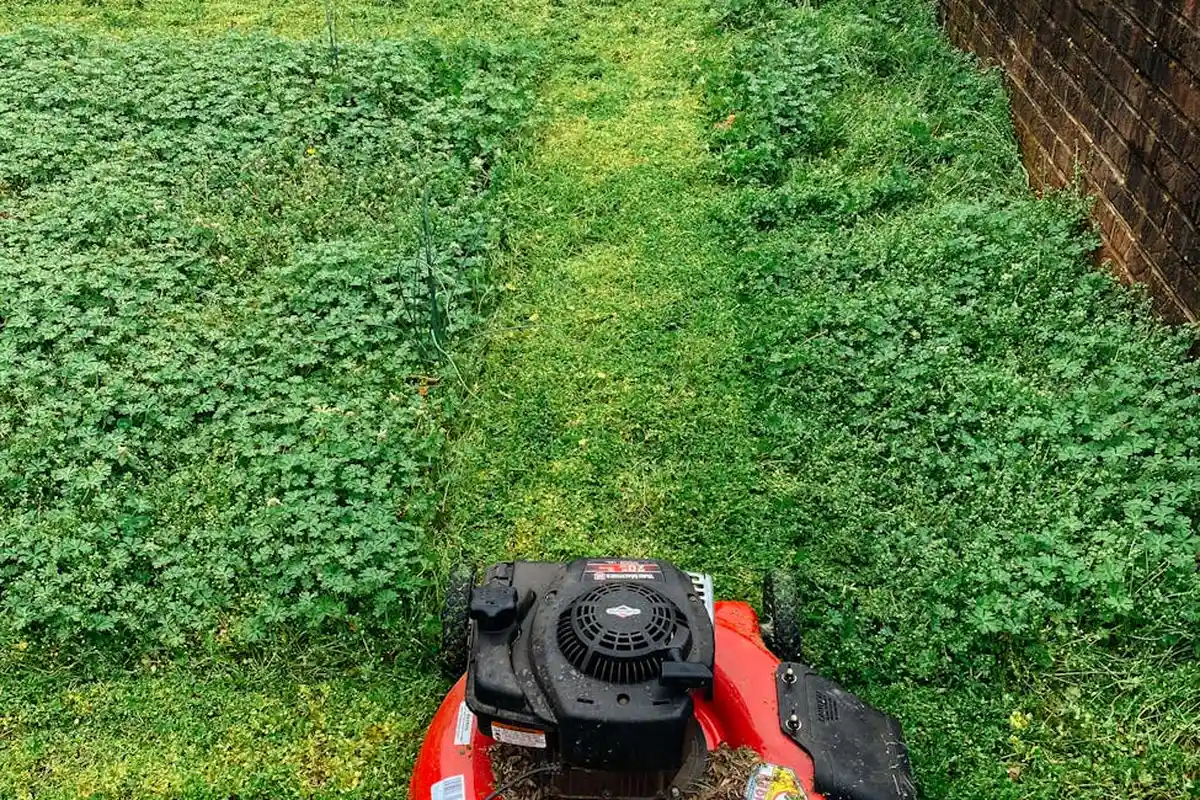
Unboxing your robot mower is exciting, but don’t just toss it on the grass. A little planning now saves a lot of headaches later. Think of this like prepping for a paint job. You need to tape off the trim first.
First, walk your entire lawn. Take a garden hose or a long rope with you. You’re going to lay out the path for the boundary wire. This thin wire is what tells the mower where your lawn ends. Your goal is a clean, simple loop.
Plan your wire path to go around the entire perimeter of the grass, keeping it a consistent 8-12 inches in from the actual edge of your flower beds, driveway, or fence. This gives the mower a buffer so it doesn’t scuff its shell on hard surfaces. Give a wide berth to garden beds and, yes, “Patch’s” stubborn corner. If the mower tries to mow there, it’ll just get stuck or scalp the weak grass.
Installing the Charging Station
Find a spot for the charging base on flat, stable ground, close to an outdoor outlet. Think about “Sunny’s” setup for your drip irrigation-you want it accessible but out of the main line of sight and foot traffic. A spot along a side fence or the house wall often works best.
Use the provided stakes to secure it firmly. A wobbly base means the mower might miss the charging pins when it returns home. Plug it into a GFCI outlet for safety. I keep my station under a simple, sloped rain cover just for extra protection.
Securing the Boundary Wire
Now, lay the wire along the path you planned. You have two main options for securing it:
- Above Ground (Quick Start): Use the provided pegs or stakes to pin the wire down every few feet. This is perfect if you’re testing the layout or have soil that’s hard to dig. It’s temporary, but it works.
- Buried (Permanent & Neat): This is the pro move. Use a flat-edged spade or a special wire-laying tool to cut a narrow, 1-2 inch deep slit in the soil. Tuck the wire into the slit and step on the turf to close it. It disappears completely, and you can mow right over it with Max without a worry.
Run the wire back to the charging station and connect the two ends. The mower creates a signal in this loop. A broken wire breaks the signal, so make sure connections are tight and the wire isn’t sliced by a stray spade.
Initial Programming: The Easy Part
Power it on and connect to the mower’s app on your phone. This is where you make it yours.
First, set your mowing schedule. I run mine Monday, Wednesday, and Friday during the day. The secret is frequency, not duration. Cutting a little bit every other day keeps the clippings tiny and the lawn looking perpetually trimmed. This ties into lawn mowing grass cutting techniques—keeping blades sharp and mowing at the right height. Consistent technique helps the turf recover and stay uniform.
Next, look for the no-go zone or island features in the app. If you have a prized flower bed, a delicate tree ring, or a kids’ play set in the middle of the lawn, you can program the mower to avoid it. You usually do this by driving the mower around the area you want to protect using the app’s remote control.
A common question I get is about programming a robot mower for multiple lawns. Maybe you have a front and back yard separated by a gate.
Higher-end models have a multi-zone or GPS-linked zone feature that lets you program separate, distinct lawns into its memory. You set up a boundary wire for each zone. When it’s time to mow Zone 2 (the back), you simply open the gate, tell the mower via the app to switch zones, and it navigates to and mows that specific area. It’s slick, but it’s a premium feature.
Recommended Products: What to Look For
Don’t just buy the shiniest model. Match the machine to your yard’s personality. Here’s a breakdown of what to look for at different levels.
Entry-Level Models
These are for small, simple, flat lawns-think a quarter-acre or less with no major hills.
- Focus on reliable basic containment and scheduling.
- They often use random navigation patterns (bouncing around until the job is done).
- App control might be simple or non-existent, with just a timer on the base.
- Your goal here is simple: consistent, hands-off cutting for a basic rectangle of grass. It’s a fantastic time-saver for straightforward spaces.
Mid-Range Workhorses
This is the sweet spot for many homeowners with medium yards (up to half an acre) that have some slopes or a few obstacles.
- Look for better battery life and more precise navigation patterns, sometimes systematic.
- Good app control is a must here for adjusting schedules, tracking mowing progress, and getting alerts.
- They handle steeper slopes, often up to 20-25 degrees.
- Durability on the cutting deck and wheels improves. You’re paying for a machine that can handle a bit more terrain and complexity.
Premium Models
For large (over half an acre) or complex yards with multiple zones, significant hills, or intricate landscaping.
- These feature GPS-assisted navigation for highly efficient, systematic mowing patterns that leave perfect stripes.
- Multi-zone handling, as mentioned, is a key feature here.
- They tackle superior slope grades, sometimes over 35 degrees.
- Expect advanced weather sensors, theft alarms, and more refined blade systems for a cleaner cut.
- You’re investing in a truly autonomous system for a property that demands smart, powerful, and adaptable performance.
My final piece of advice is to shop by your yard’s specs, not just the brand name. Measure your slope, square footage, and note your big obstacles. Let that checklist guide you to the right helper.
So, Is a Robot Mower Worth It For You?
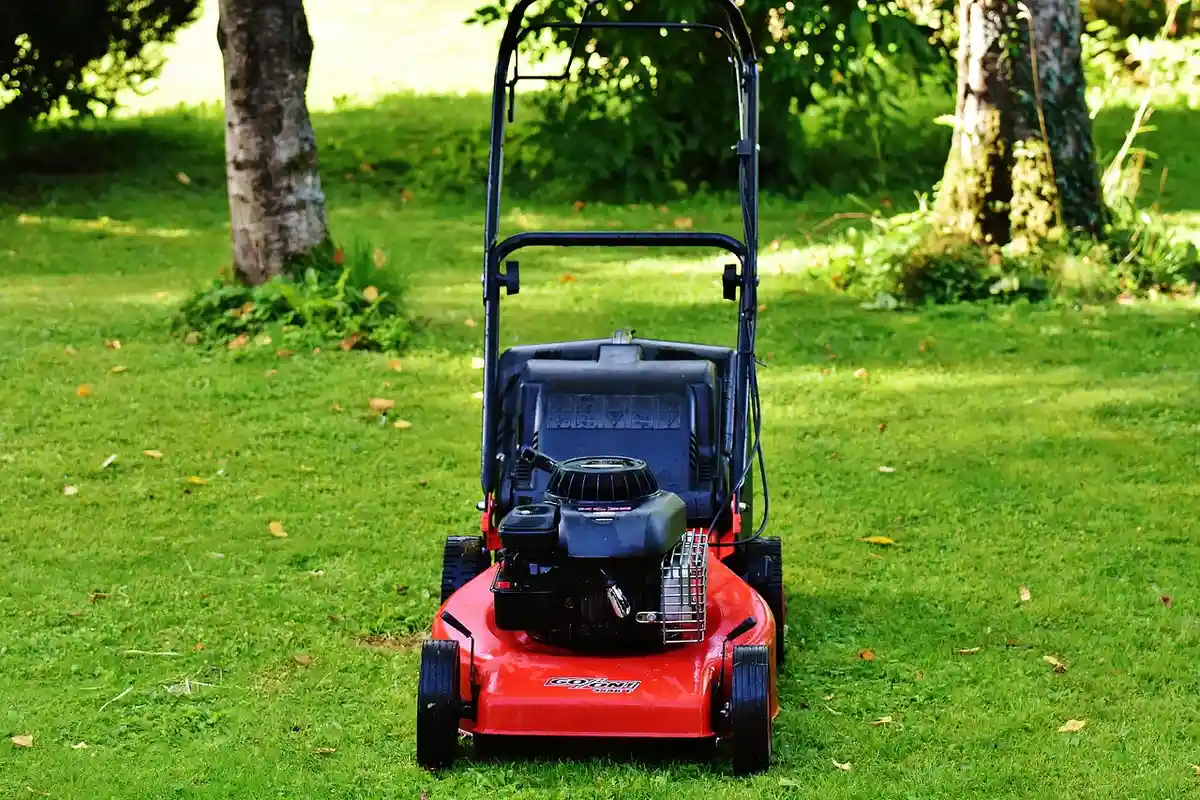
Let’s get straight to it. This isn’t a magic “yes” or “no.” It’s about your yard and your life. Grab a notepad and ask yourself these four questions.
The Simple Robot Mower Checklist
- Yard Size & Shape: Is your lawn under an acre and relatively open? Most residential robots handle up to an acre, but tight, narrow passages or lots of tiny, fenced-off sections can confuse them.
- Terrain: Is your yard mostly flat or gently sloped? Steep hills are a deal-breaker for most models. Think about roots, ruts, or major dips that could high-center the bot.
- Budget: Can you handle an upfront cost of $800 to $2500, plus a little extra for the boundary wire and possibly professional installation? This is a long-term investment, not a weekend toy.
- Your Time & Feelings: How much do you truly dislike mowing? Be honest. Is that hour on the mower your quiet time, or your most dreaded chore? How much is that free time worth to you?
Who It’s Perfect For
If you checked “yes” to most of that list, a robot could be your lawn’s new best friend. This tool is a game-changer for the homeowner who values consistency and hates the weekly mow. It’s ideal if your schedule is predictable enough to let it run safely, and your yard is what I’d call “forgiving”-flat or with mild slopes, without a jungle gym’s worth of obstacles.
Think of it like my drip irrigation, Sunny. You set it and mostly forget it, trusting it to do the small, steady work that adds up to a healthier lawn. The robot’s frequent, tiny clippings act like a constant, gentle fertilizer. For someone who just wants a neat, green carpet without the labor, it’s a brilliant solution.
Who Should Probably Skip It (For Now)
A robot mower isn’t a universal fix. If your yard looks like an obstacle course or a ski slope, you’ll likely fight with the machine more than it helps you. Very complex layouts with gardens, trees, and decorations on all sides mean a frustrating installation of boundary wire. Super steep grades are a safety and performance risk. On sloped yards, regular mower maintenance is crucial to keep performance reliable. Simple checks like blade sharpness, battery health, and belt tension can prevent issues on inclines.
You should also pause if your budget is razor-tight. This is a premium convenience. If choosing between a robot and fixing your soil’s compaction issues, fix the soil first. A robot can’t save an unhealthy lawn. And if you’re a control freak like me, who finds zen in the lines left by Max the zero-turn, you might miss the hands-on part.
My Neighborly Two Cents
Here’s my honest take, from one grass-obsessed homeowner to another. I see the incredible value in a robot mower. The time it gives back is real. The lawn health benefits from frequent mulching are proven. For many of you, it will be the best lawn care purchase you ever make.
But for me, right now, I’m sticking with Max. My weekends on the mower are when I spot problems early-a thin patch here, a suspicious weed there. It’s my audit of the lawn. I like the control, the crisp stripes, and the simple machinery. A robot feels like handing over the keys to a part of my hobby. It’s like choosing automatic sprinklers over hand-watering; sometimes the connection is in the chore.
That said, I’m keeping a close eye on them. The tech gets better every year. For my simple back yard, a robot might eventually become my “Sunny” for mowing-a set-it-and-forget-it backbone. But for the front, where I putter and perfect, I think I’ll always want to be in the driver’s seat.
Your Robot Mower Questions, Answered
1. I like the pros, but how do I know if my yard is too complex for one?
If your lawn is mostly open with gentle slopes and minimal obstacles, a robot will thrive. But if it’s a maze of tight passages, steep hills, or multiple disconnected sections, you’ll likely fight the boundary wire more than you’ll enjoy the convenience.
2. My robot needs to cross a sidewalk to get to the front lawn. What’s the deal with the crossing sign?
Many local codes require a small “Automatic Mower Crossing” sign where the guide wire crosses a public walkway, purely for pedestrian awareness. It’s a simple safety formality; think of it as being a good neighbor while your robot goes about its business.
3. Can I really program one mower to handle both my front and back yard separately?
Yes, but only with higher-end models featuring a multi-zone function. For most homeowners with separate yards, the practical choice is either manually moving the mower and its base seasonally or setting up a more complex (and costly) dual-wire system with an automatic gate.
4>Is the high upfront price tag actually justified over time?
When you factor in years of reclaimed weekend hours and the elimination of fuel, oil, and repair costs for a gas mower, the math works for many. You’re investing upfront to buy back your time and gain consistently healthier grass season after season, especially when compared to gas mowers.
5>What’s the one real-world downside that reviews don’t talk about enough?
The “lawn check” habit. You’ll still need to walk the yard to clear sticks, toys, and hose coils before it mows, and then trim the edges it can’t reach. It drastically reduces labor but doesn’t eliminate your role as lawn manager. Pair these checks with a few simple lawn care maintenance tips to keep the turf healthy. This approach makes upkeep feel proactive rather than reactive.
Making the Robo-Mower Decision

Choosing a robot mower comes down to one simple match. If your lawn is mostly open and you want the ultimate time-saver, a robotic helper is a game-changer for your weekends. If your yard is a puzzle of tight corners, gardens, and slopes, a traditional mower like my old Max is still your best, most reliable partner.
Remember, even the smartest mower needs a mindful owner. Keep those boundary wires neat, check for critters before it runs, and always listen to what your grass is telling you. A healthy lawn starts with paying attention, whether the cutting is done by you or your new electric helper.
Relevant Resources for Further Exploration
- Robotic Lawn Mowers – The Home Depot
- Robot Lawn Mowers
- How Much Do Robot Lawn Mowers Cost? (2023) | Education
Written by Ria Carrington. Ria is an avid lawn care enthusiast and advisor. No lawn is unsalvagable when Ria is at work. She has helped countless homeowners breath new life into their dying lawns. She has a B.Sc in Agriculture and brings practical advice combined with knowledge of plant science and her decade worth of hands on experience.