
Is Your Lawn Mower Hurting the Planet?
You want a thick, green lawn, but maybe you also worry about gas fumes, noise, and what it all costs the earth and your wallet.
We will cover mower emissions, community noise, and practical, sustainable alternatives that work for a home lawn.
I’ve tested these trade-offs on my own grass, balancing the hum of my mower Max with the quiet efficiency of my drip system Sunny.
At a Glance: Key Factors
Your weekend mow does more than just tidy up the grass length. It touches the air, the quiet, and the little critters living just outside your door. The main things to think about are the exhaust from gas engines, the noise that fills the air, and how the choices you make can turn your lawn from a resource hog into a gentler part of the neighborhood.
The good news is you can shrink your lawn’s environmental footprint with a few smart swaps, and you don’t have to give up your green space to do it. Every bit helps, and the options today are better than ever.
Any advice I give here keeps two things front and center: it must be safe for pets who roam and nap on the grass, and it should support bees, butterflies, and other pollinators. A healthy lawn is part of a healthy backyard ecosystem.
Think about the difference between the sharp, oily smell of a gas mower starting up and the quiet, steady hum of an electric model. One announces its presence with fumes and a roar. The other just gets the job done. It’s a small change with a big feel.
How Gas Mowers Pollute Your Air (And Your Neighborhood)
That little engine on a traditional mower doesn’t burn fuel cleanly. Unlike the sophisticated systems in modern cars, these small motors are simple. They run “rich,” meaning they use more fuel than they can perfectly burn. The result is a mix of pollutants puffing right out of the exhaust and into the air you’re breathing while you mow.
Think of it this way: running a gas mower for an hour can create a similar type of pollution to taking a short drive in your car. It’s a concentrated burst from an engine without a good filter. This adds up across every lawn on the block every Saturday morning.
This matters right in your own yard for your family’s health and your local air quality. Those fumes hang close to the ground, especially on calm days. If you or your neighbors have allergies, asthma, or other breathing sensitivities, gas mower exhaust can make a sunny day outside much less enjoyable.
Pollution isn’t just from the exhaust. There’s also the risk of spilling gas and oil when you fill up or store the machine. A little drip on the driveway can wash into the storm drain with the next rain. My old mower, Max, is a trusty workhorse, but cleaning up a small fuel spot near the shed last season was a clear reminder that what we use matters from start to finish.
What’s Really in That Exhaust Fume?
When you smell that distinct mower exhaust, you’re smelling a cocktail of chemicals. It’s similar to the fumes from an old car, a lawn trimmer, or even strong paint thinner.
- Carbon Monoxide: A colorless, odorless gas that’s dangerous in enclosed spaces. Outdoors while mowing, it contributes to that hazy, smog-like feeling.
- Hydrocarbons: Unburned fuel particles that react with sunlight to form ground-level ozone, the main ingredient in smog.
- Nitrogen Oxides: These gases also help create smog and can irritate your lungs.
- Fine Particulates: Tiny bits of soot and dust so small they can get deep into your lungs.
For anyone with allergies or asthma, these pollutants are direct irritants that can trigger coughing, wheezing, and shortness of breath. They turn a basic chore into a potential health nuisance for you and everyone downwind. Choosing a cleaner mowing option is a simple way to clear the air, literally.
The Saturday Morning Roar: Understanding Noise Pollution

Think of noise pollution as more than a simple nuisance. It’s a constant, jarring disturbance that affects the entire neighborhood ecosystem. For wildlife and even our pets, that weekly engine roar isn’t just loud, it’s a stress trigger. Birds stop singing, bees retreat, and your dog might get anxious. For people, it interrupts peace and can even impact health over time.
Not all mowers create the same racket. Here’s a quick comparison to help you visualize the difference.
You can be a better neighbor and steward with a few simple changes.
- Mow at considerate times, like late morning or early afternoon on weekends, never too early or too late.
- Choose quieter equipment when it’s time for an upgrade. Your neighbors (and local wildlife) will thank you.
- Think about the bees and birds. Mowing less often or leaving some areas unmowed gives them crucial quiet periods to forage and nest.
I keep an old manual reel mower for my small front yard. The sound it makes is peaceful and satisfying, just the clean slice of grass blades. It’s a world away from Max’s powerful but noisy zero-turn rumble in the back. Sometimes, quiet is its own kind of luxury.
Beyond the Blade: Sustainable Lawn Care Alternatives That Work
A beautiful, usable yard doesn’t have to mean a perfect carpet of high-input grass. You have real choices that are easier on you and the environment. These paths all lead to a healthier outdoor space for your family and local pollinators.
Let’s compare three main directions you can take.
- Organic-Only Turf Care: This means feeding your existing grass with natural compost and organic fertilizers, and managing weeds by hand or with pet-safe products. It builds incredible soil health over time. The trade-off is it requires more patience and consistent attention.
- Low-Mow Grass Mixes: These are special grass seed blends that grow very slowly and stay shorter. You might mow once a month or less. They save you time and reduce emissions. The initial establishment is key, and they can cost more upfront.
- Replacing Grass with Other Plants: This is swapping turf for clover, native groundcovers, or garden beds. It dramatically cuts maintenance and boosts biodiversity. It does change the look and feel of your yard, which is a personal choice.
Every one of these options is a win for pet safety, as they move you away from harsh synthetic chemicals. They also provide better habitat and food sources for pollinators compared to a sterile, monoculture lawn.
Is a Clover Lawn Right for You?
Imagine a lawn that stays green with little water, feels soft underfoot, and is constantly dotted with tiny white flowers that bees adore. That’s a clover lawn. It’s drought-tolerant, fixes its own nitrogen from the air (so it fertilizes itself), and stays low.
Establishing one is straightforward. The simplest method is to overseed white clover into your existing grass in early spring or fall. Mow your grass very short, rake to loosen the soil, spread the tiny clover seeds, and keep the area moist for a week or two. The clover will gradually mix with your grass.
The main trade-off is durability; a pure clover lawn won’t handle heavy, daily foot traffic or rough play like a tough turfgrass will. It’s perfect for decorative front yards, shady areas where grass struggles, or sections you just don’t use as much. I think of it as a cozy, living carpet for quieter parts of the garden.
Going Native: Less Work, More Wildlife
Native plants are the species that have grown in your region for thousands of years. They are adapted to your local soil, rainfall, and climate. Planting native grasses or groundcovers like buffalo grass, sedges, or creeping thyme means they thrive with almost no extra help from you.
This cuts mowing down to maybe once or twice a season, if at all. More importantly, it creates a vibrant pocket of habitat. You’ll support native bees, butterflies, and birds that rely on these specific plants for survival. It turns your yard into a functioning part of the local ecosystem.
Don’t feel you have to convert everything at once. Start with a small, sunny section that’s a pain to mow. Treat it like I manage my shady Patch, but with a different goal. Remove the existing grass, plant your native plugs or seeds, and watch a low-maintenance, life-filled space take root.
The “Lazy Lawn” Approach: Mowing Less, Enjoying More
This is the easiest shift you can make right now. Simply mow your grass higher and less often. Set your mower deck to 3.5 or 4 inches. Let the grass grow taller between cuts.
This single practice has a cascade of benefits. Taller grass develops deeper roots, which makes it more drought-resistant. The thicker canopy shades the soil, cooling it and helping to crowd out weed seeds. You immediately reduce fuel use, emissions, and noise because you’re mowing less. Your soil stays moister and healthier.
You can feel the difference underfoot, a springy, dense mat that feels resilient and alive. It’s the opposite of a scalped, thin lawn that needs constant babysitting. This “lazy” method requires less from you but gives more back to the lawn itself. It’s a smarter way to care for your grass.
Your Eco-Friendly Mowing Action Plan: 5 Simple Steps

Thinking about your mower’s impact doesn’t mean giving up. It means mowing smarter. Here are five things you can do this weekend.
Step 1: Audit Your Tool Shed
Open the garage. Look at your mower. Is it an old gas model that smokes on start-up? I had one. It was loud, it smelled, and it leaked a little oil on the pavement. If your mower is over ten years old, replacing it with a modern electric model is the single biggest change you can make for your air and ears. Even if it’s not time for a full replacement, a simple tune-up—clean air filter, fresh oil, sharp blade— can cut its emissions noticeably.
Step 2: Mow Smart, Not Just Often
How you mow matters as much as what you mow with. I follow two rules. First, I never cut more than one-third of the grass blade height. This keeps the grass strong and shades out weeds. Second, I keep my mower blade sharpened every season. A dull blade tears grass, leaving ragged, brown tips that stress the plant. A sharp blade makes a clean cut, which helps the grass heal faster and use less water. Mow when the grass needs it, not just because it’s Saturday.
Step 3: Rethink Your Turf Footprint
You don’t need a perfect green carpet from fence to fence. Look at your yard. Is there a shady spot where grass always struggles? That’s my “Patch.” I stopped fighting it and planted a native shade ground cover. Replacing even a small, troublesome lawn section with clover or native plants cuts mowing time, feeds pollinators, and never needs fertilizer. Start with one corner. See how you like the look of less work and more life.
Step 4: Maintain Without Harsh Chemicals
What you put on your lawn washes into everything else. I use organic, slow-release fertilizer. It feeds the soil, which feeds the grass. It doesn’t give that artificial, neon-green surge that burns out fast. For weeds, I spot-treat. I get on my hands and knees with a spray bottle of natural herbicide or a pulling tool. This protects the bees and butterflies visiting my clover, and keeps my dog safe when he runs outside. It’s more precise, and you use far less product.
Step 5: Be Water-Wise
Lawns need water, but they don’t need waste. Deep, infrequent watering trains roots to grow down. I use a timer and water early in the morning so less evaporates. When you compare the best lawn watering methods, targeted delivery and timing come first. Choosing the right method based on soil and climate makes a real difference. For my flower beds and that new native plant section, I rely on “Sunny,” my drip irrigation setup. Drip lines deliver water right to the roots, drop by drop, with no runoff and almost no loss to wind or sun. It’s silent and efficient. Your lawn will thank you for consistent, deep drinks, not frequent sprinkles.
Tools for a Greener Yard: Recommended Products for Sustainable Mowing
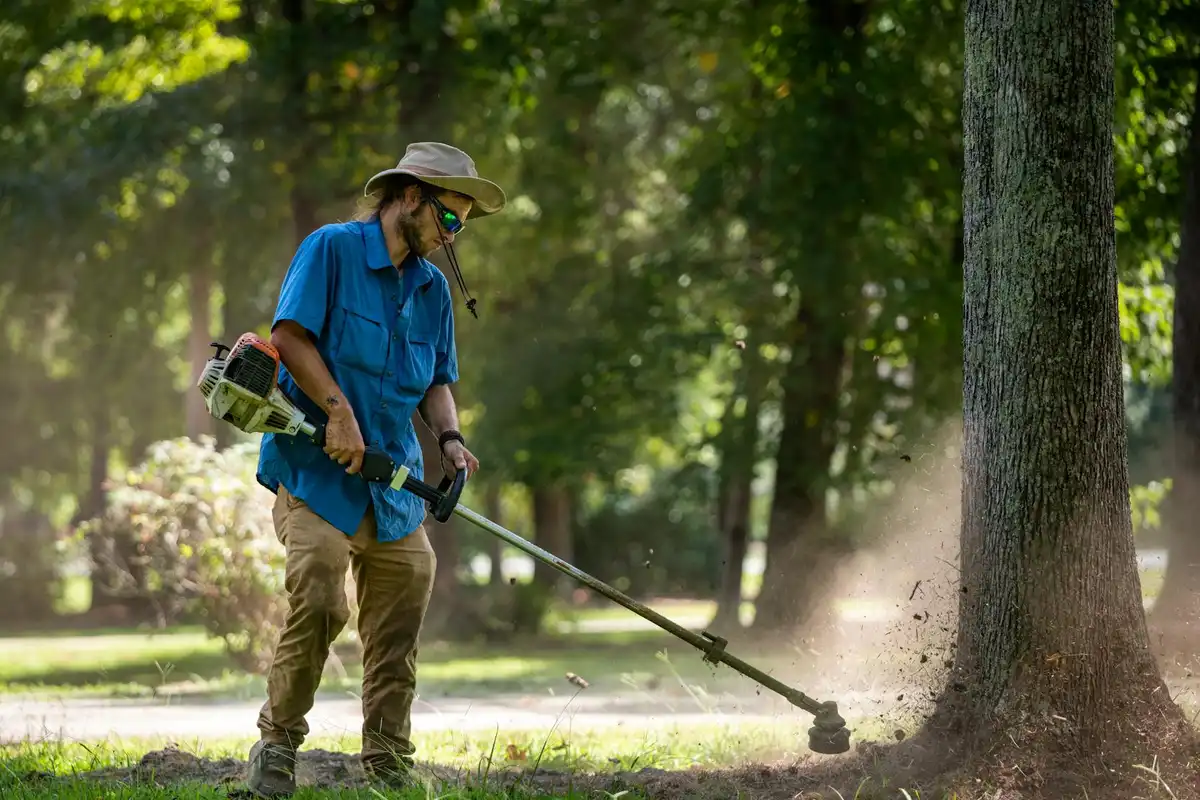
Once you’re ready to upgrade, here’s a look at the tools that make eco-friendly mowing easy and effective. Think about your yard’s size and your own style.
Battery-Electric Mowers
This is where the market has exploded. Modern battery mowers are powerful, quiet, and genuinely fun to use. There’s no gas smell, no oil to spill, and you can start them with the push of a button. The key thing to check is the battery voltage and amp-hour rating, which tells you how much runtime you’ll get per charge. Understanding the voltage specs helps you compare models at a glance. It also clarifies how different voltages translate to power and run time. For most suburban yards, one battery is enough. They have zero tailpipe emissions, and the hum is quiet enough that you can hear the birds while you mow.
Push Reel Mowers
Don’t overlook the classic. For a small, flat lawn, a reel mower is the ultimate green machine. It runs on your effort, produces zero emissions, and is so quiet it’s almost meditative. It gives a supremely clean scissor-cut that is fantastic for grass health, and it’s a bit of a workout. The limitation is tall or thick grass–you need to mow more frequently. But if your yard fits the bill, it’s a satisfying, zero-impact choice.
Robotic Mowers
Think of these as a Roomba for your lawn. They run on electricity, quietly trimming your grass a little bit every day. Because they cut so frequently, they only take off a tiny amount of blade each time, which is less stressful for the grass. The clippings are so small they vanish, acting as a natural fertilizer. If you charge one using solar power or a green energy plan, the environmental footprint shrinks even further. They’re an investment, but for time and consistency, they’re hard to beat.
A Note on Maintenance
No matter what you mow with, take care of it. Clean the deck after use to prevent rust. Store batteries properly. Keep blades sharp. The most sustainable mower is the one that lasts for 15 years, not the one you replace every 5. My zero-turn, Max, is proof. A little annual care keeps him running cleanly and efficiently season after season. It’s less waste in the landfill and more value in your shed.
Your Greedy Grass Guide: Smart Lawn Care FAQs
1. Are the fumes from my gas mower bad for my family’s health while I’m mowing?
Yes, you’re breathing in a direct hit of irritants like hydrocarbons and fine particulates that can aggravate allergies and lungs. For immediate family health, a battery mower eliminates that on-the-spot exposure entirely.
2. What’s the easiest way to be a quieter neighbor on mowing day?
Switch to a battery-electric mower-its hum is conversation-level quiet. Also, mow in the late morning or early afternoon, never too early or late, to respect everyone’s peace.
3. Are sustainable lawn alternatives actually cost-effective for me?
Absolutely. Options like a “Lazy Lawn” (mowing higher and less) save on fuel and water immediately, while clover lawns cut your fertilizer bill by fixing nitrogen from the air for free.
4. I’m not ready to replace my whole lawn. What’s one high-impact change I can make?
Sharpen your mower blade and raise your cutting height to at least 3.5 inches. This simple switch gives you a thicker, healthier turf that naturally crowds out weeds and needs less water.
5. Is an electric mower really a “greener” choice if my electricity comes from fossil fuels?
Even on a grid mix, electric mowers are far more efficient and eliminate hyper-local exhaust in your yard. As your local grid gets cleaner, your mower’s footprint shrinks automatically.
Your Next Step to a Greener Lawn
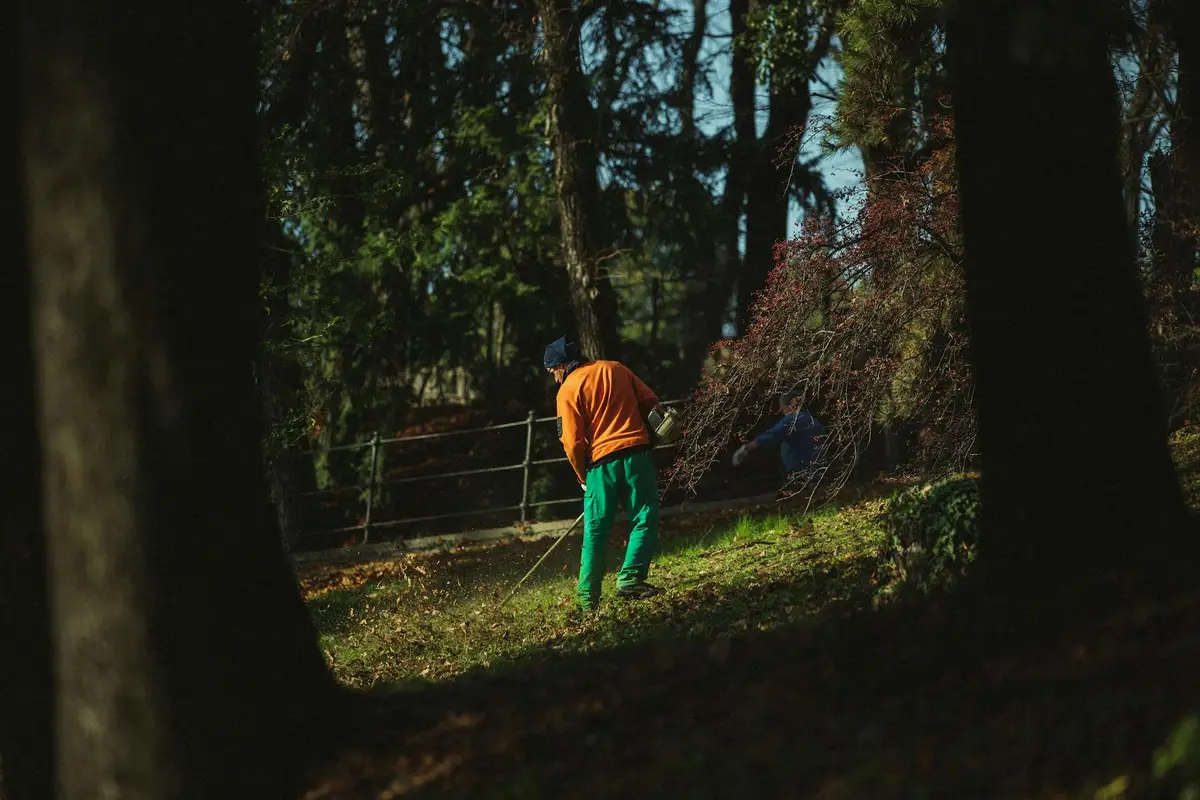
The single best thing you can do is pick a better mower for your specific yard and change how you use it. Start by matching the engine type to your lawn’s size and committing to a simple habit, like mowing in the evening to be a better neighbor.
Being a good lawn owner means caring for more than just the grass under your feet. Every small choice, from letting clippings lie to giving Patch a break, adds up to a healthier little ecosystem. The journey to a thick, quiet, low-impact yard is all about progress, and I’m still learning new tricks right alongside you, especially when it comes to lawn maintenance.
Related Guides and Information
- ARD-22 2020 Take Steps to Limit Air Emissions When Using Garden Equipment
- Electric Lawn Mower Study Results – Sustainability
- How Gas-Powered Lawn Mowers Are Bad For The Environment And What To Do About It | The Momentum
- How do Lawn Mowers impact climate change? – EMSmastery
- Report: Lawn equipment spews ‘shocking’ amount of air pollution | Grist
- Cleaner Air : Gas Mower Pollution Facts
Written by Ria Carrington. Ria is an avid lawn care enthusiast and advisor. No lawn is unsalvagable when Ria is at work. She has helped countless homeowners breath new life into their dying lawns. She has a B.Sc in Agriculture and brings practical advice combined with knowledge of plant science and her decade worth of hands on experience.