
How Do You Control and Eradicate Ants in Your Lawn Safely?
Noticing those tiny mounds and busy trails in your grass is annoying, but you can fix it with smart, safe steps.
This article will guide you through spotting the specific ant type, using treatments that won’t harm pets or pollinators, applying them for maximum effect, and keeping ants from coming back.
I’ve managed ant problems near Patch, my stubborn shady corner, through trial and error to save both the lawn and my wallet.
At a Glance: Key Factors
You see the hills, you feel the frustration. Before you act, take these five simple steps.
- Identify the nest first. Is it a single, volcano-like mound or many small, sandy craters? This tells you if you’re dealing with a colony or a supercolony.
- Always choose a pet-safe and pollinator-friendly method as your first option. The goal is control, not scorched earth.
- Apply treatments in late spring to early summer. The soil is warm, ants are actively foraging, and you can stop populations before they peak.
- Remember, many common ants are garden allies. They aerate soil and eat pest insect eggs. Eradicate only the problematic ones.
- For a small, new problem, a homemade remedy is cheap and often effective. For a large, established infestation, a targeted store-bought product is usually worth the investment for your time and sanity.
Here’s a quick look at your main options.
| Method | Cost | Your Effort | Best For |
| Boiling Water / Soapy Water | Very Low | Moderate (multiple applications) | Small, visible mounds away from grass roots. |
| Diatomaceous Earth | Low | Low (dusting dry mounds) | Dry areas, perimeter control. Must be kept dry. |
| Boric Acid Baits (homemade) | Low | High (mixing, placing safely) | Patient, targeted control for persistent colonies. |
| Iron-Based Granules | Moderate | Low (broadcast spreader application) | Large lawn areas, pet-safe post-emergent control. |
Are Ants Really Bad for Your Lawn?
Are ants bad for your lawn? Can they kill it? The short answer is sometimes, but not always.
Most ants you find are just a nuisance. They build small hills that dull your mower blade and make the lawn look messy. The real troublemakers are species like fire ants or aggressive mound-building ants. Their large nests displace grass roots, creating bare, brown patches. The soil becomes loose and gritty, like someone dumped a bag of sand on your turf. This root disruption is what actually kills the grass, not the ants eating it.
I had this happen near Patch, my stubborn shady spot. A cluster of mounds appeared, and the thin grass there just gave up. The ground felt spongy and unstable underfoot.
But here’s the twist, ants are also hard workers. Their tunnels aerate the soil, letting water and air reach deep. They feast on flea larvae and termite eggs. Wiping out every ant throws that natural balance off. Your job isn’t to declare war, it’s to be a smart manager.
How to Tell If You Have a Problem
First, go on a morning patrol. Look for mounds in sunny, dry areas and along the hard edges of sidewalks or driveways. Ants love that warmth.
If you see disturbed soil but aren’t sure, try the classic “tuna test.” Place a teaspoon of tuna in oil on a small piece of foil in the suspect zone. Check back in 30 minutes. If it’s covered in ants, you’ve confirmed an active foraging trail.
Identifying the type helps you choose your tactic. You don’t need a microscope, just good observation.
- Odorous House Ants: Small, dark, and fast. They nest under mulch, logs, or pavement. You’ll see many tiny craters, not one big mound. Crush one and sniff-it smells like rotten coconut.
- Pavement Ants: Also small, but build distinct, granular mounds along cracks in pavement. Their hills look like fine sand piles.
- Larger Mound Builders: (Like Allegheny Mound Ants). These create the classic, large dome-shaped hills, often surrounded by a circle of dead grass.
When Should You Worry About Ants?
Worry when you see your lawn struggling. A few hills on the perimeter are not a crisis. A dozen hills in the middle of your lawn, surrounded by thinning or browning grass, is a problem that needs action. Diagnose and repair common lawn problems before it gets worse.
Worry immediately if they are stinging fire ants, especially if you have kids or pets. Your management just became urgent.
Seasonally, ants wake up with the warm soil. Late spring is when you’ll first notice major activity as colonies expand. Treating in late spring or early summer breaks their cycle and gives your lawn the whole season to recover. I mark my calendar for a lawn inspection right after I finish my first few regular mows with Max. It’s become part of the spring ritual.
Step-by-Step Guide to Getting Rid of Lawn Ants
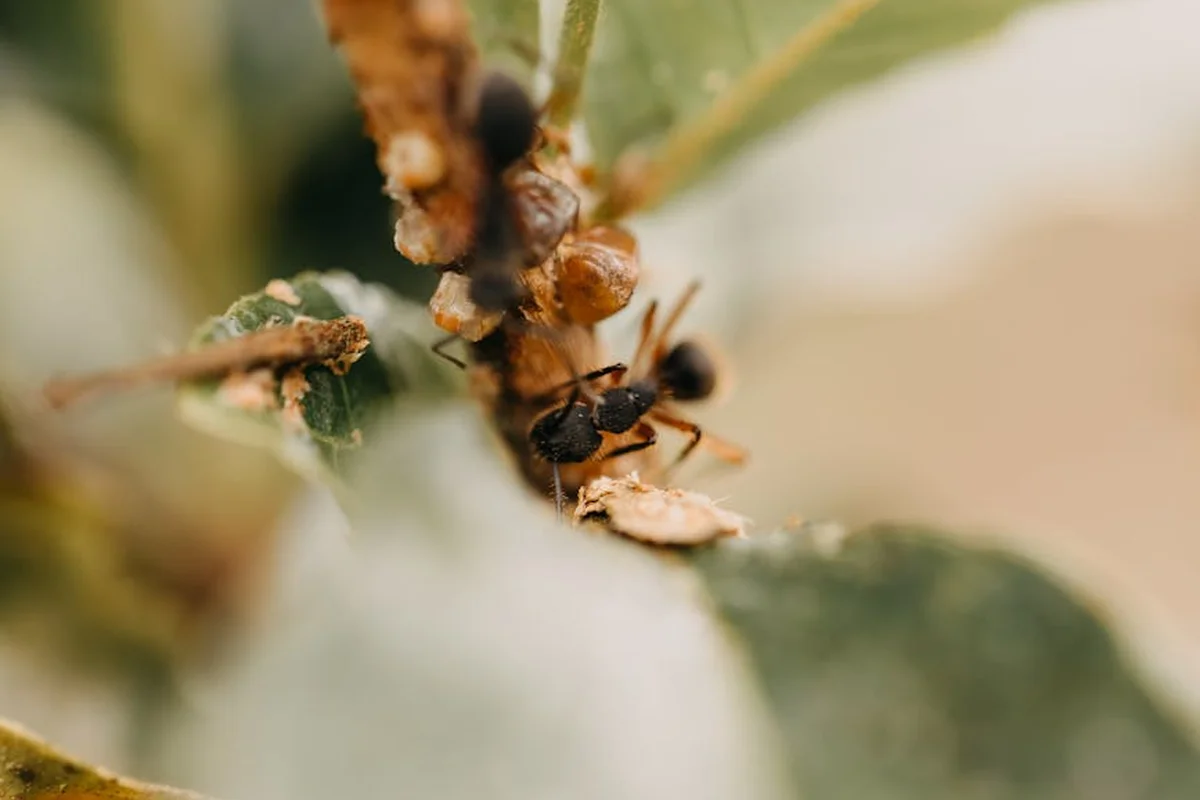
Let’s take this one step at a time. Rushing in with the wrong tool usually means you’re back out there next week. Follow this order and you’ll handle it.
Step 1: Find and Mark the Nests
Ants are most active when it’s cool. Walk your lawn in the early morning or late afternoon. Look for the mounds of fine, crumbly soil. Watch for lines of ants marching to and from them. Don’t just spot the big one. Check near sidewalks, driveways, and that shady corner where Patch lives.
Use small flags, golf tees, or even popsicle sticks to mark every single hill you find. I learned this the hard way. You think you’ll remember, but after you mix up a treatment, you’ll forget where that third nest was by the shed.
Step 2: Choose Your Battle Plan
You have a choice here. Do you need a fast knockdown for a few hills, or do you want to wipe out the whole colony for good? Your answer decides your tools.
For Fast, Direct Action
These methods work on contact but might not kill the queen deep underground. They’re good for immediate relief on a small scale.
- Boiling Water: Pouring a kettle directly into the nest entrance can scald many ants. Be warned, it will also kill the grass in that spot. Use this only on bare dirt or gravel edges.
- Soapy Water Mix: Mix 2 tablespoons of liquid dish soap (the plain kind) with a gallon of water. Drench the hill. The soap breaks down their exoskeletons and can flood tunnels. It’s gentle on the soil but needs direct contact.
- Diatomaceous Earth (DE): This is a fine powder made from fossilized algae. It feels soft to us, but to ants, it’s like walking on broken glass. It scratches their waxy coating and they dry out. Lightly dust it around the nest entrance on a dry day. Use food-grade DE and wear a mask when applying to avoid breathing in the dust. It’s harmless to pets once the dust settles, but it can also harm good bugs, so use it only on the nest.
For Full Colony Elimination
This is the strategic move. Ant baits are slow but thorough. Worker ants take the poisoned bait back to the nest and share it, eventually killing the queen.
- How Baits Work: The workers think it’s food. They carry these granules or liquid back to the colony. It can take a few days to a week, but when the queen dies, the colony collapses.
- Granular vs. Liquid Baits: Granular baits are easy to spread with a handheld spreader. Liquid baits in stations are great for precise placement. Both need a dry lawn and a forecast with no rain for at least 24 hours so the ants can forage.
- Finding Products: You can find effective lawn ant control products at any local garden center or big-box store. Look for bait stations or bags of granules labeled for lawn use. Read the label twice to ensure it’s meant for your type of ants (usually “for mound-building ants”).
Step 3: Apply Your Treatment Safely
Precision matters now. If you’re using granules, a small handheld broadcast spreader gives you even coverage. For liquids, a watering can with a spout lets you target the nest without waste.
Water in granular baits lightly according to the label instructions; this activates them and keeps them from blowing away. Most importantly, keep pets and kids off the lawn until the application is completely dry or has been watered in as directed. If you’ve got a massive, stubborn infestation, searching for professional lawn ant control near me is a smart move. They have stronger tools for serious cases.
Step 4: Repair the Damage
Once the ants are gone, you’re left with a bare, sandy spot. First, take a hard rake and break up that mound of dead grass and soil. Loosen the ground well.
Then, sprinkle some grass seed over the area, cover it with a thin layer of compost or topsoil, and keep it moist. I use Sunny, my drip system, to give it a gentle daily drink. In a week or two, you’ll see green filling in the scar.
Common Lawn Care Mistakes with Ant Control
I’ve made a few of these myself over the years. Avoiding these pitfalls saves time and keeps your lawn healthier.
Mistake 1: Treating Only the Surface
Kicking over the hill or just spraying the top is like mowing over dandelions. It looks better for a day, but the problem is still growing underneath. You have to get the treatment down into the nest where the queen lives, or you’re just pruning the problem. Baits are designed for this. Boiling water or soapy water needs to be poured generously to flood the tunnels.
Mistake 2: Using Harsh Chemicals Unnecessarily
Reaching for a broad-spectrum insecticide spray might seem powerful. But it’s overkill. Those sprays can wipe out earthworms, which are your soil’s best friends, and harm pollinators visiting clover or other flowers in your grass. Start with the most targeted method you can, like a specific ant bait or an organic option, especially in areas where your family and pets spend time. Save the heavy stuff for true last resorts. Consider lawn pest control without chemicals—beneficial nematodes, traps, and cultural practices that keep turf resilient. These non-chemical approaches help manage pests while protecting soil life and pollinators.
Mistake 3: Ignoring the Lawn’s Health
Ants often move into dry, compacted soil because it’s easy for them to tunnel. If your lawn is thin and stressed, it’s an open invitation. A thick, healthy lawn is your best long-term defense against all pests, ants included. Regular aeration, proper watering, and mowing at the right height create an environment that’s tough for ants to colonize. They prefer the easy digging in neglected turf.
Alternative Approaches: From Organic to Traditional
Getting rid of ants isn’t a one-size-fits-all job. Your choice depends on your lawn’s personality and your own care philosophy. Some methods work fast, others work with nature. Let’s walk through the options so you can pick your path.
The Organic-Only Path
This is about working with your lawn’s ecosystem, not against it. The goal is to make your yard less appealing to ants and more welcoming to their natural enemies. I’ve used this approach in my back lawn where the dog plays.
Bring in the cavalry. Birds and beneficial nematodes are your best friends here. A simple bird bath or feeder encourages insect-eating birds to visit. For a direct attack, you can apply microscopic beneficial nematodes to the soil. They hunt and kill ant larvae. You mix them with water and spray them on, usually in the evening when the soil is damp and cool.
The big plus here is safety. It’s completely non-toxic for pets, kids, and pollinators buzzing around your flowers. Over time, it can actually improve your soil biology. The trade-off is patience. It’s not an instant fix. You might need to reapply nematodes or wait for birds to find the buffet.
For a direct, homemade spray, you can mix your own. Always test a small area first to make sure it doesn’t discolor your grass.
- Citrus Oil Spray: Mix 1 teaspoon of orange or lemon essential oil with 1 cup of water in a spray bottle. Shake well and spray directly on ant trails and mounds. The d-limonene in the oil breaks down the ants’ exoskeletons and masks their scent trails.
- Vinegar Solution: A mix of equal parts white vinegar and water can disrupt trails and lower the soil pH slightly, which ants dislike. Be careful, as high concentrations can affect soil and nearby plants.
Low-Maintenance Clover or Mixed Lawns
Sometimes the best defense is a different kind of grass. I’m talking about shifting from a pure grass lawn to one that includes microclover or other low-growing legumes.
Clover fixes nitrogen from the air into the soil, which strengthens your grass and can create a denser turf that’s harder for ants to nest in. The improved soil structure from clover’s roots also means better drainage, and many ants prefer dry, loose soil. It won’t eradicate every ant, but it can make your lawn a less ideal neighborhood for large colonies.
You give up the uniform, golf-course look for a softer, greener carpet that feels lush underfoot. The big lawn care win is that a clover mix needs less fertilizer and often stays greener during drought. You mow it higher, water it less, and you’ll find yourself worrying about pests, including ants, a lot less often.
The Traditional Synthetic Route
When you have a severe infestation or need a guaranteed, long-lasting barrier, a commercial insecticide is the tool for the job. I keep a bag for the perimeter of my house and that one trouble spot by the shed, especially as part of my seasonal lawn pest prevention strategy.
These products usually come as dry granules you spread with a broadcast or drop spreader. They work as a preventive treatment, creating a zone ants won’t cross or will die in if they nest. The major advantage is effectiveness and duration; a single application can protect an area for months.
The downside is the potential impact. These are broad-spectrum insecticides. They can harm beneficial insects like bees if applied incorrectly to flowering weeds, and they require careful handling to keep pets and kids off the lawn until the product is watered in and dry. This is especially important when using any pet-safe lawn care products.
Reading the label is your most important step. Here’s what to look for:
- Active Ingredient: Common ones for ants include Bifenthrin or Lambda-Cyhalothrin. This tells you what actually does the killing.
- Application Rate: This will say something like “2.5 lbs per 1,000 sq ft.” Do not use more. Using more is not better and can harm your soil.
- Watering Instructions: Most granules need to be watered in lightly after application to activate them and move them off the grass blades and into the soil.
- Precautions: It will clearly state the re-entry time (when people/pets can go back on the lawn) and any protections you need to wear, like gloves.
Your Lawn Ant Control Questions, Answered
When should I call a professional for lawn ant control?
Call a pro when you have a widespread supercolony or aggressive fire ants that haven’t responded to your targeted efforts. It’s a smart investment to save your lawn’s health and your own time.
How do I choose the right lawn ant control product at the store?
Ignore flashy packaging and read the label: match the active ingredient to your ant type (like mound-builders) and always verify it’s safe for use on lawns around pets. A granular bait is often your most effective, set-it-and-forget-it option.
What’s your best tip for finding “lawn ant control” products at Home Depot?
Head straight to the pest control aisle and look for the “Lawn & Garden” specific sections, not just general indoor ant killers. Don’t be shy-ask an associate for the granular baits, as they’re often the most effective for outdoor colonies.
Do homemade lawn ant control methods really work for large problems?
Homemade solutions like soapy water are great for spotting small, new mounds, but they rarely reach the deep queen. For a large, established infestation, a commercial bait is far more reliable for complete colony elimination.
When is searching for “lawn ant control near me” the right move?
Search for local pros when you’ve got a severe, recurring infestation or valuable landscaping at risk. They bring industrial-strength solutions and expertise that can solve the problem in one visit, giving you peace of mind and a clear path back to a greedy, thick lawn. For the best lawn pest and weed control solutions, compare proven approaches and tailor a plan to your yard. This helps ensure you get safe, lasting results.
A Clean, Thick Lawn Is Your Best Defense
When it comes to ants, your main goal is to treat the nest directly instead of just spraying the surface. A healthy lawn, mowed tall and kept well-fed, is naturally less appealing to pests of all kinds. That combination of smart targeting and good lawn hygiene is how you win against common lawn pests.
I always lean on the gentlest method that gets the job done, especially with Sunny’s drip lines running and pets nearby. I also rely on simple lawn care maintenance routines to keep the turf thriving between seasons. Lawn care is a long-term project, and I’m still learning new things from Patch and my own backyard every season.
Further Reading & Sources
- How to Prevent Ants from Taking Over the Lawn? – Vertdure
- r/lawncare on Reddit: Ants
- How To Guide – How To Control Ants In Your Lawn
- Total Home Ant Control Kit
Written by Ria Carrington. Ria is an avid lawn care enthusiast and advisor. No lawn is unsalvagable when Ria is at work. She has helped countless homeowners breath new life into their dying lawns. She has a B.Sc in Agriculture and brings practical advice combined with knowledge of plant science and her decade worth of hands on experience.