
How Do You Water a Shady Lawn Without Drowning It and a Sunny Lawn Without Burning It?
If you’re staring at a damp, weak patch under your trees and a thirsty, brown spot in the sun, your watering routine might be the culprit.
We’ll walk through why shade and sun change everything for your soil, how to tailor your watering schedule and depth for each area, and the simple equipment checks that prevent waste.
I’ve learned this through seasons of adjusting Sunny, my drip system, to keep both my lush sunny grass and Patch, that shady corner, perfectly hydrated without overspending.
Why Does Your Shady Lawn Act So Differently?
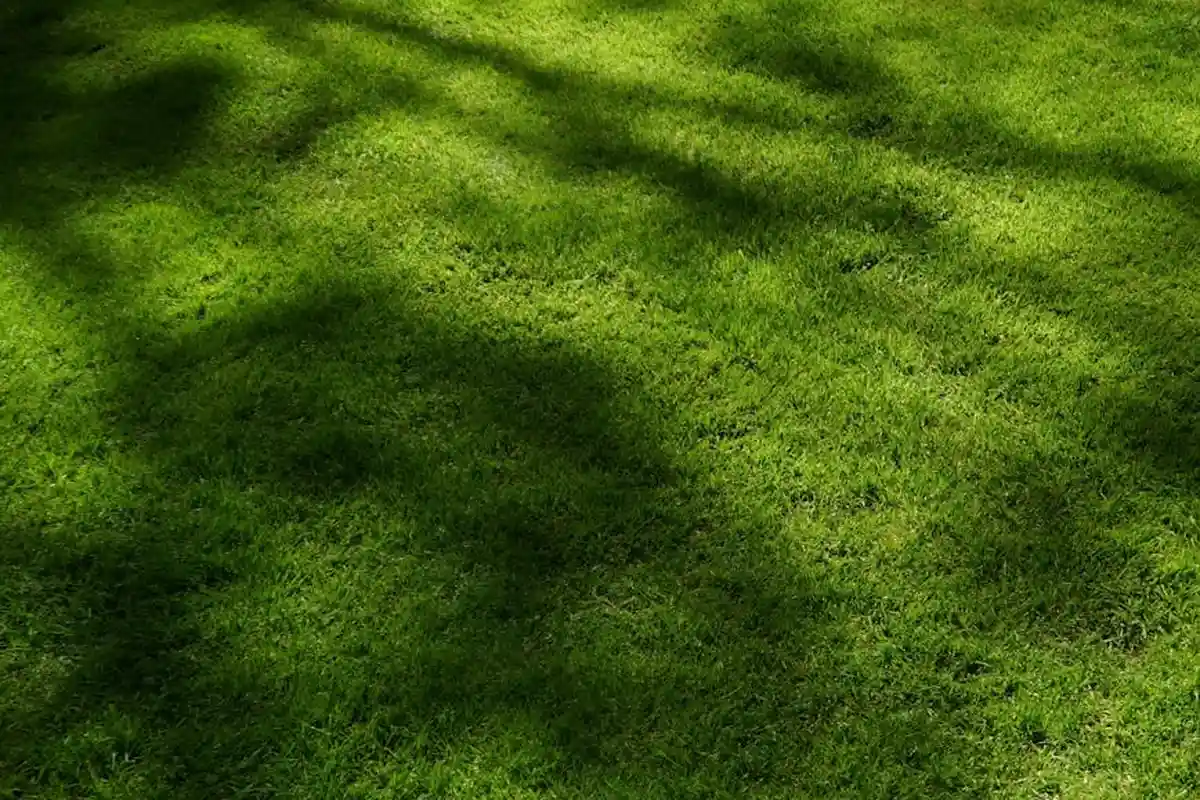
Think about a wet towel left on a sunny deck. It dries out fast. Now picture a damp cloth hung in a dark closet. It stays damp for days. That’s your lawn in the sun versus your lawn in the shade. The core science is simple: less direct sunlight means two big things happen.
First, evaporation slows way down. Water just doesn’t vanish from the soil as quickly. Second, and this is key, the grass itself grows much slower. It’s not working as hard, so it doesn’t drink as much. You’re dealing with a cooler, more passive system.
I learned this the hard way with Patch, that stubborn shady corner by my back fence. For years, I’d give it the same long drink as the rest of the yard. The result was always the same: a spongy, weak spot that invited moss and fungus. It taught me that patience isn’t just a virtue with shady spots, it’s the whole strategy.
The key difference isn’t just how much water you give, but how often you give it. A sunny lawn needs regular, deep watering to support vigorous growth and combat evaporation. A shady lawn needs far less frequent watering to simply sustain its slower pace without drowning its roots or creating a damp playground for disease.
Your Quick-Reference Lawn Watering Snapshot
This table is your cheat sheet. Think of it as a starting point, because your specific soil, grass type, and recent weather will fine-tune the schedule. Remember, the goal is to water deeply but infrequently, encouraging roots to grow down, not stay shallow.
| Area Type | Summer Watering Frequency | Winter Watering Frequency | Key Watch-Out & Grass Notes |
|---|---|---|---|
| Sunny (Full Sun) | Every 3-4 days | Barely at all (rely on rainfall) | Dries out fastest. Choose drought-tolerant grasses like Bermuda or Buffalo grass for warm climates, or Tall Fescue for cooler areas. |
| Part-Shade (Morning Sun/Afternoon Shade) | Every 5-7 days | Almost never | A great middle-ground. Fine Fescues or Shade-tolerant Tall Fescue blends thrive here with less water stress. |
| Full-Shade (Under Trees/Dense Cover) | Every 7-10 days, maybe less | Never (winter watering can harm grass here) | Overwatering is the #1 enemy. This area stays damp. Use specialty shade mixes (Fine Fescues). If grass struggles, consider a pet-safe ground cover like clover or mulch. |
The best tool you have is your finger. Before you turn on Sunny the irrigation system, poke your finger into the soil. If the top 2 inches in a sunny spot are dry, it’s time. If the top inch in a shady spot is still damp, walk away and check again in two days. Your lawn will tell you what it needs.
Setting Your Watering Schedule: Frequency and Timing

Let’s get straight to the rule. For the full sun parts of your lawn, you want to water deep and infrequent. Think of it like a big, hearty meal that keeps you full for days.
Here’s what that means: you apply enough water so it soaks down 6 to 8 inches into the soil. This encourages grass roots to chase that moisture downward, building a deeper, more drought-tolerant system. You might do this only once or twice a week, depending on heat and wind.
Now, head over to the shade, like my problem child, Patch. The rules change completely. Grass in shade grows slower, evaporates less water, and stays damp longer. Watering it like the sunny lawn is asking for fungus and weak roots.
For shady areas, the rule is light and less often. You only want to moisten the top few inches of soil, and you should wait until it’s almost dry before watering again. This often means the shady spots get watered half as often, or even less, than the sunny parts of your yard.
So, how often should a shady lawn be watered compared to a sunny one? Start by cutting the frequency in half. If your sunny lawn needs water twice a week, try once a week for the shade. Then, get your hands dirty and feel the soil to be sure.
The best time of day to water is non-negotiable. Early morning, just as the sun comes up, is the only right answer for both sun and shade. If your lawn has grown long, the same rule still applies, but you may need to water more deeply to encourage root growth. For longer lawns, focus on deep, even irrigation to avoid runoff and ensure the entire root zone gets moisture.
Watering early gives the blades time to dry before nightfall, which is your best defense against disease. It also minimizes water loss to evaporation from sun and wind. If you water at night, you’re putting your lawn to bed with wet feet, and that’s an open invitation for trouble.
How to Actually Measure Water Without a Gauge
You don’t need fancy tools to know how much water your lawn is getting. I use the tuna can test. It’s simple and it works.
Place a few empty, flat-bottomed tuna cans or similar containers around your sprinkler zone. Turn on your irrigation and let it run. Time how long it takes for the cans to fill with about half an inch of water. That’s your target for a standard watering session.
But did the water actually sink in? Grab a long screwdriver or a trowel. About an hour after watering, push it into the soil in your sunny zone. It should slide in easily up to 6 or 8 inches before meeting strong resistance. If it stops shallow, you’re not watering long enough.
In shady areas, you still use the same test, but you’re checking for less penetration, maybe 3 to 4 inches, and you’ll perform this check much less frequently. The goal is to confirm you’re not overdoing it.
Soil Secrets: Your Lawn’s Hidden Plumbing
Your soil type is the hidden manager of your watering schedule. It dictates everything. Think of soil like your home’s plumbing.
Clay soil is a slow-draining coffee mug. It holds water tightly but drains very slowly. Sandy soil is a kitchen sieve. Water runs straight through it, and it doesn’t hold much. Loam is the perfect mix, like a damp sponge that holds moisture but still drains well.
Sun and shade change how these soils behave. A sunny spot with sandy soil will dry out incredibly fast. That same sandy patch in the shade might stay moist for a while. A shady area with heavy clay can stay wet for days, creating a swampy mess that grass hates.
Does soil type affect watering schedules for sun and shade differently? Absolutely. It’s the second most important factor after sunlight. You have to manage both at once.
Here’s how to identify what you’re working with. Do the squeeze test. Take a handful of damp (not sopping wet) soil from a zone and squeeze it in your fist.
- If it forms a tight, slick ball that holds its shape, you have heavy clay.
- If it crumbles immediately and feels gritty, you have sandy soil.
- If it forms a loose ball that crumbles slightly when you poke it, you have blessed loam.
Do this test in both a sunny and a shady part of your yard. You might be surprised to find your soil is different from one area to another, and that tells you exactly why some spots always struggle.
Spotting Trouble: Too Much vs. Not Enough

Your lawn can’t talk, but it sends clear signals. The trick is knowing how to read them. Shady spots and sunny stretches have completely different complaints when they’re thirsty or drowning. I learned this the hard way with my own “Patch,” a shady corner that taught me more about moisture than any book.
Here’s a quick way to diagnose the most common problems.
Signs of Overwatering
Too much water is often worse than not enough, especially in shade.
- A Spongy Feel Underfoot: Step on the grass. If it feels soft and squishy, like a wet sponge, you’re giving it too much.
- Constant Fungus or Mold: Shade is already damp and cool. Add extra water, and you’ll see powdery mildew, slimy patches, or mushrooms popping up like unwanted guests.
- Moss Taking Over: Moss loves wet, compacted soil in low light. If you see it spreading, it’s a sign the environment is too moist for thick grass to compete.
- Yellowing or Wilting Grass: This one is sneaky because it looks like thirst. But if the soil is wet and the grass is yellow and limp, the roots are probably drowning and rotting.
How can I tell if my shady lawn is overwatered? The surest sign is that spongy feel combined with visible fungus or moss. Grass in deep shade needs far less water than you think. I check Patch by simply pushing my finger into the soil. If it’s cool and muddy an inch down, I skip the watering for the week.
Signs of Underwatering
Sunny lawns are thirsty, but they show stress in obvious ways.
- Brittle, Brown Blades: The grass blades won’t just be brown. They’ll be dry to the touch and will crumble or snap when bent.
- Footprints That Stay: Walk across your sunny lawn in the afternoon. If your footprints remain visible in the grass for more than a few minutes, the grass blades lack the moisture to spring back. They’re dehydrated.
- Soil Pulling Away from Edges: Look at the soil along sidewalks or driveways. If you see gaps or cracks, the ground has shrunk from drying out completely.
- Blue-Gray Tint: Before grass turns brown, it often takes on a dull, blue-gray hue. It’s the lawn’s first cry for help.
What are the signs of underwatering in a sunny lawn? Look for lasting footprints and brittle, discolored grass that doesn’t recover in the evening coolness. This is where I double-check my drip system, “Sunny.” I make sure every head is clear and spraying properly. A single clogged emitter can create a bone-dry spot in the middle of a healthy zone.
Choosing Your Watering Tools Wisely
Just like you wouldn’t use a fire hose to water a houseplant, your lawn needs the right tool for the job. Sunny lawns and shady nooks have different demands.
Tools for the Sunny Spots
Open, sunny areas need consistent, even coverage. You’re trying to mimic a good, steady rain.
- Oscillating Sprinklers: These are the classic rectangular sprinklers that rock back and forth. They’re great for covering large, square sections evenly. I use one for my main front lawn. Just watch for windy days, as the light spray can drift away.
- Rotary Sprinklers: These shoot out single or multiple streams of water in a circle. They have more power to push through a light breeze and are excellent for larger, irregular-shaped areas. They can water a bigger radius than an oscillator.
- In-Ground Drip Systems: This is “Sunny’s” setup. Tubes deliver water directly to the root zone. It’s the most efficient method for sunny beds, shrubs, or lawn edges, with almost no water lost to evaporation or runoff.
Tools for the Shady Spots
Shade is a tricky world of tree roots, damp soil, and less thirsty grass. Forceful, broad watering causes problems.
Gentle, targeted irrigation is king for shady, often cramped areas under trees. You want to deliver water slowly and precisely to avoid runoff over tree roots and to prevent soaking the foliage, which invites disease.
What irrigation methods are most effective for shady areas? For small, stubborn patches, a simple soaker hose or a hose-end bubbler is your best friend. Lay a soaker hose along the perimeter of the shady zone. It weeps water slowly right into the soil. A bubbler attachment on your hose does the same thing without any spray at all.
I often advocate for manual hose-end watering in tricky shade spots where automatic systems struggle. My automatic system doesn’t even try to water under my big maple tree anymore. Once a week, I take five minutes with a hose and a gentle spray nozzle to give that area a direct, careful drink. It lets me control the exact amount and avoid the trunk. Think of it as giving your high-maintenance plants a personal touch. It works.
A Seasonal Step-by-Step Watering Guide

Watering your lawn is not a set-it-and-forget-it job. The sun moves, the seasons shift, and your lawn’s thirst changes right along with them. Think of your sunny lawn and your shady lawn as two different friends with different needs throughout the year. To keep both satisfied, follow a seasonal lawn watering schedule that adapts as conditions change. This approach helps you water efficiently and reduce waste throughout the year.
Spring Wake-Up
This is a gentle season. Your grass is stretching its roots, not guzzling water. The goal is to encourage deep roots before the heat hits.
Water in the early morning, aiming for about 1 inch of water per week, including rainfall, to soak the top 6 inches of soil.
- Sunny Lawn: Start checking soil moisture when you see the lilac bushes bloom. Sunny spots will dry out first. Your sprinklers, like my “Sunny” setup, might need to start their run a week or two before the shaded areas.
- Shady Lawn: Hold off. Shade keeps the soil damp longer. Overwatering here invites fungus and shallow roots. Let the natural spring showers and morning dew do most of the work. Only water if the soil feels dry an inch down.
Summer Heat
This is peak drinking season for your sunny grass. Your shady spots, however, are living a different, cooler life.
For sunny areas, deep, infrequent watering is your best defense against drought and heat stress. It helps conserve water while keeping your lawn healthy even during dry spells.
- Sunny Lawn: Water 1 to 1.5 inches per week, but in one or two long sessions. This pushes roots deep. If you see footprints that don’t bounce back, it’s thirsty. Water early, before 10 AM.
- Shady Lawn: Ease up significantly. These areas need 30-50% less water than full sun. Too much water is the number one problem in the shade. Let the soil dry out more between waterings to discourage disease.
Fall Recovery
Cooler nights and warm days are perfect for grass to recover and grow strong roots for winter. It’s the most important watering season for root development. Understanding the best time to water and the right water levels can boost those gains during the lawn season.
Gradually reduce frequency as temperatures drop, but keep the practice of deep watering when you do irrigate.
- Sunny Lawn: Continue deep watering as needed until the trees start dropping leaves consistently. The sun is lower, so evaporation is slower. You might stretch the days between watering.
- Shady Lawn: With trees losing leaves, more light and rain reach the grass. Rely almost entirely on rainfall. Only supplement with a deep drink if you get a dry, windy spell.
Winter Sleep
Your lawn is mostly dormant. The main goal is to prevent damage from freezing and thawing cycles.
In most regions, you can completely turn off your irrigation system once the ground is consistently cold and before the first hard freeze.
- Sunny Lawn: Give it one last deep watering before you winterize your system. This helps protect the roots from drying out over winter.
- Shady Lawn: No extra water is needed. The dormant grass and covered soil are protected from winter sun and wind. Let it rest.
Common Watering Mistakes and How to Dodge Them
We’ve all been there. I’ve made my share of mistakes that left my lawn soggy or stressed. Here are the big ones I see, and how to fix them today.
Watering at Night
This leaves blades of grass wet for 12+ hours, which is like rolling out a welcome mat for fungus and disease.
The fix is simple: always water in the early morning, between 4 AM and 10 AM. The grass has time to dry during the day, but less water is lost to evaporation than in the afternoon heat.
Daily Light Sprinkles
Giving your lawn a quick spray every evening only wets the top inch of soil. This trains roots to stay shallow, making your lawn weak and dependent on you.
Flip your thinking. Water deeply, but less often. Set out a tuna can or rain gauge and run your sprinklers until it collects an inch of water. Then, don’t water again until the soil is dry a few inches down.
Ignoring Your Soil Type
Soil is like a sponge. Clay soil holds water tightly but absorbs it slowly. Sandy soil drains fast but holds very little, which can be problematic for lawn quality and drainage.
Do the screwdriver test. After watering, push a long screwdriver into the soil. It should slide in easily to about 6-8 inches. If it stops hard at 2 inches, you have clay and need to water in shorter cycles with breaks in between so it can soak in. If it plunges right down, you have sand and may need to water more frequently to get that deep soak.
Using One Schedule for Sunny and Shady Areas
Your sprinklers spray the same everywhere, but your lawn doesn’t drink the same everywhere. To optimize, consider the best time of day to water and tailor your schedule to shade and sun. A single schedule drowns the shade and parches the sun.
Zone your irrigation if you can. Set “Sunny” to run longer or more often than your shady zones. If you have a simple sprinkler, just hand-water the sunny, dry spots that need a little extra help. My shady “Patch” taught me this patience.
Not Adjusting for Rain (or Forgetting to Turn the System Off)
This wastes water and money. I learned this the messy way with Max, my mower. I once mowed a day after a rainstorm and my automated system also ran. The lawn was a swamp. Max’s tires sunk in and tore up ruts. It took weeks to fix.
Install a $50 rain shut-off device on your irrigation system. It’s the easiest smart upgrade you can make. Or, make a habit of manually turning the system off when storms are forecast. Your mower will thank you. If you’re handy, you can also install and maintain a DIY lawn sprinkler system. It’s a natural next step after adding a rain shut-off to optimize watering.
Your Quick Lawn Watering FAQ: Shade vs. Sun, Solved.

What’s the one big difference in how I should think about watering sun vs. shade?
Think of your sunny lawn as a thirsty athlete needing deep, regular meals, and your shady lawn as a napper needing just occasional snacks. The core difference isn’t the amount per drink, but how often you offer it.
Does my soil type change the rules between my sunny yard and my shaded side?
Absolutely. Sandy soil in full sun is a double-whammy for drying out fast, while clay in deep shade holds water like a swamp. You must adjust your schedule for both the light level and your soil’s “plumbing” to avoid trouble.
What’s the most effective way to water a tricky area under a big tree?
Ditch the sprinkler for these spots. Use a soaker hose or a gentle hose-end bubbler to deliver water slowly and directly to the soil, avoiding wasteful runoff over dense roots and keeping moisture off the grass blades to prevent disease.
How do seasons change the game for my two different lawn types?
In summer, your sunny lawn’s thirst peaks while your shade needs restraint. Come fall, sunny areas still benefit from deep drinks for root growth, but shady zones can often live off rainfall alone once the tree leaves drop.
My automatic system waters everything the same. What’s my first fix?
Your first move is to manually adjust your watering days. Cut the frequency for shaded zones by at least half compared to sunny ones, and use the finger test to confirm the soil is actually dry before you water shade again.
Final Thoughts on Watering Wisely

The single best thing you can do is treat your shady areas and sunny spots as two different lawns with their own thirst levels. Water deeply but less often in the shade, and be ready to give the full-sun zones a more consistent drink to combat that heat.
A great lawn is about working smarter with the resources you have, like using a simple rain gauge to prevent overwatering. I always learn something new by chatting with local gardeners or my neighbor about what’s working in their yards, and I stick to products that are safe for my dog and the bees.
Research and Related Sources
- How to Water Your Lawn in the Sun or Shade
- Strategies for Watering in the Sun vs. Shade | Gilmour
- Caring for Your Lawn in Sunshine and Shade | Simple Lawn Solutions
- How to Grow Grass in Shaded Areas – The Scotts Company LLC
Written by Ria Carrington. Ria is an avid lawn care enthusiast and advisor. No lawn is unsalvagable when Ria is at work. She has helped countless homeowners breath new life into their dying lawns. She has a B.Sc in Agriculture and brings practical advice combined with knowledge of plant science and her decade worth of hands on experience.