
How Do You Set a Lawn Mower Maintenance Schedule That Saves Time and Money?
Does your mower’s reliability feel like a gamble every spring? A solid maintenance plan turns that worry into confidence.
We will cover the quick daily clean-up, straightforward monthly checks, key seasonal preparations, and the detailed annual tune-up.
I’ve used this exact schedule to keep my mower, Max, running strong and saving cash for five years.
| When | What to Do | The ‘Why’ |
|---|---|---|
| Before Every Mow | Check for debris. Verify tire pressure. | Safety first. Prevents scalping and clumps. |
| Weekly | Clean the deck. Check the air filter. | Prevents rust, ensures proper airflow for the engine. |
| Monthly | Sharpen the blade. Check oil level. | A clean cut prevents grass disease. Proper lubrication prevents engine wear. |
| Seasonal | Change the oil. Replace the air filter. Grease fittings. | Removes old, dirty oil and debris to keep the engine running cool and clean. |
| Annual | Winterize fuel system. Deep clean & inspection. | Prevents gummed-up carburetors and corrosion during storage. |
The goal here isn’t perfection, it’s consistency. Knocking out just the quick checks before you mow does more for your machine’s health than ignoring it all season and trying to cram everything into one overwhelming weekend. Think of it like brushing your teeth for two minutes a day versus a single deep clean at the dentist once a year. One is much easier and prevents bigger problems.
The 60-Second Pre-Mow Check (Your Daily Habit)
This is the ritual. It’s the 60 seconds you spend with your mower before the roar begins. I do this every single time I take Max out of the shed, and it’s saved me from hidden rocks, stray dog toys, and a flat tire more times than I can count.
First, just look. Walk around the mower. Your eyes are your best tool. Look for sticks, pine cones, or that garden hose you forgot to coil. This is about protecting your blade and preventing a projectile.
On level ground, with a cold engine, pull the dipstick, wipe it clean, reinsert it, and pull it again to check the oil level. It should be between the marks. Running low on oil is a quick way to an expensive repair bill. Checking your oil is the single easiest way to be kind to your mower’s engine.
Now, give the tires a little push with your foot. They should feel firm, not squishy. Low tires will scalp your lawn, leaving yellow streaks where the mower deck digs in. It’s like trying to push a wobbly shopping cart. Uneven tires mean an uneven cut.
My final, non-negotiable rule: if you need to tip the mower to check the blade or clean something stubborn from the deck, always disconnect the spark plug wire first. This is the one step that makes everything else safe. It’s a five-second task that ensures the engine can’t accidentally turn over while your fingers are near the blade. Do not skip it. Ever. These basics are the core of lawn mower safety tips you should follow every time you service a mower. For a full guide, check out the rest of the lawn mower safety tips.
What Should You Do After Every Few Mows?
Think of this as your quick pit stop. You don’t need to overhaul the engine, but a few simple checks keep everything running smooth. I do this with Max, my zero-turn, after about three mows or if the grass was especially wet.
Scrape and Spray the Mower Deck
Grass clippings packed under the deck are more than just messy. That damp, dark mat is a perfect home for fungus and disease, which you’ll then spread across your lawn next time you mow.
Cleaning the deck is like wiping down your kitchen counters after cooking; it prevents bigger problems later.
First, disconnect the spark plug wire for safety. Then, use a putty knife or a sturdy scraper to knock off the big, caked-on clumps. Finish with a hose spray to rinse out the rest. Let it dry completely before your next cut.
The “Lift and Look” Blade Check
A dull blade doesn’t cut grass. It tears it, leaving ragged, brown tips that make your whole lawn look thirsty and stressed. Here’s my simple check. If the blade shows dullness after the test, it’s time to sharpen or replace it. That quick step will restore clean cuts and a healthier-looking lawn.
With the spark plug still disconnected and wearing a good pair of gloves, carefully tilt the mower so you can see the blade’s cutting edge. Look at it straight on.
If the edge looks rounded over or has visible nicks, like a dull kitchen knife, it’s time for a sharpening.
Give the blade a gentle spin by hand, too. It should spin freely and not wobble or catch. If it seems unbalanced, that’s a job for a shop.
A Quick Air Filter Tap
Your mower’s air filter is its lungs. A clogged filter makes the engine work harder and burn more fuel. After a few mows in dry conditions, simply remove the paper filter and tap it firmly against your tire or a hard surface to knock out loose dust. If it’s oily or still looks dirty after tapping, swap it for a new one. It’s a five-dollar part that saves a lot of engine wear.
How Do You Handle Monthly or 25-Hour Maintenance?
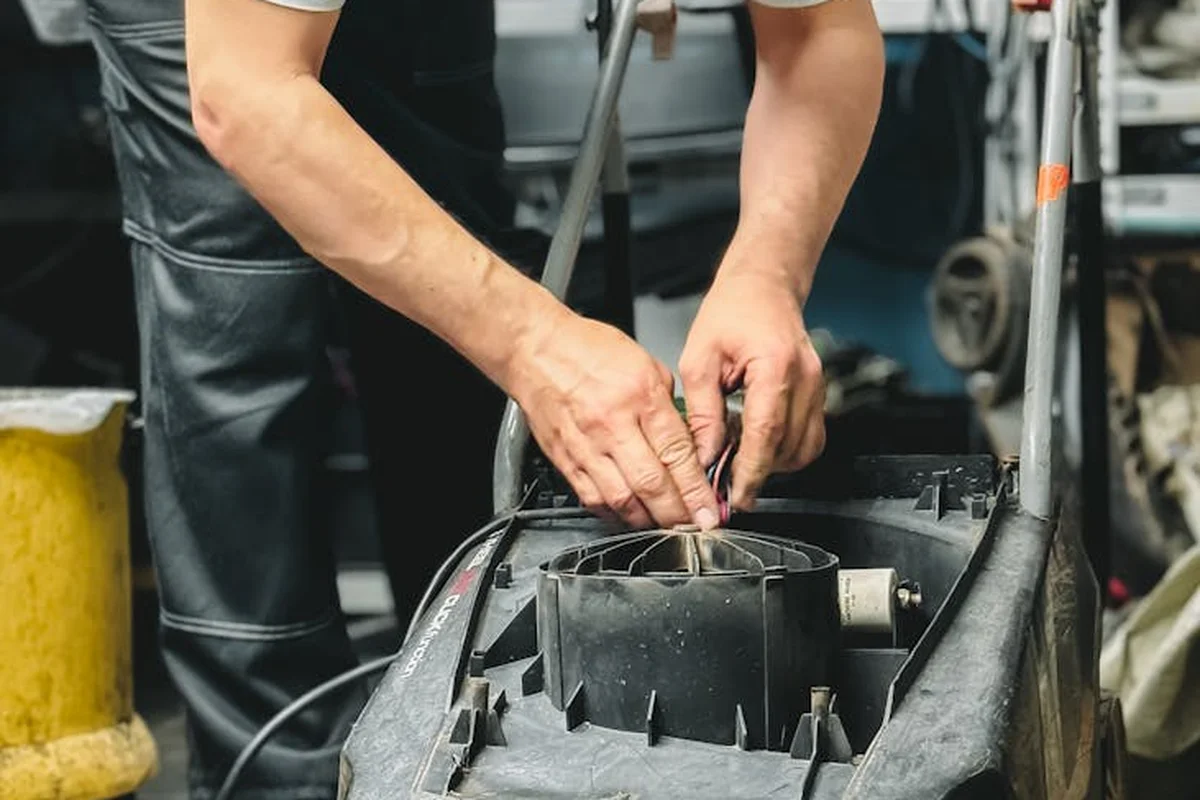
This is your first major service. If you mow a decent-sized yard weekly, you’ll hit 25 hours of run time in about a month. This is when you change the fluids and make sure everything is tight. It feels intimidating, but it’s just following steps.
Changing the Oil and Filter
Fresh oil is the lifeblood of your mower’s engine. Old, dirty oil is full of grit that causes wear. Here’s how to change it.
- Run the mower for a few minutes to warm the oil (it drains easier).
- Disconnect the spark plug. Place a drain pan under the oil plug.
- Remove the plug and let all the old oil drain out.
- Replace the oil filter if your mower has one. Smear a little new oil on the new filter’s rubber gasket before screwing it on hand-tight.
- Re-install the drain plug. Fill with the type and amount of oil listed in your manual (usually SAE 30 or 10W-30).
Take your old oil to an auto parts store or recycling center; they’ll take it for free. Never dump it on the ground or in the trash.
Sharpening the Blade Properly
You can do this yourself with a bench grinder or file, but you must maintain the original angle and grind evenly on both ends. An uneven blade throws the mower off balance, causing vibration that damages spindle bearings.
My rule: if you’re not confident, take it to a local shop or mower dealer. They’ll sharpen and balance it perfectly for about $15. It’s worth the trip.
Whether you do it or they do it, a sharp blade cuts cleanly, reduces strain on the engine, and gives you that crisp, professional stripe.
Checking Belts and Cables
With the engine off, look at the drive and deck belts. Feel for deep cracks, fraying edges, or a glazed, shiny surface. Check that they sit snugly in their pulleys. Next, look at all the control cables where they bend. You’re looking for broken wire strands poking out. A frayed cable can snap when you least expect it.
Catching a worn belt or cable now prevents a breakdown in the middle of your lawn next weekend.
Using a Fuel Stabilizer
Most gas at the pump contains ethanol, which attracts moisture and can gunk up your fuel system if it sits. If you use regular gasoline, adding a fuel stabilizer every time you fill your gas can is a smart habit. It keeps the fuel fresh for months. I use it with every can I fill for Sunny, my irrigation pump, and for my lawn equipment. It’s a cheap ounce of prevention.
The Seasonal Reset: Spring Startup & Winter Storage
Think of your mower like a bear. It needs a proper wake-up call in spring and a cozy den for winter. Skip these steps, and you’ll face a cranky machine that won’t start or runs rough. Let’s break it down into two simple checklists.
Your Spring Startup Checklist
When the soil loses that damp, cold smell and the robins are back, it’s time. I usually do this on the same weekend I give Sunny, my drip system, its first test. Here’s the order I follow every year.
- Install a Sharp Blade: This is non-negotiable. A dull blade tears grass, leaving ragged, brown tips that invite disease. A sharp blade makes a clean cut, which is the single best thing you can do for lawn health after a long winter. I keep a sharpened spare ready to swap in.
- Check or Change the Spark Plug: Pull the old one. If the electrode is blackened or corroded, replace it. A fresh plug ensures a strong, reliable start. It’s a five-dollar part that saves a lot of frustration.
- Re-connect the Battery: If you store it indoors (you should), give the terminals a quick scrub with a wire brush before hooking it back up. Check the water level if it’s not a sealed battery.
- The Test Run: With the sharp blade on and the plug in, add fresh gas. Choke it, pull the cord (or turn the key), and let it run for a few minutes. Listen for smooth operation. This is when I give Max a quick wipe-down and check his tire pressure.
Your Fall/Winter Storage Checklist
This is more important than the spring prep. Doing it right means your mower wakes up happy. The big enemy here is old gas breaking down in the carburetor.
What should you do before storing your mower for the winter? Follow this list.
- Fuel Stabilizer is Your Best Friend: Add a stabilizer like STA-BIL to your gas can, then fill the mower’s tank about halfway. Run the engine for 5 minutes to circulate the treated fuel through the entire fuel system, including the carburetor.
- Why This Prevents “Gummy” Problems: Modern ethanol fuel absorbs water and separates when it sits. Stabilizer keeps the fuel chemically stable, so it doesn’t turn into a varnish-like gum that clogs the carburetor’s tiny jets and passages. This simple step saves you a $150 carb cleaning.
- Remove the Battery: Store it indoors on a wooden shelf or in a plastic bin. A cold concrete floor can drain it over months.
- The Final Cleaning: Hose off all the caked-on grass clippings from underneath the deck. Let it dry completely. I give the whole mower a light coat of protectant on the painted surfaces to fight rust. This final clean-up makes the spring startup feel like a fresh start, not a chore.
Is an Annual Professional Tune-Up Worth the Cost?
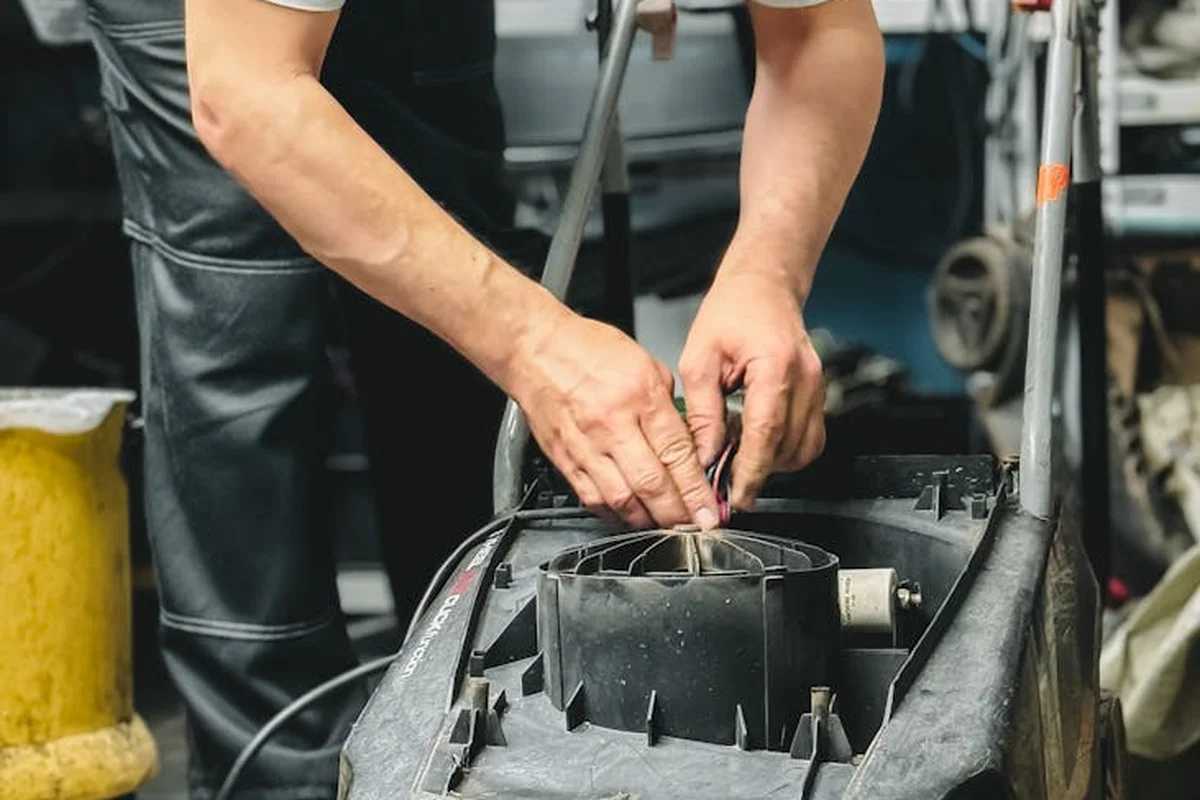
I do most maintenance myself. But I’ve also loaded Max into the truck and taken him to a pro. It’s not an admission of defeat, it’s a smart strategy. Let’s look at when it makes sense for your wallet and your time.
A good pro does more than you might at home. They’ll clean the carburetor thoroughly, check and adjust the valve clearances (a big deal for engine life), and make precise adjustments to the governor and throttle. They have ultrasonic cleaners and specialized tools to do a deeper job.
For a standard walk-behind mower, a basic tune-up (sharp blade, new plug, oil change, air filter, carb clean) might run $100 to $150. Riding mowers are more. The price climbs if you need new belts, a blade spindle, or other parts.
A pro tune-up is a smart investment in three main situations: for an older mower that needs expert care, if you genuinely lack the time or tools, or when you suspect a complex repair beyond a simple part swap. I took my previous mower in when it was losing power, and the valve adjustment they did gave it two more solid seasons.
Where do you find this service? Skip the big-box store service desk. Search for “lawn mower maintenance near me” and look for dedicated small engine repair shops. These are often family-run businesses where the person you talk to is the one doing the work. They know their stuff. For example, someone searching for “lawn mower maintenance Brockport NY” should find a local shop with a good reputation, not a national chain. You get better, more personal service, and you’re supporting a local business that will remember you and your machine. A local lawn mower repair service often offers quicker, more personalized adjustments tailored to your yard and climate. Choosing a local lawn mower repair service keeps expertise nearby and makes future repairs easier.
What Tools Do You Need for Home Mower Maintenance?
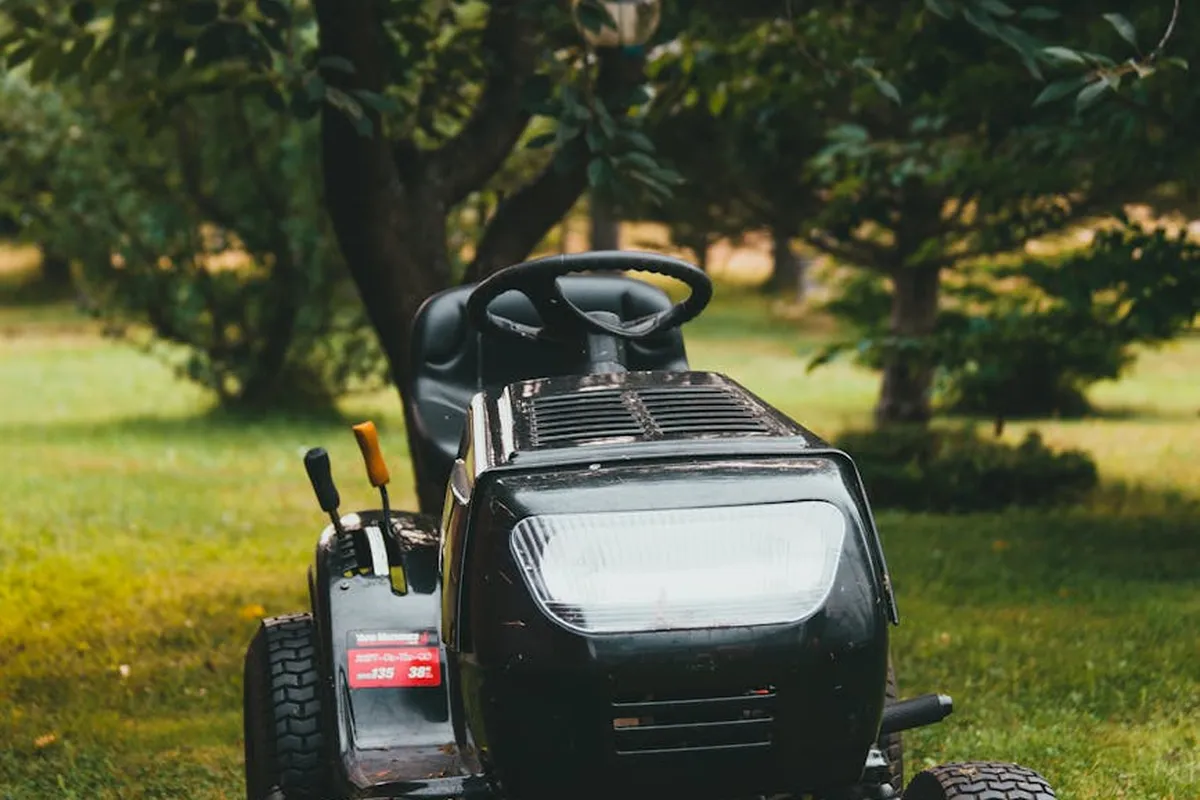
You don’t need a garage full of pro gear to keep your mower healthy. A simple set of basics will handle 95% of the work. I keep mine in an old toolbox next to Max.
Here is the straightforward, budget-friendly kit I use every season:
- Socket Set & Wrench: For removing the blade and other bolts. A basic 3/8-inch drive set is perfect.
- Blade Balancer: This is non-negotiable. A $10 cone balancer ensures your blade spins true, preventing a shaky, damaging cut.
- Oil Drain Pan & Funnel: A cheap plastic pan catches the old oil. A funnel makes refilling clean and simple.
- Tire Gauge: Low tires cause an uneven cut. A simple pencil gauge is all you need.
- Safety Glasses & Gloves: Grass clippings, dirt, and sharp edges are no joke. Protect your eyes and hands.
- Stiff Brush & Putty Knife: For scraping caked-on grass from the mower deck. This helps prevent rust and keeps airflow optimal.
Many home stores sell a basic “lawn mower maintenance kit” that bundles most of these items together. It’s a great starting point if you’re building your toolkit from scratch. That foundation also sets you up for fixing common lawn mower problems through basic maintenance. With regular checks, you’ll prevent most issues before they stall your mower.
For a trusted guide, skip generic online lists and go straight to the source. Reputable small engine manufacturers like Briggs & Stratton or Honda often offer free, detailed “lawn mower maintenance checklist pdf” files on their official websites. These are gold mines of model-specific advice, especially when used in conjunction with a clear understanding of your mower’s engine type.
Spotting Trouble: Common Problems You Can Fix Yourself

When your mower acts up, don’t panic and call for a costly service visit just yet. Many common issues have simple fixes you can handle in an afternoon. Listen to what your machine is telling you.
Before you touch anything, two safety rules are absolute: disconnect the spark plug wire and let the engine cool completely. This prevents any chance of an accidental start-up.
It Won’t Start
This is the most common frustration. If you turn the key or pull the cord and get nothing but silence or sputtering, check these two things first.
Old gas is public enemy number one for small engines. Gasoline starts to break down in as little as 30 days, forming gummy deposits that clog the carburetor. If your mower sat all winter with fuel in it, drain the tank and the carburetor bowl, then add fresh gas.
Next, check the spark plug. Pull it out (remember, with the wire disconnected). If the electrode is black with carbon or the tip is eroded, a new $5 plug is often the cure. The crisp, blue spark of a fresh plug makes all the difference.
It Cuts Unevenly (Scalping & Striping)
If your lawn starts to look like a bad haircut with high and low spots, the problem is usually mechanical, not with the grass itself.
A dull or unbalanced blade tears grass instead of slicing it, leaving ragged, brown tips and an uneven surface. This is where your socket set and blade balancer earn their keep. Sharpen or replace the blade, and always balance it.
Don’t forget the simple stuff. Check all tire pressures with your gauge. One low tire will tilt the entire deck, causing one side to scalp the soil. A level mower is the secret to a smooth, professional stripe.
Loss of Power or Rough Running
If your mower bogs down in thick grass or sounds labored, it’s often struggling to breathe or get clean fuel.
Locate the air filter-it’s usually under a simple cover on the side of the engine. A filter clogged with dirt and grass clippings chokes the engine. Tap it clean or replace it if it’s oily or very dirty. You’ll immediately hear a smoother, happier engine sound.
If the air filter is clean, revisit the fuel system. Along with fresh gas, a fuel stabilizer added to your gas can each time you fill up keeps things flowing smoothly season after season.
Know your limits and when to call a professional. If you’ve checked the spark, air, and fuel and the engine still won’t run, or if there are serious vibrations, knocking sounds, or oil leaks, it’s time for a pro. There’s no shame in it. A complex carburetor rebuild or internal engine issue is often more cost-effective for a trained technician to handle. Your job is to handle the regular care so the big problems are less likely to appear.
Your Lawn Mower Maintenance Questions, Answered
How much should a professional lawn mower maintenance service cost?
A basic annual tune-up for a walk-behind mower typically runs $100-$150, while riding mowers cost more. Think of it as an insurance policy against a major repair bill-it’s worth it for complex issues or if your time is tight. A service tune-up for lawn mowers can catch issues early and keep your machine running smoothly. It’s especially helpful before the mowing season.
Is searching for “lawn mower maintenance near me” the best way to find a good shop?
Yes, but look for dedicated small engine repair shops, not big-box store service desks. Local shops provide expert, personalized service and often support your community, which is a win for everyone.
Where can I find a reliable lawn mower maintenance checklist PDF?
Skip the generic blogs. Go directly to the official websites of engine manufacturers like Briggs & Stratton or Honda; they offer free, model-specific checklists that are the gold standard for guidance.
What should be in a basic lawn mower maintenance kit for a beginner?
Start with a socket set, blade balancer, oil drain pan, tire gauge, and safety gear. Many stores sell these items as a ready-made bundle, which is a perfect and affordable way to get equipped.
I’m in Brockport, NY-should I really use a local shop for lawn mower maintenance?
Absolutely. A local Brockport small business will give your mower more attentive care than a national chain. You’ll get better service and help a neighbor’s business thrive.
Final Thoughts on Mower Care

Sticking to a simple, consistent schedule is the secret to a mower that starts every time and a lawn that looks its best. A quick wipe-down after each use and checking the oil level is more valuable than any single, complicated annual task. Regular maintenance is just as important as knowing how often to mow for lawn health.
Being a good lawn owner means taking care of your tools responsibly, from recycling old engine oil to sharpening blades for a clean cut. Your lawn, and Max, will thank you for the steady, thoughtful attention.
Further Reading & Sources
- Lawn Mower Maintenance Schedule and Checklist
- Essential Lawn Mower Maintenance Checklist for a Stress-Free Season: Learn how to Maintain Your Lawn Mower!
- Spring and Fall Lawn Mower Maintenance | Family Handyman
- What is the best small engine maintenance schedule?
Written by Ria Carrington. Ria is an avid lawn care enthusiast and advisor. No lawn is unsalvagable when Ria is at work. She has helped countless homeowners breath new life into their dying lawns. She has a B.Sc in Agriculture and brings practical advice combined with knowledge of plant science and her decade worth of hands on experience.