
Should You Aerate Your Lawn in Fall or Spring?
Choosing the right time to aerate can make the difference between a thriving lawn and a wasted weekend.
We will cover the clear benefits of fall aeration, the potential drawbacks of spring aeration, and how your local climate directly impacts the best choice for your grass.
I’ve dialed in my aeration timing over five seasons with Max, learning what truly works for a thick, resilient lawn.
| Season | Best For (Grass Type) | Prime Soil Temp | Key Benefit | Biggest Risk | Best Paired With |
| Fall | Cool-season (Kentucky Bluegrass, Fescue, Ryegrass) | 50-65° F | Gives roots room to grow deep before winter, leading to a thicker lawn next spring. | Aerating too late, when frost is imminent, can damage grass crowns. | Overseeding and top-dressing with compost. |
| Spring | Warm-season (Bermuda, Zoysia, St. Augustine) | 60-75° F | Revitalizes soil just as the grass wakes up and starts its major growth cycle. | Opens the door for spring weed seeds (like crabgrass) to germinate in the holes. | Dethatching and applying a balanced, slow-release fertilizer. |
What Aeration Really Does (And How to Know You Need It)
Think of core aeration as giving your lawn’s roots a deep breath. Over a season of mowing with Max, kids playing, and general life, your soil gets packed down. It becomes less like a soft, absorbent sponge and more like a hard dinner plate. Water and nutrients just run off or sit on the surface, and roots struggle to push through. Core aeration helps fertilizer work more effectively and boosts soil health. Healthy soil, in turn, supports deeper root growth and a more resilient lawn.
Core aeration fixes this by pulling out small plugs of soil, creating channels for air, water, and fertilizer to reach the root zone where they’re needed most. It’s a simple process with a dramatic effect. Recognizing the signs that your lawn needs aeration—such as water pooling after rain and thinning turf—lets you time the treatment. These cues are key when deciding whether to aerate now. You’ll know your lawn is crying out for it if you see water pooling in certain spots after a rain instead of soaking in, or if the grass is thinning out despite your care.
The most telling sign is the ground itself. If you push on it with your foot and it feels unyielding, or if you try to push a screwdriver into moist soil and meet solid resistance before reaching 3 inches, you’ve got compaction. I see this every year in the path from my shed to the garden hose.
Now, you might see spike aerators or shoes with nails. I avoid them. Those tools just punch holes and can actually press the soil tighter around the hole, worsening compaction over time. A core aerator that removes a plug is the only method I trust.
Greedy Grass Pro Tip: The Screwdriver Test
This is my go-to check before I ever rent a machine. Wait a day after a good rain or watering with Sunny. Then, take a standard long-blade screwdriver and try to push it straight down into your lawn. If you can’t easily sink it 3 to 4 inches, your soil is too compacted. It’s time to aerate.
The Fall Aeration Advantage (And When It Might Backfire)
For those of us with cool-season lawns, fall feels like a fresh start. The brutal summer heat fades, and your Kentucky Bluegrass, Fescue, or Rye grass wakes up from its semi-dormant slump, ready to grow. This is its prime recovery and prep season. Aeration in fall works with that natural cycle, not against it.
Why Fall Hits Different
The benefits are real, and they build on each other like a good lawn care routine should.
- Cooler temps reduce stress. The grass is active but not fighting for survival. Punching holes in your lawn is minor surgery. Doing it in mild weather gives your grass the best shot at quick healing.
- It creates the perfect window for overseeding. Those open soil cores are ideal seed-to-soil contact chambers. The fall sun and moisture help new grass establish strong roots before winter hits.
- It improves fertilizer uptake before winter. Fall feeding is key for root storage. Aeration lets that fertilizer reach the root zone directly, fueling your lawn for a stronger spring green-up.
- It combats summer compaction. All those barbecues, kids playing, and even just regular mowing with Max can pack the soil down over the summer. Fall aeration relieves that pressure, letting air, water, and nutrients move freely again.
The Honest Downsides
It’s not all crisp, perfect autumn days. Fall aeration has a few real-world hiccups.
- It can be messy with leaves. You’ll want to core aerate before the major leaf drop, or be ready to rake twice. Those little soil plugs get lost in a sea of leaves.
- The window before frost is short. You need about 4-6 weeks of good growing weather after aerating and overseeding. Miss that window, and new seedlings can winterkill.
- It’s not ideal for dormant warm-season lawns. If you have Bermuda or Zoysia that’s browning for winter, disturbing it does no good. The grass is asleep and won’t use the benefits.
Your Fall Aeration To-Do List
If the timing is right for you, here’s how to make it count. Do these steps in order:
- Test your soil. Know what you’re working with before you add anything.
- Dethatch if needed. If you have more than a half-inch of spongy thatch, dethatch first. Otherwise, the aerator tines just punch through thatch, not soil.
- Mow your lawn low. Cut it about a third lower than usual. This helps the aerator tines reach the soil and lets seed find the ground.
- Aerate thoroughly. Rent a core aerator. Make multiple passes in different directions to pull plenty of plugs. They should look like dog treats scattered everywhere.
- Overseed and fertilize immediately. Walk behind the aerator with your seed and a fall fertilizer. The open holes will catch both.
- Water consistently. Keep the seedbed moist for the next two weeks. This is where Sunny, my drip system, earns its keep.
Spring Aeration: A Calculated Risk for a Quick Fix

Spring aeration is different. I don’t plan for it like I do my fall project. I use it as a targeted repair tool. For warm-season grass owners or folks with specific damage, it’s an option. But you have to go in with your eyes open.
When Spring Aeration Makes Sense
Think of this as damage control, not annual maintenance.
- It addresses winter salt or plow damage. If your soil is a compacted, muddy mess from winter maintenance near driveways or roads, aeration can help break that up.
- It helps wake up severely compacted soil. If you couldn’t aerate in fall and your lawn feels like concrete, a spring pass can introduce some air to kickstart microbial life.
- It can reduce early weeds. By improving grass health and density quickly, you help your lawn outcompete weeds for space. It’s a supporting move, not a direct weed killer.
The Significant Drawbacks
This is where the “calculated risk” comes in. The cons are serious.
- It directly competes with weeds for space. You’re creating perfect, bare soil pockets. If you don’t have a thick, healthy lawn already, you are inviting crabgrass and other weeds to a party you’re hosting.
- It can stress grass before summer heat. Aeration uses up the grass’s energy to heal. If you do it too late in spring, the lawn goes into summer stress with less root reserves. It’s a tough way to start the hard season.
- There’s less time for recovery. Spring growth is fast but frantic. The window between thaw and summer heat is shorter than the long, gentle cool-down of fall.
Answering a Common Spring Question
Many people ask, “Should I aerate before or after I fertilize?”
The order matters. You always want to aerate first, then fertilize.
Here’s why: The goal of aeration is to open channels into the root zone. If you fertilize first, that granular food is sitting on top of a thatch layer or compacted soil. When you aerate afterward, you’re not effectively moving that fertilizer down. You aerate to create the pathways, then immediately apply your fertilizer so it can wash down into those holes and reach the roots directly. It’s like drilling a well before you try to fill a water tank.
Your Grass Type Decides the Season
You don’t pick aeration day by looking at the sky. You look at your grass. Is it a cool-season type, or a warm-season type? The answer splits the calendar in two.
The Cool-Season Grass Path (Fescue, Kentucky Bluegrass, Ryegrass)
For your tall fescue or Kentucky bluegrass, think of early fall as your golden ticket. It’s the best time, period.
The soil is still warm from summer, which pushes new root growth through those fresh holes, and the cool air above is perfect for the grass blades themselves. It’s like giving your lawn a double shot of energy right before its big fall growth spurt. Overseeding after aeration in fall gives new grass its best chance to establish deep roots before winter. I aim for early September, when the evening air first gets that crisp snap.
Late spring is your backup plan, and a distant one. Why? You’re aerating just before the stress of summer heat hits. If you do it, do it in late spring (think late May) and be ready to water religiously. It’s not ideal. You might see a boost, but the lawn won’t recover as thickly or build as strong a root system as it would in fall. I learned this the hard way one year on Patch, my shady corner. Spring aeration didn’t help much, but the fall treatment finally got it to thicken up.
The Warm-Season Grass Path (Bermuda, Zoysia, St. Augustine)
For these grasses, flip the script. Late spring is your main event.
You want to aerate just as your lawn is waking up and entering its most aggressive growth phase, usually when soil temperatures are consistently above 65°F. This timing lets the grass recover quickly and fill in those holes with vigorous, green growth. It’s like poking holes in soft clay instead of hard, dry dirt. The grass can easily spread into the opened space.
Early fall is only for repair work in warm-season areas. If you have severe compaction or are trying to reinvigorate a tired lawn, you can aerate in very early fall. But know that the window for strong recovery is closing as growth slows. Don’t pair it with seeding a cool-season grass for winter color unless that’s your specific goal.
What About Transition Zones?
Living where both grass types are grown can feel confusing. The rule is simple: follow the calendar for your *primary* grass. If your lawn is mostly tall fescue, treat it like a cool-season lawn and aerate in early fall. If it’s mostly Bermuda, treat it as warm-season and go in late spring. Trying to split the difference usually helps neither.
How to Aerate: A Simple, Step-by-Step Guide for Any Season
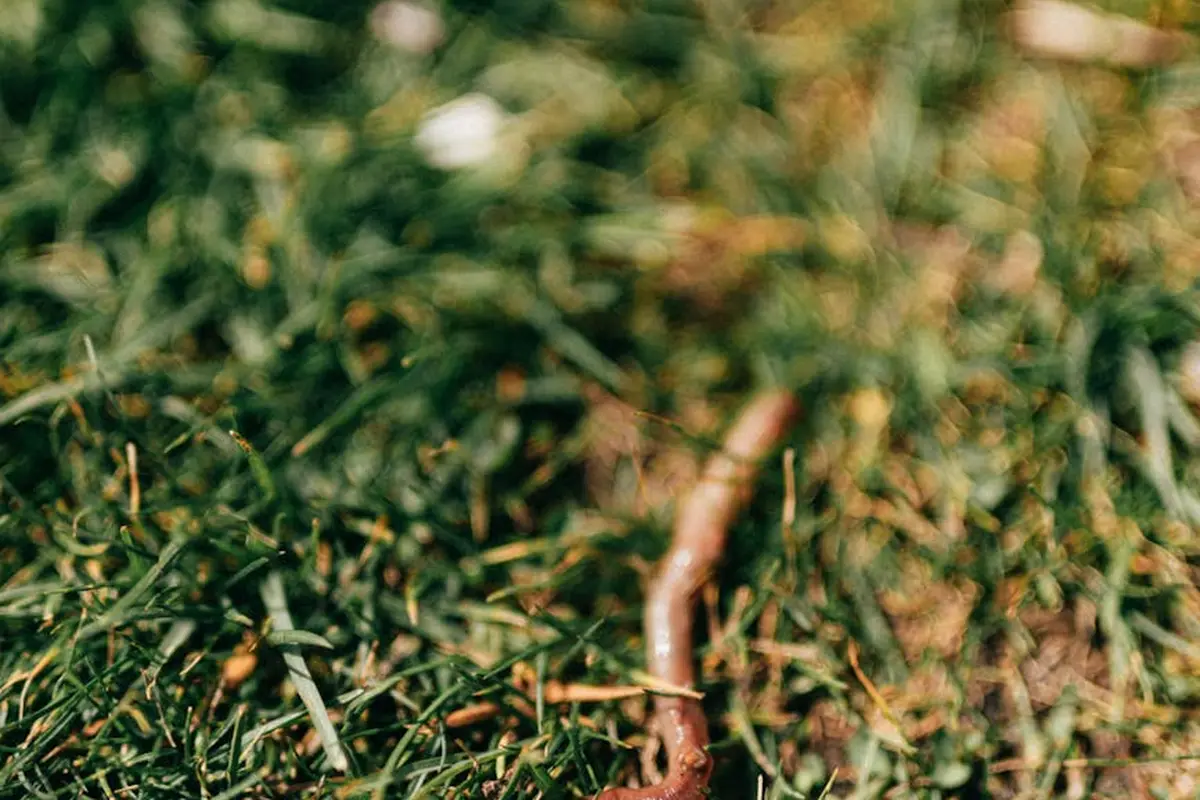
The machine does the hard work, but doing it right matters. Here’s how I run my aeration day with Max.
Getting the Right Tool
You’ll want to rent a core aerator. They are the walk-behind or ride-on machines that pull out actual plugs of soil and thatch. Spike aerators (which just poke holes) can worsen compaction by pressing soil tighter around the holes. A core aerator is the only way to go when you know how to choose the right equipment.
At the rental yard, check the tines (the hollow spoons that pull the plugs). They should look sharp and clean. Ask how old the machine is and if it’s been serviced. A well-maintained machine pulls cleaner plugs and is easier on your back.
The 5-Step Aeration Process
Follow this order. It works for any grass, in any season you’ve chosen.
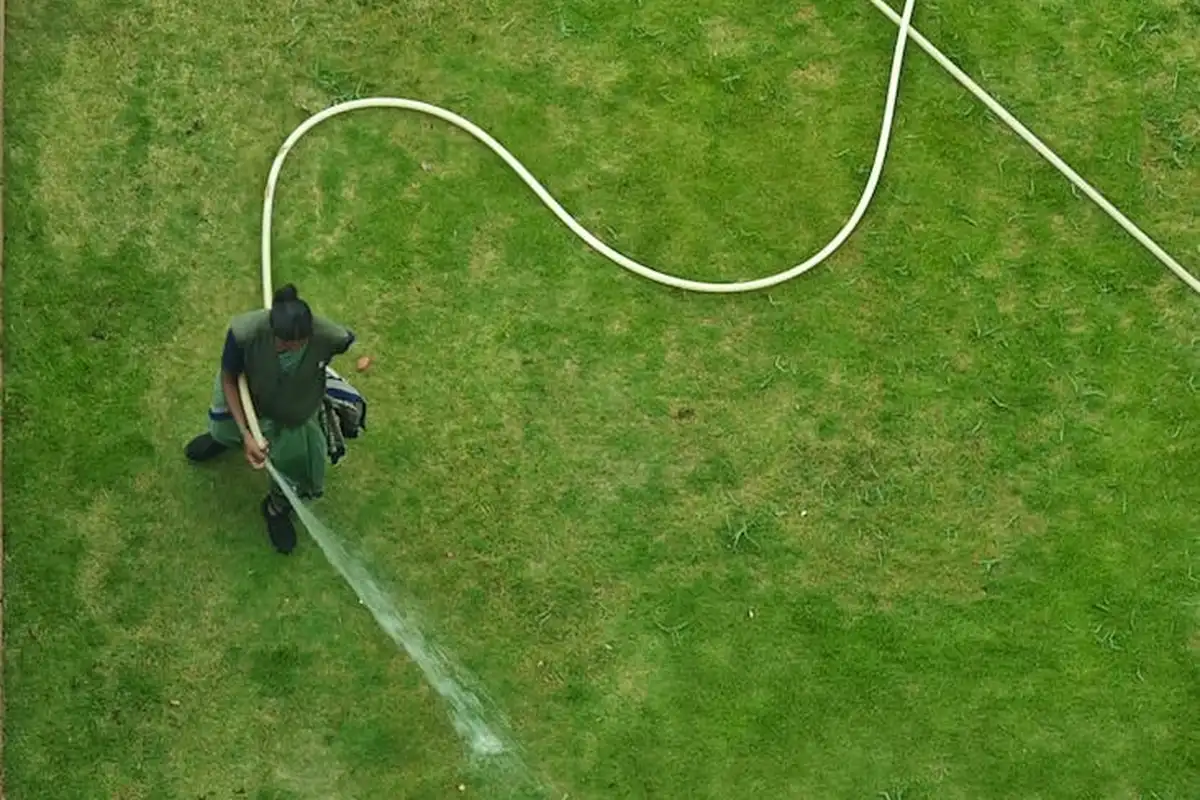
- Water Deeply 1-2 Days Before. Give your lawn a good, long soak. You want the soil moist but not a muddy swamp. Think of a damp sponge you can easily push your finger into. This lets the aerator tines penetrate deep and pull out full plugs, usually 2-3 inches long.
- Mow Slightly Lower. Cut your grass a notch or two shorter than usual. This gives the aerator tines clear access to the soil and makes cleanup easier. Just don’t scalp it.
- Make Two Passes with the Aerator. Run the machine over your lawn in one direction. Then, make a second pass, traveling perpendicular (at a 90-degree angle) to your first pass. This criss-cross pattern ensures you get good, even coverage and plenty of holes.
- Leave the Plugs. Those little soil sausages all over your lawn are free fertilizer. Let them dry for a day or two, then just mow over them. They’ll break down and filter back into the holes, feeding the soil with organic matter. It’s messy for a bit, but it’s worth it.
- Apply Seed or Fertilizer Immediately After. This is the magic step. Those open holes are perfect for catching grass seed, a granular fertilizer, or even a thin topdressing of compost. Apply your chosen product right after aerating so it can fall into the holes and make direct contact with the soil.
Pet-Safe & Pollinator-Friendly Post-Care
Your pets can return to the lawn as soon as the aeration is done. There’s no chemical residue to worry about. The plugs might be a little messy for paws, but they’re harmless.
Aeration is a profoundly pollinator-friendly practice, even if it doesn’t involve flowers. By relieving compaction and improving soil health, you’re creating a better environment for the roots of all plants, including the clover and low-growing flowers that bees and butterflies visit. Healthier soil grows stronger grass, which means less need for interventions later. It’s a win deep down in the root zone.
After you’re done, give Sunny, your irrigation system, a check. Those new holes will help water reach deeper, so you might find you can water less deeply but still effectively. Keep the soil moist if you seeded to help those new sprouts take hold.
Regional Timing: When *Exactly* to Pull the Trigger
Everyone wants a single date on the calendar. I get it. You look at the forecast, then at your lawn, and wonder if this is the weekend.
The real answer isn’t a date, it’s a condition your soil and grass need to meet. Your job is to watch for that perfect window in your specific yard.
Your True Guide: Soil Temperature, Not Just Sunshine
Air temperature fools us. A warm fall day can mask cold ground. The key is the temperature about 3 inches down, where the roots live.
For cool-season grasses like Kentucky bluegrass, fescue, and ryegrass, you want active root growth. That happens when soil is between 50°F and 75°F. This range is also near the ideal temperature for grass seed germination, which helps seedlings take hold quickly. Aerating in this range lets the grass recover fast and fill in those holes.
For warm-season grasses like Bermuda, Zoysia, and St. Augustine, wait until they’ve fully woken up from dormancy. You need soil consistently above 65°F, and climbing. This is their prime growing time. As growth ramps up, fertilizing Bermuda grass can help supply essential nutrients for strong, healthy turf. A well-timed feeding sets the stage for robust new shoots and color during peak season.
You can use a simple meat thermometer to check. Push it into the soil in a few spots, first thing in the morning, for an honest reading.
A Simple Rule-of-Thumb Calendar
Use this as a starting point, then confirm with your soil thermometer and a look at your grass’s growth.
Northeast & Midwest (Cool-Season Lawns)
Your sweet spot is early September through October. I aim for that period right after the summer heat breaks but well before the ground gets cold and hard. If you missed fall, a very early spring shot (as soon as the ground is workable) can work, but fall is king here.
Pacific Northwest (Cool-Season Lawns)
Your timing shifts a bit later. Target late September through October. You’re waiting for the rainy season to begin softening the soil, but not so late that growth slows down. The damp, cool soil is perfect for this job.
The Transition Zone (A Tale of Two Grasses)
This is the tricky middle of the country. Your timing depends entirely on your grass type.
- Tall Fescue Lawns: Follow the cool-season plan. Aerate in the fall.
- Bermuda or Zoysia Lawns: Follow the warm-season plan. Aerate in late spring, once it’s actively growing and green.
This is where knowing what you have is half the battle. My shady, stubborn “Patch” is tall fescue, so it gets the fall treatment.
South & Southwest (Warm-Season Lawns)
For your Bermuda, Zoysia, or Centipede, plan on late spring. Think May or early June. The soil is warm, the grass is growing vigorously, and it will bounce back in a week or two. Avoid summer’s peak stress.
The Final Word: Trust Your Lawn
Calendars give you a guess. Your lawn gives you the facts.
Watch for these two local signs that beat any website’s recommendation.
- Is the grass actively growing? You should be mowing regularly again after summer’s slump or winter’s sleep.
- Is the soil temperature in the ideal range? Check it. A few minutes with a thermometer saves a month of wondering if you acted too soon or too late.
I’ve aerated in perfect calendar windows only to find concrete-hard soil, and I’ve hit perfect conditions a week “late.” Trust what you see and feel. Your lawn will thank you for the attention.
Your Lawn Aeration Questions, Answered
My lawn is covered in soil plugs after aerating. What should I do?
Leave them right there. Those plugs are free, nutrient-rich soil that will break down and filter back into the holes in about a week, feeding your lawn.
I can only aerate once a year. Should I choose fall or spring?
Your grass type makes the call. For cool-season grasses, fall is non-negotiable for deep root growth. For warm-season grasses, late spring is your main event to fuel summer greediness.
Is it okay to aerate and overseed on the same day?
Absolutely-it’s the perfect one-two punch. Aerate first to create the holes, then overseed immediately so the seeds fall into that perfect seed-to-soil contact for a thicker lawn.
Can I aerate and apply fertilizer at the same time?
Yes, and you should. Always aerate first to open the pathways, then apply your fertilizer so it can wash down into the root zone where your grass can actually use it.
What’s the biggest mistake people make after aerating?
They let the open holes dry out. Whether you seeded or not, give your lawn a deep watering right after to kickstart the recovery process and get those roots growing deep.
Final Thoughts on Timing Your Aeration
Listen to your grass and watch your weather. Aerating in your grass’s peak growth season is the single most powerful step you can take. It turns a simple chore into a growth multiplier for your lawn. Also, consider the best time to aerate and how often to repeat it. This helps turn timing into a reliable maintenance rhythm for your lawn.
Our lawns are part of a bigger backyard ecosystem. I always choose pet-safe products and leave some clippings for the worms. Your lawn will teach you more each season if you pay attention.
Relevant Resources for Further Exploration
- When Should You Aerate and Overseed a Lawn? | Spring vs. Fall
- r/lawncare on Reddit: Spring vs Fall Aeration
- The Best Time To Aerate Your Lawn This Fall For A Healthier Yard By Spring
- Spring, Summer or Fall Aeration – Which is Better? – TurfGator
- Lawn Aeration Essentials: Spring or Fall, What’s Best for Your Green Space? | Blog | Spring Green
- Why Spring is the Best Time for Aeration Lawn Care | Turf Masters Lawn Care
Written by Ria Carrington. Ria is an avid lawn care enthusiast and advisor. No lawn is unsalvagable when Ria is at work. She has helped countless homeowners breath new life into their dying lawns. She has a B.Sc in Agriculture and brings practical advice combined with knowledge of plant science and her decade worth of hands on experience.