
What’s the Best Grass Seed for a Lawn Full of Kids and Pets?
Watching your lawn get torn up by a game of tag or a digging dog can make any homeowner wince. I get it, and the good news is you can plant grass that stands up to the chaos.
This isn’t about a magic seed, but a smart plan. We will cover the key traits to look for, specific grass types that can take a beating, how to prepare your soil for success, and a simple seeding routine that works.
I’ve tested these methods on my own yard with Max the mower and Patch the problem spot, learning what actually holds up through seasons of backyard fun.
First, Figure Out Your Lawn’s High-Traffic Reality
When you hear “high-traffic,” picture your yard on a Saturday afternoon. It’s not just extra footfalls. It’s the specific, repeated patterns that grind down grass. The 20-yard dash from the back door to the swing set, the bare spot where your dog pivots for a tennis ball, the midfield stripe from endless soccer scrimmages.
I learned this the hard way with Patch, my shady corner. It wasn’t just shade killing the grass. It was my own shortcut to the garden shed, walked twice a day until the soil was hard and bare.
To choose the right seed, you need to understand two different grass superpowers: wear tolerance and repair speed. You can then explore the different grass seed types you can buy to match these traits and your climate.
Wear tolerance is a grass blade’s ability to bend without breaking, to get stepped on and pop right back up. Think of it like a sturdy doormat. Grasses with strong rhizomes or stolons (underground or above-ground runners) often have great wear tolerance.
Repair speed is how fast a grass plant can fill in a thin or bare spot, either by spreading sideways or through new seedlings. This is your lawn’s healing factor. A grass might tolerate wear okay but take forever to recover, leaving you with thinning areas all season.
The best grass for a busy family yard needs a good balance of both. Your first job is to play detective. Go outside one evening and just watch. Trace the “race tracks” from the patio to the play area. Identify the “goal areas” and “dig zones.” Walk those paths yourself. Is the soil there compacted? Does the grass look thin and stressed? That map in your head is your guide for where to focus your efforts.
Grass Types That Can Actually Take a Beating
All grass is not created equal, and the biggest split is between cool-season and warm-season types. It boils down to when they grow best.
Cool-season grasses thrive in the cooler temperatures of spring and fall. They green up early and stay green late, but they often slow down or go dormant in the summer heat. Think of northern and transition-zone lawns. Consider the best grass seed climate soil options for your yard. This helps you match seed to your region’s conditions.
Warm-season grasses love the heat. They hit their peak growing speed in the hot summer months but turn brown and go dormant after the first hard frost. These are the grasses of the southern U.S., unlike cool-season grasses which thrive in cooler climates.
Here’s a quick look at how the most durable contenders stack up:
Top Picks for Cool-Season Lawns
For high traffic grass seed in northern and transitional climates, you’re usually looking at a blend or mixture. A modern Turf-Type Tall Fescue is the undisputed champion for sheer toughness and drought resistance. Each blade is like a sturdy, deep-rooted cable that resists breaking. It repairs by making the existing clumps bigger, not by spreading far, so overseeding thin areas is part of the plan.
Kentucky Bluegrass is the other star. Its wear tolerance is good, but its repair speed is where it shines. When happy in full sun, its underground runners (rhizomes) quickly colonize bare spots. For high traffic areas, blending Tall Fescue’s toughness with Kentucky Bluegrass’s spreading power is a classic, effective strategy. Perennial Ryegrass germinates in days, making it great for quick repairs, and its fine blades are remarkably tough underfoot.
What about high traffic grass seed for shade in a cool-season lawn? This is the real test. Most durable grasses crave sun. In shaded high-traffic areas, you’ll need to manage expectations. Fine Fescues (like Creeping Red Fescue) in a shade mix can handle some foot traffic better than other shade-tolerant options, but no grass will thrive in heavy shade and high traffic. For my buddy Patch, I finally opted for a durable mulch path-sometimes the smartest solution is to change the playing field.
Top Picks for Warm-Season Lawns
If you’re searching for high traffic grass seed for southern lawns, you’re in luck. Warm-season grasses are built for this. Bermudagrass is the athlete of the lawn world, with an unmatched combination of wear tolerance and lightning-fast recovery. It spreads aggressively with both above- and below-ground runners, healing damage before you barely notice it. It demands full, blistering sun and likes to be cut short.
Zoysiagrass is the tough, patient sibling. It establishes slower than Bermuda, but once it’s in, it forms a dense, carpet-like sod that can withstand incredible punishment. Zoysia’s dense growth also chokes out weeds, and some varieties like Zeon Zoysia offer better shade tolerance than Bermuda. It’s a fantastic, lower-maintenance choice for a family yard if you have the patience for it to fill in.
For southern lawns with shade, Zoysia is your best bet among the durable options. While no grass loves deep shade, certain Zoysia cultivars can persist in areas with filtered sunlight or a few hours of direct sun. You must keep traffic as light as possible in these zones to give it a fighting chance.
A Simple Guide to Finding the Right Seed Bag for You
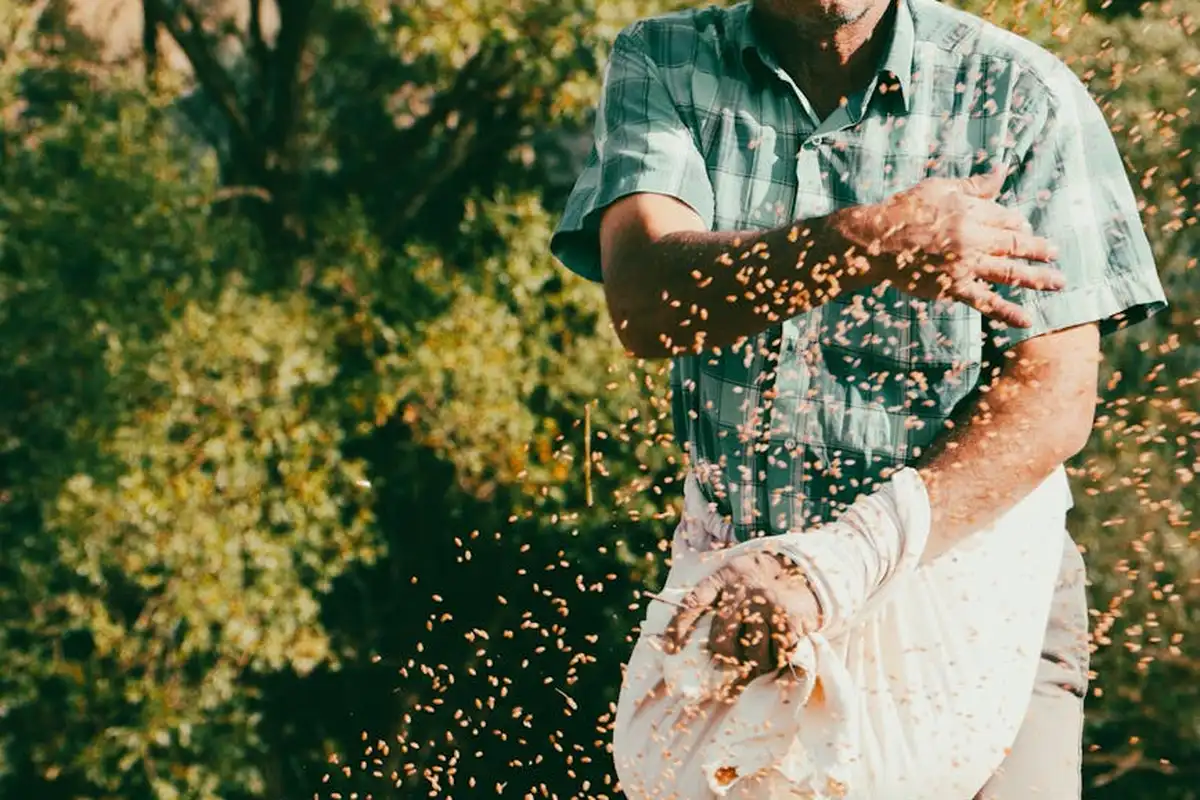
Picking a bag of grass seed feels like a guessing game with all the flashy labels. I’ve stood in the aisle for twenty minutes, squinting at the fine print. Forget the marketing. You need to become a label detective.
Turn that bag over and look for three numbers: purity, germination rate, and weed seed. Purity tells you what percentage of the bag’s contents is actually the grass seed you want. Germination rate is the percentage of those pure seeds expected to sprout. Aim for high numbers on both, especially when considering germination times.
The weed seed percentage should be 0.0%. Accept nothing higher. You are paying to plant grass, not your next weed problem.
Blends vs. Single Species: The Team Player or the Specialist
Think of a blend as a sports team. It mixes two or more grass species, like Kentucky Bluegrass and Perennial Ryegrass. The idea is that if one type struggles in a shady spot or gets worn down, another type in the blend can step up. It’s a great, forgiving choice for most yards.
A single-species bag is a specialist, like 100% Tall Fescue. This gives you uniform color and texture. It can be perfect if you know your lawn’s exact conditions. But if that one type fails, the whole area fails.
For high-traffic lawns, I usually lean toward a robust blend. It hedges your bets against wear, shade, and disease without you having to be a turf scientist.
Decoding the Product Categories
Stores group seeds into categories. Here’s what they really mean for a busy lawn.
- Sun & Shade Mix: This is the classic “all-purpose” blend. It’s a safe starting point for yards with both sunny play areas and shady trees.
- Quick Repair/Establishment: These mixes are heavy on fast-germinating rye grasses. They green up fast for erosion control or patching a mud hole before a party. They might not be the most durable long-term players.
- Pet-Safe/Healthy Lawn: This is less about the seed itself and more about what’s NOT in the coating. Look for these if you want to avoid synthetic chemical coatings on the seed, which is a smart choice for families and pollinators.
Where to Shop and How to Read the Room
You’ll find solid options at big box stores like Home Depot or Menards. Their seed is fine for most homeowners. The real benefit is you can see and feel the bags. Check those labels I mentioned. A local garden center often has higher-end, fresher seed, which can mean a better germination rate.
When you look at high traffic grass seed reviews online or dig through high traffic grass seed Reddit threads, keep your wits about you. Look for patterns. If ten people in your region say a certain mix washed away or didn’t germinate, listen. If you’re evaluating test grass seed for good planting, look for evidence of reliable establishment in comparable soils. And prefer sources that show outcomes several months in, not just quick greening. But remember, one person’s failure might be their poor soil prep, not the seed. Focus on reviews that mention specific results over several months, not just initial green-up.
How to Plant It and Make It Stick (The First Time)
Buying the right seed is only half the battle. How you put it down decides everything. This is where I’ve seen the most heartbreak-and where a little patience pays off big.
Your 5-Step Game Plan for Success
- Prep the Soil. You can’t throw seed on hard, compacted dirt and hope. For a new area or total renovation, till the top few inches. For overseeding, rough up the existing soil with a hard rake. The goal is loose, crumbly earth, like a well-tilled garden bed.
- Apply the Seed. Use a spreader for large areas. For Patch, my stubborn corner, I just broadcast by hand. Follow the bag’s rate. More is not better; crowded seedlings fight each other and die.
- Cover and Protect. This is the non-negotiable. You must get seed-to-soil contact. Rake the seed lightly into the soil or cover with a thin layer (no more than 1/4 inch) of compost or peat moss. This protects from birds and sun, and keeps the seed from washing away.
- Water with Care. The first watering should soak the area. After that, your job is to keep the top inch of soil consistently damp, not soggy. This often means gentle watering 2-3 times a day for 5-10 minutes. A strong blast will create a miniature flood and move all your seed into a pile.
- Initial Care. Resist all foot traffic. You should see sprouts in 7-21 days depending on the grass type. Keep up the light, frequent watering until the new grass is about 3 inches tall.
Good seed-to-soil contact isn’t just a tip; it’s the law of lawn renewal. Seed sitting on top of thatch is just bird food.
The Waiting Game: When Can the Fun Return?
This is the hardest part. You need to set a boundary. That new grass is tender. I recommend a minimum of four weeks, and that’s only for light play. For the full force of dogs chasing balls and kids playing tag, wait at least 6-8 weeks after seeding, or until you’ve mowed the new grass at least 3-4 times.
A Quick Word on Spot Repairs
For quickly fixing a worn path or a dog’s favorite pee spot, keep a small bag of a aggressive spreader on hand. In warm-season regions, that might be a high traffic grass seed bermuda or zoysia for plugs/sprigs. In the north, a “Quick Repair” rye blend can temporarily hold the line until your main fall overseeding. Just remember, these quick fixes are like a bandage, not a cure. The real solution is the right grass, planted right, for the whole lawn. Beyond quick fixes, prevention matters to prevent dog urine damage. We’ll cover practical strategies, like designating a potty area and proper watering, that minimize damage and the need for repairs.
Common High-Traffic Lawn Mistakes and How to Dodge Them
I’ve made these mistakes myself. We all want a thick lawn fast, but rushing leads to thin grass and muddy patches by July. Let’s walk through the big ones so you can sidestep them.
Mistake 1: Planting at the wrong time for your grass type.
This is the most common error. Think of grass seed like a baby bird; it needs the right temperature and conditions to thrive. Planting cool-season grass (like Kentucky Bluegrass or Perennial Ryegrass) in summer heat is a recipe for failure. The seed will struggle, and any that sprouts will get scorched.
The fix is simple: plant cool-season grasses in early fall, and warm-season grasses (like Bermuda or Zoysia) in late spring. This gives the seed ideal, mild weather to establish deep roots before the harshest seasons hit.
Mistake 2: Skipping soil prep because you’re in a hurry.
I get it. You have the seed, the sun is out, and you just want to get it done. But throwing seed on hard, compacted dirt is like trying to plant flowers in a parking lot. The seeds can’t anchor, and the young roots hit a wall.
Take one extra weekend. I use a core aerator to pull plugs of soil out, which gives seed a direct path to soft earth. For my problem area, Patch, I always add a thin layer of compost after aerating. It’s the difference between hoping grass grows and helping it grow.
Mistake 3: Watering too lightly, so roots stay shallow and weak.
Short, daily sprinkles train grass roots to stay near the surface. That creates a lawn that wilts at the first sign of drought and gets torn up by playful feet and paws.
Water deeply and less often to force roots to dig down for moisture, building a resilient anchor system. After seeding, keep the top inch of soil consistently moist. Once established, shift to giving your lawn a long, slow drink (about an inch of water) once or twice a week. Your drip system, Sunny, is perfect for this deep, efficient watering.
Mistake 4: Mowing too short, which stresses grass and invites weeds.
A short lawn looks neat for a day, but it’s under immense stress. You’re removing its food-making factory (the leaf blades) and exposing soil to weed seeds. A stressed lawn is a weak lawn.
Set your mower, like my trusty Max, to its highest setting. For most grasses, that’s 3 to 4 inches tall. Proper mowing height keeps grass shaded, roots cool, and weeds crowded out. It also has more mass to absorb the impact of a soccer ball or a running dog.
Mistake 5: Using the wrong fertilizer or weed control that harms new grass.
That “weed and feed” bag is tempting, but using it at the wrong time can set your new grass back months. Many herbicides in these mixes can kill or stunt young grass seedlings.
When establishing new grass, your only job is to feed the grass, not fight weeds. Use a starter fertilizer when you seed, which is gentle and promotes root growth. Hold off on any broadleaf weed controls until the new grass has been mowed at least 3-4 times. Always read the label to ensure any product is safe for new seedlings.
Keeping Your Tough Lawn Healthy All Year
Planting the right seed is just the first chapter. The real secret to a lawn that handles your family’s life is consistent, smart maintenance.
The Mowing Link: Height Equals Toughness
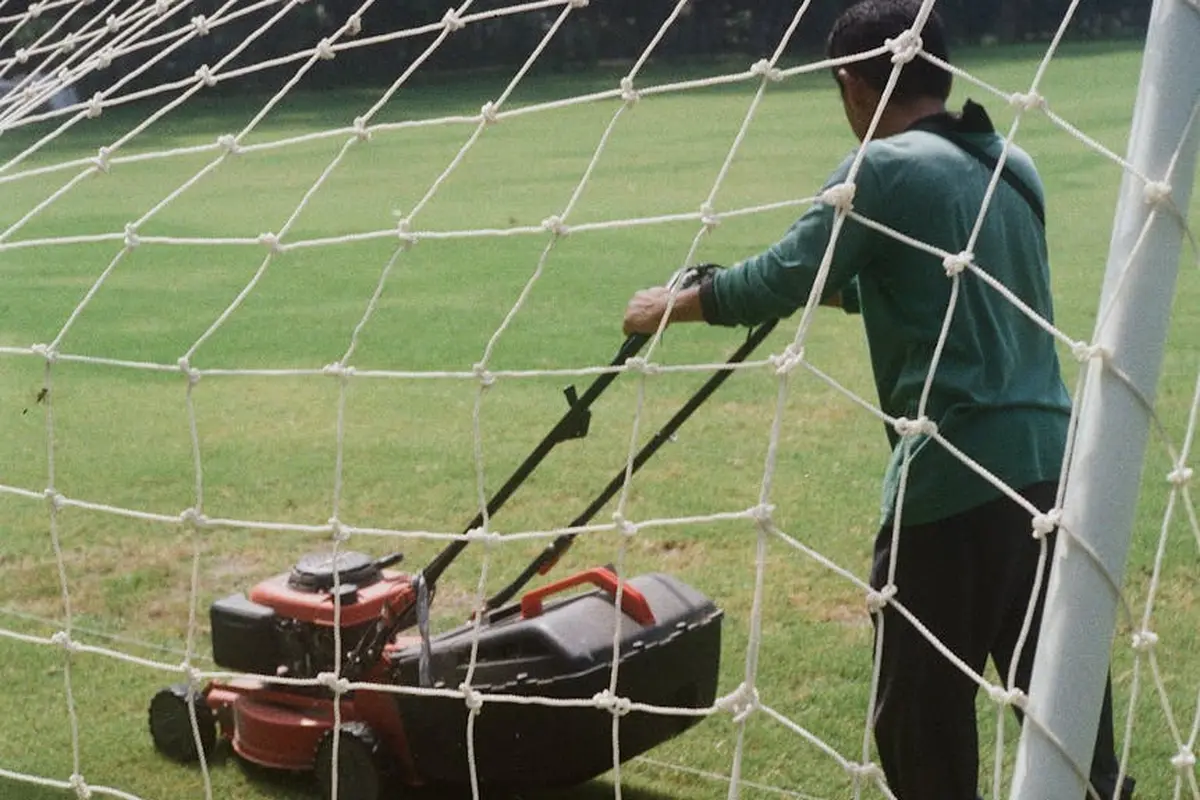
Your mowing height is your number one tool for wear tolerance. Think of each grass blade as a shock absorber. The more blade you have, the more cushion there is for foot traffic. I keep Max set high all season. It means mowing a little more often, but the grass bounces back from playtime so much faster. A taller lawn develops a deeper, stronger root system that can physically withstand more pressure and recover more quickly.
A Pet-Safe Feeding Plan
You want strong grass without a chemical soup where your pets play. I follow a simple, natural schedule.
- Early Spring: Apply a slow-release, organic fertilizer. It feeds the soil microbes which then feed the grass gently, without the risky surge of quick-release synthetic products.
- Late Spring/Early Summer: This is a good time for a light application of compost. It adds nutrients and improves soil health.
- Early Fall: This is the most important feeding. Apply another round of organic fertilizer to help the grass recover from summer and build strength for winter.
This plan builds soil health from the ground up, which is the safest, most effective long-term strategy for a family lawn. It starts by ensuring proper soil composition and purpose.
Air Out the Soil: Why Aeration Isn’t Optional
High-traffic means compacted soil. It’s unavoidable. Compaction squeezes out the air and water pockets roots need. Every single fall, I aerate. The machine pulls up those little soil cores, and you can literally hear the lawn sigh in relief. It’s the single best thing I do for Patch and the main lawn. Annual core aeration relieves compaction, allowing water, air, and nutrients to reach the root zone where they’re desperately needed.
Your Seasonal Checklist
Break the year into simple, focused tasks. This keeps it manageable.
Spring
- Mow high as soon as growth starts.
- Apply organic fertilizer.
- Spot-treat weeds only if necessary, using pet-safe products.
- Check and adjust your irrigation system.
Summer
- Stick to your high mowing height.
- Water deeply in the early morning, only if needed.
- Let the grass grow a bit longer during heat waves for stress protection.
Fall
- Core aerate.
- Apply your most important round of organic fertilizer.
- Overseed any thin or worn areas.
- Continue mowing high until growth stops.
A lawn that stands up to your life isn’t built in a weekend. It’s built through these small, consistent choices season after season. You’ll have setbacks-a dry spell, a worn path-but the process works. Start with one change, like raising your mower blade, and go from there.
Your High-Traffic Grass Seed Questions, Answered
I live in the South. Should I choose Bermuda or Zoysia for my busy yard?
Pick Bermuda if you have full sun and want the fastest repair from damage-it’s a sprinter. Choose Zoysia for superior toughness and better shade tolerance if you can wait a bit longer for it to establish its dense, carpet-like turf.
What should I really look for on a seed bag at Home Depot or Menards?
Ignore the flashy front and flip it over. Your only non-negotiables are a high germination rate (over 90%) and a 0.0% weed seed content-you’re planting grass, not your next weeding project.
How do I stop my dog from creating dead spots on my durable lawn?
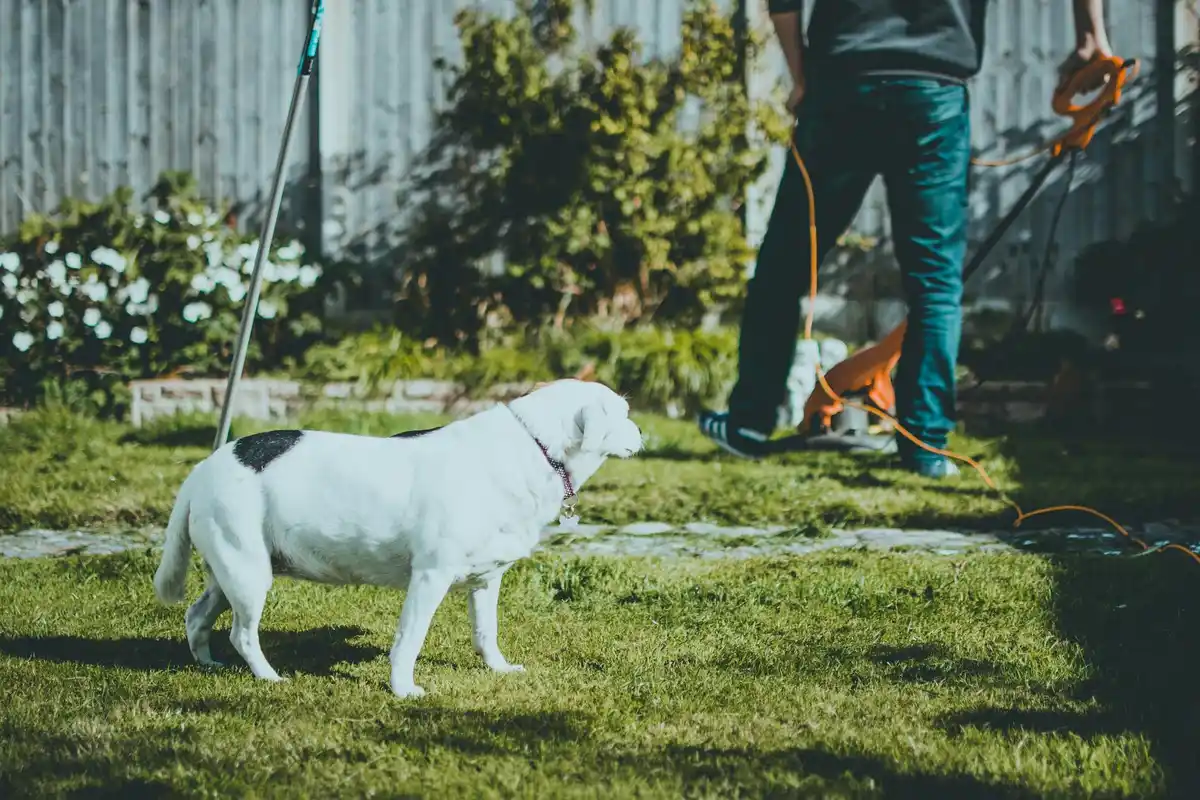
Even the toughest grass can’t fight concentrated urea. Train your pup to use a designated gravel or mulch area, and always water the spot immediately after they go to dilute the salts.
How can I tell if an online review for grass seed is actually trustworthy?
Look for patterns from reviewers in your climate zone and ignore one-off rants. A good review details results over months, not just how fast the seed sprouted, because longevity is what matters.
What’s the best strategy for a high-traffic area that’s also partly shaded?
You must manage expectations-no grass thrives in both deep shade and heavy wear. In cool-season zones, use a shade mix with Fine Fescues; in the South, try a shade-tolerant Zoysia and consider adding a durable mulch path for the main traffic lane.
Keeping Your High-Traffic Lawn Thick and Green
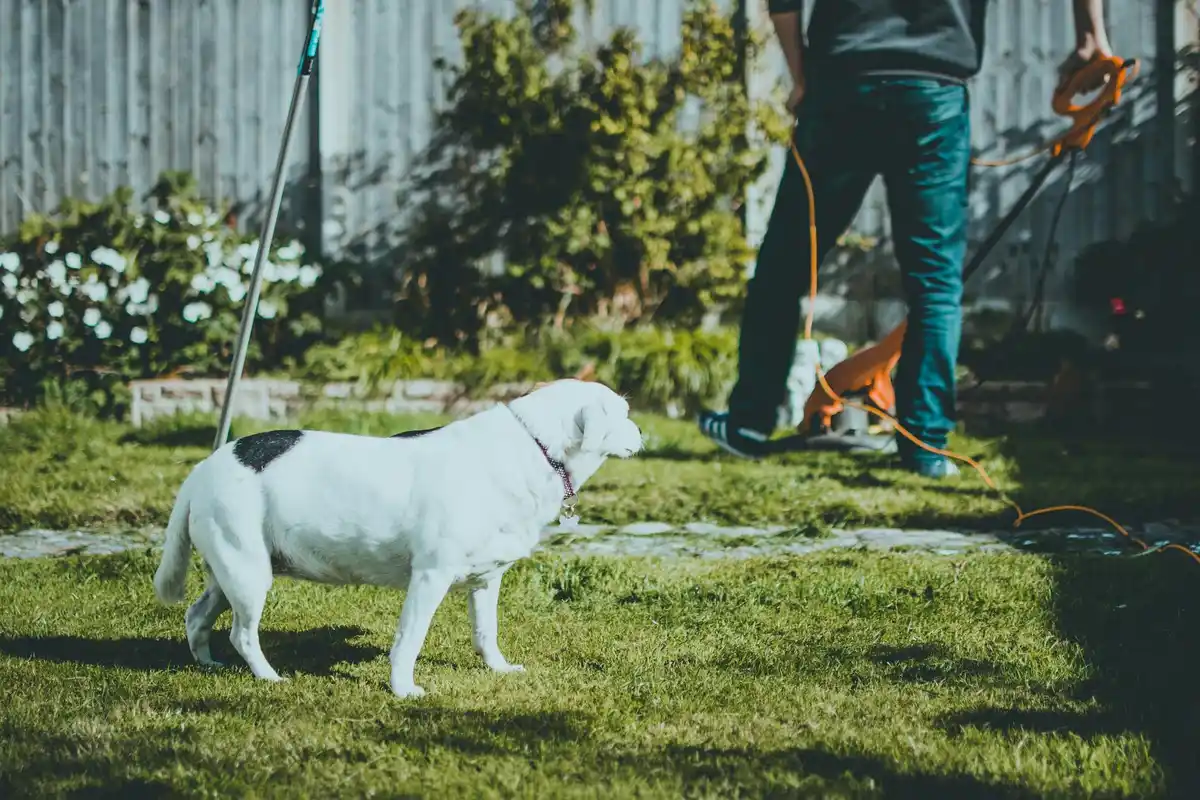
Planting a tough grass is just the first play in a longer game; your real win comes from the simple, regular care that lets it heal and regrow. Water deeply, mow high, and give it a break when you can. That consistent routine is what builds a lawn that can truly take the punishment.
Remember, a resilient lawn is part of a healthy backyard ecosystem. I always opt for pet-safe fertilizers and welcome clover for the bees, because a good lawn should be a haven for everyone in the family. There’s always more to learn out here, so keep observing, keep adjusting, and trust what your own grass tells you.
Sources and Additional Information
- Pet Lawn Grass Seed
- PetLawn Mix | Pet-Safe Tall Fescue & Clover Lawn Seed – Earthwise Seed
- Sunday Pet Lawn Premium Pet-Safe Grass Seed 5-lb Natural Mixture/Blend Grass Seed FS2021 at Lowes.com
- Pet Friendly Grass Seeds at Tractor Supply Co.
- Amazon.com : X-Seed Pet Proof Fescue Grass Seed – Dense Lawn for Sun & Shade, Urine Resisitant High Traffic Emerald Green Grass, Rapid Growing In Cool & Sunny Climates, Suited for Dogs – Perennial Blend – 3 lb Bag : Patio, Lawn & Garden
- r/lawncare on Reddit: Pet safe seed
- Sunday Pet Lawn Premium Urine-Resistant Pet-Safe Grass Seed, 5 lb Bag, Sun & Shade – Walmart.com
Written by Ria Carrington. Ria is an avid lawn care enthusiast and advisor. No lawn is unsalvagable when Ria is at work. She has helped countless homeowners breath new life into their dying lawns. She has a B.Sc in Agriculture and brings practical advice combined with knowledge of plant science and her decade worth of hands on experience.