
Can You Really Grow a Great Lawn in Deep Shade?
That gloomy spot under your trees doesn’t have to be a lawn care dead zone. I know it feels like a battle, but a thick, green carpet is possible there.
This guide walks you through the smart, cost-effective steps I use, covering picking the right shade-tolerant seed, fixing common soil and light problems, and the ongoing care that keeps it healthy.
I’ve learned these lessons firsthand while nursing my own stubborn, shady corner, Patch, back to life.
First, Understand Your Shade: Is It Really ‘Heavy’?
Before you buy a single bag of seed, you need to know what you’re up against. “Heavy shade” isn’t just a spot under a tree. It’s a specific, tough environment.
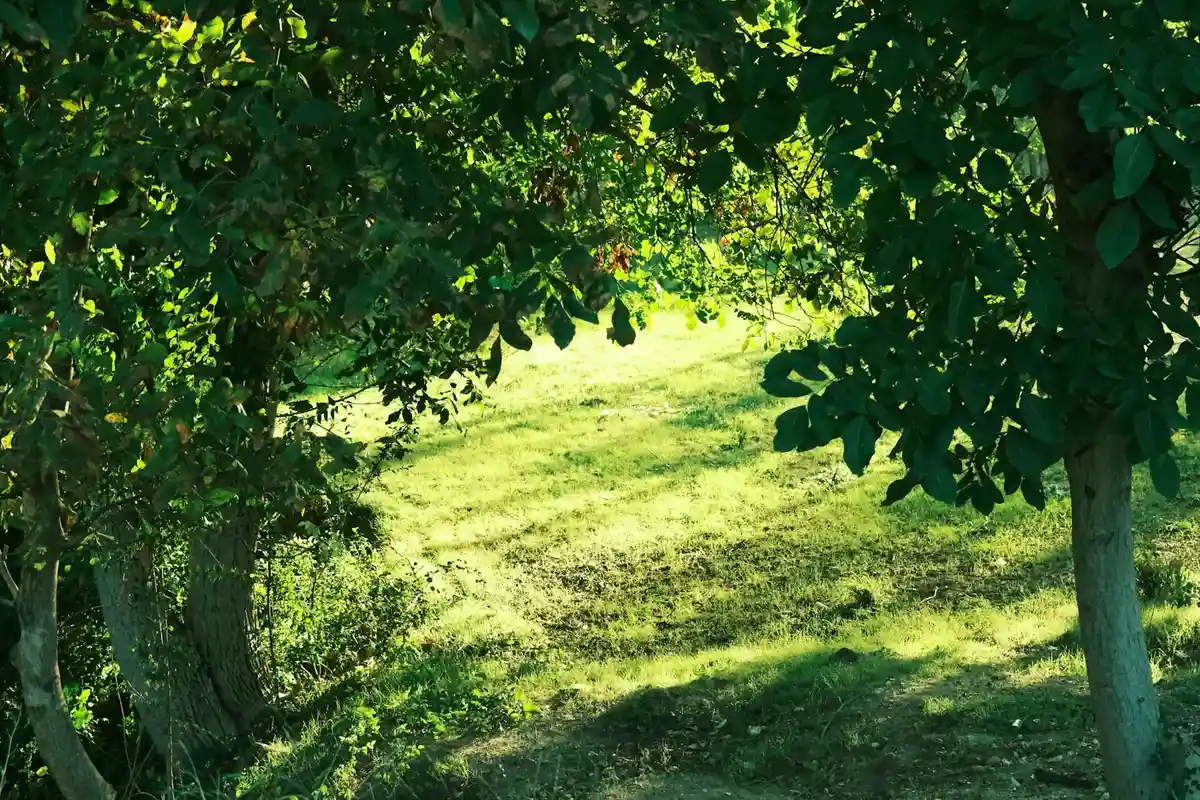
True heavy shade gets less than 4 hours of direct, unfiltered sunlight, or lives on only dappled, speckled light all day. Think of the deep shadow on the north side of your house, or under a mature maple with a thick, leafy roof.
Here’s a simple trick I use. On a sunny spring or summer day, place a few small stones in the area you’re unsure about. Every hour you’re home, check them. If a stone is in bright, direct sun, mark the time. Tally up the direct sun hours. You can also set a timer on your phone as a reminder. This little experiment tells you more than any guess ever will.
Common culprits of heavy shade are:
- Dense tree canopies (maples, oaks, pines)
- The north-facing side of your home or a shed
- Tall, solid wood fences or neighboring two-story houses
This lack of sun creates a ripple effect. The soil stays cooler and damp longer, which is a welcome mat for moss and fungus. Grass roots also compete with thirsty tree roots for every drop of water and nutrient. It’s what I deal with in “Patch,” that shady corner that teaches me patience every season.
Your Shade Grass Seed Quick-Reference Table
Not all grass is created equal, especially when the sun is scarce. This table cuts through the noise and shows your best options.
| Grass Type | Best For | Shade Tolerance | Key Trait |
|---|---|---|---|
| Fine Fescue (Creeping Red, Chewings, Hard, Sheep) | Cool Season | High | Needs the least fertilizer, thrives in poor, dry soil. My top pick for dense shade. |
| Tall Fescue (Modern Turf-Type) | Cool Season | Moderate to High | Deep roots handle drought and foot traffic better than fine fescues. |
| Kentucky Bluegrass | Cool Season | Low to Moderate | Needs at least 4 hours of sun. In heavy shade, it thins out and struggles. |
| Rough Bluegrass (Poa trivialis) | Cool Season | High | Loves wet, cool shade but can’t take heat or drought. A niche player. |
| St. Augustine | Warm Season | High | The best shade option for southern lawns, but needs warmth. |
| Zoysia Grass | Warm Season | Moderate | Needs a few hours of direct sun. Very slow to establish but tough once it’s in. |
You will almost always have more success with a “shade mix” or blend than with a single grass variety. A good blend combines different fine fescues, maybe with a little turf-type tall fescue. Think of it like a team. If one grass type gets stressed by a dry spell or a disease, another type in the mix can step up and fill in. It’s a smarter, more resilient approach for an unpredictable spot.
If you’re searching for something like “shade tolerant lawn grass Michigan,” you’re being smart about your region. That search is pointing you toward cool-season grasses, and in the Upper Midwest, the answer is almost always a quality fine fescue blend. Your local garden center will stock mixes formulated for your specific climate, which is your safest bet.
Choosing Your Champion: The Best Seed for Heavy Shade
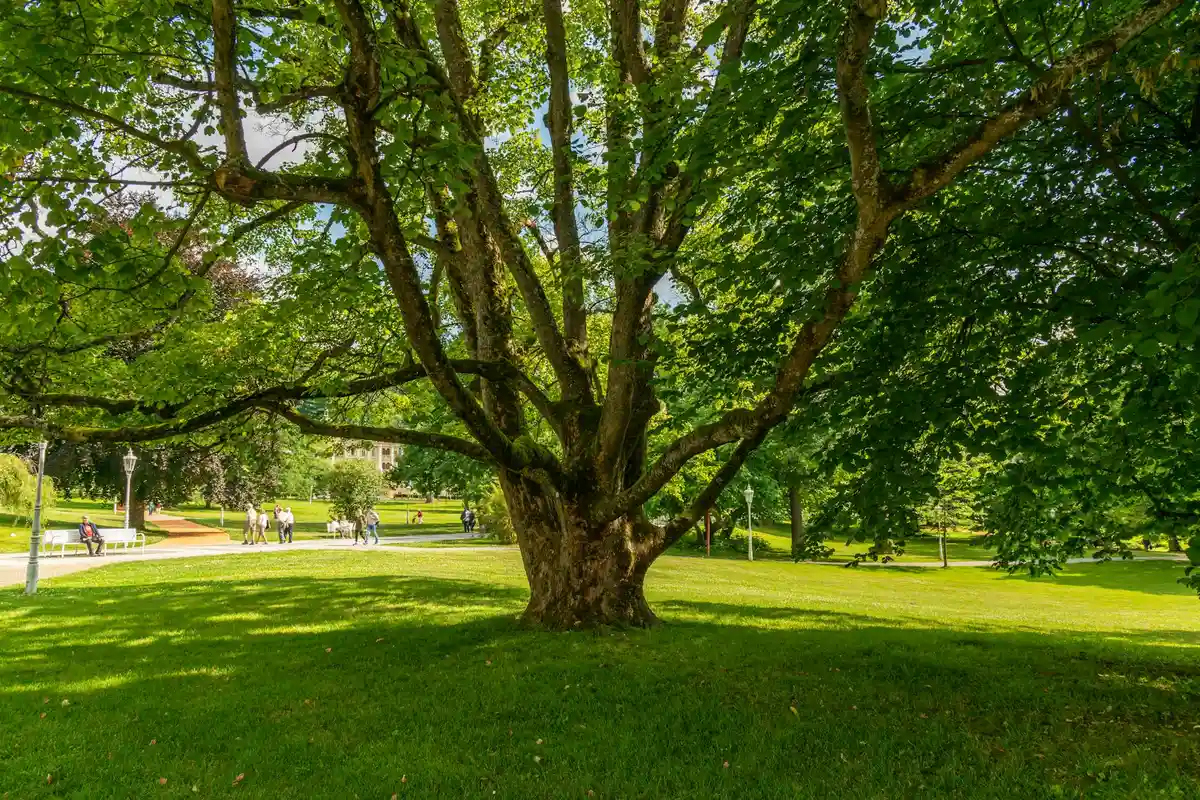
Let’s talk about picking the right grass. Not all seeds are built for the dim light under your maples or the permanent shadow on the north side of your house. You can buy grass seed types that are suited for different conditions. Knowing them helps you pick the best fit for your yard.
For most of us in cooler climates, there’s one clear winner: the Fine Fescue family. This includes Chewings, Hard, and Creeping Red Fescues.
These grasses win because they evolved to thrive in the dappled light of forests, making them naturally shade-loving, drought-tolerant, and able to handle poorer soil than their sun-loving cousins. They have fine, slender blades that create a soft, dense carpet. I use a blend of them in my own problematic spot, which I’ve nicknamed Patch. It’s the only thing that consistently hangs on under my big oak without constant babying.
The Supporting Cast for Cool Seasons
Fine fescues are the stars, but sometimes you need a backup singer. Certain varieties of Kentucky Bluegrass, like ‘Glade’ or ‘Barlinn’, have been bred for better shade tolerance.
They can be mixed with fine fescues to add a different texture and some extra durability. Perennial ryegrass germinates very quickly and can offer temporary cover, but it often thins out over time in deep shade. Think of it as a quick fix, not a long-term solution. Exploring a ryegrass choice lawn can help you weigh fast coverage against long-term shade tolerance. It can be a temporary step before settling on a more shade-friendly mix.
Warm-Season Solutions
If you’re in a warmer zone, your options shift. Zoysia grass, particularly varieties like ‘Zeon’ or ‘Emerald’, is famously shade-tolerant for a warm-season grass, though it still wants a few good hours of sun.
St. Augustine grass is another good candidate for shade in places like the Gulf Coast or Southern California. It has broad blades and spreads aggressively to fill in thin areas.
Seed vs. Sod: The Honest Take
You might be eyeing sod for a fast fix. It gives you an instant lawn, which is tempting. For shade, sod can be a smart choice if you find a shade-tolerant variety, as it establishes quickly before weeds move in.
But seed is far more cost-effective and gives you a much wider choice of specialized shade blends that sod farms often don’t carry. Seed requires more patience and careful watering, but it often results in a lawn better adapted to your specific conditions. As for cost, while prices vary wildly (a “sod San Jose CA cost” search will give you a different number than one for Atlanta), seed is almost always the cheaper initial investment. Also weigh the time and effort to establish it: seed takes longer to mature but costs less upfront. Sod provides instant coverage but at a higher initial price.
So, what is a good shade tolerant lawn mix? My go-to recommendation is a blend where fine fescues make up at least 70% of the mix, with the remainder being a shade-tolerant Kentucky Bluegrass. This combination leverages the fescue’s shade superpowers while the bluegrass adds a bit more wear resistance.
The Groundwork: Preparing Shady Soil for Success
Planting in shade isn’t just about the seed overhead. It’s about the world underneath. Shaded soil is a different beast.
It’s cooler, stays wet longer, and is often packed with tree roots competing for every drop of water and nutrient.
Step One: Test, Don’t Guess
You wouldn’t bake a cake without checking you have flour. Don’t plant a lawn without testing your soil. A simple pH test kit from the garden center is a perfect start.
Most shade grasses prefer a pH between 6.0 and 7.0. If your soil is too acidic (common under pines) or too alkaline, your grass simply can’t access the food in the soil, no matter how much fertilizer you add.
Amending for Life
Shady soil is often compacted and lifeless. Your first mission is to feed it. Spread a 1/2 to 1-inch layer of good compost over the area.
This isn’t just fertilizer; it’s a soil conditioner that improves drainage, adds beneficial microbes, and helps roots penetrate easier. Follow this with a gentle, slow-release organic fertilizer. In shade, you want steady, mild nutrition, not a chemical jolt that promotes weak, fast growth.
Navigating the Tree Root Tangle
This is the tricky part. You need to aerate to relieve compaction, but you can’t go gouging deep holes into major tree roots. The goal is gentle improvement.
I use a handheld core aerator or even just a sturdy garden fork. I gently push it in 2-3 inches around the area, just enough to create some channels for air, water, and our new grass roots. It’s a slow job, but it’s better than damaging the trees that create the shade you’re trying to work with.
Why Drainage is King in the Shade
Sun dries soil. Shade doesn’t. A wet, soggy patch in the sun might dry in a day. The same patch in the shade can stay waterlogged for a week, suffocating grass roots and inviting disease.
After a rain, watch how water moves. Does it pool in a low spot? That area needs help. Improving drainage in shade often means building up, not digging down. Adding compost and topsoil to create a gentle, even slope away from tree trunks can guide water away from soggy zones. Think of it like tilting a sponge so the excess water can run off.
The Step-by-Step: Planting and Growing in the Shadows
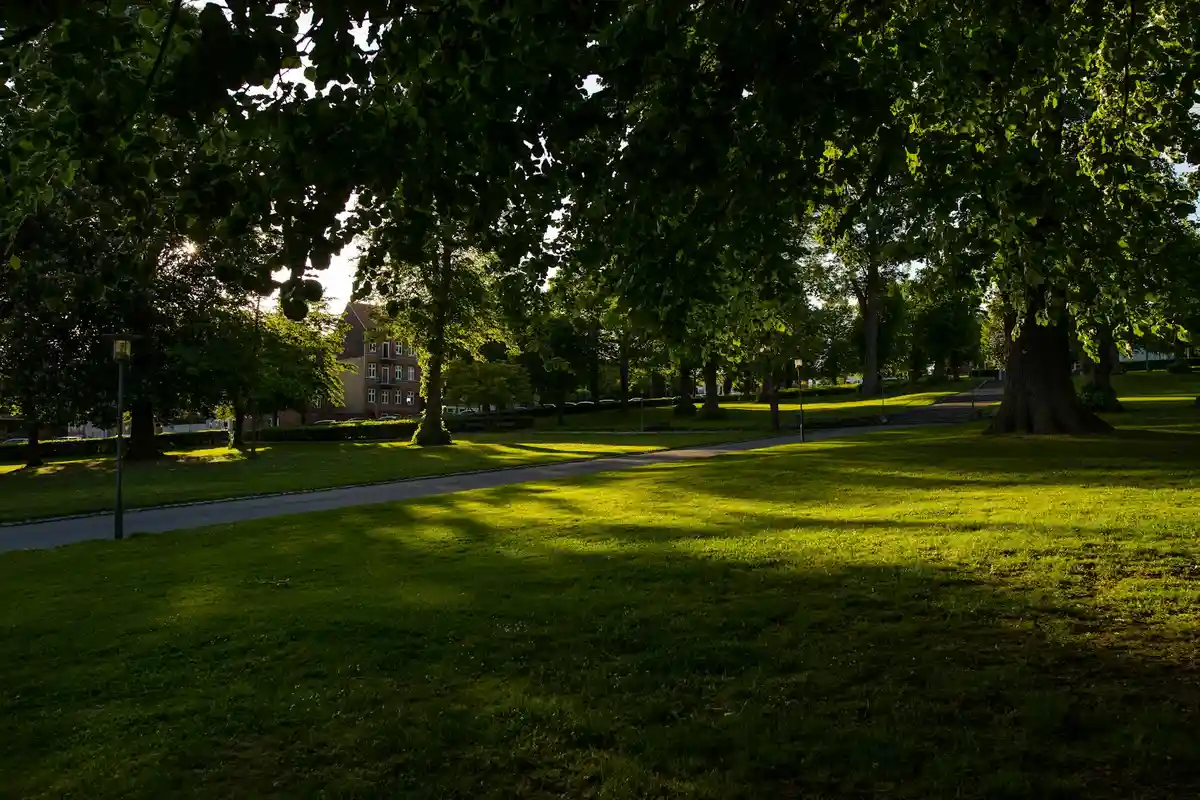
Planting Your Seed or Sod
Timing is everything, especially when light is limited. For cool-season grasses (like fescues and ryegrasses), aim for early fall. The soil is still warm, air temps are cooling down, and trees have less dense canopies, giving you a perfect window of more light and less competition. Think of it as giving your grass a head start before the trees wake up fully next spring.
When seeding, I go lighter than the bag recommends. Shady spots can’t support a dense, thick crowd of seedlings fighting for limited light. I use about half the rate I would for a sunny area. The real secret isn’t how much you put down, but what you do next.
The single most important step is getting perfect seed-to-soil contact. After broadcasting seed, I gently rake it in just enough so I can still see some seeds on the surface. You want them nestled in, not buried an inch deep. Then, I give the whole area a good, gentle watering to settle everything in. This is where Sunny, my drip system, really shines by keeping things evenly moist without washing seeds away. Getting the soil ready is the foundation of lawn seeding success, and I’ll cover that in the next steps. It sets the stage for optimal germination and a uniform lawn.
Sod can be a faster fix for a shady spot, but the prep work is non-negotiable. You need the same great seedbed-loose, level soil. The moment a piece of sod hits the ground, it starts to stress. Water it immediately and keep it consistently damp. In shade, that sod has to work extra hard to knit its roots into your soil, so don’t let it dry out for a second in those first two weeks.
The Critical First Weeks: Watering and Patience
Your watering goal is simple: keep the top half-inch of soil consistently moist, like a wrung-out sponge. This usually means light, gentle sprinkles 2 to 3 times a day, especially if it’s warm or windy. You’re not trying to create a swamp, just prevent the tiny seeds from drying out.
Here is where you must manage your expectations. Germination in the shade will be slower, and the grass will grow at a more leisurely pace compared to its sunny cousins. My shady corner, Patch, always takes a week or two longer to show green. It’s not failing, it’s just pacing itself. Resist the urge to add more seed. Just keep up the gentle watering.
Treat this new area like a sleeping baby. Absolutely no foot traffic, no pets, no toys. Those delicate new roots and shoots are incredibly vulnerable. I put up a little decorative fence to remind my family to give it space until it’s well established and ready for its first mow.
Caring for Your Established Shade Lawn
Mowing: The Golden Rules
This is the easiest adjustment to make, and it has the biggest impact. Set your mower high. I never go below 3 inches in the shade, and often I’ll let it go to 3.5 or 4. Every blade of grass is a solar panel. In low light, you need to maximize the surface area to catch every single photon it can. Taller grass can photosynthesize better, leading to stronger roots. Pair this with a quick tweak to your mowing height. Adjusting your lawn mower cutting height is the simplest way to keep grass at that 3–4 inch range.
The other rule is sharp blades. A clean cut from a sharp mower blade heals fast and resists disease, while a ragged tear from a dull blade is an open door for fungus, especially in damp, shady conditions. I give Max’s blades a sharpening at the start of each season and a quick check every few weeks. You can hear the difference-a crisp snap instead of a dull whirr-and you can see it in the health of the grass tips.
Watering and Feeding: Less is More
An established shade lawn needs far less water than the rest of your yard. The soil stays damp longer because the sun isn’t baking it. Overwatering is the fastest way to invite moss, fungus, and weak roots. Ditch the calendar. Instead, use the screwdriver test. Once a week, push a long screwdriver into the soil. If it goes in easily to about 6 inches, you’re fine. If it’s hard to push, it’s time for a deep, infrequent watering to encourage roots to grow down.
Fertilizer follows the same “less is more” philosophy. Shade grass grows slower, so it uses fewer nutrients. Piling on nitrogen only forces weak, spindly growth that disease loves. I cut my fertilizer rates in half for shady areas and use an organic, slow-release blend. This feeds the soil microbes and releases nutrients gently over time, matching the grass’s natural, slower pace. It’s safer for pets, pollinators, and the long-term health of your soil.
Solving Common Shade Lawn Problems
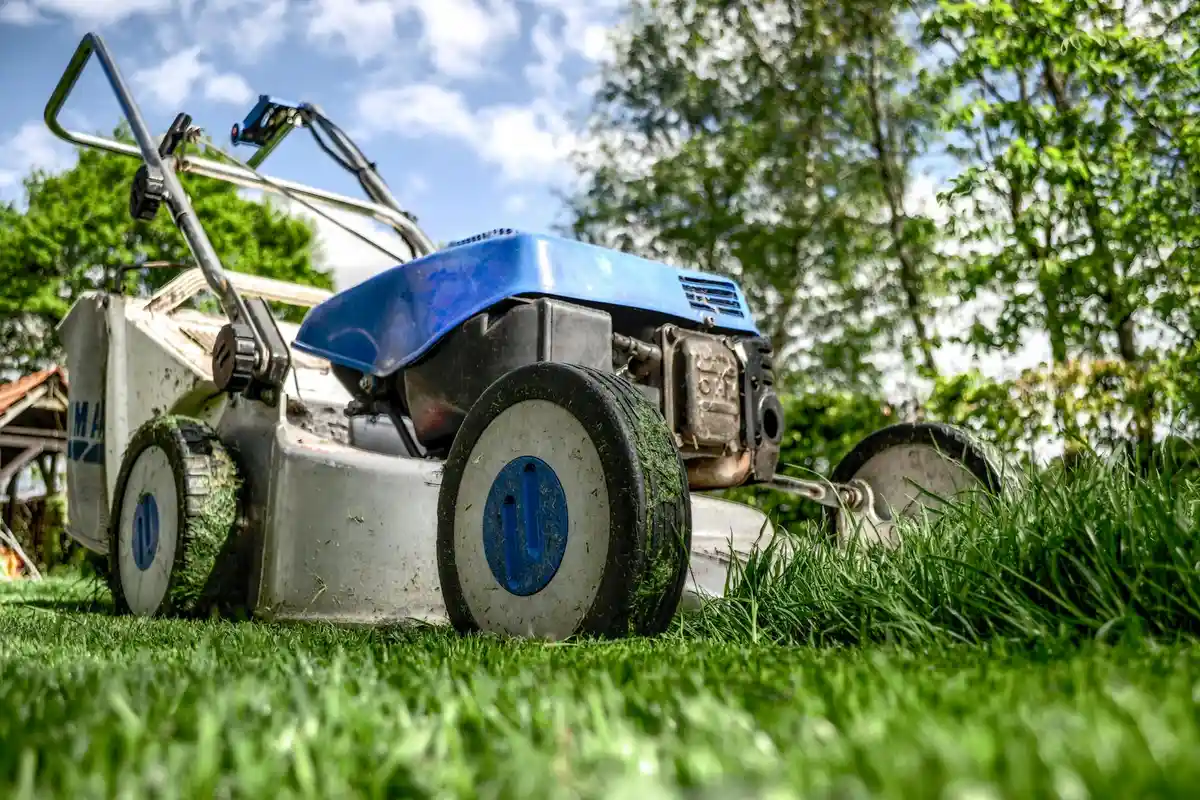
Even with the right seed, a shady lawn faces unique challenges. Let’s tackle them one by one.
Moss: The Symptom, Not the Cause
Finding moss can feel like a personal failure. I’ve been there with my own Patch. But moss isn’t invading your lawn; it’s moving into an open room. It loves the same things that kill grass: damp, compacted, acidic soil with low fertility. Killing the moss without fixing the soil is a temporary fix at best.
First, gently remove the moss. I use a spring-tine dethatcher on my mower in the early spring. It rakes the moss out without tearing up the soil. Then, address the real issues:
- Test your soil pH. If it’s below 6.0, apply pelletized limestone to sweeten it.
- Aerate to relieve compaction and let air and water reach the roots.
- Apply a light, balanced fertilizer. Shade grass needs food, just less of it.
Fighting Fungal Diseases
Shady areas are cool, damp, and still-a perfect hotel for fungi like powdery mildew or leaf spot. The strategy here is all about changing the environment.
Water deeply, but only in the early morning. This gives the blades time to dry before nightfall. If you can, selectively prune lower tree branches to create “windows” for light and air to move through. It makes a huge difference.
Choosing disease-resistant grass types, like certain fine fescues, is your best long-term defense. They’re bred to handle these conditions.
Thinning Grass and Overseeding
Grass in shade grows more slowly and recovers from wear more slowly. It will thin out over time. That’s normal. Think of periodic overseeding as a non-negotiable maintenance task for a shade lawn, like changing your mower’s oil.
Every other fall, I overseed my shady spots. Here’s my method:
- Mow the area very short.
- Rake vigorously to scratch up the soil surface and remove dead material.
- Spread your quality shade mix seed at about half the rate for a new lawn.
- Keep the seedbed consistently damp with light, frequent watering from Sunny (my drip system) or a gentle hose spray.
This refreshes the lawn without starting from zero.
A Quick Note on Insects
You might worry about bugs loving the shade too. In my experience, a healthy, well-fed, and properly watered shade lawn is surprisingly resilient. Pest problems are often a secondary symptom. Focus on building a thick turf through good soil care and overseeding. A dense lawn is the best pest deterrent you can buy.
When Grass Struggles: Considering a Shade Tolerant Lawn Replacement
Sometimes, you have to be honest. There are spots under dense evergreens or on the north side of a tall fence where even the toughest shade grass will just give up. Fighting it year after year is a waste of your weekends. In these cases, a lawn alternative isn’t a defeat-it’s a smart pivot.
Groundcovers for Deep Shade
For those truly dark corners, consider a living carpet that isn’t grass. Plants like creeping Jenny (for damp shade) or certain native sedges (like Pennsylvania sedge) thrive where grass fears to tread. They require almost no mowing, suppress weeds, and add unique texture. You’re not covering a problem; you’re planting a purposeful solution.
The Clover Lawn Option
In areas of partial shade, a clover or clover-grass mix is a fantastic idea. The pros are big: it stays green with less water, fixes its own nitrogen so it needs little fertilizer, and is soft underfoot. The cons? It can stain clothing more easily than grass, and some older homeowners still see it as a weed. But for a low-traffic, shady area, I think it’s a brilliant, pollinator-friendly choice.
Embracing the Shade Garden
This is my favorite solution for the impossible spots. Remove the struggling grass, edge the area neatly, and lay down a thick layer of shredded bark mulch. Then, plant a few hardy, shade-loving perennials like hostas, ferns, or coral bells. You trade the frustration of maintaining scraggly grass for the low upkeep and beauty of a dedicated garden bed. It looks intentional, saves you work, and is better for the ecosystem. My “Patch” is now a small shade garden, and it’s one of the prettiest parts of my yard.
Your Heavy Shade Lawn, FAQ-Style
What’s the best “shade tolerant lawn mix near me” to look for?
Head to a local garden center and ask for a blend where fine fescues (like Creeping Red or Chewings) are the first ingredients listed. That local pro can point you to a mix specifically formulated for your area’s climate and soil, which is smarter than grabbing any generic bag.
Is sod a good idea for shade, and what’s the “shade tolerant lawn grasses sod San Jose CA cost”?
Sod can give you an instant lawn, but availability of true shade-tolerant varieties is limited and cost is high – expect 35-65 cents per square foot just for the material in a market like San Jose. Seeding a specialized blend is far more cost-effective and gives you better grass for the shadows.
For a “shade tolerant lawn grass Michigan” or other cool zones, what’s the one rule for mowing?
Mow high-never below 3 inches. Those extra blade inches are crucial solar panels for capturing every bit of dim light, which builds stronger roots for a greedier, thicker lawn.
When should I consider a “shade tolerant lawn replacement” instead of fighting for grass?
When you’ve corrected the soil, used the right seed, and it still fails, that deep shade is telling you something. Pivot to a shade garden with mulch and plants like hostas or use a ground cover like creeping Jenny for a lush, low-maintenance win.
I’m in “shade tolerant lawn grasses zone 9 California.” What’s my warm-season best bet?
Look for St. Augustine grass sod or plugs; it’s the top shade performer for warm zones. Just ensure it gets at least a few hours of filtered light and excellent drainage to avoid fungal issues in our humidity.
Final Thoughts on Shady Spots
The single most important step is picking the right seed for the light you have. Stop fighting a losing battle with sun-loving grass. Once you have the right seed, focus on soil health with gentle, consistent care, not heavy-handed fixes.
Your shady lawn is a perfect place for responsible, eco-friendly care. Shady spots in your lawn call for a tailored approach to lawn care shady areas, since light and moisture work differently there. Use gentle, pet-safe products and pay attention to what your lawn tells you; that quiet observation is how you learn and succeed, one soft green patch at a time.
Sources and Additional Information
- How to Grow Grass in Shaded Areas
- Best Grass Seed for Shade: A Guide for Shaded Lawns | Barenbrug
- Black Beauty® Dense Shade | Premium Grass Seed for Shade
- Anyone have a full shade lawn?? | Lawn Care Forum
Written by Ria Carrington. Ria is an avid lawn care enthusiast and advisor. No lawn is unsalvagable when Ria is at work. She has helped countless homeowners breath new life into their dying lawns. She has a B.Sc in Agriculture and brings practical advice combined with knowledge of plant science and her decade worth of hands on experience.