
When and How Often Should You Fertilize Hydrangeas?
Staring at your hydrangeas and wondering if now’s the time to feed them? Let’s cut through the confusion and get your timing right.
In this article, we’ll cover the best seasonal windows to fertilize, how many applications your hydrangeas truly need each year, and how to pick a fertilizer that supports blooms without harm.
I’ve fine-tuned this approach over years in my own yard, where every dollar and minute spent on care counts.
At a Glance: Key Factors for Hydrangea Feeding
Feeding hydrangeas feels trickier than it needs to be. Here’s the quick-reference sheet I wish someone had handed me years ago. It all comes down to three things.
- Timing: Feed when the plant wakes up in spring and is actively growing. Stop by midsummer.
- Frequency: For most plants, one or two light feedings per season is plenty. More is not better.
- Fertilizer Type: A balanced, slow-release fertilizer works best. For blue mophead hydrangeas, an acidic fertilizer helps maintain color.
That last point is key for mophead types. The soil pH directly influences bloom color-acidic soil for blue, alkaline for pink. A fertilizer for acid-loving plants supports that blue hue if that’s your goal.
When Should You Fertilize? (The Perfect Timing)
What is the best time of year to fertilize hydrangeas? Early to late spring. I time it just like my lawn’s first feeding.
Watch for the soil to warm up. When you see buds swelling on trees and your grass starts its steady grow, your hydrangeas are waking up too. That’s your cue. This initial feeding fuels their big push for leaves and flower buds.
You should not fertilize hydrangeas in the fall. A late feeding pushes tender new growth that gets zapped by the first frost. It weakens the plant right before it needs to sleep. Azaleas and rhododendrons follow the same rule: avoid fall feeding to protect their blooms. For azaleas and rhododendrons, careful fertilizer timing helps promote vibrant blooms.
I learned this the hard way with a hydrangea I planted in Patch’s shady corner. I fed it in early September, thinking I was giving it a fall boost. It sprouted weak, new stems that turned to mush after the first cold night. The plant spent the next spring recovering instead of thriving.
Read Your Hydrangea’s “I’m Hungry” Signs
Your plant will tell you if it needs food. Look for these clues over the growing season.
- Leaves are a pale, washed-out green instead of a deep, rich green.
- New leaves are noticeably smaller than the older ones.
- Blooms are sparse, weak, or much smaller than in previous years.
Be careful not to misdiagnose. Yellow leaves can also mean overwatering or poor drainage. Few blooms might mean too much shade or pruning at the wrong time.
The most reliable sign is a simple soil test. It takes the guesswork out. A test tells you exactly what’s missing, so you don’t feed a plant that doesn’t need it. I do one every few years, just to be sure.
How Often is Often Enough?
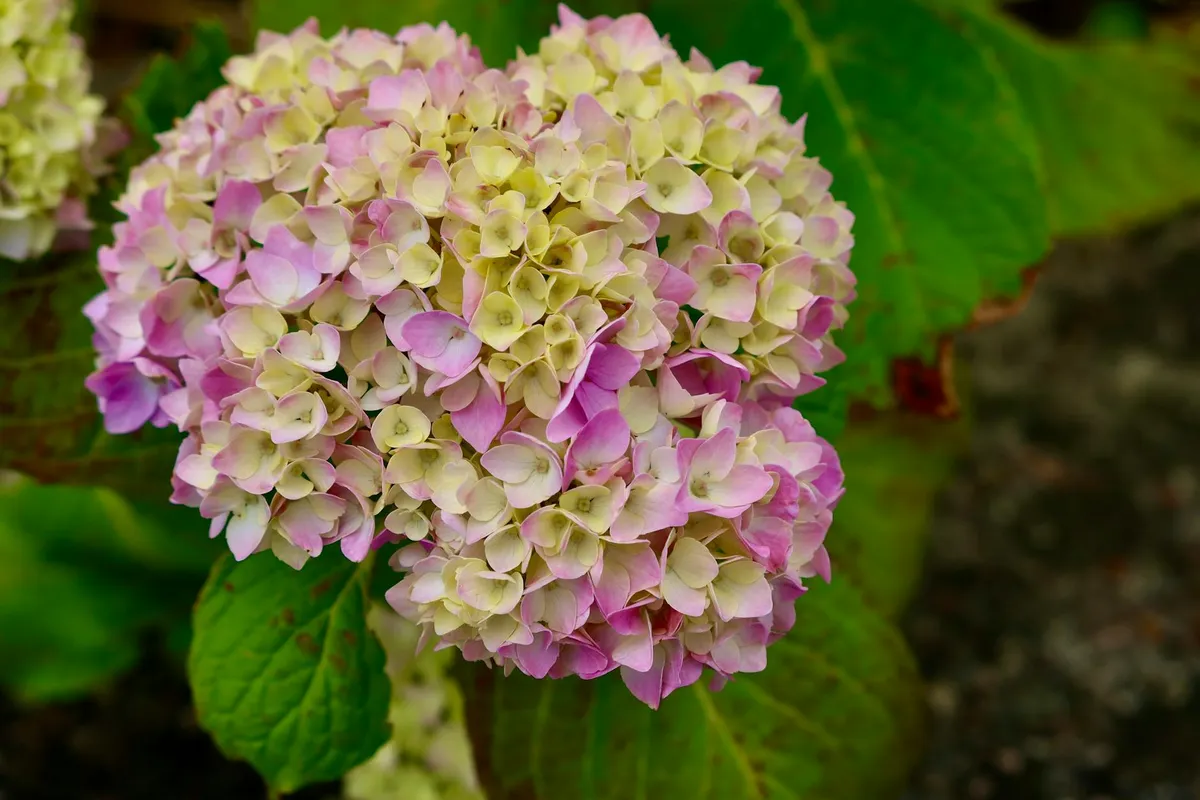
So, how often should you fertilize your hydrangeas? Most years, you only need to do it 1 to 3 times during the growing season. But that simple answer depends on a few things about your specific bush and soil.
Think of it like feeding a family member. A mature, healthy hydrangea that’s been in the ground for years is like a robust adult. It has a big, established root system that can find nutrients on its own. It might be perfectly happy with one good meal in spring. A new planting, or a shrub struggling in poor, compacted soil, is like a growing teenager or someone under the weather. It needs more regular, gentle support to get strong.
Your soil type is the other big player. Sandy soil drains like a kitchen sieve. Water and nutrients wash right through it. If your soil is sandy, you’ll likely need to feed a bit more often, but with lighter applications. Clay soil acts like a damp sponge. It holds onto water and nutrients tightly. You can feed less frequently, but you must be extra careful not to overdo it and harm the roots.
The right frequency balances giving your plant a boost without pushing too much growth that can weaken it or harm the soil.
The Simple Hydrangea Feeding Schedule
Is there a specific schedule? Yes. This straightforward plan works for most homeowners. Grab your calendar.
- Early Spring (The Main Meal): Apply your main fertilizer as the leaves begin to unfurl. This is when the plant is waking up and hungry to fuel all that new growth and flower bud development. It’s the most important feeding of the year.
- Early Summer (An Optional Snack): If your plant seems sluggish, your soil is very sandy, or you just want to encourage more blooms, a light second application around early June can help. Keep it light-half-strength is a good rule.
- The Hard Stop: This is critical. You must stop all nitrogen-heavy fertilizer by late July or early August at the absolute latest. Why? Fertilizing too late tells the plant to keep making tender new growth that will get zapped by the first frost. You want it to focus on hardening off for winter, not growing.
I mark August 1st on my calendar as a reminder to put the fertilizer bag away for the season. It keeps me from getting tempted during a late summer gardening spurt.
Picking the Right Food: A Guide to Fertilizer Types
Staring at fertilizer bags can be confusing. Let’s break it down. Those three numbers, like 10-10-10, are the N-P-K ratio. I remember it this way: Nitrogen (N) is for leaf and stem growth-it makes the bush thick and green. Phosphorus (P) supports strong roots and, crucially, big blooms. Potassium (K) is for overall plant health and hardiness, like a daily vitamin. These bag numbers are the NPK ratios—the nutrient balance at a glance. They help you pick the right fertilizer for your plants.
You have two main formats to choose from. Granular, slow-release fertilizer is my go-to for hydrangeas. Think of it as the “set it and forget it” option. You sprinkle the granules around the base in spring, water them in, and they feed the plant slowly over months. It’s forgiving and difficult to mess up. Liquid fertilizer is the “quick fix.” It gives nutrients immediately through the leaves and roots but washes away quickly. It’s great for a fast green-up but requires more frequent applications.
For most people, a balanced granular fertilizer like a 10-10-10 is a perfect, safe bet. It supports all parts of the plant evenly. Specialty blends labeled for “bloom boosters” or “acid-loving plants” exist, but a balanced feed combined with good care usually does the trick.
Now, about those famous blue blooms. Getting blue flowers on certain hydrangeas isn’t about fertilizer; it’s about soil acidity. You use a soil acidifier, like aluminum sulfate or garden sulfur, separately from feeding. It’s a different task with its own timing, usually starting in fall or early spring. Don’t confuse a bloom booster fertilizer with a product that actually changes the flower color—especially when looking for fertilizers for plants, flowers, and vegetables.
How to Fertilize Hydrangeas: A Step-by-Step Walkthrough
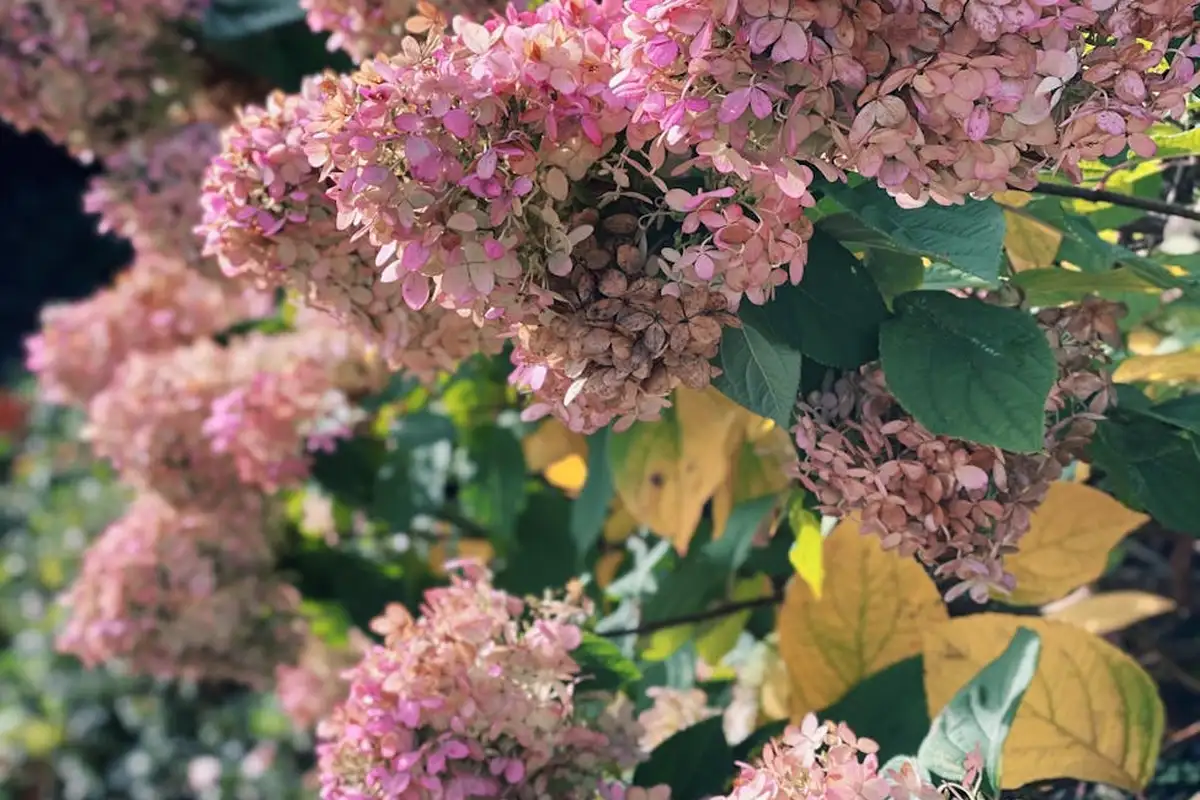
Fertilizing hydrangeas isn’t about dumping a scoop of food at the base. It’s a simple process, but the details make the difference between a healthy plant and a stressed one. Follow these steps.
Step 1: The Pre-Game Water
Think of dry soil like a dry sponge. If you pour liquid on it, the liquid just runs off. Your goal is a moist, receptive sponge.
If your soil feels dry to the touch an inch down, give your hydrangea a good, slow drink the day before you plan to fertilize. I use Sunny, my drip system, for about 20 minutes to really let the water soak in deep. Just like watering your lawn after fertilizing, it’s important to ensure the nutrients reach the roots effectively.
Starting with damp soil helps the granules dissolve evenly and protects the roots from a sudden chemical shock.
Step 2: Measure and Apply to the Drip Line
This is where most folks go wrong. You are not feeding the stem. You are feeding the roots, and the roots extend out to where water drips from the outermost leaves-the “drip line.”
First, measure your fertilizer carefully according to the bag’s instructions. More is not better.
Walk a circle around your shrub, and sprinkle the granules evenly on the soil starting a few inches from the main stem all the way out past the drip line. Picture tossing birdseed in a wide ring. Never pile fertilizer against the stem; this is a direct ticket to root burn and stem rot.
Step 3: The Non-Negotiable Water-In
Do not walk away after spreading! This step activates the fertilizer and washes it off the leaves and stems down to the soil.
Grab your hose or turn on your irrigation. Water the area thoroughly for at least 10-15 minutes, or until you see the ground is fully wet. You want to help those nutrients start their journey down to the root zone.
Skipping this step leaves concentrated salts on the surface that can scorch your plant and waste your effort. It’s as essential as the fertilizer itself.
A Note on Potted Hydrangeas
Potted plants live in a different world. Their soil dries faster and nutrients get used up or washed out more quickly.
For potted hydrangeas, I use a liquid fertilizer diluted to half the recommended strength. I apply it every two to three weeks during the growing season instead of a heavy granular feeding. The rule for containers is lighter, more frequent feeding paired with consistent watering. When it comes to manual watering vs automated timers, some gardeners water by hand for control, while others rely on timers to maintain a steady schedule. Always ensure your pot has good drainage holes.
Common Hydrangea Fertilizing Mistakes and How to Avoid Them
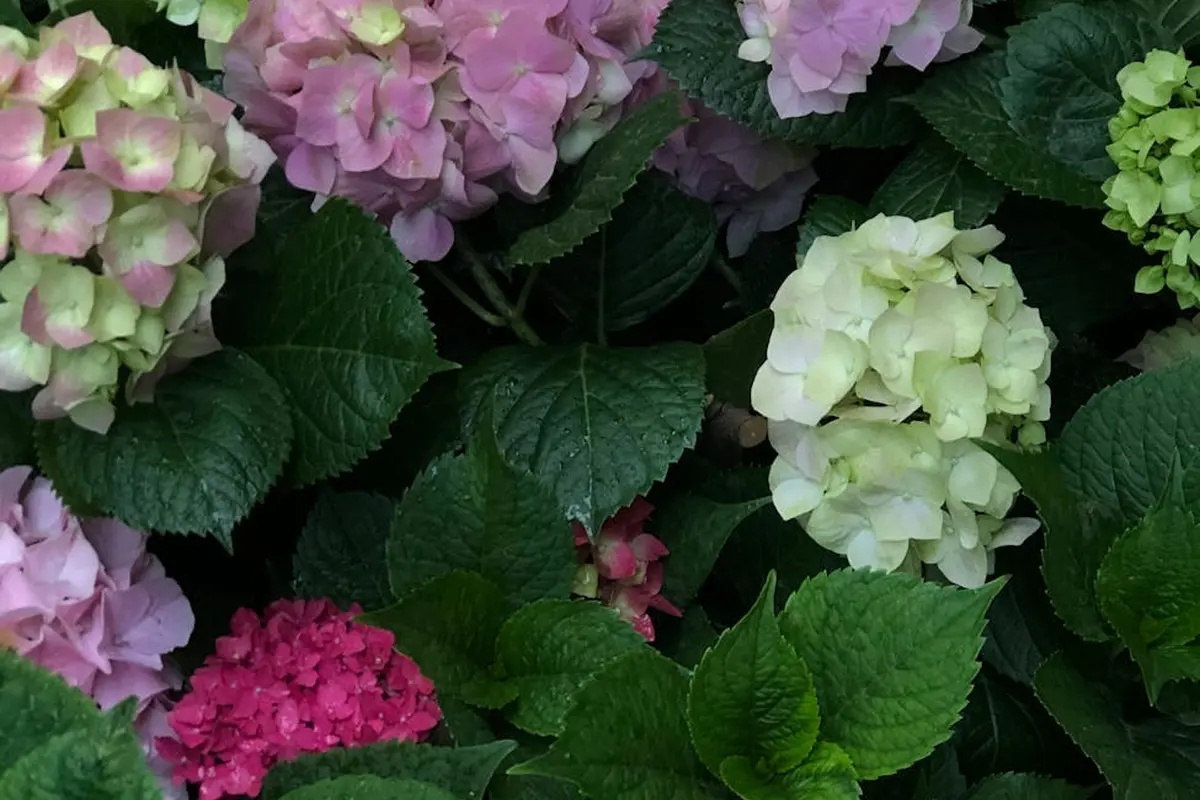
I’ve made a few of these myself over the years. Let’s look at the classic blunders so you can skip the heartache.
Mistake 1: The “More Must Be Better” Overfeed
You see this as crispy, brown leaf edges that look scorched, and lots of weak, spindly green growth with few flowers. The plant is stressed, not thriving.
The fix is simple: follow the label instructions to the letter. If you think you’ve overdone it, flood the area with water to help dilute and flush out excess fertilizer. Patience is the next fertilizer.
Mistake 2: Fertilizing at the Wrong Time
Giving your hydrangea a late-season meal in fall is like giving a kid a big soda right before bed. It encourages tender new growth that gets zapped by the first hard frost, weakening the plant for winter.
Stick to the spring and early summer feeding schedule. Your last feeding should be no later than mid-July for most zones. This allows the plant to harden off properly before cold weather arrives.
Mistake 3: The “Spread and Forget” Method
This is applying dry fertilizer to dry soil and not watering it in. The granules just sit there, ineffective and potentially harmful. You won’t see a nutrient boost, but you might see yellowing or burn.
Always pair your granular fertilizer application with the two-water method: damp soil before, and a thorough soaking after. It turns the fertilizer from a hazard into helpful food.
Mistake 4: Reaching for the “Bloom Booster”
Many popular “bloom booster” fertilizers are high in phosphorus (the middle number on the bag). Most established garden soil already has plenty of phosphorus. Adding more doesn’t help and can actually harm the soil’s microbial life and runoff into waterways.
For most hydrangeas, a balanced, general-purpose fertilizer (like a 10-10-10) or one formulated for shrubs is perfect. Unless a soil test shows a phosphorus deficiency, skip the specialized bloom foods. Your local bees and butterflies will thank you.
Your Seasonal Hydrangea Fertilizer Checklist
Think of your hydrangea like my zero-turn, Max. A little scheduled maintenance keeps it running right for years. This isn’t a complex calendar. It’s a simple, four-act play for your year.
Here is your one-page guide to print and stick in the garden shed.
Spring: The Main Event
This is your big move. As the soil warms and you see those first green leaf buds swelling, it’s go-time. I like to get my main feeding done just before or as the leaves unfurl.
Use a balanced, slow-release fertilizer. A 10-10-10 or a formula labeled for shrubs and trees works perfectly. It feeds the plant gently over months, ensuring healthy growth for trees and ornamental shrubs.
While you’re out there, it’s the perfect time to test your soil pH. It’s easier than you think with a home test kit. Why? Because for bigleaf and mountain hydrangeas, the pH controls bloom color. More acidic soil (lower pH) gives you blues. More alkaline (higher pH) pushes toward pinks. It’s your personal paintbrush.
Finish the job with a 2-3 inch layer of mulch, like shredded bark, around the base. Keep it away from the stems. This is like giving your plant’s roots a steady, cool drink all summer, and it keeps weeds down.
Summer: The Light Touch
If you used a slow-release food in spring, you can often skip summer feeding. Your plant is busy showing off.
Your main summer job is deadheading: snipping off those spent blooms to keep things looking tidy. I do it on my evening watering rounds. If your plant looks a bit pale or growth seems slow, a single, light feeding with a water-soluble fertilizer in early summer is okay. Don’t overdo it. Late summer feeding pushes tender new growth that winter will kill.
This is when my drip system, Sunny, really earns its keep. Consistent moisture is key, especially for those big, thirsty leaves. If you’re hand-watering, aim for a deep soak, not a daily sprinkle.
Fall: The Cleanup
This is the easiest season to remember. Do not fertilize. I’ll say it again for the folks in the back: no fall fertilizer.
Feeding now is like giving a kid candy before bed. It stimulates new growth that won’t harden off before the first frost, leaving it vulnerable. Your plant needs to wind down, not gear up.
Your only task is to grab a rake and clear all fallen leaves from the base of the plant. This isn’t just about neatness. It prevents fungal diseases from overwintering in that damp, matted leaf layer. Think of it as keeping your hydrangea’s “feet” dry and healthy, a lesson I learned the hard way in my own damp, shady Patch.
Winter: The Planning Session
The plant is dormant, but you don’t have to be. This is your research and prep time. Curl up with a catalog or a gardening site and look at new hydrangea varieties. Maybe you want a reblooming type or a different color.
Take inventory. Order your slow-release fertilizer and any soil amendments you learned you needed from last year’s pH test. Getting supplies now means you’re ready to hit the ground running when spring whispers. No last-minute trips to the store.
Greedy Grass Hydrangea FAQ: Your Quick-Answer Guide
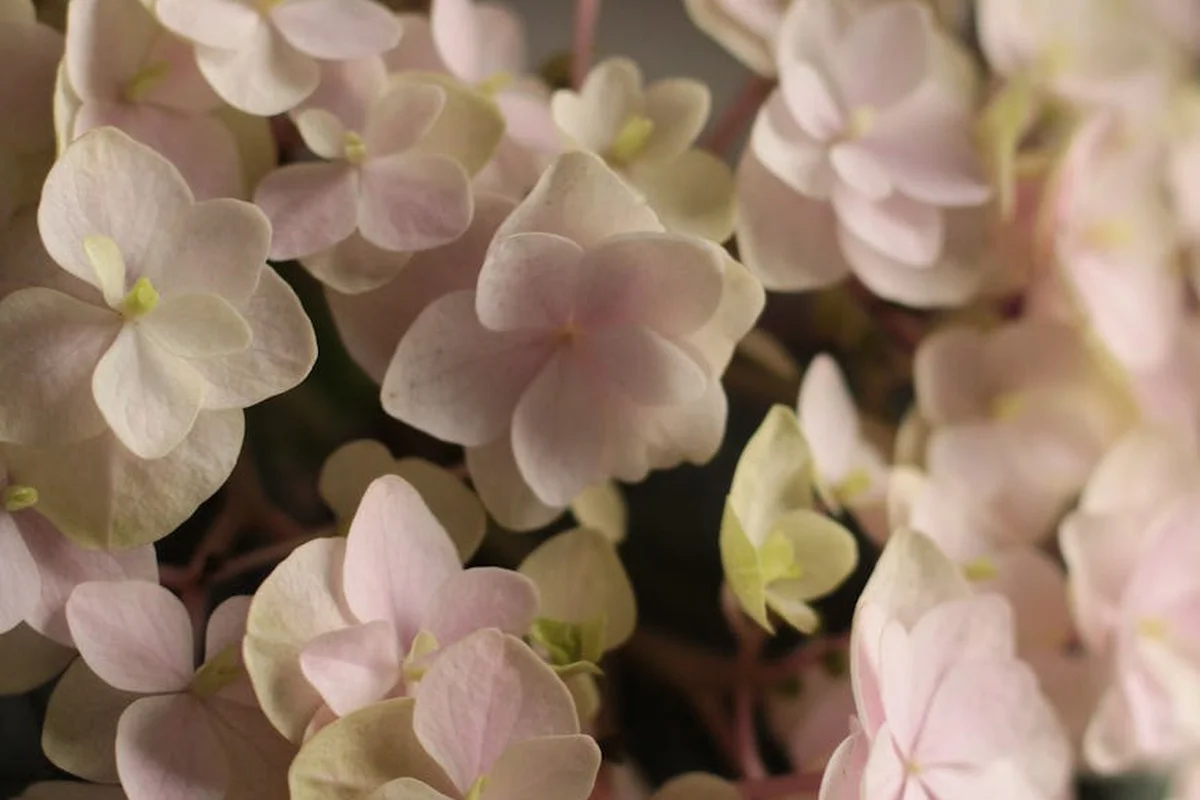
When is the absolute best time to give hydrangeas their first feeding?
When your lawn starts its greedy spring push and the soil is warm. That’s your signal to feed, as your hydrangea wakes up hungry to fuel its leaves and flower buds.
Can I fertilize my hydrangeas in the fall if they look tired?
No. Giving them a fall meal is like pushing new growth right before a frost hits-it weakens the plant. Let them wind down naturally and focus your energy on spring.
Is there a simple schedule I can follow without overcomplicating things?
Absolutely. Mark your calendar for one main feeding in early spring as leaves unfurl, an optional light snack in early June if needed, and a hard stop on fertilizing by late July.
How do I know if I should feed my hydrangeas once or twice a year?
Let your soil and plant health guide you. Rich, established soil often needs just one spring meal, while sandy soil or a struggling shrub might benefit from that second light summer feeding.
What’s the biggest mistake people make with hydrangea fertilizer timing?
Feeding too late in the season. It encourages tender growth that gets zapped by frost, stealing energy from next year’s show. Put the bag away by early August.
Feeding Your Hydrangeas for the Long Haul
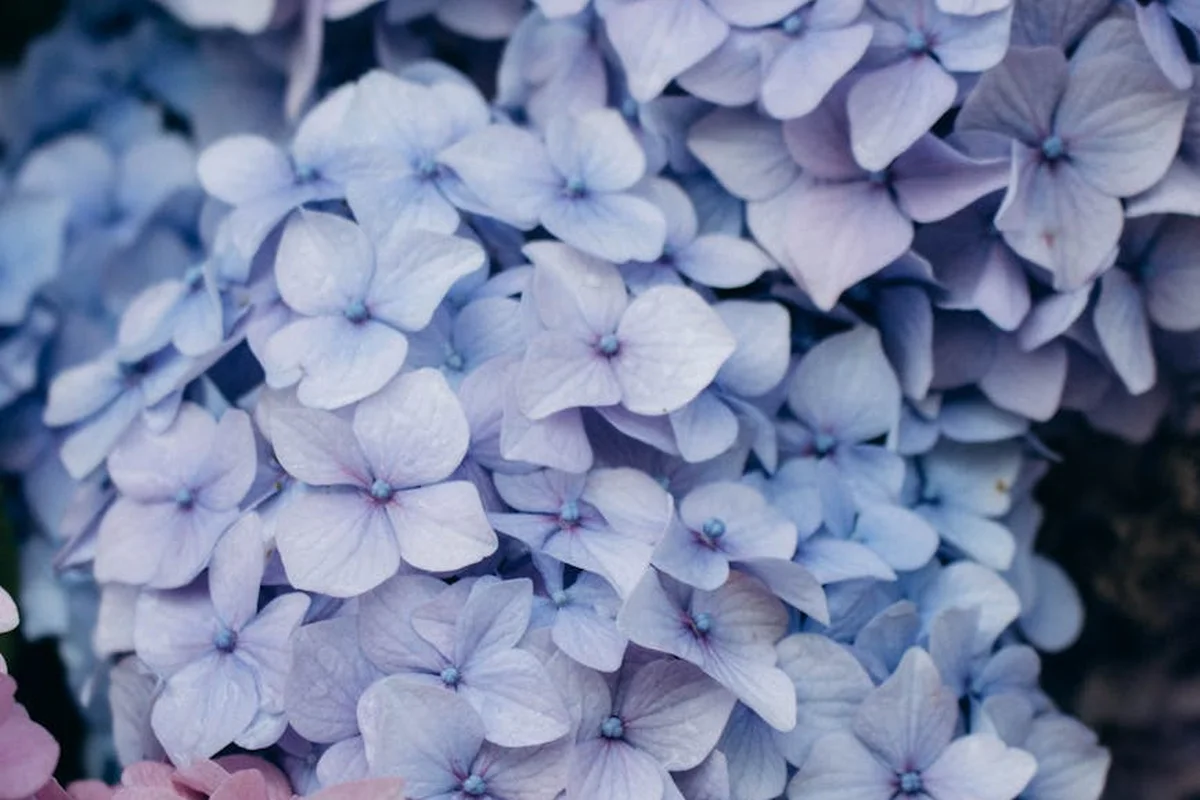
The simplest rule is to fertilize your hydrangeas in early spring as leaves emerge and again lightly in early summer. I stick with a balanced, slow-release fertilizer to feed them steadily without risk. In dry spells, use drought-safe methods like light, targeted feedings and thorough deep watering after application.
Just like I manage Patch with patience, caring for your garden means choosing pet-safe products and methods that protect bees and butterflies. Stay curious, observe how your plants react each season, and you’ll keep improving your green thumb.
Sources and Additional Information
- Hydrangea Fertilizer Guide – How to Fertilize Hydrangeas | Garden Design
- How To Fertilize Hydrangeas Before Spring For Bigger, Better Blooms
- When Should You Fertilize Hydrangeas? A Garden Expert Shares the Ideal Timing
Written by Ria Carrington. Ria is an avid lawn care enthusiast and advisor. No lawn is unsalvagable when Ria is at work. She has helped countless homeowners breath new life into their dying lawns. She has a B.Sc in Agriculture and brings practical advice combined with knowledge of plant science and her decade worth of hands on experience.