
Is Animal Manure a Good Fertilizer for Your Lawn and Garden?
You might eye that bag of manure with hope for a lush lawn and worry about the smell. I get it, and the answer is more yes than no when you know the tricks.
We will cover what nutrients manure actually delivers, how to apply it correctly to avoid burning your grass, and why well-aged manure can be a pet-safe, pollinator-friendly choice.
I have worked manure into my own soil for seasons, learning its quirks alongside my mower Max and my irrigation setup Sunny.
At a Glance: Key Factors for Using Manure
Before you grab a bag, here’s what you get into with manure.
- Pro: It builds incredible soil structure, like turning compacted dirt into a soft, water-holding sponge.
- Pro: It’s packed with beneficial microbes that synthetic fertilizers don’t provide.
- Con: It often contains weed seeds that can sprout in your lawn if not properly composted.
- Con: It’s a slow-release nutrient source, so you won’t see a rapid color change in a week.
- Con: Fresh manure is far too “hot” with ammonia and salts, and can literally burn your grass.
Synthetic fertilizer is like a shot of espresso for your lawn. You see that quick green-up within days. Manure is more like a slow-brewed, nutrient-rich tea for your soil. The grass gets fed gradually over a full season as the soil life breaks it down.
You should only ever use well-composted manure on an established lawn. The composting process generates enough heat to kill weed seeds and pathogens, and it mellows out those harsh compounds. Think of fresh manure like an over-brewed, bitter pot of coffee. Composting is like letting it cool and smoothing out the flavor so it’s actually beneficial to drink.
The Straight Answer: Is Manure Right for Your Lawn?
Yes, but with some big caveats. I tested this on my own stubborn spot, Patch, a few years back. I top-dressed it with a thin layer of composted cow manure in the fall. The next spring, the soil was softer, held water better, and the grass there was noticeably thicker.
Manure is a fantastic tool for building soil health over years, not a magic bullet for a yellow lawn you want fixed by Saturday. If your grass is pale and struggling right now, you need a fast-acting synthetic to address that immediate hunger. Use manure as part of your long-term soil improvement plan.
For the common search of ‘manure for lawn grass’, the timing matters most. Cool-season grasses like Kentucky Bluegrass and Fescue love a composted manure application in the early fall. This feeds the roots as they prepare for winter. Warm-season grasses like Bermuda or Zoysia benefit most from a light application in late spring, as they kick into their growth cycle.
There are times to avoid it. If your soil is already very acidic, adding certain manures can make it worse. Don’t use it right before seeding either. That slow nutrient release can actually feed the new weed seeds you’re trying to outcompete, and a thick layer can smother tiny grass seedlings. Wait until your new grass has been mowed 3-4 times before considering a light top-dressing.
Choosing Your Manure: From Horse to Worm Castings
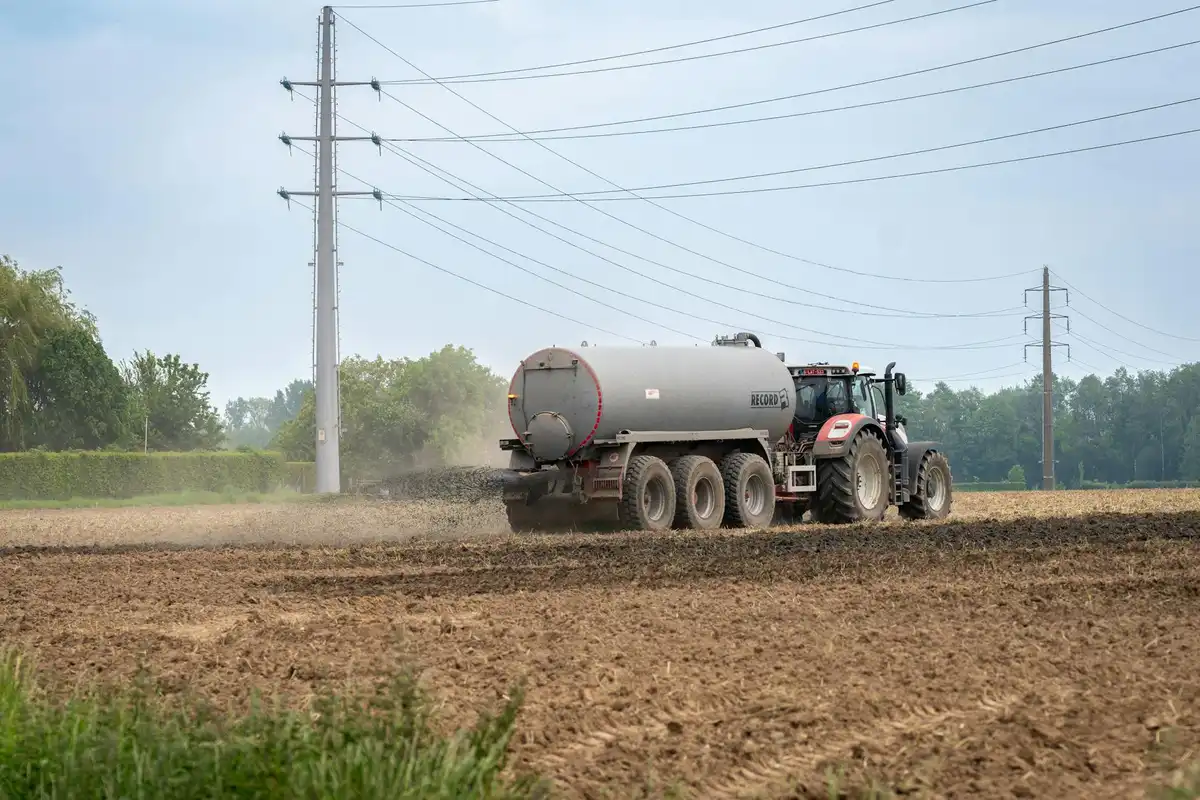
Think about what your lawn is telling you. Is the grass pale and slow to grow? It might be hungry for nitrogen. Does water pool on the surface or does the soil feel like concrete? You need organic matter to loosen it up. Different manures offer different benefits. This quick guide helps you pick.
| Manure Type | Best For | Key Trait |
| Horse & Cow | General soil building | Mild, improves texture |
| Chicken | A big nitrogen boost | Very potent, “hot” |
| Rabbit | Gentle, frequent feeding | Cool, ready-to-use |
| Worm Castings | Supercharging soil life | Microbial powerhouse |
Horse and Cow Manure: The All-Purpose Workhorses
So, can horse manure be used as fertilizer? Absolutely, and cow manure too. I’ve used both for years to build up the soil in my vegetable patch and around some older trees. They are fantastic for general soil improvement, adding organic matter that makes your soil act more like a sponge and less like a dinner plate. They don’t pack a huge nitrogen punch, so you won’t see explosive green growth overnight. That’s actually their strength. They work slowly and steadily to create a better home for your grass roots. The rule with these is non-negotiable: they must be composted first. Fresh manure is too strong and can harm your lawn.
Chicken and Poultry Manure: The Nitrogen Powerhouse
Does chicken manure make good fertilizer? Yes, but handle it with respect. This is the strong stuff. If horse manure is a cup of coffee, chicken manure is a double espresso. It’s loaded with nitrogen, which is great for greening up a tired lawn. That same strength is a major burn risk, so you must never, ever apply it fresh to your lawn or garden. It needs a long, thorough composting period, at least six months, to cool down and become safe. I compost it separately from my main pile because of its intensity. Used correctly, it’s a powerful tool.
Rabbit Manure: The Gentle, Ready-to-Use Option
Rabbit droppings are the overachievers of the manure world. The answer to “does rabbit droppings make good fertilizer” is a resounding yes, with a great bonus. Rabbit manure is considered “cold” manure, meaning it’s much less likely to burn plants and often requires minimal aging before use. You can sometimes mix it directly into garden beds or use it as a light top-dressing. I find it perfect for smaller areas, like refreshing the soil in my patio containers or giving a little boost to “Patch,” my problem corner. It’s a wonderfully gentle, nutrient-rich option.
Worm Castings: The Supercharged Soil Conditioner
Calling worm castings just “fertilizer” doesn’t do them justice. They are a complete soil amendment. They contain nutrients, but their real magic is in the microbes and enzymes that make those nutrients more available to your grass. Worm castings improve soil structure, help with water retention, and boost the entire ecosystem under your feet. Can you use worm castings and fertilizer together? You absolutely should. Think of your synthetic or organic fertilizer as the meal, and the worm castings as the digestive system that helps your lawn absorb it. I mix a few handfuls into the soil whenever I’m planting anything new.
How to Apply Manure to Your Lawn: A Step-by-Step Guide
Using manure for lawns isn’t hard, but doing it right makes all the difference. Follow these steps to feed your soil without any nasty surprises.
-
Test Your Soil First. Don’t guess. A simple home test kit from the garden center tells you your soil’s pH and nutrient levels. It’s like checking the oil in your mower, Max, before a big season. You need to know if you’re low on nitrogen or if your soil is too acidic before adding anything.
-
Ensure Manure is Fully Composted. This is the most critical step. Properly composted manure looks like dark, crumbly soil. It should smell earthy and pleasant, like the forest floor after a rain, not like a barn. If it still smells like manure, it’s not ready. Applying it raw can burn your grass and introduce weed seeds.
-
Calculate and Apply the Right Amount. More is not better. For a top-dressing, you want a very thin layer, about 1/4 to 1/2 inch deep. Imagine spreading a sparse layer of chocolate sprinkles over a cupcake-you should still see the frosting (your grass) underneath. Use a rake or a broadcast spreader to get an even distribution.
-
Get the Timing Right. For established lawns, the best times are early fall or early spring. The cool, moist weather helps it break down. Understanding lawn fertilization seeding timing helps you coordinate nutrients with germination. This alignment supports quicker, healthier establishment. For seeding, the timing for manure and lawn seed is specific. Apply composted manure a few weeks before you seed to enrich the soil, or wait until the new grass is well-established (after a few mowings) to top-dress. Never apply it directly on top of new seeds.
-
Water It In Gently. This is Sunny’s moment. Use a gentle sprinkler setting to lightly water the manure into the lawn. You’re not washing it away, just settling it down to the soil level. A good, gentle soak helps start the process of integrating those nutrients into your soil.
Common Manure Mistakes and How to Avoid Them
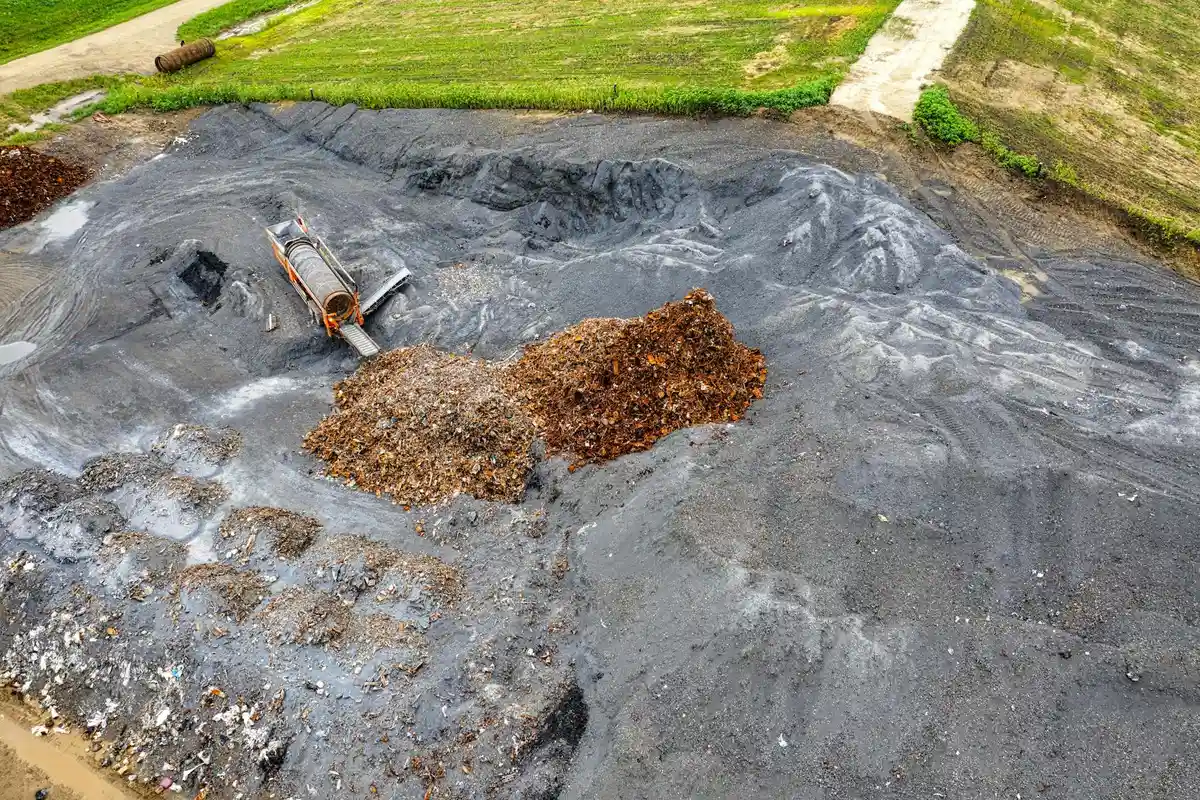
Manure is powerful stuff. Used right, it’s a secret weapon. Used wrong, you can set your lawn back a whole season. I’ve learned these lessons the hard way, so you don’t have to.
Mistake 1: Using Fresh, “Hot” Manure
You get a free truckload from a local farm and spread it right away. I get the excitement. But fresh manure is too “hot” for your grass. As it starts to break down, it releases a lot of ammonia and salts. This literally burns the grass blades and roots, leaving yellow or brown patches. It can also carry bacteria you don’t want near kids or pets.
The fix is simple: only use manure that has been properly composted for at least 6 months. Proper composting heats up enough to kill pathogens and weed seeds while mellowing those harsh compounds. That dark, crumbly, earth-smelling compost is what your lawn wants.
Mistake 2: Applying Too Much
More is not better. A thick layer of manure compost smothers grass, blocking light and air. It can also create a salty crust on the soil surface that repels water. Your lawn starts to look worse, not better, especially when it affects soil quality and drainage.
Think of it like seasoning food. You want a light, even coating. For a top-dressing, a quarter-inch layer is plenty. Use a rake or the back of a landscaping rake to spread it thinly so you can still see grass blades poking through.
A heavy, uneven application can do more harm than good, so measure your area and apply with a light hand.
Mistake 3: Ignoring the Weed Seed Problem
Animals eat weeds, and those seeds can pass right through. If your manure isn’t hot-composted, you might be planting a thousand new weeds along with your fertilizer. I’ve spent extra hours with Max the mower on patches that sprouted from a bad batch.
Your best defense is knowing your source. Ask the farmer or garden center if their manure is from animals fed with weed-free hay, or if it has been hot-composted. Bagged, commercially prepared manure compost is usually a safer bet for avoiding surprise weeds.
Mistake 4: Spreading it at the Wrong Time
Timing matters. Applying manure compost in the peak summer heat can stress the lawn. The decomposition process speeds up and can tie up soil nutrients when the grass is already struggling.
The best times are when your grass is actively growing and can use the nutrients. For cool-season grasses, that’s early fall or spring. For warm-season grasses, aim for late spring as they green up.
Apply your manure compost during your lawn’s natural growth spurts, and it will put those nutrients to work building thick, strong turf.
Manure vs. Other Lawn Feeding Paths
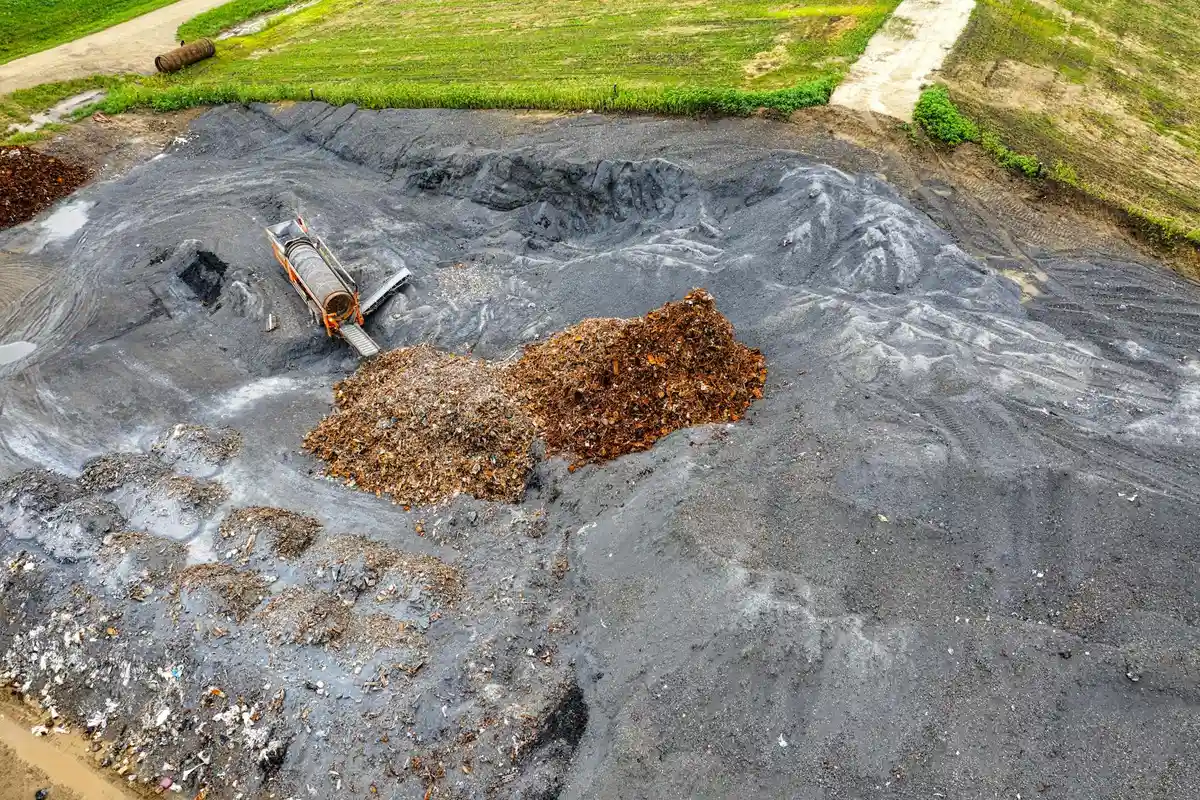
So, is manure the right choice for you? Let’s stack it up against the other main option: synthetic fertilizer. It’s really a choice between feeding your soil or just feeding your grass.
The Organic Route: Manure Compost
Manure compost is a soil builder. It adds organic matter, which improves soil structure. Think of it like turning hard, packed dirt into a soft, moist sponge that holds water and air for roots. It feeds the microbes and earthworms that keep your soil healthy. The nutrient release is slow and steady over months.
The trade-off? You won’t see that dramatic, dark green flush of growth in 48 hours. It requires more material and physical effort to spread. But it’s pet-safe once composted and fantastic for the soil life that supports everything.
The Conventional Route: Synthetic Fertilizer
Synthetic fertilizer is a direct meal for the grass plant. The nutrients are readily available, so you get fast, visible results. It’s often easier to apply with a spreader. It gives you precise control over the nutrient ratios, allowing you to tailor application to your lawn’s needs.
The downside is it does little to nothing for your soil’s long-term health. It can sometimes lead to a cycle of dependency and rapid growth that requires more mowing. You must be very careful with application rates when fertilizing to avoid burning the lawn.
| Factor | Manure Compost | Synthetic Fertilizer |
| Primary Benefit | Builds soil health & structure | Provides fast, immediate feeding |
| Speed of Results | Slow release (months) | Quick release (days/weeks) |
| Effort | Higher (moving/spreading bulk) | Lower (bagged, easy spreader use) |
| Soil Life | Feeds microbes & improves biology | Little direct benefit to soil biology |
What About Low-Maintenance Lawns?
If you’re moving toward a low-input lawn, like one with clover, manure compost still has a place. Clover lawns still benefit from the phosphorus and potassium in compost, and the improved soil helps everything thrive with less watering. You’d just use it more sparingly, as a occasional soil conditioner rather than a primary nitrogen source.
Choosing between manure and synthetics comes down to your goal: investing in the long-term health of your soil ecosystem or addressing an immediate nutrient need for quick greening. I use both in different situations, but for building a resilient lawn from the ground up, nothing beats well-composted manure.
Safety First: Environmental and Pet Considerations
Listen, I love a quick fix as much as anyone. But with something as potent as manure, you need to think like a steward, not just a lawn owner. Doing it wrong can cause more problems than it solves. Let’s talk about doing it right.
Watch the Weather: Stopping Runoff in Its Tracks
This is rule number one. Think of your lawn’s soil like a dry sponge. When you apply manure and then water it in lightly, the sponge soaks up all that good stuff. Now, imagine dumping a bucket of water on that same sponge right away-it just runs right off, carrying everything with it.
Never spread manure if heavy rain is forecast within the next 48 hours. That runoff pollutes waterways with excess nutrients. Your goal is to feed your lawn, not the local pond. I watch the forecast like a hawk and plan my weekends around it. If the skies look suspicious, Max the mower stays in the shed, and the manure bag stays sealed.
Pet Safety: It’s All About That Compost
If you have a dog that loves to roll in, well, everything, this part is for you. Fresh, or “hot,” manure can harbor harmful bacteria like E. coli. You don’t want that anywhere near your family or pets.
The solution is simple: only use manure that has been fully, properly composted. The composting process generates high heat that kills off pathogens and weed seeds. You can buy bags of composted manure from the garden center, which is my usual route for safety and convenience.
If you’re composting your own, it needs to reach at least 130°F for several days and be turned regularly. When it’s ready, it looks like dark, crumbly soil and smells earthy, not pungent. Once it’s down and watered in, I still keep Sunny (my dog) off the area for a good 24 hours, just to let everything settle. Better safe than sorry.
Do Birds Eat Fertilizer? A Quick Note
You might see birds pecking at a newly manured area. They’re not eating the manure itself. They’re hunting for the insects and worms that are stirred up by the disturbance. It’s like a free buffet for them.
Composted manure is less likely to attract pests, making it a smarter, cleaner choice all around. So while birds might visit, they’re not consuming your fertilizer, and a well-composted product poses no risk to them.
Building a Pollinator-Friendly Habitat from the Ground Up
Here’s the beautiful part of doing this correctly. Healthy soil grows healthy plants. When you feed your lawn and garden with composted manure, you’re building soil that retains moisture and nutrients better. Fertilizers influence soil life—microbes, fungi, and earthworms respond to different inputs. Choosing balanced, organic options supports a thriving soil ecosystem.
This means the clover in your lawn stays greener longer, and the flowers in your beds grow stronger. That supports the bees, butterflies, and other pollinators we all want to see buzzing around. My little Patch of shade even got a few more blooms last year after I worked some composted manure into the soil. It’s a win-win. You’re not just fertilizing; you’re building a foundation for a living, thriving ecosystem right in your yard.
Your Manure Questions, Answered by a Lawn-Obsessed Neighbor

Should I till manure into my lawn, or just top-dress it?
For an established lawn, always top-dress. Tilling will shred your grass roots and create a disaster. Just spread a thin, even layer and let the rain and soil life do the mixing. Make sure to use sand for lawn leveling when top-dressing.
Can I mix manure with my existing soil to improve a planting bed?
Absolutely, that’s its superpower. Blend well-composted manure into your native soil before planting to create a rich, water-retentive home for roots. Your plants will get a steady, gourmet meal all season long.
Is it better to apply manure before or after I mow the lawn?
Mow first, then apply. You want that short grass so the manure particles can sift down to the soil surface without getting trapped in a thatchy jungle. Think of it as clearing the table before serving the meal.
Can I put down new grass seed and manure at the same time?
Do not mix seed and manure directly. Either enrich the soil with composted manure a few weeks before seeding, or wait until the new grass is sturdy. A raw layer on top will smother delicate seedlings.
How often should I water after applying a manure top-dressing?
Water it in gently right after applying to settle it, then resume your normal smart watering routine. The goal is to help it integrate, not to create a soggy mud pie that could suffocate the grass.
Putting Manure to Work in Your Yard
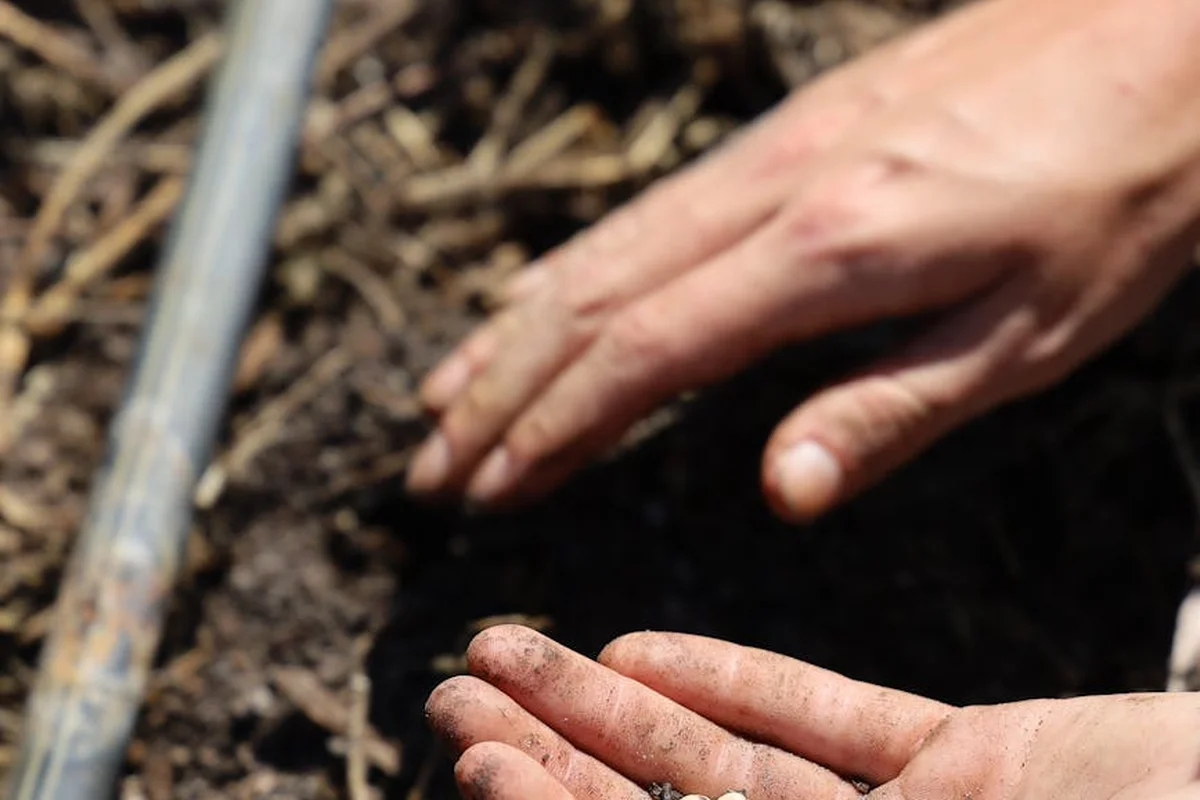
Compost manure completely before using it on your lawn to prevent burning and release nutrients slowly. This patience pays off with a thicker, greener turf that builds from the soil up.
Caring for your lawn includes choosing practices that are safe for pets and beneficial for local pollinators. I keep learning from my own yard, and I encourage you to do the same-it’s how we grow better gardens together.
Research and Related Sources
- Using Manure in the Home Garden – Wisconsin Horticulture
- Using Manure in the Home Garden | Yard and Garden
- What Is The Difference Between Fertilizer & Manure?
- How to Use Manure as Fertilizer | Bonnie Plants
- Organic Fertilizer & Garden Manure – Ace Hardware
- Wise Use of Manure in Home Vegetable Gardens
Written by Ria Carrington. Ria is an avid lawn care enthusiast and advisor. No lawn is unsalvagable when Ria is at work. She has helped countless homeowners breath new life into their dying lawns. She has a B.Sc in Agriculture and brings practical advice combined with knowledge of plant science and her decade worth of hands on experience.