
Who Really Makes John Deere, Toro, and Other Big-Name Lawn Mowers?
Staring at a shiny new mower and wondering if the brand name means quality or just good marketing is a smart homeowner’s move. Let’s cut through the noise together.
We will cover the actual companies behind John Deere and Toro, where other major players like Honda and Cub Cadet come from, and how this info helps you avoid overpaying.
I’ve compared specs and repaired my own gear for seasons, so I know what you should look for beyond the logo.
At a Glance: Key Factors
Picture your neighborhood. It looks like a bunch of separate houses, right? But you know which families are related. The lawn mower world is the same.
Nearly every brand you see at the big box store shares a corporate parent with a few others. True independence, like a family-owned house on a big lot, is rare. This isn’t inherently bad, but it’s the first fact you need to know.
Brand ownership and where something is made are two different conversations. A mower can have a famous American name on the hood but be assembled in a factory overseas owned by its parent company. That factory might also build parts for the brand’s corporate siblings.
Three major groups own the lions share of the residential market you shop in:
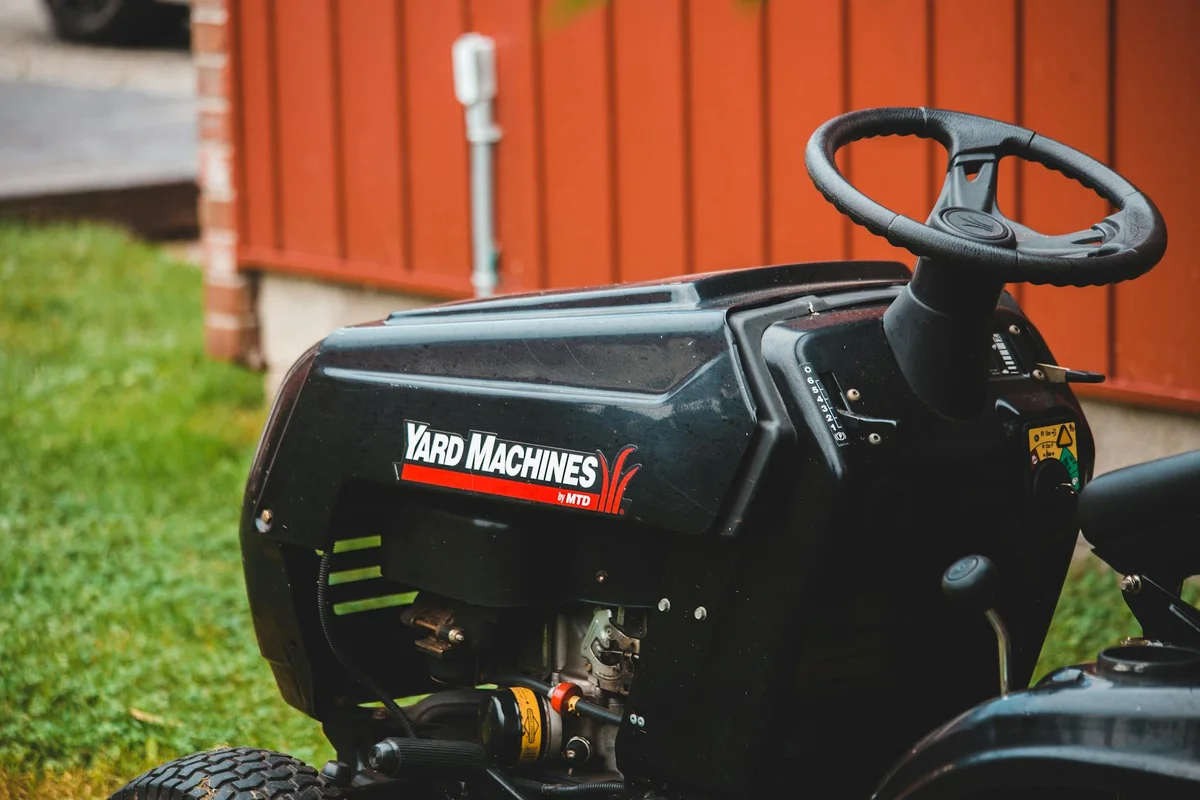
- MTD Products: This is a giant. They own Cub Cadet, Troy-Bilt, and Remington. They also make the mowers you see sold under store names like Yard Machines and Yard-Man.
- Stanley Black & Decker: They own the iconic brand Cub Cadet? No, wait, that’s MTD. They own DEWALT, Craftsman, and Black+Decker lawn equipment. See? It’s like a family tree.
- Toro: They own themselves, which is impressive, but they also own the residential brand Lawn-Boy.
- Briggs & Stratton: Primarily an engine maker, they also own the mower brands Simplicity and Snapper.
John Deere is a notable exception, like that one impressive, self-sufficient house on the block. They design, manufacture, and sell under their own name.
Knowing this family tree matters most when your mower needs a part or a repair. A part for a Craftsman mower might be identical to one for a rival brand under the same corporate roof. This knowledge saves you time, money, and the headache of tracking down the right fix for Max when he acts up.
Tools You’ll Need to Decode Mower Brands
You don’t need special gear for this. You need the same mindset you use when checking the tag on a new shirt.
The main tools are a notepad and the willingness to look at the fine print on your mower’s tag or sticker. This is usually under the seat, on the deck, or near the engine. Get down there with a flashlight. I’ve found model numbers I never knew existed.
Have your phone handy. That model number or manufacturer code is your key. A quick search often leads directly to the parent company’s parts website or a service manual. I keep a note in my phone for Max’s model and engine numbers. It has saved an afternoon.
When you know the parent company, you unlock a wider network for compatible parts and advice. An online forum for Cub Cadet owners might have the exact solution for your Troy-Bilt issue, because under the hood, they’re cousins. It makes you a smarter shopper for belts, blades, and batteries, too.
Think of it as building your own homeowner’s toolkit. The tools aren’t wrenches and sockets, but knowledge and a few good reference notes. It turns a confusing wall of brands at the store into a short list of families you understand.
The Big Picture: Who Owns Your Favorite Mower Brand?
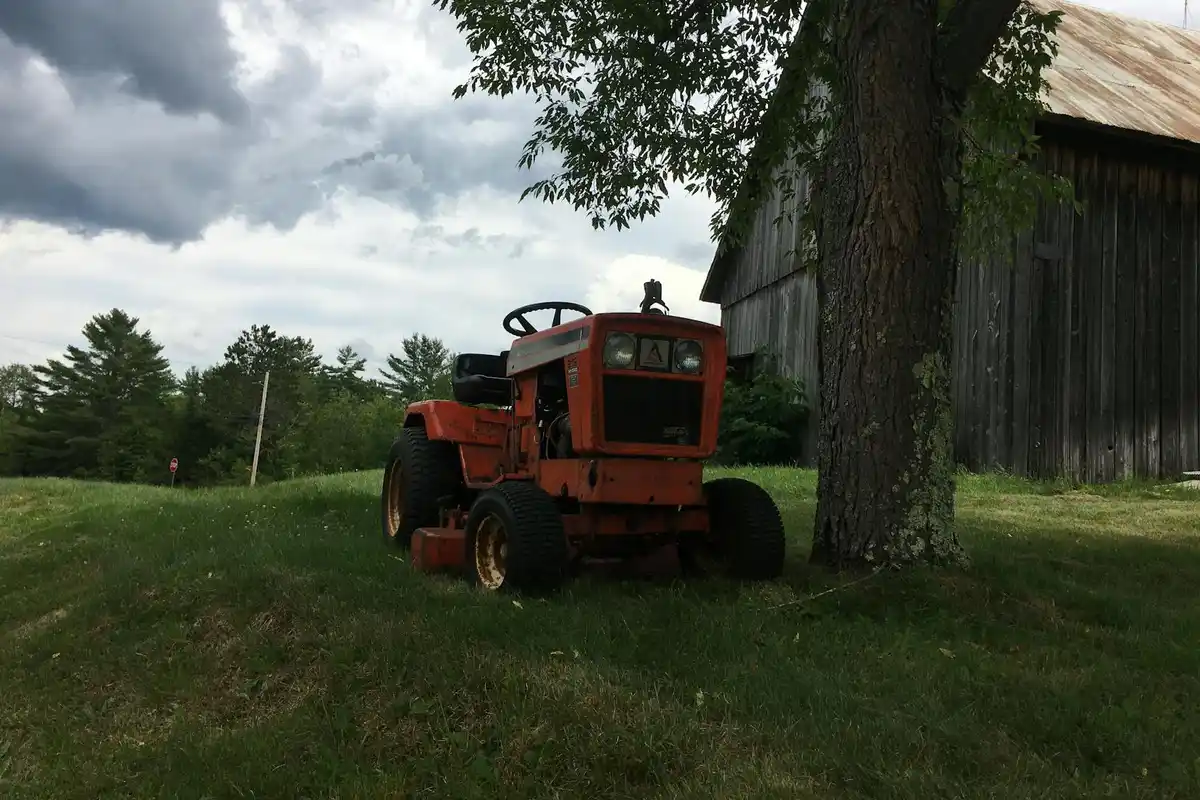
You grab your mower from the garage, start it up, and see a name you trust. But that brand name is just the public face. The real story is often a corporate family tree, where one big company owns several familiar names. Think of it like your street. You might have several different families, but they all live under the same homeowners’ association rules. It’s a bit like the evolution of the lawn mower—many different brands working towards the same goal.
Here’s a clear breakdown of the major players. This will help you understand why two different brands might feel oddly similar under the hood.
Husqvarna Group
First, let’s answer a common question: Does Husqvarna still make lawn mowers? Absolutely. Not only do they make them, but they also own other major brands. They’re a powerhouse in outdoor power equipment. If you’re ready to start operating a Husqvarna lawn mower, you’ll find their controls intuitive. We’ll walk you through the basics and safety checks to get you going smoothly.
- Husqvarna (their flagship brand)
- Gardena (garden tools and irrigation)
- Poulan Pro
- Weed Eater / Flymo
MTD Products
MTD might be the biggest name you’ve never heard of. They are a massive original equipment manufacturer (OEM). Many store-brand mowers are built by MTD in their factories and just get a different color and label.
- Cub Cadet (their premium residential and commercial brand)
- Troy-Bilt
- Bolens
- Remington
- They also manufacture mowers sold under the Craftsman (for Lowe’s) and Yard Machines (for big box stores) labels.
Techtronic Industries (TTI)
You know TTI for power tools like Ryobi and Milwaukee. In recent years, they’ve aggressively moved into the cordless outdoor equipment space by acquiring classic brands.
- Ryobi (cordless mowers and tools)
- Hart (Walmart’s cordless line)
- Hoover (yes, the vacuum company now makes cordless mowers)
- They also own the Vermont American brand for blades and parts.
The Toro Company
Toro is a bit more focused. They are a major independent manufacturer, and they own a few key brands that complement their main line.
- Toro (their core brand)
- Lawn-Boy (a historic brand they’ve owned for decades)
- Exmark (commercial mowers and equipment)
- IRRITROL (irrigation products, like my own “Sunny” setup)
The Independent Makers
Some brands still chart their own course. This brings us to another frequent question: Does Stihl make lawn mowers? They do, and they are a fiercely independent, family-owned company. They make their own engines and equipment. Another major independent is John Deere. They design and manufacture their own riding mowers and tractors, though some walk-behind components may be sourced. Honda is also its own entity, renowned for its engines, though they have recently scaled back their mower division in North America.
Gravely and Ariens are two more strong independent brands, both known for high-end commercial and residential equipment, and they are still run by the Ariens family.
Where Are These Lawn Mowers Actually Made?
This is where it gets real. The brand name on the deck doesn’t tell you the factory location. I learned this the hard way looking for a replacement part. The only way to know for sure is to check the manufacturer’s label on the mower itself, usually on the deck or near the engine.
You have to get on your hands and knees and read the fine print on the machine. Generally, manufacturing follows a pattern. Commercial and high-end residential mowers are often assembled in the USA. Mid-range models frequently come from factories in Mexico. Many entry-level and value-priced mowers are manufactured in China.
A Quick Guide to Specific Brands
Let’s tackle those common search queries directly. Remember, this can change with new model lines, so always verify with that label.
- Craftsman: Mowers under this brand are made by MTD (for Lowe’s) and are typically manufactured in the United States (often Ohio) or China, depending on the model series.
- Cub Cadet: As an MTD flagship, many are assembled in the USA (Ohio), with some components globally sourced.
- Gravely: This independent brand manufactures its zero-turn mowers and commercial equipment in Wisconsin, USA.
- Honda: Historically, Honda mowers for North America were made in North Carolina, USA. With their recent changes, production has shifted, and some models may now be sourced from global factories.
- Husqvarna: Production is global. Many riding mowers and tractors are assembled in the USA (often in South Carolina or Mississippi), while some walk-behinds may be made in European or Chinese factories.
Notable Manufacturing Regions
You’ll hear a lot about certain states. Wisconsin, North Carolina, South Carolina, and Ohio are traditional hubs for outdoor power equipment manufacturing. Brands like Ariens (Wisconsin), Gravely (Wisconsin), and Toro (some lines in Minnesota) have deep roots there. You might see “Made in New Jersey” on some older mowers, reflecting the industry’s historical footprint.
This doesn’t mean every mower from a brand based in South Carolina is built there. My point is, regions matter for quality and sourcing, but the specific model’s tag is your final answer.
Decoding Common Brand Pairings and Confusions
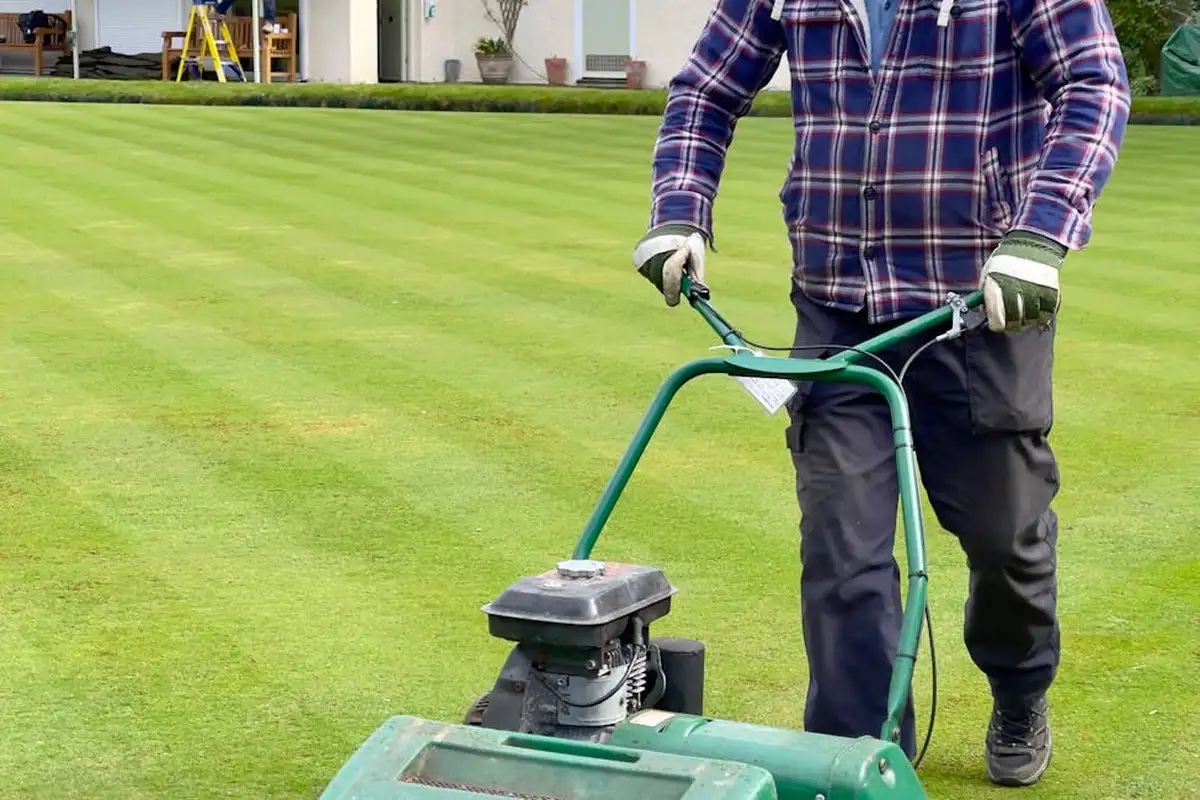
You see the names on the box at the big-box store. You see them on the pro’s trailer. It’s easy to think they’re all separate companies in a fierce battle. The reality is more like a family reunion, where some cousins are in business suits and others are in overalls. Knowing who’s related saves you a lot of headache later.
John Deere: The Family with Two Houses
That iconic green and yellow paint job is everywhere, from massive tractors in farm fields to riding mowers in suburbia. Are they the same machine? Not even close. Think of it like a car company. John Deere’s agricultural division builds the heavy-duty, commercial-grade equipment-the pickup trucks of the farming world. Their home and garden line is more like the sedan version. They share a famous name and a color scheme, but the engineering, materials, and dealership support are on completely different levels. The lawn tractor you buy at a retailer is built to a different standard (and price point) than the compact utility tractor at a John Deere ag dealer.
Toro and Exmark: The Parent and the Pro
If you’ve ever admired a landscaper’s pristine zero-turn mower, there’s a good chance it was an Exmark. What many don’t know is that The Toro Company owns Exmark. Toro uses this setup smartly. Toro brand mowers cover everything from basic push mowers to high-end residential zero-turns you might buy. Exmark operates as their dedicated professional/commercial brand. This means Toro funnels top-tier commercial innovation from Exmark down into their best residential models, which is a win for homeowners who want pro-level features. If you’re ready to start using a Toro lawn mower, you’ll find pro-grade features in a user-friendly package that fits any home yard.
Husqvarna, Poulan, and Craftsman: A Web of Labels
This one is a classic source of confusion. Husqvarna Group is a major outdoor power equipment manufacturer. They make products sold under the Husqvarna brand (their premium line) and the Poulan Pro brand (a more value-oriented line). Now, here’s the twist: For years, they also manufactured lawn tractors and riders that were then sold under the Craftsman label at Sears and other retailers. So, you might have a Craftsman mower that was actually built by Husqvarna, while your neighbor has a similar-looking Husqvarna brand mower from the same parent company. That branding blur can complicate part replacements, so a lawn mower parts compatibility guide helps confirm the right fit. These guides map model codes to compatible components, reducing guesswork when shopping for parts. Always check the actual manufacturer code on the machine’s tag, not just the store label.
The MTD Family Tree: One Roof, Many Names
MTD is the quiet giant in the yard. They don’t sell mowers under the “MTD” name at stores, but they manufacture a huge portion of what you see. They use a strategy called “private labeling.” It’s like one kitchen making cakes for several different bakeries, each with its own box.
Major brands under the MTD umbrella include:
- Cub Cadet (their flagship brand)
- Troy-Bilt
- Remington
- and they’ve previously manufactured for brands like Yard Machines, Yard-Man, and Bolens.
This doesn’t mean all these mowers are identical, but they often share common platforms, engines, and critically, many repair parts. Recognizing this connection is a secret weapon for finding affordable replacements.
Why This Ownership Web Matters for Your Lawn
This isn’t just trivia. Knowing who owns who changes the game when you’re buying, fixing, or just trying to keep your lawn on schedule. It turns confusion into a practical advantage.
Parts and Cost: The Hidden Commonality
When a deck belt snaps or a wheel bearing goes, your first thought is, “I need a part for my Cub Cadet.” Because of MTD’s shared platform approach, that exact same belt or bearing might also fit a Troy-Bilt or an older Yard Machines mower from the same era. This shared parentage massively widens your search for parts, often leading to better availability and lower prices if you shop by the part number, not just the brand name. I learned this with Max, my trusty zero-turn. I needed a specific idler pulley. The part labeled for my model was backordered for weeks. A quick search of the part number itself showed it was used on a dozen other MTD-built mowers, and I found one on a shelf across town.
Build Quality: The Brand’s Tier System
Every major parent company has a good, better, best lineup. A company like Husqvarna Group makes the professional-grade Husqvarna brand mowers with heavier-gauge steel and commercial-grade components. Their Poulan Pro line offers solid functionality for the average homeowner but uses more cost-effective materials to hit a lower price. You’re often paying for the level of durability and features within a family, not magic from a totally different factory. Understanding this helps you compare real value, not just stickers.
Service and Warranty: Who’s Really Behind You?
Where you buy and who services it are key. That mower from a major brand at a big-box store is often serviced by a third-party warranty center. A mower from that same brand’s dedicated dealer (like a Toro or John Deere dealer) is typically repaired by technicians trained specifically for that equipment, with better access to proprietary parts and software. The warranty might have the same length on paper, but the service experience and expertise backing it can be completely different, especially when considering which brands are known for reliable parts and repair. Always ask, “Who fixes this if it breaks?” before you buy.
How to Be a Smart Shopper with This Knowledge

Now that you know who is really building what, you can shop like a pro. The first step is to stop shopping by color. That shiny green, orange, or red paint is just a costume. Your first stop should always be the manufacturer’s label or the spec sheet to see who actually built the machine. I learned this after almost buying a mower from a “prestige” brand that was identical to a cheaper model from its corporate sibling, save for a few cosmetic plastic pieces.
Use this family tree knowledge to your advantage. If you like a feature set on a John Deere S100 but the price gives you pause, check out an identical Ariens or Husqvarna model from the same MTD factory. You might find the same chassis, engine, and cutting deck for a few hundred dollars less. Compare models across sibling brands to find the best value, not just the most familiar logo.
If “Made in USA” or assembly location matters to you, dig a little deeper. A brand like Toro assembles many mowers domestically, but a specific entry-level model might be sourced elsewhere. Don’t assume; check the product manual or ask the dealer directly about the specific model number you’re considering. The answer can vary even within the same brand’s lineup.
Here’s my most practical piece of advice, born from a stripped belt pulley on Max one Saturday afternoon. A good, knowledgeable local dealer with a solid service department is often more valuable than any brand name. A less-hyped brand with a dealer who can get you parts fast and fix it right is infinitely better than a “top” brand with no local support. Before you buy, visit the local shops. See who has helpful staff and a clean service bay. That relationship will save your weekend.
Recommended Products: What to Look For
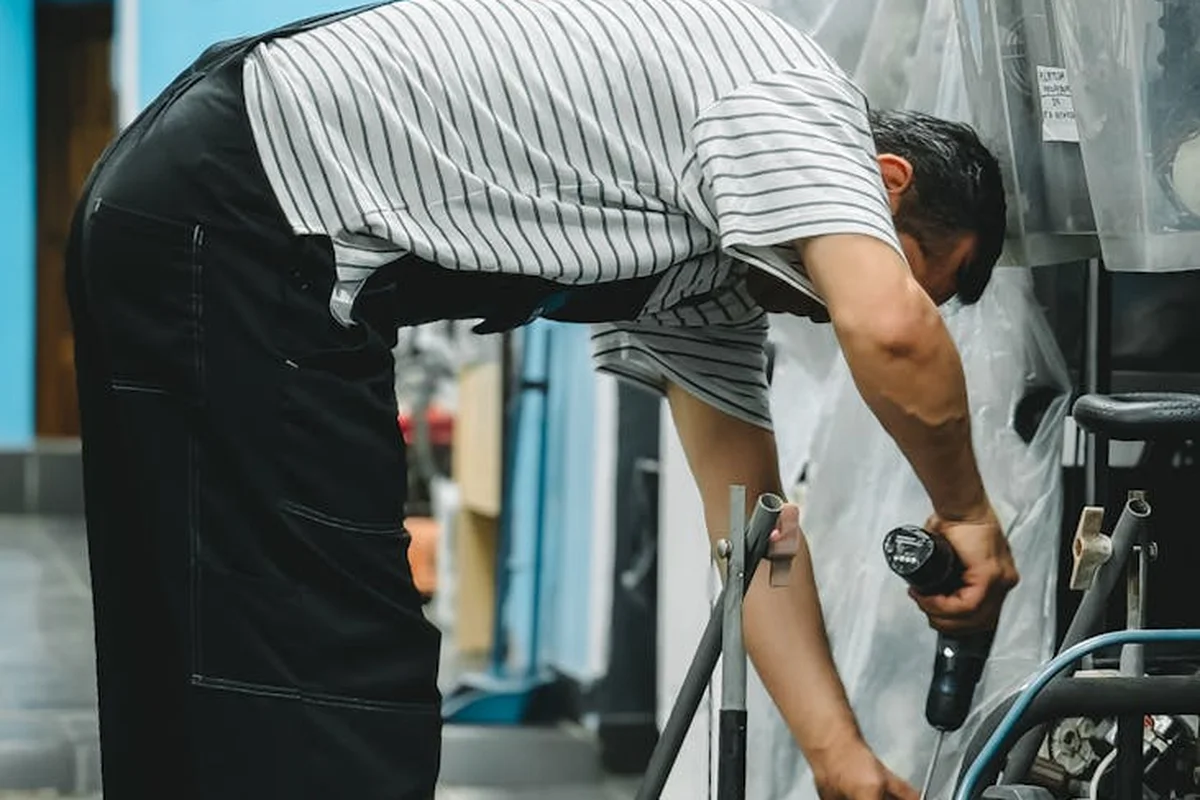
Forget brand wars. Let’s talk about what actually matters for your lawn. Your mower choice should first be ruled by the size and complexity of your yard, as well as an understanding of the differences between gas and electric lawn mowers.
- For a small, flat city lot, a reliable 21-inch push mower (gas or electric) is all you need.
- For a half-acre suburban yard with some slopes, a sturdy rear-engine riding mower or a capable zero-turn will save your knees and your time.
- For an acre or more, a commercial-duty residential zero-turn with a heavy-duty frame is worth the investment to get the job done efficiently.
Look under the hood or deck. The engine is the heart. Prioritize mowers with serviceable engines from dedicated manufacturers like Kawasaki, Kohler, or Briggs & Stratton. These are built to be maintained-you can change the oil, clean the air filter, and spark plug easily. Avoid mowers where the engine is a sealed, proprietary “no-service” unit from an unknown maker; when it fails, you replace the whole mower.
Electric mowers have come a long way. If you’re curious, look at electric options from companies with deep experience in outdoor power tools, not just electronics. A brand that has been building durable gas tools for decades likely understands the toughness needed for a lawn mower chassis, even if the power source is different. They’ve earned that trust through years of making products that survive the real world. For homeowners, focusing on reliable lawn mower brands helps ensure long-term performance. These brands earn trust through consistent outdoor tool reliability and solid support.
Ultimately, the fanciest mower in the world is a paperweight if you neglect it. The best mower for you is the one you commit to maintaining season after season. That means winterizing the engine, sharpening the blade every month, and cleaning the deck. A modest mower you care for will outlast a premium machine you abuse. It’s that simple, and nothing substitutes for consistent care—not even professional repairs.
Your Quick-Cut FAQ: Mower Brands Made Clear
1. Which major mower brands are still made in the USA?
True blue American manufacturing is rare, but brands like Ariens, Gravely, and some Toro and Cub Cadet lines are assembled here. Prioritize models from these brands if you value quicker parts access and typically sturdier builds for a thicker, greedier lawn.
2. I live near Charlotte, NC-where can I find a local mower manufacturer?
You won’t find a factory showroom, but you’re in a hub for great dealers. Use the “dealer locator” on websites for brands like Toro, Husqvarna, or John Deere to find local service experts who know our specific grass types and terrain.
3. What’s the deal with red and white lawn mowers? Are they all the same?
That classic scheme is used by several brands, including some Snapper and Craftsman models, but it’s just paint. Focus on the manufacturer’s label under the deck to know who really built it, because that’s what matters for parts and durability when feeding your grass.
4. Why do so many premium mowers come from Wisconsin?
Wisconsin has a deep heritage of metalworking and engineering, leading to brands like Ariens and Gravely building commercial-duty machines there. That history often translates into overbuilt residential mowers that can handle season after season of making your lawn jealous.
5. How does brand ownership affect where I go for repairs?
Always take your mower to a dealer authorized for its *parent company*, not just the label on the hood. This insider knowledge gets you the right parts and techs who understand the shared platforms, getting you back to cutting faster.
Final Thoughts on Your Mower’s True Purpose
The best mower isn’t the one with the biggest name, it’s the one you’ll maintain and use correctly all season long. Your consistent care with a sharp blade matters far more to your grass than any logo on the machine. Focus on that simple habit, and your lawn will show the difference. If you’re shopping for a new mower, consider the best lawn mowers tractor brands to help you pick a durable model. That choice often ensures reliable parts and service when you need them.
Remember, every pass with the mower is a chance to nurture your lawn’s health or stress it out. Stay curious about pet-safe practices and pollinator-friendly care; a healthy lawn is part of a much bigger, living system right in your own yard.
Sources and Additional Information
- SER FAQ: LMFAQ: Which manufacturer makes what brand names?
- Comparing John Deere, Toro, Jacobsen for Homeowners | Lawn Care Forum
- r/lawnmowers on Reddit: John Deere vs Toro mower
- John Deere vs. Toro | Lawn Care Forum
- John Deere Parts Lookup: Find OEM & Aftermarket Online
- Home Boone’s Power Equipment, Inc. Brookville, OH (937) 854-2396
Written by Ria Carrington. Ria is an avid lawn care enthusiast and advisor. No lawn is unsalvagable when Ria is at work. She has helped countless homeowners breath new life into their dying lawns. She has a B.Sc in Agriculture and brings practical advice combined with knowledge of plant science and her decade worth of hands on experience.