
When Should You Apply Lime to Your Lawn?
Applying lime at the wrong time is like watering your lawn in a rainstorm, a complete waste of your time and money.
Let’s make sure you get it right the first time by covering why your soil pH matters, the only way to know for sure if you need lime, the two best times of year to apply it, and my simple method for spreading it effectively.
I’ve tested my own soil more times than I can count and adjusted the pH to get my grass thick and green.
At a Glance: Key Factors for Lime Success
You don’t need to guess. Your lawn tells you when it’s hungry for lime. You just have to know the language it’s speaking.
Look for these top conditions that scream your soil pH is likely too low.
- Moss is spreading like a green carpet, especially in shady or damp spots. It loves acid where grass struggles.
- The grass looks pale, yellow, or just thin and weak, no matter how much you feed it.
- Weeds like creeping sorrel, plantain, or dandelions are winning the battle.
- Fertilizer doesn’t seem to work like it used to; the grass just doesn’t green up.
Timing is everything. The two best seasons are fall and early spring.
Fall is the champion because rain and snowmelt help work the lime into the soil over winter, giving it months to adjust pH before spring growth. Early spring is a solid second choice, applied as soon as the ground thaws and before the heavy growing season kicks in.
Here’s the non-negotiable rule. A soil test is the only way to know for sure how much lime to use. Spreading it blind is like pouring salt on your dinner without tasting it first. You’ll either do nothing or do harm.
My quick pro tip? Apply lime when the grass is completely dry to the touch and you see a good rain in the forecast for the next day or two. That moisture is what washes the powder off the blades and down to the soil where it needs to be. I’ve made the mistake of doing it before a windy day. Let’s just say Max the mower and I were wearing a fine white dust for a week.
Spotting the Signs: Does Your Lawn Actually Need Lime?
Think of soil pH as the lock on your lawn’s nutrient pantry. When the pH is correct, the door swings open. Your grass roots can grab all the good stuff from fertilizer and soil. When the soil is too acidic, that door slams shut and locks. The nutrients are still in the pantry, but your grass is starving on the other side of the door. Lime is the key that slowly unlocks it. A soil test helps you interpret soil test results for smarter lawn care. With that guidance, you can lime and feed with confidence.
The visual clues are pretty clear once you know them. You’ll see thin, struggling grass. Moss will move into bare areas, feeling spongy underfoot. Acid-loving weeds will throw a party. I’ve spent more weekends than I’d like wrestling with a patch of sorrel in that shady corner I call “Patch.” It was a stubborn sign my pH was off.
Feeling your soil texture matters, too. Sandy soil is like a sieve; it doesn’t hold nutrients (or lime) well and needs more frequent, lighter applications. Clay soil is like a dense sponge; it holds onto everything but changes slowly, needing heavier but less frequent lime. You can use a soil texture calculator to determine the texture of your soil.
Your Lawn’s Cry for Help: Visible Symptoms
The grass itself looks sad. It loses that lush, thick feel and becomes pale and wiry. Even after a mow with Max, it doesn’t have that crisp, vibrant green snap. It’s more of a dull, yellowish whisper. The growth is stunted, and bare spots appear because new seedlings can’t establish in the harsh acidic environment.
Weed invasions are a huge red flag. Moss is the classic sign, but also look for weeds with names like sorrel or “dock.” These aren’t just random weeds; they’re plants that specifically thrive in the acidic conditions your lawn grass hates. They’re not invading your lawn; they’re moving into a neighborhood that suits them perfectly.
The Definitive Test: How to Check Your Soil’s pH
You have two main paths: a home test kit or a lab test. The cheap home kits from the garden store give you a ballpark figure. They’re better than nothing and can confirm a serious problem. But for accuracy and specific lime recommendations, a lab test through your local cooperative extension service is the gold standard. It costs a little more and takes longer, but it tells you exactly what you’re dealing with.
Taking a good sample is simple. Grab a clean trowel and a plastic bucket.
- Dig about 4-6 inches down in 8-10 random spots across your lawn, avoiding obvious odd areas like right by the driveway or under a grill.
- Put all those soil cores in the bucket, mix them up thoroughly, and let the mix dry out.
- Take about a cup of that mixed soil and send it off in the lab’s provided bag or test it with your home kit.
This mixing step is critical-it gives you the average pH of your whole lawn, not just one weird spot. It’s the difference between diagnosing a headache and diagnosing the whole system. Do this, and you’ll know exactly what you’re working with.
Timing is Everything: The Best Seasons to Lime Your Lawn
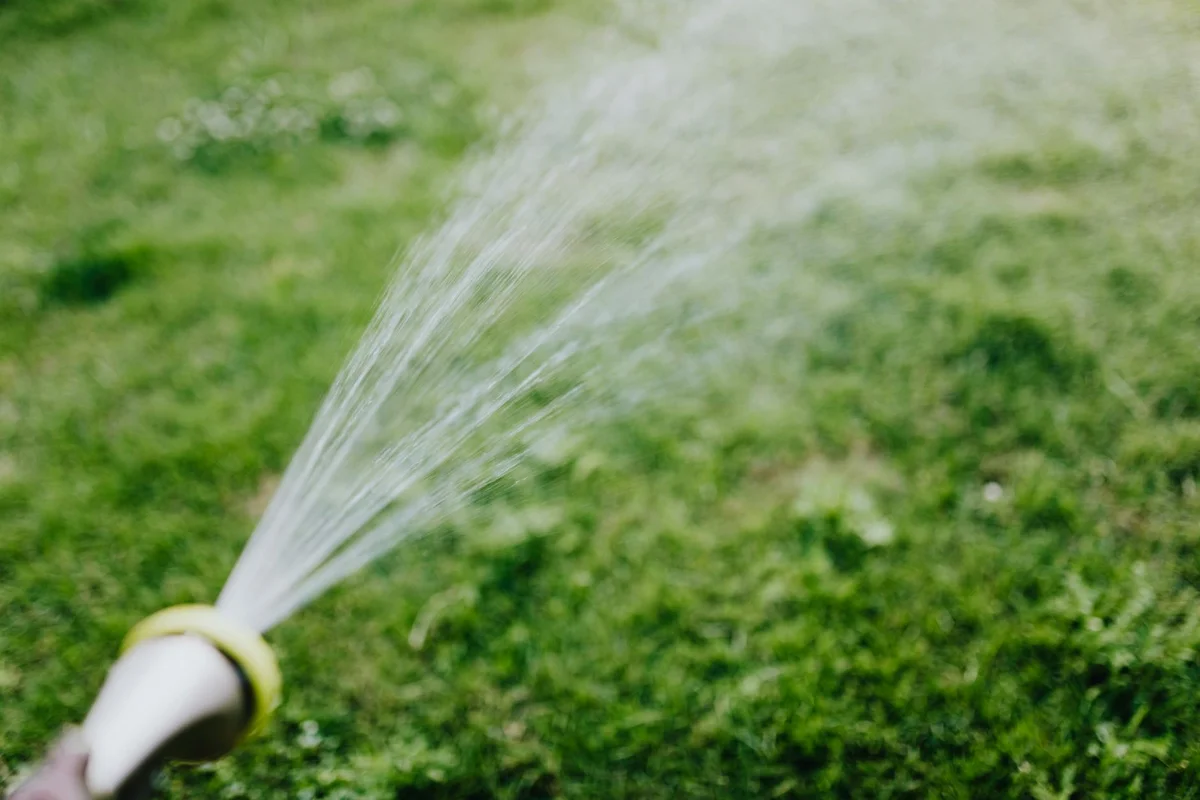
So, when should you apply lime? The short answer is simple: fall is best, spring is okay, and summer and winter are a hard no.
Getting the timing right makes a huge difference. Apply lime when the grass and soil can use it, and you’ll see results. Apply it at the wrong time, and you’re just wasting effort and money.
Fall Application: The Gold Standard
If you only lime your lawn once, do it in the fall. I aim for early to mid-fall, before the ground gets cold. This timing is perfect for a few reasons.
Fall rains are more reliable and gentler than spring downpours. They help wash the lime off the grass blades and start moving it into the soil. Then, the freeze-thaw cycles of winter act like a slow mixer, working the lime deeper over the months.
Applying lime in the fall gives it the entire offseason to adjust your soil’s pH, setting the stage for a thick, vigorous green-up when spring arrives.
Think of it as a long-term investment. You’re not fixing a problem for today, you’re building better soil for next year’s grass and achieving a healthy, beautiful lawn.
Spring Application: The Second-Best Option
Missed the fall window? An early spring application is your next best bet. The key word is early. You want to do this as soon as the ground is workable and before heavy growth starts.
Be careful with your timing. If you’re planning to seed, wait at least a few weeks after liming. Fresh lime can create a harsh environment for new grass seeds. The same goes for fertilizer.
Apply your lime in early spring, then wait two to three weeks before putting down your first fertilizer application to let the soil begin to adjust.
Spring lime works, but it has less time to react before the growing season kicks into high gear. You might not see the full benefits until later in the summer.
Seasons to Avoid: Summer and Winter Limits
Applying lime in the summer heat is one of the most common mistakes I see. When temperatures are consistently above 80°F, your grass is stressed and trying to survive.
Lime needs moisture to react and move into the soil. Hot, dry summer conditions prevent that. The lime just sits on top, and the dust can even burn grass blades. It’s completely ineffective and can do more harm than good.
Winter application is just as pointless. If the ground is frozen, the lime pellets have no path into the soil. The next big rain or snowmelt will simply wash it all away into your driveway or street. It’s a total waste.
For lime to work, it needs contact with moist soil. Summer’s dryness and winter’s freeze both block that essential contact.
Your Seasonal Lime Application Checklist
For Fall or Spring Applications:
- Get a soil test first to confirm you need lime and know how much.
- Calculate the exact amount of lime needed for your lawn’s square footage.
- Pick a dry, calm day for application (no rain in the forecast for 24 hours).
- Apply the lime evenly with a broadcast spreader.
- Water it in lightly to help wash the pellets off the grass and into the soil.
And remember this warning:
- Avoid application if temperatures are consistently above 80°F.
How Much Lime Do You Need and How to Apply It
This is where guessing stops and science starts. How much lime you need isn’t a guess, it’s a calculation based on your soil’s specific condition. A lawn lime calculator translates your soil data into precise lime quantities. That way, you know exactly how much to apply.
Think of it like a prescription. Your soil test tells you the “illness” (how acidic your soil is) and the “dosage” (pounds of lime needed per 1,000 square feet).
Calculating the Right Amount: No More Guessing
Your soil test result will say something like “Apply 50 lbs of pelletized lime per 1,000 sq ft.” Here’s how to turn that into action.
First, figure out your lawn’s total area. Break it into rectangles, multiply length by width for each, and add it up. For a 10,000 sq ft lawn needing 50 lbs per 1,000 sq ft, you’d need: (10,000 / 1,000) * 50 = 500 lbs of lime. This same area-based method can be used to calculate spread fertilizer for lawns. Apply the fertilizer at the rate per 1,000 sq ft to determine the total pounds to spread.
The only way to know exactly how much lime to put on your lawn is to start with a soil test. Everything else is an expensive guess.
You’ll also choose between powdered and pelletized lime. For 99% of homeowners, pelletized is the way to go. It’s easier to spread with a common broadcast spreader, creates less dust, and is generally more forgiving.
The Application Process: A Step-by-Step Guide
Here’s my routine. The day before, I give the lawn a cut with Max, setting the deck a notch lower than usual. This gives the lime pellets a better shot at reaching the soil.
- Calibrate your spreader. Fill it with lime, set it to the recommended setting on the bag, and practice on your driveway to see the spread width.
- Apply in two directions. Go north-south across your lawn, then east-west. This cross-hatching ensures even coverage and prevents streaks.
- Keep pets and kids off the lawn until a good rain has watered the lime in or you’ve watered it thoroughly yourself.
- Wear safety gear. A simple dust mask and goggles are smart, especially on a breezy day, to avoid inhaling fine particles.
Apply lime to dry grass, then let a gentle rain water it in. If rain isn’t forecast, use a sprinkler to lightly wash the pellets into the soil.
After you’re done, sweep any lime off hard surfaces like sidewalks and driveways. Clean your spreader thoroughly to prevent corrosion. Then, just let nature and time do the slow, steady work of balancing your soil.
Avoiding Common Lime Mistakes and Ensuring Success
Lime is not complicated, but it works slowly. This makes timing and accuracy the most important parts of the job.
One of the top questions I hear from my neighbors is about lime and fertilizer. People want to know if they can do it all in one trip. You can, but I don’t recommend it.
I learned this the hard way. I once scattered a combined product on Patch, my problem corner, hoping for a quick turnaround. All I got was wasted effort and a lot of waiting. For the best results, apply your lime first and then follow up with fertilizer a few weeks later. This gives the lime a small head start to begin adjusting the soil pH, which helps the fertilizer nutrients become more available to your grass roots. Now I test the soil pH and amend it as needed before seeding to boost grass seed germination. Small pH tweaks can make the difference between patchy and lush growth.
Lime and Fertilizer: Can You Mix the Two?
The short answer is yes, it is physically possible. Many big-box store products are blends. But for optimal, controlled results, treat them as separate steps.
Think of your soil like a kitchen sponge. Lime is meant to gently fluff and open up that sponge over time. Many fertilizers, especially synthetic ones, are designed to release nutrients quickly in a sponge that’s already in good shape. If you dump them both on at once, they can sometimes work against each other, with the fast-acting fertilizer losing efficiency in soil that’s still too acidic. Applying lime first, then feeding your lawn later, is like preparing the kitchen before you start cooking.
If you must apply together, use a gentle, natural organic fertilizer. Even then, I’d wait a week or two. Your patience will be rewarded.
How often should you lime? This is where folks get tripped up. Lime is not an annual chore like mowing. You should only add lime based on the results of a new soil test, typically every 2 to 3 years. Applying it yearly “just in case” is a great way to swing your pH too high, which causes a whole new set of problems. You test, you apply the recommended amount, and then you let it work for a couple of seasons before testing again.
Here are the other common pitfalls to sidestep:
- Over-application: More is not better. It can lock up nutrients and harm the soil life that keeps your lawn healthy.
- Applying to wet grass: Lime clumps on damp blades and won’t reach the soil evenly. Wait for a dry day.
- Ignoring the soil test: This is the biggest mistake. Guessing your pH or application rate is like mowing your lawn with your eyes closed.
Greedy Grass Pro Tip: Patience and the Big Picture
My shady corner, Patch, taught me everything about patience. For years, it was thin, mossy, and sad. A soil test showed it was very acidic. I applied the exact amount of lime the test called for. Then I waited. And waited.
For months, nothing seemed to happen. I almost gave up. But after about six months, I noticed the moss was retreating. The grass I did have looked a darker green. By the next season, the soil was ready for overseeding, and new grass finally took hold. Lime is a long-term investment in your soil’s health, not a quick fix for a yellow lawn.
This slow, gentle adjustment is perfect for building a resilient lawn the right way. A properly balanced pH helps grass grow thick and dense on its own, which naturally crowds out weeds. This means you can use fewer herbicides, creating a safer space for pets and the pollinators we all want to support. It’s about working with nature, not forcing it.
Your Lime Timing Questions, Answered

What time of year is too late to apply lime?
Mid-summer and deep winter are no-go zones. Lime needs cool, moist soil to work, not a baked or frozen landscape.
Should you lime your lawn before or after rain?
Always apply to dry grass, but with rain in the forecast within a day or two. The moisture washes it into the soil where it needs to go. Fertilizing before a forecasted rain can help with uptake. If rain has already started, wait until the lawn dries to reduce runoff.
Can you apply lime and fertilizer at the same time?
You can, but I don’t recommend it for best results. Apply lime first, wait a few weeks, then feed your lawn for a real nutrient boost.
How often should you apply lime to your lawn?
Only as often as a soil test tells you to, typically every 2-3 years. Annual liming without a test is a great way to throw your soil balance off.
How do you know if your lawn needs lime?
Your lawn will tell you with clear signs like moss invasion or fertilizer that seems ineffective. A soil test is the only way to confirm it and know how much.
Setting the Stage for Lush Growth

Always test your soil first to avoid guessing with lime. Apply it in the fall or early spring so moisture can gently work it into the earth.
Thoughtful lime use maintains a healthy, balanced yard for your family and local pollinators. Like the lessons from my own Patch, staying observant and adaptable is what turns effort into that thick, green carpet we all love. That also ties into the benefits of lime grass lawns, where proper lime use supports soil balance and a resilient, lush turf. In the next steps, the lime grass lawns benefits theme will connect these ideas to practical tips you can apply.
Research and Related Sources
- How & When to Add Lime to Your Soil | ScottsMiracle-Gro US
- The Best Time to Apply Lime to Your Lawn: Expert Advice from Your Lawn Care Professionals
- When to Apply Lime to Lawns, Yards, & Gardens in MD & VA
Written by Ria Carrington. Ria is an avid lawn care enthusiast and advisor. No lawn is unsalvagable when Ria is at work. She has helped countless homeowners breath new life into their dying lawns. She has a B.Sc in Agriculture and brings practical advice combined with knowledge of plant science and her decade worth of hands on experience.