
Should You Water Your Lawn After Mowing and Fertilizing?
You just finished a big lawn care session and you’re staring at your spreader and mower, wondering if turning on the hose is the right move or a total waste. I get it.
We will cover the simple science behind watering, the exact timing for your fertilizer, and my practical advice for protecting your investment and your grass.
I’ve learned this through years of weekend projects with my mower, Max, and dialing in my irrigation, Sunny, to avoid both a soggy mess and a thirsty lawn.
At a Glance: Key Factors That Decide Your Next Move
This isn’t a one-answer question. Your next step hinges on three things right in front of you.
- Fertilizer Type: Granular or liquid? This is your biggest clue.
- Recent Mowing: Did you just cut the grass? Freshly cut blades react differently.
- Current Weather: Is it 90 degrees and sunny, or 65 and cloudy? Is rain coming?
My mental checklist looks like this table I keep in my head.
| Fertilizer Type | Typically Needs Water? | Why It Matters |
| Granular (Dry) | Yes | Water dissolves granules to feed roots and prevents fertilizer burn. |
| Liquid (Spray) | Often No | It’s already in solution; extra water can wash it away before it soaks in. |
Your goal is the sweet spot: getting nutrients into the soil without drowning them or letting them scorch your grass. Skip watering a granular fertilizer, and you risk seeing yellow, burned patches by next week. Overwater any fertilizer, and you literally wash your money and the food down the storm drain.
When you get it right, you can almost smell it working. That damp, earthy, slightly sweet smell after a good watering-in is the scent of your soil waking up and getting to work.
The Core Question: Do You Have to Water After Fertilizing?
Let’s cut to the chase. For most dry, granular fertilizers, the answer is yes, you really should water it in. For many liquid fertilizers applied to already damp grass, the answer is often no, you can leave it be.
Think of your lawn’s soil like a kitchen sponge. The fertilizer sits on top. Without water, the sponge stays dry and the nutrients just sit there. Water is what wicks the food down into the sponge where the grass roots can actually use it.
This is why people searching for “water after fertilizing lawn Scotts” find a clear answer. Most Scotts fertilizers are granular. If you use a product like that, planning to run the sprinklers or hook up Sunny, my drip system, is part of the job, along with knowing the optimal timing for fertilizer application.
So, do you *need* to water after fertilizing? It depends on your soil’s moisture right now. Try the screwdriver test. Push a long screwdriver into your lawn. If it goes in easily 6-8 inches, your soil is moist enough for liquids to absorb. If it’s hard to push, the soil is dry and even some liquids might need a light drink to help them along. If you do need to water, make sure you water your lawn properly after applying fertilizer.
Granular Fertilizer: The Thirsty Kind
Granules must be watered in. There’s no way around it. They are little nuggets of nutrients that need to dissolve. If they sit on the grass blades, especially in sun, they can concentrate and burn the tissue.
The step is simple. After applying, water your lawn gently. You want about a quarter of an inch of water. This isn’t a deep soak. You’re just aiming to melt the granules off the grass and into the soil. You’ll know it’s done when you walk out and can’t see the little pellets anymore.
It’s like soaking a stain out of a shirt. The water is the carrier that moves the treatment (the fertilizer) from the surface down into the fabric (the soil). Without it, the treatment just sits there, potentially causing damage.
Liquid Fertilizer: The Quick Soak
Liquid fertilizers are different. They’re already dissolved in water. Many are formulated as “ready-to-use” and are absorbed directly through the grass blades and soil. If you apply them to grass that is already damp from dew or a very light morning watering, they often don’t need any more water from you. Some gardeners time fertilizing around rain—applying before a light shower or just after one—to help move nutrients into the soil. This timing can boost uptake without requiring extra watering.
Here’s the common mistake. People spray on a liquid feed and then immediately turn on the sprinklers. Watering right after a liquid application can dilute it and wash it off the leaves before the grass has a chance to absorb it. You’re essentially giving it a bath and sending the good stuff down the drain.
The rule here is non-negotiable. Check the product label. It will tell you explicitly if and when to water. Some concentrated liquids need to be watered in, while most ready-to-spray bottles do not. The label knows best.
Timing it Right: How Long Should You Wait Before Watering?

So, how long after fertilizing should you water? The answer isn’t the same for every bag or bottle in your shed.
- Dry granular fertilizer needs water right away. Watering immediately washes those little pellets off the grass blades and into the soil where they belong. Letting them sit on a sunny lawn is a surefire way to see yellow burn marks.
- Many liquid fertilizers ask for patience. You often need to wait 24 to 48 hours before watering. This gives the grass leaves time to absorb the nutrients. Always read your product’s label-it has the final say.
Your local weather writes its own schedule. On a hot, dry day, the soil feels like a thirsty sponge. If it’s scorching out, you might cut that waiting time short to keep the fertilizer from drying into a crusty, useless layer. I’ve pushed the mower over grass that crackled underfoot on days like that, and it taught me to watch the thermometer.
You’ll see this same debate pop up on lawn care forums. When people ask about ‘water after fertilizing reddit,’ a flood of comments recommends morning watering. I agree with the crowd here. Watering at dawn gives your lawn a full day to dry, which helps stop fungal diseases before they start. It’s a quiet, cool routine that I’ve come to prefer. If you’re exploring the best time of day to water or a regular lawn schedule, this dawn-first approach maps neatly to that topic. It also highlights how timing ties into lawn health.
Reading the Sky: When Rain is Your Helper
Before you even think about turning on Sunny, my drip irrigation setup, look up. Check the forecast. If a decent rain is due within the next 24 hours, you can usually skip the hose and let the sky do your watering for free. It’s a simple win for your water bill and your weekend.
But not all rain is helpful. A sudden, heavy downpour is a problem. Too much rain too fast can wash your fresh fertilizer right off the lawn, wasting your money and effort. It runs into the street instead of sinking into the roots where it’s needed.
I learned this lesson from trusting Sunny too much. One afternoon, I set the system before a predicted light shower, but a thunderstorm blew in and washed a whole application of organic feed right out of my front yard. Now, I watch the radar like a hawk if rain is in the forecast after I fertilize.
The 48-Hour Rule for New Seed
Planting new grass seed is a different game from feeding an established lawn. When you search ‘do i water grass seed after planting,’ the core idea is moisture consistency. New seed needs gentle, frequent moisture to trigger germination, which is separate from the deep soaking you do for fertilizer.
Forget the deep weekly watering. For seeds, think light and often.
- Water two to three times a day, just enough to dampen the top inch of soil.
- Use a gentle spray setting so you don’t wash the tiny seeds away.
- The goal is to keep the seedbed consistently damp, never letting it dry out completely.
Here’s a way to picture it. Caring for new seed is like keeping a kitchen sponge damp for days on end. If the sponge dries out, the seed won’t sprout. If it’s soaking wet and soggy, the seed might rot. I’ve babied many a stubborn Patch in my shady corner with this method, and it works.
Mowing Order: Should You Cut the Grass Before or After Fertilizing?
Here’s the simple, no-fuss rule I follow every single time: mow first, then fertilize.
Picture this. You spread that granular fertilizer across a thick, uncut lawn. A lot of those little pellets just get caught on the grass blades, sitting up high where they can’t do their job. They might even burn the leaf tissue if they sit there too long. Mowing first clears the pathway. Shorter grass lets the fertilizer granules roll right down to the soil surface where the roots can eventually use them.
I also give my mower, Max, a little break before I start spreading fertilizer. Driving a heavy zero-turn right before you fertilize can compact the soil, making it harder for water and nutrients to soak in. I mow, put Max away, grab my spreader, and then get to work. It’s a small step that makes a difference.
Watering comes after fertilizing, but only if your product needs it. Many granular fertilizers require a light watering to wash the granules off the grass blades and into the soil. Always check the bag label. If it says “water in,” then your trusty irrigation system, or a pass with the hose, is the final step.
The Perfect Mowing Height for Fertilizer Day
On fertilizer day, you’re not trying to scalp your lawn. You’re giving it a good, clean haircut at its ideal height. For my cool-season grass, that’s about 3 to 4 inches. Cutting too low stresses the grass right before you ask it to use new nutrients, which is counterproductive.
I actually prefer to mow on the slightly higher side of my range before fertilizing. Those longer grass blades act like a living mulch. They shade the soil and the fertilizer, helping to retain the moisture that will activate the product and protecting everything from a quick dry-out on a hot day.
Take my problem area, Patch, for example. It’s a shady spot that struggles. I never cut it as short as the sunny parts of my lawn. On fertilizer day, I might only trim a quarter-inch off Patch, keeping it tall and strong to make the most of the feeding. That little bit of extra leaf helps it capture every bit of light it can to process the nutrients. Judge each area by its needs, not by one rigid setting on your mower.
After the Mow: Do You Need to Water Your Lawn After Cutting?

I used to think mowing and watering were a package deal, like a burger and fries. I’d finish mowing the lawn with Max and immediately drag out the hose. It turns out, that’s often a waste of water and can cause problems. Mowing does not automatically mean you need to water.
The real question is about your soil’s dryness, not your mower’s schedule. Think of your lawn like a sponge. If the sponge is already damp, running it under more water doesn’t help. Your goal is to water based on need, not on habit.
The best practice is to wait a few hours after you put the mower away and then check your grass for genuine thirst. This pause lets the grass recover from the cut and gives you a clear view of its actual condition. Rushing to water can lead to overwatering, which invites fungus and shallow roots.
Signs Your Lawn is Thirsty Post-Mow
Your lawn will tell you when it needs a drink. You just have to know how to listen. Here are the simple, visual cues I look for in my own yard, especially in that sunny stretch by the driveway.
- Folding Blades: Instead of standing upright, individual grass blades start to fold lengthwise, like a closed book. This is the first sign of wilt.
- The Blue-Gray Tint: A healthy green lawn will lose its luster and take on a dull, blue-gray or silvery color when it’s stressed from lack of water.
- Soil Pulling Away: Look at the edges of your sidewalk or driveway. If the soil is shrinking and pulling back, creating a gap, that’s a sure sign the ground is dry deep down.
The simplest test doesn’t require any tools, just your feet. It’s called the footprint test. Walk across your lawn in the late afternoon. If your footprints stay visible in the grass for more than a few minutes, the grass lacks the moisture to spring back. That’s your signal.
If you see these signs, a deep, thorough watering is what your lawn craves, not just a quick sprinkle. This encourages roots to grow down, seeking moisture and building a more resilient, drought-tolerant lawn. If you don’t see these signs, give Sunny the irrigation system the day off. Your lawn, and your water bill, will thank you.
Common Lawn Care Mistakes (and How to Dodge Them)
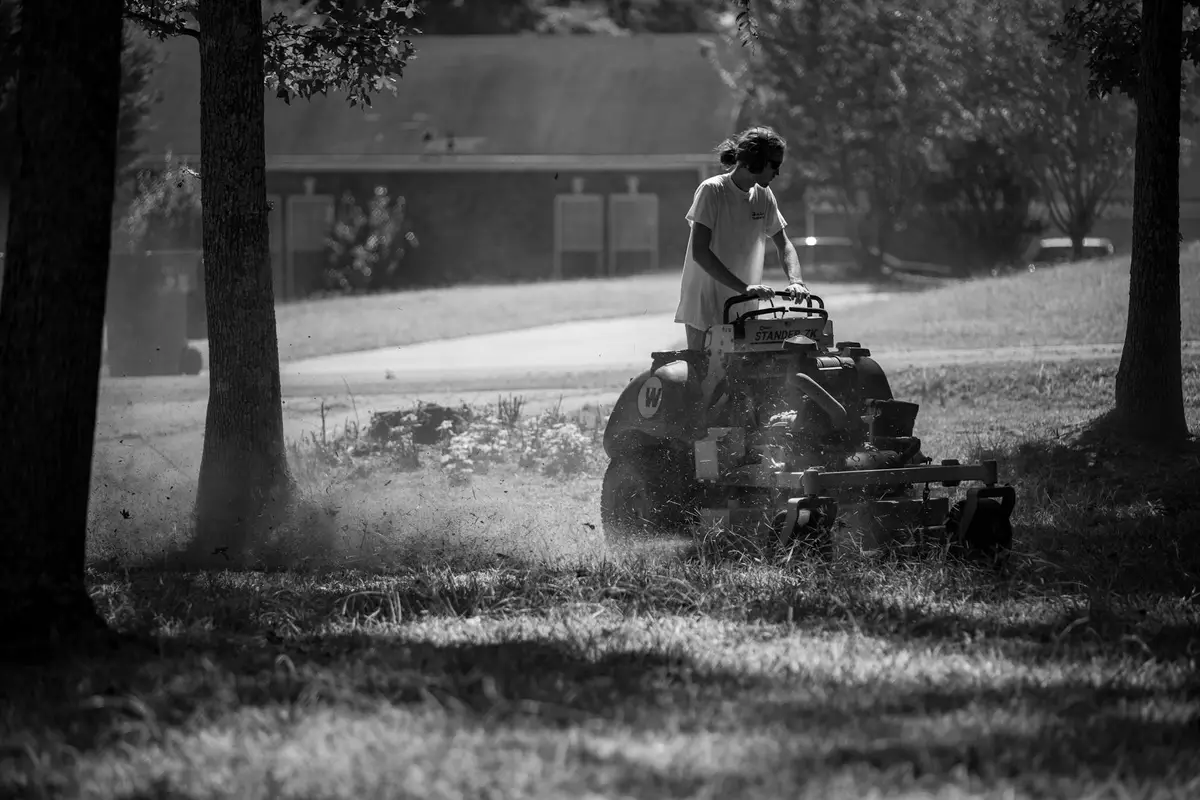
We all want that magazine cover lawn. But sometimes, our good intentions lead us into classic traps. I’ve stepped in every one of these, usually while trying to rush the job before a weekend BBQ. Here are the big ones I see and the simple ways to avoid them.
- Overwatering After Liquid Fertilizer: You pour it on, then you pour on the water, thinking more is better. This washes the food away from the roots before the grass can eat. The quick fix is to water just enough to move the fertilizer off the grass blades and into the soil, about a quarter inch of water.
- Fertilizing in a Drought or Heatwave: It’s like force-feeding a sunburned person. The grass can’t process the nutrients, leading to burn and a lawn that demands even more water. Wait for a cooler, rainy forecast.
- Mowing Wet Grass First, Asking Questions Later: This tears grass blades instead of cutting them, opening doors for disease. It also makes a horrible, clumpy mess that smothers the grass underneath. Let the dew burn off or wait for an afternoon sun.
- Ignoring the Product Label: That little booklet isn’t a suggestion. It’s the law for your lawn. A common question I see, like on forums discussing “water after fertilizing lawn Scotts reddit,” often comes from not following the Turf Builder label, which typically needs a good, thorough watering in. Always read the label first, every single time.
- Watering at High Noon: You lose a huge amount to evaporation before it ever soaks in. It’s a waste of water and money. Water in the early morning instead.
Mistake 1: The “Set and Forget” Sprinkler
I get it. Life is busy. You set Sunny, the drip system, on a schedule in May and forget about it until September. But your lawn’s thirst changes with the weather. A week of storms means you’re overwatering. A heat spike means you’re underwatering.
Before you turn the system on for the season, or even just for the week, get your hands dirty. Check your soil moisture by pushing a screwdriver into the ground. It should slide in easily to about 6 inches. If it’s hard and dry, you need water. If it’s muddy, you need to wait.
For tricky spots like Patch, my shady problem area, or slopes where water runs off, hand-watering is your secret weapon. A few minutes with the hose in those zones prevents puddling and ensures the water goes deep, right where it’s needed.
Mistake 2: Fertilizing When the Lawn is Stressed
Imagine running a marathon in 95-degree heat and then being handed a huge steak dinner. Your body would revolt. Your lawn feels the same way. Fertilizing during summer drought or extreme heat shocks the grass.
The plant is already using all its energy just to survive, not to grow. Adding fertilizer forces it to work harder, which can cause root damage and yellow or brown burn spots. You’ll end up watering constantly just to try and fix the damage, which is the opposite of a healthy, resilient lawn.
The rule I follow is simple. I only feed my lawn when it’s in its prime growing season and the weather is mild. For cool-season grasses, that’s early fall and spring. For warm-season grasses, it’s late spring through early summer. Always water it in well according to the label, and never apply it to a thirsty, heat-stressed yard.
Greedy Grass Pro Tip: A Simple Rule for Success
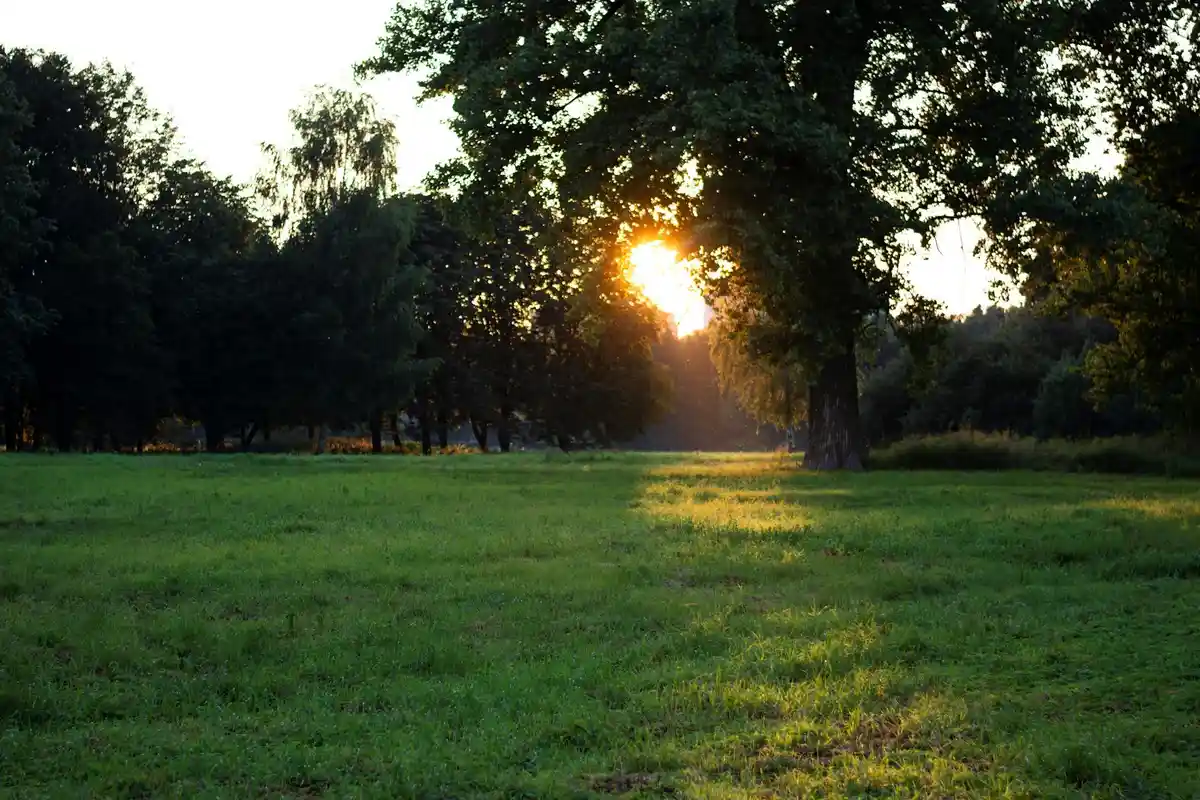
Here’s the simple, personal rule I follow every spring and fall. Water granular fertilizer in lightly, wait on liquid unless the label says otherwise.
Granular fertilizer is like tiny, nutrient-filled pebbles sitting on top of your grass. They need to dissolve and move down to the root zone. A light watering, just enough to wash them off the blades and dampen the soil, gets that process started. Think of it like soaking a sponge so it can start working. Without that, the granules just sit there, and you risk burning the grass from concentrated contact.
Liquid fertilizer is already dissolved and ready for the plant to take up through its leaves and roots. It’s often absorbed quickly. Watering it in right away can sometimes wash it off the leaf surface before it’s absorbed, wasting your effort. Unless the product label specifically tells you to water it in, I usually let it sit.
This is where Sunny, my drip irrigation setup, earns its keep. Consistency with your watering schedule beats chasing perfect timing every single time. If I apply granular feed on my regular watering day, Sunny gives it that perfect, gentle drink. Trying to orchestrate the perfect weather window for liquid feed is a headache I don’t need.
Look, getting this sequence wrong once won’t ruin your lawn. I’ve done it. I once mowed then immediately put down a liquid feed before a surprise thunderstorm rolled through. I watched half of it wash right down the driveway. The lawn was fine. Your job is to observe what happens and adjust your plan for next time. Patch, my weedy, shady corner, has taught me more about patience and adaptation than any perfect patch of grass ever could.
When in Doubt, Do This
If you’re staring at your lawn, fertilizer bag in one hand and hose in the other, and you just aren’t sure, here’s your fail-safe move. Fertilize your lawn safely and effectively by watering it in lightly after applying, then watch the grass color over the next few days.
A light watering is about a quarter of an inch. You can measure this by placing a few empty tuna cans around the lawn and seeing how long it takes to fill them about a quarter of the way up. This minimal amount is enough to move granules into the soil without drowning the roots or causing runoff.
It’s like cooking pasta. You can always add more water to the pot if it’s looking dry, but you can’t take it back once you’ve poured it out. It’s much easier to add a second, short watering cycle later if the soil seems too dry than to fix soil that’s been turned into a soggy mess.
Healthy soil, rich with organic matter, acts like a buffer that forgives small timing errors. Good soil holds moisture and nutrients like a damp sponge, releasing them to the roots as needed. If you’ve been caring for your soil with compost and proper aeration, your lawn can handle a day where your fertilizer-and-water timing isn’t textbook perfect. Focus on building that soil health, and the rest gets a whole lot easier.
Your Watering Questions, Answered by a Lawn-Obsessed Neighbor
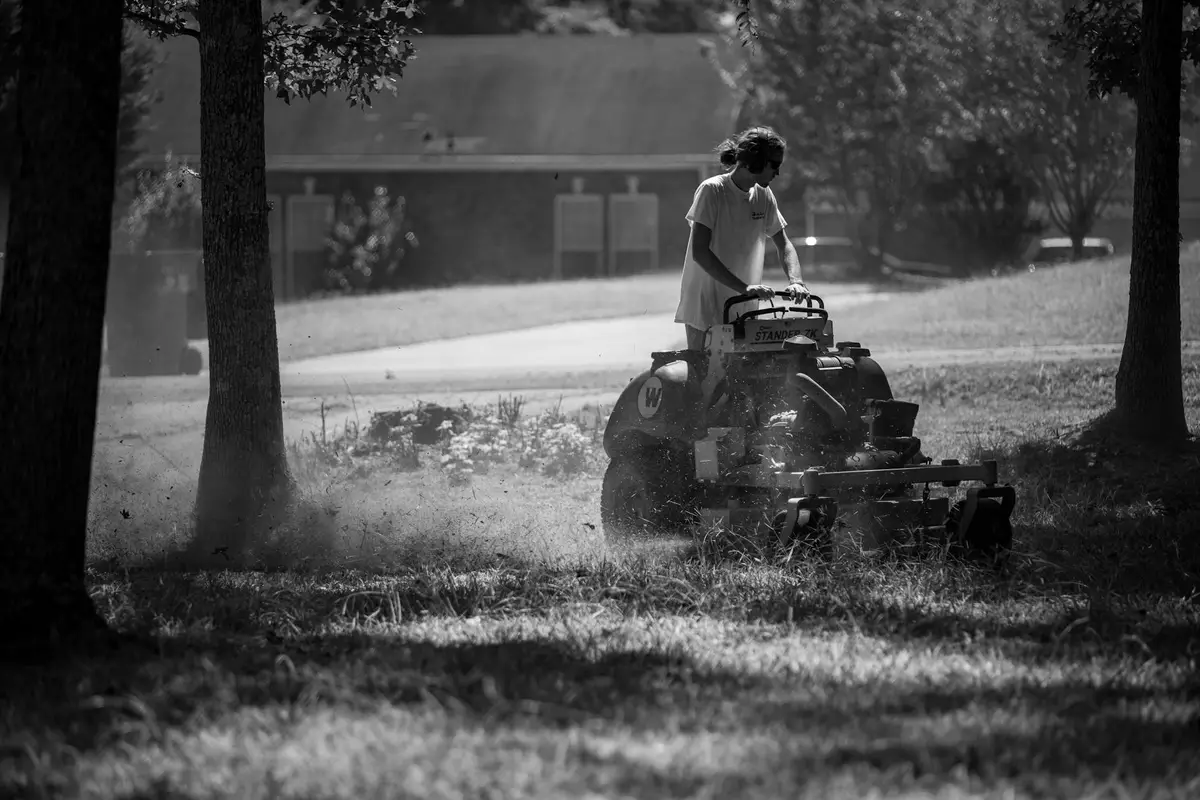
1. I use Scotts Turf Builder. Do I need to water it in right away?
Yes, absolutely. Most Scotts granular fertilizers *require* watering to dissolve the pellets and pull nutrients into the soil, preventing lawn burn.
2. What’s the biggest mistake people make with liquid fertilizer and water?
They water immediately, washing the feed off the leaves before the grass can absorb it. Always check the product label-most liquids need time to soak in before any water hits them.
3. I just fertilized and it might rain tonight. Should I still water?
Hold off and let the sky work for you. A good, steady rain is perfect, but a forecast for a heavy downpour means your fertilizer might get washed away.
4. My grass looks yellow after I fertilized and watered. What did I do wrong?
This is classic fertilizer burn, usually from granules sitting on dry grass blades too long before watering. Next time, water granular feed in immediately to rinse it off the grass and into the dirt.
5. What’s a simple, foolproof watering rule for after I fertilize?
For granules: water lightly right away. For liquids: wait unless the label says otherwise. When in doubt, a quarter-inch of water is your safest bet to activate the feed without waste.
Your Lawn’s Next Smart Move
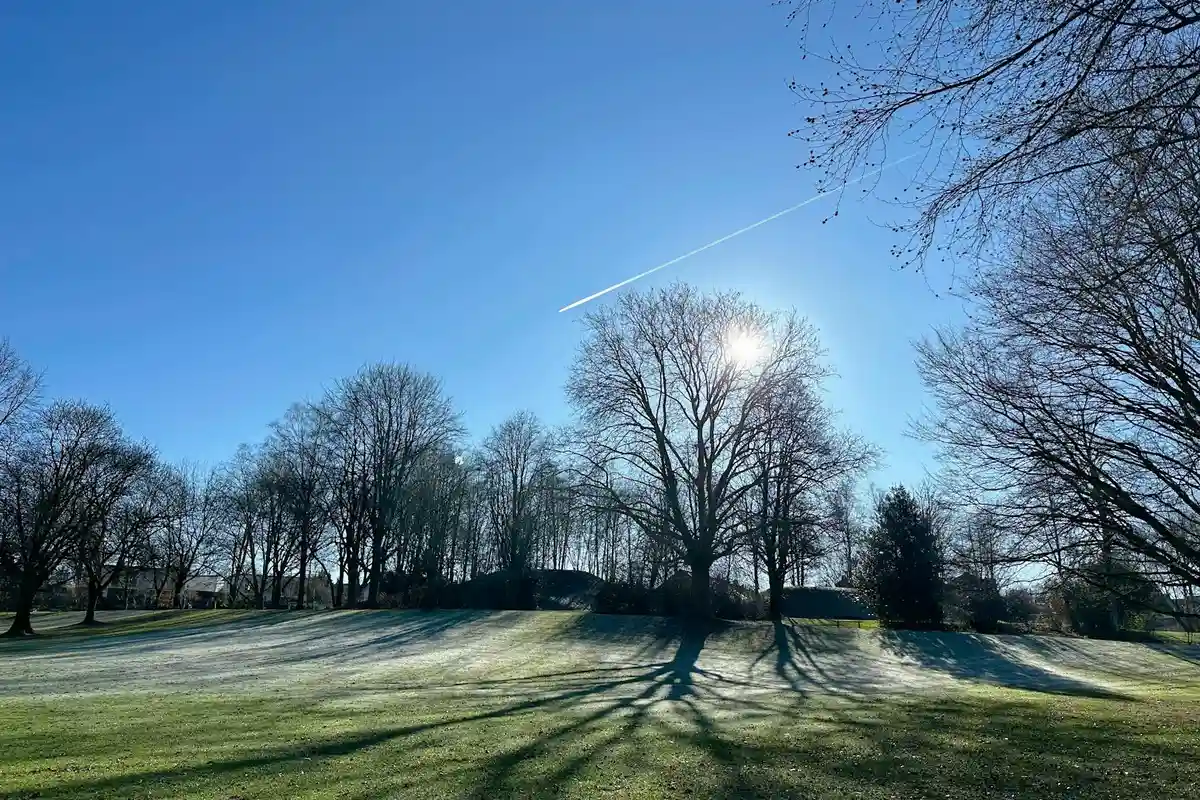
The simplest rule is to water right after you fertilize to get those nutrients moving, but you can usually skip watering after a standard mow. Getting this timing right protects your investment in fertilizer and keeps your grass strong for the season ahead.
Every bit of water and product we save makes our little patch of green a bit better for the environment. I’m always learning from my own lawn, from Max’s mowing patterns to what finally works in Patch’s corner, and I encourage you to do the same.
Further Reading & Sources
- Frequently Asked Questions About Fertilizing Your Lawn | ScottsMiracle-Gro US
- Fertilize Lawn After Mowing: The Complete Guide – Yarbo
- Should I Mow Before Spring Fertilization? The Real Answer for Texas Lawns – CitiTurf
- What are the proper steps for fertilizing my lawn? (9 Things You Need To Know)
Written by Ria Carrington. Ria is an avid lawn care enthusiast and advisor. No lawn is unsalvagable when Ria is at work. She has helped countless homeowners breath new life into their dying lawns. She has a B.Sc in Agriculture and brings practical advice combined with knowledge of plant science and her decade worth of hands on experience.