
What Are These Weeds in My Lawn and How Do I Treat Them?
Seeing a strange weed pop up in your lawn is a common headache. I am here to guide you through fixing it.
This article will walk you through spotting key weed types by their looks, figuring out why they moved in, and applying pet safe fixes that work.
My advice comes from years of weekend battles with my mower, Max, and lessons learned in Patch, my stubborn weedy corner.
Key Takeaways: What You Need to Know First
Before you start pulling or spraying, take a breath and get the basics straight. This changes the whole fight.
- Weeds are symptoms, not the main problem. They are clues telling you something is off with your lawn’s health.
- Correct identification is half the battle. You can’t treat what you don’t know. Is it a broadleaf weed like dandelion or a grassy weed like crabgrass? The treatment is different.
- A thick, healthy lawn is your best defense. It’s simple: dense grass leaves no room for weeds to start. Your goal is to grow grass so well the weeds give up.
- Treatment depends entirely on the weed type and your timing. The wrong product at the wrong time is a waste of money and effort.
And here’s the best part: Safe, effective, and pet-friendly options exist for nearly every weed problem you’ll face. You don’t have to choose between a nice lawn and a safe yard for your family and pollinators. Pet-safe weed control methods make it easier than ever.
Why Weeds Show Up in Your Lawn (The Real Reasons)
Think of weeds as opportunistic squatters. They don’t invade a strong, crowded neighborhood. They move into empty lots and neglected spaces. Weeds fill voids where your grass is weak, thin, or simply absent.
Your lawn is like a living carpet. A thick, plush one blocks the light and doesn’t let much underneath it grow. A thin, threadbare one lets all the dirt (and weed seeds) show through. The goal is to knit that carpet back together.
Several common lawn care mistakes create these perfect openings for weeds:
- Mowing too short
- Watering incorrectly
- Compacted soil that grass roots can’t penetrate
- Soil that’s missing key nutrients
Your soil type sets the stage too. Heavy clay acts like a wet sponge, holding water and suffocating roots, which weeds like. Sandy soil drains like a coffee filter, often leaving grass thirsty and stressed. Knowing your soil helps you fix the real issue.
Mowing Too Short: An Open Invitation
This is the number one mistake I see. Cutting your grass too low is like giving it a bad haircut and then forcing it to run a marathon. Low cutting stresses the grass plant, weakening its roots and allowing sunlight to hit the soil, which wakes up dormant weed seeds.
Here’s my simple rule, proven by years with my mower, Max: set your blade high. For cool-season grasses like Kentucky Bluegrass or Fescue, never cut below 3 inches. For warm-season grasses like Bermuda or Zoysia, keep it around 2 to 2.5 inches. Taller grass shades the soil, develops deeper roots, and easily outcompetes baby weeds.
Watering: Too Much, Too Little, or Just Wrong
How you water determines which plants thrive. Frequent, shallow sprinklings every other day are a recipe for weeds. This practice encourages shallow-rooted weeds like spurge or crabgrass, while training your grass roots to stay lazy and weak near the surface.
You want the opposite. Deep, infrequent watering trains grass roots to grow down deep into the soil searching for moisture. This makes your lawn drought-tolerant and resilient. My drip system, Sunny, is perfect for this, delivering water slowly and directly to the root zone without waste. Aim for about one inch of water, once or twice a week, depending on heat and rain. Let the soil dry out a bit between waterings.
Bare Spots and Thin Turf
Every bare patch is a billboard advertising free real estate to weed seeds. Damage happens. Maybe it’s from a kiddie pool, a dog’s favorite path, or grubs eating the roots from below. Any thin or bare area is a critical vulnerability that weeds will exploit immediately.
I learned this from my own yard’s trouble spot, Patch. It’s a shady corner where grass struggled. For years, I’d pull weeds, only for new ones to appear. The solution wasn’t more weeding; it was planting the right shade-tolerant grass seed to finally fill in that thin turf. You have to repair the opening, not just evict the temporary tenant.
How to Identify Common Lawn Weeds: A Simple Guide
Think of yourself as a lawn detective. The first step isn’t grabbing a spray bottle. It’s getting down on one knee and taking a close look. Grab a single weed and pull it up, root and all if you can. This isn’t just about killing it, it’s about learning its story so you can stop its friends.
Look for three main clues. First, the leaf shape. Are they thin like grass blades, or wide and flat? Second, look for flowers or seed heads. Their color and shape are big giveaways. Third, note how it grows. Does it form a low, spreading mat, or does it send up a single tall stalk from a central point?
If you’re unsure, snap a clear picture of the leaf, stem, and any flower on your phone. Free apps can give you a good guess. For a definitive answer, your local university’s cooperative extension service is an incredible (and often free) resource. I’ve sent them pictures of Patch’s strange invaders more than once.
Broadleaf Weeds: The Usual Suspects
These are the easiest to spot because they don’t look like your grass. Their wide leaves are a dead giveaway. They’re often the first weeds you notice in spring.
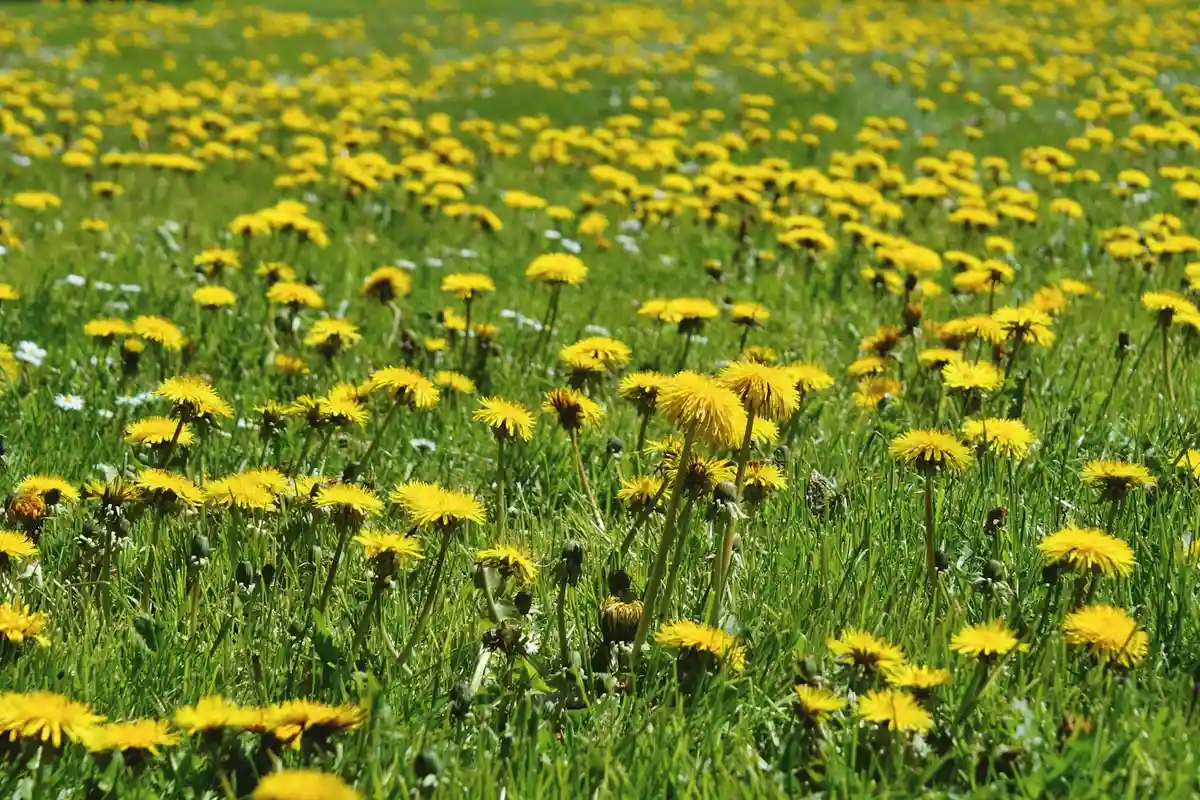
- Dandelion: You know this one. Bright yellow flower that turns into a white puffball. It has a deep taproot. If you just snap off the leaves, it comes right back.
- Clover: Sets up shop in thin, underfed grass. Look for the classic three-leaf clusters and small white or pink ball-shaped flowers. Bees love it, which is a good reason to tolerate a little.
- Plantain: Has broad, oval leaves with parallel veins that look like ribs. Sends up a tall, narrow seed spike that looks like a rat’s tail.
- Chickweed: A low, mat-forming weed with tiny white flowers. It feels soft and sprawling. It loves cool, damp weather.
- Spurge: Forms a flat, circular mat. If you break a stem, it oozes a milky white sap. It thrives in hot, compacted soil where grass struggles.
The good news is broadleaf weeds are the simplest to treat with a selective, liquid herbicide labeled for lawn use. These products target the broadleaf plant without harming your grass. Always follow the label, and spot-treat instead of blanketing the whole yard if you can.
Grassy Weeds: The Sneaky Impostors
These are the real tricksters. They look similar to your lawn grass, especially when young. You often realize you have them only after you’ve mowed and see a patch that looks “off,” maybe thicker or a different shade of green.
- Crabgrass: An annual weed that germinates in spring. It grows in a low, spreading clump with wide, pale green blades that look like crab legs. It dies with the first frost, but not before dumping thousands of seeds for next year.
- Quackgrass or Bermudagrass: These are perennial grassy weeds, which means they come back every year. They spread by underground stems called rhizomes. If you pull a piece and see white, underground runners, that’s your sign. They often have a thicker, tougher blade than typical lawn grass.
Grassy weeds are tricky because you can’t use a broadleaf herbicide on them, it won’t work. For crabgrass, a pre-emergent in early spring is your best defense. For perennial grassy weeds, treatment often requires a very specific post-emergent herbicide or careful removal by hand, rhizomes and all. It’s a stubborn fight.
Sedges and “Stickers”
This group is in a league of its own. They’re not grasses or broadleaves, which is why they need special attention.
Nutsedge looks like grass but grows much faster, often poking up a day or two after mowing. The key test is to feel the stem. Roll it between your fingers. If it’s triangular (like a VW logo), it’s nutsedge. Yellow or purple seed heads are another clue. It spreads by tiny “nutlets” underground.
“Stickers” like Burweed or Sandbur are the barefoot enemy. They’re low-growing weeds that form prickly, painful seed burs in late spring. The frustrating part is you don’t notice the plant itself until it’s too late and the stickers have formed.
So, how do you get rid of stickers in your lawn? You have to think ahead. The only effective control is a well-timed pre-emergent herbicide applied in late winter or very early spring, before the weed seeds germinate. By the time you feel the stickers, the plant has completed its lifecycle. Mark your calendar for next year when soil temps are still cool. Killing the visible plant with a post-emergent won’t make the existing stickers disappear.
Annual vs. Perennial Weeds: Why Timing Is Everything
Here’s the biggest secret to winning your weed war. It’s not about the fanciest spray. It’s about knowing your enemy’s life cycle. Think of annual weeds like a pop-up shop. They show up for one crazy season, dump all their seeds, and vanish. Perennial weeds are like a bad tenant who signed a 99-year lease. They come back every single year from the same roots.
That’s why your strategy splits right here: for annuals, you stop the seeds. For perennials, you attack the roots. Get this timing wrong, and you’ll feel like you’re mowing in circles. Get it right, and your job gets a whole lot easier.
The One-Season Wonders: Annual Weeds
Annual weeds live fast. They sprout from a seed, grow, flower, set thousands of new seeds, and die-all in one season. Their entire mission is to reproduce. If you let them, they’ll leave a legacy of weeds for next year.
Common annuals in home lawns include:
- Crabgrass: That bright green, sprawling grass that invades thin areas in summer.
- Purslane: A fleshy, low-growing weed with reddish stems you might see in garden beds.
- Henbit: The purple-flowered weed that seems to cover whole sections in early spring.
The single best thing you can do for annual weeds is use a pre-emergent herbicide in early spring, before the seeds ever sprout. It’s a barrier at the soil surface. I time mine when soil temps hit about 55°F for a few days in a row. It’s like locking the door before the party starts. Miss that window, and you’re left pulling or spraying all summer. I learned that the hard way with crabgrass one year. Max the mower couldn’t even keep up.
The Long-Haul Troublemakers: Perennial Weeds
Perennial weeds are the stubborn ones. They survive winter through deep roots or underground stems (like rhizomes). The dandelion you see this April is the same plant from last April, just bigger and meaner. Pulling the leaf often leaves the taproot behind, ready to sprout again.
You’ll recognize these repeat offenders:
- Dandelion: The classic yellow flower followed by a puffball of seeds.
- Clover: Some folks don’t mind it (bees love it), but it spreads quickly.
- Plantain: Those broad, ribbed leaves with tall seed spikes.
- Thistle: Spiky leaves and stems, with painful consequences for bare feet.
For perennial weeds, you need a post-emergent treatment designed to kill the entire plant, root and all. Look for selective herbicides labeled for your grass type. Spot-treat individual weeds instead of blanketing the whole lawn. For a few weeds, a dedicated weeding tool that gets the whole root is perfect. In my shady Patch, I spend ten minutes a week digging out dandelions. It’s quiet, effective, and I know they’re gone for good.
How Do I Get Rid of Weeds in My Lawn? Treatment Plans That Work
You have a name for your weed. Good. Now you need a plan. Think of this as a simple flowchart for how you can kill weeds in your lawn. Your first choice is always based on what you’re fighting and how much of it you see. A few dandelions? That’s a weekend skirmish. A carpet of creeping Charlie? That’s a full campaign.
| Weed Type & Extent | Recommended Method |
| A handful of broadleaf weeds (dandelion, clover) | Hand-pulling |
| A moderate patch of broadleaf or grassy weeds | Spot-treatment with herbicide |
| Bare soil where weeds were (or could be) | Overseeding |
The best plan often uses two of these together. You might spot-treat a patch, then overseed that area a few weeks later. That’s how you get weeds out of your lawn for good.
Hand-Pulling: The Simple, Immediate Fix
Sometimes, the old ways are best. I keep a dandelion digger by my back door. When I’m walking the lawn with my coffee and see a lone weed, I bend down and pop it out. It’s satisfying. For this to work, you need the right technique.
The best time to pull weeds is after a rain or a deep watering, when the soil is soft and damp. That taproot on a dandelion can be ten inches long in hard soil. A soaker like Sunny makes this job easy.
Here is my step-by-step method:
- Water the area the day before if it hasn’t rained.
- Slide your weeding tool (a dandelion digger or a long screwdriver works) deep into the soil right next to the weed’s crown.
- Lever the tool to loosen the soil and pry the entire root system up.
- Grab the weed at its base and pull slowly, aiming to get every bit of root.
- Fill the small hole with a pinch of topsoil and step on it.
Hand-pulling works perfectly for small infestations of broadleaf weeds. It’s immediate, chemical-free, and gives you direct control. I’ve learned patience with Patch, my stubborn shady corner, by pulling weeds there every week. But it’s a terrible plan for grassy weeds like nutsedge or quackgrass. Those spread by underground runners or tubers. If you miss a tiny piece, it comes back twice as strong.
Spot-Treatment with Herbicides: Precision Strikes
When hand-pulling isn’t enough, you move to targeted chemicals. This is where precision matters. You’re not spraying your whole yard. You’re conducting a surgical strike on the problem area. The first rule is knowing your herbicide type—especially if you’ve already tried hand-pulling to no avail.
A selective herbicide, like one for broadleaf weeds, is designed to kill the weed without harming your grass. It reads the chemical blueprint of the plant. A non-selective herbicide, like glyphosate, does not discriminate. It will kill every plant it touches. Use non-selectives with extreme care, only for spot-treating weeds in sidewalk cracks or before a total lawn renovation.
Safety is not negotiable. I read the entire label, every time. Look for the re-entry time, which tells you when people and pets can safely walk on the area after application. I always choose products with a short re-entry time once dry. Mix exactly as the label says. More is not better. It can damage your lawn and is wasteful.
For application, I use a small, handheld pump sprayer. Here’s how to avoid spray drift and hit only the weed:
- Spray on a calm, cool morning with no wind.
- Hold the spray wand 6-12 inches from the weed.
- Use a coarse spray setting, not a fine mist, to minimize tiny droplets floating away.
- Spray just until the leaves are lightly coated and glistening. You should not see liquid dripping off.
- Mark the area with a small flag or popsicle stick so you remember where you sprayed.
Overseeding: The Long-Term Solution
Killing a weed leaves a hole. Nature hates a vacuum, and that bare spot is a welcome mat for the next weed seed that floats by. Your best defense is a thick, dense lawn. That’s the real answer for how you get weeds out of your lawn permanently.
Overseeding is simply spreading new grass seed over your existing lawn to fill in thin and bare areas. The new grass seedlings crowd out weeds by claiming space, sunlight, and nutrients. It’s the ultimate long-term strategy, especially when combined with proper overseed process and equipment.
Timing is everything for good seed germination. For cool-season grasses like Kentucky Bluegrass or Fescue, early fall is king. The soil is still warm, the air is cooler, and fall rains help. For warm-season grasses like Bermuda or Zoysia, late spring into early summer is your window—especially when planting in spring.
When I overseed, I sometimes use a product called mesotrione. It’s a unique herbicide that can suppress many common weed seeds while allowing your new grass seed to germinate safely. It gives your baby grass a 3-4 week head start without weed competition. It’s a powerful tool, but only for use at seeding time. Always follow the label precisely.
Natural and Pet-Safe Weed Control Methods

Sometimes, you just don’t want to use the heavy-duty stuff. Maybe you have kids who roll in the grass, a dog that eats everything, or you’re trying to help out the bees and butterflies. I get it. My own stubborn Patch area is right next to my wife’s pollinator garden.
These natural methods are perfect for those sensitive zones, but I have to be straight with you: they often require more frequent applications and more elbow grease than their synthetic cousins. They’re about management, not instant annihilation. Think of it as a gentler, more patient conversation with your lawn.
Corn Gluten Meal: A Natural Pre-Emergent
This is one of my favorite tools for an organic approach. Corn gluten meal is a byproduct of corn milling. It doesn’t kill existing weeds. Instead, it works by releasing certain proteins as it breaks down that inhibit tiny root hairs from forming on germinating seeds.
Imagine it as a bouncer at the soil’s surface, turning away weed seeds trying to get into the club. It’s most effective on small-seeded annuals like crabgrass and some broadleaf weeds.
The timing is everything, just like with synthetic pre-emergents: you need to apply it in early spring, when soil temperatures are consistently hitting that 50-55°F window, to block those first spring weeds. A nice bonus? It’s about 10% nitrogen, so it gives your grass a gentle green-up feed as it works.
Horticultural Vinegar and Boiling Water
For weeds pushing through sidewalk cracks, driveway edges, or patio joints, these are your go-to spot treatments. They are brutally effective on contact.
Important note: we’re not talking about your kitchen’s 5% acidity vinegar. Horticultural vinegar is 20-30% acetic acid. It will burn the foliage of anything it touches within hours. Boiling water is simpler; just pour it directly onto the weed’s crown. Both methods desiccate and kill the plant tissues.
Here’s the critical warning: these are completely non-selective and can harm soil biology if used recklessly on your lawn. I keep a spray bottle of the strong vinegar just for my walkway. On your actual grass, these can kill your good grass just as fast as the weed and may damage the vital life in your topsoil. Use them with precision, not as a blanket treatment.
Building Soil Health to Resist Weeds
This is the long game, and honestly, the most rewarding. Weeds are often symptoms of a problem, not the problem itself. They thrive in compacted, tired, or poor soil where your grass struggles. Your best defense is a thick, vigorous lawn that simply crowds out the invaders.
You build that defense from the ground up. I run my core aerator over the lawn every other fall. You can rent one. It pulls out those plugs of soil, relieving compaction and letting air, water, and nutrients reach the roots. The holes left behind are perfect for overseeding.
After aerating, I top-dress with a thin layer of good, screened organic compost. Think of healthy soil like a supportive team for your grass roots; aeration is the coach opening up the playbook, and compost is the nutrient-rich training that makes the team stronger. Over time, this improves soil structure, drainage, and fertility, creating an environment where your grass wants to grow and weeds have a much harder time getting started.
Common Lawn Care Mistakes That Invite Weeds (And How to Avoid Them)
We’ve all been there. You follow the instructions, you put in the work, but those weeds just keep showing up. Often, it’s not about what you’re doing wrong with the weeds themselves, but a few small habits that give them the perfect opening. Here are the lessons I learned the hard way.
Mistake 1: The “Buzz Cut” Mowing Habit
I used to think a short lawn looked clean and neat. I’d fire up Max, my zero-turn, and set him low. The result was a striped carpet that looked great for about two days. Then the brown tips and thin patches appeared. I was scalping my grass.
Mowing too short is like removing the roof from your house. You expose the soil to blazing sun, which dries it out and cooks the grass roots. You also give weed seeds, which need light to grow, a perfect, open bed. Meanwhile, your stressed grass is too weak to fight back.
Max taught me to set the deck high, usually on the highest or second-highest setting for my grass type. Taller grass blades shade the soil, keep it cooler and more moist, and capture more sunlight to build a deeper, stronger root system. This dense canopy literally blocks weed seeds from ever seeing the light of day.
Mistake 2: Fertilizing Without a Soil Test
For years, I just bought the big bag of fertilizer with the pretty green lawn on the front. I figured food was food. Sometimes my lawn responded. Sometimes it didn’t, and the weeds seemed to love it.
Throwing fertilizer down without knowing what your soil needs is like pouring coffee into a cup that’s already full. It just makes a mess. If your soil pH is too high or too low, the grass can’t use the nutrients you give it. The weeds, however, will happily take them.
A simple DIY soil test kit is your best friend here, and using one takes the guesswork out of feeding your lawn. Here’s how easy it is:
- Use a trowel to take a few samples from different parts of your lawn, about 3 inches deep.
- Mix the soil together in a clean bucket.
- Follow the kit’s instructions, which usually involve adding soil to a vial with a testing solution.
- Match the resulting liquid color to the chart provided.
That chart will tell you your pH and often the levels of key nutrients like Nitrogen, Phosphorus, and Potassium. Now you can buy a fertilizer that actually fixes your lawn’s specific problem, not the weeds’ dinner plate.
Mistake 3: Ignoring Early Weed Signs
This was my biggest lesson from Patch, that stubborn corner of my yard. I’d see a single dandelion and think, “I’ll get it next time.” A week later, that sunny yellow flower had turned into a white, fluffy seed head. A light breeze later, and I had a hundred new problems waiting to sprout.
Weeds are prolific. One plant can scatter thousands of seeds, and many, like those from dandelions or crabgrass, can sit in your soil for years, just waiting for their chance.
The most effective weed control happens before you ever see a weed, and the second most effective is the moment you spot the first one. Make a habit of a five-minute “lawn walk” every weekend when you’re out with the mower. Look for anything that’s a different color, texture, or growth pattern than your grass. Spot-treat that one odd plant immediately with a simple, targeted product. This constant, gentle vigilance saves you from the back-breaking work of a full-blown invasion later. It’s a lot easier to pull one weed than to reclaim a whole patch. Pair this vigilance with a mowing weed control strategy: mow regularly at the proper height to shade out weed seedlings. This combination reduces future maintenance and helps your lawn stay healthier.
When to Call a Lawn Weed Control Service

You can handle a lot on your own with the right info and a good sprayer. I’ve saved thousands over the years by doing it myself. But sometimes, the smartest move is to pick up the phone. Let’s figure out if this is one of those times for you.
If you’re searching “lawn weed control service cost” or “lawn weed control companies near me,” you’re already thinking about it. The main question is: is your situation a weekend project or a professional campaign?
DIY is often enough when you have a clear weed ID, a manageable area, and the time to apply treatments correctly. If you’re dealing with a few dozen dandelions or some chickweed in Patch’s corner, you’ve got this. A well-timed spot spray is all it takes.
Calling a pro makes sense when the problem is bigger than your time, knowledge, or equipment. It’s not about giving up. It’s about using the right tool for the job, just like I use Max for mowing and Sunny for watering.
Signs You Might Need Professional Help
Look for these red flags in your yard. If you nod your head to more than one, it’s time to get some quotes.
- Large-Scale Infestation: When weeds are your ground cover, not the grass. We’re talking 50% or more of your lawn. At that point, spraying piecemeal gets expensive and inconsistent. A pro with commercial-grade equipment can treat the entire area uniformly and efficiently.
- Persistent Grassy Weeds: Broadleaf weeds like clover are one thing. Grassy weeds like crabgrass, goosegrass, or nimblewill are a whole different battle. They look like your grass, so spot-treating is nearly impossible. They often require very specific, selective herbicides that can be tricky for homeowners to source and apply safely.
- The “I’ve Tried Everything” Scenario: You’ve sprayed, pulled, and fertilized, but the same weeds bounce back every season. This usually points to a deeper soil or lawn health issue a pro can diagnose. It’s frustrating, I know.
- Invasive Grass Takeover: This is the big one. If you have a beautiful tall fescue or Kentucky bluegrass lawn and see Bermudagrass starting to run through it, act fast. Eradicating an invasive grass without killing your desired lawn is advanced surgery, not first aid. Pros have access to products and methods that can suppress the invader while protecting your grass.
What to Ask a Lawn Weed Control Company
Not all services are equal. You want a partner, not just a spray truck. Bring this list of questions to your consultation.
Start with your non-negotiables: safety and clarity.
- “Are your treatments pet-safe and pollinator-friendly?” Any reputable company should have a clear re-entry time (like “keep pets off until dry”) and be able to explain their product choices.
- “Can you provide a written plan?” You should get a simple sheet that says what weeds they’re targeting, what product they’ll use, and how many visits it will take.
- “What’s your warranty or service call policy?” If weeds come back within a certain period, will they re-treat at no extra cost? Get this in writing.
Now, let’s talk about “lawn weed control service cost.” It’s not one price. It depends on:
- Lawn Size: Most companies charge per 1,000 square feet.
- Weed Type and Severity: A blanket application for dandelions costs less than a targeted program for grassy weeds.
- Number of Visits: A single corrective spray is cheaper than a full-season, multi-application program that includes pre-emergents and fertilizers.
A good ballpark for a standard broadleaf weed application is $40-$80 per visit for an average suburban yard. Complex programs cost more.
Finally, always lean local. A company based in Indian Trail, NC, will know exactly how to handle Carolina geranium and Virginia buttonweed. A service in Tallahassee, FL, understands the battle against dollarweed and sandspur. They know your soil, your climate, and your specific weed pressures better than any national chain ever could.
Recommended Products for Lawn Weed Control (Types to Look For)
Walking down the lawn care aisle can feel like a chemistry exam you didn’t study for. I get it. Boxes and bottles all promise amazing results with confusing names. Let’s simplify it. You’re looking for three main types of helpers: pre-emergents, post-emergents, and organic options. These categories will be clearly labeled on the shelf at your local garden center or home improvement store. Look for sections marked “Weed Prevention” or “Weed Killers for Lawns.” You may also see household products nearby that can support basic lawn care tasks when used as directed. These everyday options can complement your plan and keep things straightforward.
The key is to match the product type to the problem you have right now, or the one you’re trying to stop next month.
Pre-Emergent Herbicides: Stopping Weeds Before They Start
Think of this as building a tiny, invisible fence just under your soil. Pre-emergent herbicides create a barrier that stops weed seeds from sprouting. They don’t kill existing weeds. They stop future ones.
For preventing common grassy invaders like crabgrass and foxtail, look for products with the active ingredients prodiamine or dithiopyr.
- Prodiamine is a long-lasting workhorse. I’ve used it for years. It builds a barrier that can last for months, giving you peace of mind through the growing season.
- Dithiopyr is a great choice if you’re a bit late. It not only prevents weeds but can also knock out very young crabgrass that’s just starting, which prodiamine won’t do.
Timing is everything here, and your calendar is a liar. I ignore the first-day-of-spring hype. Apply pre-emergent when your soil temperature, not the air temperature, hits about 55 degrees Fahrenheit for a few days in a row. You can find simple soil thermometers online, or use a university extension soil temp website for your area. This is when those weed seeds wake up and try to grow, and your barrier needs to be in place.
Post-Emergent Herbicides: For Weeds You Can See
This is for the weeds currently throwing a party in your lawn. Post-emergent herbicides kill plants that are already growing. The most critical thing to know is that you need a selective herbicide, especially when dealing with invasive weeds.
A selective herbicide is designed to target specific plant types without harming your grass, which is the whole point. Non-selective products (like glyphosate) will kill everything-grass, weeds, all of it.
You’ll find two main selective types:
- For Broadleaf Weeds (like dandelion, clover, plantain): Look for liquids or weed & feed products containing ingredients like 2,4-D, dicamba, or quinclorac. These are absorbed through the leaves and kill the whole weed, root and all.
- For Grassy Weeds (like crabgrass, dallisgrass, or nimblewill in a fescue lawn): This is trickier. You need a grass-specific herbicide. Look for sethoxydim or fluazifop. These will kill the unwanted grassy weed but are safe for many common lawn grasses. Always, always check the label to confirm it’s safe for your specific grass type.
I often spot-treat problem areas with a small handheld sprayer. It’s precise, uses less product, and lets me have a quiet word with each weed.
Organic and Reduced-Risk Options
If you have kids, pets, or pollinators using your lawn, this category deserves your attention. These products won’t create a bulletproof lawn, but they are effective tools for managing weeds with less concern.
The two main players here are iron-based herbicides and acetic acid formulas (horticultural vinegar).
- Iron HEDTA (Iron-Based Herbicides): This is my go-to organic option. It works by essentially causing a lethal overdose of iron in the broadleaf weed. It crisps up the leaves you spray within hours. It’s very safe for pets and people once it dries.
- OMRI-Listed Herbicides: Look for the “OMRI Listed” seal on bottles. This means a third party has reviewed the product for organic gardening compliance. These often combine ingredients like citric acid and clove oil. They work as contact burn-down products, good for young annual weeds.
You’ll usually find these organic options on the same shelf as the conventional ones, often in similar-looking bottles, so read the active ingredients carefully. They work best on small, young weeds and in multiple applications. I’ve used them in “Patch,” my shady problem area, with good success on chickweed and young dandelions. They require a bit more patience, but the safety payoff is worth it.
Lawn Weed Control: Your Top Questions, Answered
When should I hire a lawn weed control service instead of doing it myself?
Call a pro when you’re facing a large-scale invasion, stubborn grassy weeds, or you’ve tried everything and they still come back. It’s about using the right tool for the job so you can spend your weekends enjoying your yard, not fighting a losing battle.
What’s a fair price for a professional lawn weed control service?
Cost varies by lawn size and weed severity, but for a standard broadleaf treatment, expect $40-$80 per visit for an average yard. Get a written plan and warranty details upfront so you know exactly what you’re paying for.
How do I choose a good lawn weed control company near me?
Always ask about pet-safe practices, get a written treatment plan, and check their service warranty. Lean on local experts-a company in Indian Trail, NC or Tallahassee, FL will know your specific weeds and soil far better than a national chain.
Are the weed control products at Home Depot or similar stores any good?
Absolutely, but you must match the product to your specific weed and grass type. Read labels carefully in the “Weed Prevention” or “Weed Killers for Lawns” aisle, and don’t hesitate to ask a knowledgeable associate for help.
Why is hiring a local lawn weed control company so often recommended?
Local pros understand your region’s climate, soil, and the exact weed pressures you face, from Carolina geranium to dollarweed. That hyper-local knowledge leads to faster, more effective results for your greedy grass.
Staying Ahead of Lawn Weeds
Your single best move is to know your enemy before you fight. Take a minute to identify the weed, then choose a treatment made specifically for it. This targeted approach saves you time, money, and a lot of frustration.
Every choice you make in your yard affects the little ecosystem you’re tending. I always lean on pet-safe, pollinator-friendly options because a healthy lawn is about more than just green grass; it’s a balanced home. Stick with it, learn from each season, and your patience will pay off with a thicker, more resilient yard.
Related Guides and Information
- Lawn weed identification – Ask Extension
- Common Lawn Weeds and How to Identify – Image Works Landscaping
- Turfgrass Weeds – AggieTurf
- Weed ID: Identify the weeds that grow in your garden
- Weed Identification | University of Maryland Extension
Written by Ria Carrington. Ria is an avid lawn care enthusiast and advisor. No lawn is unsalvagable when Ria is at work. She has helped countless homeowners breath new life into their dying lawns. She has a B.Sc in Agriculture and brings practical advice combined with knowledge of plant science and her decade worth of hands on experience.