
Mulching, Bagging, or Side-Discharge: Which Mowing Method is Right for Your Lawn?
You see those grass clippings after a cut and wonder if you’re making a mess or feeding your grass. I get it, and the answer is simpler than you think.
We will cover what each method actually does to your soil, the clear benefits and hidden costs of each, and my straightforward system for picking the winner based on your grass, your time, and your wallet.
I’ve figured this out over seasons of trial and error with my zero-turn mower, Max, and a keen eye on what makes grass truly thrive.
Key Takeaways: What to Know Before You Mow
You have three basic choices every time you fire up the mower. Here’s the quick rundown to frame your decision.
- Mulching feeds your lawn for free by recycling grass clippings into the soil as a natural fertilizer.
- Bagging gives you a crisp, clean finish and is best for controlling disease or preventing clumping when the grass is too tall.
- Side-discharge is your tool for managing serious overgrowth, acting as a first pass before you mulch, bag, or rake.
For most homeowners mowing regularly, mulching is the go-to method. It saves time, feeds the grass, and reduces yard waste. I mulch with Max about 90% of the season.
Your mower itself dictates your options. My zero-turn, Max, can mulch because I installed a dedicated mulch kit and keep sharp blades on it. A standard push mower might only have a side-discharge chute unless you buy a bagger attachment or a mulching plug. Always check your manual.
How Mulching, Bagging, and Side-Discharge Actually Work
Think of it like cleaning up after a haircut. You can sweep the clippings into a dustpan (bagging), vacuum them up with a gadget that chops them fine (mulching), or just let them fall on the floor to sweep up later (side-discharge). Each method uses your mower differently.
With mulching, a special blade and often a closed chute keep clippings under the deck. The blade cuts, lifts, and recuts them into tiny pieces before they drop onto the soil. You hear a quiet, sustained whirring.
Bagging attaches a collection bag to the mower’s discharge chute. The blade lifts and throws clippings directly into the bag. You get the satisfying *thwump* of clippings hitting the canvas and the clean stripes left behind.
Side-discharge is usually the standard setup. The mower blade simply cuts the grass and blows the full-length clippings out of a chute on the side, leaving them in rows on the lawn.
Mulching: The Chopped-Up Buffer
This is nature’s recycling program. A mulching mower doesn’t just cut grass. It holds the clippings under the deck long enough for the blade to chop them into confetti. These tiny pieces sift down to the soil surface, decompose quickly, and return water and nutrients like nitrogen back to the roots.
For this to work well, you must mow often and never cut more than one-third of the grass blade height at once. Tall clippings won’t chop finely and will smother the grass, creating a wet thatch mat. I learned this the hard way in Patch, my shady spot. Letting it get too long between mows led to clumps, not mulch.
Your blade is critical. This gets to the common ‘mulching vs bagging blades’ question. A mulching blade has a more pronounced curve and often longer cutting edges to create a lifting and chopping vortex under the deck. A standard or “high-lift” bagging blade is designed primarily to create strong airflow to throw clippings up into a bag. Using the right blade makes all the difference in the final result.
Bagging: The Clean Sweep
Bagging is all about removal. It collects every clipping, leaf, and bit of debris, leaving a pristine carpet of green. It’s my go-to in late fall for leaves and if I ever see signs of lawn fungus, as it removes infected blades.
The obvious extra step is emptying the bag. On a big lawn, this means frequent stops. You also need to decide what to do with the clippings. I add mine to my compost pile, where they become “green” material. Some municipalities collect them as yard waste.
When you bag, you are removing nutrients that the grass just used to grow. This touches on the ‘mulching vs bagging clippings’ debate. Those clippings contain fertilizer you paid for. If you always bag, you may need to feed your lawn a bit more to compensate for what you’re carting away.
Side-Discharge: The Quick Toss
Side-discharge is the simplest, most basic function. It’s the default on many mowers right off the showroom floor. The blade cuts the grass and the airflow from the deck shoots the clippings out to the side, usually in a long, fluffy row.
I use this setting strategically. It’s excellent for the first cut of the season if the grass got away from me, or for mowing damp grass that would clump under a mulching deck. Think of side-discharge as a management tool for overgrowth, not a finishing technique. You can mow tall grass quickly without bogging down the mower or bagging constantly, but you’ll need to follow up by raking the rows, using a bagger on a second pass, or going over them with a mulching mower set lower.
For pure speed on a rough cut, side-discharge wins. For the health of your lawn and your time over a full season, mulching is usually more efficient.
The Real Pros and Cons: What Each Method Does for Your Lawn

Think of your mower like a kitchen appliance. A blender, a garbage disposal, and a food processor all handle ingredients differently. Your mower’s job is to manage grass clippings, and how you choose to handle them changes everything for your lawn’s health and your Saturday morning effort.
This direct comparison lays out what each method truly offers. I’ve tested all three with Max over the years, and the results on the ground are clear.
Benefits and Drawbacks of Mulching
| Pros | Cons |
|---|---|
| Mulching returns vital nutrients like nitrogen directly to the soil, acting as a free, slow-release fertilizer. | If the grass is too wet or you’re cutting off too much length, clippings can clump and mat on the surface. |
| The fine layer of clippings shades the soil, which reduces water evaporation so your irrigation (like my setup, Sunny) works more efficiently. | The lawn can look less “striped” and manicured immediately after mowing compared to bagging. |
| Over time, this organic matter feeds earthworms and microbes, improving soil structure and health from the ground up. | It demands more frequent mowing during peak growth to avoid cutting too much at once. |
| It’s the most natural, pet-safe, and pollinator-friendly choice. Clippings decompose without chemicals or trips to the landfill. |
Benefits and Drawbacks of Bagging
| Pros | Cons |
|---|---|
| It gives you that crisp, clean, golf-course stripe every time. The visual appeal is instant. | Bagging removes the grass blades, which contain valuable nutrients you now have to replace with more fertilizer. |
| Physically removing clippings can help manage excessive thatch buildup in lawns prone to it. | You create extra work: stopping to empty bags, disposing of clippings, and buying bags. |
| If you have a major weed seed problem or a fungal disease, bagging can help remove some of that material from the lawn. | You lose the soil-moisture benefits and free “meal” that mulching provides. |
You’re trading a free lawn feeding for a manicured look. For some lawns and some weekends, that trade is worth it.
Benefits and Drawbacks of Side-Discharge
| Pros | Cons |
|---|---|
| It’s the fastest way to cut. No attachments to install or bags to empty. | It leaves distinct windrows of clippings that can smother and kill the grass underneath if not dealt with. |
| It’s the best tool for tackling a badly overgrown lawn where a mulcher would choke. | You almost always need to follow up with raking or a second pass with the bagger or mulcher. |
| It works well on damp grass that would clump under a mulching deck. | It provides none of the nutrient or moisture retention benefits of mulching. |
I see side-discharge as a tactical tool for specific jobs, not a standard practice for weekly care.
Choosing the Best Method for Your Lawn’s Personality
So, which mowing method is best for your lawn? The answer lives in your grass type, your soil, and your current goals. Let’s match the method to your situation.
For Cool-Season Grasses (Like in Northern Climates)
If you’re searching for “mulching vs bagging Colorado” or similar, you’re likely dealing with Kentucky Bluegrass, Fescues, or Ryegrass. These grasses have intense growth spurts.
For the lush spring and fall growth periods, mulching is your best friend. It captures and recycles the nutrients from that rapid growth right back into the soil. This is when you get the most “free fertilizer” value.
Switch to bagging in two key scenarios. First, if you have a known thatch issue. Second, right before you overseed in the fall. You want seed-to-soil contact, not a blanket of clippings.
Take it from my shady corner, Patch. Cool-season grass in shade grows slower. Here, I often bag because the clippings are fewer and the area needs all the sunlight it can get on the soil surface.
For Warm-Season Grasses (Like in Southern Climates)
For Bermudagrass, Zoysia, and St. Augustine, the summer heat is their prime time.
Mulching during the hot summer months helps the soil retain crucial moisture and provides a little insulation for roots against baking heat. It supports the lawn when it’s under stress.
Bagging might make more sense in the late fall or winter when the grass is dormant or growing very slowly. Some homeowners with specific turf types, like certain hybrid Bermudas maintained very low, may prefer bagging for that perfect scalp and clean look, especially when winterizing their lawn for cold weather.
Based on Lawn Condition and Goals
Here is a simple flow you can follow any time you fire up the mower.
- If the grass is wet or very long, use side-discharge to get it down to size, then clean up. Or, just bag it.
- If you just fertilized, mulch. Those clippings will be extra rich in nutrients and give the fertilizer a big boost.
- If you mow weekly, you can almost always mulch successfully because you’re never cutting too much off.
- If life gets busy and you mow bi-weekly, bagging might be cleaner to handle the larger volume of clippings.
Your soil type matters, too. Mulching is fantastic for dense clay soil. The organic matter helps loosen it up over time, like adding bits of sponge to hard clay. For sandy soil that drains too fast, bagging might be better since the clippings decompose so quickly they don’t add much lasting structure.
Common Mowing Mistakes and How to Avoid Them
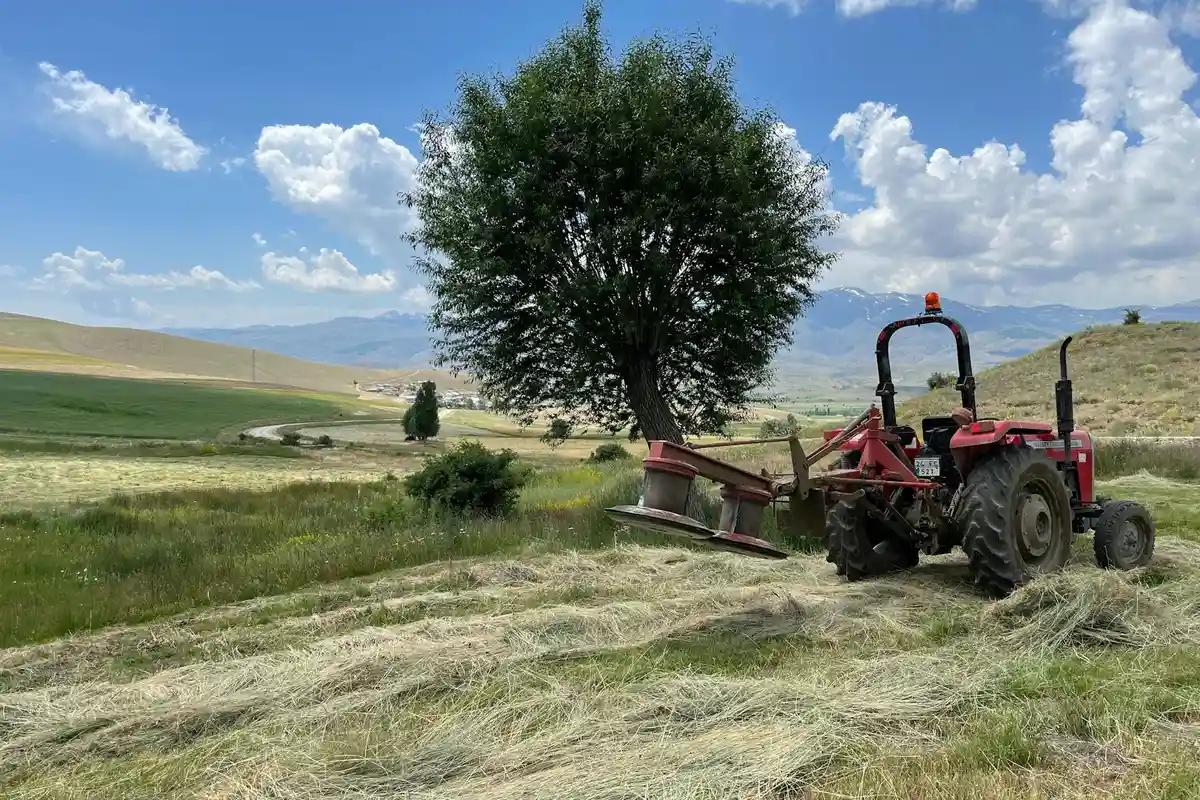
Choosing how to mow seems simple, but it’s easy to slip into habits that work against you. We’ve all been there. Here are a few common blunders and the straightforward fixes that will get your lawn back on track, especially when you know the mowing myths that don’t hold up.
- Always bagging because a clean stripe looks perfect.
- Mulching when the grass is way too tall.
- Using dull blades for any method.
- Cutting your grass too short, every single time.
- Mowing at the worst possible time, like in wet weather or the heat of the day.
Mistake 1: Always Bagging Because It Looks Tidy
I get it. A lawn free of clippings looks magazine-ready for about five minutes. But doing this every single time is like making a great dinner and then throwing all the leftovers in the trash. Those grass clippings are packed with nitrogen and water, a free meal your soil is begging for. Constant bagging slowly starves your lawn, making it dependent on you for all its food.
The fix is a hybrid approach: mulch most of the time and only bag when you need that pristine look for a special event. Think of bagging as your lawn’s formal wear, saved for the party. For the other 95% of the year, let those clippings fall. They’ll vanish in a day or two, feeding the grass and improving the soil underneath. It’s the easiest fertilizer you’ll ever apply.
Mistake 2: Mulching When Grass is Too Long
Mulching is fantastic, but it has limits. If you let the grass get shaggy and then try to mulch it all down, your mower will struggle. Instead of fine confetti, you’ll get wet, clumpy mats of grass that sit on the surface like a damp blanket. This blocks sunlight and air, which can smother the grass underneath and invite disease. Using proper lawn mowing techniques helps prevent this. Mow at the right height and keep blades sharp for healthier turf.
Follow the one-third rule: never cut more than one-third of the grass blade’s height in a single mowing. If the yard got away from you, don’t force the mulcher. Before the next pass, adjust your mower’s cutting height to reset the blade length. A quick height check helps prevent scalping and makes the subsequent cut more even. Use the side-discharge for that first, aggressive cut to get it down to size. You can collect those long clippings or let them lie in a row to dry out. Then, a day or two later, go over it again with the mulching plug in. Your mower (and your grass) will thank you.
Mistake 3: Ignoring Your Mower’s Blades and Deck
The method you choose is almost irrelevant if your mower’s blades are dull. A sharp mower blade makes a clean cut. A dull blade tears and shreds the grass tip, leaving a ragged, white wound that loses more water and is wide open for disease. This happens whether you mulch, bag, or side-discharge.
Sharpen your mower blades at least once per mowing season, and more often if you have a large lawn or hit debris. While you’re at it, scrape the deck clean. Caked-on grass clippings ruin airflow and prevent proper mulching or discharging. The debate between mulching blades and bagging blades matters, but a sharp blade of any type is the non-negotiable foundation for a healthy cut.
Special Situations: Leaves, Overgrowth, and Pet Safety
Not every mowing job is just about grass. Fall brings leaves, spring can reveal neglected patches, and our pets make us think twice about our methods. Here’s how to handle those specific scenarios.
What to Do With Fall Leaves
The ‘mulching vs bagging leaves’ question pops up every autumn. My vote is to mulch them, but you have to do it right. Running over leaves with your mower (mulching kit on) chops them into a fine confetti that settles between grass blades. This layer decomposes over winter, adding fantastic organic matter to your soil and even providing a little insulation.
You can mulch a surprising amount of leaves, but the key is to never let a thick, matted layer cover the grass completely. If the leaves are ankle-deep, you’ll need multiple passes or to bag some of them. Think of it like shredding paper; you want tiny pieces, not whole sheets. A heavy blanket of whole leaves will smother your lawn, but a light dusting of leaf bits is a treat for it.
Managing Tall or Weedy Patches
We all have a problem spot. Maybe it’s the back corner you forgot, or my old friend, ‘Patch,’ the shady area that gets weedy. The ‘mulching vs bagging grass’ debate gets real here. If the area is full of weeds that have gone to seed, mulching might just chop and spread those seeds everywhere.
For a badly overgrown or weedy area, use side-discharge for the first cut to avoid clogging your mower, and then bag those clippings to remove the weed seeds from your yard entirely. If the lawn is severely overgrown, plan for multiple passes to gradually bring it under control. Start with a higher blade height and work down to protect the mower and the turf. It’s a common tip you’ll see on lawn forums. Once you’ve got it under control and are maintaining it regularly, you can switch back to mulching. This stops the weed cycle instead of accidentally helping it along.
Keeping Your Lawn Safe for Pets and Pollinators
Our furry friends and the bees make us better lawn stewards. For pet safety, mulching is generally the best bet. It avoids leaving large piles of clippings that can heat up, mold, or tempt a dog to snack on them. Bagging removes clippings that might hold pollen or allergens, which is great if your pet is sensitive, but be sure to compost those clippings safely away from where your pets roam.
Always do a quick check for pets (and kids) before you start mowing, and choose the method that leaves the cleanest, most digestible surface for them to play on later. Mulched clippings break down quickly and don’t create the damp, clumpy environment that can harbor irritants. It’s the simplest way to keep the yard safe for all your family members, the ones with two legs and four.
Greedy Grass Pro Tip: Making Your Choice Simple
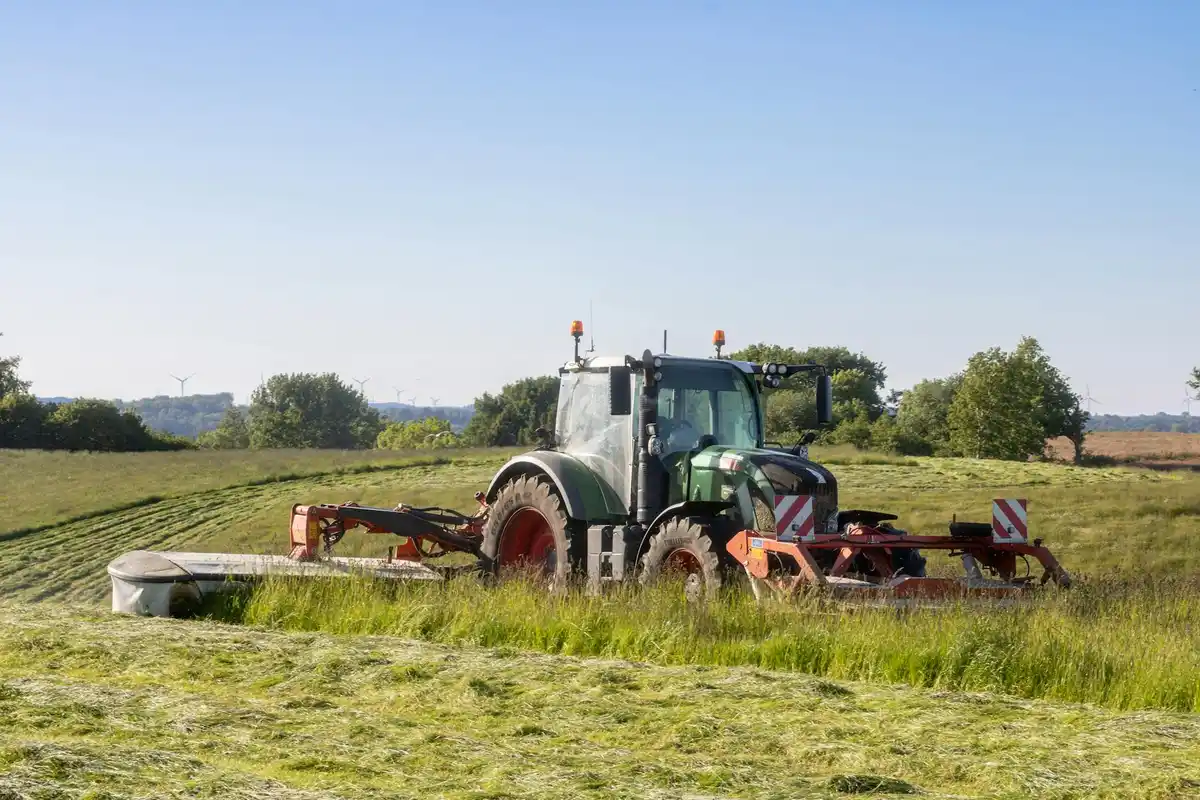
Let’s cut through the noise. Here is the rule I mow by: when in doubt, mulch it out. This is my default setting on Max, my zero-turn.
Mulching is the best all-around choice for a healthy, resilient lawn. It returns nutrients and organic matter directly to the soil, which is like giving your grass a free, light lunch every time you cut. Those finely chopped clippings break down quickly, feeding the soil and helping it hold moisture better, which means you water less. I’ve seen the difference it makes, especially in that damp, rich smell you get after mowing a well-mulched lawn, especially when using a mulching lawn mower.
Your Seasonal Mowing Playbook
Sticking to one method all year doesn’t make sense. Your lawn’s needs change with the seasons, and your mowing should too.
Spring & Fall: Mulch It Down. This is peak growing season. The grass is thick and active, and those frequent, light clippings are pure gold for the soil. They vanish almost before you finish the pass. This is when mulching truly shines.
Summer: Consider Bagging. When the heat hits and growth slows, you might mow less often. If you let it get too long between cuts, a heavy mulch layer can smother the grass. If you’re cutting off more than one-third of the blade height, switch to bagging for that mow. It keeps things tidy and prevents stress on the lawn.
For Major Cleanup: Side-Discharge is Your Friend. Use this for the first cut of the season if the grass is very tall, or to clear a heavy layer of leaves or pine straw in the fall. It’s a powerful blower that gets the bulk material off the lawn fast. Just remember to follow up by raking or collecting what it piles up.
Your Next Move
Don’t overthink it. Next time you mow, take a look at your grass length and the weather forecast. Is it growing fast? Mulch. Is it tall and wet from rain? Maybe side-discharge first. Adjust your method based on what you see, not just the calendar.
And here’s a bonus synergy for you. My drip irrigation system, Sunny, is far more effective on a lawn that’s been mulched regularly. The improved soil from mulching acts like a sponge, holding the water from Sunny right where the roots need it instead of letting it run off or evaporate. It’s a perfect, water-saving partnership.
Your Mowing Method Questions, Answered
Mulching vs. bagging: Which is truly better for my lawn’s health?
For long-term health, mulching wins by recycling nutrients and building soil. Reserve bagging for when you need a pristine look or are managing disease.
I see clumps when I mulch. What am I doing wrong?
You’re likely cutting too much grass at once or mowing when it’s wet. Stick to the one-third rule and mow when the grass is dry for perfect, fine clippings.
My mower came with a side-discharge chute. Should I ever use it?
Absolutely-use it as a tactical tool for your first cut on overgrown grass. Just remember to follow up by raking or mowing over those rows to prevent smothering.
Should I switch methods in fall for leaves?
Yes, mulching dry leaves into confetti is fantastic for your soil. If leaves are ankle-deep, take multiple passes or bag some to avoid smothering the grass.
Do I need special blades to mulch properly?
While dedicated mulching blades are designed for best results, the most critical thing is that any blade you use is sharp. A sharp standard blade is better than a dull mulching blade, especially when comparing mulching blades versus standard blades.
Finding Your Lawn’s Mowing Groove
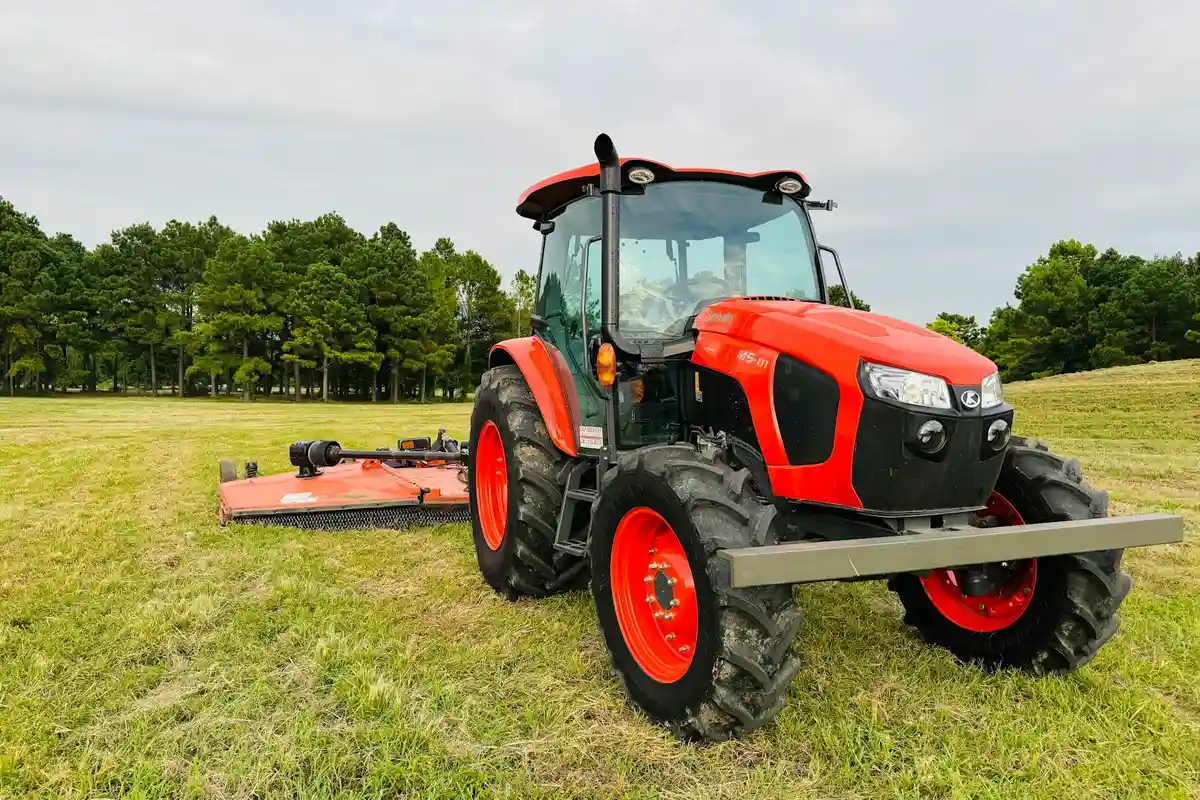
My best advice is to let your lawn feed itself by mulching most of the time. Keep the clippings short and let them vanish into the turf, turning your weekly chore into a free fertilizer service.
Being a good lawn owner means watching how your grass responds and adjusting your method to keep it healthy without extra work or chemicals. Listen to what your lawn tells you after each cut, and you’ll naturally build a greener, thicker space for everyone (bees and pets included) to enjoy.
Industry References
- Mulching vs. Side Discharge: What to Do with Lawn Clippings
- So which is best mulching vs bagging vs side discharge? | GreenPal
- r/lawncare on Reddit: Mulching vs bagging vs side discharge?
- Is It Better to Mulch or Bag Grass Clippings? | Troy-Bilt | Troy-Bilt US
- Mulching vs Bagging vs Side Discharge.
Written by Ria Carrington. Ria is an avid lawn care enthusiast and advisor. No lawn is unsalvagable when Ria is at work. She has helped countless homeowners breath new life into their dying lawns. She has a B.Sc in Agriculture and brings practical advice combined with knowledge of plant science and her decade worth of hands on experience.