
What Are the Different Lawn Mower Types, Parts, and Features?
Choosing the right mower feels overwhelming with all the options, but getting it right saves you money and time every single season.
We will break down the main mower types, the key parts that matter for your lawn, and the technical features that are worth your money.
I’ve spent years testing mowers on my own lawn, from push mowers to my trusty zero-turn, so you don’t have to learn the hard way.
At a Glance: Key Factors to Remember
Choosing a mower is about matching a machine to your reality. Think about three things first.
- Your yard size. This is the biggest factor.
- Your terrain. Is it flat, hilly, or packed with trees?
- Your effort level. Do you enjoy the workout, or do you want to save time and energy?
This quick table shows where each main type makes the most sense.
| Lawn Size | Best Mower Type | Why It Works |
|---|---|---|
| Small (under 1/4 acre) | Push or Self-Propelled | Affordable, easy to store, perfect for tight spaces. |
| Medium (1/4 to 1 acre) | Self-Propelled or Riding | A self-propelled saves your back, a riding mower saves your afternoon. |
| Large (1+ acres) | Riding (especially Zero-Turn) | Cuts mowing time dramatically. This is where my mower, Max, shines. |
Knowing the main parts of your mower, like the deck, blade, and air filter, lets you do simple maintenance and repairs yourself, saving you a lot of money over the years. It also leads to a better cut. A dull blade tears grass, turning the tips brown.
Technical features aren’t just specs; they translate directly to your Saturday. A wider cutting deck means fewer passes across the yard. A more powerful engine handles thick, wet grass without choking. These details add up to hours saved each season.
Lawn Mower Types: Which One Fits Your Yard?
This choice comes down to the size of your green space and how much sweat you want to invest. For my acre, firing up Max, my zero-turn, is the only way. For a smaller plot, a different tool is right.
The Simple Workhorse: Push Mowers
You feel every cut with a basic push mower. There’s the steady hum of the motor and the crisp, clean smell of fresh-cut grass left in your wake. They are perfect for small, flat lawns under a quarter acre.
You have three power choices.
- Gas: Maximum power and runtime. You deal with fuel, oil changes, and seasonal maintenance.
- Corded Electric: Quiet and low maintenance. You are tethered to an outlet and a cord, which you will run over at least once.
- Battery-Powered: Quiet, no cords or gas. You trade for limited runtime (30-60 minutes is common) and the need to remember to charge.
Starting with a push mower is a great way to learn the rhythm of your lawn, how it grows, and how it reacts to different cuts. It’s often better for smaller yards compared to a riding mower.
The Helpful Partner: Self-Propelled Mowers
This is a push mower with a drive system that moves itself. You just guide it. It saves your back and legs on hills or longer lawns.
The drive wheels matter. Front-wheel drive is common and good for flat to slightly rolling yards. Rear-wheel drive gives you better traction for pulling yourself up hills. If you have slopes, look for rear-wheel drive.
The Time-Saving Champion: Riding Lawn Mowers
When your yard measures in acres, a riding mower changes the game. There are two main styles.
Lawn tractors have a steering wheel. They are great for flat, open yards and can often pull small trailers for yard work. Zero-turn mowers have levers that control each rear wheel independently. They spin on a dime, mow around obstacles incredibly fast, and are the speed champions for larger, complex lawns. That’s why Max is a zero-turn. These core zero-turn mower features set them apart from traditional tractors. They boost maneuverability and efficiency for yard work.
Brands like John Deere are popular, but focus on the features. The steering type and the deck size (which can range from 30 to 60 inches) matter more than the color. Many riders let you add attachments like a tow-behind lawn mower trailer for hauling away leaves or delivering mulch to the garden.
The Silent Assistant: Robotic Mowers
Think of it like Sunny, my drip irrigation system, but for cutting. You set up a boundary wire around your yard, and the little robot quietly goes to work, often daily, clipping tiny amounts of grass. It’s the ultimate set-and-forget for busy people.
They run on batteries, docking themselves to recharge. Safety features automatically shut the blade off if the mower is lifted. They are designed to be safe around pets and kids. And to playfully address a common search, while you can play a lawn mowing simulator with friends, real robotic mowers are strictly solo workers.
The Clean-Cut Specialist: Reel Mowers
These mowers use a spinning cylinder of blades that scissor the grass against a fixed bar. It’s a shearing action, not a tearing one, which gives an ultra-clean cut. It’s ideal for fine grasses like bentgrass or Bermuda kept very short, which is essential for maintaining the proper mowing height for different grass types.
You can find old-fashioned manual push reel mowers, which are great exercise and silent. For many yards, surprisingly effective manual reel push lawn mowers can be used on level, well-maintained grass. Powered reel mowers exist too, often as dedicated greens mowers. The trade-off is meticulous maintenance; the blades must be kept perfectly sharp and aligned to work properly.
Under the Hood: Essential Mower Parts You Should Know

Think of your mower like an old friend. You don’t need to be a mechanic to understand its basic needs. Knowing the key parts helps you spot trouble early and keeps your machine running smoothly for years. This is all about what you can see, touch, and check on a quiet Saturday morning.
The Heart: Engine or Motor
This is what makes everything go. For gas mowers, think of the engine like a tiny car motor. It needs regular love: clean oil and a fresh air filter. I check Max’s oil every few months; it only takes a minute and prevents costly repairs. Electric mowers are simpler-just a motor that spins when you press the button. No oil, no filters.
Engine power is like your own stamina for mowing a big hill; more horsepower means it won’t bog down in thick grass. You might see “MTD” on a mower. That’s not a tech term, it’s just a major manufacturer’s brand name, like Craftsman or Troy-Bilt. Whether it’s gas or electric, keeping the heart of your mower clean is the most important maintenance you can do.
The Business End: Blade and Cutting Deck
This is where the magic happens. The blade spins inside the cutting deck, the hollow shell underneath. A sharp blade gives a clean, crisp cut. A dull one tears the grass, leaving ragged ends that turn brown and invite disease. I sharpen mine twice a season-the sound it makes through thick grass is totally different.
Decks are usually steel or polymer. Steel is tough and common on riders. Polymer decks are lighter, resist rust, and often help grass flow better for mulching. You can hear a healthy cut, a clean snip instead of a ragged pull. The deck height adjustment is your best friend for tricky spots. In Patch’s shady area, I raise the deck a notch. The taller grass blade has more surface to catch what little sun gets through.
The Foundation: Chassis, Wheels, and Tires
This is the frame and rollers of your operation. Bigger wheels roll over bumps and dips easier, giving you a smoother cut. Many mowers have special anti-scalp wheels to prevent gouging the turf on turns. The tires are just like your car’s, only smaller. They need air.
Soft tires make mowing harder and can damage your lawn. Check the pressure with a simple gauge each month. If you have a slow leak, a lawn mower tyre sealant can be a temporary fix. When you search “lawn mower tyres near me,” your local small engine repair shop or outdoor power equipment dealer is your best bet for a proper replacement. “Lawnmower tape sinister” sounds like a myth; if you see tape on a hose or cable, it’s likely a DIY repair. Focus on keeping tires firm instead.
The Support System: Belts, Pulleys, and the Transmission
These are the parts that take power from the engine and deliver it to the wheels and blade. Belts loop around pulleys (those round wheels) to spin things. On a rider, the transmission is what lets you go forward and back. It’s a simple system, but it works hard.
Signs of wear are usually obvious. Listen for a high-pitched squealing (a slipping belt) or clunking from the transmission. If you see a frayed belt or hear new, strange noises, it’s time to stop. This is when you call a mobile lawn mower medic for help, as adjusting these parts can be tricky without the right tools. For most push mowers, this system is very basic and often doesn’t need your attention for years.
Tech Specs Decoded: What Those Numbers Really Mean
Those numbers on the box or website aren’t just for show. They tell you exactly how the mower will handle your yard. Let’s translate them into real grass-cutting benefits.
Power Talk: Horsepower, Torque, and Voltage
For gas mowers, you’ll see horsepower (HP) and torque. Think of it this way: horsepower is your top speed on a flat, open stretch. Torque is your raw pulling power when you hit a wet, thick patch or a slight incline. You want good torque.
For battery mowers, look at voltage (V) and amp-hour (Ah). Voltage is like the strength of the stream of power. These voltage specs are what you’ll compare when evaluating lawn mower battery options. Higher voltage (like 40V or 80V) typically means more muscle to power through tough grass. Amp-hours are the size of the battery’s fuel tank. A higher Ah rating means longer runtime before you need a recharge.
Cutting Dimensions: Width and Height Settings
Cutting width is straightforward. A 21-inch push mower cuts a path 21 inches wide. A 42-inch zero-turn like Max cuts a path twice as wide. A wider deck means fewer passes across your yard, which drastically cuts down your mowing time. For a half-acre yard, going from a 21″ to a 42″ mower can turn a 90-minute job into 45 minutes.
Height settings are measured in inches (or sometimes notches). This is how tall you leave the grass. You should adjust this through the year: taller in the heat of summer to shade roots, shorter in the cool spring and fall. Never cut more than one-third of the grass blade off at once.
Discharge Options: Bag, Mulch, or Side-Chute
This is about what happens to the grass clippings. Each method gives a different result.
- Bagging: The grass catcher collects every clipping. It gives the cleanest, striped look instantly. I bag when I want that perfect weekend look.
- Mulching: A special blade chops clippings finely and drops them back onto the soil. This is like free fertilizer. It feeds the lawn, helps retain moisture, and reduces thatch. This is my default setting for most of the season.
- Side Discharge: The mower throws clippings out to the side in a row. Use this if the grass got too tall between mows. You’ll need to rake the rows afterward, but it’s better than clogging the mower.
While the grass catcher offers a tidy finish, mulching is often the healthier long-term choice for your lawn. It saves you the work of disposing of clippings and returns nutrients directly to the soil.
Maintenance Musts: Keeping Your Mower Running Smoothly
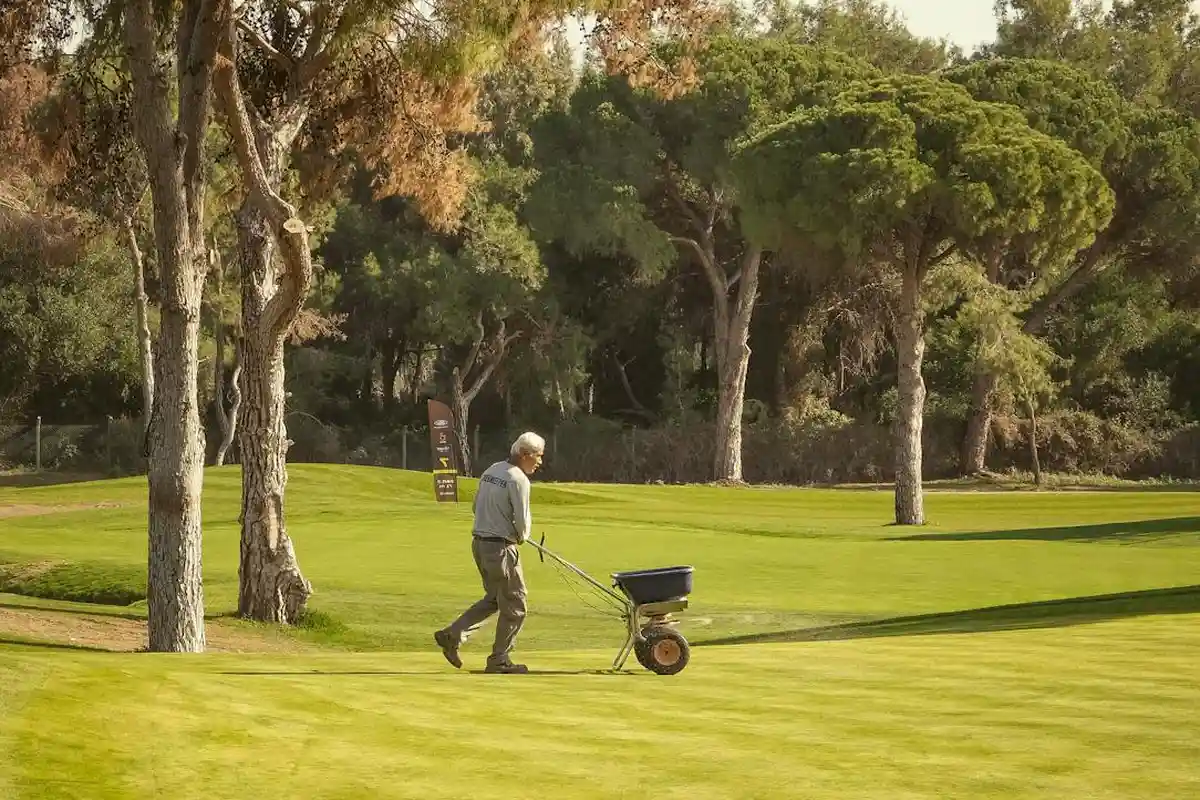
Think of your mower like a member of the lawn crew. A little regular care keeps it happy for years. My zero-turn, Max, is five seasons in and still starts on the first crank because we have a routine. It’s simpler than you think. A simple lawn mower maintenance schedule helps keep that routine predictable. It keeps Max running smoothly season after season.
The single most important rule is safety: before any work, disconnect the spark plug wire on a gas mower or remove the battery on an electric model. This prevents the mower from accidentally starting while your hands are near the blade.
Tools You’ll Need for Basic Upkeep
You don’t need a professional garage. A small kit gets most jobs done. I keep mine in a plastic bin next to Max.
- A basic socket and wrench set for removing blades and covers.
- A blade balancer. A sharp blade is good, but a balanced blade prevents vibration that can wear out your mower’s spindle.
- An oil drain pan for clean changes.
- A small air compressor or tire gauge to keep tires firm. Soft tires make for an uneven cut.
- A sharpening kit, which can be a simple file or a mounted grinder.
I also keep a simple logbook with dates for oil changes and sharpening, just like I track watering cycles with Sunny. It takes the guesswork out of maintenance.
The Annual Tune-Up: Step-by-Step
I do this every late winter, before the first real mow of spring. It sets the tone for the whole season.
- Change the oil. Warm up the engine for a few minutes first (then disconnect the spark plug). This helps the old oil drain completely. Use the type specified in your manual.
- Replace the air filter. A clogged filter makes the engine work harder. Tap out the old dust or swap in a new one.
- Sharpen or replace the blade. A dull blade tears grass, leaving ragged, brown tips. Sharpen it evenly or install a new one, and always balance it.
- Check the spark plug. Look for heavy carbon buildup or a cracked porcelain insulator. If it looks worn, replace it. It’s a cheap part that makes a big difference.
- Lubricate moving parts. A few drops of oil on the height adjustment levers and wheel bearings keeps everything moving smoothly.
One habit I swear by is hosing off the mower deck after each use. Caked-on grass holds moisture, leading to rust underneath and can spread fungal disease across your lawn next time you mow.
When to Call a Pro: Signs You Need Help
Some jobs are best left to experts. If you notice any of these, it’s time to call for backup.
- Excessive vibration even with a balanced blade, which could point to a bent spindle or crankshaft.
- A significant loss of power or strange knocking sounds from the engine.
- Puddles of hydraulic fluid under a riding mower, or the drive system failing to engage.
- Electrical issues on battery mowers, like the unit not holding a charge or error lights you can’t clear.
Look for a mobile lawn mower medic service in your area; having a pro come to your driveway for a major repair is often cheaper than transporting the mower to a shop.
Odd Questions Answered: From Emojis to Trailers
Over the years, I’ve heard every question. Here are the straightforward answers to the quirky ones.
Do Lawn Mowers Have Titles or Registration?
Typically, no. Your push mower or standard riding mower doesn’t come with a title like a car. But if you plan to use a riding mower or lawn tractor on public roads (even just to cross one), some counties or states require registration and safety equipment. Always check your local ordinances to be sure.
Is There a Lawn Mower Emoji?
Yes, there is! On most platforms, you can find a lawn mower emoji. It often looks like a red riding mower 🛞. It’s perfect for texting your spouse that you’re “on duty” or celebrating a finished yard.
Fixing Tire Troubles: Sealants and Replacements
A slow leak in a mower tire is frustrating. For minor punctures, a tube-style lawn mower tire sealant injected through the valve stem can be a great temporary fix. For major cuts or sidewall damage, replacement is the only safe option.
You might search for “lawn mower tyres bunnings” or “lawnmower tyres ireland” online. These are just examples of big local hardware stores. Your best bet is to note your tire’s size (printed on the sidewall) and call your local independent mower shop or hardware store-they often have the best selection and advice.
Recommended Products by Category
Beyond the mower itself, a few add-ons can make life much easier. Choose based on your specific mower and yard.
- For hilly or thick grass yards, a high-torque battery mower model can prevent stalling and strain.
- A mulching kit or dedicated mulching blade chops clippings finely, returning nutrients directly to the soil like free fertilizer.
- A sturdy, low-profile utility trailer that hooks to your riding mower transforms it for hauling soil, mulch, or yard waste.
The right accessory should solve a problem you actually have, whether it’s dealing with leaves, improving cut quality, or saving your back on garden chores. Don’t buy for a hypothetical yard; buy for the one you’re tending right now.
Your Greedy Grass Mower Questions, Answered
I have a hilly yard. What mower type is actually safe and effective?
For slopes, a self-propelled mower with rear-wheel drive is your best bet, as it pulls you up hills for better traction and control. If your hills are severe, a heavy-duty riding mower built for hills is a safer investment than a standard lawn tractor.
Where can I find a reliable, detailed guide (like a PDF) on my specific mower model?
Always go straight to the manufacturer’s website and use their “Support” or “Manuals” section; that’s the source for the official, correct PDF. Your second-best option is to search the exact model number (found on a sticker on the mower) plus “manual” online.
Is tire sealant a good permanent fix, or should I just replace the tire?
A quality sealant is a great temporary fix for small punctures in a tubeless tire, getting you through the season. For any large cut, sidewall damage, or persistent leak, replacement is the only reliable and safe long-term solution.
How do I *really* know if a battery mower has enough runtime for my yard?
Take the manufacturer’s runtime estimate and cut it by 20%-that’s your real-world time, especially if your grass is thick or you bag clippings. For medium-to-large yards, opt for a system with two batteries so you can swap and charge while you mow.
What’s the deal with “lawnmower tape”? Is it a useful repair or a hack?
Any tape on a mower is a DIY field repair for a cracked fuel line or a wire, not a standard part. While heavy-duty tape can be a temporary safety wrap, permanently replace any taped hose or cable immediately to avoid leaks or shorts.
Choosing Your Mower for a Healthier Lawn
The best mower isn’t the fanciest one, it’s the one that fits your specific lawn. When you know your budget, you can zero in on options that balance cost with performance. Get that match right, and everything else, from a cleaner cut to less time pushing, falls into place.
Remember, a good lawn steward cares for their machine like their grass. Keep those blades sharp, clean up any fuel or oil spills promptly, and always be open to learning a new tweak for a thicker, greener result.
Research and Related Sources

- Choosing the Best Lawn Mower | Lowe’s
- Lawn Mower Types Guide | Rolla, MO | Lawn Mower Dealer
- Cutting Edge Choices: Exploring Lawn Mower Types and Features
- 15 Different Types of Lawn Mowers Explained | Trees.com
- 12 Different Types of Lawn Mowers Explained | UK | Ripon Family
- Lawn Mower Buying Guide: What Type of Lawn Mower Works For You
- What Is the Best Type of Lawn Mower to Use?
Written by Ria Carrington. Ria is an avid lawn care enthusiast and advisor. No lawn is unsalvagable when Ria is at work. She has helped countless homeowners breath new life into their dying lawns. She has a B.Sc in Agriculture and brings practical advice combined with knowledge of plant science and her decade worth of hands on experience.