
When Should You Apply Fall Fertilizer to Your Lawn and Garden Plants?
If you’re worried about missing the ideal fall feeding window, you’re not alone. Getting this timing right is the single most important step for a resilient lawn and thriving garden next season.
This article will cover the exact soil temperature cues for your grass type, tailored timing for perennials and shrubs, and how to apply fertilizer without overspending.
I’ve refined this approach over five autumns with Max, my zero-turn mower, and Sunny, my drip irrigation, learning precisely when my lawn and garden are hungry.
At a Glance: Key Factors for Fall Fertilizer Timing
Timing is everything. Get it right, and your lawn thanks you next spring. Get it wrong, and you waste effort or even encourage disease. Here’s your quick checklist.
- Your Grass Type
This is your starting point. Cool-season grasses like Kentucky bluegrass, fescue, and ryegrass are built for fall. This is their prime recovery and growth time. Warm-season grasses like Bermuda and Zoysia are winding down. They need a much lighter, earlier feeding, if any. Climate dictates when each type greens up. Tailor your care to cool-season versus warm-season grasses to your region.
- Local Soil Temperature
Forget the air temperature. Grass roots live in the soil. For cool-season grasses, you want to apply your main fall feeding when soil temperatures drop to around 55 degrees Fahrenheit. I use a cheap meat thermometer. Push it into the soil in the morning for a true reading. It’s the single best signal your lawn is ready for prepping and winterizing for cold weather.
- Visible Lawn Cues
Your lawn talks if you listen. When summer heat breaks and you notice the grass perking up, greening a bit on its own, and growing at a steady, moderate pace-that’s your cue. It’s shifting energy from just surviving the heat to actively rebuilding.
- The One-Month-Before-Frost Rule (For Garden Beds)
Lawn and garden timing differ. For perennial flowers and shrubs, stop high-nitrogen feeds about a month before your area’s first hard frost is expected. This gives them time to harden off for winter without pushing soft, new growth that will just freeze.
Why Fall Fertilizer Works (The “Should I?” Question Answered)
Should you fertilize in the fall? For most homeowners with cool-season grass, the answer is a definitive yes. This isn’t just another feeding. It’s the most important one of the entire year.
Think of your lawn in spring versus fall. Spring feeding says, “Grow leaves! Get green! Spread out!” That’s great, but it’s mostly top growth. Fall feeding speaks a different language. As days shorten and cool, the grass gets the signal to store energy, not spend it. It sends all those nutrients straight down to the roots and crowns.
Fall fertilizer builds a deeper, stronger root system that survives winter and explodes back to life in spring.
Compare it yourself. A spring-fed lawn might green up faster. A fall-fed lawn will green up thicker, healthier, and with far fewer bare patches. It’s the difference between a quick splash of color and building a resilient foundation.
The benefits are clear. A thick fall-fed lawn crowds out weeds next year. Stronger roots mean better drought resistance. Healthier grass has less disease pressure. For cool-season grasses, this late-season boost is non-negotiable for anyone who wants a truly great lawn. To safely reap these aeration benefits, follow basic lawn-care safety guidelines. Safe aeration protects you and your lawn while promoting healthier root development.
My shady corner, Patch, taught me this. For years, it struggled. A focused fall feeding, when the tree canopy thinned and let in more light, was the key. The roots finally had the reserves to push through the next season’s challenges.
Know Your Grass: Warm Season vs. Cool Season Schedules
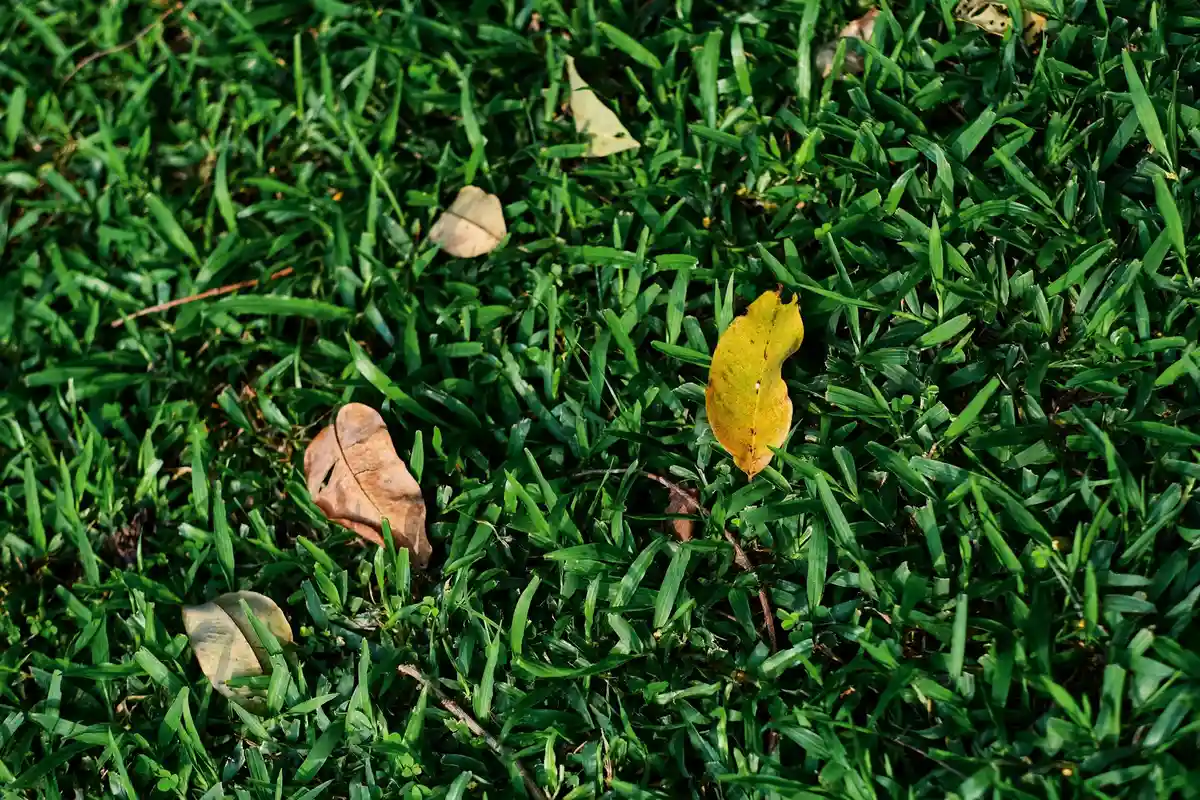
Your grass type decides everything. Getting this wrong means wasting time and money, and I’ve learned that lesson the hard way. Here’s the simple breakdown.
- Warm Season Grasses (Bermuda, Zoysia, St. Augustine): Think of these as summer lovers. They hit their peak in the heat. Your last major feed happens in late summer, around August or early September. This late-summer “wake-up” feed helps them store energy in their roots and rhizomes before they go tan and dormant for winter. A true fall fertilizer, when they’re slowing down, is a bad idea. It can force tender new growth that gets zapped by the first frost, and it can feed winter weeds instead of your grass.
- Cool Season Grasses (Fescue, Kentucky Bluegrass, Ryegrass): This is their championship season. Fall is when they recover from summer stress and build strong roots for next year.
- Early Fall (Late August to September): Apply a balanced fertilizer as temperatures cool. This kicks off their major growth spurt.
- Late Fall (October to November, before ground freeze): This is the most important application. Use a fertilizer higher in potassium (the last number on the bag). This late meal strengthens cell walls and improves winter hardiness, setting you up for a greener spring.
If you’re staring at your lawn unsure, here’s a quick tip. Warm-season grasses turn completely brown after a frost. Cool-season grasses often stay somewhat greenish or fade to a dull green/brown in winter.
The Best Signal: Watching Soil Temperature, Not Just the Calendar
Forget the date on your phone. Your lawn’s schedule is written in the dirt. A calendar gives a guess, but soil temperature tells you the truth.
You can find this truth with a $10 meat thermometer from the kitchen drawer. Just push it a few inches into the soil in the morning. I also check my local university extension website-they often post local soil temp data.
For that critical late fall feed on cool-season grass, aim for when soil temperatures drop to around 50-55°F and are steadily falling. At this point, top growth has slowed way down, but the roots are still actively absorbing nutrients to store for winter.
You’ll see the visual cue, too. The grass is thick and growing well after the summer slump, but you’re not having to mow every five days anymore. That’s your signal.
Adjusting Timing for Your Region and Garden Plants
Your local weather shifts these timelines. Here’s a general guide:
- North (Colder Zones): Late fall feed happens in October, sometimes early November if it’s a mild fall.
- South (Warmer Zones): For warm-season grasses, that late-summer feed is key. For cool-season patches, aim for November.
- Transition Zone (The Tough Middle): Timing is tight here. Watch soil temps closely. For cool-season lawns, late October is often the sweet spot.
For garden plants like perennials, shrubs, and trees, the rule is similar. Fertilize about 4 to 6 weeks before your area’s expected first hard frost. This gives them time to absorb nutrients without pushing soft new growth.
Please, do not use your lawn fertilizer on trees and shrubs. They need a different, slow-release, low-nitrogen blend to support root health, not a burst of leafy growth. For those wondering about the best fertilizers for trees and ornamental shrubs, choose formulations tailored for woody plants. This helps ensure steady growth and healthy root systems while avoiding excessive top growth.
A Special Note for New Sod: Fall Fertilizer Timing for Sod
I see this question all the time, especially from folks in places like Colorado with short growing windows. New sod is a baby with different needs. Its job in year one isn’t to be perfect, it’s to put down roots and survive.
Your first fall feeding is all about encouraging those roots to knit into the soil, not making the top grow fast. Here’s the schedule I follow for new cool-season sod:
- Wait 6-8 weeks after the sod is laid. Let those initial roots establish.
- Apply a light, balanced fertilizer. Use half the rate listed on the bag for an established lawn.
- Water it in deeply to carry nutrients to the root zone.
Avoid heavy, high-nitrogen fertilizers in late fall on new sod. That tender growth is extremely vulnerable to winterkill, especially for seeded lawns or moss areas. The goal is a settled, rooted lawn that sleeps soundly through the cold, not one that’s still partying when the freeze hits.
Your Step-by-Step Fall Fertilizer Application Guide
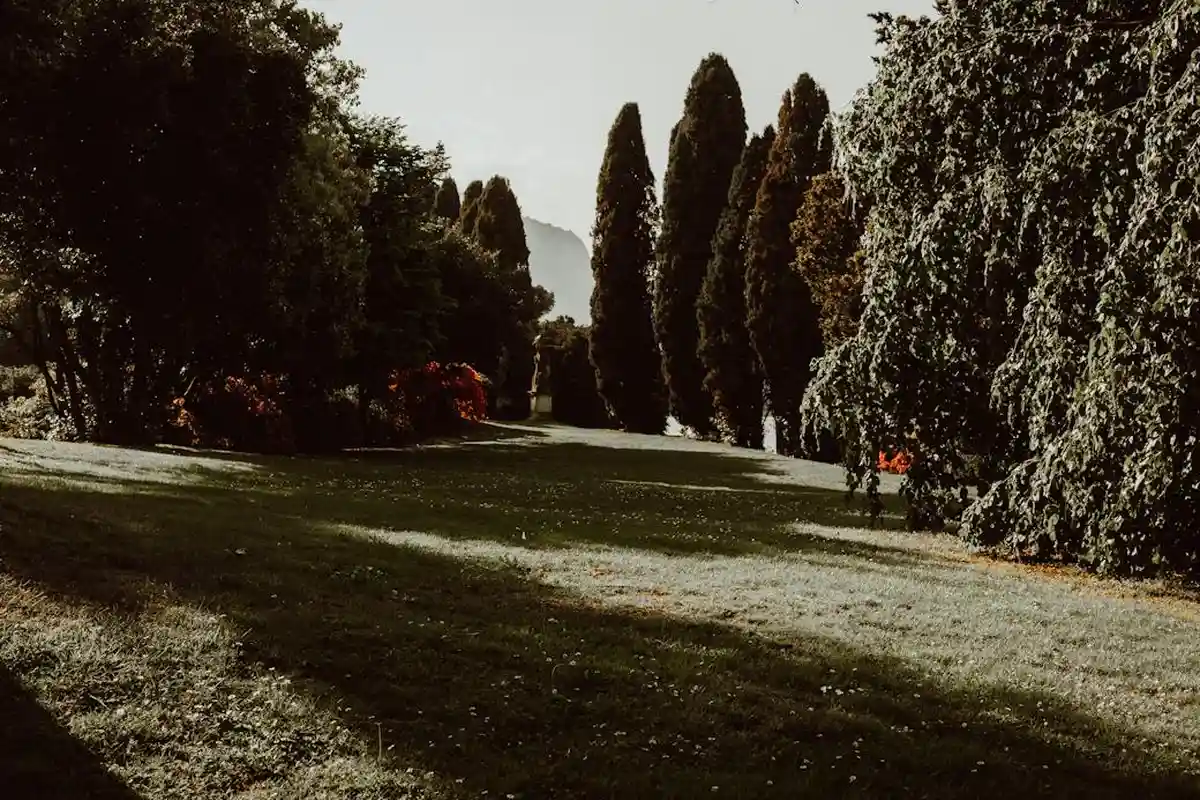
Follow these five steps. I use this same routine every fall. It takes the guesswork out and gives your grass exactly what it needs to build strength for the cold months ahead.
-
Step 1: Test your soil. This tells you exactly what nutrients are missing, so you don’t waste money or harm your lawn. Pick up a simple test kit from your local garden center or order one online. It’s as easy as mailing a sample.
-
Step 2: Choose the right product. Look for a fertilizer with an N-P-K ratio like 24-0-10. The high first number (Nitrogen) fuels root growth and energy storage. The zero in the middle (Phosphorus) is often fine for established lawns, which your soil test will confirm. The last number (Potassium) helps with winter hardiness. Always choose a product with slow-release nitrogen; it feeds the grass steadily over weeks instead of all at once, which is safer for your lawn and the environment.
-
Step 3: Calculate the right amount. Check the bag label for square footage coverage. If your lawn is 5,000 square feet and the bag covers 2,500, you need two bags. To visualize, that’s about enough to cover a standard two-car driveway twice over. Applying the correct amount prevents fertilizer burn and runoff.
-
Step 4: Apply it evenly. Use a broadcast spreader for best results. I walk in a criss-cross pattern (north-south, then east-west) to avoid streaky lines of dark and light green. Be mindful of hardscapes. Keep the product on the grass to prevent it from washing into storm drains, which protects our local waterways.
-
Step 5: Water it in gently. You want just enough water to wash the granules off the grass blades and into the soil. Give your lawn a light, 15-minute sprinkle with the sprinkler, or time it so a gentle rain does the job. The goal is damp soil, not puddles.
Seasonal Effects & Troubleshooting: What to Expect After You Apply
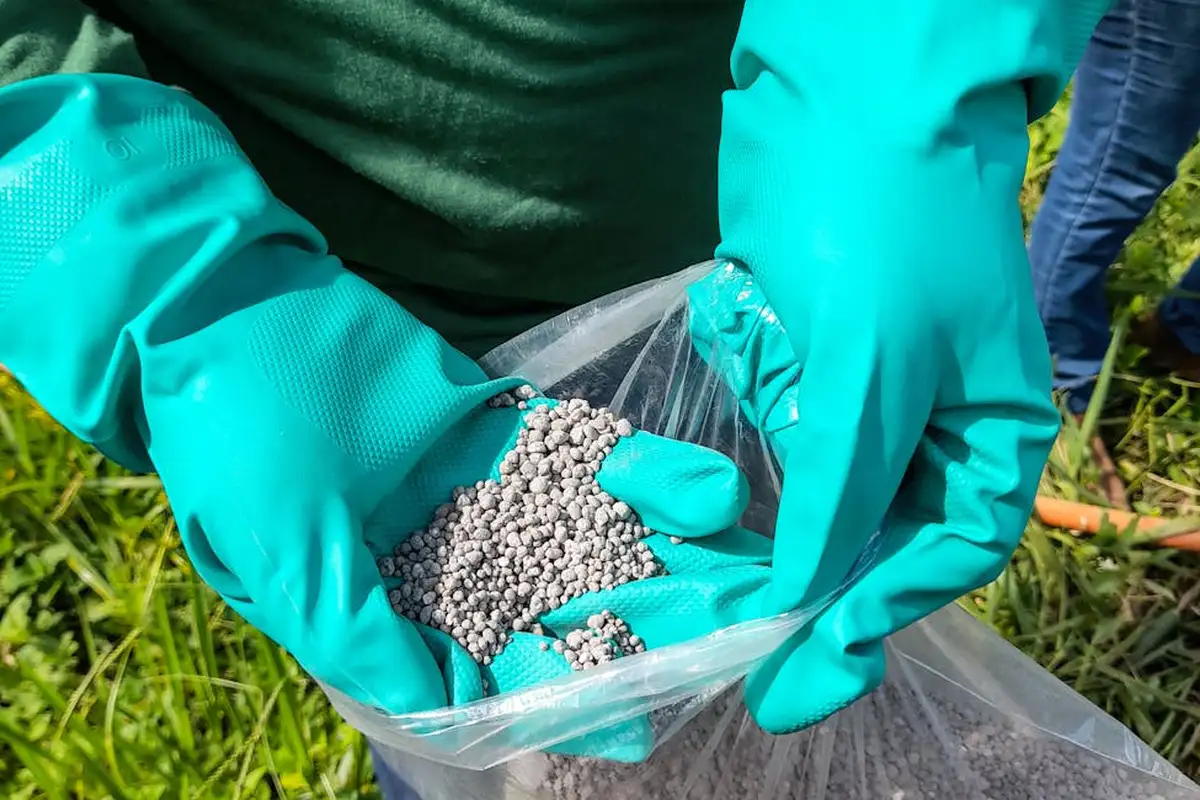
Here’s what typically happens after a proper fall feeding. This timeline keeps you from worrying if you’re on the right track.
- First week: You might notice a subtle, deeper green color as the nitrogen gets to work. The grass won’t shoot up, but it should look more vibrant.
- Before frost: The real magic happens underground. The grass focuses on storing carbohydrates in its roots and rhizomes, building a food reserve for winter.
- Next spring: This is the payoff. Your lawn will green up faster and thicker, using that stored energy to push out new growth while crowding out early weeds.
Sometimes, things don’t go as planned. Here are the common hiccups and how to fix them.
Fertilizer burn (yellow or brown streaks): This is usually from overlapping spreader passes, applying to wet grass, or using too much product. If you see burn, water the area deeply for a few days to help dilute and flush the excess salts from the soil. The grass can often recover with time.
Product washed away: A heavy downpour right after application can wash granules away. If less than half the lawn got treated, you can make a light, corrective application once things dry out. Otherwise, wait for your next scheduled feeding.
No visible result: If weeks go by and nothing changes, the timing might have been off (applied too late) or the soil could be compacted. For compacted soil, core aeration is your best friend. It lets water, air, and yes, fertilizer, reach the roots where they’re needed.
One last thing. Always clean your spreader after use. A quick rinse with the hose prevents corrosion and ensures it’s ready for the next job. Store it in a dry place, like your garage or shed.
Greedy Grass Pro Tip
I skip all-in-one “weed & feed” products in the fall. Instead, I use a plain, slow-release fertilizer to feed the grass. I spot-treat any persistent weeds like my friend Patch with a selective, liquid herbicide. This targeted approach gives the grass the pure nutrition it craves without blanketing the lawn in extra herbicides, which is safer for pets and pollinators visiting your garden.
Greedy Grass Fall Fertilizer FAQ: Your Quick-Answer Guide
I have a mix of grass types. How do I time my fall feeding?
Fertilize for the dominant grass. In most northern lawns, that’s cool-season grass, so follow the 55°F soil temp rule. If warm-season grass is your main type, your last major feed was in late summer, so just let it rest now. As winter approaches, plan a light late-season feeding to support root health. This is part of fertilize lawn winter care as you prep for the cold months.
Is it okay to use a “weed & feed” product in the fall?
Skip it. Your lawn is greedy for nutrients, not extra herbicide. Feed with a pure, slow-release fertilizer and spot-treat any weeds separately for a healthier, thicker turf.
Should I water my lawn after applying fall fertilizer if no rain is forecast?
Absolutely. A light, 15-minute watering is essential to wash granules off the grass blades and into the soil where the roots can get greedy for them. Damp soil is the goal.
What if I miss the ideal late-fall timing and a frost is coming?
If the ground isn’t frozen, you can still apply a light feeding, but cut the recommended rate in half. It’s better to provide a small, late snack than a heavy meal that risks winterkill on new growth.
How does the timing change for new sod here in Colorado Springs?
Patience is key. Wait a full 6-8 weeks after laying sod, then apply a light, balanced fertilizer at half strength. Our early frosts mean you must avoid pushing late, tender growth that can’t handle the cold.
Your Lawn’s Final Feast Before Winter
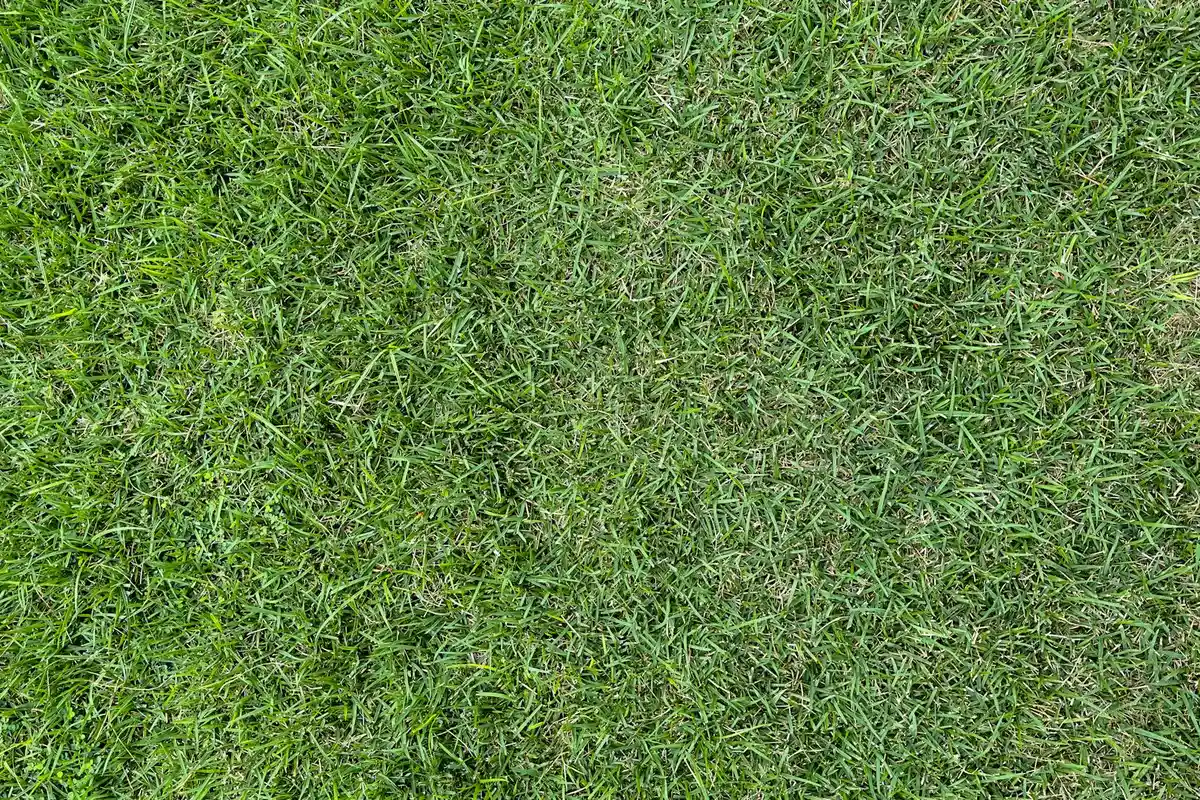
Time your fall fertilizer application for when the soil consistently feels cool to the touch, typically as temperatures drop in early autumn. I watch for that shift and get it down with my spreader, Max, to fuel deep root growth before the ground hardens.
Always select pet-safe, slow-release fertilizers to nourish your lawn responsibly and protect the bees and butterflies that visit. If you have pets, prioritize products labeled as lawn fertilizer safe for pets and follow application directions. That way, your pets can enjoy the yard with less risk. Your care for the grass underfoot is a continuous journey—I learn something new each season, even from stubborn old Patch.
Sources and Additional Information
- When to Fertilize for a Greener Lawn | ScottsMiracle-Gro US
- Best Time to Fertilize Your Lawn via @ConsumerReports
- When and How To Fertilize Lawn in Fall | The Family Handyman
- When is the Best Time to Apply Fall Fertilizer?
- When to Fertilize Your Lawn in Fall | HGTV
- The Best Month for Fertilizing Your Lawn in Fall
- How Late Can You Fertilize Your Lawn in the Fall? – Tim Wallace Soil Mix Supply and Nursery
Written by Ria Carrington. Ria is an avid lawn care enthusiast and advisor. No lawn is unsalvagable when Ria is at work. She has helped countless homeowners breath new life into their dying lawns. She has a B.Sc in Agriculture and brings practical advice combined with knowledge of plant science and her decade worth of hands on experience.