
Should You Use Compost Tea or Liquid Fertilizer on Your Lawn?
Choosing between compost tea and liquid fertilizer can feel confusing, like picking a tool without knowing the job. I get it, and I’ve tested both to save you the guesswork.
We’ll cover how each one feeds your grass, the upfront and long-term costs, their effectiveness for different soil problems, and my straightforward advice for your specific lawn.
I’ve brewed batches and mixed bottles for years on my own grass, seeing what makes Patch green up and what Sunny delivers efficiently.
At a Glance: Key Factors
Think of this as your quick decision cheat sheet. Are you looking for a fast result, or are you playing the long game for your soil?
| Factor | Compost Tea | Liquid Fertilizer |
|---|---|---|
| Cost | Low if you DIY. High if you buy it brewed. | Moderate. You pay for precision and convenience. |
| Effort | High. It’s a brewing project, not just an application. | Low. Hook it to your hose or mix in a sprayer. |
| Speed of Results | Slow. It’s a soil treatment, not a grass feeder. | Fast. You often see a color change in days. |
| Soil Health Impact | Very High. Adds living biology and improves soil structure. | Low to Moderate. Feeds the plant, often ignores the soil food web. |
| Best For… | Building soil life, improving compaction, and long-term lawn resilience. | Immediate green-up, correcting specific nutrient deficiencies quickly. |
If your lawn looks hungry and pale right now, grab the liquid fertilizer. If you’re building a thicker, healthier lawn for next season and beyond, the tea is your project.
Breaking Down the Basics: What Are You Actually Applying?
This is the core difference. You’re not just putting “food” on the grass. You’re choosing between feeding the soil itself or feeding the plant directly.
Compost tea is like a soil probiotic. I think of it as a microbe soup. You’re brewing up billions of beneficial bacteria and fungi from good compost and then drenching your lawn with them. The goal isn’t to give your grass an NPK snack, it’s to inoculate your soil with a healthy workforce.
Liquid fertilizer is more like a vitamin shot. It’s a concentrated blend of nutrients-usually Nitrogen (N), Phosphorus (P), and Potassium (K)-that are immediately available for the grass roots to drink up. It’s a direct line of energy to the blades.
This is why people sometimes say compost tea “doesn’t work.” They expect a fast color change. You judge tea by the long-term health of your soil, not by next week’s shade of green. A vibrant soil food web helps your grass access nutrients naturally, resist disease, and break down thatch. It’s a foundation, not a flash.
What’s in the Brew? Understanding Compost Tea
Brewing tea is simpler than it sounds. You need just a few things:
- Quality Finished Compost: This is your microbial starter. It must be mature, earthy-smelling compost, not fresh manure or rotting scraps.
- Water: Non-chlorinated is best. Chlorine in tap water can kill the microbes you’re trying to grow. I let a bucket sit out overnight for Sunny (my drip system) and use that.
- A Food Source: Unsulfured molasses is common. It feeds the bacteria so they multiply.
- Air (for Aerated Tea): An air pump and stone are crucial. They keep the brew oxygenated, favoring good microbes and preventing bad, smelly ones from taking over.
You might hear about “steeped” tea, which is just compost soaked in water. I don’t recommend it. Without air, you can grow harmful bacteria. Aerated compost tea is safer and far more effective.
A good brew smells sweet and earthy, like a forest floor after rain. If it smells foul, something went wrong-dump it on your flower beds, not your lawn. The process takes about 24-48 hours, and you apply it immediately. Those microbes are alive and don’t like sitting in a can.
What’s in the Bottle? Decoding Liquid Fertilizer
When you pick up a bottle or jug, you’re choosing between two main paths: synthetic and organic. Synthetics are lab-made salts that dissolve fast. Organics are derived from things like fish, kelp, or minerals. Synthetics act quicker, but organics feed more gently and often add other soil benefits.
The first thing to check is the three-number NPK ratio on the label, like 20-0-5.
- N (Nitrogen): The first number. This is for green, leafy growth. It’s the biggest driver behind that “green-up.”
- P (Phosphorus): The middle number. Supports root development and seedling growth.
- K (Potassium): The last number. Aids in overall plant health, stress tolerance, and disease resistance.
For an established lawn, you often want a product where the first number (N) is the highest. A bottle labeled 20-0-5 is packed with nitrogen for color, with no phosphorus (which you often don’t need unless seeding), and a bit of potassium for health.
The line between these amendments is blurring, which is great. Now you can find liquid fertilizers that also contain humic acids (which help soil hold nutrients) or even added beneficial microbes. These hybrid products try to give you the best of both worlds: a quick feed and a soil boost.
How to Use Each Amendment: A Step-by-Step Guide for Homeowners
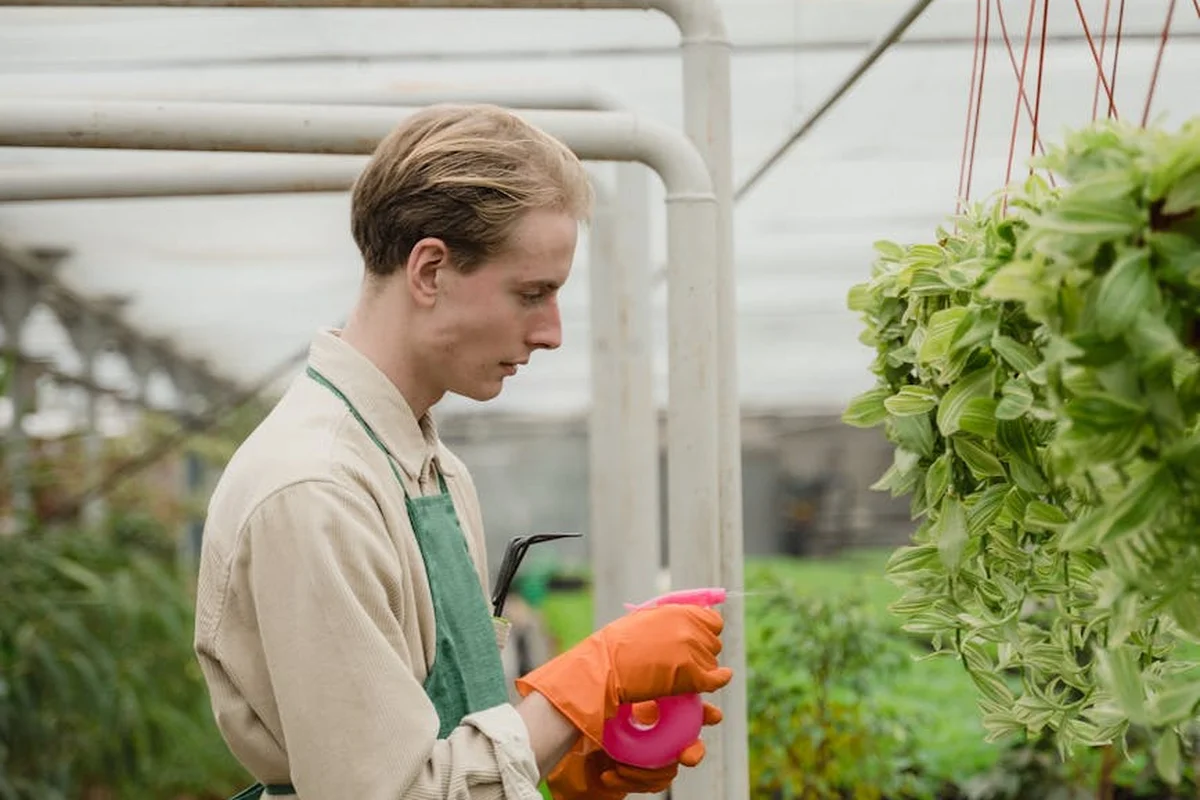
You need a plan for getting these amendments from the bucket to the turf. Let’s walk through two very different processes.
Brewing and Applying Compost Tea in Your Backyard
Think of this as making a probiotic smoothie for your soil. You are cultivating life, so cleanliness matters. I brew mine in the garage to keep it out of the sun.
First, gather your gear:
- A clean 5-gallon bucket
- An aquarium air pump and airstone
- A mesh bag or old pillowcase
- Finished, high-quality compost or worm castings
- Unsulfured molasses (the microbial food)
- A watering can or pump sprayer for application
Here is my 5-step brewing process:
- Fill your bucket with dechlorinated water. I let tap water sit out for 24 hours so the chlorine evaporates.
- Place your compost (about one shovel full) into the mesh bag and tie it off. Suspend it in the water like a giant tea bag.
- Add a tablespoon of molasses to the water. This feeds the good microbes so they multiply.
- Drop in the airstone, turn on the pump, and let it bubble. This keeps the brew oxygenated so only beneficial aerobic microbes grow.
- Let it brew for 24 to 48 hours. It should smell earthy, like a forest after rain. If it smells rotten, something went wrong discard it.
The key is to use your compost tea immediately after brewing it is a perishable, living product. Strain out any big bits, pour it into your sprayer or can, and apply it right away. Do this in the early morning or on a cloudy day. The weak sunlight helps the microbes settle into the soil without getting zapped by UV rays.
Mixing and Applying Liquid Fertilizer Without Burning Your Lawn
This is about precision. The biggest mistake I see is thinking “a little extra will work better.” It will not. It will burn your grass.
Your number one rule is to follow the label’s mixing rates exactly measure everything. More is not better, it is a recipe for yellow streaks and damaged roots.
For even coverage, you need to calibrate your sprayer. With a hose-end sprayer, mark a 10×10 foot area on your driveway. Fill the sprayer with just water, set the dial, and spray that area. See how much water you used. Now you know how much mixed product it will take to cover 100 square feet. For a backpack sprayer, time how long it takes to spray a known area while walking at a steady pace. This consistency prevents missed patches and over-application.
Apply when the grass is dry and no rain is expected for at least a few hours. After you finish spraying, water the lawn lightly to move the nutrients off the grass blades and into the soil this prevents leaf burn and gets the food to the roots. If you’ve just fertilized or finished mowing, a follow-up watering helps push nutrients down to the roots. This prepares the lawn for the next mowing and ongoing feeding. Keep pets off the lawn until this watering-in is complete.
Side-by-Side: Which One Works Better for Your Lawn?
“Effective” depends on your goal. Are you trying to fix a problem tomorrow or build a resilient lawn for next year? Let’s break it down.
The Speed Test: How Fast Will You See a Difference?
If you need a quick green-up, liquid fertilizer wins, hands down. You will often see a deeper green color in just 3 to 5 days. The nitrogen is in a form the grass can use almost instantly. It’s like giving your lawn a strong cup of coffee. To really achieve a thick green lawn, pair this with regular mowing and steady watering. Look to the next steps for the full guide.
Compost tea is not about speed. You are investing in the soil’s pantry, not giving the grass a direct meal. You might notice subtle changes in a few weeks, but the real benefits like easier digging, better water retention, and a thicker, more durable turf show up over months and seasons. You are playing the long game.
The Soil Health Test: What Are You Building For the Future?
Synthetic liquid fertilizers feed the plant directly. They get the job done, but they can ignore the soil’s ecosystem. Think of it like only feeding the fish in a pond, but never cleaning the water or adding new plants.
Compost tea works on the pond itself. Applying compost tea is like restocking your soil’s pond with a diverse population of beneficial fish and plants. You are adding and feeding the microbes that break down thatch, fight disease, and help roots access nutrients. Studies on compost tea effectiveness show it can increase microbial diversity and help suppress certain fungal diseases. I will be honest, DIY results can vary based on your compost quality and brewing skill, but the principle of adding life back to the soil is solid.
Cost and Effort: The Real Weekend Commitment
Let’s talk about your time and wallet.
Compost tea has a higher startup cost. You need the bucket, pump, and tubing maybe $40-$60 total. After that, the compost and molasses are cheap. The effort is bigger: it is a 2-day process of brewing, plus active application time.
Liquid fertilizer is all about recurring cost. You buy a bottle every few applications. The effort is minimal: 30 minutes to mix, calibrate, dilute, spray, and water in. It fits into a busy Saturday morning before other chores.
There is no right answer, just the right answer for your weekend and your lawn’s needs right now.
Common Lawn Care Mistakes and How to Avoid Them
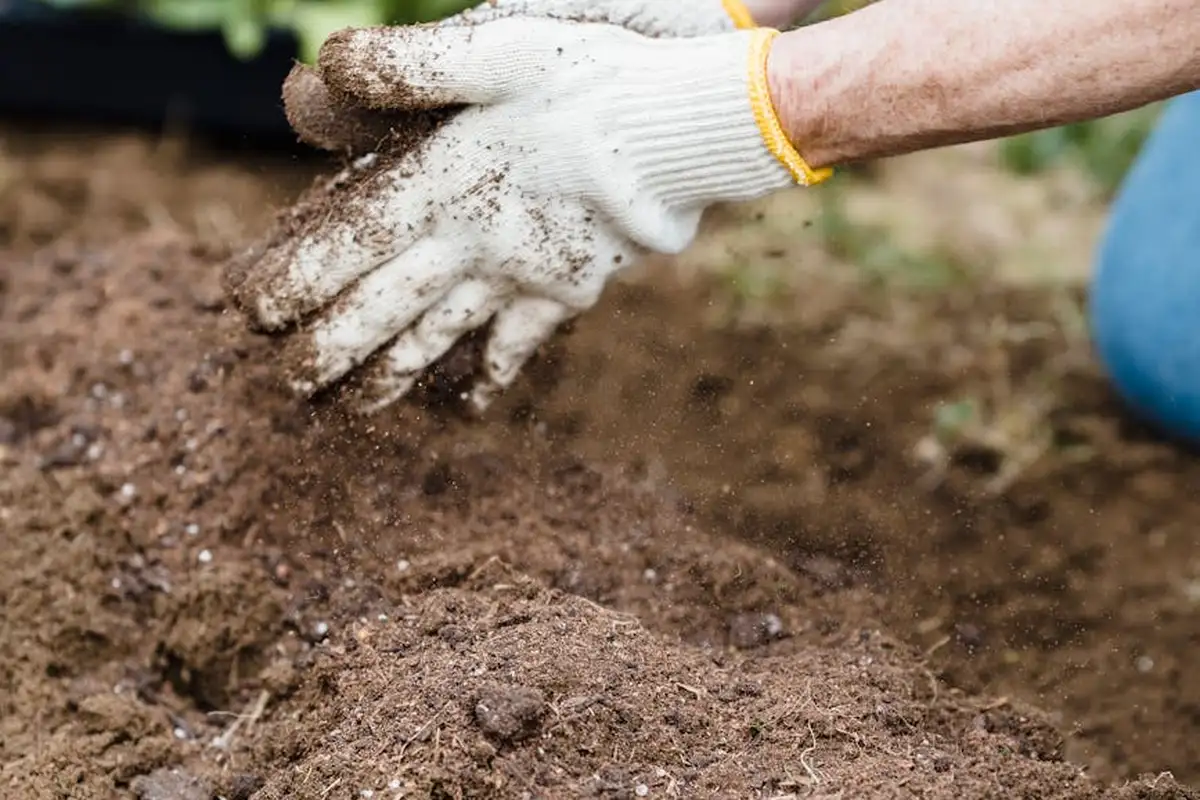
Making a mistake with your soil amendments is a quick way to waste a Saturday and a bunch of money. I have done it. Let’s talk about the most common slip-ups so you can skip straight to the good part: a thicker lawn. Improving and amending compacted lawn soil is a key first step that makes the rest of the plan work. With a few targeted tweaks, you can loosen the soil and give roots room to breathe for a thicker, healthier lawn.
Compost Tea Pitfalls
Compost tea is alive. That’s its power and its main point of failure. Treat it wrong, and you’re just watering your grass with funky-smelling water.
The single biggest error is starting with bad compost. Your compost should smell like the forest floor after a rain, clean and earthy. If it smells sour or like ammonia, it’s unfinished or anaerobic. Do not use it. You’ll just brew a batch of bad microbes.
Letting your brew go anaerobic is the next classic error. You’ll see a slimy film and get that rotten smell. This happens without enough oxygen. If you see or smell this, pour it out on a non-lawn area (like a gravel path) and start over. It’s not worth the risk.
Even good tea can be ruined at application time. Those microbes are sensitive to UV light and heat. Always apply compost tea in the early morning or on an overcast day, never in the blazing afternoon sun. Think of it like sending tiny workers out into a cool, damp job site instead of a desert.
Finally, don’t try to save it. This isn’t leftover soup. The microbial activity peaks fast. Brew it, and use it the same day for maximum benefit.
Liquid Fertilizer Pitfalls
Liquid fertilizer is potent. It’s like a concentrated energy shot for your grass. More is not better. The most expensive and heartbreaking mistake is over-applying, which leads to fertilizer “burn.” You’ll see yellow or brown streaks within days where the grass literally got cooked by salts. When this happens, you may need to fix the fertilizer burn and recover your lawn.
Always, always measure your product and calibrate your sprayer for your square footage. Follow the label rates to the letter. It’s cheaper to do a light follow-up application than to repair burnt turf.
Timing your application wrong wastes product and pollutes. Applying to already soggy soil or right before a heavy downpour causes runoff. The fertilizer washes away into storm drains instead of soaking into your soil. Check the forecast. Water it in lightly yourself if rain isn’t due.
Wind is your enemy. Spraying on a breezy day gives you a striped, uneven feed and can drift liquid fertilizer onto your flower beds or vegetable garden. Wait for a calm morning.
My last tip comes from a clogged sprayer that ruined my plans one spring. Clean your sprayer thoroughly with fresh water immediately after every single use. Residual fertilizer will crystallize in the lines and nozzles, making your next job a frustrating mess.
Choosing Your Path: Which Amendment Fits Your Lawn Care Style?
This isn’t about which one is “better.” It’s about which one is better for *you* right now. Your goals and how much time you have are what matter.
If You Want a Quick Green-Up and Simplicity
Your life is busy. You want to see results from your effort without a multi-day brewing project. I get it.
For you, a balanced organic liquid fertilizer is your best friend. Look for one with a low N-P-K number like 3-3-3 or 4-4-4. It feeds the grass steadily and is very hard to burn your lawn with. It’s the simple, reliable choice. Used as directed, this type of liquid fertilizer proves that liquid fertilizer lawns work—providing quick uptake and steady nourishment. We’ll cover how to apply them in the next steps.
Hook it to your hose-end sprayer, walk at a steady pace, and you’re done in 20 minutes. The perfect times for this are early spring, to give the grass a gentle wake-up call, and early fall, to boost root growth before winter.
If You’re a Soil Builder Focused on Long-Term Health
You think in terms of years, not weeks. You’re less concerned with a fast green-up and more interested in creating soil that grows healthy grass all on its own. You’re willing to put in a little more hands-on time.
You are the ideal candidate for making compost tea a core practice. Apply a well-brewed tea 2-3 times during the growing season to continually inoculate your soil with beneficial life. This builds resilience against disease and helps break down thatch.
For a truly powerful one-two punch, pair your tea applications with a thin top-dressing of finished compost once a year. The compost adds organic matter, and the tea activates it. This is how you turn okay dirt into thriving, living soil.
The Hybrid Approach: Using Both in Your Annual Plan
This is what I settled on for my own lawn after years of trial. It uses each amendment’s strength at the right time.
Here’s a sample schedule that has worked for me, managing both the main yard with Max and the tricky, compacted soil in Patch’s shady corner.
- Early Spring (April): A light application of organic liquid fertilizer. This gives the grass a predictable food source as it comes out of dormancy.
- Late Spring (Late May/Early June): An application of compost tea. This boosts the soil microbiome right before summer stress hits, helping the grass handle heat and drought better.
- Early Fall (September): Another application of organic liquid fertilizer. This focuses energy on deep root growth, which is the foundation for a great lawn next year.
This hybrid plan isn’t complicated. It gives your grass what it needs, when it needs it, using the best tool for each job. In a mowing weed control strategy, the right mowing height helps curb weeds and thicken the turf. Consistent mowing then ties the plan together and sets up the next weed-control steps.
Your Compost Tea Questions, Answered
1. Is there any real science that proves compost tea works?
Yes, studies consistently show compost tea increases microbial diversity and can help suppress certain lawn diseases. The key is that it builds soil health, which is a long-term result you can’t always see in a week.
2. What did that big 2022 compost tea effectiveness study actually find?
The 2022 study confirmed that properly aerated compost tea delivers a potent, living microbial inoculant to soil. It reinforced that using high-quality compost is the single most important factor for success in your backyard brew.
3. How do I use a “compost tea effectiveness study PDF” for my lawn?
Skip the dense PDF and focus on the practical takeaways researchers agree on: consistent applications and quality ingredients matter most. Your energy is better spent sourcing stellar compost than analyzing data charts.
4. Are the microbes in compost tea even alive when they hit my soil?
They are if you brew and apply it correctly. Apply your tea immediately after brewing, in the early morning, to protect those live microbes from UV light and give them the best chance to colonize your soil.
5. If tea is so great, why does my neighbor swear it didn’t do anything?
He was probably looking for a fast green-up, which tea doesn’t provide. Judge tea by your soil’s improved texture and your lawn’s resilience over seasons, not by a color change in days.
Final Thoughts on Feeding Your Lawn
When it comes down to it, the best choice for your lawn is the one you’ll use consistently. For long-term soil health and a buzzing backyard ecosystem, building a habit with compost tea is hard to beat. If you need a quick green-up for a special event, a quality liquid fertilizer gets the job done.
Your lawn care choices ripple out to the bees in your clover and the safety of your pets. I still learn something new every season, often from paying attention to what Sunny the drip line or a stubborn Patch teaches me about clover. A great lawn is built one responsible, curious season at a time.
Citations and Authoritative Sources

- Liquid fertilizer vs Compost vs Compost tea (composting forum at permies)
- The Jury is Still Out on Compost Tea – Fine Gardening
- r/homestead on Reddit: My long comparison of compost tea as a complete replacement of regular fertilizer – on a large scale
- The Truth About Compost Tea, save time and money
- Compost Tea Vs Chemical Fertilizer
Written by Ria Carrington. Ria is an avid lawn care enthusiast and advisor. No lawn is unsalvagable when Ria is at work. She has helped countless homeowners breath new life into their dying lawns. She has a B.Sc in Agriculture and brings practical advice combined with knowledge of plant science and her decade worth of hands on experience.