
How Do You Pick the Right Lawn Mower Without Wasting Money?
Choosing a mower feels like a big decision, but it doesn’t have to be a stressful or expensive one.
This guide will walk you through the process, covering the main mower types, which features actually matter for your yard, and how to get the best value for your budget.
I’ve learned what works through seasons of trial and error with my own mower, Max, and maintaining a thick, healthy lawn on a homeowner’s budget.
At a Glance: Your Lawn Mower Decision Checklist
Buying a mower is about fitting the right tool to your specific job. I learned this the hard way after wrestling with a basic push mower on a steep hill for years. My shoulders have not forgotten. Think of your yard as a unique puzzle, and these are the pieces you need to sort out first.
Your main goal is to match a machine to your land, your time, and your wallet.
- Lawn Size: This is your starting point. A tiny postage stamp and a wide-open field need completely different machines.
- Terrain: Is your yard flat, sloped, or lumpy? Hills change everything about the mower you need.
- Budget: Be realistic about what you can spend, not just on the purchase, but on long-term fuel and maintenance.
- Storage Space: Measure your shed or garage. A riding mower needs a much bigger home than a simple push model.
- Physical Effort: Be honest about how much pushing and walking you want to do on a hot Saturday.
- Grass Type: Tough, thick grass like tall fescue demands more power than finer blades.
- Obstacles: Trees, gardens, and tight corners need a mower that can turn on a dime.
Tools You’ll Need
- A measuring tape (or a long piece of string).
- A notepad to sketch your yard and jot notes.
- Your smartphone to check reviews and maybe use a satellite map tool.
Step 1: Size Up Your Yard – It’s More Than Just Square Feet
So, how do you decide which mower is best for your yard? It starts with a good look outside. You need more than a guess. Get a rough idea of your lawn’s square footage and really see its personality.
To measure, you can pace it out and break the lawn into simple rectangles. Add them together. Even easier, use a free online tool like Google Earth to outline your lawn area. It gives you a number in seconds. Knowing the lawn’s size and area enables accurate care. It helps you plan fertilizer, mowing, and watering precisely.
Terrain tells you how hard the mower will have to work. A gentle slope feels like a brisk walk, but a real hill is like mowing on a treadmill set to incline. Bumpy ground feels like riding a wagon with square wheels. Each type calls for specific mower features.
Also, look at your grass. Dense, lush turf needs a sharp blade and strong engine power to cut cleanly without stalling.
Finally, note every obstacle. Trees, flower beds, that one weird corner I call Patch-these spaces need a mower that’s nimble. A bulky machine will leave uncut grass or damage your beds.
How Big Is Your Lawn? Small, Medium, or Large?
Let’s put some names to those sizes. Think of these as general zones, not strict rules.
A Small Lawn is under 1/4 acre. Picture something about the size of a tennis court or smaller. This is push mower territory, where you can be done in 20-30 minutes.
A Medium Lawn is between 1/4 acre and 1/2 acre. This is a common suburban lot. You’re looking at a serious self-propelled mower or a small riding tractor. Mowing takes real time here.
A Large Lawn is over 1/2 acre. Once you hit this mark, a riding mower or a zero-turn like my Max becomes a necessity, not a luxury. It saves hours of your weekend.
What’s Your Terrain Like? Flat, Hilly, or Obstacle-Course?
Flat ground is easy. Almost any mower will do the job. But if you have hills, you need to think about safety and strain.
For hilly terrain, a self-propelled mower is the bare minimum; a riding mower is often safer and far easier. You want the mower doing the hard work of climbing, not you. The last thing you need is the mower sliding or tipping. (Mowing hills brings its own challenges.)
Bumpy, uneven ground is tough on you and the machine. Look for mowers with larger rear wheels. They roll over lumps and dips better than small wheels. Some higher-end models even have a form of suspension for a smoother ride.
Step 2: Pick Your Mower Type – From Quiet Push to Smart Robots

Think of this like choosing a pair of shoes. You wouldn’t wear flip-flops on a hike or heavy boots to the beach. Your mower should fit your yard’s size and shape just as well. Let’s walk through your options.
Push Mowers: Simple, Affordable, and a Good Workout
Using a basic push mower is like taking a brisk, purposeful walk across your lawn. You provide all the power. For a tiny, flat plot, a manual reel mower is the ultimate eco-friendly choice. It’s silent, gives you a clean scissor-cut, and needs zero gas or electricity. Its blade spins as you push, quietly clipping the grass.
For a bit more help, basic gas or electric push mowers handle small, flat areas well. You still steer and push, but the engine or motor spins the blade. This type is your best bet if your yard is under a quarter-acre and relatively flat, offering simplicity at a lower cost. Just know, pushing it up a hill feels exactly like the workout it is.
Self-Propelled Mowers: Your Yard’s Helping Hand
This is where the mower starts doing some of the work for you. A self-propelled model drives itself forward. You just guide it. It’s perfect for slopes or medium-sized yards where pushing would be a chore.
The drive wheels matter for traction:
- Front-Wheel Drive: Pulls the mower. Good for flat ground and gentle slopes. It can feel like it’s tugging you along.
- Rear-Wheel Drive: Pushes the mower. Provides better traction on hills and damp grass, as the weight of the mower is over the drive wheels.
- All-Wheel Drive: The best traction for uneven or hilly terrain. All wheels pull and push together.
If your yard has any slope or is over a quarter-acre, the extra cost for a self-propelled model is almost always worth the saved effort.
Riding Mowers and Zero-Turns: For Commanding Large Lawns
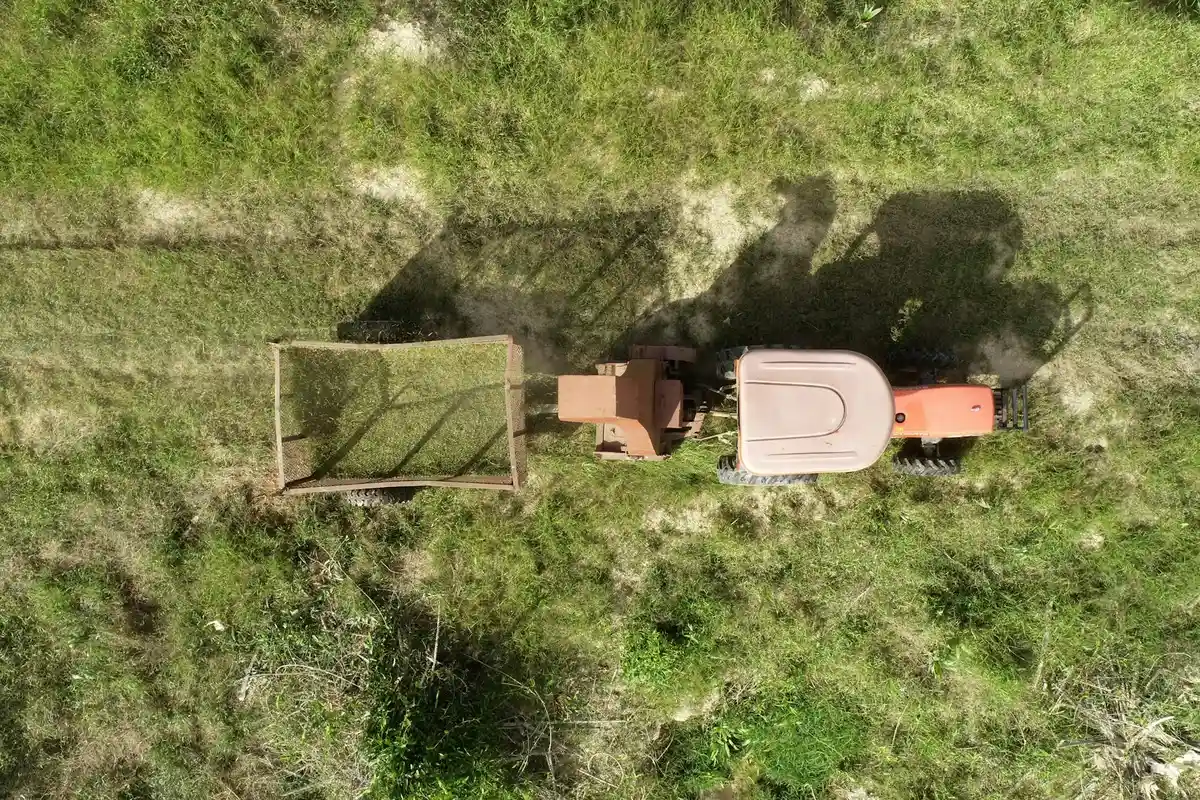
When your lawn stretches over half an acre, it’s time to consider a seat. A standard riding mower is like a comfortable tractor ride. It’s great for wide-open spaces and general mowing. You steer with a wheel, and it can often pull a small cart for other yard work.
Then there’s the zero-turn mower, like my old reliable Max. These machines have levers that control each rear wheel independently. This lets you spin on a dime, zip around trees and garden beds with surgical precision, and cut mowing time on a large lawn significantly. They are faster and more maneuverable than a standard rider, but they also have a steeper learning curve and a higher price tag. Remember, these beasts need garage or shed space to live.
Robotic Mowers: The Set-It-and-Forget-It Option
If you hate spending weekends mowing, a robotic mower might be your best friend. Imagine a quiet, disc-shaped gadget that putters around your yard day after day, keeping the grass perpetually trimmed. Most models use a perimeter wire you bury just under the soil or pin to the ground-think of it like an invisible fence for mowing. More advanced ones use GPS to navigate without a wire.
The big pro is getting your weekends back, with the consistent, quiet cutting often leading to a healthier, thicker lawn. The cons are the high upfront cost and setup. They work best on relatively flat, obstacle-lawn yards with clear boundaries. Are they worth it? If you value your time highly and have the budget, the daily automation can be a game-changer, turning a chore into a background task you never think about.
Step 3: Choose Your Power Source – Gas, Corded Electric, or Battery?
This choice boils down to a trade-off between raw power and easy living. Listen to your yard’s needs and your own patience for maintenance.
Gas Mowers: Powerful but Need More TLC
The classic choice. You know the sound-the confident rumble and the smell of fresh-cut grass mixed with exhaust. Gas mowers offer long runtimes and the power to tackle thick, overgrown grass. But they demand regular maintenance and the right gas fuel. You’ll need fresh fuel, oil changes, air filter cleanings, and spark plug replacements.
They are powerful workhorses for larger or more challenging lawns, but that power comes with noise, fumes, and a maintenance schedule. A key tip: always use fuel stabilizer or run the engine dry before storing for winter to avoid gummy carburetor issues.
Electric Mowers: Quiet, Low-Maintenance, and Clean
Electric mowers offer a different experience: a quiet hum and an instant start with the push of a button. There’s no gas to spill, no oil to change, and they are noticeably lighter. This makes them a fantastic pet-safe and pollinator-friendly option, as they don’t disturb the neighborhood or emit fumes.
You have two choices:
- Corded Electric: These plug into an outlet. They offer unlimited runtime but are limited by the cord’s length. Perfect for very small, flat yards where you won’t run over the cord.
- Battery-Powered (Cordless): This is the sweet spot for most homeowners. You get complete freedom of movement. The key is to check the battery voltage (higher generally means more power) and the runtime. Look for a system with at least 40-60 minutes of runtime and a spare battery you can swap in, so you’re never stuck halfway through the job.
So, gas or electric? If you have a huge lawn, very tough grass, or hate the idea of a battery dying, lean gas. If you want quiet, easy storage, minimal maintenance, and have a small-to-medium yard, modern battery mowers are incredibly capable.
Step 4: Compare Features That Make Mowing a Breeze

This is where you match the machine to your life. Think about your yard’s shape, your grass type, and how much time you want to spend on upkeep. The right features turn a chore into a quick task.
You need a shortlist of must-have features based on your yard’s personality. Cutting width, easy height adjustment, a durable deck, and your preferred way of handling clippings are the big four.
Cutting Width and Height Adjustment: Control Your Cut
Cutting width is simply how wide a path the mower makes. A wider deck means fewer passes. For a small, fenced yard, a 20-inch deck is nimble. For an open, half-acre lot, you’ll want 30 inches or more. It’s the difference between painting a wall with a small brush versus a wide roller.
Height adjustment should be a single, easy lever. You’ll change it often. Mow tall (3-4 inches) in summer heat to shade roots and beat weeds. Mow a bit shorter in cooler spring and fall to encourage thick growth. I adjust Max’s height every few weeks. A quick guide on how to adjust lawn mower cutting height can help you do this more precisely. Using the right height makes seasonal tweaks easier and more effective.
Deck Construction and Grass Handling
The deck is the metal or plastic housing that holds the blade. Steel decks are tough but can rust if you don’t clean them. Polymer decks resist rust and dents, which is great for bumping against occasional roots or sprinkler heads.
You have three choices for grass clippings:
- Mulching: Cuts clippings super fine and drops them back onto the soil. It’s like free, instant compost that feeds your lawn. My favorite for most of the season.
- Bagging: Collects clippings for a super-clean look. I use this in fall for leaves or if the grass got too long.
- Side-Discharge: Shoots clippings out the side. Good for very tall grass, but you’ll need to rake afterward.
Many mowers let you switch between these with an insert plate or a different blade. A good lawn mower blade guide will show you how to change from a mulching to a bagging blade in minutes.
Convenience Features: From Easy Starts to Smart Tech
Small comforts add up. On gas mowers, an electric start button beats a pull cord every time. If you stick with a pull-start, check the lawn mower rope guide for proper technique to avoid a sore shoulder.
You might see “self guided lawn mower.” That’s just another term for self-propelled. The mower moves itself, you just steer. It’s a lifesaver on hills, but remember to check the drive system regularly to keep it running smoothly.
Other perks include LED headlights for those late summer evenings and, for robotic mowers, smartphone apps that let you schedule mowing from your couch. Sunny, my drip system, loves a good schedule, and a robotic mower works the same way.
Step 5: Balance Budget, Value, and Long-Term Care
Your mower is an investment in your weekends. The cheapest price tag can lead to repair bills and frustration. A well-chosen mower should last for years, giving you more time to enjoy your green space, not fight with it.
The real cost isn’t just what you pay at the store it’s the time and money you spend keeping it running for the next 5-10 years.
Setting Your Budget: What to Expect at Different Price Points
Prices vary, but here’s a rough guide:
- Basic push mowers (electric or gas): $200 – $400
- Quality self-propelled mowers: $400 – $700
- Entry riding mowers / zero-turns: $1,800 – $3,000+
- Robotic mowers: $800 – $2,500+
Is a high-end mower worth it? If you have a large or complex yard, absolutely. You’re paying for durability, power, and time saved. For a small, flat lawn, a mid-range model often does the job perfectly.
Maintenance Basics to Keep Your Mower Running Smoothly
Think of this like basic car care. A little regular attention prevents a big breakdown.
After every few mows, tip the mower on its side (engine side up for gas models) and hose out the clumped grass under the deck. Let it dry before storing. This is the single best thing you can do.
A simple annual schedule looks like this:
- Sharpen the blade(s) every 25 hours of use. A dull blade tears grass, turning tips brown.
- For gas mowers: Change the oil once a season. Check the air filter and spark plug yearly.
- For battery mowers: Keep the battery in a cool, dry place off the concrete floor in winter.
- For all mowers: Store it under a cover or in a shed, out of the rain and sun.
Recommended Product Categories for Common Home Scenarios
Based on your yard’s needs, here are the categories I’d look at:
- For a tiny, eco-focused yard: A manual reel mower. It’s quiet, gives a beautiful cut, and is great exercise.
- For a family yard with kids and pets: A self-propelled battery mower. It’s quiet enough to run anytime and has no fumes.
- For large, open spaces (1/2 acre+): A riding mower or zero-turn. The time savings are massive.
- For a tech-savvy, busy homeowner: A robotic mower with a perimeter wire. It’s like having a tiny, dedicated groundskeeper.
How long should a mower last? With good care, 8-10 years for a quality walk-behind, and longer for a rider. My zero-turn, Max, is going on five years strong because I don’t skip the simple stuff. Treat it right, and it returns the favor every Saturday morning.
Frequently Asked Questions: Your Quick Lawn Mower Guide

Is a perimeter wire for a robotic mower a huge hassle to install?
Not at all-it’s a one-time, Saturday morning project. Think of it as laying a tiny fence for your new robotic helper; you just peg it down along your lawn’s edges and any no-go zones.
How do I know when to sharpen or replace my mower blade?
If your grass tips look torn and brown instead of cleanly cut, your blade is dull. Check the blade for nicks each season and sharpen it; replace it if it’s badly damaged or after several sharpenings have worn it down.
What’s the trick to starting a stubborn gas mower with a pull cord?
Use a smooth, full-arm pull, not a frantic yank from your shoulder. If it doesn’t start after a few tries, check for old gas or a clogged air filter before you pull again.
Is a GPS-guided mower worth it over one with a wire?
GPS models are great for very simple, open yards as you skip the wire install. For most yards with gardens or tight borders, a wire provides more precise, reliable boundaries to keep your mower on task.
What’s the biggest piece of advice from a “lawn mower buying guide reddit” thread?
Buy for your actual yard size, not your dream yard. Homeowners consistently say over-buying leads to regret; a massive zero-turn is overkill for a small lot, just like a tiny push mower will torture you on an acre.
Your Next Mowing Season Awaits

Choosing the right mower boils down to two things: matching the machine to your yard’s specific needs and to the budget you have right now. Don’t overcomplicate it; a mower that fits both will earn its keep for years to come, just like my trusty Max has. After that, exploring best lawn mower tractor brands can help you lock in durability and reliable service. The right brand choice often pays off in the long run.
Remember, the best mower is only as good as the care you give it. Keep the blades sharp, consider leaving clippings to feed the soil, and don’t be afraid to ask for advice at your local shop-they’re a wealth of knowledge for your next lawn care win. Plus, when you sharpen and balance the blade, your mower will cut cleaner and run smoother. If you’re unsure how to do it, your local shop can guide you through the process.
Related Guides and Information
- The Lawn Mower Buying Guide is your go-to resource for selecting the… – Trepup
- Riding Lawn Mower Buying Guide | Husqvarna US | Husqvarna US
- Lawn Mower Recommendations | Lawn Care Forum
- How to choose a lawn mower | ZDNET
- r/lawnmowers on Reddit: First time homeowner.. looking for suggestions which type of lawn mower should I buy electric vs gas?
- Choosing the Right Lawn Mower | Tractor Supply Co.
- Lawn Mower Buying Guide | Bartlesville, OK
Written by Ria Carrington. Ria is an avid lawn care enthusiast and advisor. No lawn is unsalvagable when Ria is at work. She has helped countless homeowners breath new life into their dying lawns. She has a B.Sc in Agriculture and brings practical advice combined with knowledge of plant science and her decade worth of hands on experience.