
How Do You Drain and Dispose of Lawn Mower Gasoline Safely?
Worried about old gas harming your mower or your yard? Draining it is a straightforward job that boosts engine life and prevents messy spills.
We will cover the best time to drain your tank, the basic tools you need, a clear draining procedure, and responsible disposal choices.
I’ve handled this task every fall with my mower Max, learning through experience to keep my gear running cleanly and affordably.
Getting Started: Key Takeaways and What You’ll Need
Let’s get right to it. Draining gas is a straightforward job if you respect the fuel and follow a clear plan. I’ve done this with my mower, Max, more times than I can count, usually before tucking him in for winter or when a carburetor acts up.
Old gasoline left in your mower over the off-season can turn into a gummy varnish that clogs fuel lines and carburetors, leading to costly repairs or a mower that simply won’t start. Regular basic maintenance helps you spot and fix lawn mower problems before they become serious, keeping your mower running smoothly. A quick routine now can save costly repairs later. This quick guide is for common push and riding mowers, the kind most of us have in our sheds.
At a Glance: The Non-Negotiable Safety Points
Before you touch a single tool, let’s lock in three absolutes.
- Work outside in a wide-open area. This is non-negotiable. You must be away from any pilot lights, water heaters, cigarettes, or electrical tools that could spark.
- Wear gloves and eye protection. Nitrile gloves and basic safety glasses are perfect. Gasoline irritates skin and a splash in the eye is a trip to the ER.
- Remember, the invisible vapors are more dangerous than the liquid. They are heavy, travel along the ground, and can ignite from a spark many feet away.
Tools and Materials Checklist
Gather everything first. There’s nothing worse than being mid-job and scrambling for a rag.
- An approved gas can: Use a metal or red plastic can specifically designed for fuel. A plastic milk jug or old coffee container can degrade and leak, creating a huge hazard.
- A funnel: A simple metal or plastic funnel with a fine mesh screen helps prevent spills and filters out any debris.
- Siphon pump or clear vinyl tubing: A hand pump makes life easy. In a pinch, a few feet of clear 3/8″ tubing from the hardware store can work for a manual siphon.
- Clean, absorbent rags: Have a stack ready for drips.
- Safety glasses and nitrile gloves: Your personal barrier.
- A well-ventilated workspace: This isn’t a tool you hold, but it’s the most important one.
Setting the Stage for a Safe Drain Job
Now, let’s set up your workspace. Think of this like prepping a painting project, you cover the floors and open the windows. Only here, the “paint” is flammable.
Where is the Best Place to Perform This Task?
Your driveway or a flat concrete patio is the gold standard. It’s outside, ventilated, and a spill won’t soak into the soil and kill your grass (or worse, seep into groundwater). If you must use a garage, pull the mower completely outside, or ensure the main door is wide open with cross-ventilation from another door or window. Environmental implications of lawn upkeep include water use, fertilizer runoff, and mower emissions. Choosing maintenance habits that minimize chemical inputs and optimize mowing height can reduce these impacts while keeping your lawn healthy.
My simple rule: if you can smell gasoline strongly after a minute, you don’t have enough air moving. Stop and improve your ventilation before continuing. Never do this in an enclosed shed or on your lawn.
What Safety Equipment Do I Really Need?
Don’t overthink the gear. You likely have what you need.
- Nitrile gloves: The disposable kind you use for painting. They offer good dexterity and protection. Avoid cotton work gloves, they’ll soak up fuel and hold it against your skin.
- Safety glasses: Any basic pair will do. They’re just there to stop an accidental drip or splash.
- Old clothes and closed-toe shoes: Wear stuff you wouldn’t mind getting a stain on. Gasoline smells linger.
Preparing Your Mower for Draining
With your space ready and gear on, it’s time to prep the patient. Treat the mower like it’s still hot from mowing, even when it’s been off for an hour. Also, review how to safely turn off the lawn mower to prevent accidental starts. Wait until the blades and engine have cooled before handling.
- If there’s only a little fuel left, consider running the mower until the tank is empty. This is the cleanest option.
- If the tank is full or the mower won’t start, let the engine cool completely for at least an hour. A hot engine block is an ignition source.
- Disconnect the spark plug wire. This is your final safety lock. Pull the boot off the spark plug and secure the wire away from the plug. This ensures the mower cannot possibly start, even if you accidentally bump the blade or pull the cord.
- Locate your fuel tank and fuel line. On most push mowers, the tank is on top. On riders like Max, it’s often under the seat. Find the rubber fuel line that runs from the tank to the engine.
What to Do If You Spill Gasoline
Spills happen. A jostled can, a loose connection. Don’t panic.
Stop what you’re doing immediately and contain the spill with an absorbent material like cat litter, sand, or a commercial spill absorbent. Never rinse gasoline away with a hose, as this just spreads the hazard and contaminates water. Once the liquid is soaked up, scoop the material into a heavy-duty plastic bag or container. You’ll need to dispose of this as hazardous waste, which we’ll cover in the next section. Let the area air out completely before you resume working.
Draining the Gas: A Step-by-Step Guide for Homeowners
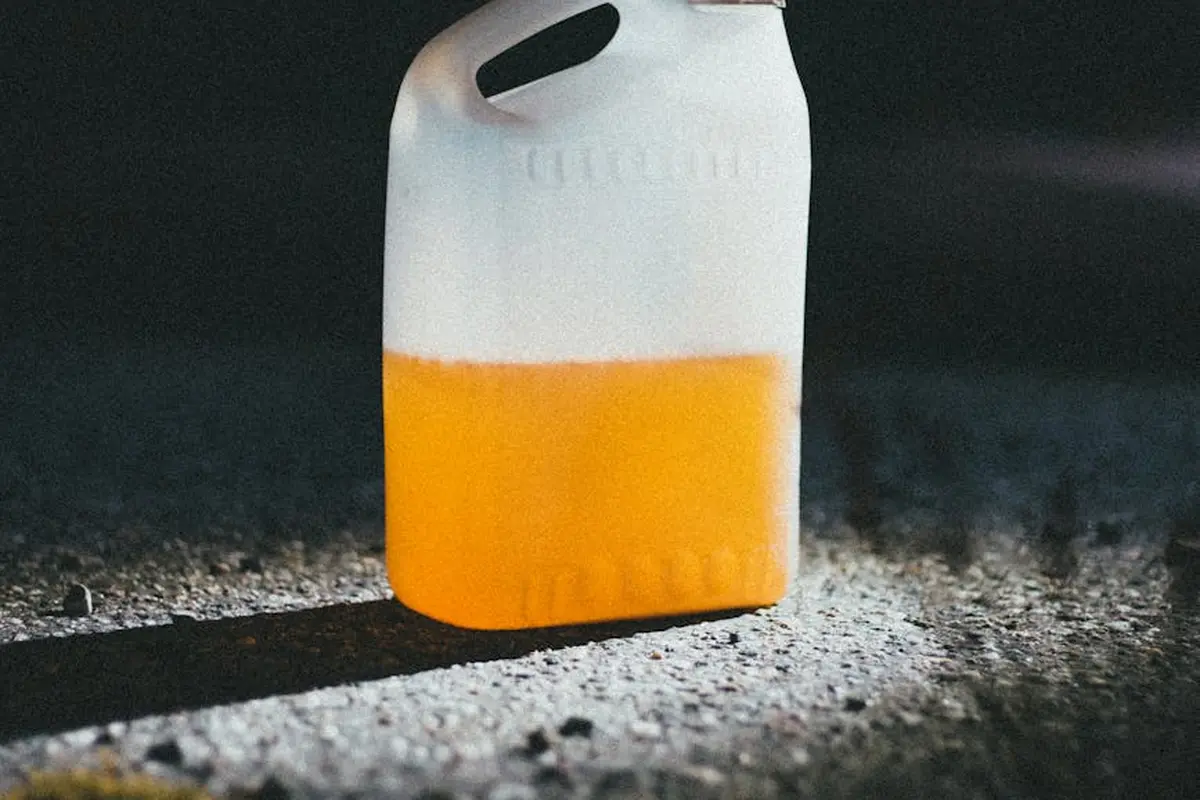
Let’s get to it. Draining gas isn’t hard, but doing it right keeps you safe and your mower happy. First, gather your gear. You’ll need an approved gasoline container, safety glasses, gloves, and a rag. Work in a well-ventilated area, outside is best, and keep any source of flame or spark far away. I learned that lesson the hard way years ago. Knowing the correct type of gas for your mower is also crucial.
Before you choose a method, run the mower dry if you can, or at least let the engine cool completely for an hour. Hot metal and fuel vapors are a dangerous mix. Position your mower on a flat surface. Have your empty fuel can ready and the mower’s fuel cap loosened to prevent a vacuum. For safety, a quick look at lawn mower safety tips can help you prep more confidently.
Method 1: The Simple Siphon (Most Common)
This is how I drain Max’s tank most seasons. You need a clean siphon hose and a pump. Do not, under any circumstance, start the siphon with your mouth. Gasoline is toxic. Use a simple hand squeeze pump from the auto parts store.
- Insert the long end of the siphon tube into the mower’s gas tank. Push it down until it touches the bottom.
- Place the other end into your empty, approved fuel container.
- Follow the instructions on your hand pump. Usually, you squeeze it a few times to create suction.
- You’ll hear a satisfying glugging sound when the flow starts. Let it drain completely.
Once the flow stops, remove the tube, cap your containers tightly, and wipe up any spills immediately.
Method 2: Disconnecting the Fuel Line
This method is a bit more hands-on but perfect if you suspect debris in the tank or need to replace a fuel filter. You’ll see a rubber fuel line running from the gas tank to the engine’s carburetor.
- Locate the fuel line near the carburetor. Pinch it shut with a small clamp or a specialized fuel line pinch tool.
- Place your fuel container underneath. Using pliers, carefully pull the fuel line off the carburetor’s nipple.
- Direct the open end of the line into your container and release the clamp. The gas will flow out.
This gives you direct access to the fuel system, which is ideal if you need to clean a lawn mower fuel tank or swap a clogged filter. Just be ready for gas to come out as soon as you disconnect the line.
How to Clean a Lawn Mower Gas Tank After Draining
Once the tank is empty, take a look inside with a flashlight. You’re looking for dirt, grass clippings, or a gummy, varnish-like coating. If it’s just a few specks, you might be okay. For a real cleaning:
- Add about a cup of fresh, clean gasoline to the empty tank.
- Swish it around vigorously, coating all the interior surfaces.
- Carefully pour this rinse gas into your waste container. You may need to repeat this.
I’ve seen folks ask about using water or cleaners. Don’t. Water causes rust and cleaners can leave residues that harm engine components; fresh fuel is the only safe solvent for this job. If the varnish is really stubborn, you might need to remove the tank for a deeper clean, but that’s a project for another day.
After the Drain: Handling and Options for Old Gas
You have a container of gas. Now what? This is where many folks get stuck. The key is to decide its fate quickly and handle it with respect.
How Do I Handle the Gasoline Once It’s Drained?
Your first move is the most important. Grab a permanent marker and write the date on the container. I use “MM/YY.” Gasoline begins to degrade the moment it leaves the refinery. Next, ensure the spout cap and vent are sealed tight. Move the container to a safe place: a cool, ventilated spot like a detached shed, away from your home’s living areas, water heaters, or any appliances.
Can Old Gasoline Be Mixed With New Gasoline?
Sometimes. Here’s my simple rule. If the old gas is less than a month old, looks clear (not dark or cloudy), and smells like normal gas (not sour), you can mix it. Use a 1:4 ratio-one part old gas to four parts fresh, high-octane gas-in your mower’s tank to safely use it up. Understanding how a lawn mower fuel pump functions helps ensure the mixed fuel is delivered to the engine reliably. This clarity also underscores why clean, properly prepared fuel matters for performance.
If the gas is older, has a varnish-like smell, looks orange or dark, or has separated into layers, it’s bad. Do not try to use it. It will gunk up Max’s carburetor faster than you can say “why won’t my mower start?”
What Are the Proper Disposal Methods for Old Gasoline?
For gas that’s beyond saving, proper disposal is non-negotiable. Pouring it on the ground, down a drain, or into the trash is illegal, harmful to the environment, and dangerous. The only right answer is your local household hazardous waste (HHW) facility.
Finding your HHW drop-off is easy: a quick search on your city or county’s waste management website will give you the location and hours. They take old gas, oil, and other chemicals for safe processing, often for free. It’s the responsible step for any homeowner.
How Can I Store Gasoline Safely if I Plan to Reuse It?
Maybe you drained fuel for winterizing but plan to use it next spring. Proper storage is key. Always use a certified red gasoline container. Store it in that same cool, ventilated, detached location away from direct sunlight. If you added a fuel stabilizer when you first bought the gas, it can last up to a year or two. Without stabilizer, try to use it within 3-6 months.
Even stabilized gas should be labeled with the date and used within a cutting season to ensure your mower runs at its best. Treat stored fuel as a temporary solution, not a long-term plan.
When to Hand It Over: Seeking Professional Help
I love a good DIY project, but there’s a time to put the wrench down. Working with gasoline is serious. If you feel that first twinge of doubt in your gut, listen to it. Calling a professional is a smart move, not a failure. It’s about respecting the risks.
Handling old fuel isn’t like pulling weeds in Patch; it requires specific knowledge and the right setup for safety. A small misstep can lead to spills, fumes, or worse. If your situation looks complex, getting expert help is the responsible choice for you, your family, and your property.
Signs You Should Call a Small Engine Mechanic
How do you know when to make the call? Watch for these clear signals.
- The fuel tank or line is visibly cracked and leaking. This isn’t a simple drain job; it’s a repair. Trying to move a mower with a compromised tank is asking for a spill.
- You’re just not comfortable. Maybe the mower is old and the parts are seized, or the fuel smells particularly foul. Your own comfort level is a valid reason.
- The mower has a history of significant fuel system issues, like a gummed-up carburetor from bad gas. A pro can drain, diagnose, and fix it all in one go.
Just like you’d call an electrician for a tricky wiring job, this is a valid time to call for help. My mower, Max, is reliable, but if his fuel line ever split, I’d have him on the trailer to my local shop in a heartbeat. It’s faster and safer.
What Professional Disposal Services Can Do
Sometimes, the hardest part isn’t getting the gas out, it’s figuring out where it goes next. This is where professional services shine.
Many small engine repair shops will accept your old gasoline for a fee. They have the permits and storage containers to handle it properly. Local household hazardous waste (HHW) collection sites or services do the same. The fee is often worth the peace of mind, especially if you have a large quantity from a forgotten gas can.
For a gallon or two of questionable fuel, paying a small disposal fee is a fantastic trade for knowing it’s gone for good. Always call ahead. Confirm they accept old gasoline, ask about any costs, and check their hours. Policies vary widely from town to town.
Your Burning Gas Questions, Answered
I accidentally mixed some old gas with new. Will my mower be okay?
If it’s a small amount of only slightly old fuel, your mower will likely burn through it without issue. For a tank contaminated with truly bad, varnished gas, your safest bet is to drain it fully and start fresh to protect your carburetor.
Can I store the gas I drain over the winter for spring?
Only if it’s fresh and you add a fuel stabilizer right now. Label the can with the date and store it in a cool, detached shed; plan to use it within the first few mows of spring.
What if I spill just a few drops during the process?
Don’t ignore it-those few drops create flammable vapors. Immediately dab them up with a dedicated rag, then hang the rag outside on a line to air-dry completely away from any ignition source.
Where exactly do I take old gas for disposal?
Your local household hazardous waste (HHW) facility is your destination. Check your county or city’s public works website for the location, hours, and any specific container requirements they have.
Is it worth paying a shop to take my old gasoline?
Absolutely, if it saves you a trip or you’re unsure of the process. For a few bucks, you transfer the risk and ensure professional, legal disposal-a smart trade for peace of mind.
Wrapping Up Your Fuel Season
The biggest win for your mower and your peace of mind is simply running the tank dry each fall. Using fresh gas next spring and properly disposing of the old fuel protects your engine and keeps your lawn care simple. It turns a potential headache into a five-minute seasonal habit. When you take the mower out of storage, a smooth start in spring is the next easy checkpoint. Knowing how to start your mower after storage keeps that routine quick and hassle-free.
Taking care of your tools, like my trusty mower Max, is a core part of responsible home lawn care. Sticking to safe, eco-conscious habits with fuels and chemicals means a healthier yard for everyone, including pets and pollinators, season after season. Being mindful of lawn mowing environmental impact—from blade height to clipping disposal—helps protect soil health and air quality. Small changes in mowing practices can make a big difference for local ecosystems.
Research and Related Sources
- r/homeowners on Reddit: How do I safely drain old gas from a lawnmower?
- Emptying Gas from your Lawn Mower | Shorewood, WI – Official Website
- How to Drain Gas from a Lawn Mower
- How To Drain Gas From A Lawn Mower
Written by Ria Carrington. Ria is an avid lawn care enthusiast and advisor. No lawn is unsalvagable when Ria is at work. She has helped countless homeowners breath new life into their dying lawns. She has a B.Sc in Agriculture and brings practical advice combined with knowledge of plant science and her decade worth of hands on experience.