
What’s the Right Way to Toss Lawn Mower Oil, Batteries, and Parts?
You just changed the oil in your mower and now have a slippery quart of waste staring back from the garage floor. Getting rid of it properly protects your home and saves you from fines.
This guide will walk you through recycling used engine oil, disposing of lead-acid and lithium batteries safely, and handling worn-out metal parts and filters.
I’ve navigated this exact mess after seasons of maintaining Max, my zero-turn, and I can show you the straightforward path.
At a Glance: Your Disposal Game Plan
Let’s cut through the confusion. Before you do anything else, grab your phone or laptop.
The single most important step is to check your city or county’s waste management website for their specific rules.
Every town is different. What my local facility takes, yours might not. A five-minute search saves you a wasted trip. Bookmark that page. With that done, here’s your core action list for the big three items.
For Used Engine Oil & Filters
- Drain the oil completely into a drip pan. Let it drip until it stops.
- Pour the used oil into a clean, sealable container. An empty, original oil jug is perfect.
- Take the sealed container and your used oil filter (drained and in a plastic bag) to a certified collection center. Most auto parts stores take these for free.
For Lawn Mower Batteries
- Disconnect the battery carefully, negative terminal first.
- Never, ever place it in your regular trash or recycling bin.
- Return it to any retailer that sells automotive batteries; they are required by law to take your old one. Big-box home improvement stores also accept them.
For the Mower Itself or Major Parts
- If it’s mostly metal and fully drained of all fluids (oil, gas), your local scrap yard might take it for free or even pay you a few bucks.
- Many communities hold annual “bulk waste” or “household hazardous waste” collection days. This is your best bet for the whole machine.
- Some small engine repair shops will accept old mowers for a disposal fee, saving you the hassle.
Proper prep, like fully draining fluids, isn’t just a suggestion-it’s a safety and recycling requirement that keeps toxins out of our soil and water. I learned this the hard way years ago when a place turned me away for a slick, oily mower. Now, Max gets a full drain and a wipe-down before any trip.
Tools & Materials You’ll Need for the Job
This isn’t a complicated job, but having the right stuff on hand makes it clean and simple. You probably own most of it already.
The Physical Toolkit
- A drip pan or shallow plastic container (to catch the old oil).
- Sealable containers: Empty, clean oil bottles or a dedicated oil change tank.
- Heavy-duty gloves: Nitrile or rubber gloves keep oil and grime off your hands.
- A bundle of old rags or shop towels: For spills and wiping down parts.
- A basic wrench set: Usually just one size to remove the oil drain plug.
- A flat-head screwdriver: Useful for prying off battery terminal covers.
The Information Toolkit
This is just as critical as the wrench.
Have the phone number or website for your local household hazardous waste facility ready before you start. I keep mine in my phone’s contacts under “Waste Disposal.” A quick call can confirm their hours, what they accept, and if there are any fees. It beats loading a trunk full of old mower parts only to find out they’re closed—especially when you’re not sure where to drain and dispose of lawn mower gasoline safely.
Using the right sealed container, like a dedicated oil jug, is about more than just being neat. It prevents leaks and spills in your car trunk on the way to the drop-off. Trust me, the smell of used motor oil does not come out of car carpet easily. A simple step saves you a big headache.
Getting Rid of Oil and Gas: A Step-by-Step Drain and Deliver
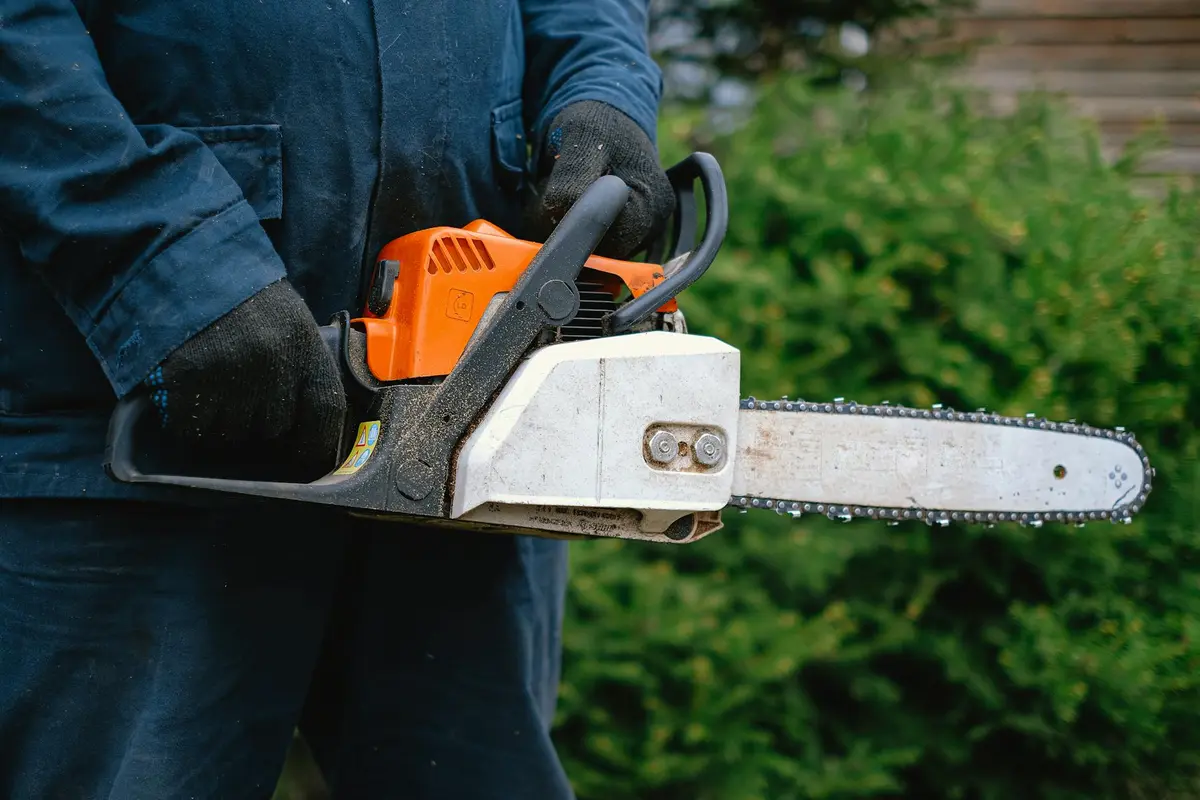
Changing your mower’s oil is simple maintenance. If you own a Craftsman, Toro, or Honda lawn mower, changing the oil is a quick, straightforward job. Disposing of that black, used oil? That’s where many folks hesitate. Let’s get that dirty oil out of your garage and to the right place.
Always start with safety: roll your mower onto a flat patch of concrete or pavement, work where air moves freely, and keep pets and kids inside for this job. You do not want a curious dog sniffing around a drip pan of used oil. For more essential precautions, check out these lawn mower safety tips.
For the most complete drain, I run my mower for five minutes first. A warm engine lets the oil flow out like thin syrup, carrying more suspended grit with it. Think of it like getting the last bit of honey from the jar. Let the engine cool just enough so you won’t burn yourself, then slide your drain pan underneath.
Once the oil is drained, you need to put it in a container for transport. This is the critical step. Use only a container designed for oil, like the empty jug from your new oil, or a dedicated oil caddy. Never, ever use a container that held chemicals like antifreeze, pesticide, or cleaner, even if you rinsed it. It’s like not using the same glass for milk and orange juice-the residues can react and create problems at the recycling facility.
Seal that container tightly. Now, where does it go? This is where a search for “lawn mower disposal near me” often fails. You’re better off searching for “used oil recycling near me.” Almost every auto parts store (AutoZone, O’Reilly, Advance) and many quick-lube shops will take your used oil for free. Your county’s hazardous waste collection site or annual community collection event is also a perfect drop-off. While you’re at it, consider when to change your lawn mower oil. Knowing the recommended oil-change frequency helps keep your mower running smoothly.
Gasoline is a different beast. Never pour it in the trash, down a drain, or on the ground. If you have old gas, your best bet is to use a fuel stabilizer for fresh gas you plan to store, or take it to a hazardous waste facility. Most oil recycling spots will take old gasoline too, but always call ahead to confirm.
What About the Empty Oil Bottles?
You’re left with the plastic bottle. Can you recycle it? Usually, yes, but with a catch.
A simple rule: if you can tip it upside down for two minutes and not a single drop comes out, that plastic bottle is typically safe for your recycling bin. Check your local guidelines first, as rules vary.
If a shiny film of oil coats the inside, you have two choices. For a light residue, you can do the “rinse and recap” method. Put a little fresh oil in the bottle, swish it around to collect the old residue, pour that into your oil collection jug, and then recap the empty bottle for recycling.
If there’s a significant amount of oil left in the bottle, treat the whole bottle as part of your hazardous waste and take it with your used oil.
Battery Disposal: Don’t Just Toss It in the Trash
That heavy lawn mower battery contains lead and acid, and newer models might have lithium-ion. Tossing it in the household trash is a major problem, especially if you replace your old battery with a newer one. In a landfill, the casing can crack, leaking toxic materials into the soil and groundwater.
Pulling the battery is straightforward, but put on a pair of gloves and safety glasses first. You’re protecting yourself from any acid residue and ensuring a good grip. Always disconnect the negative (black, -) terminal first, then the positive (red, +). This prevents any chance of a short circuit. Lift the battery out carefully; it’s heavier than it looks.
You have more drop-off options than you might think. Nearly every place that takes used oil also accepts old lead-acid batteries. This includes auto parts stores and hazardous waste sites. Big-box retailers like Home Depot, Lowe’s, and Walmart almost always have battery recycling bins right inside the entrance.
Here’s a nice bonus: many of these retailers, especially auto parts stores, will give you a small credit (often $5-$10) toward the purchase of a new battery when you bring your old one in. It’s a win for your wallet and the patch of earth under your feet.
When the Whole Mower Gives Up: From Repair to Recycling
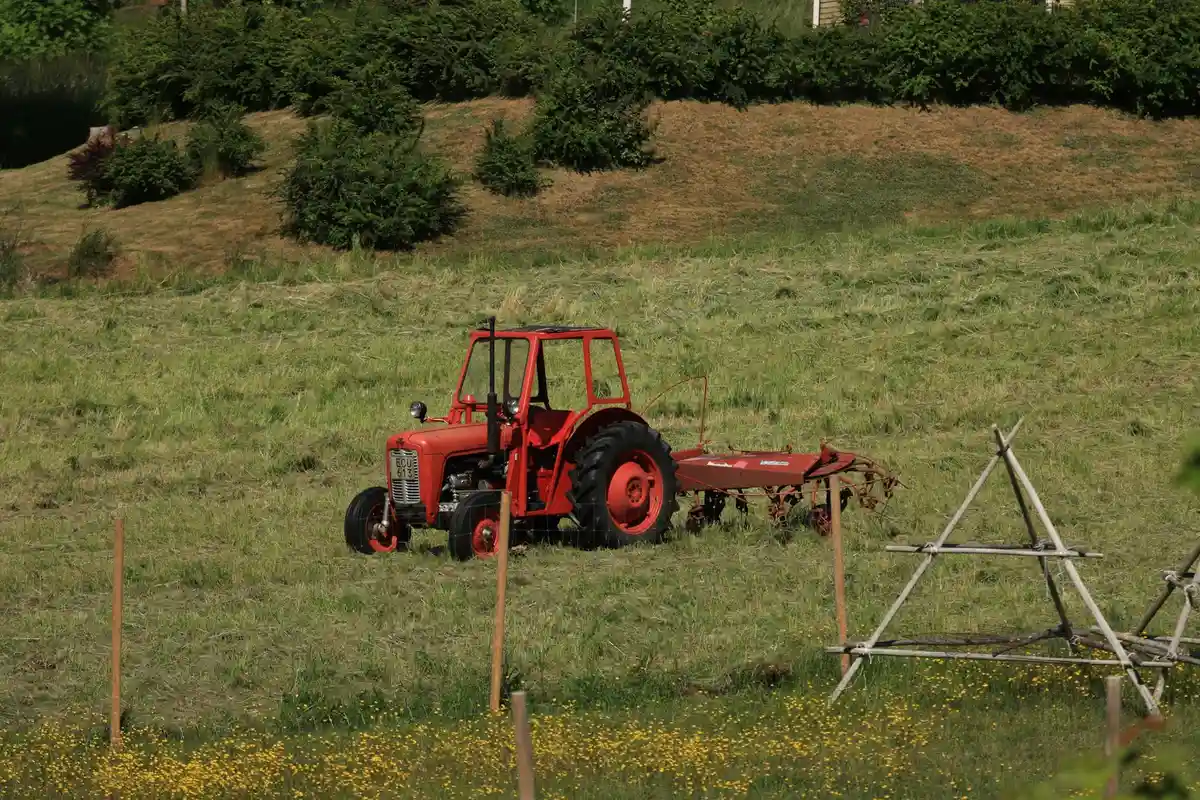
Every mower has a final season. My old friend Max taught me this. One year, the repairs just kept adding up. Knowing when to call it quits is about simple math and a little honesty. Sometimes, no amount of basic maintenance will bring it back.
A good rule is if the repair quote is half or more the price of a comparable new mower, it’s usually time to retire it. Think about age, too. A 15-year-old mower needing a new engine isn’t the same investment as a 5-year-old one needing a new carburetor.
The Right Way to Say Goodbye: A Disposal Checklist
Once you decide to move on, follow this order. It saves money and keeps useful stuff out of the dump.
- Repair: Can a local shop fix it cheaply for a second life as a backup or a donation?
- Donate or Sell: Non-profits like Habitat for Humanity ReStore or a vocational school might want it. List it “for parts” online for a few bucks.
- Recycle: This is the best final stop for the metal frame and engine block.
- Landfill: The last resort. Many places won’t even take it in regular trash.
Before you do step 2, 3, or 4, you have non-negotiable prep work. You must remove all fluids (oil, gas) and the battery. No scrapyard, trash service, or new owner wants that hazard.
Your exact next step depends on where you live, and the answer is a quick search away. Open your browser and search for “scrap metal recycling [Your City]” or “[Your City] large appliance pickup.” Many county waste services have specific “yard waste” or “metal goods” pickup days. This is how you find the rules for Raleigh, King County, or your own town.
How Much Will This Cost Me?
Let’s talk numbers so there are no surprises. The cost spectrum is wide.
Getting rid of the fluids is almost always free. Most auto parts stores and many big-box retailers will take used motor oil and old batteries at no charge.
Recycling the metal mower body might have a small fee, sometimes $10 to $20, if you drop it off. Some scrap yards will take it for free if it’s clean (no fluids!). If you’re disposing or recycling an old lawn mower, this quick guide points you to practical drop-off options. In the next steps, you’ll see simple prep tips to get it ready for recycling.
The most expensive route is usually municipal bulk trash pickup. They may charge a flat fee of $50 or more for a large appliance. This is why recycling or donation feels better for your wallet and your conscience.
Selling the mower for parts or donating the frame can turn a cost into a credit, or at least the good feeling of helping someone else. A set of good wheels or a salvageable engine shroud has value to a tinkerer.
What to Do with Old Blades, Wheels, and Other Parts
Maybe you’re just replacing a part, not the whole machine. Those old pieces need a proper home, too. Don’t just toss them in the can.
Sort them by material:
- Metal (Blades, Deck Panels, Axles): Take these to the same scrap metal recycler. It’s pure, clean steel. Some places pay a tiny amount by weight for it.
- Plastic (Discharge Chutes, Body Covers): This is tricky. Check your local recycling guidelines. Most curbside programs don’t take this type of hard plastic. If it’s in good shape, offer it online for free to someone who needs to fix their mower.
Before you recycle, think about a second act. An old, cleaned mower blade makes a surprisingly sturdy garden scraper for weeding or edging. A set of wheels can be the start of a homemade cart or dolly for heavy pots. It’s fun to think about the history of lawn mowers and realize that even parts of old ones can find new life in the garden.
Never, ever put a metal mower blade in your regular household trash. It’s a severe safety hazard for sanitation workers. The blade can cut through bags and cause serious injury when compacted.
One more smart option: call a local small-engine repair shop. They sometimes keep a bin of old parts for salvaging bolts, springs, or linkages. It never hurts to ask.
Finding Local Help: Your City is Your Best Resource
Getting rid of this stuff isn’t like picking a grass seed. What works perfectly for your cousin in Florida will be totally wrong for your neighbor in Oregon. The rules change from town to town, county to county, and state to state.
Think of it like your lawn. You wouldn’t treat my cool-season fescue the same as a warm-season Zoysia. You need the local playbook.
Your absolute best first step is to call your local public works department or solid waste facility. A two-minute phone call saves a wasted trip.
When you call, have this simple script ready: “Hi, I’m a resident. Do you accept used lawn mower engine oil and old lead-acid batteries for recycling? Is there a fee, and what are your drop-off hours?”
This covers the core items. If they say yes, ask if they take the old mower body as scrap metal too. Write down the answers.
Many communities host special collection days, often in spring and fall. They’re perfect for clearing out the garage. I set a calendar reminder for “Spring HHW Event” so I never miss it.
If you’re searching online, get specific. Typing “lawn mower oil disposal” will give you generic advice. You need the local answer.
Open a search engine and type exactly this: “household hazardous waste disposal [Your City Name]”. Swap in “Chesapeake VA,” “Berkeley CA,” or wherever you live. This phrase targets official city and county program pages, giving you the right rules, locations, and event schedules for your home.
When to Call in a Professional
Sometimes, the smartest move is to hand it off. This isn’t a failure. It’s a practical choice for safety and your Saturday.
Call a pro if any of these sound familiar:
- The thought of draining oily fluids makes you nervous.
- You have a gas can full of old, stale fuel from last season (or several seasons ago).
- The mower is a heavy, riding model you can’t safely load into a truck.
- You just want it gone, responsibly, with zero hassle on your end.
Your local lawn mower sales and repair shop is a great place to start. Many will take your old machine for a small fee. They drain the fluids properly, harvest usable parts, and send the rest to the right recyclers.
I’ve done this myself. When I upgraded my old push mower, the shop charged me less than a fancy coffee to take it off my hands. I saved an hour of my time and knew it was handled right.
Paying a small fee for professional disposal is a win for your safety, your schedule, and the environment. It keeps nasty chemicals out of our soil and water, which is something my bees and the local wildlife definitely appreciate.
Your Local Lawn Mower Disposal Questions, Answered
1. Where can I find lawn mower disposal near me?
Skip the generic search and go straight to the source: your city or county’s “Household Hazardous Waste” program website. That’s your official playbook for drop-off locations, fees, and free recycling events right in your community.
2. What’s the deal with lawn mower disposal in King County?
King County has a fantastic system-use their “Wastemobile” traveling drop-off service or their permanent facilities for oil and batteries. For the whole mower, their “Take It Back Network” connects you to local shops that will handle it, often for a small fee.
3. How do I get rid of an old mower in Raleigh, NC?
Raleigh residents, use your “Yard Waste” curbside collection for the metal body (once fluids and battery are removed). For the oil and battery, your go-to is the Wake County Multi-Material Recycling Facility-it’s a one-stop, responsible drop.
4. Can I put mower tires out with bulk trash in places like Sydney or Manchester, NH?
Almost never. Tires are a separate recycling stream. In Sydney, check with the NSW EPA’s “Recycle Near You” tool, and in Manchester, call the city’s transfer station-you’ll likely need to drop them at a dedicated tire retailer or recycler.
5. Is disposal different for Orange County, CA versus the city of Orange?
The rules are typically county-wide. Your first click should be OC Waste & Recycling’s “Household Hazardous Waste” page-they list all accepted items and the free, appointment-only drop-off centers that serve both the county and the city of Orange perfectly.
Wrapping Up Your Lawn Mower Maintenance

The most important thing you can do is always recycle oil and batteries at designated drop-offs. This single action prevents pollution and keeps your lawn’s environment healthy for years of growth. More broadly, how you care for your lawn—mowing height, irrigation, and chemical use—impacts the environment around it. Mindful lawn maintenance protects soil health and local waterways, complementing recycling efforts.
Taking care of your tools responsibly shows true ownership of your green space. I keep learning with Max and Sunny, and it makes my yard a safer, thicker place for all.
Expert Resources and Citations
- Lawnmower and Landscaping Equipment Disposal | Junk Removal Services
- Lawn Mowers and Outdoor Power Equipment | Recycle Spot
- Lawn Mowers – San Jose Recycles
- How to dispose of or recycle Lawn Mower, Generator …
- How to dispose of or recycle Lawn Mower
- How to dispose of or recycle Lawn mower (Self-propelled, …
Written by Ria Carrington. Ria is an avid lawn care enthusiast and advisor. No lawn is unsalvagable when Ria is at work. She has helped countless homeowners breath new life into their dying lawns. She has a B.Sc in Agriculture and brings practical advice combined with knowledge of plant science and her decade worth of hands on experience.