
Are Smart Irrigation Controllers Worth Your Money?
You might be looking at that old timer on your wall and wondering if a fancy new smart controller is just a gimmick or a genuine game-changer for your lawn and your wallet.
I will walk you through the practical details, covering exactly how they save water, the true cost versus savings math, how easy they are to set up, and what it really means for your weekend routine.
After dialing in my own system for years, I can tell you what these gadgets do well and where they often fall short.
At a Glance: Key Factors to Weigh
Think of this like a weekend project for your wallet and your grass. The question isn’t just “Does it save water?” It’s “Does saving water save you enough money and hassle to matter?” Let’s break it down.
The price tag is the first thing you see. A good smart controller can cost from $150 to over $300, plus maybe an hour or two of your Saturday. That’s not nothing. The payoff comes from how it trims your water bill by watering only when your lawn actually needs it, which can easily save you 20-30% over a season of guesswork. In a few years, it often pays for itself.
Then there’s the convenience. I can’t tell you how many times I’ve been at work, seen a thunderstorm roll in on the weather app, and shut off Sunny (my drip system) from my phone before it wastes a drop. Managing your lawn’s thirst from your couch or your office is a game-changer for busy lives. No more running outside in the rain to twist a dial.
Using less water is just the right thing to do. A healthy lawn doesn’t need to be a water hog. A smart controller helps you be a good neighbor to your community’s water supply, which is especially valuable during dry spells or in areas with watering restrictions or schedules. It’s a simple way to care for your patch and the bigger picture.
So, is it worth it? It completely depends on your yard. If you have a small, simple lawn with one zone, the math might not add up quickly. But if you’re like me with multiple zones, tricky sun-and-shade spots (I’m looking at you, Patch), and a water bill that spikes every summer, the investment makes all the sense in the world. Your local water cost is the final piece of the puzzle-higher rates mean faster savings.
Tools & Parts You Might Need for Installation
Good news: swapping an old “dumb” timer for a smart one is usually one of the easier DIY jobs. You’re mostly just connecting colored wires to matching terminals. Here’s what you’ll want on hand before you start.
Gather your basic tools first. You’ll need a simple Phillips-head screwdriver, a pair of wire strippers (or a sharp knife used very carefully), and your smartphone for the app setup. That’s the core kit.
Your new controller might come with everything, but be ready for a quick hardware store trip. Some systems need a separate Wi-Fi bridge or module. It’s smart to have a fresh bag of wire nuts and some spare low-voltage wire. Having a few new wire nuts on hand prevents the frustration of reusing a brittle, old one that won’t grip. Check if the mounting bracket matches your old one’s holes.
One thing people forget: power. Most controllers plug into a standard 120V outlet. If your current box is hardwired or your outdoor outlet is far away, you might need to plan for a simple outdoor GFCI outlet installation first. This is the step that can turn a 1-hour job into a 3-hour one.
My best tip? Dig out the manual for your old controller. Even if it’s from 1999. The wiring diagram in your old manual is a lifesaver for identifying what each colored wire controls, saving you from trial and error at the main valve box. If the manual is long gone, take a clear photo of how the wires are connected before you disconnect a single one. Trust me on this.
What Exactly Is a Smart Irrigation Controller?
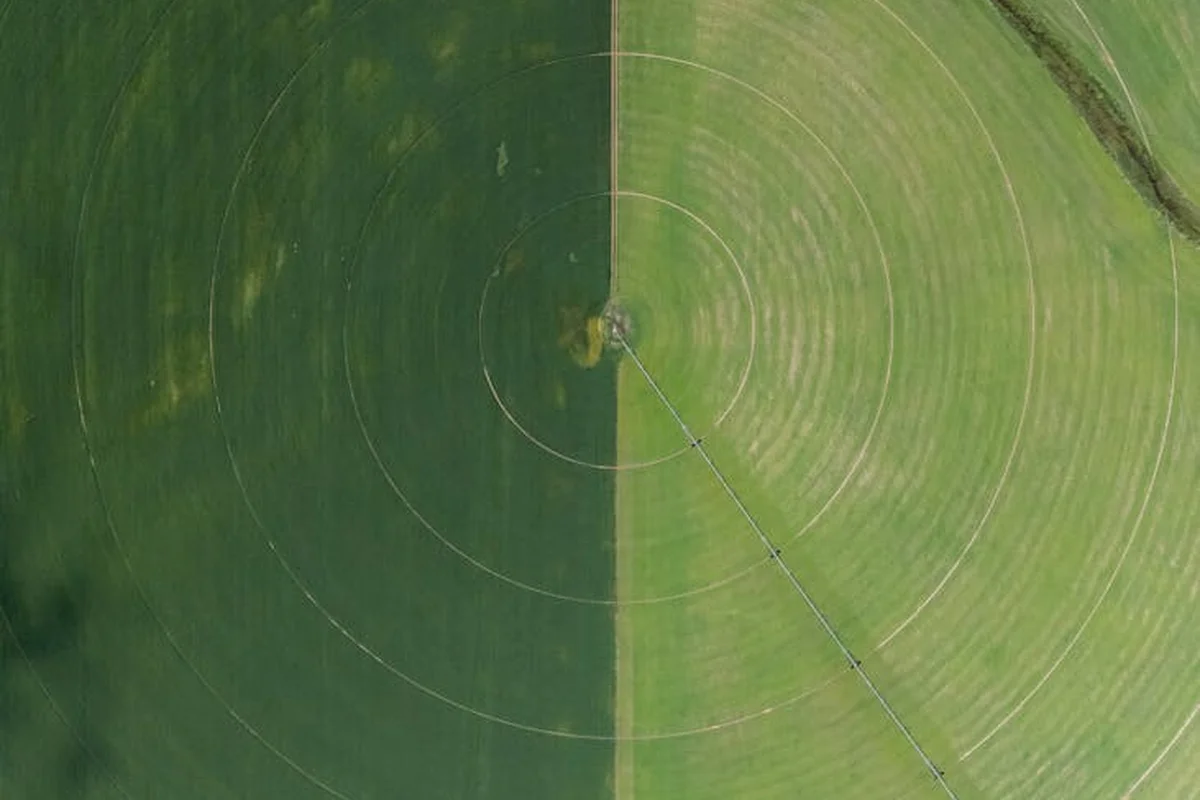
Think of a smart controller as a brain for your sprinkler system. It’s the little box on your wall, but instead of confusing dials you set once and forget, it connects to your home Wi-Fi. You control it from an app on your phone.
The best comparison is a programmable thermostat for your lawn. You tell it your grass type and basic schedule, and then it takes over. Its main job is to talk to local weather stations. It uses real-time data on rain, temperature, humidity, and wind to adjust your watering automatically.
It replaces the old plastic box you probably have to manually adjust every time the season changes. That box runs on a timer, rain or shine. The smart box runs on logic.
The Real Benefits: More Than Just Fancy Tech
Let’s get past the cool factor. The real value is in what this tech does for your lawn, your wallet, and your time.
The killer feature is the automatic weather skip. Last Tuesday, a thunderstorm rolled through 20 minutes before my sprinklers were set to run. My old controller would have dumped an inch of water on already soaked grass. The smart controller saw the rain coming, checked how much fell, and simply shut off for the day. It’s like having a neighbor who turns your system off every time it rains.
A precise system that reacts to the weather means it almost never overwaters, and that’s where the real savings start. You’re not paying to water the sidewalk or send excess runoff into the storm drain.
That translates directly to a lower water bill. Over a full season, I’ve seen my summer water usage drop by a noticeable chunk. It’s not a tiny change; it’s money you can feel.
The convenience is a huge bonus. Spot a broken sprinkler head from your kitchen window? You can open the app and turn that single zone off in ten seconds, without walking out to the garage. Going on vacation and a heatwave hits? You can bump up the watering for a week right from your phone.
Healthier grass comes from consistent, appropriate moisture, not from drowning it every three days regardless of need. Overwatering is a fast track to fungus and weak roots. My lawn feels thicker and more resilient now because the water it gets is what it actually needs—it’s all about proper watering.
Do Smart Irrigation Controllers Really Save Money?
This is the big question. The short answer is yes, but your mileage will vary.
Here’s a simple way to think about it. Let’s say your average summer water bill is $150. With a smart controller dialing things in, a realistic savings estimate might be 20-30%. That’s $30 to $45 back in your pocket each month during the peak season.
You can figure out the payback period with a straightforward formula.
Take the controller’s cost and divide it by your estimated monthly savings. That tells you how many months it takes to pay for itself.
Here’s an example with round numbers. A good mid-range controller costs about $200. If it saves you $15 a month on your combined water and sewer bill (a conservative figure for many), you’d calculate: $200 ÷ $15 = about 13 months. It pays for itself in just over a year. After that, the savings are pure profit.
Your results will depend entirely on three things: your local climate, the size and complexity of your yard, and how expensive water is in your area. If you have a large lawn in a dry climate with high water rates, the savings-and the payback-will be much faster. To tailor this further, use a lawn watering run time calculator to estimate exact irrigation durations for your yard. It translates climate, yard size, and sprinkler flow into practical run times.
How to Choose the Right Smart Controller for Your Yard
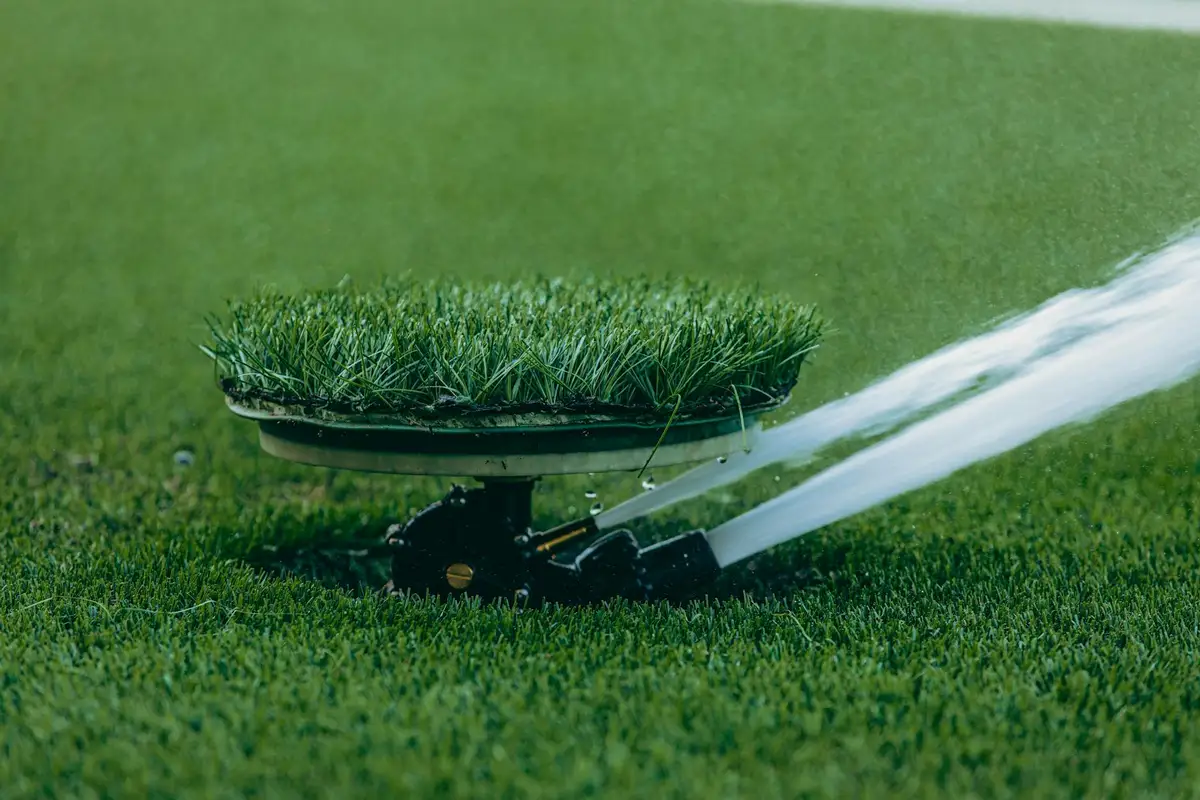
Picking the right controller feels more personal than you might think. It’s not just a gadget. It’s your watering partner. You need one that fits your lawn’s specific needs and your own habits.
Before you get dazzled by features, check two practical things. First, count the wires coming from your old controller to know your zone count. The new one must handle at least that many. Second, check the Wi-Fi signal where the controller lives. I lost a Saturday to this. My garage, where Max lives, has a weak spot. Test with your phone. A weak signal means a controller that drops offline, which defeats the whole purpose.
Weather Data or Manual Control: Which Matters More?
This is the big choice. A controller with local weather data integration automatically skips watering if it rained or gets too cold. It’s like hiring a tiny, hyper-local meteorologist for your sprinklers. For most people, this is the main reason to upgrade. It saves water and prevents overwatering, which is great for the lawn and the pollinators that visit it. It also pairs well with a seasonal lawn watering schedule to adapt irrigation as the seasons change. That way you optimize water use year-round.
Simple manual app control just lets you turn zones on from your couch. It’s convenient, but you’re still the brains of the operation. Here’s my take:
Think of my drip system, Sunny. It waters my garden beds. A weather-based controller made it truly efficient, because I kept forgetting to adjust it for rain.
Zoning is Your Secret Weapon
Every yard has a Patch. A dry, sunny slope and a damp, shady corner need different amounts of water. A good smart controller lets you customize the schedule for each zone independently. This zoning capability is what turns a blanket watering policy into a precision tool for a healthier lawn. Different zones need different care. Don’t settle for a controller that only changes the schedule for the whole system. Your shady area will drown and your sunny spot will thirst.
The Game-Changing Add-Ons
For the ultimate in precision, look at controllers that work with add-on soil moisture sensors. These probes go in the ground and tell the controller, “The soil is still damp, hold off.” It’s the closest thing to watering by instinct. If you struggle with soggy spots or hard-to-judge clay soil, this add-on is worth every penny.
Finally, advocate for the app. You’ll use it every week. Download the app for any controller you’re considering and check its reviews. Look for complaints about bugs or constant disconnection. A simple, reliable app you actually open is better than a feature-packed one that frustrates you into ignoring it.
Required Materials for a Smart Controller System
Getting started is simple. You likely have most of what you need already.
- The smart controller unit itself.
- A stable Wi-Fi network that reaches your controller. (A Wi-Fi extender can fix a weak signal).
- Optional: A soil moisture sensor. For pinpoint accuracy and major water savings.
- Optional: A physical rain/freeze sensor. A good backup if you don’t fully trust the weather data service.
Installing Your Smart Controller: A DIY Reality Check

I’ll be honest with you. The physical install is often the easy part. If you can match colored wires, you can probably do this. The mental hurdle is bigger than the technical one.
Always, always shut off the power to your old irrigation controller at the circuit breaker before you touch a single wire. This is non-negotiable for safety. Once the power is off, the basic dance goes like this:
- Take a picture of the old wire connections.
- Label each wire with the zone number using masking tape (Zone 1, Zone 2, etc.).
- Disconnect the old controller and unmount it.
- Mount the new controller base.
- Connect each labeled wire to the corresponding terminal on the new unit.
- Connect the power wires, usually marked “C” (common) and “VAC” (power).
- Turn the breaker back on and power up the unit.
The hardest part for most folks isn’t the wiring. It’s the app setup and connecting the controller to your home Wi-Fi. Be patient. Have your Wi-Fi password ready. Follow the app’s instructions exactly. That moment when all the zones show “Online” is pure relief.
When should you call a pro? If you open the old box and see corroded, frayed, or a tangled bird’s nest of unlabeled wires, it’s okay to tap out. If the thought of a circuit breaker gives you anxiety, hire an irrigation technician. They can handle the install in under an hour. Your goal is a working system, not a hero certificate.
Common Problems and How to Solve Them
Even the best gadget can have a hiccup. I’ve had my share of frustrating afternoons troubleshooting Sunny, my drip irrigation setup. Here’s how to handle the most common smart controller headaches.
Wi-Fi Dropout
Your controller is in the garage, and your router is in the living room. That signal has to fight through walls. If your controller keeps going offline, the connection is the likely culprit.
- Try a Wi-Fi extender. Plug one in halfway between your router and controller to boost the signal.
- For a permanent fix, look for a controller with a strong internal radio. Some are just better at holding a connection than others.
A stable connection is the foundation of a smart system, so invest in your home network if needed.
App Glitches
Sometimes the app freezes or won’t connect. Before you get frustrated, do the simple reset. Turn the controller’s power off at the wall for 30 seconds, then turn it back on. Close the app on your phone completely and reopen it. This fixes 90% of issues.
The classic “turn it off and on again” works just as well for smart sprinklers as it does for your home computer.
Incorrect Watering After Setup
You set a 15-minute zone, but the area is either soaked or still dry. The controller is smart, but it doesn’t know your soil. You need to calibrate it.
Use the “tuna can test.” Place empty tuna cans around a zone. Run that zone for 15 minutes. Measure how much water is in each can. If you want half an inch of water and the cans collected a quarter inch, you know to double your runtime to 30 minutes.
Calibrating runtime minutes for each unique zone is the single most important step for accurate watering.
Power Surges
A lightning strike nearby or a grid fluctuation can zap your controller’s delicate electronics. Protection is cheap and easy.
Plug your controller into a simple, inexpensive surge protector power strip. It’s a small box that can save you from a costly replacement.
Freezing Temperatures
A smart controller doesn’t change the rules of winter. Pipes can still freeze and burst. You must winterize your system.
This means blowing out the irrigation lines with an air compressor to remove all water. Do this even if your smart controller has a “freeze protect” mode. That mode only stops watering; it doesn’t empty the pipes.
Always manually winterize your physical irrigation system; the smart controller only manages the schedule, not the physics of freezing water.
A Look at Recommended Product Types
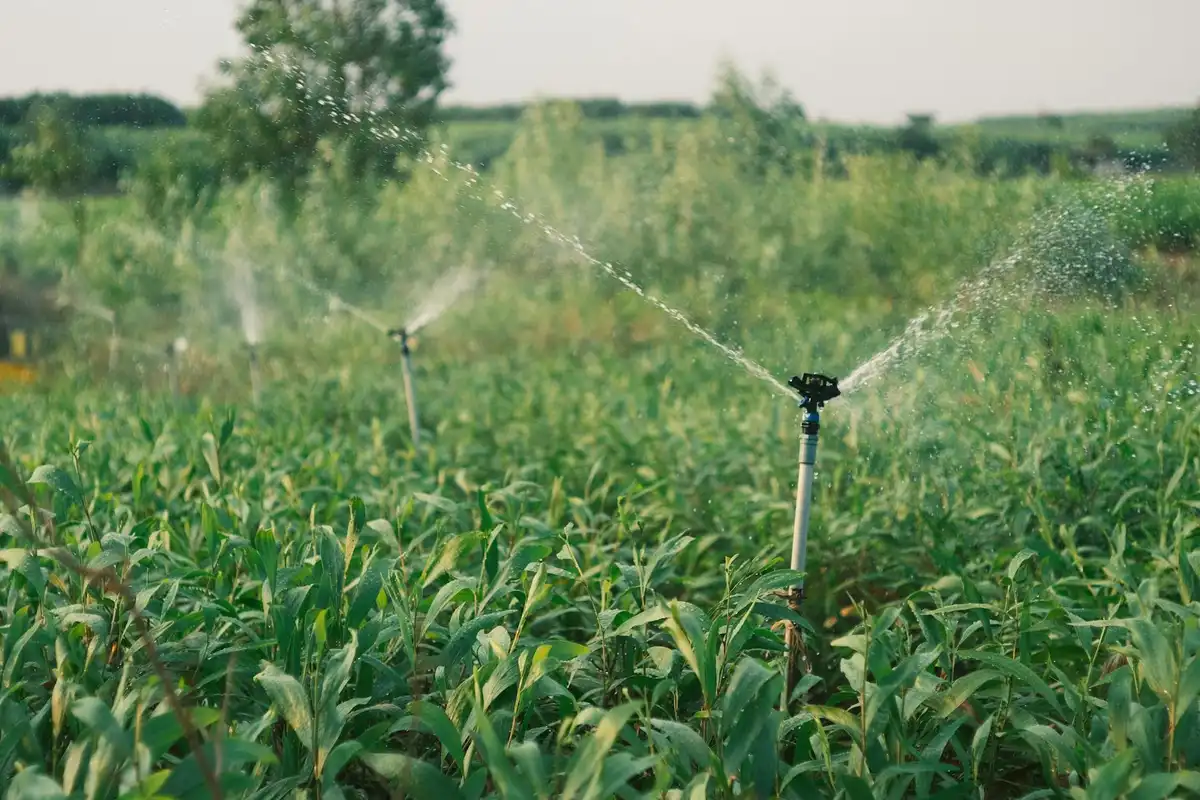
Not all smart controllers are the same. Think of them in three categories, from simple helpers to nearly autonomous systems. Your choice depends on how much you want to think about watering, especially when deciding between manual watering versus automated timers.
Basic Wi-Fi Replacements
These are straightforward. They replace your old dial timer with a box you control from your phone. You still set the schedule (Monday, Wednesday, Friday at 6 AM), but you can change it from the couch or while you’re on vacation.
This category is perfect if you just want remote control and basic scheduling without complexity.
Many brands offer a model like this. They’re a great first step into smart watering.
Weather-Intelligent Controllers
This is where the “smart” label really starts to fit. These controllers connect to hyperlocal weather forecast data. If it’s going to rain an inch tomorrow, the controller will skip the next scheduled cycle automatically.
They adjust for temperature and evaporation rates too. Brands like Rachio and RainMachine are leaders here. I appreciate this tech because it reacts to the weather in a way my old timer never could.
These controllers save water and guesswork by automatically adjusting your schedule to real-time weather conditions.
Sensor-Driven Systems
This is the top tier of automation. These systems use actual soil moisture sensors buried in your lawn. The controller waters only when the sensor says the soil is dry a few inches down, regardless of the weather forecast.
It’s the closest thing to a “set it and forget it” system. It’s ideal for areas with odd microclimates or soil types. Patch, my stubborn shady corner, would benefit from its own sensor.
For the ultimate in precision, a sensor-driven system bypasses forecasts and waters based solely on actual soil conditions.
Matching a Controller to Your Lawn
So, which one is right for you? Ask yourself two questions:
- How much do I want to automate? (Set a schedule vs. never think about it)
- What is my budget?
A Basic Wi-Fi model saves you trips to the timer. A Weather-Intelligent model saves you water and time. A Sensor-Driven system saves the most water and offers the most precision. Start with the level of help you truly need.
Making Your Decision: Is It Worth It For You?
There’s no single right answer here. It depends entirely on your yard, your lifestyle, and your wallet. Let’s break it down into two clear camps.
The Case for “Yes, Get One”
If you fit this profile, a smart controller will likely feel like a revelation, not just an upgrade.
- You have a large or complex yard. Watering multiple zones with different sun exposure and plant types manually is a part-time job. A smart controller manages that complexity for you.
- Your water bill makes you wince. In areas with tiered water rates or just high costs, the precise watering and automatic rain skips can pay for the unit in a season or two. My friend in Arizona saw his summer water use drop by a third.
- You travel frequently or have an irregular schedule. Whether it’s for work or vacation, you can’t be there to turn the dial. The peace of mind knowing your lawn and garden beds won’t fry while you’re away is worth the price.
- You’re forgetful (like me sometimes). Did I water Tuesday? Or was that Wednesday? Automating the schedule means your grass gets what it needs, when it needs it, every single time.
For these homeowners, the investment is less about gadgetry and more about solving real, recurring headaches.
The Case for “Maybe Not Right Now”
A smart controller is a tool, not a magic wand. For some, it might be overkill.
- You have a very small, simple lawn. If you have one sprinkler zone covering a postage-stamp yard, the benefits of hyper-scheduling are minimal. A basic timer might do just fine.
- Water is cheap where you live. If your monthly irrigation cost is already low, the financial payback will take many, many years. The convenience factor would have to be your main driver.
- You truly enjoy the ritual of manual control. Some folks like walking the yard, feeling the soil, and turning the valve themselves. If that’s you and you’re always home to do it, a smart controller might even feel like it’s taking away a small pleasure.
It’s Not Just About the Money
We often get hung up on calculating the payback period. Think of the value in two other ways: convenience and conservation.
You’re paying to never have another 3 a.m. panic about whether you remembered to adjust the timer before a heatwave. You’re buying back your weekends. For me, that’s worth a lot.
On the conservation side, it feels good. Using just the water your plants need and not a drop more is a responsible practice, good for your wallet and the local environment. My setup, Sunny, has saved thousands of gallons by simply skipping cycles after a good rain, something my old “dumb” timer would have blithely ignored.
Your Final Test
Here’s my suggestion. Think back to your last “oops” watering moment. Was it a forgotten sprinkler running all night? A baked flower bed because you were on vacation? The guilt of running the system in a downpour because you weren’t home to turn it off? That kind of oops moment often signals irrigation system problems troubleshooting. In the next steps, we’ll walk through diagnosing leaks, timing, and pressure issues to get things back on track.
If you can vividly recall that frustration, that’s your brain telling you the investment in a smarter system is probably justified. It’s about preventing that mistake from ever happening again. For the rest of us just trying to keep our grass green and our lives simple, that’s the smartest upgrade of all.
Smart Irrigation Controllers: Your Questions, My Straight Answers
1. Is the setup process a weekend-eating nightmare?
Not even close. If you can plug in a router and match colored wires, you can handle it. The hardest part is just downloading the app and typing in your Wi-Fi password.
2. I’m not tech-savvy. Will I actually use the smart features?
Absolutely. You don’t need to be a programmer; you just tap your phone to turn things on or off. The real magic happens automatically when it skips watering because it knows it rained.
3. My yard has a mix of sun, shade, and slopes. Can one controller handle that?
That’s exactly what it’s for. You set a unique watering schedule for each zone, so your greedy, sun-baked grass gets a deep drink while your shady ferns aren’t drowned.
4. How do I know it’s actually working and saving me money?
Check your water bill history in the app-most show your usage. You’ll see the dips after rainy weeks. A lower bill and a thicker lawn are the only proof you need.
5. What’s the one thing that most often goes wrong?
A weak Wi-Fi signal to your controller box. Test your phone’s signal there first; if it’s spotty, grab a simple extender. A stable connection is the root of the whole system.
Making Smart Watering Work for You
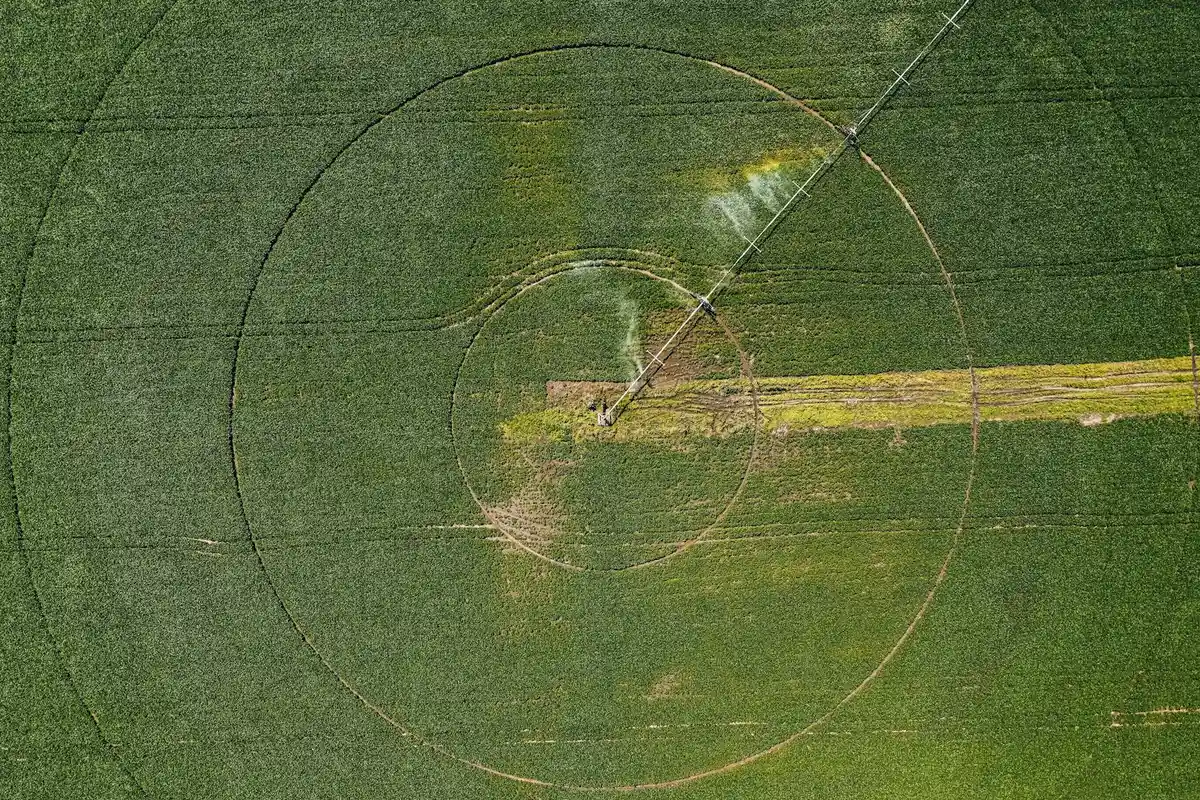
Set your smart controller with accurate local weather data and trust it to adjust watering automatically. You will use less water and grow a thicker, more drought-tolerant lawn without the weekend guesswork. That aligns with drought-conservation goals by cutting irrigation during dry spells. It also tees up practical tips for watering during drought conditions in the next steps.
Using water wisely supports local bees and butterflies and keeps your yard safer for pets. I still walk the yard to feel the soil moisture, a simple habit that reminds me the best tools work with a homeowner’s attentive care.
Citations and Authoritative Sources
- The 3 Best Smart Sprinkler Timers of 2026 | Reviews by Wirecutter
- WiFi & Smart Sprinkler Controllers | Sprinkler Warehouse
- Best Smart Sprinkler Controllers, Lab-Tested and Reviewed via @ConsumerReports
- Smart Irrigation Technology: Controllers and Sensors | Oklahoma State University
Written by Ria Carrington. Ria is an avid lawn care enthusiast and advisor. No lawn is unsalvagable when Ria is at work. She has helped countless homeowners breath new life into their dying lawns. She has a B.Sc in Agriculture and brings practical advice combined with knowledge of plant science and her decade worth of hands on experience.