
What Does Lime Do for Your Lawn? The Homeowner’s Straight Answer
You’ve probably heard that lime is good for grass, but you’re right to wonder if your lawn actually needs it before you spend the money or time spreading it.
We will cover what lime really does to your soil, how to know if you need it, the different types you can buy, and my method for applying it without a fuss.
I’ve been balancing the soil in my own yards for years, learning what works through trial and error (and a few stubborn patches).
At a Glance: Key Takeaways on Lime
Think of lime as a long-term adjustment for your soil, not a fast-acting spray. Here’s what you need to know right away.
- Lime fixes soil acidity. It’s a soil amendment that raises a low pH level, making the ground less sour.
- It is not a quick fix. You apply it, wait for rain or irrigation to water it in, and let soil biology work over months.
- Too much lime is harmful. Over-application can swing your soil too alkaline, locking nutrients away just as badly as acidity did.
- Always test your soil first. Applying lime without a test is like taking medicine for a sickness you might not have.
- It’s safe for pets and pollinators when used as directed. Once watered in and settled, standard pelletized lime poses no risk to your furry friends or beneficial insects.
What Lawn Lime Actually Does (And Doesn’t Do)
Let’s get straight to the point. Lime is not magic dust. It has one primary job, and understanding that job explains everything.
Soil pH: The Sourness Scale
Imagine your soil has a little scale inside it, from 0 to 14. This is the pH scale. A pH of 7 is neutral, like pure water. Most grass thrives in soil that’s slightly acidic to neutral, between 6.0 and 7.0. When the pH drops below 6.0, the soil becomes acidic or “sour.” I’ve felt this in Patch, my stubborn shady corner the soil there always feels a bit different, a little less welcoming to grass roots.
Acidic soil acts like a locked pantry, trapping nutrients so your grass roots simply can’t reach them, no matter how much fertilizer you add.
How Lime Works: Unlocking the Pantry
Lime, which is usually made from crushed limestone (calcium carbonate), is alkaline. When you spread it on acidic soil, a slow chemical reaction happens. The lime neutralizes the acidity, gently raising the pH back toward the ideal range.
Think of it like adding a pinch of baking soda to a too-tart lemonade. You’re balancing the flavor. As the pH improves, the “lock” on the nutrient pantry opens. Nitrogen, phosphorus, and potassium that were stuck in the soil become soluble and available for your grass to drink up through its roots. Your lawn finally gets the meal you’ve been trying to serve.
Does Lime Help Grass Grow?
Yes, but not directly. It doesn’t contain the primary nutrients that fuel green, top-growth like a fertilizer does. Lime helps grass grow by fixing the soil condition that was preventing growth in the first place, allowing your grass to finally use the food and water already available. You’ll see results as thicker turf, better color, and improved resilience.
Does Lime Kill Lawn Moss?
Not directly. Moss loves compacted, acidic, thin soil in shady areas. Lime addresses one of those conditions: the acidity. By raising the pH and helping your grass thicken up, you change the environment. The healthier grass can now outcompete the moss for space and light. So while lime doesn’t kill moss on contact, it’s a critical step in winning the battle by strengthening your own team.
What Lime Does NOT Do
It’s just as important to know the limits. This saves you time, money, and disappointment.
- It is NOT a fertilizer. It contains calcium and sometimes magnesium, but not the NPK (nitrogen, phosphorus, potassium) that acts as immediate grass food.
- It is NOT a drainage fix. If you have standing water because of clay soil or poor grading, lime won’t help. That’s a job for core aeration or regrading.
- It is NOT a weed killer. It won’t burn out dandelions or chickweed. Weeds often thrive in poor soil, so a healthier lawn crowds them out, but lime itself is not a herbicide.
Using lime for anything other than correcting low soil pH is like using my mower, Max, to trim your hedges. It’s the wrong tool for the job, and you won’t like the results.
How to Know If Your Lawn is Begging for Lime
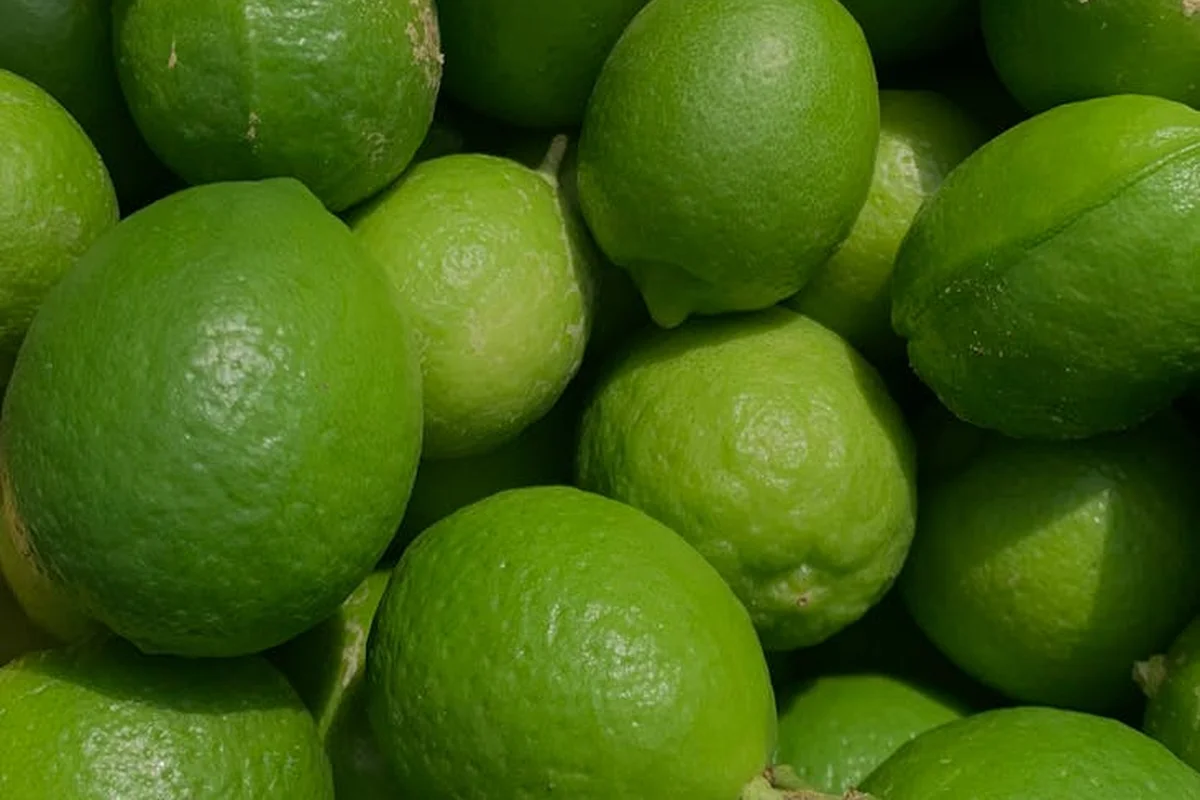
Your lawn will give you hints when its soil is too sour. I look for three main clues every year. First, persistent moss. Moss loves wet, compacted, and acidic soil where grass struggles. If you rake it out and it comes right back, that’s a big red flag. Second, yellowing grass that doesn’t green up with fertilizer. If you’ve fed your lawn and it still looks pale and hungry, the nutrients might be locked in acidic soil, unavailable to the roots. Third, grass seed that fails to thrive. Seed needs the right pH to germinate and grow strong. If you keep patching a bare spot and nothing takes, the soil itself is likely the problem.
These visual clues are helpful, but the only way to know for sure is with a soil test. Guessing can waste your time and money. Think of a soil test like checking the oil in your car’s engine. You wouldn’t just pour more oil in without knowing the level. A test tells you exactly what’s happening underground.
You have two good options. A simple home test kit from a garden center gives you a basic pH reading fast. It’s a great first step. For the full picture, send a sample to your local cooperative extension service or a soil lab. This test costs a little more but tells you your exact pH number and precisely how much lime you need to add per square foot. It takes the guesswork out completely and is especially important for seeded lawns where grass seed’s germination relies on correct soil pH.
So, do you need lime on your lawn? If your soil test shows a pH below 6.0 for most grasses, the answer is a definitive yes. Applying lime raises the pH, unlocking the nutrients already in your soil and making your fertilizer work much harder for you. Targeting the lime lawn optimal soil pH—usually around 6.0 to 7.0 for many grasses—lets you plan lime applications more effectively. Staying in that range ensures your lawn can access nutrients from both soil and fertilizer.
Special Spot: Lawns Under Pine Trees or After Stump Grinding
These areas are a special case, and my stubborn Patch of lawn taught me this lesson. The soil under pine trees or in spots where a tree was recently removed and the stump ground down is often highly acidic. Pine needles decompose and release acids. When a tree stump decays underground, it also creates a pocket of acidity that can stunt new grass for years.
These spots frequently need more frequent lime applications or a heavier initial dose to correct the pH imbalance. Treat them as separate zones. When you get your soil test results, pay special attention to the recommendation for these acidic trouble areas. You might need to apply lime there now and then test again in six months, while the rest of your lawn is fine for a couple of years. It’s a bit more work, but it’s the only way to get thick grass to grow where nature is fighting you.
Picking Your Powder: Types of Lawn Lime to Use
Not all lime is created equal. Head to the garden center, and you’ll face your first choice: the form it comes in. Your decision here is mostly about convenience versus speed.
Pelletized vs. Powdered Lime: The Practical Showdown
Pelletized lime is my go-to for about 90% of applications. It looks like little grayish-white beads. The main benefit of pelletized lime is its clean, dust-free application that won’t coat your patio or drift onto your car. I can load my spreader without a mask and get an even coat. It’s slower to break down and start working than powder, but for a homeowner on a seasonal schedule, that’s usually just fine.
Powdered (or pulverized) lime is the fast actor. It’s a fine dust that reacts with your soil almost immediately. If your soil test shows an emergency-level pH crash, powdered lime can start the rescue mission faster. But it’s messy. A slight breeze turns application into a chalky disaster. You absolutely need gloves, eye protection, and a mask. I learned that the hard way one windy Saturday-Max the mower and I were both dusty for weeks.
Dolomitic vs. Calcitic: Let Your Soil Test Decide
This choice isn’t about preference, it’s about science. Both types raise pH, but they bring different extras to the party.
- Calcitic Lime: Mostly calcium carbonate. Use this if your soil test shows sufficient magnesium levels. It’s the standard choice for many lawns.
- Dolomitic Lime: Contains both calcium carbonate and magnesium carbonate. This is the product you need if your soil test also indicates a magnesium deficiency. Adding it corrects two issues with one bag.
Guessing here is a waste of money and effort. A simple $20 soil test tells you exactly which type your lawn is hungry for. Knowing how to interpret the results can save you time and money.
Where to Find “Lime for Lawns Near Me”
You can find bags at any big-box store or local garden center. The big-box option is fine for pelletized lime if you’re doing a standard application. For specific advice or larger quantities, a local garden center or agricultural supply store is your best bet. The staff often have local soil knowledge and can point you to the right product. They also usually sell in bulk, which is far cheaper if you’re correcting a large area.
A Crucial Note on Pet and Pollinator Safety
Pure agricultural lime (whether pelletized or powdered, dolomitic or calcitic) is made from ground rock. Once it is watered into the soil, it poses no risk to pets, pollinators, or kids. The dust from powdered lime can be an irritant during application, so keep pets inside until it’s washed in.
My strong warning is to avoid combination products labeled as “weed & feed” or similar that mix lime with herbicides. You lose control of your timing, and you risk applying unnecessary chemicals that can harm the beneficial insects and soil life we’re trying to nurture. Always apply amendments like lime and herbicides separately, based on their own specific needs.
The Best Time to Apply Lime and Why It Matters

Getting the timing right is the difference between lime working for you and you just working for the lime. This isn’t a quick-fix product you throw down whenever. It needs a specific season to do its best work.
For most of us, late fall is the absolute prime time to apply lime. After the last mow of the season, the grass is slowing down, but the soil is still active. Fall rains help wash the granules into the soil, and the entire winter gives it months to slowly dissolve and begin adjusting the pH. It’s a set-it-and-forget-it task that sets your lawn up for a strong spring.
Early spring is your solid second choice. The goal is to apply it just as the ground thaws and before the major growth spurt kicks in. This gives it a few weeks of rain and milder weather to start working before your grass gets really hungry for nutrients.
The Ideal Windows for Application
- Best: Late Fall (October to November, after the last mow). Soil is warm, fall rains aid incorporation, and winter provides a long reaction period.
- Good: Early Spring (March to early April, when frost is out but before heavy growth). Gets a head start before summer stress.
- Avoid: Peak Summer. Applying lime in hot, dry weather is largely ineffective. The product can sit on dry thatch and soil, not breaking down, and it can even stress the lawn.
Timing Lime With Other Lawn Jobs
You’re busy. I get it. The lawn care calendar can feel packed. Here’s how to slot lime in with your other tasks so everything works together. Think of it as another item on your lawn care calendar monthly tasks. This keeps lime in sync with the rest of your maintenance.
Can you apply lime and fertilizer at the same time? Yes, you can. I’ve done it myself to save a trip across the lawn with Max, my zero-turn. But order matters.
Always apply the lime first, water it in lightly, and then apply your fertilizer. This helps get the lime started on its journey into the soil and prevents the fertilizer granules from sticking to the lime dust and throwing off your spreader pattern.
Do you apply lime before or after grass seed? Before is ideal, and well before at that.
If you need both lime and seed, test your soil and lime in the fall, then seed the following spring. This gives the soil chemistry time to improve, making nutrients more available for your expensive new grass seedlings. If you must do both in the same season, lime at least 2-3 months before you plan to seed.
Can You Spread Lime on Wet Grass?
This is a common weekend warrior question. You see a break in the rain and think, “Now’s my chance!” I advise against it.
Spreading lime on wet grass is not ideal because the granules will clump and stick to the grass blades. This leads to an uneven application, potential burning of the grass where clumps sit, and a lot of product wasted because it never reaches the soil. It makes a mess of your spreader, too.
Wait for the grass to be dry. The perfect scenario is applying lime to dry grass when rain is in the forecast for the next day or two. That rain will gently water it in for you, just like my drip system, Sunny, does for the garden beds.
How to Apply Lime to Your Lawn: A Step-by-Step Guide
Applying lime is not a guessing game. A messy or uneven job can leave your lawn looking worse than when you started. I’ve learned this the hard way, especially when it comes to preparing the soil through aeration. Doing it right is simple, but you need the right gear and a methodical approach.
Gather Your Materials First
Don’t head out to the shed halfway through. Get everything together before you start. You’ll need:
- A reliable spreader. My trusty drop spreader works for my smaller yard, but a broadcast spreader is faster for larger areas.
- Your soil test results. This is your prescription. Do not proceed without it.
- The correct type and amount of lime, usually pelletized for easier spreading.
- Work gloves and a dust mask. Even pellets can create some dust, and it’s not something you want in your lungs.
- A lawn sweeper or stiff broom. For cleaning stray pellets off your driveway and sidewalk to prevent staining.
Your Lawn Application Day Plan
Pick a calm, dry day. Wind will blow your expensive lime onto the flower beds, and rain will wash it away before it soaks in. Here’s the exact process I follow.
- Mow your grass short. This lets the lime pellets reach the soil surface instead of sitting on top of the grass blades.
- Calibrate your spreader. Every model is different. Follow the bag’s instructions to set the correct opening for your lime product. A quick test on the driveway shows you the spread pattern and rate.
- Apply in two directions. This is the secret to even coverage. Apply half the total recommended amount walking north-south. Then apply the other half walking east-west. This cross-hatch method prevents those frustrating light and dark green streaks later on.
- Water it in thoroughly. This is the most critical step. Use your sprinklers or Sunny the drip system to give the lawn a good, deep soak. This moves the lime into the soil where it can start working and keeps it from drying out and blowing away.
How Much Lime to Use: Follow the Numbers
Your soil test tells you exactly how many pounds of lime per 1,000 square feet your lawn needs. This is not a place for estimates. Applying too little is a waste of a Saturday. Applying too much can swing your soil pH too high and cause new problems. A lawn lime calculator can translate those test results into precise lime amounts for your lawn. This makes the next step quick and accurate.
Think of your soil like a sponge. If it’s highly compacted or clay-heavy, it might need more lime to change. Sandy soil might need less. The only way to know your lawn’s specific need is with a soil test, not by looking at your neighbor’s yard.
A Quick Note on Safety
Lime is a soil amendment, not a chemical herbicide, but you still need to use common sense. Wear that dust mask during application to avoid irritation. More importantly, keep pets and kids off the lawn until the lime has been completely watered in. Once it’s dissolved and washed into the soil, the lawn is perfectly safe for everyone to enjoy again.
Common Lime Mistakes and How to Sidestep Them
Think of lawn lime like a prescription for your soil. Getting the dosage wrong can do more harm than good. I’ve seen these four mistakes more than any others, usually made by folks who just want to help their lawn and end up setting it back.
Mistake 1: Skipping the Soil Test
Guessing your soil’s pH is like trying to fix a leaky pipe blindfolded. You might get lucky, but you’ll probably make a mess. I learned this the hard way with a different section of my yard years ago. And I realized that soil pH is tied to lawn diseases, not just nutrient balance. Tuning your pH can help keep those problems from taking hold.
Applying lime without a test is a gamble. Your soil might already be at the perfect pH, and adding lime will push it too alkaline. This locks up nutrients, turning your grass pale and sickly. A simple soil test is your roadmap, telling you exactly if you need lime and how much. You can get a kit from a garden center or your local cooperative extension office. It’s the easiest way to stop guessing and start solving. After you have the test results, you can plan how to apply soil amendments to your lawn and, if needed, use a targeted weed killer. With the right plan, your lawn stays healthy and weed pressure stays manageable.
Mistake 2: Applying Too Much, Too Fast
This is where the big question comes in. Can lime burn grass? Can lime kill grass? The short answer is yes, absolutely. It’s a common fear, and it’s real.
Lime isn’t fertilizer. It’s a soil amendment. Dumping a heavy layer all at once can create a harsh, caustic environment on the soil surface. This can scorch grass blades and damage roots, especially on a dry lawn. Think of lime as a gentle adjustment, not a shock treatment. Always follow the rate on your soil test report or the bag label. If you need a large amount, it’s smarter to split the application into two lighter doses, one in spring and one in fall.
Mistake 3: Expecting Overnight Results
This might be the toughest pill to swallow. You spread the lime, water it in, and wait for the green wave. A week goes by, and nothing looks different. Frustrating, right?
Lime works slowly. It needs water and time to dissolve and move down into the soil to start neutralizing acidity. You’re correcting the foundation, not painting the walls. Don’t look for a color change in the grass; look for the soil test results to change over 6 to 12 months. The payoff is long-term: a soil where grass roots can easily access the food and water you give it. My stubborn Patch area taught me this patience. The first year, I saw little difference. By the second fall, the grass was thicker and the weeds had less room to grow.
Mistake 4: Applying at the Wrong Time
Timing isn’t everything, but it helps a lot. Spreading lime in the peak of summer heat is a bad plan. The ground is often hard and dry, and your grass is already stressed.
Lime needs moisture to activate and move into the soil. Applying it during a dry spell means it just sits on top, doing very little. The best times to apply lime are early fall or early spring, when rains are more frequent and the grass is actively growing but not under heat stress. This gives the product the best chance to work its way down to the root zone where it’s needed. It’s a small scheduling shift that makes a big difference in effectiveness.
Lime and Other Lawn Tasks: Your Coordination Guide
Lime isn’t a solo act. To get a thick, green lawn, you need to know how it fits with your other weekend chores. Think of it as the backstage crew that lets your star players-like fertilizer and grass seed-shine.
Lime vs. Fertilizer: Different Jobs on the Same Team
This is the most common mix-up I see. People throw down fertilizer hoping for a miracle, but if the soil is too acidic, the grass can’t use most of it. They’re two different tools for two different jobs. To do it right, you need to know your lawn’s fertilizer needs and how to apply it properly. A quick soil test and correct timing make the fertilizer effective rather than wasted.
You often need both, but they don’t replace each other. An unbalanced pH locks nutrients in the soil. Lime helps unlock them so your fertilizer dollars actually feed the grass.
Fitting Lime into Your Yearly Plan
Timing matters. You don’t just lime whenever you remember. You schedule it to boost the effectiveness of your other work.
After core aeration is a prime time. Those holes in your soil are perfect pathways for lime to get down to where it’s needed. I usually run Max over the yard to pick up the plugs, then apply lime right before a good rain is forecast. Sunny, my drip system, can help water it in gently afterward.
Before overseeding is another smart move. Grass seed germinates best in soil with a balanced pH. If your test says you need it, apply lime a few months before you plan to seed. This gives it time to start working and creates a better bed for those new roots. That groundwork is essential for preparing soil for lawn seeding success. When the soil is ready, seeds establish more quickly and evenly.
For pest control, lime doesn’t kill insects. A healthy, balanced soil ecosystem naturally supports more beneficial insects and earthworms, which can help keep problem pests in check.
It’s about building a resilient system, not a quick poison.
Your Final Lime FAQs
Can you use lime on newly laid sod?
Usually, yes. The sod farm likely grew it in near-ideal conditions. But your soil underneath might be a different story. My advice is to wait until the sod is firmly rooted (you can’t lift a corner easily), then test your soil. Always check with your installer first, as they might have specific guidance.
What about lime for lawn insects?
Lime is not an insecticide. It won’t kill grubs, chinch bugs, or ants. But remember, stressed grass in bad soil is a magnet for trouble. By correcting pH and improving soil health, you’re growing grass that’s better at defending itself. You’re building a lawn that doesn’t need constant rescuing.
Working on my own lawn, especially that frustrating Patch in the corner, taught me this: chasing quick fixes leads to more work. Lime isn’t a magic green powder. It’s a long-term investment in the foundation of your yard. The real growth happens quietly, under the surface, where you can’t see it. Be patient. Feed the soil, and the grass will follow.
Your Lime Lawn Questions, Answered
Is lime safe for my dogs after I put it down?
Absolutely, once it’s watered in. Pure agricultural lime is just ground rock; after a good soak into the soil, it’s inert and safe for pets to roam. Just keep them off the lawn during application to avoid any dust irritation.
What’s the difference between the lime at Home Depot and Lowe’s?
You’ll find the same major brands at both. The real choice is on the bag: pelletized for easy, clean spreading or fast-acting powdered lime. Grab pelletized for 95% of home lawns and always check your soil test to choose between calcitic or dolomitic.
I just had a tree removed. Should I lime that spot before re-sodding?
Almost certainly. Stump grinding and decaying roots create acidic soil. Test that specific area, as it will likely need a heavier lime dose than the rest of your lawn to help new grass roots thrive.
Will putting lime on my lawn help with insects or grubs?
Not directly. Lime doesn’t kill insects. Its job is to balance your soil pH, which helps your grass grow thick and resilient-a healthy lawn is your best long-term defense against pest damage.
When is the best time to find lime for lawns on sale?
Look for end-of-season clearances in late fall. Stores need to move inventory, making it a smart time to stock up for your next fall application, which is the ideal time to put it down.
Putting Lime to Work in Your Yard
Your first move should always be a simple soil test. This tells you if your lawn even needs lime and takes the guesswork out of your whole season.
Using lime correctly is one part of being a good lawn steward. Pair it with smart watering, sharp mowing, and a little patience, and you’ll keep learning what makes your specific grass thrive.
Further Reading & Sources
- Why, When and How to Apply Lime to Your Lawn
- How Lime Treatment Boosts Soil Health – Kapp’s Green Lawn
- The Benefits of Adding Lime to Your Lawn and When to Apply It… | A&A Lawn Care & Landscaping
- How Lime Can Help Your Grass – First Saturday Lime
- Lime and the Home Lawn | Ohioline
- What Does Lime Do for Your Grass, How & When to Apply It
Written by Ria Carrington. Ria is an avid lawn care enthusiast and advisor. No lawn is unsalvagable when Ria is at work. She has helped countless homeowners breath new life into their dying lawns. She has a B.Sc in Agriculture and brings practical advice combined with knowledge of plant science and her decade worth of hands on experience.