
What Gas Should You Really Use in Your Lawn Mower?
Choosing gas for your mower doesn’t need to be a headache at the pump. Getting it right keeps your machine running strong and saves you money.
This guide will walk you through the simple facts. We will cover why octane ratings matter less than you think, the real problem with ethanol, how to pick fuel that prevents repairs, and the smartest way to store it for next season.
I’ve tested this on my own lawn for years, and my mower, Max, has always started on the first pull because of it.
At a Glance: Key Factors for Your Mower’s Gas
Let’s get straight to it. The single most important thing you can do is pull out your owner’s manual. I know, I know. It’s probably in a drawer somewhere, maybe still in the box your mower came in. But trust me, the engineers who built your machine wrote that book for a reason. What it says on the fuel cap or in those pages is your bible. Everything I tell you here just helps you understand what it means.
Once you’ve checked the manual, you’re really making three simple decisions every time you fuel up.
- Octane Rating: This is the 87, 89, or 93 number you see on the pump. It’s a measure of a fuel’s resistance to “knocking” or pinging in the engine.
- Ethanol Content: This is the E10 (up to 10% ethanol) versus Ethanol-Free gas choice. This is the big one for small engines.
- Fuel Age: Gasoline goes bad, and it happens much faster than you think.
So what’s the quick answer? For most homeowners with a standard push or riding mower, fresh 87-octane unleaded gasoline will work just fine and won’t void your warranty. But if you want your mower’s engine to last for years and start on the first pull every spring, seeking out ethanol-free fuel is one of the best maintenance moves you can make. The rest of this section will help you understand why and how to make the best choice for your machine.
Gasoline Basics: What Your Mower Actually Needs
Your lawn mower almost certainly has a 4-stroke engine. It’s like the engine in your car, just much smaller and simpler. It has a separate oil reservoir for lubrication. This is a critical point because it tells us exactly what fuel it needs, as well as the correct type and capacity of oil for the engine.
Can I put mixed gas in my lawn mower? For a 4-stroke mower, the answer is a firm NO. Mixed fuel (where oil is added directly to the gasoline) is strictly for 2-stroke tools like string trimmers, leaf blowers, and chainsaws. Putting that pre-mix in your mower can cause overheating, severe engine damage, and a lot of smoke. If you’ve accidentally done this, don’t start the engine. Drain the tank and fill it with the correct fuel.
Let’s clear up a common mix-up. “Regular” (87 octane) and “Premium” (91-93 octane) gasoline are not about cleanliness or quality. They are almost identical aside from that octane rating. Premium fuel isn’t “more powerful” or “cleaner” for your mower. It’s just more resistant to premature detonation, which is an issue in high-compression engines. Your mower isn’t a high-performance sports car; it’s a reliable workhorse. It doesn’t need the expensive race fuel.
Think of it this way: giving your mower premium fuel is like feeding a draft horse a diet of specialized racing oats. The horse will do its job just the same, but you’re spending a lot of extra money for no real benefit. Use the octane your manual recommends, which is almost always 87. Save your money for the important stuff, like a sharp mower blade or good seed.
Octane Explained: Do I Need Regular or Premium Gas?
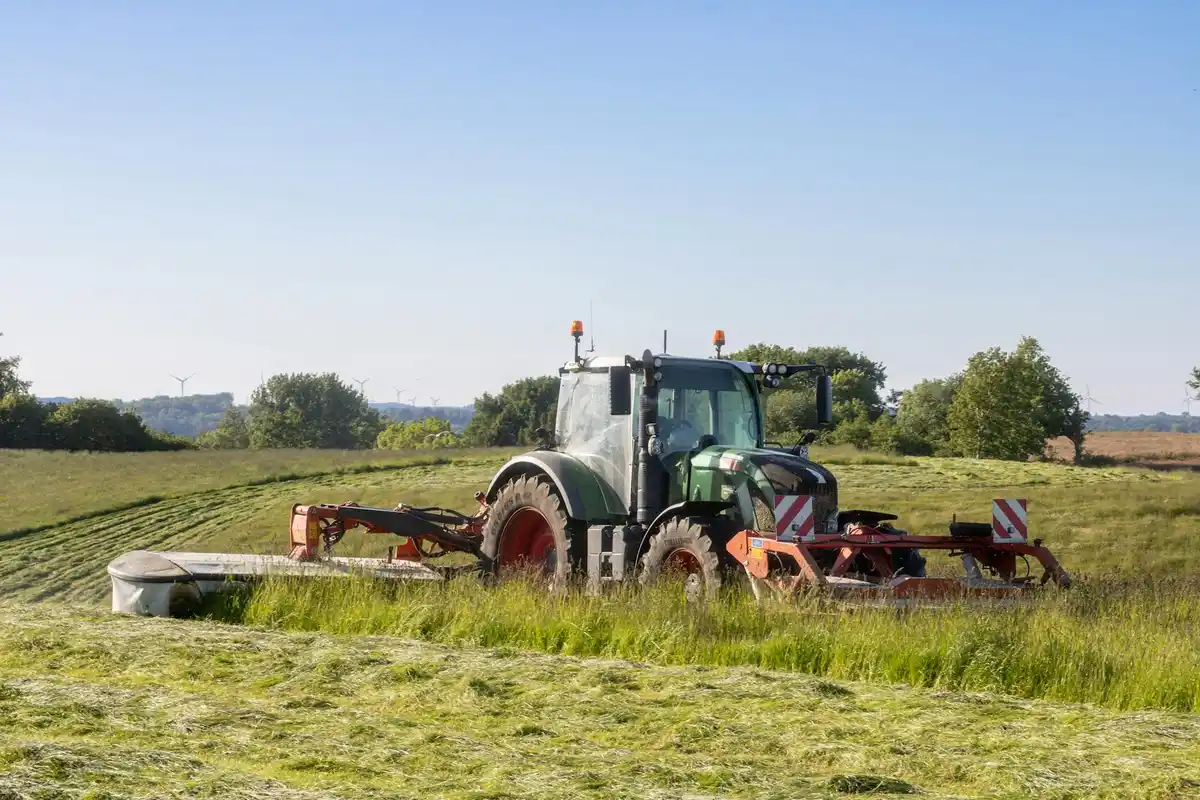
Gas pump numbers can be confusing. 87, 89, 93… what’s the difference? Think of octane as a fuel’s resistance to misbehaving inside your engine. Higher octane fuel resists “knocking” or “pinging,” which is a premature explosion that sounds like marbles rattling in a tin can. High-performance car engines need that resistance to run properly.
Your lawn mower’s engine is simple and sturdy, built to run perfectly on the cheapest gas at the station. That rattling knock isn’t a concern here. Max, my zero-turn, has run on nothing but regular for five seasons. It starts on the first pull every time.
Can I put 87 gas in my lawn mower?
Yes, absolutely. This is the answer for 99% of homeowners. The small engines in walk-behind mowers, riders, and even most commercial equipment are engineered for 87 octane (regular unleaded). Using it keeps your engine clean and running smoothly without any fancy or expensive fuel.
I keep a dedicated gas can just for the lawn equipment, and I only ever fill it with regular 87. It’s one less thing to overthink on a busy Saturday morning.
Can I put 93 gas in my lawn mower?
You can, but you shouldn’t. It’s a pure waste of money. Putting premium 93-octane gas in your mower is like feeding a golden retriever filet mignon. The dog will eat it, but it gets no special benefit from it, and your wallet is much lighter.
Premium gas provides zero performance, cleanliness, or longevity benefit for a standard lawn mower engine. It won’t make your grass greener or your engine last longer. Save those extra dollars for a better sprinkler head or a bag of quality grass seed.
The One Exception to the Rule
Always check your owner’s manual. It holds the final answer. Some older models or specific high-compression engines might call for mid-grade (89) or premium (91+) fuel. This is rare, but if your manual says to use it, you should listen.
Here’s how to check:
- Find your mower’s model number.
- Search for the PDF manual online if you’ve lost the paper copy.
- Look in the “Fuel” section. It will state the recommended octane rating clearly.
If it says 87, you’re done. If it recommends higher, follow that guidance. The engineers who built your machine know best.
The Ethanol Problem: Why Your Mower Hates It
Let’s talk about the stuff in your gas can. That pump gas you use for your car? It’s probably E10, meaning it’s 10% ethanol. Ethanol is basically alcohol made from corn. It works fine in modern cars, but your mower’s engine is a different animal.
Your lawn mower’s small engine was not built for ethanol, and using it can lead to two very expensive problems.
Water in Your Fuel Tank
Ethanol acts like a sponge for water vapor. It pulls moisture right out of the air inside your fuel tank. Over time, especially when your mower sits for weeks, this absorbed water can cause “phase separation.” That’s a fancy term for when the ethanol and water mixture sinks to the bottom of the tank, leaving bad gas on top.
That watery sludge at the bottom is what gets sucked directly into your carburetor. The engine sputters, refuses to start, or just dies halfway through a mow. I’ve spent more than one Saturday morning cleaning gunk out of Max’s carburetor because of this.
An Engine Eating Itself
The second issue is slower but just as damaging. Ethanol can degrade the rubber and plastic parts inside your fuel system. We’re talking about the seals in the carburetor and the flexible fuel lines. As these parts break down, they leave sticky varnish and tiny particles that clog the engine’s tiny fuel passages.
You won’t notice it right away. It’s a quiet problem that builds up over seasons until one day, your reliable mower just won’t run right.
The Simple Solution: Ethanol-Free Gas
The best thing you can pour into your mower is ethanol-free gasoline. You might see it labeled as REC-90, “Pure Gas,” or “Clear Gas.” It costs a bit more per gallon, but it’s cheap insurance for your expensive equipment.
Using ethanol-free gas, especially for your last fill-up before winter storage, is the single easiest way to prevent spring starting headaches. It doesn’t attract water, and it won’t eat away at your engine’s insides. Your mower will start easier and last years longer.
How to Find the Good Stuff
You won’t typically find ethanol-free gas at every big station. You have to look for it. Here’s how I track it down:
- Use a website or app like “Pure Gas” to find stations near you. It’s a lifesaver.
- Check marinas and small, local airports. They almost always sell it for boats and small aircraft.
- Some hardware stores or lawn equipment dealers sell it in cans, which is perfect for topping off.
I keep a dedicated red gas can just for my ethanol-free fuel. It’s for Max, the string trimmer, and the leaf blower. Everything runs smoother, and I spend my weekends mowing, not repairing.
Finding Your Mower’s Fuel Rules: Decoding the Manual

First, let’s find the official word. Your mower’s manufacturer has already answered this question for you.
Look for a small metal or plastic plate, or a sticker, on the engine itself. It’s often on the engine shroud, the cover that protects the moving parts. On my mower, Max, it’s a dull gray plate right above the spark plug. This plate lists the model number, serial number, and crucially, the engine’s fuel requirements.
If the plate is faded or missing, your owner’s manual is the next best source. I keep mine in a folder in the garage, but I know it’s easy for that thing to disappear into a drawer forever.
What Those Fuel Phrases Really Mean
When you find the specs, you’ll see phrases that sound more technical than they are. Let’s translate them.
“Use fresh 87 octane (R+M)/2 minimum” is the most common instruction. This simply means regular, 87-octane pump gas from any station is perfect for your mower. The (R+M)/2 part is just the method they use to calculate that octane number, which you can ignore. The word “fresh” is the most important part of that sentence.
You might also see “E10 gasoline acceptable.” Nearly all gasoline sold in the U.S. is E10, which means it contains up to 10% ethanol. This note is the manufacturer saying their engine can handle it. Ethanol attracts water from the air, which is why fuel left in the tank or can for months causes problems. I can sometimes smell that stale, sour odor when I forget to run my trimmer dry in the fall.
The Simple Rule for a Lost Manual
Can’t find the plate or the manual? Don’t worry. Here’s your straightforward, no-fuss rule to follow.
- Use fresh, 87-octane regular gasoline.
- For even more peace of mind, seek out ethanol-free fuel (often called REC-90) if it’s available and fits your budget.
- Never let gasoline sit in your mower’s tank or your gas can for more than 30 days.
Following this rule protects your carburetor from gummy varnish and corroded jets. That “fresh” fuel has a light green hue in my clear safety can; once it starts to look more like apple juice, it’s time to use it in my car and get a new batch for the mower.
Engine Size Doesn’t Change the Fuel
You might wonder if your bigger 223cc engine needs something different than a smaller 140cc engine. It doesn’t. The fuel requirement is based on the engine’s design and compression, not its displacement. Whether it’s a modest push mower or a powerful riding tractor, the rule is the same: follow the manual’s octane and ethanol guidance. Bigger engines just burn more of the same good fuel.
Fuel Storage and Lifespan: How Old is Too Old?
Can I use old gas in my lawn mower? Let’s be direct. I don’t recommend it, not even a little. Using stale gas is one of the fastest ways to give your mower a bad day and leave you with a repair bill. Modern gasoline with ethanol begins to degrade and lose its combustibility in as little as 30 days. That clock starts ticking the moment you pump it.
During the active mowing season, it’s generally safe to let fuel sit in your mower’s tank for about one month. Think of it like a loaf of bread. It’s fine for a week or two, but after a month, you wouldn’t want to make a sandwich with it. Your mower’s carburetor feels the same way.
Spotting “Bad Gas” Before It Does Damage
You can often tell when gasoline has gone off. Fresh gas is clear with a slight yellow or blue tint and has that sharp, familiar gasoline smell. Bad gas tells a different story. It darkens, taking on an orange or brownish color, like weak iced tea. The smell changes too, becoming sour or taking on a potent, nail-polish-like varnish scent. If you see or smell this in your gas can or mower, it’s time for a trip to the hazardous waste disposal site, not your fuel tank.
Your Two Paths to Peaceful Off-Season Storage
When you’re done mowing for the year, you have two clear, reliable options. I’ve used both on my mower, Max, over the years.
Option 1: Run the Tank Dry. This is the simple, classic method.
- Add a fuel stabilizer to the last tank of gas you’ll use for the season. Mix it well.
- Mow your lawn as normal until the engine sputters and stops from fuel starvation.
- Once cool, disconnect the spark plug wire. Then, restart the engine and let it run until it won’t fire again to clear the carburetor bowl.
- That’s it. Your fuel system is empty and safe from varnish buildup all winter.
Option 2: Fill It Up with the Good Stuff. This is my preferred method for equipment I store in a dry shed.
- Find ethanol-free gasoline (often called “REC-90” or “clear gas”). It’s more stable and resists moisture absorption.
- Fill the tank completely to the top. This leaves no air space for condensation to form inside the tank.
- Add a high-quality fuel stabilizer, like Sta-Bil, following the bottle’s instructions.
- Run the engine for 5-10 minutes to get that treated fuel all the way through the carburetor and fuel lines.
Either method works. Choose the one that fits your routine. The worst choice is leaving untreated, ethanol-blended gas sitting in a half-full tank all winter. That’s an open invitation for gummy deposits and a frustrating spring.
Is It Bad Gas? Troubleshooting Common Symptoms

You go to start the mower, and it just doesn’t feel right. Maybe Max is acting a bit off. These engine behaviors are your first clue that the fuel in the tank might have gone stale. That’s a cue to consider some basic maintenance to fix lawn mower problems. A quick check of the fuel, air filter, and spark plug can often get you back in action.
- Hard starting, requiring many pulls or cranks.
- A rough, uneven idle that sounds lumpy or shaky.
- Sputtering or bogging down when you engage the blades or go up a hill.
- A general loss of power; the mower just feels sluggish.
- The most frustrating one, not starting at all, just a futile pull of the cord.
I’ve been there, staring at a silent mower on a perfect Saturday morning. The good news is, bad fuel is a common and often fixable problem.
The Simple Fuel Test
When you suspect bad gas, there’s one straightforward test. Drain the old fuel from the tank and the carburetor bowl if you can. Get fresh fuel from a busy station you trust. Add it, and try starting.
If the engine smooths out and runs normally, you’ve confirmed the diagnosis; old gas was the culprit. This simple swap fixes more problems than you’d think. I keep a dedicated, clearly marked gas can just for my small engines to avoid this exact headache.
Don’t Forget the Gas Cap
Sometimes, the issue isn’t the fuel’s quality, but its ability to flow. Your lawn mower gas tank needs to breathe. A lawn mower gas cap not venting properly can create a vacuum in the tank.
You might notice the mower starts and runs fine for a few minutes, then suddenly stalls out. After it sits for a bit, it starts again, only to repeat the cycle. Try loosening the cap slightly when this happens. If the engine recovers, you’ve found your problem.
When It’s More Than Just Fuel
Bad gasoline leaves behind a gummy residue as it evaporates. This varnish builds up inside the carburetor’s tiny passages and jets, blocking the fuel flow. If a fresh tank of gas doesn’t solve the sputtering, a carburetor clean is likely the next step.
Similarly, a faulty cap needs fixing. A complete lawn mower gas cap replacement is often cheaper and easier than trying to repair a clogged vent. Think of it as a small investment to keep the fuel system, from tank to engine, working as a team.
Fuel System Care: Beyond Just the Gas Can
Putting the right gas in your mower is the first step, but what happens after you pour it matters just as much. Think of your fuel system as the mower’s circulatory system. If the “blood” (the gas) is clean but the “veins” are clogged or leaking, you still have problems. Good fuel system habits are simple, fast, and save you a huge headache later.
Three Minutes of Simple Maintenance
You don’t need fancy tools for this, just a bit of attention. I do these checks every time I fuel up Max, my zero-turn. It takes less time than finding the TV remote.
- Use a funnel with a built-in filter. This tiny mesh screen catches the grit and rust flakes that live in gas cans. It’s the easiest way to stop contaminants before they ever reach your tank.
- Give the fuel lines a quick look. Feel them for brittleness and look for tiny cracks or signs of wetness. A cracked fuel line will leak gas and suck in air, causing the engine to sputter and die.
- Keep the gas cap area clean. Before you open it, wipe away any grass clippings or dirt. You don’t want that debris falling into your fuel.
These visual checks are your first line of defense against the small problems that turn into costly repairs.
Fuel Stabilizer: Your Gas Insurance Policy
Modern ethanol-blended fuel starts to break down faster than you think. If you know gas will be sitting in your mower’s tank for more than 30 days, you need a stabilizer. Think of it as an insurance policy for your fuel.
It works by preventing the chemical reactions that turn fresh gas into gummy varnish. That varnish is what clogs tiny fuel passages in your carburetor. I add it to every gas can I fill for my lawn equipment at the end of summer. It’s cheap peace of mind.
Pouring in a fuel stabilizer before storage is the single best thing you can do to ensure your mower starts on the first pull next season, especially when you start your lawn mower after storage.
Fixing a Leak: DIY or Call a Pro?
So you found a small crack in your plastic fuel tank. A lawn mower gas tank repair kit can be a good, temporary fix for a minor, clean puncture. These epoxy patches work by bonding to the plastic.
I’ve used one on an old trimmer tank with success. The key is the surface must be absolutely clean and dry. Roughen it with sandpaper, mix the epoxy, and apply it. Let it cure fully before adding gas back in.
But here’s the honest truth. These kits are a band-aid, not a cure. If the crack is on a seam, is very large, or the plastic is old and brittle, a professional replacement is the only safe, reliable solution. Gasoline is flammable, and a failed patch is a serious hazard. If you’re ever unsure, the safer choice is to take it to a small engine shop.
The Golden Rule of Mower Engines
After years of tuning up my own equipment, the pattern is clear. Most engine problems that aren’t spark-related are fuel-related. And most fuel problems start with dirty, old, or contaminated gas.
A clean fuel system lets your mower breathe and run as designed. It means steady power for those long cutting sessions and a reliable start every Saturday morning. Focusing on clean fuel from the pump to the cylinder is the simplest form of preventative maintenance you can do for your lawn mower’s filters.
Keeping fresh, stabilized gas in a clean system avoids the vast majority of headaches, saving you time and money for the things you actually enjoy about your lawn.
Common Lawn Mower Gas Mistakes and How to Avoid Them
We’ve all been there. You pull the mower out for the first cut of spring, give the cord a confident pull, and get nothing but a sputter. Often, the culprit isn’t the engine. It’s what you fed it last fall. Let’s walk through the usual suspects so you can keep Max, or any mower, running smooth.
Mistake 1: Using Last Season’s Gas
That gas can in the corner of the shed from October? It’s not your friend. Gasoline begins to break down in as little as 30 days. It loses its volatility, the part that makes it burn. What’s left turns gummy and varnishy, coating the inside of your carburetor like bad syrup. I found this out the hard way after a lazy fall one year.
The fix is simple: use fresh fuel or plan for storage from the start.
- For the mowing season, try to buy fuel you’ll use within a month.
- For storage, add a fuel stabilizer to a fresh, full tank. Run the mower for five minutes to get the treated gas into the carburetor. This keeps the fuel stable for up to a year.
Mistake 2: Using the Wrong Fuel (Mixed Gas)
This mix-up stops a mower dead. Most walk-behind and riding mowers use a simple 4-stroke engine. It takes plain, unleaded gas. String trimmers, leaf blowers, and some smaller machines often use a 2-stroke engine. They need a special mix of gas and 2-cycle oil.
Putting mixed gas in a 4-stroke mower will foul the spark plug and smoke terribly. Putting plain gas in a 2-stroke tool will destroy it from lack of lubrication.
Label your gas cans clearly with a permanent marker: “MOWER ONLY” and “2-STROKE MIX.” Use different colored cans if you can. It’s the easiest way to prevent a very bad, expensive day.
Mistake 3: Overthinking Octane
That premium 93-octane fuel looks fancy, right? For your car’s high-performance engine, maybe. For your mower, it’s usually just a waste of money. Octane is a measure of a fuel’s resistance to burning. High-compression engines need high octane to prevent knocking.
Your lawn mower engine has very low compression. Using higher octane fuel than recommended doesn’t give you more power or a cleaner cut. It just burns slower and can lead to carbon deposits.
Check your owner’s manual once, then stick with regular 87-octane unleaded unless it specifically says otherwise. My manual for Max says 87, and that’s all he’s ever gotten.
Mistake 4: Ignoring Ethanol
This is the big one for small engine health. Most pump gas contains up to 10% ethanol. Ethanol attracts water from the air, a process called “phase separation.” The water and ethanol sink to the bottom of your tank and then get sucked into the engine. Water does not combust. It also causes corrosion.
For seasonal equipment, this is a silent killer. Using ethanol-free fuel is the single best thing you can do for long-term engine life.
Seek out ethanol-free fuel for your final fill-up before winter storage, and use it year-round if it’s conveniently available. Websites like Pure-Gas.org can help you find local stations. If you can only get E10 gas, that’s okay for regular use, but you must use a stabilizer for any storage longer than a month.
Mistake 5: Letting the Mower Sit with a Half-Full Tank
Stopping for the season with a half tank is the worst of both worlds. You have plenty of room for moist air to condense inside the tank, which leads to water in your fuel (thanks, ethanol). And you still have old gas that will turn to varnish.
For long-term storage, you have two good choices: a full tank with stabilizer, or a completely empty tank.
- The “Full with Stabilizer” method is my go-to. It leaves no air space for condensation to form. Just remember to treat fresh gas before filling up.
- The “Completely Empty” method works too. Run the mower until it stalls from fuel starvation. This gets almost all fuel out of the carburetor bowl. It takes more effort but is very effective.
Just don’t pick the middle ground. A half-hearted approach leads to a half-running mower.
Recommended Products for Your Fuel Routine

Choosing the right fuel is step one. Having the right gear to store it, treat it, and use it is what makes a routine reliable. These are the tools that live in my shed, proven over countless weekends.
Category: Fuel Containers
Forget those flimsy, generic red cans. You want a container built to last. I look for a sturdy, EPA-compliant 2 or 5-gallon metal or heavy-duty plastic can. The 5-gallon size is perfect if you run several pieces of equipment like I do.
The magic feature is a clear fill spout. Trying to pour gas into Max’s small tank without spilling is a challenge in the best light. A spout you can see through lets you stop the flow the instant the tank is full. Spending a few extra dollars on a quality fuel can prevents spills, saves fuel, and is a tool you’ll use for decades.
Category: Fuel Stabilizers
Gas begins to degrade and form gummy varnish in as little as 30 days. If your gas can will sit for a month or more between fills, you need a stabilizer. I use a well-known brand like Sta-Bil in every gallon I store for my equipment.
I add it directly to the gas can when I fill it at the station, giving it a good shake to mix. This practice has saved me more than once when a busy stretch kept me from my normal mowing schedule. Using a fuel stabilizer for any stored gas is the cheapest insurance against costly carburetor repairs.
Category: Fuel Additives
Stabilizers are for prevention. Additives like carburetor cleaners are for a minor cure. If your mower is running a little rough and you suspect old fuel gunk, a bottle of carb cleaner in the tank can help dissolve minor deposits.
But listen, this is a band-aid, not a solution. I might use one at the start of the season if a piece of equipment was stored imperfectly. Relying on fresh, stabilized fuel is always better than trying to clean up the mess later with an additive.
Category: Funnels & Filters
One tiny speck of dirt is all it takes to clog a carburetor jet. I never pour gas without a funnel that has a built-in fine mesh filter. It catches any sediment from the can or debris floating in the air.
These filtered funnels are inexpensive and sit right with my fuel cans. It’s a ten-second step that adds a huge layer of protection for your engine. A filtered funnel is your final defense, catching debris before it can reach the mower’s sensitive fuel system.
Category: Repair Kits
Even with perfect fuel, small parts wear out. Two things I always have on hand are a universal fuel line repair kit and a replacement lawn mower gas cap gasket.
Fuel lines get brittle and crack. A kit lets you cut out the bad section and splice in a new piece in minutes. A cracked gas cap gasket is a common, sneaky problem. It can cause hard starting or poor performance because it messes up the fuel tank’s vacuum. Replacing it is often just a simple twist-off, swap, and twist-back-on fix.
Knowing how to replace these two cheap parts can solve most common fuel-related performance issues without a trip to the repair shop.
Quick Answers to Common Mower Fuel Questions
My mower runs then dies. Could the gas cap be the problem?
Absolutely. A lawn mower gas cap not venting properly creates a vacuum in the tank, starving the engine. If it starts and dies, try loosening the cap slightly; if it keeps running, you need a new cap. If that doesn’t help, check out other troubleshooting tips.
Where can I actually find ethanol-free gas near me?
Check websites like Pure-Gas.org or use its app to locate stations. You’ll often find it at marinas, small airports, or some hardware stores, sold in convenient cans perfect for your mower.
Can I fix a cracked plastic gas tank myself?
For a small, clean puncture, a lawn mower gas tank repair kit can work as a temporary fix. For any crack on a seam or in brittle plastic, skip the patch and get a professional replacement for safety’s sake. It’s always best to rely on local experts for such repairs.
What’s the easiest way to replace a faulty gas cap?
Take the old cap to a lawn equipment dealer or a store like Home Depot to match the thread size and venting style. It’s a simple, twist-off part that’s cheaper than a repair visit.
My new mower has a 223cc engine. Does it need special gas?
Nope. Engine size (cc) doesn’t change the fuel recipe. Follow the manual’s octane and ethanol advice just like you would for any other mower-it’s about engine design, not displacement.
Fueling Your Way to a Healthier Lawn
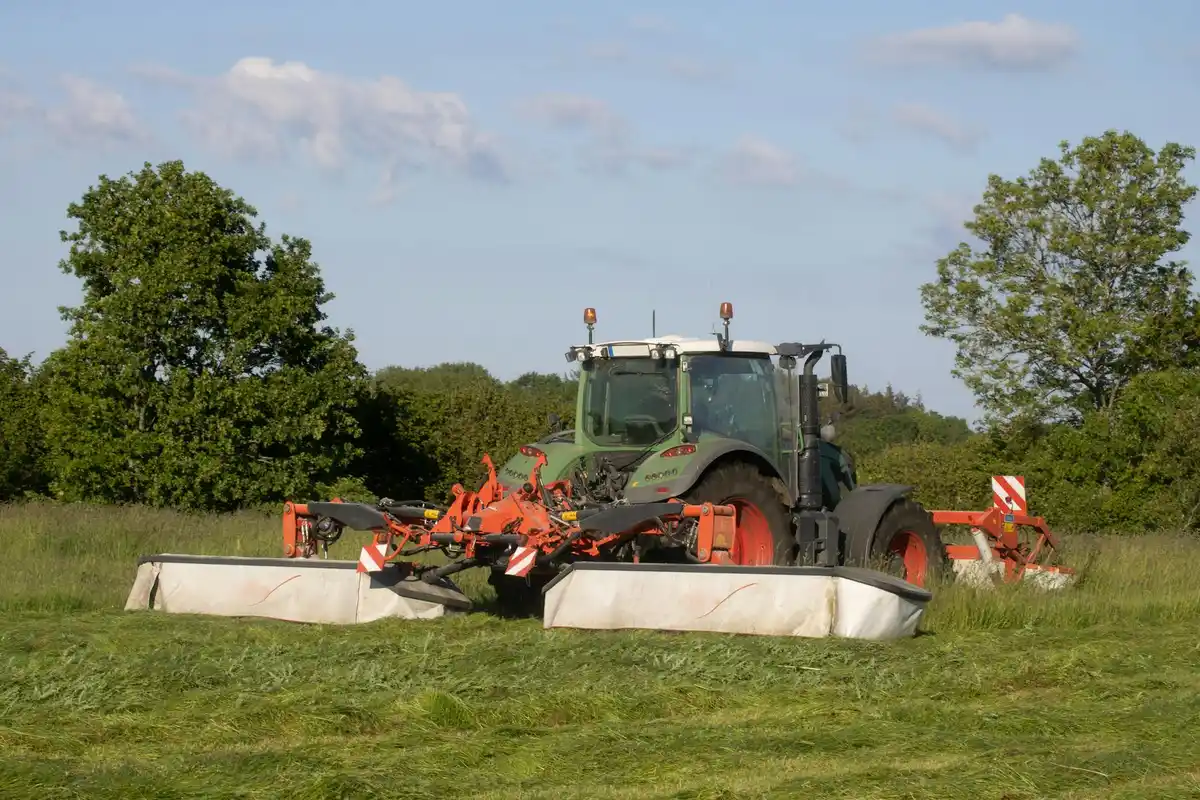
Stick with fresh, ethanol-free gas or a quality stabilizer in every fill-up. This one habit protects your mower’s engine and saves you from costly repairs down the road.
Using the right fuel is a simple way to be a more responsible lawn owner, reducing harmful emissions for everyone enjoying your yard. I’m always learning new tips, and I encourage you to keep exploring ways to care for your green space that work for you and the environment.
Related Guides and Information
- r/lawncare on Reddit: What kind of gasoline to use for a gas mower?
- What Type of Fuel Does a Lawn Mower Use? | Choosing the Right Fuel for Your Mower | Husqvarna NZ
- What is the best fuel type for lawn mowers and small engines?
- What is the Best Gas for a Lawn Mower? – AHM
Written by Ria Carrington. Ria is an avid lawn care enthusiast and advisor. No lawn is unsalvagable when Ria is at work. She has helped countless homeowners breath new life into their dying lawns. She has a B.Sc in Agriculture and brings practical advice combined with knowledge of plant science and her decade worth of hands on experience.