
When Should You Water Your Lawn? Save Money, Grow Greener Grass
Getting your watering schedule wrong feels like pouring money down the drain, but getting it right is simpler than you think.
We will cover the single best time of day to run your sprinklers, how to set a simple weekly schedule that adapts with the seasons, what to watch for so you know you’re doing it right, and how to use smarter irrigation for less work.
I learned this through years of dialing in my own system, fine-tuning Sunny the drip lines and timing Max the mower for a lawn that stays thick without wasting a drop.
At a Glance: Key Factors for Watering Success
Getting your lawn watering right comes down to one simple rule. Water deeply and infrequently, and do it early in the morning.
I learned this lesson the hard way with Sunny, my drip system. I used to give the lawn frequent, shallow sips. The roots stayed lazy and shallow, and Patch turned into a mud pie. Three main things decide your exact schedule.
- Time of Day: This is the biggest lever you can pull.
- Soil Type: Is your soil a thirsty sponge (clay) or a leaky coffee filter (sand)?
- Local Weather: A cool, cloudy week is different from a blistering heatwave.
Your watering schedule is not something you set once in spring and forget. It is a weekly conversation you have with your lawn, your soil, and the forecast. Understanding the best time to water and the moisture needs of your lawn across the seasons keeps the dialogue practical. We’ll cover how to read seasonal moisture levels and when to water for optimal results.
The Best Time of Day: Morning, Evening, or Night?
So, is it better to water your lawn in the morning or evening? For a healthy lawn, morning wins every time. Is it bad to water your lawn at night? For preventing disease, yes, it’s the riskiest choice.
Think of early morning, from about 4 a.m. to 9 a.m., as the gold standard. You are giving your grass a full, deep drink before the heat of the day kicks in. It is like sending your kids out to play with a good breakfast in their bellies.
Watering in the evening leaves grass blades wet for 12 hours or more. That is a welcome mat for fungus. You might not see it at first, but fuzzy gray mold or strange circular patches can pop up.
Midday watering is mostly a waste. I have watched it happen. The sun is high, the air is hot, and the water evaporates before it soaks in. It is like pouring a glass of water on a hot sidewalk.
Can you water your lawn at night? You can, but I treat it like a last resort. The disease risk is so high that I only consider it during a true emergency. Some experts say it’s fine but I’m not convinced.
Why Your Lawn Loves a Morning Drink
There is a quiet magic to watering at dawn. The air is cool and still. You can hear the soft hiss of the sprinklers and smell that damp, earthy scent as the soil wakes up. My dog even seems to enjoy the cooler walk.
Watering in the morning minimizes evaporation, so more water goes down to the roots where it is needed. As the sun rises, it dries the grass blades quickly. Dry blades by midday mean a happy, fungus free lawn. This simple timing shift made a huge difference for Patch.
The Evening Watering Compromise
Life happens. Sometimes evening is your only option, especially if your town has mandatory water restrictions that ban morning use.
If you must water in the evening, do it as early as possible. Aim to finish by 6 or 7 p.m. This gives the grass a few hours of fading light and breeze to shake off some moisture before the deep damp of night sets in.
Is Watering at Night Ever Okay?
I have only done it once, during a brutal heatwave when my lawn was showing severe stress and I missed my morning window. It is a break glass in case of emergency move.
If you absolutely must water at night, do not make it a habit. The next morning, take a slow walk. Look closely for any changes in leaf color or texture. Catching a fungal issue early is the only way to manage the risk you have taken.
Building Your Personalized Watering Schedule
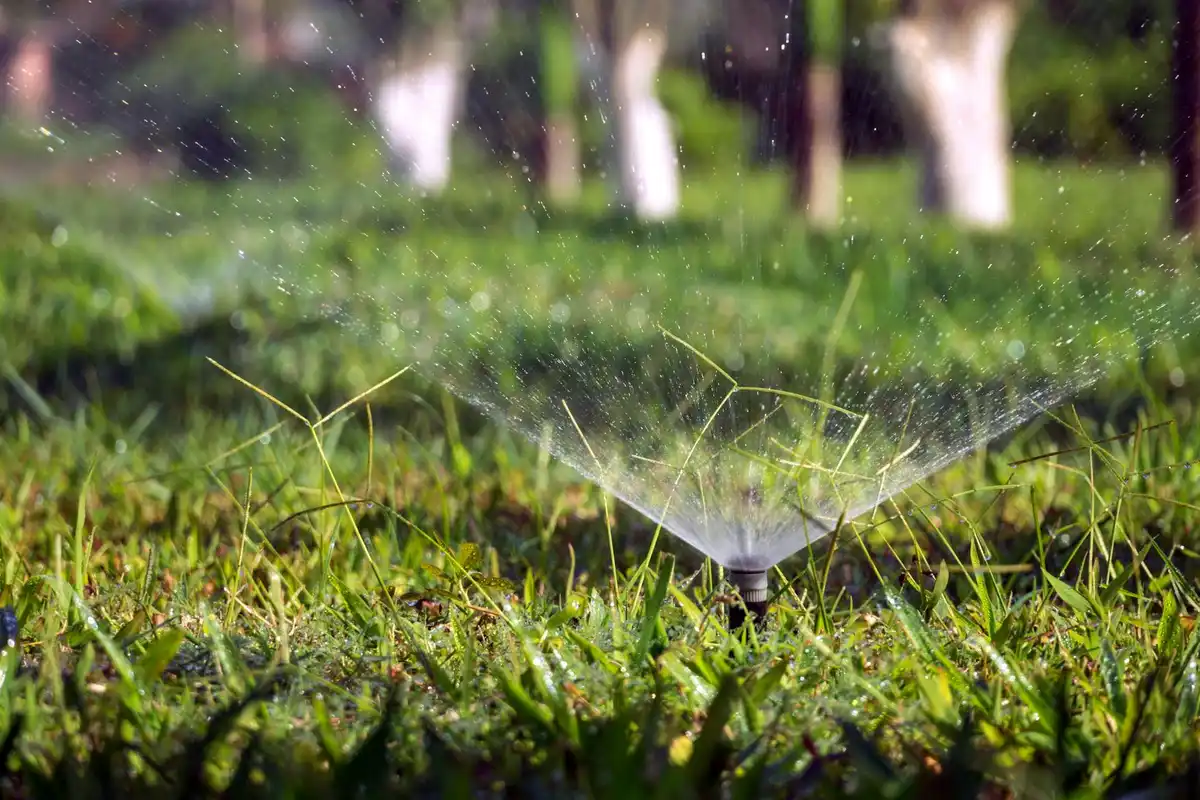
Knowing the best time to water gets you halfway there. The other half is building a routine that fits your specific lawn’s needs. Forget the neighbor’s timer setting. You’re creating a custom plan based on how much water your soil can hold and how fast your grass drinks it.
The goal is to water only when needed and to give the right amount. I use two simple, free tests to figure this out, no fancy tools required.
The first is the screwdriver test, which tells you if you’ve watered enough. After you run your sprinklers, wait about 30 minutes. Then, push a long screwdriver into the soil. If it slides in easily to about 6 inches deep, you’re golden. If it stops hard at 2 or 3 inches, your grass didn’t get a deep enough drink.
The second test tells you *how long* to run your sprinklers to hit that 6-inch goal. Grab a few empty tuna cans or any shallow, straight-sided containers. Place them around your lawn in the sprinkler zones. Run your system for 15 minutes. Then, measure the water in each can with a ruler, average the amounts, and multiply by four. That’s how many inches of water your system puts down per hour. Now you know exactly how many minutes it takes to deliver one inch of water.
Your soil type changes everything. Picture sandy soil like a kitchen sieve, it drains water almost as fast as you apply it. Clay soil is more like a dense sponge, it holds water tightly but lets it in slowly. If you have sandy soil, you might need shorter, more frequent watering sessions to prevent runoff. For clay, you’ll water longer but less often, giving it time to soak in deeply.
How to Tell When Your Grass is Truly Thirsty
Your lawn will tell you when it needs water, long before it turns completely brown. You just need to know what to look for. I do my “thirst check” in the late afternoon.
Here are the clear visual cues that it’s time to water:
- Footprints that linger. Walk across the grass. If your footprints stay visible for more than a few minutes, the blades lack the water pressure to spring back.
- A blue-gray tint. Healthy, hydrated grass has a rich green color. When thirsty, it takes on a dull, slightly blue or grayish hue.
- Blades folding in half. Look at individual grass blades. If they are folded lengthwise down the middle, they’re trying to conserve moisture.
It’s just as important to spot the signs of too much love. Overwatering creates weak roots and invites disease and weeds. If your soil is constantly soggy or spongy to the walk, or if you see moss or green algae forming in thin areas, you’re watering too often. Let the soil dry out a bit between sessions.
The “Deep and Infrequent” Rule in Action
This is the golden rule for a drought-tolerant, resilient lawn. “Deep and infrequent” watering encourages grass roots to grow down, seeking moisture. Shallow, daily sprinklings train roots to stay near the surface, where they heat up and dry out fast.
The goal every time you water is to soak the soil until moisture reaches that 6-inch depth we checked with the screwdriver. This creates a strong root zone that can handle heat and dry spells. Think of it as training your lawn to be self-sufficient.
A great weekly starting point for many lawns is about one inch of total water, split into two or three sessions. For example, you might water on Wednesday and Saturday, applying a half-inch each time. Use your tuna can measurement to know how long that takes.
This is just a starting point, not a rigid rule you set and forget. Your schedule must bend with the weather. If it rains an inch on Tuesday, I give Sunny, my irrigation system, the week off. During a brutal heatwave, I might add an extra half-inch. Always let the screwdriver test and your grass’s visual cues have the final say. They’re the best guides you have.
Seasonal Shifts: Tweaking Your Schedule All Year
Your lawn’s water needs change with the weather, just like your own. Think of it as adjusting the thermostat in your house, but for the soil. Sticking to one rigid schedule all year is a recipe for soggy roots in spring or a thirsty, brown lawn in August. A seasonal lawn watering schedule helps you adapt to these shifts and avoid over- or under-watering. It guides when and how much water the lawn actually needs across spring, summer, and fall. The goal is to sync your watering with the grass’s natural rhythm of active growth and rest.
Spring: The Gentle Wake-Up Call
Spring is a time of renewal. The soil is thawing, and your grass is stretching its roots after a long winter nap. In early spring, I rely almost entirely on rainfall. I keep an eye on my rain gauge and let nature do the work. This is also when I give Sunny, my drip irrigation, its annual check-up for leaks or clogged heads.
As days get consistently warmer, usually mid to late spring, I start supplementing. If we go a week without a good, soaking rain, I’ll run the sprinklers. Spring watering is about consistency, not quantity, setting up deep roots before the summer heat hits. This is your practice run before the big game of summer.
My weekly spring checklist looks like this:
- Check the soil moisture by pushing a screwdriver into the ground. It should slide in 6 inches easily.
- Water only if the top 1-2 inches of soil are dry and no rain is forecast.
- Apply about 1 inch of water per week, including rainfall.
Summer: The High-Stakes Season
Summer is when your watering skill gets tested. The sun is intense, and evaporation is your enemy. I’ve learned this the hard way, watching water from a midday sprinkle disappear before it even hit the roots. You need a different tactic.
During normal summer heat, I water deeply but less often. I aim for my lawn to get 1 to 1.5 inches of water per week, but I split that into just 2 or 3 marathon sessions. This forces roots to dig deep for moisture. During a brutal heatwave, I might add one more shorter cycle to prevent stress, always in the early morning.
If you have a drought-tolerant grass like Bermudagrass or Buffalo grass, remember it’s okay for it to go dormant and turn brown during extreme drought; it’s a survival tactic, and it will green up again with cooler temps and water. Trying to keep it emerald green all summer can waste an incredible amount of water.
Fall: Preparing for Rest
Fall is the most important season for watering, especially if you have cool-season grasses like fescue or Kentucky bluegrass. Think of it like filling your pantry before a long trip. Your grass is busy storing energy and moisture in its roots for the winter. Proper watering is essential during this time to help your lawn withstand the cold.
As growth slows and nights get cooler, you should gradually reduce how often you water. But when you do water, make it count. Deep, thorough watering is the priority. Continue watering until the ground freezes, as this final moisture charge is what protects the grass crowns from drying out over winter, a problem called desiccation. I usually taper off from my summer schedule, ending with a deep watering right before the first hard freeze is expected.
Winter: The Minimalist Approach
For most of us, the hose is put away. Your irrigation system should be blown out and off. But there are rare times when a winter watering is needed. If you have a new lawn or are in a region with little snow cover and long, dry, windy, or warm spells, your grass can get dangerously dry.
The rule is simple: water in winter only if the ground is not frozen and we’ve had no precipitation for over 3 weeks, combined with windy or mild conditions. Pick a day when the temperature is above 40 degrees Fahrenheit, and water around midday so it has time to soak in before a nighttime freeze. Just one good soak is all it takes to prevent winter kill in those vulnerable areas, like my friend Patch near the big oak tree.
Watering by Region: Tailoring to Your Local Climate
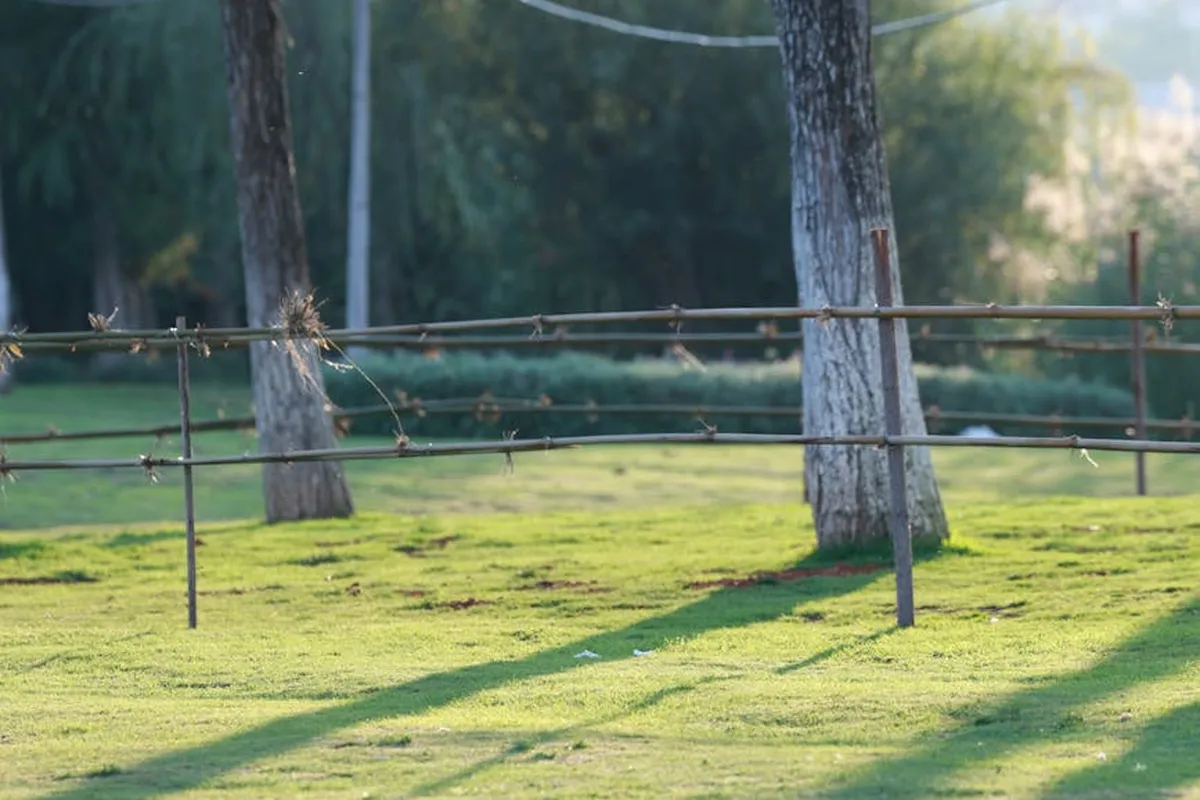
The general rules are a great start, but your local weather is what really calls the shots. A perfect schedule for Florida would drown a lawn in Utah. The best schedule is the one that adapts the core principles to the specific conditions in your backyard. Let’s break it down by the common challenges you might face.
Hot & Humid (e.g., Florida, Dallas)
Here, the air feels like a warm, wet blanket. The biggest enemy isn’t thirst, it’s fungus. Lawn diseases thrive when grass stays damp for hours.
You must water in the early morning, period. This gives your lawn the entire sunny day to dry off, slashing the risk of brown patch and other diseases. I aim to have Sunny, my drip system, finished by 7 AM at the latest.
Summer brings another wrinkle: daily thunderstorms. Your schedule needs to be flexible.
- Invest in a simple rain gauge. If you get a solid half-inch of rain, skip the next scheduled watering.
- Consider a smart controller that connects to local weather data to pause irrigation automatically.
- If rain is frequent but light, you may still need to run a shorter cycle to ensure water soaks deep, not just wets the surface.
Dry & Arid (e.g., Arizona, Phoenix, Utah)
Water is precious and the sun is intense. The goal is to get every drop into the soil before evaporation steals it.
Watering very early in the morning, even pre-dawn, is your best defense against losing water to the air. The cooler temperatures and calm wind let water soak in deeply.
Deep, infrequent watering is non-negotiable here. You’re training roots to go deep where the soil stays cooler and moister longer. A shallow root system will fry.
- Consider a grass type built for this, like Bermudagrass or Buffalograss. They survive on less.
- Use a screwdriver to check your soil moisture depth. After watering, it should slide easily 6-8 inches into the ground.
- This is where a setup like my “Sunny” drip lines for landscape beds really proves its worth, saving water where sprinklers aren’t needed.
Variable & Mountain (e.g., Colorado, Northern California)
Low humidity, blazing sun, but often cooler nights. This combination pulls moisture from soil and grass incredibly fast.
Deep watering is critical because the top few inches of soil can dry out in just a few hours of sun. You need to create a deep reservoir for the roots to tap into.
Microclimates are huge here. A sunny south-facing slope needs more water than a north-facing one. Altitude affects air temperature and pressure, changing how plants use water.
- Don’t trust a single schedule for your whole yard. Zone your irrigation so the hot, sunny zones get more time than the cool, shaded ones.
- Mulch around trees and in beds to help the surrounding soil retain that precious moisture.
- Pay close attention to your lawn. When the blades start to fold in half or show a slight bluish tint, it’s time to water, regardless of the calendar.
Temperate & Coastal (e.g., Massachusetts, NYC in May)
Springs are cool and damp, summers can be humid or surprisingly dry. The key is not to start too early and to watch the sky.
Hold off on regular watering until late spring or early summer, when rainfall becomes less consistent and temperatures rise. Overwatering in a cool, wet spring is a direct invitation to moss and disease.
Shaded areas, like my stubborn “Patch,” present a specific challenge. They stay damp much longer after rain or dew.
- Water shaded areas separately and less frequently than the sunny parts of your lawn.
- If Patch stays soggy, core aeration can help improve air and water movement in the soil.
- During a dry summer spell, the “footprint test” is your best friend. If your footprints stay visible on the lawn for more than a minute, it’s time to water deeply.
Common Watering Mistakes and How to Avoid Them
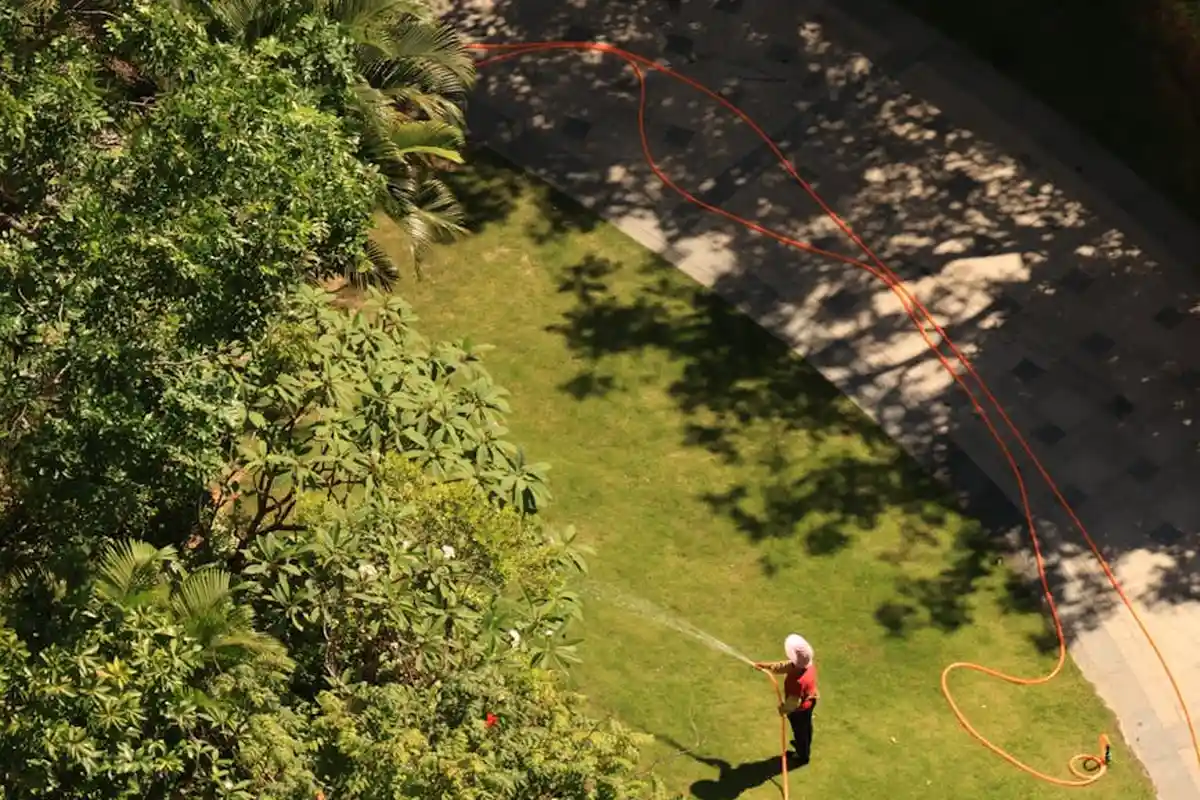
Let’s talk about what goes wrong. I’ve made most of these errors myself, especially in my first few seasons. Every mistake is a chance to learn a better way. Here are the big ones I see, and the simple fixes I use now.
Mistake: The Daily Sprinkle
This might be the most common habit. You set the sprinklers to run for 15 minutes every morning. The grass looks damp, so you think you’re helping. I did this for years.
That quick daily soak only wets the top inch of soil. Grass roots are smart. They grow where the water is. If the water is always at the surface, that’s where the roots stay. You end up with a shallow, weak root system.
The fix is to swap the daily sprinkle for deep and infrequent watering. Think of it like training for a drought. You want to encourage roots to chase moisture down deep into the soil, where it’s cooler and more stable.
Instead of 15 minutes a day, try an hour once or twice a week. The goal is to apply enough water to soak the soil 6 to 8 inches deep. You can check this an hour after watering with a long screwdriver or soil probe. It should push into the ground easily.
Mistake: Setting the Timer and Forgetting It
We love our irrigation timers. I love my “Sunny” setup. The danger is setting it in spring and ignoring it until fall. Your lawn’s thirst changes with the heat, the rain, and the season.
Running the same schedule during a cool, rainy week in May as you do during a blazing hot July week is a waste of water and can drown your grass.
Make a quick weekly check-in part of your routine. It takes five minutes on a Saturday morning. I do it with my coffee.
- Look at the week’s weather forecast. Did it rain? Is a heatwave coming?
- Feel the soil. Stick your finger in it. Is it moist an inch down, or bone dry?
- Observe the grass. Does it have a blue-gray tint? Do footprints stay visible? These are signs of thirst.
Then, adjust Sunny’s schedule accordingly. Turn it off if rains are coming. Add a cycle if a heat dome is parked overhead. Your lawn will tell you what it needs.
Mistake: Watering Everything the Same
Your lawn is not a uniform carpet. It’s more like a patchwork quilt with different needs. My slope near the driveway bakes dry in two days. “Patch,” my stubborn shady corner, stays damp for a week. Watering them the same amount causes problems everywhere.
Your goal is to get the right amount of water to each unique area. This is called zoning.
If your irrigation system allows it, set different zones for sunny spots, slopes, and shaded areas. Program the sunny zones to run longer. Give the shaded areas a shorter drink.
No fancy system? No problem. I often do this: run my main zones for the deep watering cycle, then use a simple sprinkler on a hose to give the hot, sloped areas an extra 20-minute soak a few days later. It’s a bit of extra work, but it saves the grass on that hill.
Mistake: Ignoring Your Soil
Watering without knowing your soil is like cooking without knowing your oven’s temperature. Soil is your lawn’s sponge. And sponges come in different types.
Clay soil is a dense, slow-draining sponge. Sandy soil is a loose, fast-draining sieve. If you water sandy soil like it’s clay, the water runs straight through before roots can drink. Water clay like it’s sand, and you create a soggy, muddy mess. These irrigation considerations are especially important for lawns, which benefit from different watering strategies for clay and sandy soils. Tailor your irrigation approach to clay soil and sandy soil lawns to keep roots hydrated and the lawn healthy.
To water correctly, you first need to know what you’re working with. A simple jar test gives you the answer.
- Take a clear jar and fill it one-third with soil from a few inches down.
- Add water until the jar is two-thirds full.
- Add a pinch of dishwasher soap, seal the lid, and shake hard for a minute.
- Let it sit for 24 hours. The layers will separate: sand at the bottom, silt in the middle, clay on top.
Now you know. For heavy clay, use longer watering cycles with a break in between to let water soak in. For sandy soil, use shorter, more frequent cycles to keep water in the root zone. It changes everything.
Greedy Grass Pro Tip: Work Smarter, Not Harder
Here’s the one piece of advice I wish I’d gotten ten years ago. You can be a lawn care genius, but if you’re watering at the wrong time, you’re just making more work for yourself. I learned this after too many weekends watching precious water evaporate before it even touched the soil. Knowing when and how long to water your lawn makes all the difference.
My biggest upgrade wasn’t a new mower like Max, it was putting my watering on autopilot. For years, I was that person dragging the sprinkler around every other evening, or worse, trying to remember to get up at dawn to turn the hose on. Life gets in the way, and the lawn always paid the price.
My simple fix was a $25 digital timer for my hose bib. I connected it to my sprinkler and programmed it for 5:30 a.m. I named that setup ‘Sunny,’ and it changed everything. Now, the water goes down exactly when it should, whether I’m making coffee or catching up on sleep. It ensures that perfect morning window is hit every single time.
Automating the ‘when’ is the ultimate hack. It removes human error and forgetfulness from the equation completely. Once that’s set, you free up your mental energy for the parts that really need your judgment: frequency and duration.
Your job now is just to watch and adjust. Is the grass getting crispy by afternoon? Maybe the duration needs a bump. Is the soil staying soggy for days? Dial back the frequency. Let the timer handle the clock, so you can focus on what the lawn is telling you. It turns watering from a daily chore into a weekly check-in.
Greedy Grass FAQ: Your Lawn Watering Questions, Answered
My town has watering restrictions. How do I keep my lawn greedy under these rules?
Work within the allowed windows, but always aim for the earliest morning slot available. A deep, infrequent drink on your designated days is far better than shallow daily sips that waste your quota.
I live in Florida. How do I water without inviting a fungal disaster?
Stick to a strict early morning schedule so blades dry fast in the sun. Let your rain gauge be your guide and skip a cycle after a good downpour to avoid drowning those greedy roots.
My Colorado lawn seems to dry out instantly. What’s the trick?
Zone your irrigation so sunny, sloped areas get more water than shaded spots. Focus on deep, infrequent watering to create a moisture reservoir those roots will hunt for, making your grass resilient.
How should I adjust my watering for the intense heat in Phoenix or Dallas?
Water in the pre-dawn hours to beat evaporation. In peak summer, you might add one extra, shorter cycle to prevent stress, but always let the screwdriver test confirm you’re hitting that deep 6-inch target.
In a temperate spring like NYC or Massachusetts in May, when do I start watering?
Hold off on your sprinklers until consistent warmth dries the soil and rainfall slows. Your lawn is still waking up; overwatering now just invites moss and makes your grass lazy.
Wrapping Up Your Watering Routine
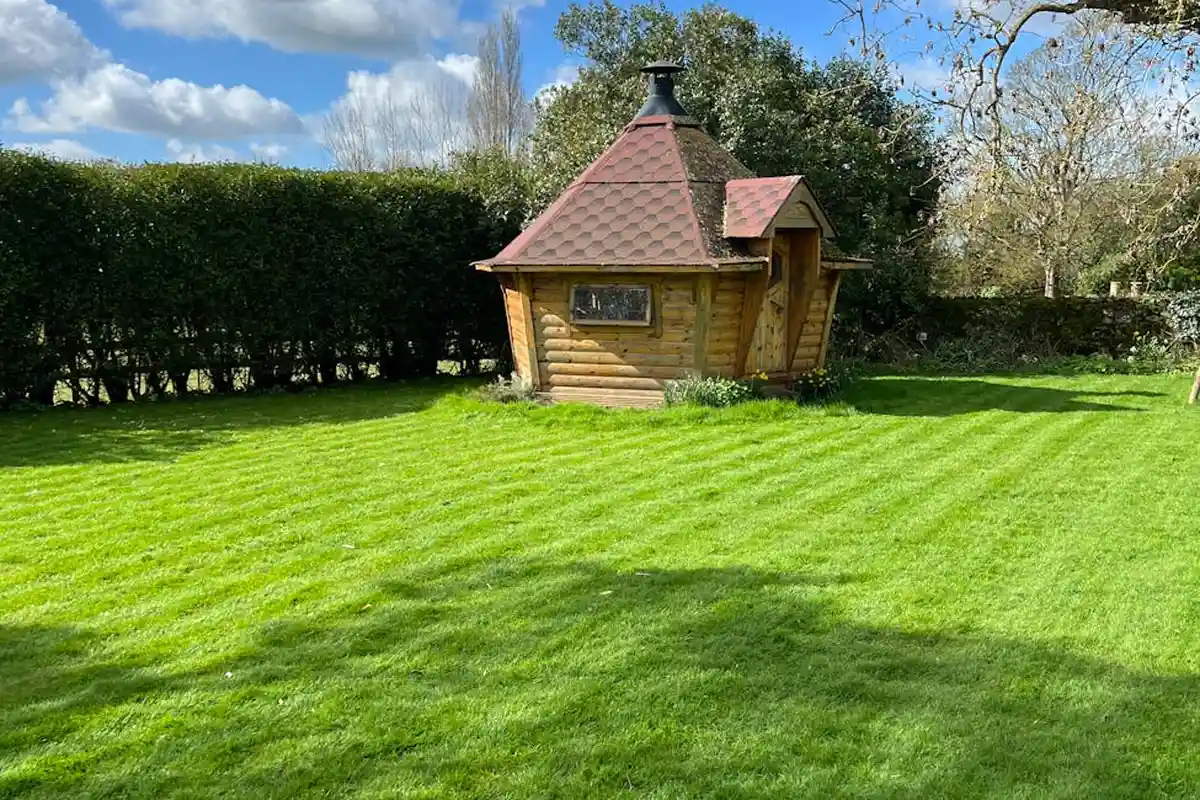
The best habit you can start today is watering in the early morning. You’ll waste less water to evaporation and give your grass a strong defense against disease.
Being a good lawn owner means using every drop wisely, protecting our local water, and paying attention to what your grass tells you each week. That mindful, responsive approach is what builds a lawn that’s not just green, but resilient and healthy for everyone, including pets and pollinators. Considering the environmental impacts of lawn maintenance can guide greener choices, from water use to fertilizer and pesticide decisions. These considerations help protect local ecosystems while keeping your lawn thriving.
Deep Dive: Further Reading
- Watering Schedule | City of Sacramento
- Watering Restrictions
- The Best Time To Water Your Lawn | IFA’s Helping to Grow Blog
- The Ultimate Guide to Lawn Watering | TruGreen
Written by Ria Carrington. Ria is an avid lawn care enthusiast and advisor. No lawn is unsalvagable when Ria is at work. She has helped countless homeowners breath new life into their dying lawns. She has a B.Sc in Agriculture and brings practical advice combined with knowledge of plant science and her decade worth of hands on experience.